
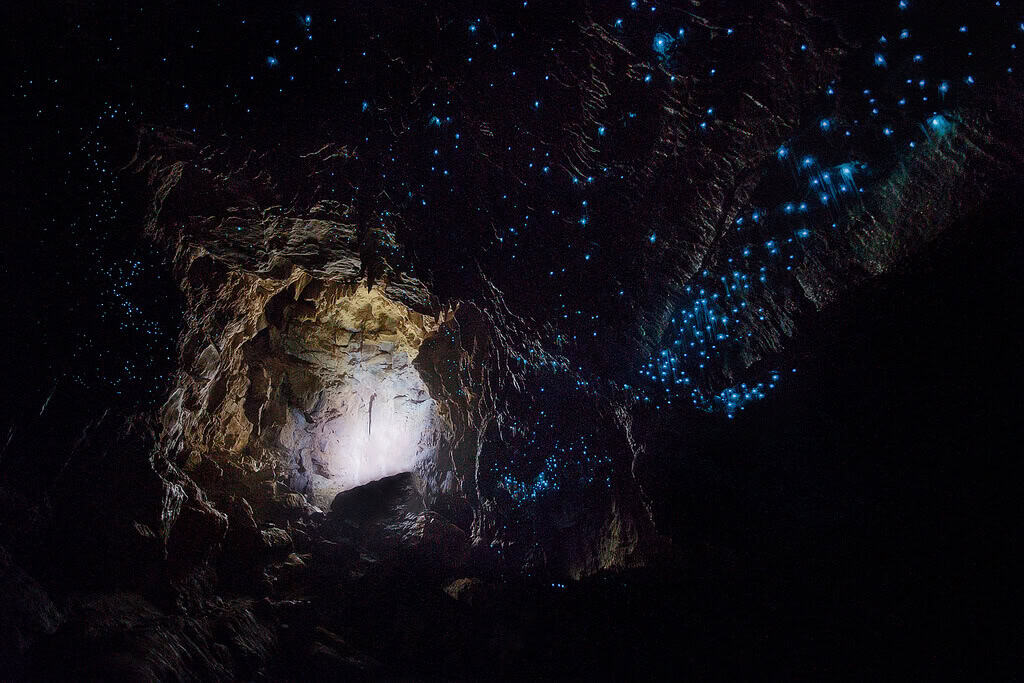
Deep within certain cave systems around the world lies a phenomenon that seems to bring the night sky underground. Glowworms, with their bioluminescent properties, transform dark cavern ceilings into spectacular displays reminiscent of starry nights. These living light sources create an ethereal atmosphere that has captivated explorers, scientists, and tourists alike for generations. The soft blue-green glow emanating from thousands of tiny organisms creates one of nature’s most magical displays, turning limestone caves into natural planetariums.
Unlike the stars they resemble, these glowing creatures are actually the larvae of various species of fungus gnats. They produce light through a biochemical process called bioluminescence—the same process used by fireflies and certain deep-sea creatures. The most famous and spectacular of these glowworm displays can be found in New Zealand’s Waitomo Caves, where the species Arachnocampa luminosa creates a breathtaking celestial simulation that draws visitors from around the globe.
The Waitomo Glowworm Caves of New Zealand
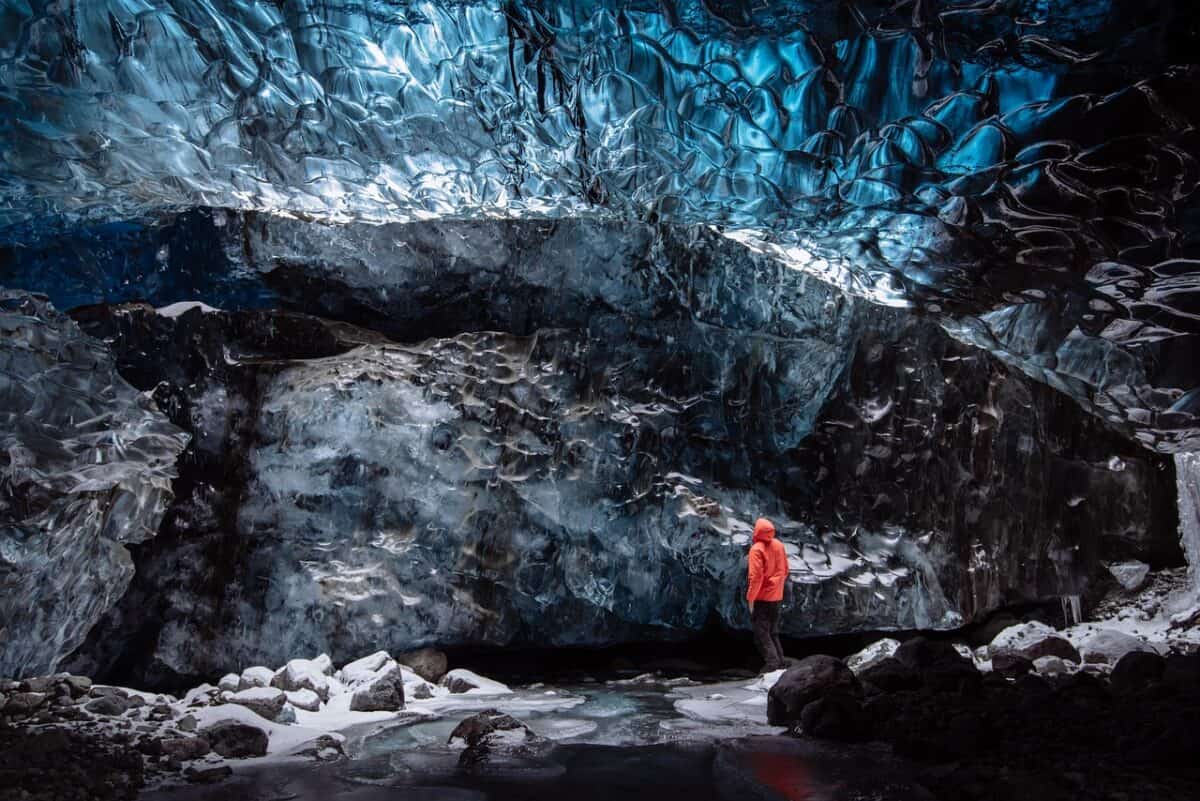
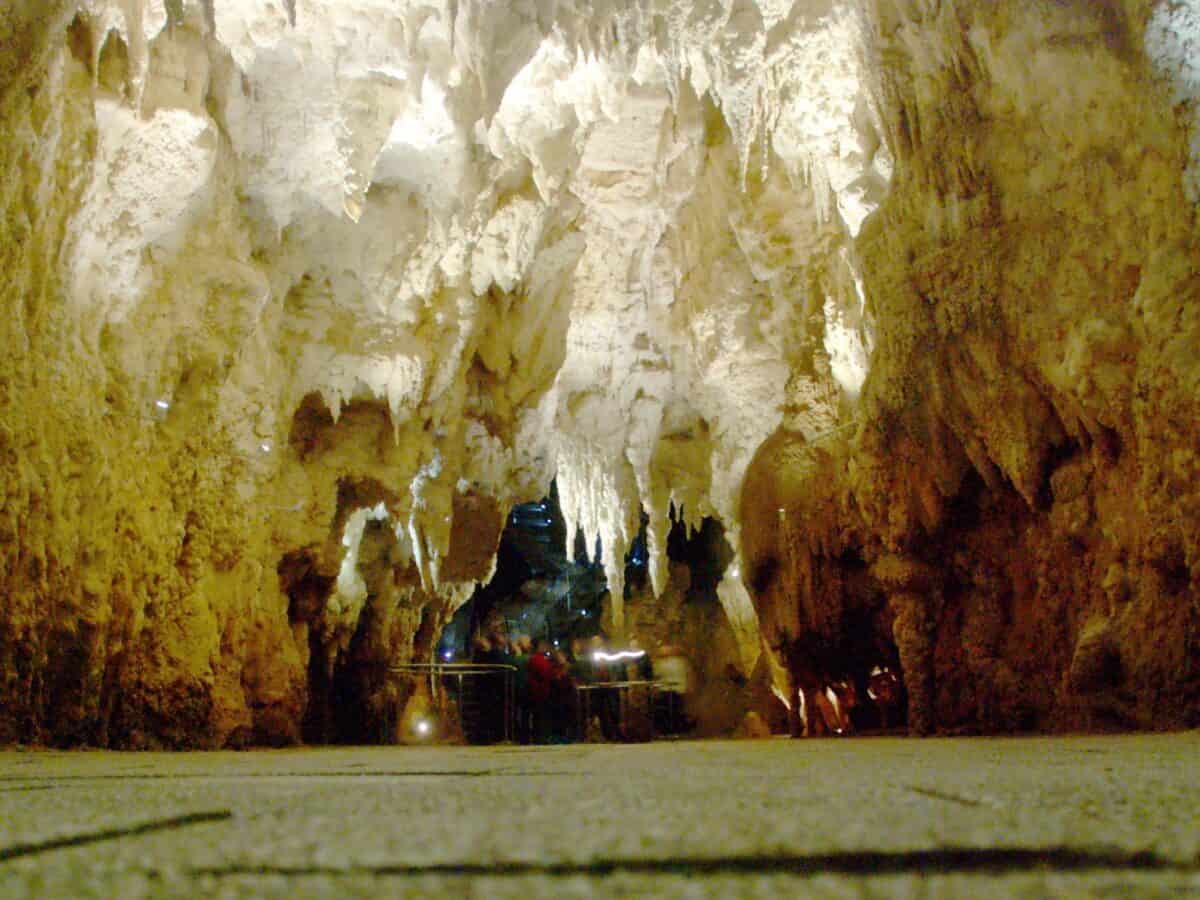
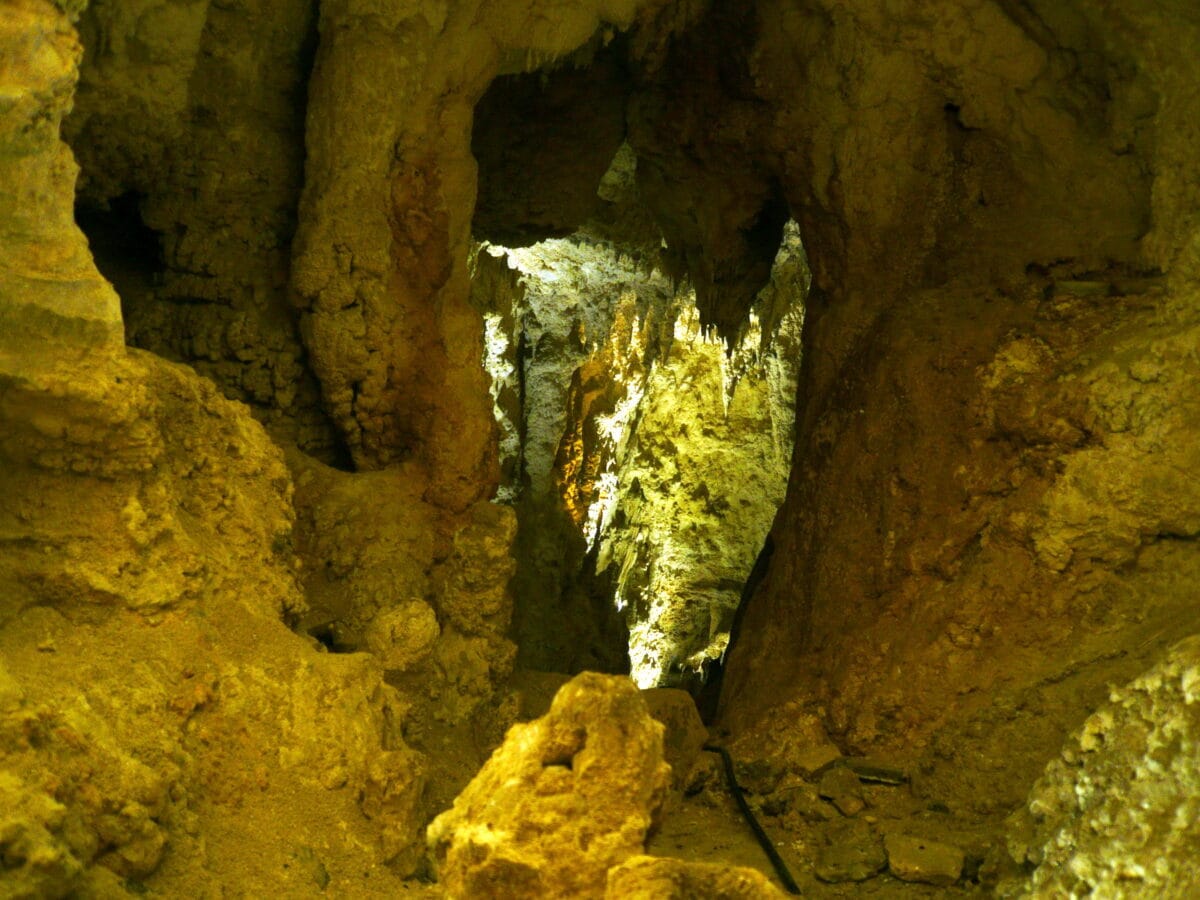
The Waitomo Caves system, located on New Zealand’s North Island, has become world-renowned for its glowworm spectacle. Discovered in 1887 by local Maori Chief Tane Tinorau and English surveyor Fred Mace, these limestone caves have been welcoming visitors for over 130 years. The name “Waitomo” comes from the Māori words “wai” (water) and “tomo” (hole or shaft), aptly describing the cave system’s formation. The cave system stretches for about 2 kilometers and features impressive stalactites and stalagmites formed over millions of years.
What makes Waitomo truly special is the presence of Arachnocampa luminosa, a species found exclusively in New Zealand. These glowworms create a mesmerizing blue light display across the cave ceilings. Visitors typically experience the caves via boat tours, floating silently through the darkness beneath thousands of glowing points of light. The experience is often described as magical and otherworldly, as if floating through space beneath a galaxy of living stars.
Understanding the Arachnocampa Luminosa Species
Despite their common name, Arachnocampa luminosa aren’t actually worms at all. They are the larvae stage of a fungus gnat, a type of fly native to New Zealand. The life cycle of these fascinating creatures includes four stages: egg, larva (the glowing stage), pupa, and adult fly. The larvae can spend up to nine months in this stage, glowing continuously to attract prey before metamorphosing into adult flies that live just a few days, solely to mate and lay eggs to continue the cycle.
The species name “luminosa” refers to their most distinctive feature—the ability to produce light. This bioluminescence is created through a chemical reaction involving a light-emitting molecule called luciferin and an enzyme called luciferase. The reaction is remarkably efficient, converting nearly 100% of energy into light with minimal heat loss. This makes it one of the most efficient light production systems known to science, far surpassing human-made light sources in terms of energy efficiency.
The Science Behind the Glow
The bioluminescence of glowworms involves a fascinating biochemical process. Within specialized cells in their tails, glowworms contain light-producing organelles filled with the chemicals necessary for bioluminescence. When oxygen interacts with luciferin in the presence of the enzyme luciferase and adenosine triphosphate (ATP), a chemical reaction occurs that releases energy in the form of light. This reaction produces the characteristic blue-green glow that makes these cave ceilings resemble starry skies.
Interestingly, the glowworm can control the intensity of its light by regulating oxygen flow to its light organs. This ability to dim or brighten their glow helps conserve energy when no prey is present or increase attraction when hunting. The wavelength of the light produced is around 488 nanometers, creating the distinctive blue-green color that penetrates well through the humid cave atmosphere. Scientists believe this particular wavelength evolved because it’s highly visible to the small flying insects that glowworms prey upon.
Hunting with Light: Glowworm Feeding Strategies

The glowworms’ luminescence serves a critical survival purpose—it’s essentially a hunting tool. These clever larvae construct sticky silk threads that hang down from their fixed positions on the cave ceiling, creating what scientists call “fishing lines” or “snares.” The bioluminescent glow attracts small flying insects such as midges, mayflies, and moths that navigate by light. When these insects fly toward what they perhaps perceive as a way out of the cave or as moonlight reflecting on water, they become entangled in the sticky threads.
Once captured, the prey is reeled in by the glowworm, which then consumes it. A single glowworm can produce dozens of these threads, each up to 40 centimeters long. The hungrier the glowworm, the brighter it will glow to attract more prey. This creates a competitive environment where the brightness of an individual’s light can determine its feeding success. In dense colonies, thousands of these tiny predators create the stunning star-like effect while simultaneously operating one of nature’s most beautiful trapping systems.
Other Famous Glowworm Caves Around the World
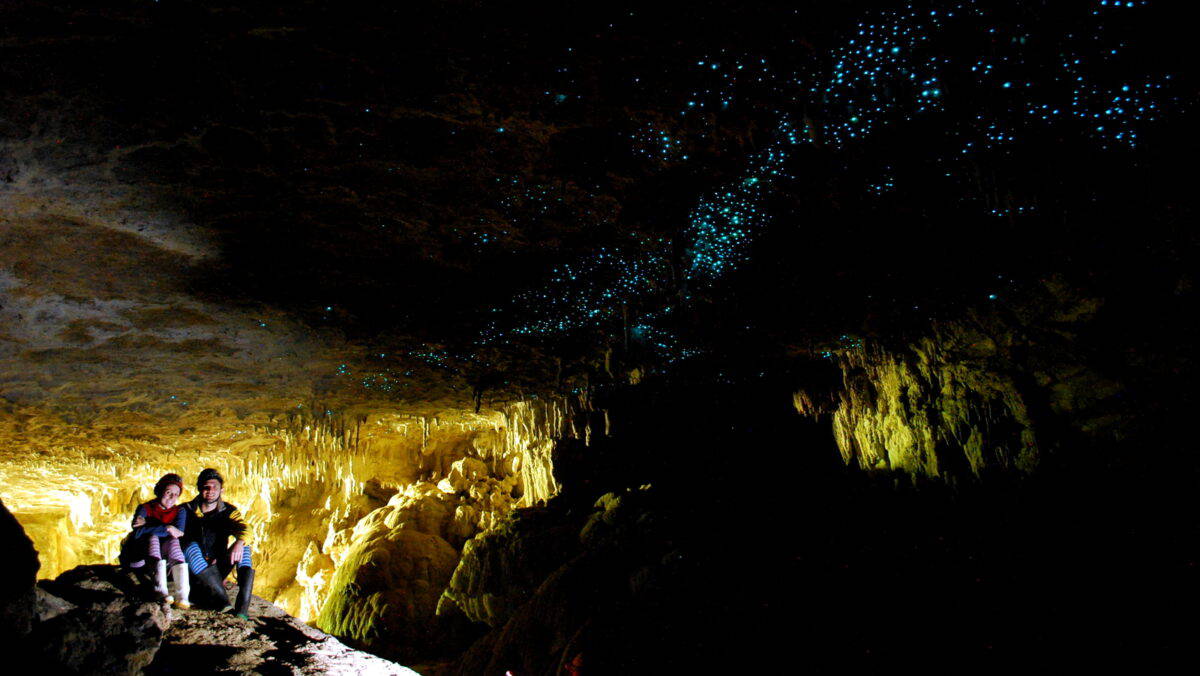
While New Zealand’s Waitomo Caves are the most famous, they aren’t the only places where cave-dwelling glowworms create stunning displays. Australia is home to several impressive glowworm locations, with the most notable being the Natural Bridge section of Springbrook National Park in Queensland. Here, the Australian species Arachnocampa flava creates similarly spectacular ceiling displays. The Tunnel Creek Cave in Western Australia and Wollemi National Park in New South Wales also host significant glowworm populations.
In other parts of the world, different bioluminescent organisms create similar effects. The Dismalites (Orfelia fultoni) of Dismals Canyon in Alabama, USA, produce a similar blue-green glow. In Europe, railroad worms (Phrixothrix) can be found in certain cave systems. Each location offers its unique viewing experience, but all share the magical quality of transforming dark cave interiors into glittering facsimiles of night skies, demonstrating how convergent evolution has created similar bioluminescent hunting strategies in different parts of the world.
The Perfect Habitat: Why Caves?
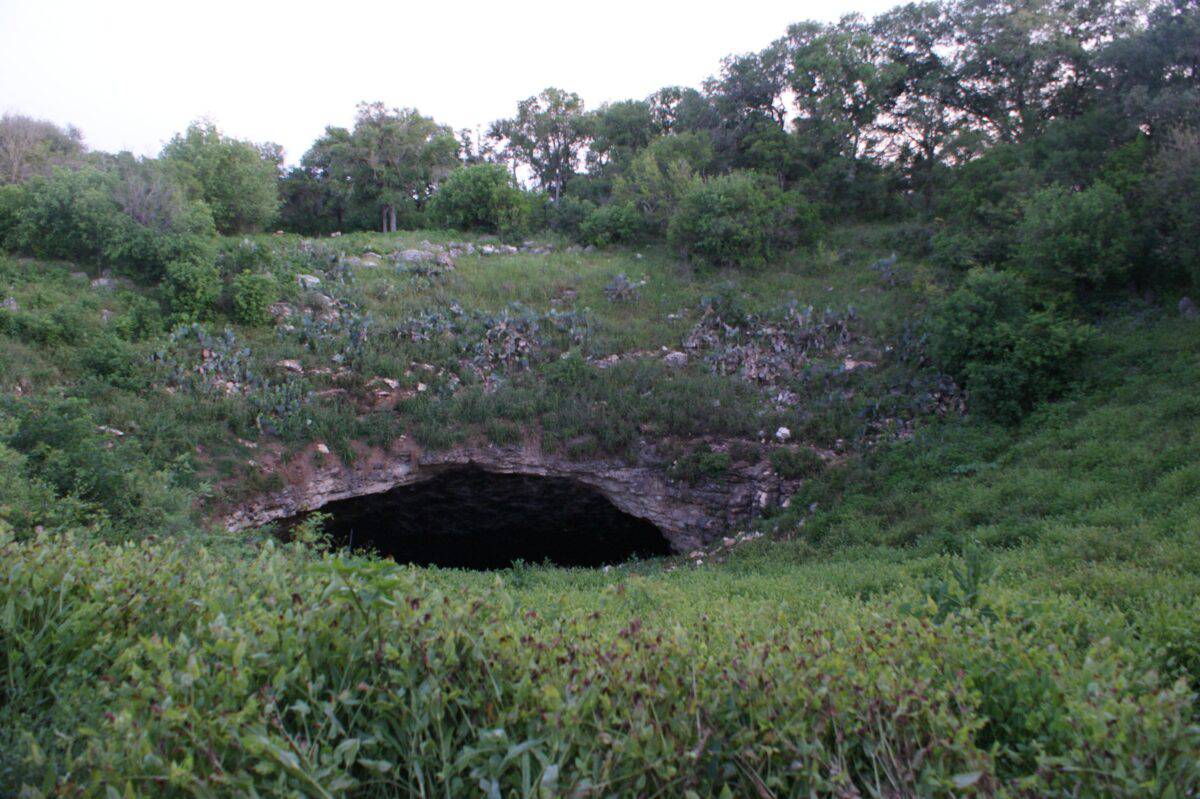
Caves provide the ideal environment for glowworms for several reasons. First, they offer constant temperature and humidity levels, protecting these sensitive organisms from environmental fluctuations. The average temperature in the Waitomo Caves, for instance, remains a stable 16-18°C (61-64°F) year-round, with humidity levels consistently above 98%. These conditions help prevent the glowworms’ sticky fishing lines from drying out and maintain the overall health of the colonies.
Additionally, caves provide protection from predators and wind that might disturb the delicate fishing lines. The darkness is essential for the glowworms’ hunting strategy, as their bioluminescence would be far less effective in daylight. Caves with underground rivers or streams are particularly suitable, as the water attracts the flying insects that serve as prey and helps maintain high humidity levels. The cave environment also offers ample ceiling surfaces for attachment and limited competition from other predators, allowing glowworm colonies to thrive in dense, spectacular numbers.
Conservation Challenges and Efforts

Despite their protected status in many locations, glowworm populations face several conservation challenges. Tourism, while economically important, can disrupt these sensitive ecosystems if not carefully managed. The heat, light, and carbon dioxide from large numbers of visitors can affect the glowworms’ lifecycle and feeding habits. In Waitomo, strict visitor regulations have been implemented, including limits on photography, talking volume, and touching cave formations. Specialized lighting systems that minimize impact on the glowworms are used during tours.
Climate change presents another significant threat, as alterations in rainfall patterns affect cave humidity and water levels, potentially disrupting the delicate balance these creatures require. Pollution from agricultural runoff can impact the insects that glowworms feed on, indirectly affecting their populations. Conservation efforts include ongoing scientific monitoring, habitat protection, and education programs to raise awareness about these unique ecosystems. In New Zealand, the Department of Conservation works closely with tour operators to ensure sustainable visitation practices that balance tourism with environmental protection.
Cultural Significance and Mythology
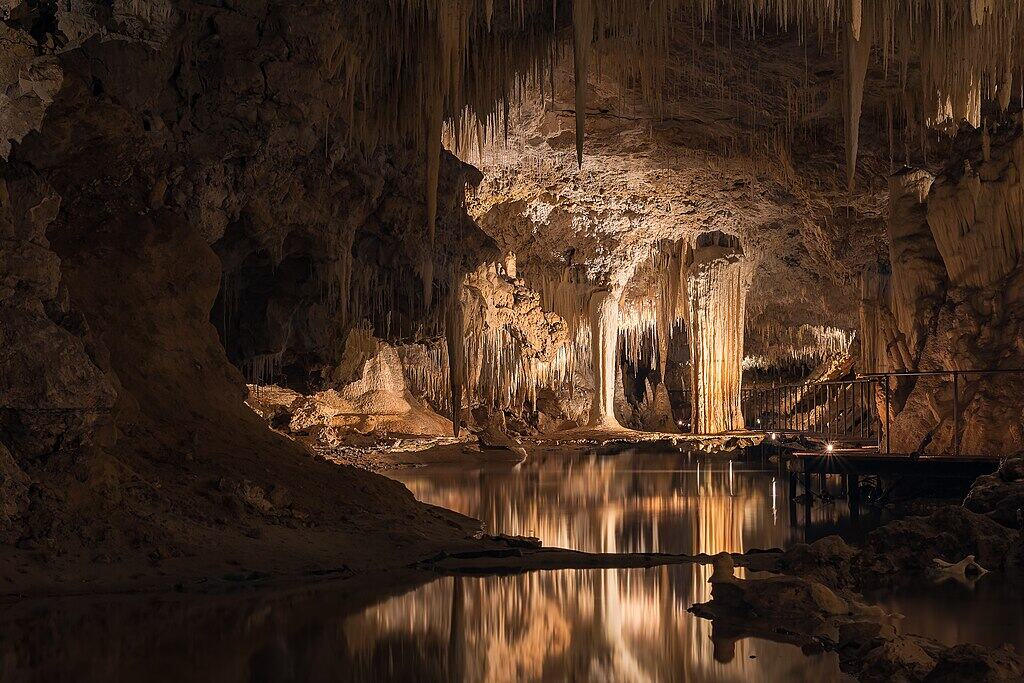
Glowworms hold special significance in the cultural traditions of indigenous peoples near these cave systems. For the Māori people of New Zealand, the glowworms (known as “titiwai”) feature in various legends and are considered spiritual guardians of the underground world. According to some Māori stories, the glowworms were stars placed underground by the gods to guide travelers through dark places. The Waitomo Caves themselves are considered taonga (treasures) with deep cultural significance.
In Australian Aboriginal traditions, bioluminescent creatures are often associated with ancestral spirits and feature in Dreamtime stories about the creation of the land. These cultural connections have added layers of meaning to conservation efforts, with indigenous knowledge increasingly incorporated into management practices. Today, many cave tours include cultural interpretations alongside scientific explanations, providing visitors with a richer understanding of these natural wonders and their importance to local communities across multiple generations.
Tourism and Experiencing Glowworm Caves
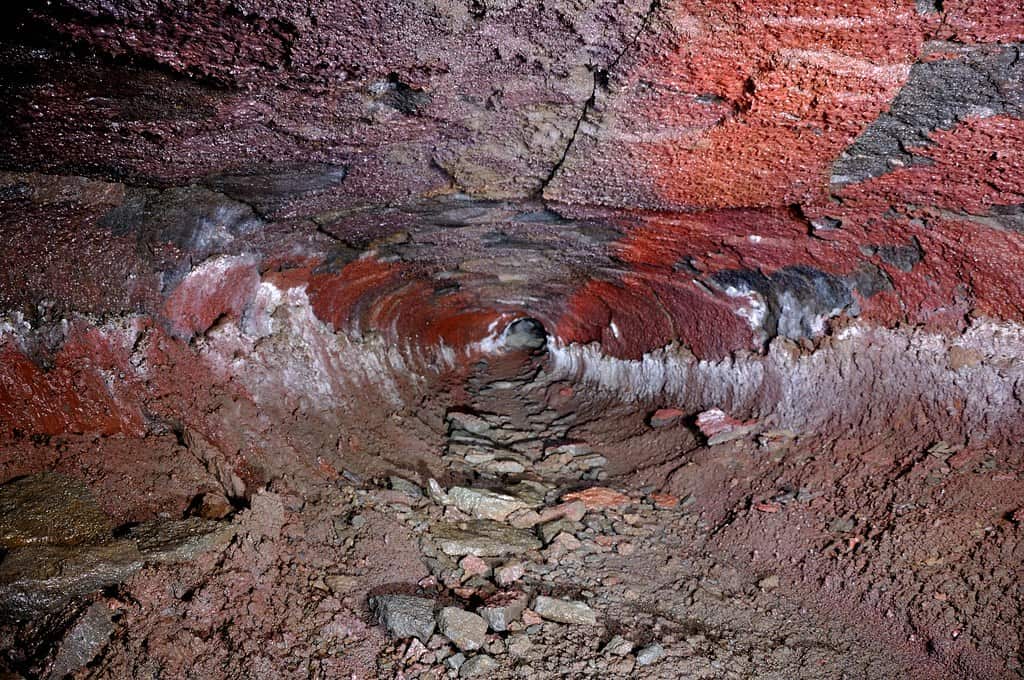
Visiting a glowworm cave is a unique tourism experience that combines natural wonder with educational opportunity. Most cave systems offer guided tours, which typically involve walking through illuminated cave sections before entering darkened chambers where the glowworms are visible. At Waitomo, the highlight is often a silent boat ride through the “Glowworm Grotto,” where visitors float in complete darkness beneath thousands of glowing points. For the more adventurous, some operators offer “black water rafting” tours, combining caving with tubing through underground rivers beneath glowworm displays.
The best viewing conditions occur when the cave is completely dark and quiet, allowing the glowworms’ light to reach maximum visibility. Photography is challenging and often restricted to protect the glowworms from light exposure. The best time to visit varies by location, though the organisms themselves glow year-round. Visitors should be prepared for cool, damp conditions and follow all guide instructions to minimize environmental impact. Advance booking is often necessary, especially at popular sites like Waitomo, where peak season can see thousands of daily visitors all eager to witness this remarkable natural light show.
Scientific Research and Discoveries
Glowworms continue to fascinate scientists, who study them for insights into bioluminescence, evolutionary biology, and potential applications in medicine and technology. Research into the chemical compounds involved in their light production has applications in medical imaging, cancer research, and the development of biosensors. The extreme efficiency of their light production—converting nearly 100% of energy into light with minimal heat—has inspired innovations in energy-efficient lighting technology.
Scientists are also studying the composition of the glowworms’ sticky threads, which contain unique proteins that remain adhesive in extremely humid conditions. These could potentially inform the development of new waterproof adhesives for medical or industrial applications. DNA sequencing has revealed fascinating evolutionary relationships between different glowworm species worldwide, helping scientists understand how bioluminescence evolved independently multiple times in different insect lineages. Ongoing research also monitors population dynamics, helping inform conservation strategies to protect these remarkable creatures for future generations to study and enjoy.
Living Stars: Nature’s Underground Light Show
The phenomenon of glowworm caves represents one of nature’s most extraordinary spectacles, where biology creates an illusion that connects the underground world with the cosmos above. These living stars, hanging silently in the darkness, remind us of the incredible diversity and ingenuity of evolutionary adaptations. What makes the experience particularly profound is the knowledge that this beautiful light display is actually a sophisticated hunting strategy, where each glowing point represents a patient predator waiting for prey to be drawn to its luminous lure.
As we continue to study and protect these remarkable creatures and their habitats, we gain not just scientific knowledge but also a deeper appreciation for the interconnectedness of all living systems. Whether experienced through the cultural lens of indigenous traditions or the analytical perspective of modern science, glowworm caves offer a rare opportunity to witness something truly magical—a living constellation beneath the earth. In our increasingly illuminated world, these natural light shows provide a glimpse into the primordial darkness that once covered our planet, reminding us of the value of preserving such unique natural phenomena for generations to come.

- The Glasswing Butterfly: Nature’s Invisible Beauty - July 21, 2026
- What Happens If a Whale Dies in the Ocean? - July 21, 2026
- Why You Should Stop Feeding Ducks at the Park - July 21, 2026