


Under the cover of darkness, certain deserts around the world transform into eerie, glowing landscapes that seem almost otherworldly. This remarkable phenomenon isn’t the result of radioactive soil or bioluminescent plants, but rather the presence of scorpions that literally glow when exposed to ultraviolet light. These arachnids, which remain hidden during daylight hours, become brilliantly visible under UV flashlights, emanating an intense blue-green fluorescence that stands out dramatically against the dark desert backdrop. Researchers and enthusiasts who venture into these environments at night with specialized equipment are treated to a spectacular light show that reveals the surprising abundance of these creatures in what otherwise appears to be barren terrain.
The Science Behind Scorpion Fluorescence
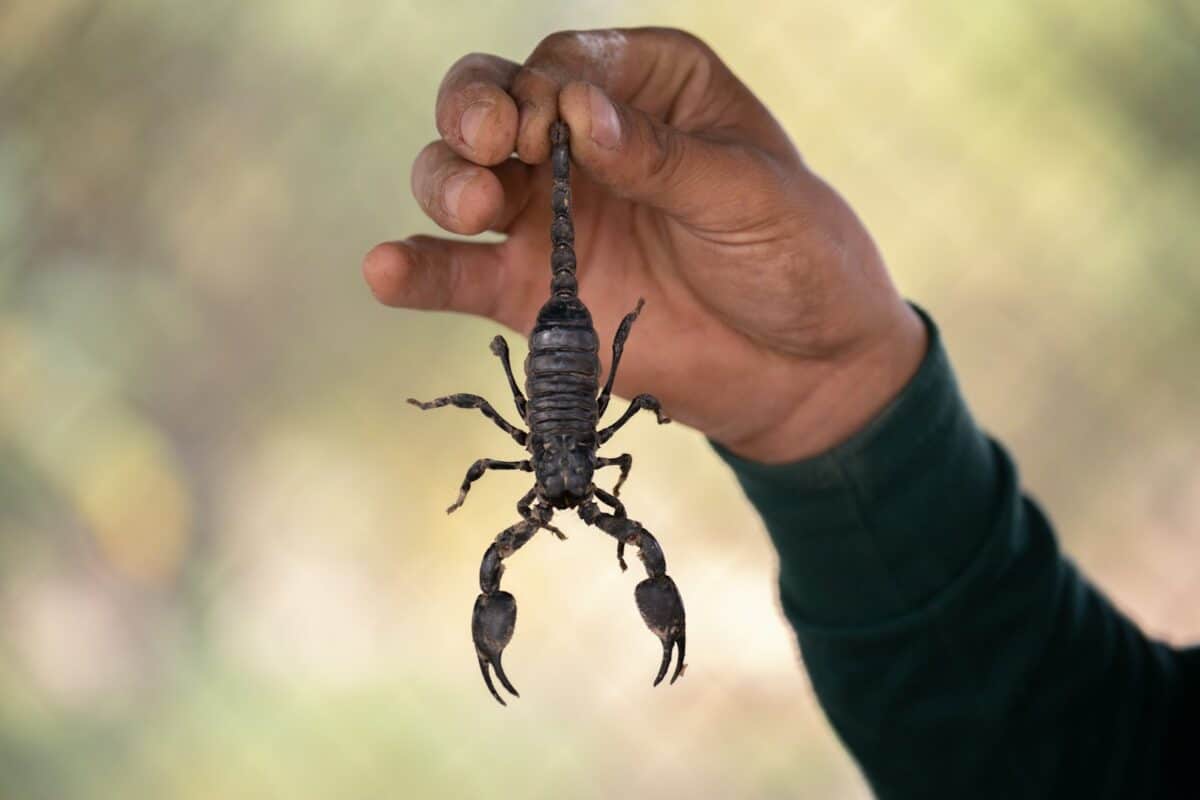
The fluorescent glow of scorpions is caused by compounds in their exoskeleton that react to ultraviolet light. These compounds, primarily beta-carboline and 7-hydroxy-4-methylcoumarin, are found in a thin layer of the scorpion’s cuticle, the hard outer covering that protects its body. When UV light strikes these compounds, they absorb the energy and re-emit it at a longer wavelength that’s visible to the human eye as a blue-green glow. This process, known as fluorescence, differs from bioluminescence seen in organisms like fireflies because it requires an external light source rather than being generated internally. Remarkably, this fluorescence is so efficient that scorpions can be spotted from up to 15 feet away with a good UV flashlight, even when only a small portion of their body is exposed.
The Sonoran Desert: A Scorpion Hotspot

The Sonoran Desert, spanning parts of the southwestern United States and northwestern Mexico, is particularly renowned for its glowing scorpion population. This desert ecosystem, characterized by its iconic saguaro cacti and diverse wildlife, houses numerous scorpion species, with the bark scorpion (Centruroides sculpturatus) being especially common. Researchers have documented densities of up to 3,000 scorpions per hectare in some areas of the Sonoran Desert, making it one of the richest scorpion habitats on Earth. During nighttime UV surveys, the desert floor can appear to be scattered with tiny, glowing blue-green stars as scorpions emerge from their daytime hiding places to hunt. The contrast between their fluorescent bodies and the dark desert landscape creates a breathtaking natural light show that draws wildlife photographers and enthusiasts from around the world.
Evolutionary Purpose of Scorpion Fluorescence

The evolutionary advantage of scorpion fluorescence remains somewhat mysterious, though scientists have proposed several compelling theories. One hypothesis suggests that fluorescence helps scorpions detect and avoid light, which would be beneficial for these primarily nocturnal creatures. Their exoskeletons might function as a distributed light detector, allowing them to sense when they’re exposed to moonlight and seek shelter.
Another theory proposes that the glow might attract prey, particularly insects that are drawn to UV light. Some researchers speculate that the fluorescence could serve as a form of communication between scorpions or as a warning signal to potential predators. Interestingly, fossil evidence indicates that scorpions have possessed this fluorescent quality for at least 430 million years, suggesting it provides a significant evolutionary advantage that has been preserved throughout their long history on Earth.
Scorpion Species Diversity in Glowing Deserts

Desert ecosystems that exhibit the scorpion glow phenomenon typically host a diverse array of scorpion species, each with unique characteristics. In North American deserts alone, there are over 70 known species, ranging from the small but venomous Arizona bark scorpion to the larger desert hairy scorpion (Hadrurus arizonensis), which can reach lengths of over 7 inches. Each species displays slightly different intensities and shades of fluorescence, creating subtle variations in the glow observed.
Interestingly, the fluorescence intensity can vary based on the scorpion’s age, with younger scorpions often glowing more brightly than their older counterparts. This diversity contributes to the complex visual tapestry that emerges when surveying desert environments with UV light, as different species create distinctive patterns of illumination across the landscape based on their habitat preferences and behavioral patterns.
UV Blacklight Tours: A Growing Ecotourism Trend

The mesmerizing phenomenon of glowing scorpions has given rise to a specialized form of ecotourism in desert regions. UV blacklight tours, led by knowledgeable guides, take visitors on nighttime expeditions to witness this spectacular natural light show. These tours have become increasingly popular in areas like Arizona’s Sonoran Desert, where companies offer guided walks that reveal not only scorpions but also other fluorescent organisms such as certain lichens and minerals.
Participants are typically equipped with UV flashlights and provided with information about scorpion biology, behavior, and safety. Beyond the thrill of spotting these glowing arachnids, these tours offer valuable educational opportunities about desert ecosystems and the importance of conservation. Tour operators often emphasize responsible wildlife viewing practices, ensuring that the experience doesn’t negatively impact the scorpions or their habitat while giving visitors an unforgettable glimpse into this hidden aspect of desert life.
Scientific Research Applications
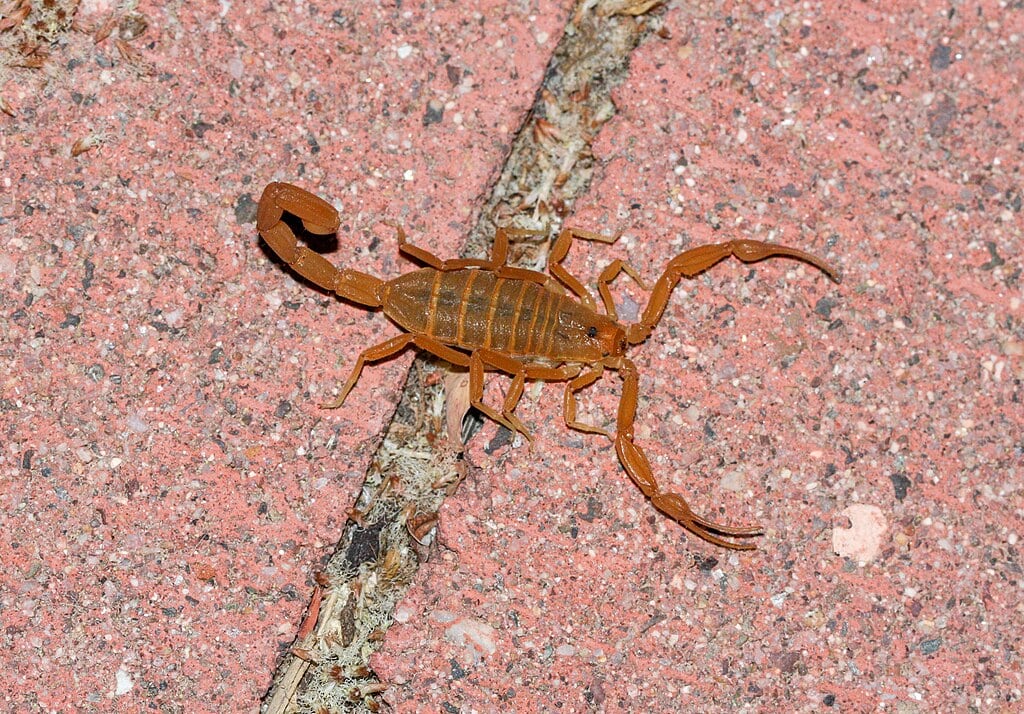
The fluorescent property of scorpions has proven invaluable for scientific research, providing researchers with an effective method for studying these elusive creatures in their natural habitat. Population studies, behavioral observations, and ecological assessments benefit tremendously from the ability to easily locate scorpions using UV light. Researchers can conduct population surveys by scanning areas with blacklights and counting the number of glowing individuals, yielding data that would be nearly impossible to gather using traditional observation methods.
This technique has led to significant discoveries about scorpion density, distribution patterns, and habitat preferences. Additionally, the fluorescent compounds in scorpion exoskeletons have inspired developments in medical imaging and biotechnology. Scientists have created synthetic fluorescent molecules based on those found in scorpions, which are being used as biological markers in various research applications, demonstrating how this fascinating natural phenomenon has applications far beyond simply making deserts glow.
Desert Conservation Implications

The glowing scorpion phenomenon has significant implications for desert conservation efforts. By highlighting the presence and abundance of these arachnids, UV surveys have helped establish scorpions as important indicator species for desert ecosystem health. Changes in scorpion populations can signal broader environmental issues, making them valuable subjects for monitoring climate change impacts and habitat degradation in desert environments. Conservation organizations increasingly incorporate scorpion surveys into their assessment protocols, using the data to inform protection strategies for fragile desert ecosystems.
The public fascination with glowing scorpions has also created opportunities for conservation education, as people who might otherwise have little interest in desert ecology become engaged through the spectacle of fluorescent scorpions. This connection helps foster greater appreciation for desert environments that are often undervalued in conservation priorities, despite being home to highly specialized and ecologically important species like scorpions.
Photography Challenges and Techniques

Capturing the ethereal glow of fluorescent scorpions presents unique challenges and opportunities for photographers. The phenomenon occurs only in near-complete darkness, requiring specialized equipment and techniques. Successful scorpion fluorescence photography typically involves using UV flashlights or dedicated UV photography lights, combined with cameras capable of long-exposure shooting and high ISO performance. Photographers must balance the intensity of the UV light—enough to make the scorpions glow but not so bright as to wash out the effect or disturb the animals excessively.
Many photographers use tripods and remote shutter releases to enable the longer exposure times needed in low-light conditions. Composition presents another challenge, as photographers strive to show both the glowing scorpion and enough of the desert context to convey scale and setting. When executed well, these images can be breathtaking, showing tiny glowing arachnids against sweeping desert landscapes or in intimate detail that reveals their alien-like appearance under UV illumination. This specialized form of nature photography has grown in popularity, with some photographers dedicating themselves to documenting the diverse fluorescent life forms of desert environments.
Safety Considerations When Exploring Glowing Deserts

While observing fluorescent scorpions can be a mesmerizing experience, it’s essential to approach these encounters with appropriate safety precautions. Deserts at night present numerous hazards, including difficult terrain, temperature extremes, and potentially dangerous wildlife. Those venturing out to witness this phenomenon should always go in groups, carry sufficient water, wear appropriate footwear and clothing, and inform others of their plans. When specifically searching for scorpions, closed-toe shoes and long pants are critical, as some desert scorpion species can deliver painful and potentially dangerous stings.
Observers should resist the temptation to handle scorpions, even when equipped with tools like tongs, as improper handling can harm both the scorpion and potentially the handler. UV flashlights should be used responsibly, as excessive or prolonged exposure to ultraviolet light might potentially disrupt scorpions’ behavioral patterns or circadian rhythms. Responsible observation involves minimizing disturbance to the animals and their environment, moving carefully to avoid crushing scorpions or damaging their habitat, and leaving no trace of human presence when departing the area.
Global Distribution of Fluorescent Scorpion Habitats

The phenomenon of glowing scorpions isn’t limited to North American deserts—it occurs worldwide wherever scorpions are found. Particularly spectacular displays have been documented in the Negev Desert in Israel, parts of the Sahara in North Africa, the Atacama Desert in Chile, and throughout the arid regions of Australia. Each region features its own unique assemblage of scorpion species, creating distinctive “glow patterns” across the landscape.
In the Kalahari Desert of southern Africa, researchers have documented up to seven different fluorescent scorpion species coexisting in the same habitat, each occupying a slightly different ecological niche. The Arabian Peninsula, with its vast desert expanses, hosts numerous endemic scorpion species whose fluorescence has been incorporated into local folklore for generations. Interestingly, the fluorescent property applies to virtually all of the approximately 2,500 known scorpion species worldwide, making this glow phenomenon a truly global spectacle that connects desert ecosystems across continents through a shared biological characteristic.
Myths and Cultural Significance

The eerie glow of scorpions under ultraviolet light has inspired myths and legends in many cultures. Before the scientific explanation for scorpion fluorescence was understood, indigenous peoples in desert regions often attributed mystical or supernatural significance to these glowing creatures. In parts of the southwestern United States, Native American traditions described scorpions as carriers of spiritual energy, with their ability to “capture starlight” in their bodies seen as evidence of divine connection.
Among Bedouin tribes of the Middle East, there are stories of “ghost scorpions” that served as guides to travelers lost in the desert, their glow supposedly visible only to those pure of heart. In modern times, the fluorescent scorpion has become a popular motif in desert-themed artwork, jewelry, and tattoo designs, symbolizing adaptation, resilience, and the hidden beauty of seemingly harsh environments. While contemporary understanding has revealed the chemical basis for this phenomenon, the cultural fascination with glowing scorpions persists, bridging scientific knowledge with the human tendency to find meaning and magic in the natural world.
Conclusion: The Illuminating Secrets of Desert Nights

The phenomenon of glowing scorpions transforms our perception of deserts from barren wastelands to landscapes teeming with hidden life, revealed only under special circumstances. This fluorescent display not only provides a spectacular visual experience for observers but also offers valuable insights into scorpion biology, desert ecology, and the remarkable adaptations that allow life to thrive in extreme environments. Through scientific research, conservation efforts, and responsible ecotourism, this natural light show is helping to illuminate the importance of protecting desert ecosystems and the unique creatures that inhabit them. As we continue to study the evolutionary significance and potential applications of scorpion fluorescence, these glowing desert denizens remind us that nature’s most fascinating secrets often remain hidden until we learn how to properly look for them.

From exploring the marine wonders in the Azores and witnessing the vast savannas of Kenya, to delving deep into the rich biodiversity of South Africa and traversing iconic landscapes in Australia and the US like Yellowstone, Chris's experiences are vast.
With a penchant for diving alongside sharks, the ocean holds a special place in his heart.
Through his academic insights, he champions wildlife conservation, striving with 'Animals Around The Globe' to cultivate a profound connection between humans and animals, enhancing our mutual appreciation.
Connect with him at Feedback@animalsaroundtheglobe.com.
- This Planet Rains Liquid Glass Sideways - July 20, 2026
- Why Flamingos Are Flocking to New Jersey’s Salt Marshes - July 20, 2026
- How a Giant Sloth Skeleton Changed Evolution Theories - July 20, 2026