

In the heart of Florida’s mysterious wetlands, a discovery sent ripples through both local communities and scientific circles. A massive Burmese python—measuring over 18 feet in length and weighing more than 200 pounds—was captured in the Everglades, setting new records and highlighting the growing crisis of invasive species in this delicate ecosystem. This find wasn’t just remarkable for its size; it represents the complex ecological challenges facing one of America’s most unique natural treasures. As we explore this incredible discovery, we’ll delve into why these giant snakes have made themselves at home in Florida, what their presence means for native wildlife, and how efforts to control their population continue to evolve.
The Record-Breaking Discovery

🔥 Would you like to save this?
We'll email this post to you, so you can come back to it later!
In December 2021, biologists from the Conservancy of Southwest Florida captured what would become the largest documented Burmese python in Florida’s history. The female snake measured an astounding 18 feet, 9 inches long and weighed 215 pounds—dimensions that seem more fitting for mythology than reality. The team tracked this enormous reptile using a novel method: they implanted radio transmitters in male “scout” snakes, which led them to breeding females during mating season. This particular female had 122 developing eggs inside her, representing yet another record in the ongoing documentation of this invasive species. The discovery underscored both the reproductive capacity of these creatures and the challenge facing conservation efforts in the region. Photos of researchers standing alongside the massive reptile quickly went viral, giving the public a visceral understanding of just how enormous these invasive predators can grow.
Origins of Florida’s Python Problem
🔥 Would you like to save this?
We'll email this post to you, so you can come back to it later!
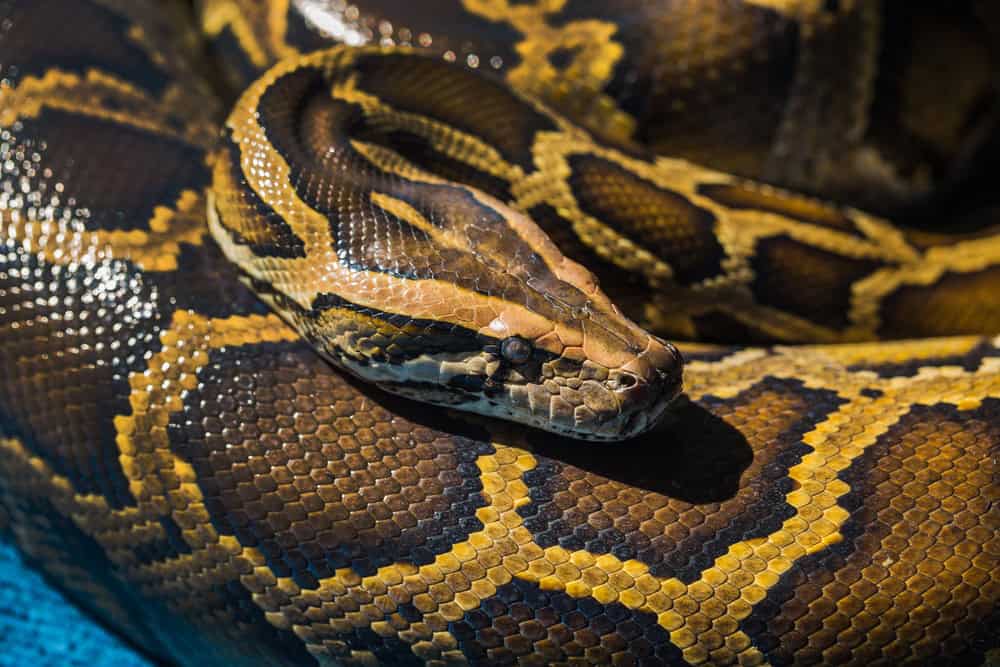
The presence of Burmese pythons in the Everglades is not a natural occurrence but rather the result of human action. Native to Southeast Asia, these snakes were first introduced to Florida through the exotic pet trade in the 1980s and 1990s. The invasive population is believed to have established itself in several ways: some were intentionally released by overwhelmed pet owners who underestimated how large and difficult to manage the snakes would become. Others escaped from breeding facilities and pet shops during Hurricane Andrew in 1992, which devastated south Florida and damaged numerous wildlife holding facilities. The warm, humid climate of the Everglades provides ideal conditions for these tropical reptiles, allowing them to thrive far from their native range. With few natural predators once they reach adult size, and abundant prey species unfamiliar with such predators, the pythons found themselves in an ecological paradise that has facilitated their explosive population growth over the past three decades.
Anatomy of a Giant

🔥 Would you like to save this?
We'll email this post to you, so you can come back to it later!
What makes Burmese pythons capable of reaching such enormous sizes? These constrictors possess anatomical features perfectly evolved for growth and predation. Their skull structure features numerous joints that allow them to consume prey much larger than their head appears to accommodate. Their highly elastic skin and flexible ribs enable tremendous expansion during feeding. Unlike mammals, their metabolism doesn’t require constant feeding—a large meal can sustain them for weeks or even months. In the Everglades, where food is plentiful, these snakes can focus their energy on growth rather than survival. Their digestive system is remarkably efficient, breaking down nearly everything consumed except fur, feathers, teeth, and claws. Female Burmese pythons typically grow larger than males, with the largest specimens usually being breeding females. Their muscular bodies contain hundreds of vertebrae and corresponding pairs of ribs, creating the framework for the incredible strength that allows them to constrict prey as large as deer and alligators—a capability demonstrated all too effectively in their adopted Florida home.
Ecological Impact on the Everglades

🔥 Would you like to save this?
We'll email this post to you, so you can come back to it later!
The introduction of Burmese pythons has had devastating consequences for the Everglades ecosystem. Research has documented precipitous declines in mammal populations throughout the region, with some studies showing reductions of more than 90% for species like raccoons, opossums, and rabbits in areas where pythons are established. Even larger animals like deer and bobcats have seen significant population decreases. The pythons’ impact extends beyond mammals—they also consume birds, including protected species, and reptiles including alligators. This predation pressure reshapes the entire food web of the Everglades, with cascading effects that scientists are still working to fully understand. As mid-level predators disappear, plant communities change due to altered grazing patterns, and other predators face reduced prey availability. The pythons’ role as apex predators in this ecosystem represents one of the most dramatic examples of an invasive species reshaping an entire ecological community in North America. What makes this situation particularly concerning is that much of this damage occurred before the problem was fully recognized, highlighting the challenges of detecting and responding to biological invasions in complex natural systems.
The Science of Tracking Giants

🔥 Would you like to save this?
We'll email this post to you, so you can come back to it later!
Finding enormous pythons in the vast Everglades presents a significant challenge that has spurred innovative tracking methods. The “scout snake” approach that led to the record-breaking discovery involves capturing male pythons, surgically implanting radio transmitters, and releasing them during breeding season. These males then lead researchers to breeding females, which are typically larger and more reproductively important to remove from the population. Other technologies employed include environmental DNA sampling, which can detect traces of python DNA in water, and infrared sensing, which can identify the heat signatures of large pythons basking in cooler weather. Some researchers have experimented with training dogs to detect python scent, particularly useful for finding nests and hidden snakes. Satellite and aerial imagery helps identify disturbed vegetation patterns that might indicate python movement or nesting sites. These scientific approaches represent critical tools in the ongoing effort to control python populations, as visual searching alone proves woefully inadequate in the Everglades’ million-plus acres of swamps, sawgrass prairies, and tree islands. Each giant snake captured provides valuable data on behavior, habitat preference, and biological characteristics that help refine future hunting efforts.
The Python Hunters

🔥 Would you like to save this?
We'll email this post to you, so you can come back to it later!
As the python problem has grown, so too has the community of dedicated python hunters working to remove these snakes from the Everglades. The South Florida Water Management District and the Florida Fish and Wildlife Conservation Commission jointly run the Python Elimination Program, which employs contracted hunters to remove pythons year-round. These hunters receive payment based on the length of snakes captured, with bonuses for targeting nesting females. Many hunters have developed specialized techniques for locating pythons, including night hunting along canal banks where the snakes often bask on cooler evenings. The work is challenging and sometimes dangerous—pythons can deliver painful bites and, while not venomous, the larger specimens possess significant strength. Beyond the professional hunters, Florida has also organized periodic Python Challenges, competitive events where members of the public can win prizes for removing the most or largest snakes. These events raise awareness while removing additional snakes. The hunters represent diverse backgrounds—former military personnel, wildlife biologists, outdoor enthusiasts, and even former snake owners—united by the goal of addressing this ecological crisis through direct action. Their expertise has become increasingly valuable as management programs evolve, with veteran hunters developing an almost intuitive understanding of python behavior and habitat utilization.
Reproductive Capacity: A Key Challenge
🔥 Would you like to save this?
We'll email this post to you, so you can come back to it later!
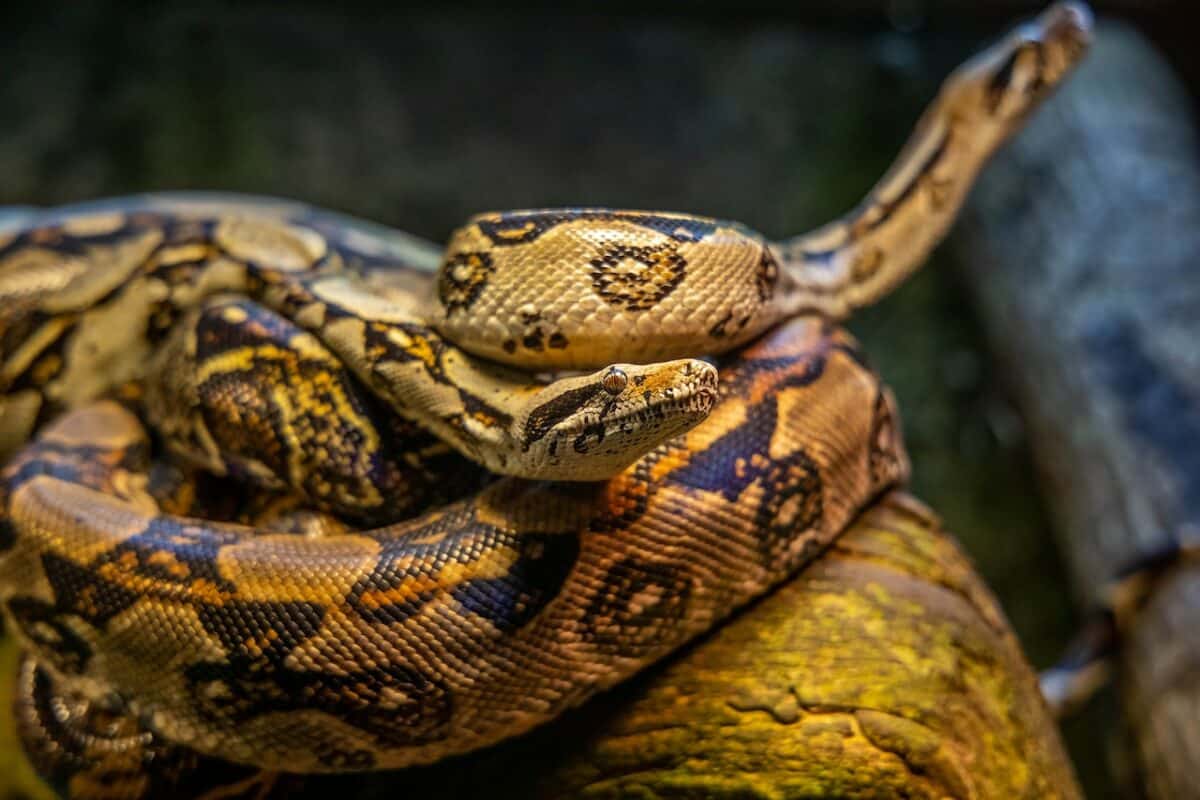
One of the most formidable aspects of the python invasion is the species’ remarkable reproductive capacity. Female Burmese pythons can lay between 50-100 eggs per clutch, with the record-breaking specimen containing 122 developing eggs when captured. Unlike many reptiles, female pythons coil around their eggs until hatching, providing protection and temperature regulation that increases survival rates. Young pythons are already accomplished predators at birth, capable of hunting small mammals and birds independently. Sexual maturity can be reached within 2-3 years under ideal conditions like those found in the Everglades. Additionally, female pythons possess the ability to store sperm, potentially producing fertile eggs for years after a single mating. Research has also documented cases of parthenogenesis—reproduction without fertilization—in some pythons, though this appears rare in wild populations. This reproductive potential means that even if 90% of the python population were removed, the remaining snakes could rapidly repopulate the ecosystem within a few generations. This biological reality underscores why simply catching the largest, most visible snakes isn’t sufficient to control the population; systematic efforts targeting breeding females and nests are essential to making meaningful progress in population reduction.
Climate Factors and Range Expansion

🔥 Would you like to save this?
We'll email this post to you, so you can come back to it later!
The future distribution of Burmese pythons in America depends largely on climate patterns, raising concerns about potential range expansion beyond south Florida. Current scientific models suggest that pythons are primarily limited by cold temperatures; they cannot survive extended periods below 50°F (10°C). This limitation has generally restricted their established breeding populations to the southern portion of the Florida peninsula. However, climate change projections indicating warming temperatures across the southeastern United States have raised concerns about potential northward expansion. Research has shown that Burmese pythons possess some capacity for adaptation, with Florida pythons demonstrating different thermoregulatory behaviors than their Asian counterparts. Isolated python sightings have occurred in other Gulf Coast states, though established breeding populations haven’t been confirmed outside Florida. The species has demonstrated an ability to utilize human-disturbed habitats like canal systems and agricultural areas, which could potentially facilitate movement between natural areas. Continued monitoring of climate patterns and isolated python discoveries remains important for preventing the establishment of new populations. Models suggest that without intervention, pythons could potentially establish populations in coastal areas of Georgia, Alabama, Louisiana, and Texas if warming trends continue—highlighting why containment within their current range remains a management priority.
Management Strategies and Control Efforts
🔥 Would you like to save this?
We'll email this post to you, so you can come back to it later!
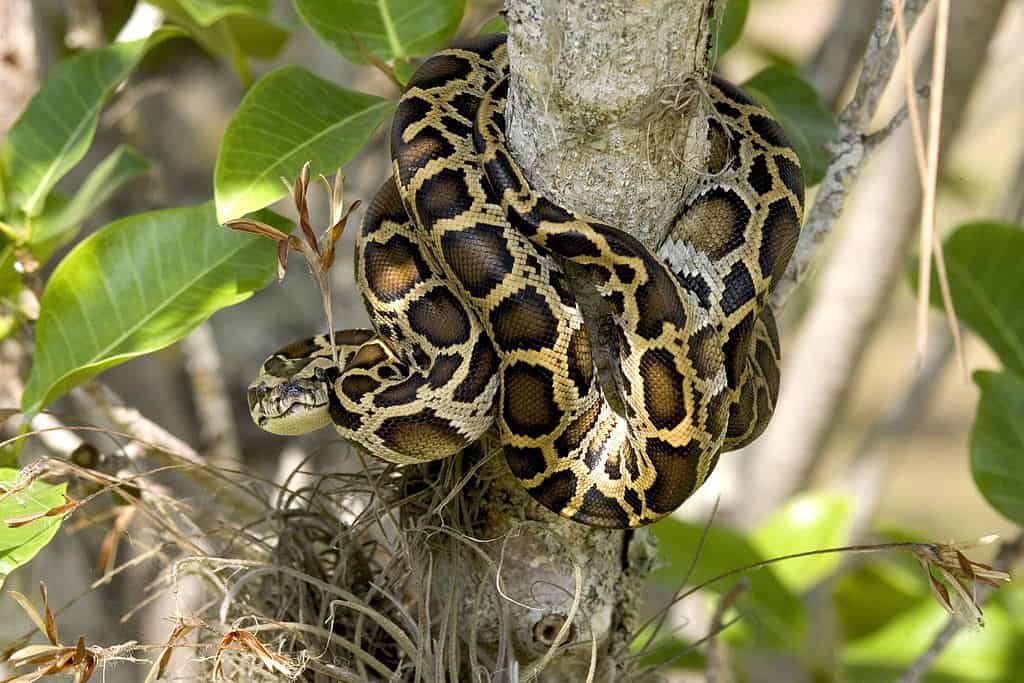
Addressing the python invasion requires a multi-faceted approach that has evolved significantly since the problem was first recognized. Beyond direct removal through hunting programs, researchers have explored biological controls, including investigating potential parasites or diseases that might target pythons without affecting native species—though no viable candidates have yet been identified. Genetic approaches are under development, including techniques that could reduce reproductive success or limit population growth. Early detection networks have been established in areas bordering the current python range, aiming to identify and remove pioneering snakes before they establish new breeding populations. Public education campaigns discourage releases of exotic pets and train citizens to report python sightings. Regulatory changes have also played a role, with Florida banning the possession and sale of Burmese pythons as pets since 2010, and federal regulations restricting interstate transport. Habitat management practices, including controlled water flows in certain areas, can temporarily concentrate pythons, making them easier to locate and capture. Research into python behavior, physiology, and ecology continues to inform these management strategies. While complete eradication is considered unlikely given the Everglades’ vast size and challenging terrain, these combined efforts aim to reduce python numbers to minimize their ecological impact and prevent range expansion.
Cultural and Media Impact

🔥 Would you like to save this?
We'll email this post to you, so you can come back to it later!
The discovery of giant pythons in the Everglades has captivated public imagination and influenced cultural perceptions of invasive species. Television shows like “Python Hunters” and “Swamp Wars” have dramatized the battle against these massive reptiles, bringing attention to the issue while sometimes sensationalizing the danger pythons pose to humans (attacks on people are extremely rare). News coverage of record-breaking catches, including the 18-foot-9-inch specimen, regularly goes viral and generates international headlines. This media attention has proven valuable for raising awareness but sometimes oversimplifies the complex ecological issues at stake. The python invasion has also inspired artistic responses, from documentary films to visual art exhibitions exploring themes of environmental change and human responsibility. Python hunting has developed its own subculture in Florida, with hunters sharing techniques, stories, and even python meat recipes. Some fashion designers and artisans have developed ethical uses for python skins from captured snakes, creating a small industry from removal efforts. Educational institutions throughout Florida have incorporated the python problem into environmental curricula, using it as a case study in human impacts on ecosystems. This cultural response demonstrates how invasive species issues can transcend scientific discourse to become part of regional identity and public consciousness.
Ethical Considerations in Python Management
🔥 Would you like to save this?
We'll email this post to you, so you can come back to it later!
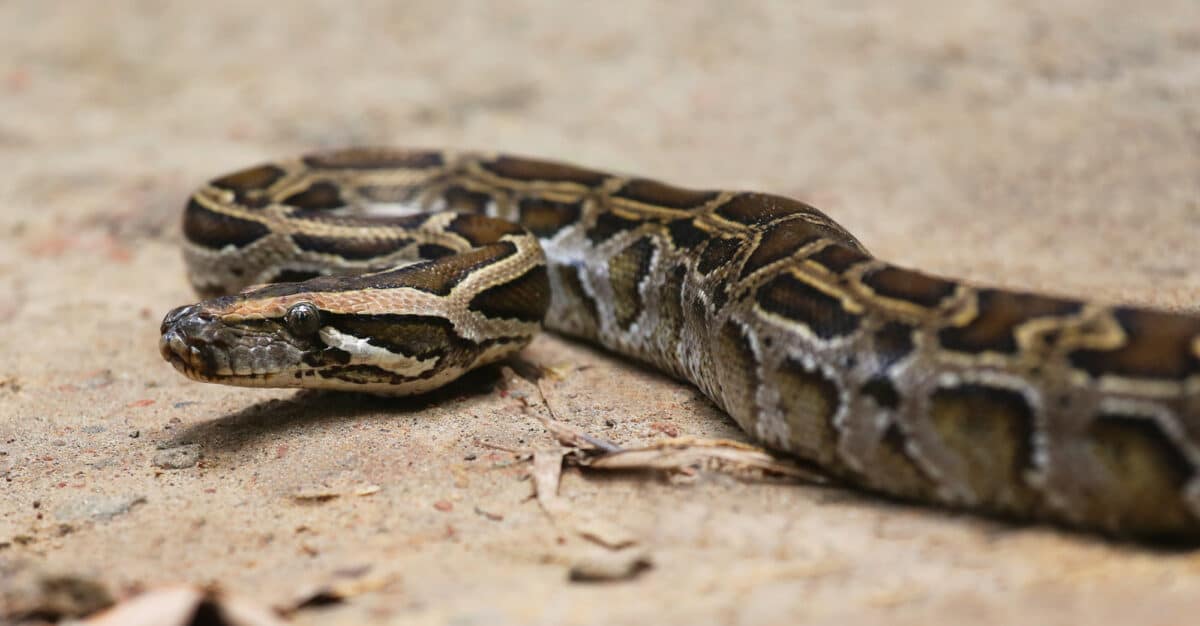
The management of invasive pythons raises important ethical questions about responsibility and humane treatment. While there’s scientific consensus that python populations must be controlled to protect the Everglades ecosystem, methods of capture and euthanasia receive ongoing scrutiny from animal welfare perspectives. The Florida Fish and Wildlife Conservation Commission has established protocols requiring humane euthanasia methods—typically captive bolt devices or gunshot to the brain that cause instant death when properly applied. Hunters receive training in these methods to minimize suffering. Some animal rights organizations have questioned whether pythons should be killed at all, suggesting relocation instead, though experts point out that no suitable non-native habitats exist where these snakes wouldn’t create similar problems. The ethics of using scout snakes to find breeding females has also been debated, weighing the welfare of these few individuals against the broader ecological benefits of removing reproductive females. The python situation also raises questions about the exotic pet trade that brought these animals to Florida initially, highlighting tensions between individual freedom to own exotic animals and ecological responsibility. These ethical dimensions remind us that invasive species management involves value judgments beyond scientific considerations alone—balancing ecosystem health, animal welfare, and human interests requires ongoing ethical reflection as management approaches evolve.
Looking to the Future: Can Pythons Be Controlled?

🔥 Would you like to save this?
We'll email this post to you, so you can come back to it later!
The long-term prognosis for managing Burmese pythons in the Everglades reflects both challenges and reasons for cautious optimism. Complete eradication is generally considered infeasible given current technologies, the snakes’ cryptic nature, and the vast, complex landscape they inhabit. However, targeted control efforts in high-priority conservation areas show promise for protecting vulnerable native species and ecological functions. Emerging technologies may significantly improve detection and removal efficiency in coming years. Environmental DNA sampling is becoming more sensitive and field-deployable, potentially allowing rapid identification of areas with python presence. Advances in genetic technologies might eventually provide species-specific biological control options that currently don’t exist. Refinements in predictive modeling help focus removal efforts where they’ll have the greatest impact. Collaborative efforts between government agencies, research institutions, and private stakeholders continue to strengthen, creating more coordinated and effective management approaches. Public engagement through citizen science initiatives and volunteer programs is expanding the human resources devoted to python control. While the Everglades will likely continue to host python populations for the foreseeable future, these combined efforts offer hope for limiting their ecological impact and preventing further range expansion. The python problem illustrates both the profound challenges invasive species can present and humanity’s capacity for developing innovative responses to environmental challenges.
Conclusion

🔥 Would you like to save this?
We'll email this post to you, so you can come back to it later!
The discovery of record-breaking Burmese pythons in the Florida Everglades represents far more than a sensational wildlife story—it embodies one of the most significant ecological challenges facing American conservation in the 21st century. These massive reptiles, introduced through human action, have fundamentally altered a unique ecosystem, demonstrating the profound consequences that can result when non-native species establish themselves in vulnerable environments. Through scientific innovation, dedicated removal efforts, and evolving management strategies, Florida continues to develop its response to this unprecedented situation. The python saga serves as a powerful reminder of our responsibility as stewards of natural systems and the importance of preventing similar invasions elsewhere through responsible pet ownership, stringent regulations on exotic species, and rapid response to newly identified invasive threats. While the challenge remains formidable, the collaborative work of scientists, resource managers, python hunters, and an engaged public offers hope that the ecological treasures of the Everglades can be preserved for future generations despite the presence of these giant invaders.

- Simple Ways to Keep Your Pumpkins Safe from Squirrel Attacks - October 26, 2026
- Transform Your Garden with Vibrant and Everlasting Strawflowers - October 22, 2026
- How to Win Over Judges in Dressage Competitions - October 19, 2026