

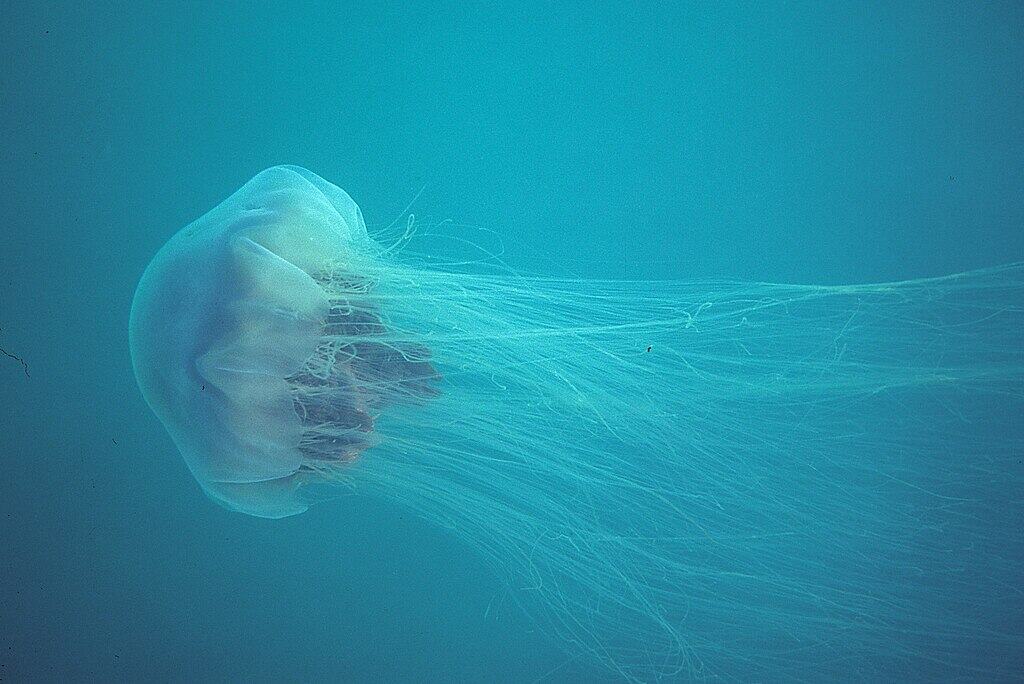
In the depths of the ocean, among countless marine species with defined lifespans, exists a creature that appears to defy one of nature’s most fundamental laws—death itself. The immortal jellyfish, scientifically known as Turritopsis dohrnii, possesses an extraordinary ability that has captivated scientists worldwide: it can potentially live forever. Unlike virtually every other multicellular organism on Earth, this tiny, bell-shaped jellyfish has developed a biological mechanism to reverse its aging process, essentially hitting the reset button on its life cycle when faced with environmental stress or physical damage. This remarkable feat has positioned T. dohrnii at the center of aging research, offering tantalizing possibilities for understanding human longevity and potentially revolutionizing our approach to age-related diseases.
The Immortal Jellyfish: An Introduction
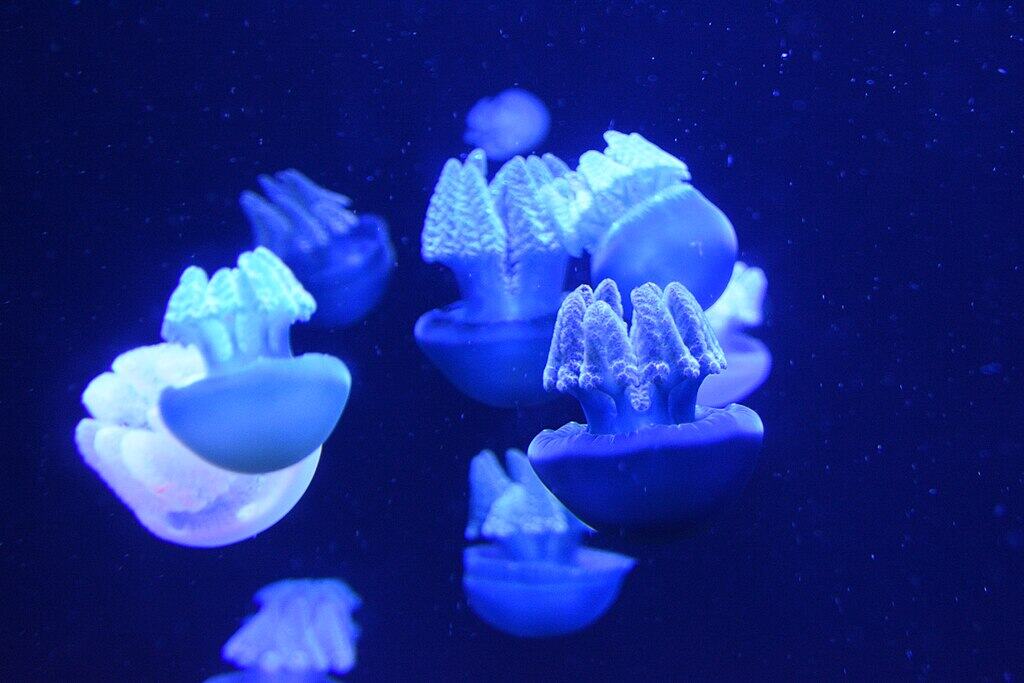
Measuring just 4.5 millimeters across (smaller than a pinky fingernail), Turritopsis dohrnii is an unassuming creature that originated in the Mediterranean Sea but has now spread to oceans worldwide. First discovered in the 1880s, it wasn’t until the 1990s that scientists recognized its unique regenerative capabilities. The jellyfish has a dome-shaped bell and up to 90 tentacles, appearing similar to many other hydrozoans in its adult medusa stage.
What sets this species apart isn’t its appearance but its cellular behavior. While most jellyfish die after reproducing, T. dohrnii can revert from its mature medusa stage back to its juvenile polyp stage through a process called transdifferentiation. This biological reset effectively makes the organism immortal in theory, though predation and disease still affect its populations in the wild. This ability has earned it various nicknames including “the Benjamin Button jellyfish,” referencing the fictional character who ages backward.
Understanding the Normal Jellyfish Life Cycle
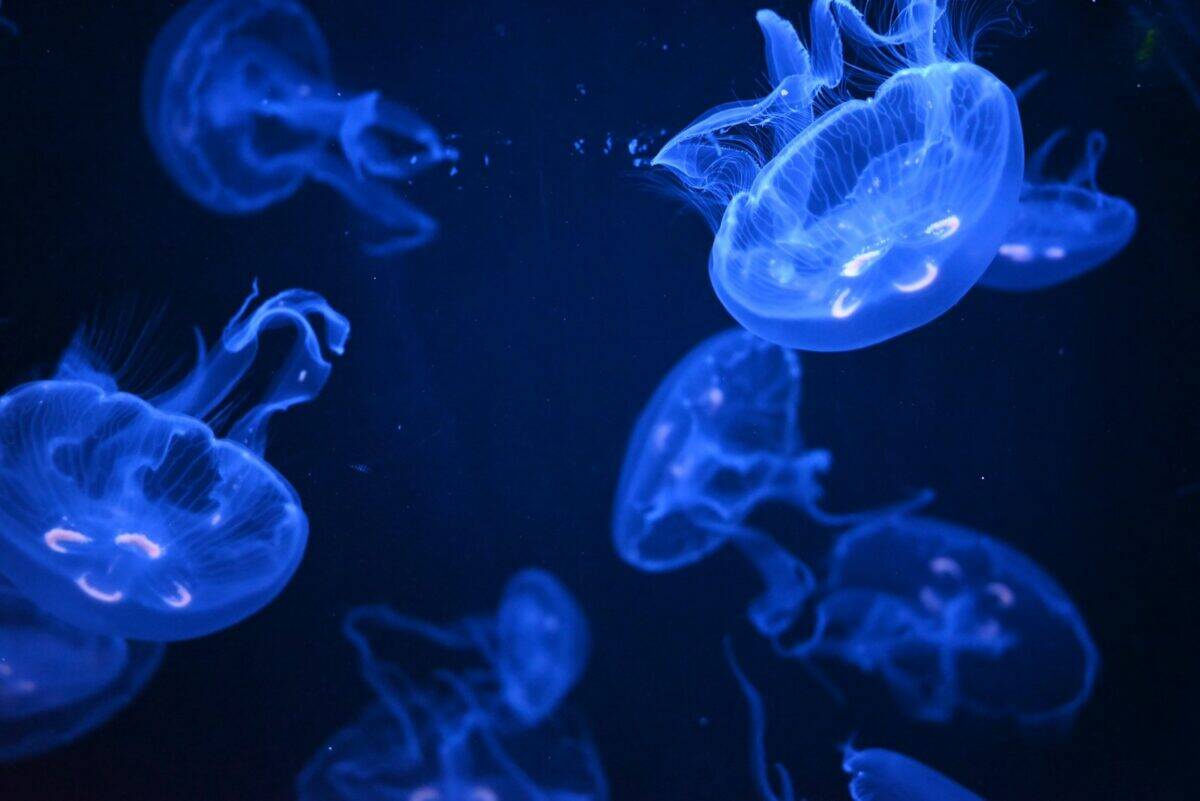
To appreciate the extraordinary nature of the immortal jellyfish, we must first understand the typical life cycle of jellyfish. Most species follow a predictable pattern beginning with fertilized eggs developing into free-swimming planula larvae. These larvae eventually settle on the ocean floor and develop into polyps—stationary, plant-like structures that can asexually produce multiple jellyfish.
Through a process called strobilation, these polyps release immature jellyfish called ephyrae, which grow into sexually mature medusae. After reproducing, most jellyfish species deteriorate and die, completing their life cycle. This unidirectional development from egg to death represents the normal pattern observed across nearly all complex organisms. The immortal jellyfish follows this same pattern—until it encounters a crisis that triggers its remarkable reversal ability.
The Biological Mechanism of Immortality

The immortal jellyfish achieves its biological immortality through cellular transdifferentiation—a process where specialized cells transform into different types of cells. When faced with physical injury, starvation, or environmental stress, the mature medusa doesn’t die as expected. Instead, it sinks to the ocean floor and begins a remarkable transformation. Its cells undergo extensive restructuring, with certain cells converting into entirely different cell types.
During this process, the jellyfish’s bell and tentacles retract, and its cells begin reorganizing. The differentiated cells—those that had specific functions in the medusa stage—revert to a more primitive state similar to stem cells. These cells then redifferentiate to form a new polyp colony, effectively restarting the jellyfish’s life cycle. This process is comparable to a butterfly reverting to a caterpillar, or a frog turning back into a tadpole—biological transformations previously thought impossible in complex organisms.
Cellular Rejuvenation: The Science Behind the Reset
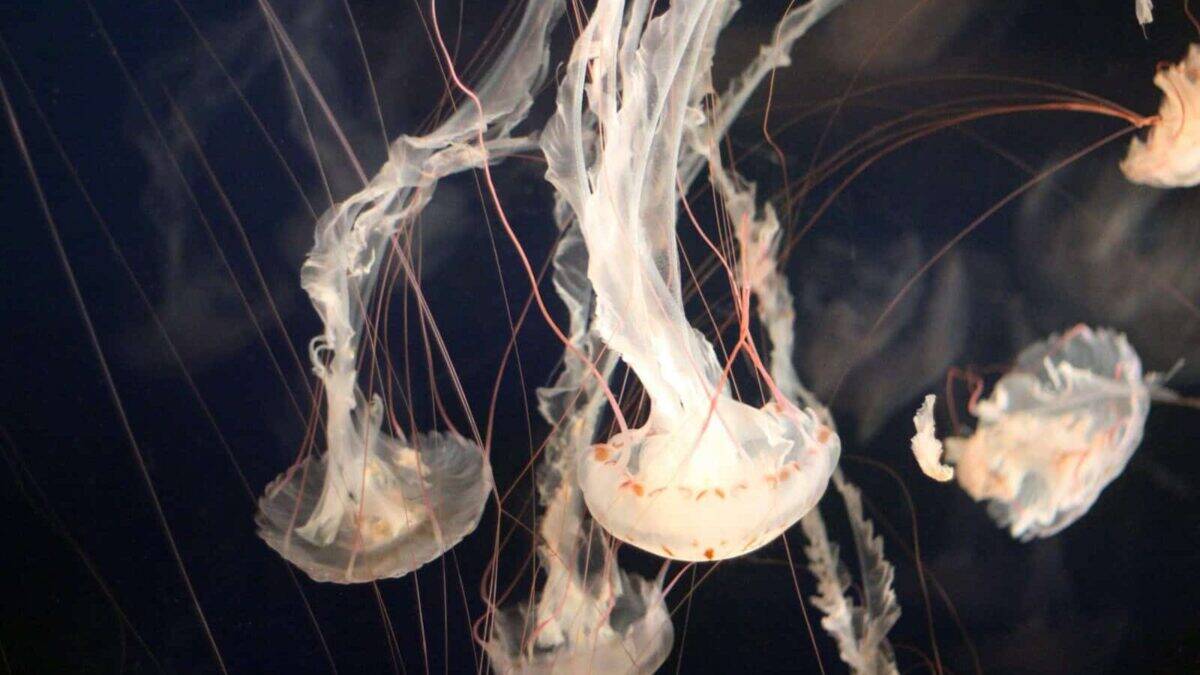
The cellular mechanisms enabling T. dohrnii’s regenerative abilities involve sophisticated genetic regulation. Research has identified specific genes that activate during the transformation process, including those associated with DNA repair, antioxidant production, and stem cell renewal. These genes effectively silence the aging program while activating developmental pathways typically dormant in adult organisms.
A 2022 study published in Proceedings of the National Academy of Sciences compared the genome of T. dohrnii with its non-immortal relative, Turritopsis rubra. Researchers identified genetic variations related to DNA replication, DNA repair, telomere maintenance, stem cell population renewal, and reduced cellular senescence. Particularly significant was the discovery that T. dohrnii possesses unique duplications of genes associated with cellular repair and protection, providing enhanced defenses against the molecular damage that typically accompanies aging.
How Many Times Can It Reset?
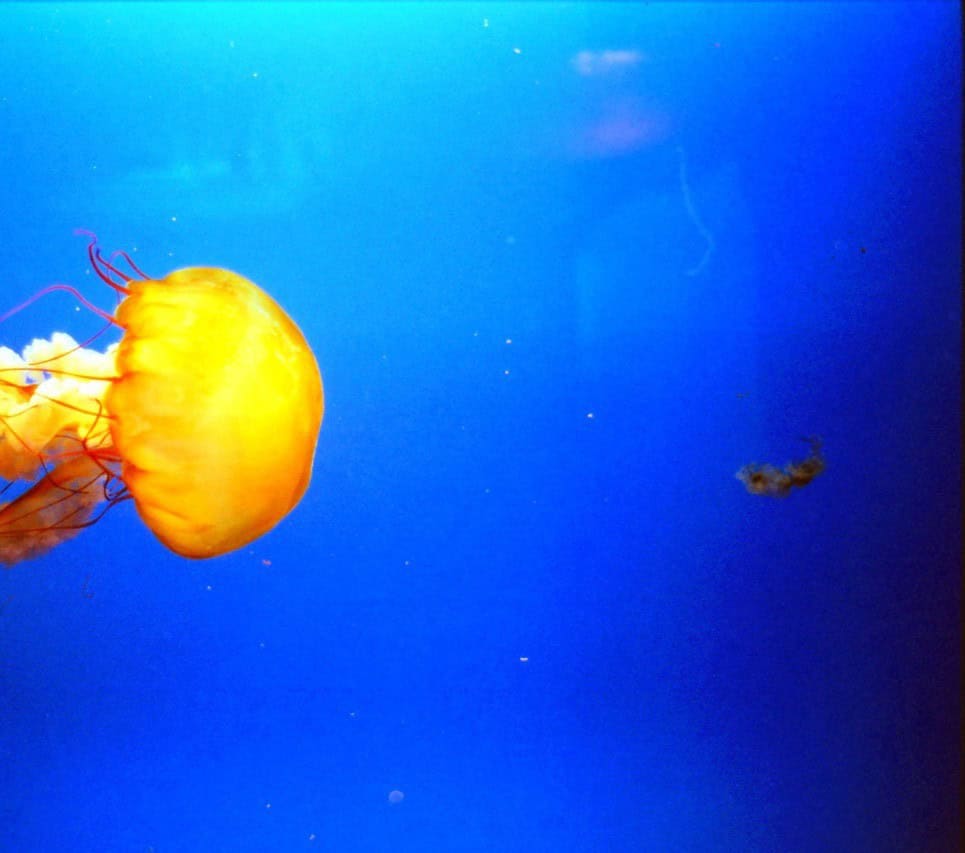
Perhaps the most astonishing aspect of the immortal jellyfish’s ability is that there appears to be no limit to how many times it can reverse its life cycle. In laboratory settings, researchers have observed individual specimens transforming from medusa to polyp and back to medusa dozens of times. Theoretically, this cycle could continue indefinitely, barring external factors like predation or disease.
This potential for unlimited regeneration stands in stark contrast to other long-lived organisms, which still experience gradual deterioration over time. Even species known for exceptional longevity, such as certain tortoises that can live over 150 years or the Greenland shark with its lifespan of 400+ years, ultimately succumb to the effects of aging. The immortal jellyfish, however, sidesteps this inevitability by essentially rebooting its biological clock whenever necessary.
The Ecological Impact of Potential Immortality
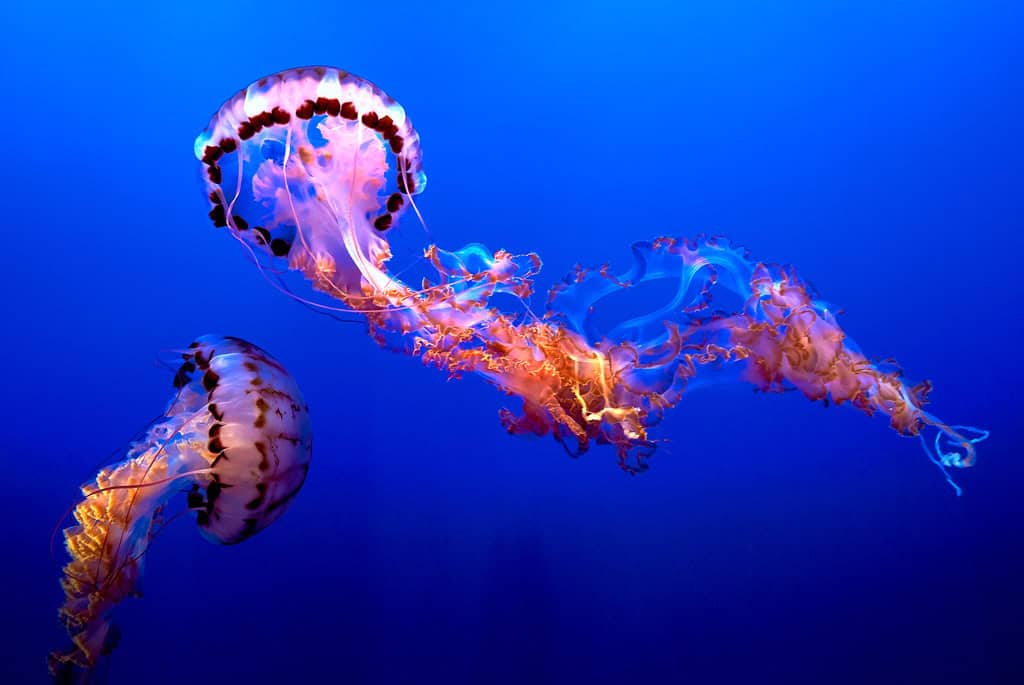
The immortal jellyfish’s unique capability raises fascinating ecological questions. Over the past few decades, these tiny creatures have spread from their native Mediterranean waters to oceans worldwide, likely transported in the ballast water of ships. Their potential immortality, combined with their ability to reproduce both sexually and asexually, makes them remarkably successful at establishing populations in new environments.
While not considered invasive or ecologically disruptive at present, scientists monitor their global distribution patterns closely. Their biological adaptability represents both a marvel of evolution and a reminder of how organisms can develop unexpected strategies for survival. In marine ecosystems experiencing rapid change due to human activity and climate shifts, species with exceptional adaptability like T. dohrnii may gain evolutionary advantages over less flexible organisms.
Immortality in the Wild: Reality Check

Despite their theoretical immortality, it’s important to recognize that T. dohrnii individuals rarely achieve perpetual life in natural settings. These tiny jellyfish face numerous threats including predation by fish and larger invertebrates, bacterial and viral infections, and environmental hazards. Their minuscule size makes them vulnerable to being consumed long before they might trigger their regenerative processes.
The term “biological immortality” specifically refers to their cellular potential rather than their actual lifespan in nature. While an individual specimen could theoretically live indefinitely under perfect conditions, the reality of ocean ecosystems means most will not survive beyond a few months or years. This distinction highlights the difference between biological capabilities and ecological realities—a nuance often overlooked in popular discussions of the species.
Implications for Human Aging Research

The immortal jellyfish has become a subject of intense interest in biomedical research, particularly in the field of regenerative medicine. By studying the genetic mechanisms that allow T. dohrnii to reverse its cellular aging, scientists hope to gain insights that could potentially be applied to human age-related conditions. The genes and cellular pathways involved in the jellyfish’s transdifferentiation process have analogues in the human genome, making comparative studies particularly valuable.
Researchers are specifically interested in how the immortal jellyfish maintains telomere length—the protective caps on chromosomes that typically shorten with age in humans—and how it activates dormant stem cell populations. Understanding these mechanisms could theoretically lead to therapies targeting age-related degeneration, tissue damage, and perhaps even neurodegenerative diseases like Alzheimer’s and Parkinson’s. While human immortality remains firmly in the realm of science fiction, the jellyfish’s cellular tricks might eventually help extend healthy human lifespan.
Other Long-Lived and Regenerative Species

While the immortal jellyfish stands out for its complete life cycle reversal, it’s not the only species with remarkable longevity or regenerative capabilities. The hydra, another cnidarian, shows negligible senescence (no measurable reduction in survival or reproduction with age) and can regenerate its entire body from small fragments. Certain species of planarian flatworms can regenerate their bodies, including their brains, from pieces as small as 1/279th of the original organism.
Among vertebrates, salamanders can regenerate limbs, parts of their hearts, and even portions of their brains. The naked mole-rat displays exceptional longevity for its size, living up to 30 years with no apparent increase in mortality risk with age. Each of these organisms offers unique insights into the biological mechanisms that might counteract aging. By studying this diverse array of long-lived and regenerative species, scientists hope to identify common pathways that could inform human health interventions.
Challenges in Studying the Immortal Jellyfish

Research on T. dohrnii faces significant challenges despite the species’ scientific importance. These jellyfish are difficult to maintain in laboratory settings, requiring specialized aquarium systems that mimic their natural oceanic environment. Their microscopic size makes them challenging to track and observe, particularly during the transformation process when they sink to the bottom of their tanks and undergo dramatic cellular changes.
Furthermore, the genetic analysis of these organisms is complex, requiring sophisticated techniques to sequence and understand their genome. Scientists must also contend with the difficulty of distinguishing cause from effect in the rejuvenation process—determining which genetic changes drive the transformation versus which are consequences of it. Despite these obstacles, research continues to advance, with new technologies like CRISPR gene editing and single-cell sequencing offering promising approaches to unraveling the jellyfish’s secrets.
The Philosophical Implications of Biological Immortality

Beyond its scientific significance, the immortal jellyfish raises profound philosophical questions about the nature of life and death. In most biological frameworks, death is considered an inevitable component of life—a necessary counterbalance to reproduction that drives natural selection and evolution. Species like T. dohrnii challenge this assumption by demonstrating that death, at least at the cellular level, may not be biologically inevitable but rather a particular evolutionary strategy.
This realization prompts consideration of whether aging itself is a “program” that evolved rather than an inherent limitation of biological systems. It also raises ethical questions about human longevity research. If cellular immortality is biologically possible, what would the implications be for human societies if significant life extension became feasible? The humble jellyfish thus serves as a starting point for discussions that extend far beyond marine biology into bioethics, philosophy, and even economics and social policy.
Future Research Directions and Possibilities

Current research on the immortal jellyfish is expanding in several promising directions. Comparative genomics studies are examining the differences between T. dohrnii and closely related non-immortal species to identify the specific genetic factors enabling transdifferentiation. Advanced imaging techniques are being developed to visualize the cellular processes during transformation at unprecedented resolution. Some researchers are also attempting to isolate the specific cellular factors that trigger the rejuvenation process.
Beyond understanding the basic biology, applied research aims to determine if certain mechanisms from the jellyfish could be adapted for human therapeutic purposes. While full human cellular rejuvenation remains distant, specific pathways identified in T. dohrnii might inform targeted interventions for age-related conditions. As technology advances and our understanding deepens, this tiny marine organism may continue to yield insights with profound implications for human health and longevity.
The Endless Cycle: Concluding Thoughts

The immortal jellyfish represents one of nature’s most fascinating evolutionary innovations—a creature that has found a way to potentially escape the biological inevitability of death through cellular renewal. While its practical immortality in natural settings is limited by ecological realities, the cellular mechanisms it employs offer a remarkable window into the plasticity of life itself. By studying how T. dohrnii cheats death through transdifferentiation, scientists may eventually develop new approaches to addressing human aging and age-related diseases.
As research continues to unravel the genetic and cellular mysteries of this tiny marine organism, we’re reminded of how much remains to be discovered in our oceans and how biological innovation can emerge in unexpected places. The immortal jellyfish, with its unassuming appearance and extraordinary capabilities, stands as a testament to nature’s complexity and the diverse strategies organisms have evolved to survive. Whether or not its secrets ever translate to human applications, T. dohrnii has already secured its place in scientific history as the creature that rewrote our understanding of the boundaries between life and death.

From exploring the marine wonders in the Azores and witnessing the vast savannas of Kenya, to delving deep into the rich biodiversity of South Africa and traversing iconic landscapes in Australia and the US like Yellowstone, Chris's experiences are vast.
With a penchant for diving alongside sharks, the ocean holds a special place in his heart.
Through his academic insights, he champions wildlife conservation, striving with 'Animals Around The Globe' to cultivate a profound connection between humans and animals, enhancing our mutual appreciation.
Connect with him at Feedback@animalsaroundtheglobe.com.
- How Museums Help Protect Endangered Species - July 11, 2026
- The Deep Sea’s Most Bizarre Predators - July 11, 2026
- Seals Use Icebergs to Avoid Predators - July 11, 2026