

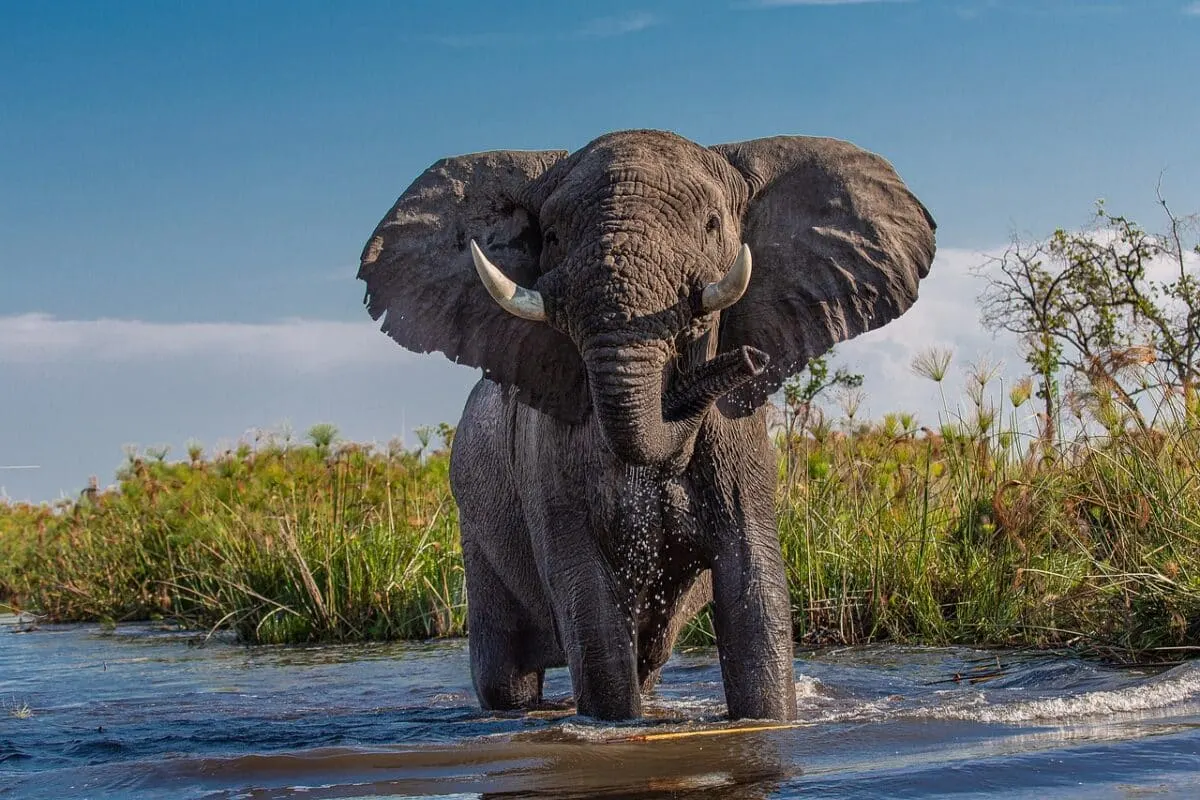
Witnessing wildlife up close is a dream for many, but nature has its own rules. In this article, we break down the shocking viral encounter of a safari vehicle being stormed by an elephant and discuss these massive creatures’ incredible power and intelligence.
Strength and Intelligence in One

Few land animals match the elephant’s combination of sheer power and cognitive ability. These gentle giants are brilliant, possessing complex social structures and emotional depth. However, they are also capable of immense force when provoked or threatened.
Why Do Elephants Charge?

Elephants are generally peaceful, but they can become aggressive if they feel threatened. A charging elephant may protect its herd, assert dominance, or react to unfamiliar disturbances. In the wild, respecting an elephant’s space is crucial for safe interactions.
Safari Takes a Sudden Turn
A shocking video captures the heart-pounding moment when a massive elephant storms toward a safari vehicle. The sheer force of the charge sends tourists into a panic, highlighting the unpredictable nature of wildlife encounters.
The Terrifying Charge

As the elephant advances, the vehicle’s driver attempts to maneuver away, but the animal’s speed and determination are overwhelming. Dust kicks up as the massive creature gains ground, its trumpeting calls echoing.
The Aftermath
The safari-goers were left shaken but unharmed. Guides and wildlife experts stress the importance of maintaining distance and understanding elephant behavior. While this encounter ended without injury, it serves as a stark reminder of the power of these magnificent animals.
FAQs
What should you do if an elephant charges?
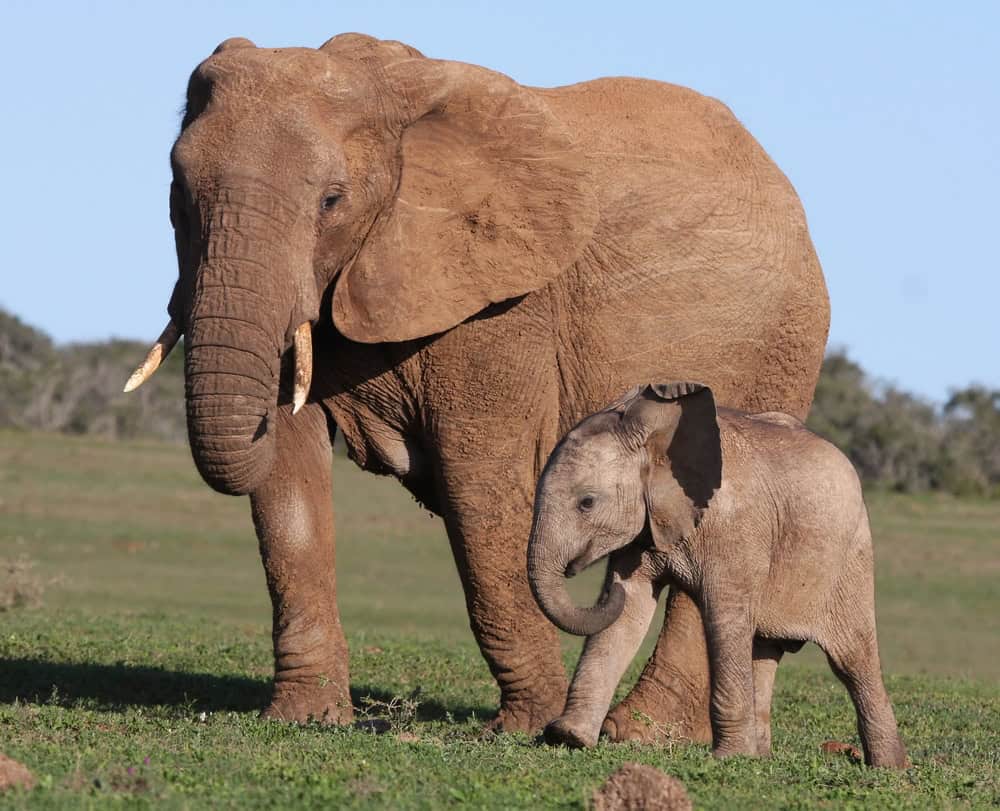
If an elephant charges, staying calm is crucial. Guides are trained to recognize warning signs and take preventive measures. Slow, controlled movements away from the elephant’s path are ideal if in a vehicle.

Are elephants naturally aggressive?

Elephants are not typically aggressive but can become defensive if they feel threatened. Males in musth— a period of high testosterone— can exhibit heightened aggression.

Next Up:
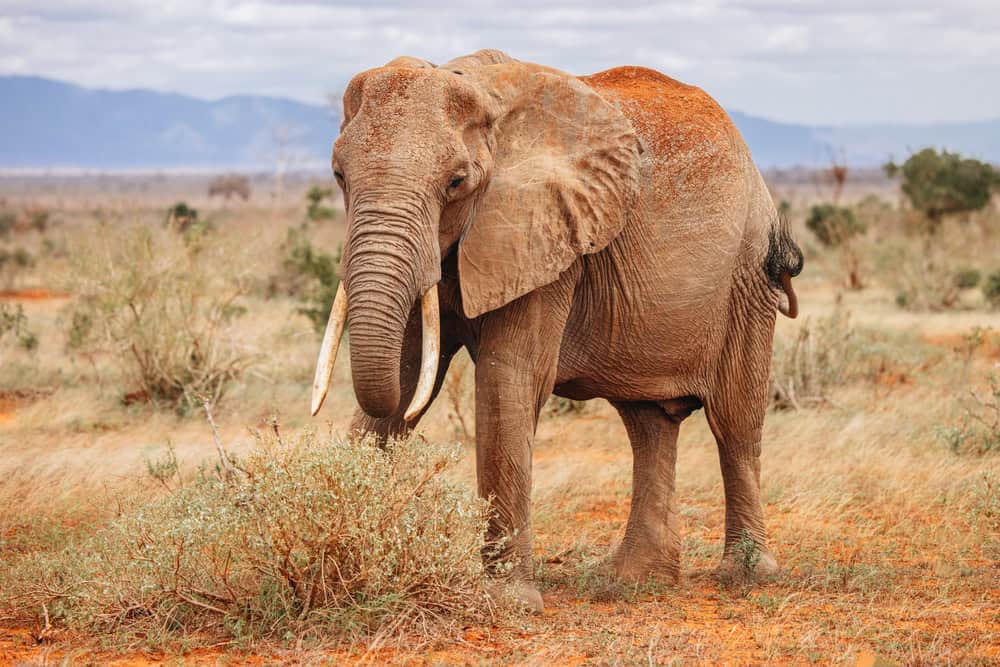
Fascinating Facts About Elephants
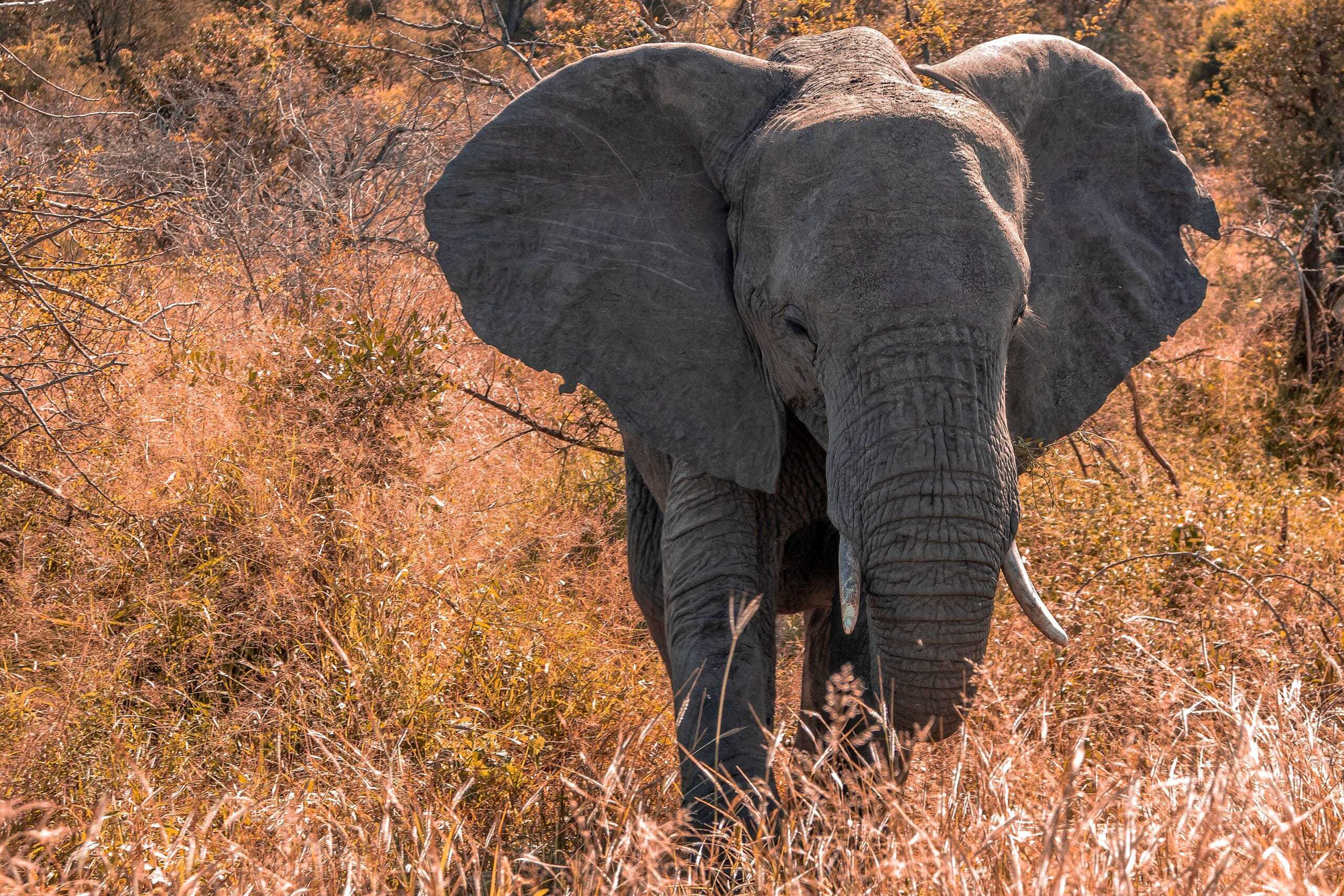
1. Elephants Have Exceptional Memory

Elephants can remember faces, locations, and experiences for decades, a trait that helps them navigate vast landscapes and maintain social bonds.
2. They Communicate with Infrasound

Elephants produce low-frequency sounds that travel long distances, allowing them to communicate across miles without making audible noise to humans.
3. Elephants Are Emotional Creatures

They mourn their dead, showing grief and even revisiting the bones of deceased herd members.
4. They Can ‘Listen’ Through Their Feet

Elephants detect vibrations through the ground using sensitive cells in their feet, allowing them to sense distant dangers.
5. Elephants Shape Their Environment

By uprooting trees and digging for water, elephants play a crucial role in shaping their habitats, benefiting countless other species.
6. They Have Unique Tusks

Just like human handedness, elephants have a dominant tusk that they use more frequently, causing it to wear down over time.
7. Elephants Can Swim for Miles

Using their trunks as snorkels, elephants can cross rivers and lakes, sometimes swimming for hours.
8. They Are One of the Few Self-Aware Animals
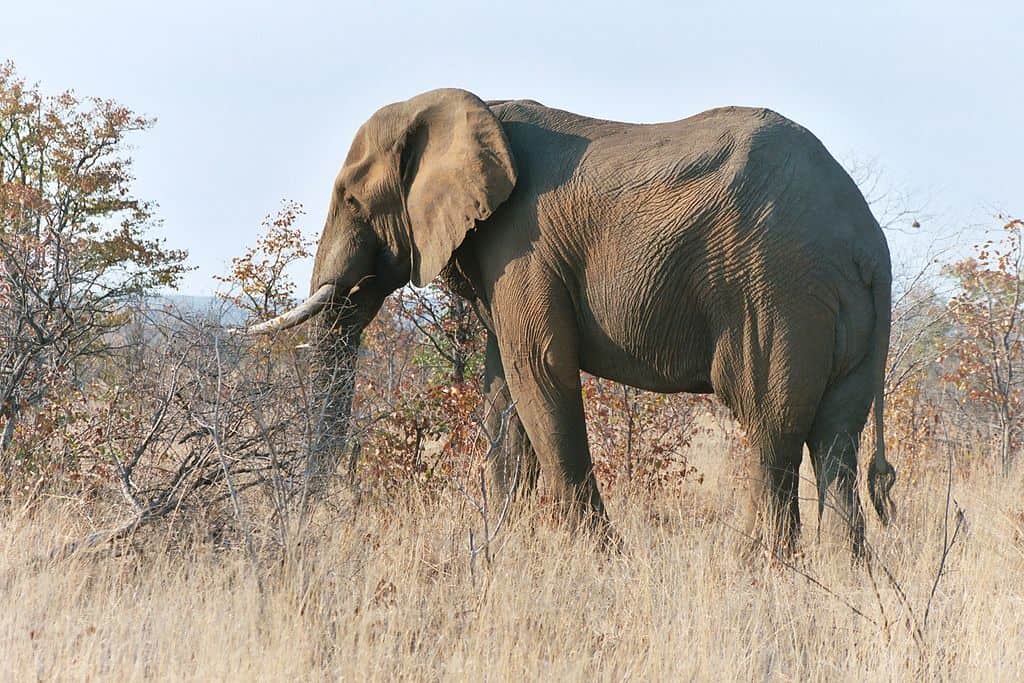
Elephants pass the mirror test, recognizing themselves and displaying self-awareness, a trait shared with dolphins and great apes.
9. Elephants Help Prevent Wildfires
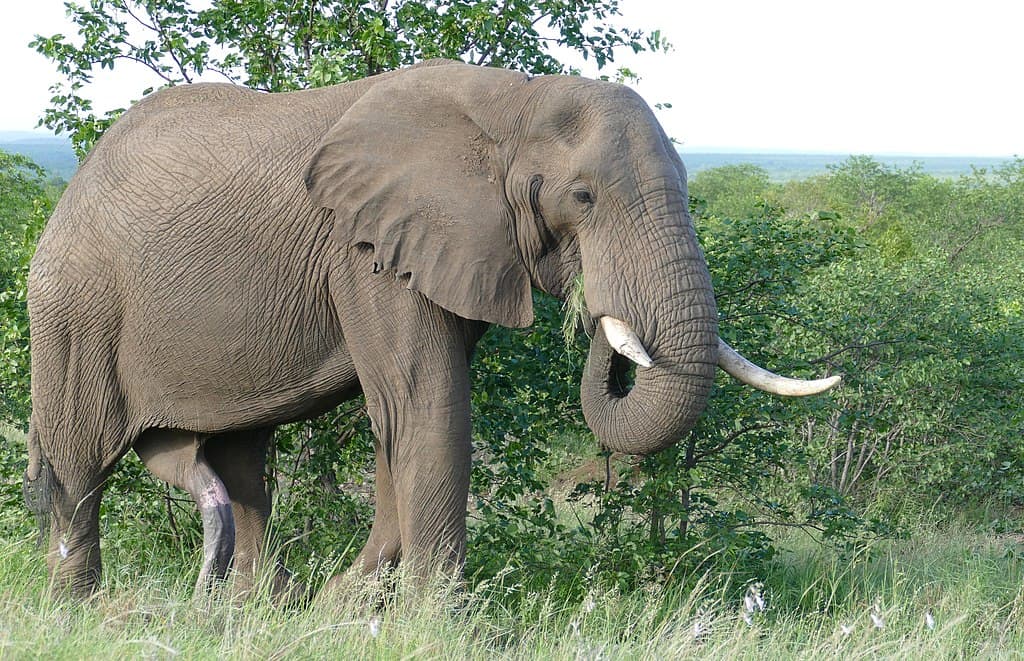
Bernard DUPONT from FRANCE, CC BY-SA 2.0, via Wikimedia Commons
By clearing dry vegetation, elephants reduce the spread of wildfires in their habitats.
10. Their Herds Are Led by Matriarchs
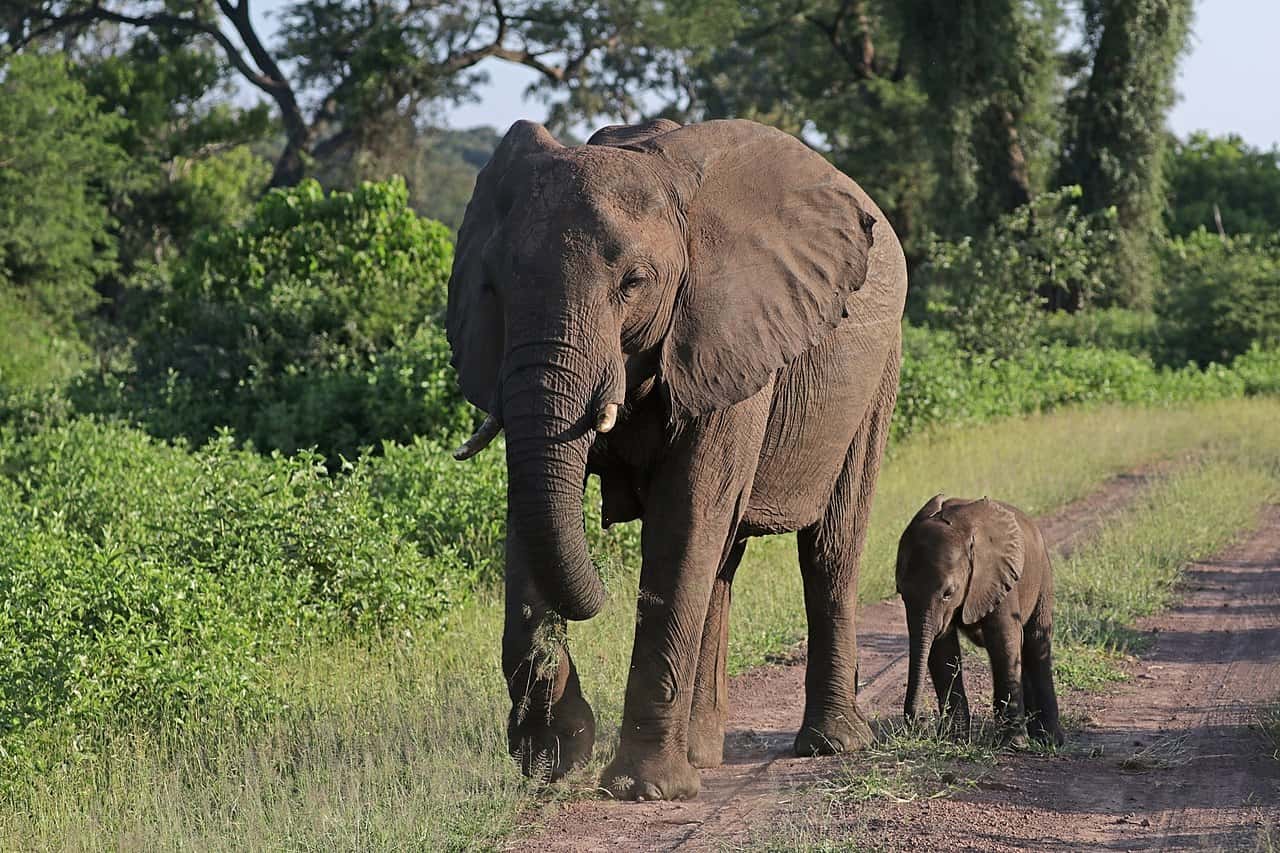
Female-led elephant herds rely on the wisdom of the matriarch, who guides them to food and water sources.
11. Baby Elephants Suck Their Trunks Like Thumbs

Calves soothe themselves by sucking on their trunks, similar to human babies with thumbs.
12. Elephants Can Detect Rain from Miles Away

Their acute senses allow them to sense distant rainstorms, guiding them to essential water sources.
13. They Have the Largest Brains of Any Land Animal

Weighing up to 12 pounds, an elephant’s brain supports their incredible memory, learning ability, and emotional intelligence.
You May Also Like:
- Huge Elephant Crashes the Pool Party
- An Elephant Bull Asserts Dominance Over a Buffalo Herd
- Incredible Encounter: Elephant Bull puts Lions in Their Place in Kruger National Park

adventuring, photography and videography. I am currently working towards a BSc in Biodiversity and Ecology at Stellenbosch University to go on to specialise in Marine Sciences one day.
Please send any feedback to Feedback@animalsaroundtheglobe.com
- Cat Gives An Unsuspecting Deer A Fright - July 19, 2026
- Are South Australia’s Toxic Algal Blooms to Blame For Sharks Coming on Shore? - July 18, 2026
- How Wildlife is Helping Track Human Impact - July 18, 2026