

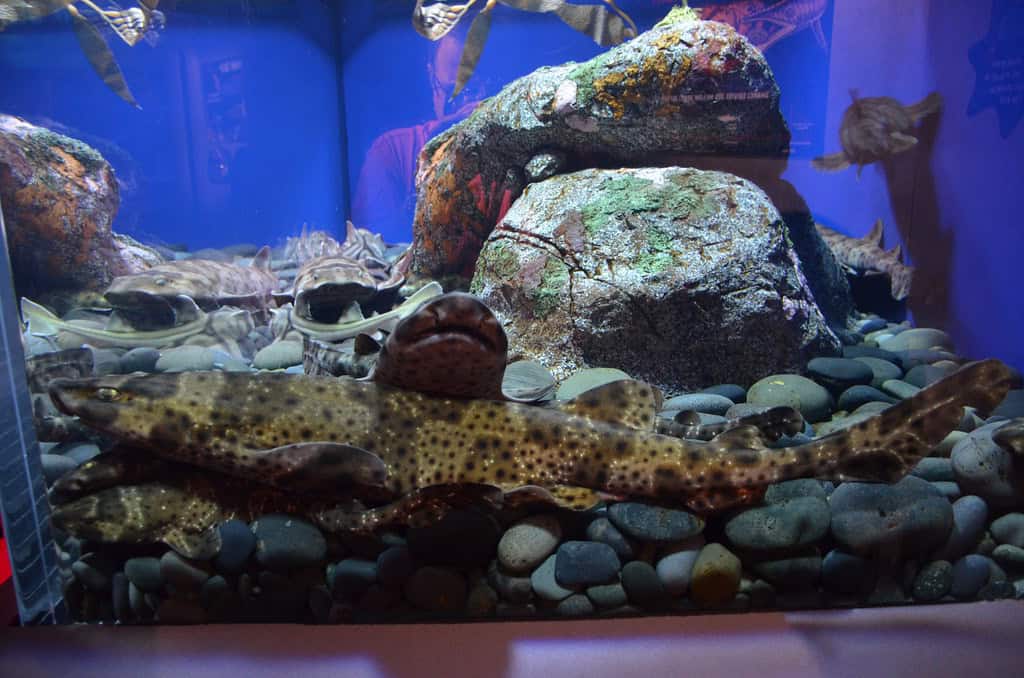
In the mysterious depths of the ocean, where sunlight barely penetrates, one shark species has developed a remarkable adaptation that seems almost magical to human observers. The chain catshark (Scyliorhinus retifer), a relatively small and unassuming shark species, possesses an extraordinary ability: it can actually glow green. This phenomenon, known as biofluorescence, was only discovered in this species in recent years, sending ripples of excitement through the scientific community and adding another fascinating chapter to our understanding of marine life. Unlike the more commonly known bioluminescence where organisms produce their own light, biofluorescent creatures like the chain catshark absorb blue light from their environment and re-emit it as green, creating a mesmerizing spectacle that serves specific biological purposes.
The Discovery of Glowing Sharks
The discovery of biofluorescence in chain catsharks occurred relatively recently, in 2014, when marine biologists David Gruber and John Sparks were conducting a nighttime dive in the Solomon Islands. Originally searching for biofluorescent coral, they were astonished when their specialized blue lights and yellow filters revealed a small shark glowing an eerie green. This unexpected observation led to further research that identified multiple shark species with this ability, with the chain catshark being among the most vivid examples.
The discovery changed our understanding of shark biology and opened up new avenues for research into the functions and mechanisms of biofluorescence in marine environments. Before this breakthrough, scientists had only documented biofluorescence in certain fish, corals, and other marine invertebrates, making this finding particularly significant in the field of marine biology.
Understanding Biofluorescence vs. Bioluminescence
To appreciate the chain catshark’s green glow, it’s essential to understand the difference between biofluorescence and bioluminescence. Bioluminescence is a chemical reaction where organisms produce their own light through a chemical process, like fireflies or certain deep-sea creatures. In contrast, biofluorescence occurs when organisms absorb light at one wavelength and re-emit it at another wavelength.
In the case of the chain catshark, it absorbs the blue light that penetrates ocean depths and re-emits it as green light. This distinction is crucial because biofluorescent organisms like the chain catshark require an external light source to glow, whereas bioluminescent creatures generate light independently. The mechanics of how sharks have evolved this ability remains an active area of research, with scientists still uncovering the complex biochemical processes involved.
The Chain Catshark: A Profile
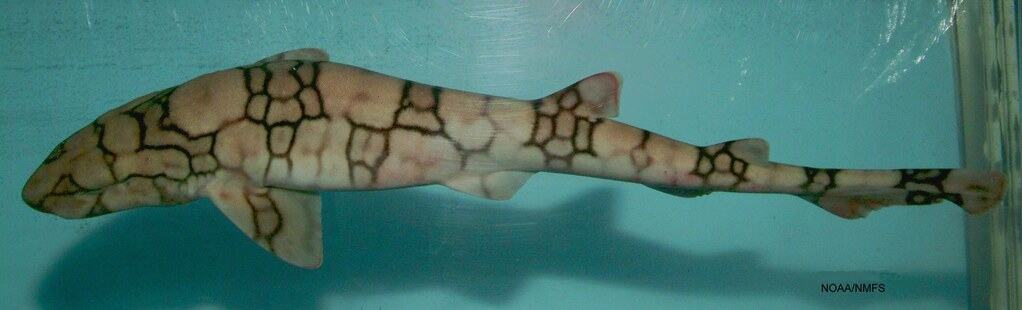
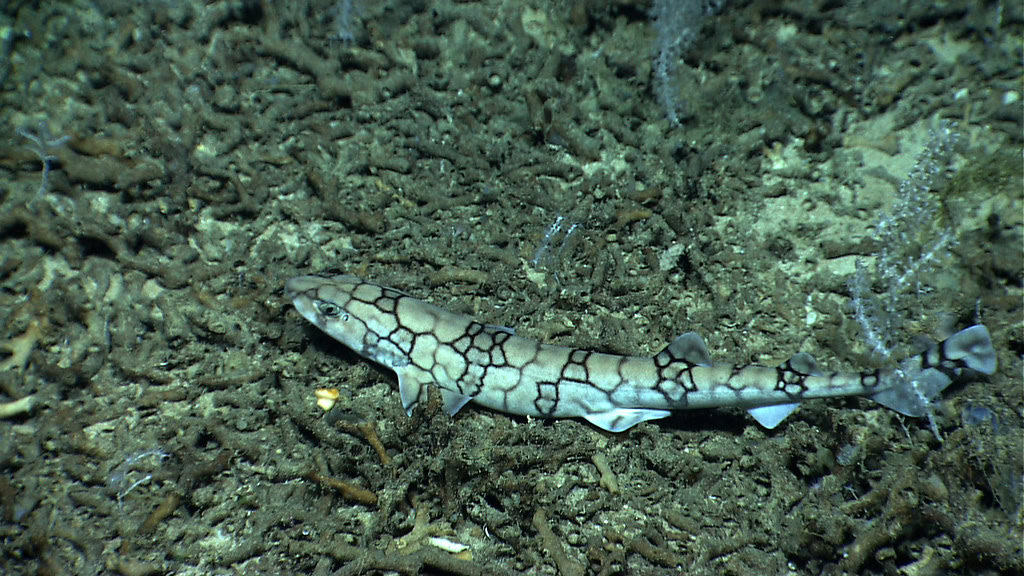
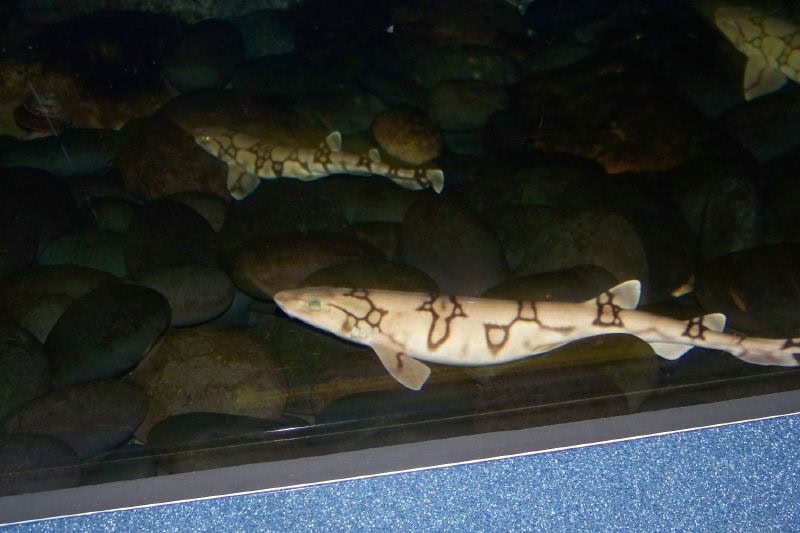
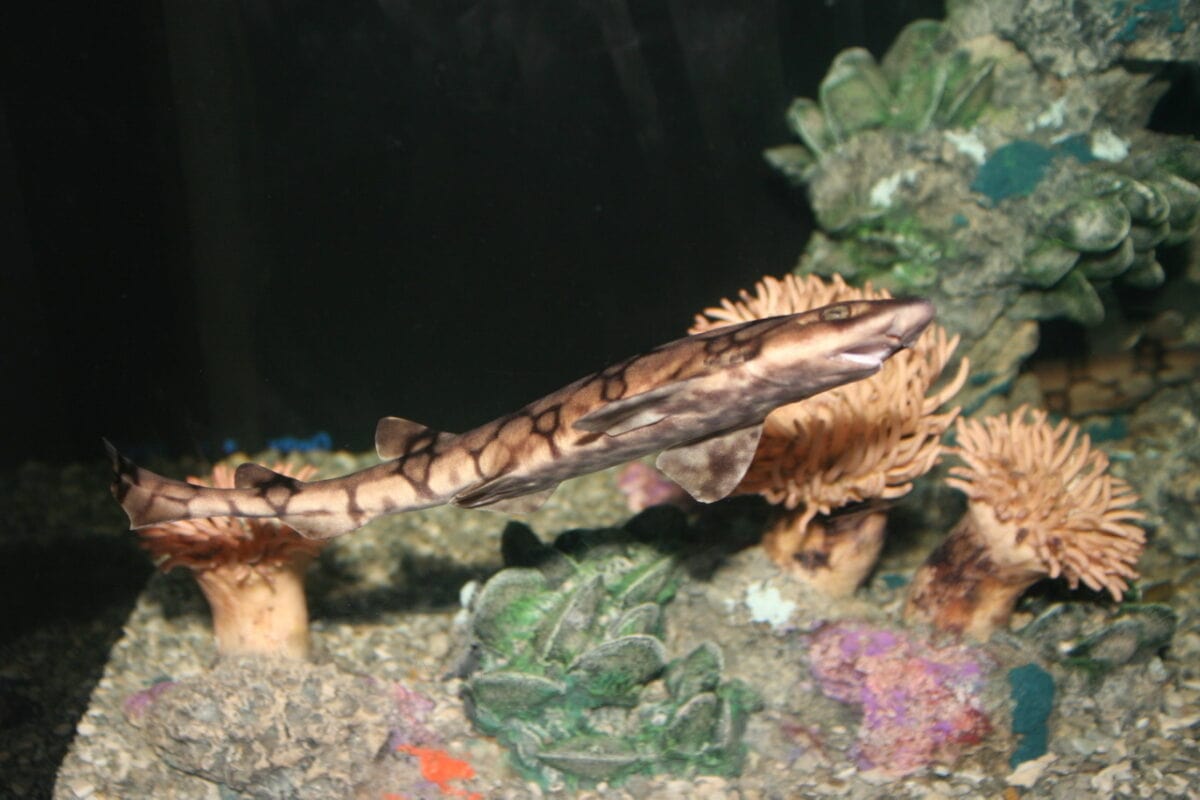
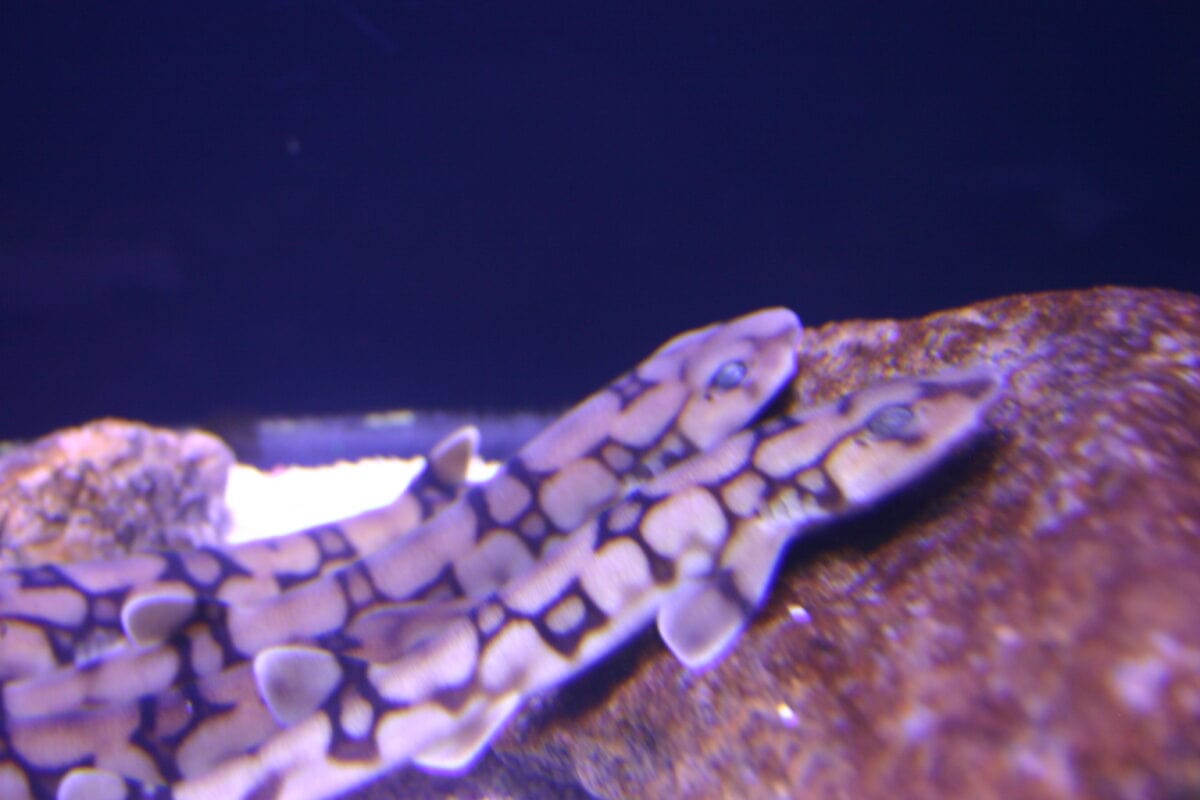
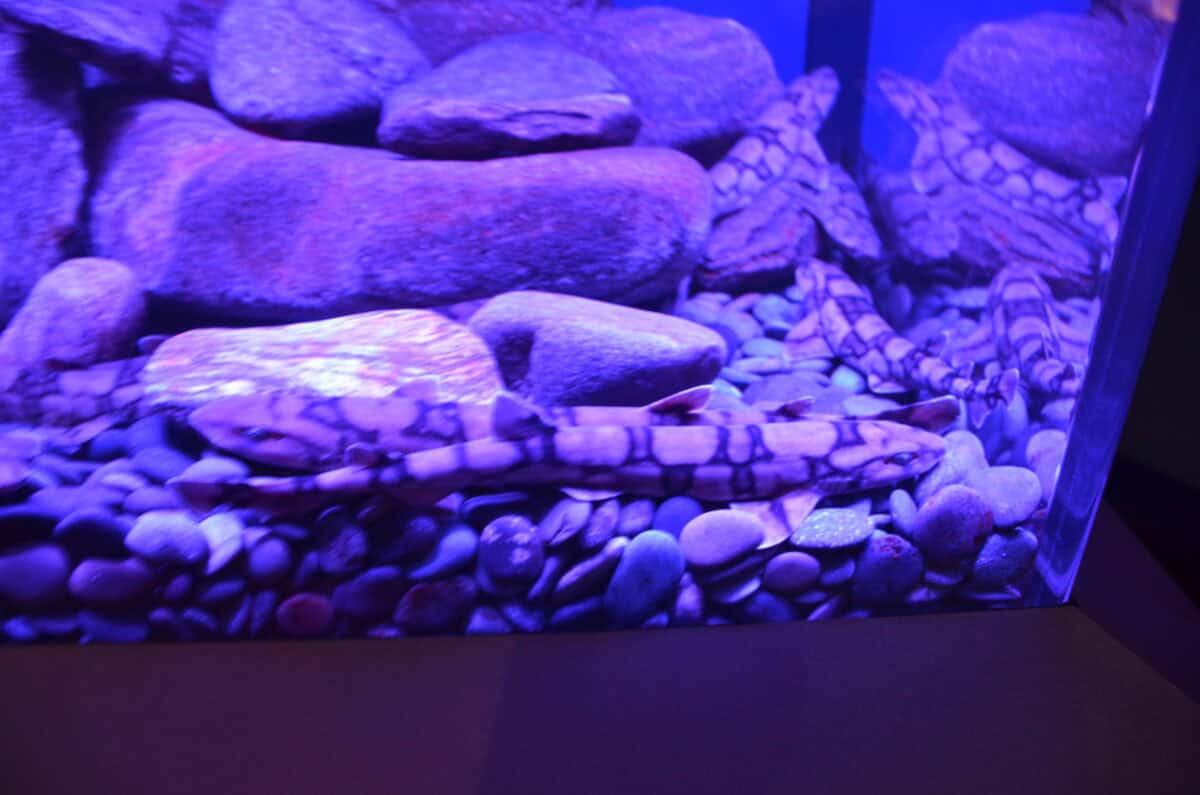
The chain catshark (Scyliorhinus retifer) is a small, bottom-dwelling shark species found primarily in the western Atlantic Ocean, from southern New England to the Gulf of Mexico. Growing to a maximum length of about 2-3 feet, these sharks have a slender body covered in a distinctive pattern of dark saddles and reticulations (chain-like markings) over a lighter background, which inspired their common name.
They inhabit continental shelf waters at depths between 240 and 1,800 feet, preferring rocky or coralline substrate areas. Unlike their more infamous relatives, chain catsharks are harmless to humans and feed primarily on small fish, crustaceans, and mollusks. They are oviparous, meaning females lay egg cases (often called “mermaid’s purses”) that are anchored to the seafloor until the young sharks hatch. While not commercially important, their remarkable biofluorescent ability has made them increasingly valuable to scientific research.
The Science Behind the Green Glow
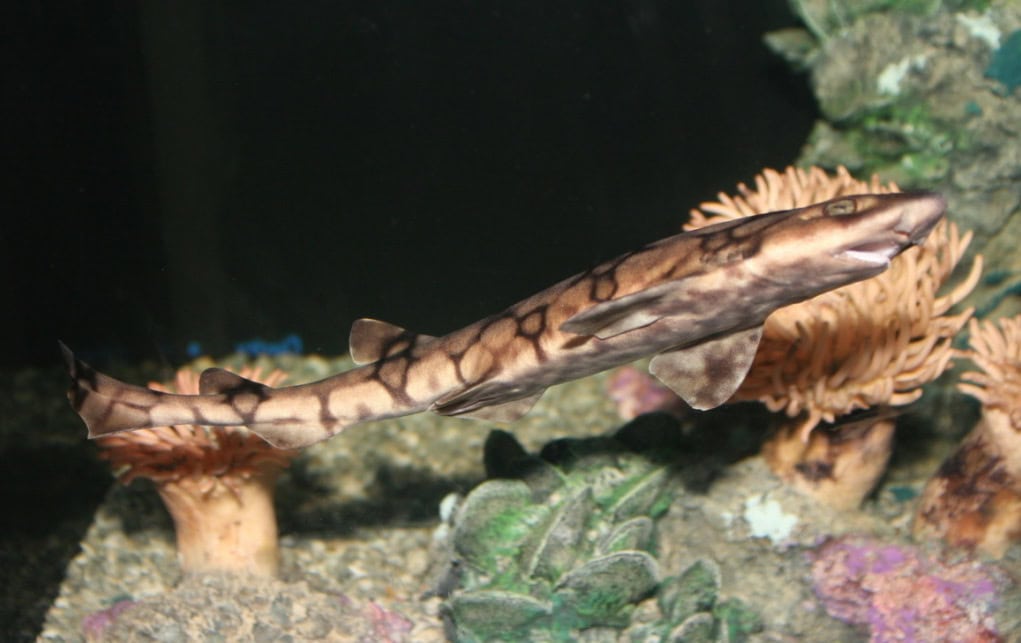
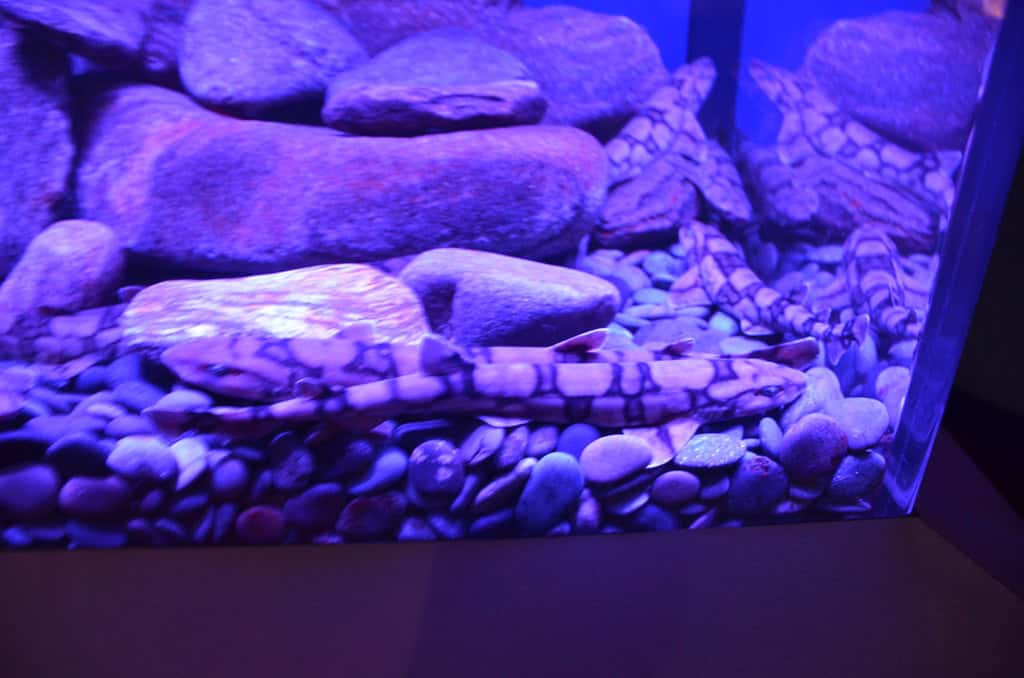
The chain catshark’s green glow is produced by specialized molecules called fluorescent proteins located in the shark’s skin. These proteins absorb high-energy blue light—the predominant wavelength that penetrates to ocean depths—and re-emit it as lower-energy green light. Research led by Dr. David Gruber and his team revealed that these sharks possess a unique type of fluorescent molecule that differs from those found in other marine organisms.
The biofluorescent properties are particularly concentrated in the shark’s skin patterns, causing the distinctive markings to glow brilliantly when illuminated with blue light. Electron microscopy studies have shown that these fluorescent proteins are contained within specific cells in the shark’s skin. The exact chemical composition of these proteins continues to be studied, with scientists working to understand how they evolved and what makes them unique among marine fluorescent molecules.
Why Do Chain Catsharks Glow Green?
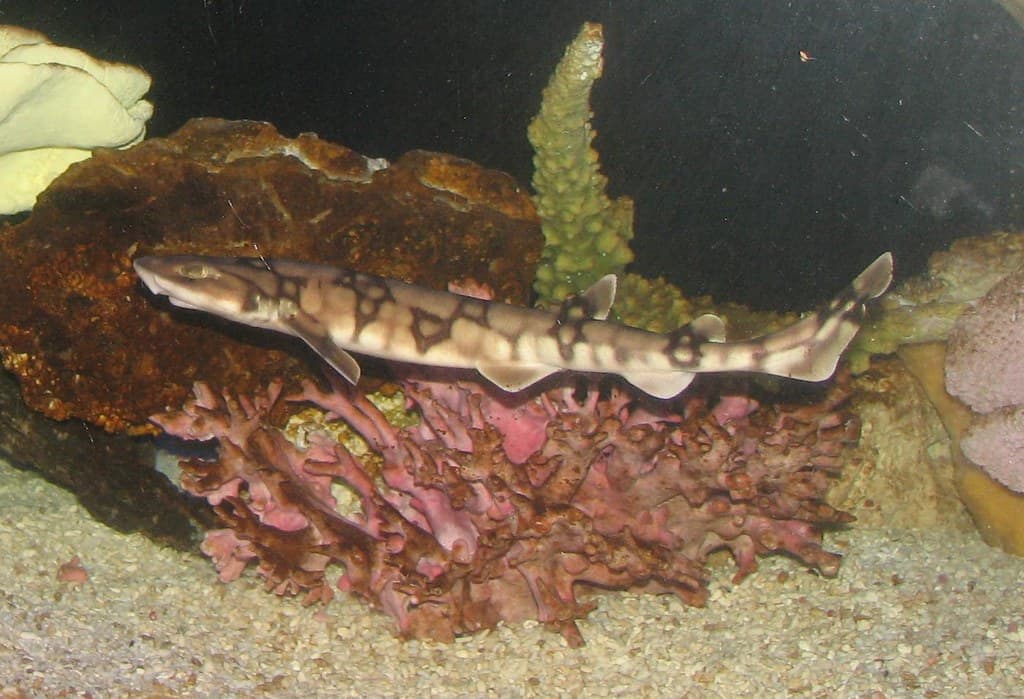
The evolutionary purpose behind the chain catshark’s biofluorescence has been the subject of intensive research. Scientists have proposed several theories about why these sharks evolved this remarkable ability. The most compelling explanation relates to communication between sharks. Chain catsharks have specialized vision that may allow them to see these fluorescent patterns, potentially using them to recognize members of their own species in the dim light of their deep-water habitat.
Another hypothesis suggests that the glowing patterns may help with camouflage, as the green glow might blend with the fluorescence of surrounding marine plants and invertebrates when viewed from below. Some researchers have also proposed that the fluorescence might play a role in mating rituals, with patterns potentially differing between males and females, though this remains under investigation. It’s also possible that the glow serves multiple purposes simultaneously, providing these sharks with evolutionary advantages in their challenging deep-water environment.
Seeing the World Through Shark Eyes
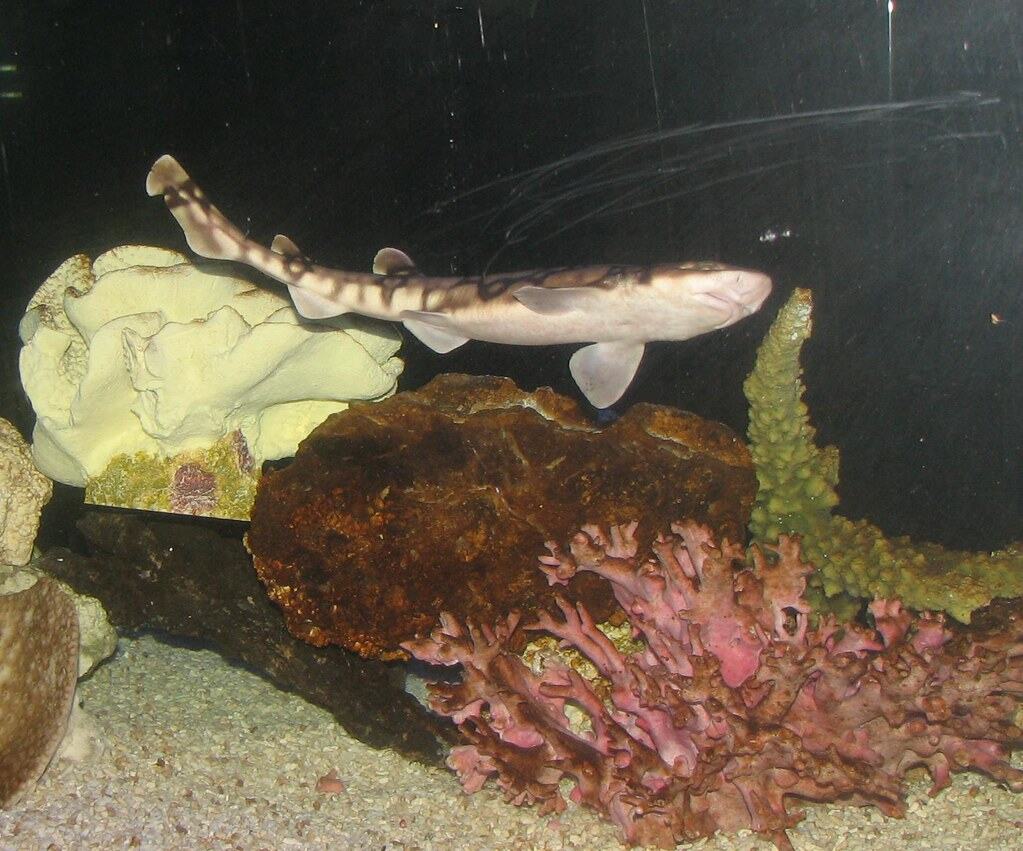
Understanding how chain catsharks perceive their glowing counterparts has been a fascinating area of research. Scientists led by Dr. David Gruber discovered that these sharks have unique visual adaptations that may allow them to see biofluorescence. Their eyes contain a high number of rod cells—photoreceptors that function well in low light—and few cone cells, which are typically responsible for color vision. However, the researchers found that chain catsharks have a visual pigment that is specifically sensitive to the blue-green light spectrum prevalent in their deep-water habitat.
Through complex modeling of shark vision, scientists determined that the contrast created by the fluorescent patterns would likely be visible to the sharks themselves, supporting the theory that the glow serves a communication function. This research has provided rare insight into how these sharks might perceive their world, so different from our own visual experience, and highlights the sophisticated sensory adaptations that have evolved in deep-sea environments.
The Distribution of Biofluorescent Sharks
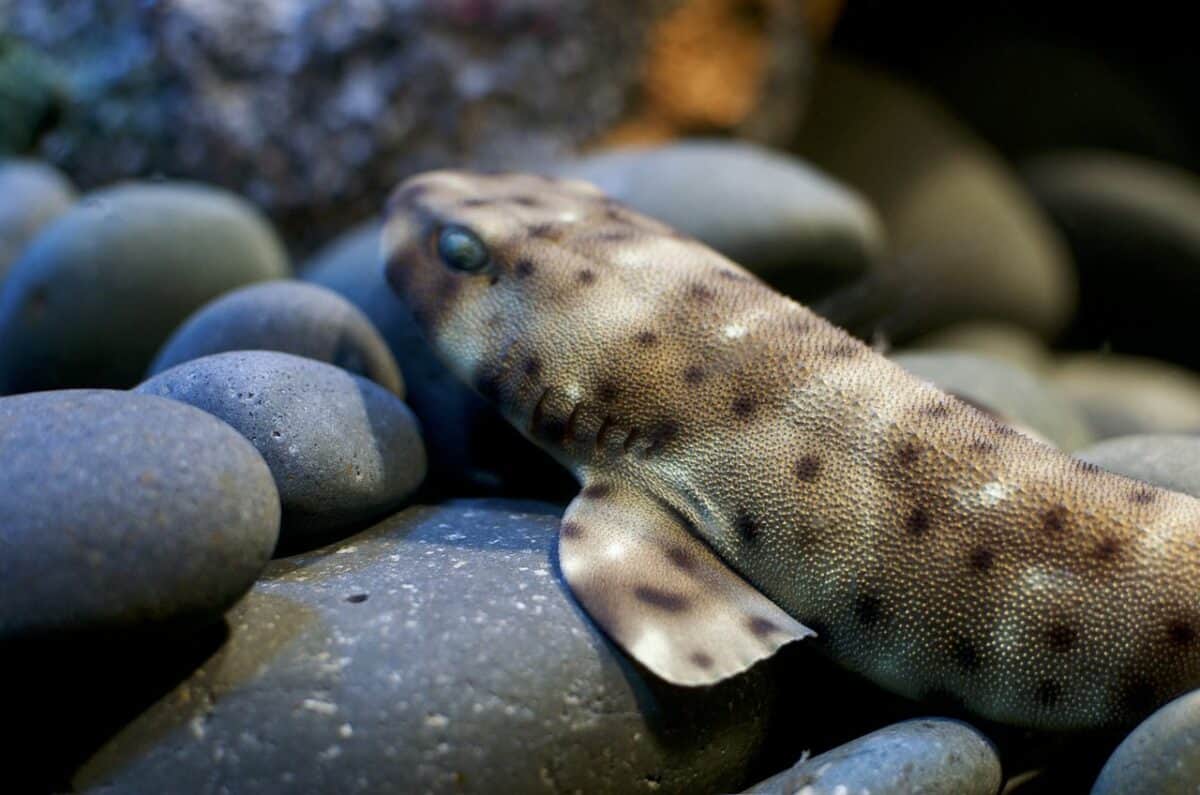
While the chain catshark is perhaps the most well-studied biofluorescent shark, it’s not alone in this ability. Following the initial discovery, researchers have identified biofluorescence in multiple shark species, suggesting this trait may be more widespread than initially thought. In addition to the chain catshark, the swell shark (Cephaloscyllium ventriosum) also exhibits strong green biofluorescence. Both belong to the family Scyliorhinidae, commonly known as catsharks.
Other species with confirmed biofluorescence include several other catshark species and certain bamboo sharks. Interestingly, biofluorescence appears to be more common in shark species that live in relatively shallow waters rather than in deep-sea sharks, possibly because there is more blue light available to be absorbed and re-emitted in these environments. The geographical distribution of biofluorescent sharks spans multiple ocean basins, from the western Atlantic home of the chain catshark to the Pacific habitats of swell sharks, suggesting this trait evolved independently multiple times or has ancient evolutionary origins in sharks.
Capturing the Glow: Specialized Photography Techniques
Documenting the chain catshark’s biofluorescence presents unique challenges that have driven innovations in underwater photography. To capture these ethereal green patterns, photographers must use specialized equipment that replicates how the fluorescence appears in the ocean environment. The process typically involves illuminating the sharks with blue light (often using specialized underwater lights with blue filters) and then photographing through a yellow filter that blocks the blue excitation light but allows the green fluorescent emission to pass through.
This combination reveals the striking patterns that would otherwise remain invisible to the human eye under normal white light. Wildlife photographers like David Doubilet and scientific researchers have pioneered techniques to document this phenomenon, often working in challenging conditions at depth. These images not only serve scientific documentation purposes but have also captivated public imagination, bringing attention to these remarkable sharks and the broader issue of marine biodiversity. The resulting photographs, showing sharks transformed into glowing green apparitions against the dark ocean, have become iconic images in marine biology.
Biofluorescence Applications in Science and Medicine
The discovery of biofluorescent proteins in sharks has potential applications that extend far beyond marine biology. Similar fluorescent proteins from other marine organisms, such as the green fluorescent protein (GFP) from jellyfish, have revolutionized biomedical research by allowing scientists to visualize cellular processes. The unique properties of shark fluorescent proteins—including their stability and the specific wavelengths they emit—could make them valuable tools for new biomedical applications.
Researchers are investigating whether these proteins could be used as markers in cellular imaging, allowing scientists to track specific cells or proteins in living tissues. There’s also interest in potential applications in cancer research, where fluorescent markers help identify tumor boundaries during surgery. Additionally, understanding how sharks produce these stable fluorescent proteins could inspire the development of new synthetic fluorescent compounds for various scientific and industrial uses. As research continues, the chain catshark’s glow might contribute to advances in fields ranging from medicine to materials science.
Conservation Concerns for Biofluorescent Sharks
While chain catsharks are not currently considered endangered, they face the same threats affecting many shark species worldwide. These include habitat degradation, accidental capture in commercial fishing operations (bycatch), and climate change impacts on ocean ecosystems. The conservation significance of biofluorescence adds another dimension to protection efforts.
If this trait plays a crucial role in communication or reproduction, then human activities that affect the light environment in oceans—such as coastal development, water turbidity from pollution, or even the increasing presence of artificial light at night in marine environments—could potentially disrupt these biological processes. Scientists argue that the discovery of biofluorescence in these sharks highlights how much remains unknown about marine species and emphasizes the importance of preserving ocean biodiversity before we fully understand its complexity. Conservation efforts for chain catsharks and other biofluorescent species focus on habitat protection, sustainable fishing practices, and reducing marine pollution.
Other Glowing Marine Creatures

The ocean depths are home to a remarkable array of glowing creatures beyond sharks. Biofluorescence has been documented in over 200 species of fish, as well as in many corals, sea anemones, jellyfish, and even sea turtles. Meanwhile, bioluminescence occurs in numerous marine organisms, from tiny dinoflagellates that create “blue tears” phenomena in some oceans to deep-sea anglerfish with their famous glowing lures.
Each species has evolved its light-producing or light-transforming ability for specific purposes: attracting prey, warning predators, camouflage, or communication with potential mates. The prevalence of these light-related adaptations underscores their evolutionary importance in marine environments, particularly in the dimly lit mesopelagic zone (200-1000 meters deep), often called the ocean’s “twilight zone.” The chain catshark’s biofluorescence represents just one fascinating example in this broader context of evolutionary adaptations to life in low-light marine environments, where the ability to control, produce, or transform light offers significant advantages.
Future Research Directions
The discovery of biofluorescence in chain catsharks has opened numerous avenues for future research. Scientists are particularly interested in gaining a more comprehensive understanding of the genetic basis for this trait—identifying and characterizing the genes responsible for producing the fluorescent proteins. This could reveal evolutionary relationships between biofluorescent capabilities across different marine species and potentially uncover when and how this trait evolved in sharks.
Behavioral studies are also a priority, with researchers hoping to document exactly how sharks use their fluorescence in natural settings. This might involve developing camera systems that can record shark interactions in low light while detecting fluorescence. Another promising research direction involves investigating whether biofluorescence varies seasonally or during different life stages, which might provide clues about its biological function. Additionally, as climate change alters ocean conditions, scientists are interested in studying whether changing water temperatures, acidity, or light penetration might affect the expression or visibility of biofluorescence in marine environments.
Conclusion: The Illuminating World of Glowing Sharks
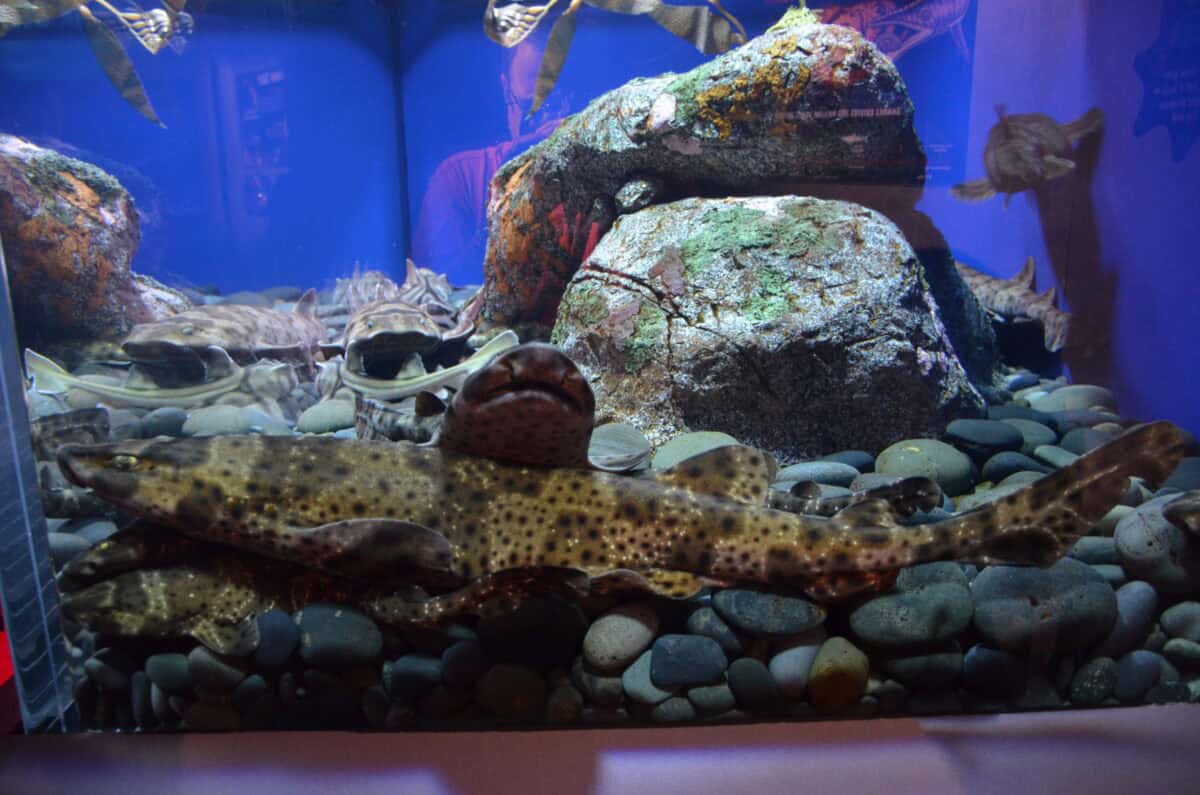
The chain catshark’s ability to glow green represents one of the ocean’s most fascinating biological phenomena, highlighting how much remains to be discovered in our planet’s marine environments. This relatively recent scientific finding reminds us that significant discoveries about Earth’s biodiversity continue to emerge, even in well-studied groups like sharks.
The biofluorescence of chain catsharks serves as a perfect example of how evolution has produced remarkable adaptations to life in specific ecological niches, in this case the dimly lit waters of the continental shelf. As researchers continue to investigate the mechanisms and purposes behind this glowing ability, we gain not only scientific knowledge but also a deeper appreciation for the complexity and wonder of marine life. The chain catshark, with its ethereal green glow, invites us to look more closely at the ocean’s inhabitants and consider what other remarkable adaptations might still await discovery in the vast blue depths.

From exploring the marine wonders in the Azores and witnessing the vast savannas of Kenya, to delving deep into the rich biodiversity of South Africa and traversing iconic landscapes in Australia and the US like Yellowstone, Chris's experiences are vast.
With a penchant for diving alongside sharks, the ocean holds a special place in his heart.
Through his academic insights, he champions wildlife conservation, striving with 'Animals Around The Globe' to cultivate a profound connection between humans and animals, enhancing our mutual appreciation.
Connect with him at Feedback@animalsaroundtheglobe.com.
- This Turtle Has Hair - July 20, 2026
- This Small U.S. Island Hosts Hundreds of Feral Horses - July 20, 2026
- This Planet Rains Liquid Glass Sideways - July 20, 2026