


Deep beneath the ocean’s surface, where sunlight fails to penetrate and eternal darkness reigns, lives one of nature’s most bizarre and fascinating creatures—the anglerfish. These denizens of the deep sea have evolved remarkable adaptations to survive in one of Earth’s most extreme environments. At depths ranging from 200 to over 1,000 meters, these fish face immense pressure, frigid temperatures, and scarcity of food, yet they’ve developed extraordinary strategies to thrive where few other creatures can survive.
The deep sea is a realm of constant challenges, where finding food and mates becomes a monumental task in the vast, dark expanse. It’s in this unforgiving environment that the anglerfish has perfected its unique hunting strategy and reproductive methods that seem pulled straight from science fiction. With approximately 200 species identified across the globe’s oceans, these remarkable fish have become iconic symbols of deep-sea adaptation and evolutionary ingenuity.
Nature’s Living Lure: The Bioluminescent Illusion

The anglerfish’s most famous feature is undoubtedly its illuminated lure, or illicium—a modified dorsal spine that extends from the fish’s head like a fishing rod with a glowing tip called the esca. This natural fishing pole is the key to the anglerfish’s predatory success. The light produced isn’t generated by the fish itself but through a symbiotic relationship with bioluminescent bacteria that colonize a special pouch in the esca. These bacteria produce light through a chemical reaction involving the compound luciferin and the enzyme luciferase, creating the eerie glow that attracts prey.
Each species of anglerfish possesses a uniquely shaped lure, with some resembling small fish, worms, or other deep-sea creatures. The fish can wiggle this lure in mesmerizing patterns, mimicking the movements of potential prey. In the darkness of the deep sea, where any light source is rare and potentially indicates food, curious fish and invertebrates are drawn to this glowing beacon—only to be met by the anglerfish’s enormous jaws and needle-like teeth when they approach too closely. This sophisticated hunting technique allows the anglerfish to conserve energy by bringing food directly to it rather than actively pursuing prey.
Nightmare Jaws: Feeding Adaptations

Beyond its famous lure, the anglerfish possesses one of the most terrifying mouths in the animal kingdom. Disproportionately large for its body size, an anglerfish’s mouth can expand to swallow prey twice its own size. This remarkable capacity is made possible by a hinged jaw and highly elastic stomach that can stretch to accommodate large meals—a crucial adaptation in a food-scarce environment where feeding opportunities may be rare and unpredictable.
Lining these massive jaws are rows of transparent, needle-like teeth that angle inward toward the throat. This dental arrangement ensures that once prey enters, escape is virtually impossible. Some species possess teeth that can fold inward as prey moves deeper into the mouth, then lock upright to prevent retreat. The anglerfish’s digestive system is equally specialized, with powerful enzymes that can break down almost anything it consumes, including the hard exoskeletons of crustaceans and the tough bodies of other fish. In an environment where a meal might come once in several weeks, the ability to consume and process large prey is essential for survival.
Sexual Dimorphism: The Extreme Gender Divide

Perhaps one of the most striking characteristics of anglerfish is the extreme sexual dimorphism exhibited by many species. This difference between males and females goes far beyond size or coloration differences seen in other animals. Female anglerfish are the iconic predators we recognize, equipped with glowing lures and fearsome teeth. They can grow to lengths of over three feet in some species, though most are considerably smaller. Males, however, are an entirely different story—they are often tiny in comparison, sometimes less than an inch long, and lack the distinctive lure and predatory adaptations of their female counterparts.
This dramatic size difference reflects the vastly different life strategies between the sexes. Females need substantial bodies to house reproductive organs capable of producing thousands of eggs, along with the hunting equipment necessary to fuel this energy-intensive process. Males, conversely, are evolved for a single purpose: finding and fertilizing a female. Their bodies are streamlined for swimming efficiency, with large eyes and sensitive nostrils to detect pheromones released by females. This extreme divergence represents one of the most dramatic examples of sexual dimorphism in the vertebrate world and sets the stage for their unique reproductive strategy.
Parasitic Mating: When Males Become Permanent Attachments

The anglerfish’s reproductive strategy is among the most bizarre in the animal kingdom, often described as parasitic mating. When a male anglerfish, which is significantly smaller than the female, locates a potential mate through chemical cues in the water, he attaches himself to her body using specially adapted teeth. What follows is one of nature’s most extraordinary transformations: the male’s tissues fuse with the female’s, connecting to her bloodstream. His body then undergoes drastic degeneration, losing most of his organs—including eyes, fins, and digestive system—until he becomes little more than a permanent sperm-producing appendage on the female’s body.
This vampire-like fusion provides mutual benefits in the challenging deep-sea environment. The male gains a continuous supply of nutrients directly from the female’s bloodstream, eliminating his need to hunt. The female secures a permanent source of sperm for fertilizing her eggs whenever conditions are favorable for reproduction. Some female anglerfish have been found with multiple males attached to them, creating a living sperm bank that ensures reproductive success in an environment where encountering another anglerfish might be a once-in-a-lifetime event. This strategy solves the profound challenge of finding mates in the vast, dark expanse of the deep ocean.
Evolutionary Origins: How Anglerfish Developed Their Unique Traits
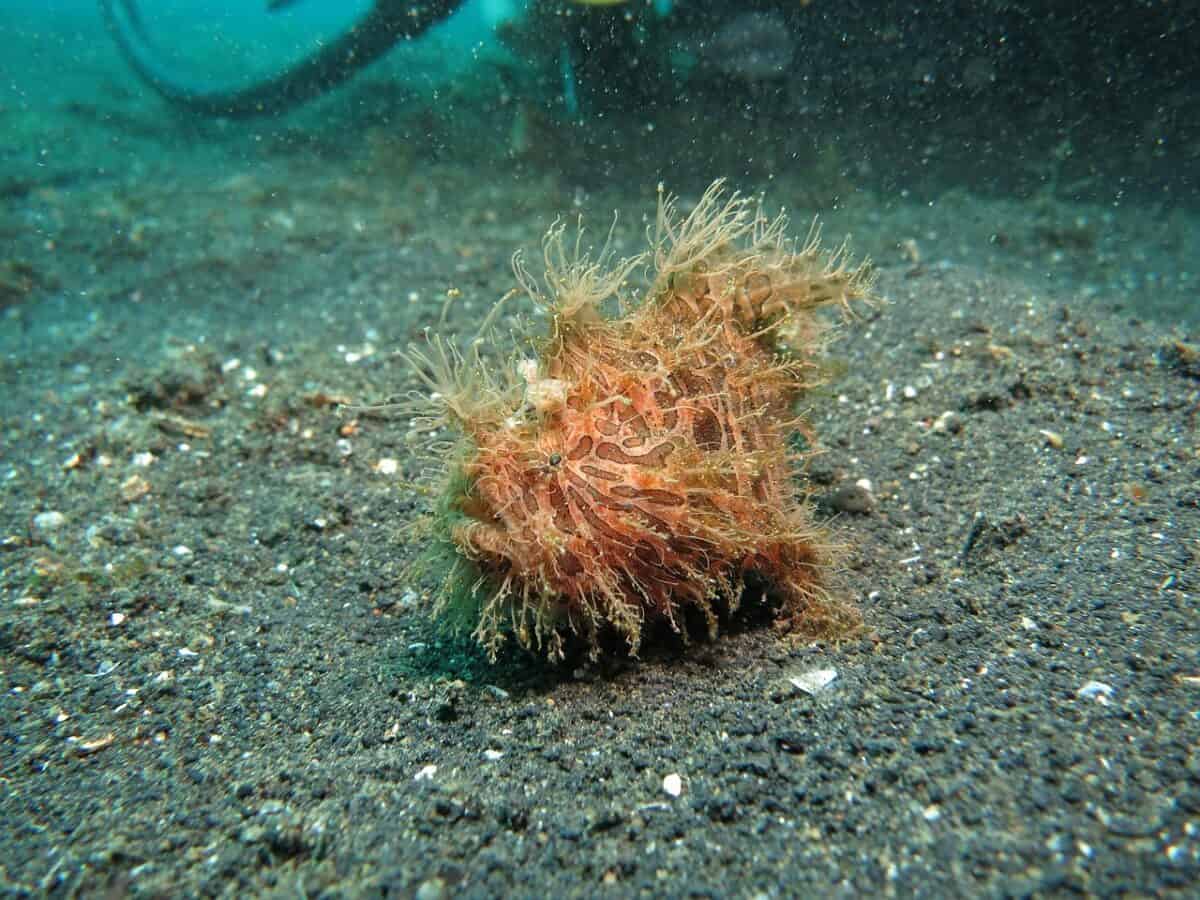
The evolutionary path that led to the modern anglerfish is a testament to the power of natural selection in extreme environments. Fossil records of anglerfish are scarce due to the deep-sea habitats they occupy, but genetic studies suggest they diverged from their closest relatives approximately 130 million years ago during the Early Cretaceous period. The ancestors of today’s anglerfish likely began as more conventional fish that gradually adapted to deeper waters as they followed food sources or escaped predation in shallower regions.
As these proto-anglerfish ventured deeper, they faced increasing selective pressure to develop specializations for this challenging habitat. The bioluminescent lure likely evolved from a modified dorsal fin ray that initially served a different purpose, perhaps as a sensory organ. Over millions of years, natural selection favored individuals with more effective lures and more efficient reproductive strategies. The parasitic mating system probably developed gradually, starting with temporary attachments that became increasingly permanent as the benefits of such arrangements proved advantageous in the food-scarce, mate-scarce deep sea. Today’s anglerfish represent the pinnacle of these evolutionary adaptations—creatures perfectly suited to their extreme environment.
Diversity in the Depths: Major Anglerfish Families

The order Lophiiformes, which contains all anglerfish, is divided into several distinct families, each with unique adaptations to specific deep-sea niches. The Ceratiidae family includes the deep-sea anglers that exhibit the most extreme sexual dimorphism and parasitic mating. These species typically inhabit the bathypelagic zone (1,000-4,000 meters deep) and include some of the most recognizable anglerfish species. The Lophiidae family, or goosefishes, live in relatively shallower waters on continental shelves and have more conventional reproductive behaviors without parasitic males.
Other notable families include the Antennariidae (frogfishes), which are often found in tropical coral reefs rather than the deep sea. These colorful relatives have modified fins that function like legs, allowing them to “walk” along the seafloor. The Ogcocephalidae (batfishes) have flattened bodies adapted for life on the ocean floor and use their lures to attract prey from directly beneath their mouths. This diversity demonstrates how the basic anglerfish body plan has been modified to succeed in various marine environments, from tropical shallows to the deepest ocean trenches, though all maintain some version of the characteristic lure that gives the order its name.
Life Cycle and Reproduction: From Fusion to Floating Eggs

The life cycle of deep-sea anglerfish begins with the release of eggs by the female, often with the assistance of her permanently attached male partners. Unlike many deep-sea creatures that produce relatively few, large eggs, female anglerfish can release hundreds of thousands of tiny eggs at once. These eggs contain oil droplets that cause them to float upward toward the surface waters, which serves as a crucial dispersal mechanism. This strategy ensures that young anglerfish develop in the more food-rich, less pressure-intense upper ocean before gradually migrating to deeper waters as they mature.
The larval anglerfish that hatch from these eggs bear little resemblance to their parents. They possess symmetrical features, large eyes, and body proportions similar to typical fish larvae. As they develop, profound changes occur—females grow larger and develop their characteristic lures, while males remain small and develop sensitive organs for detecting females. Sexual differentiation occurs early, setting males and females on dramatically different developmental trajectories. This complex life cycle, with its transition from surface-dwelling larvae to specialized deep-sea adults, represents another adaptation to maximize survival in the challenging deep-sea environment.
Metabolic Adaptations: Surviving Food Scarcity
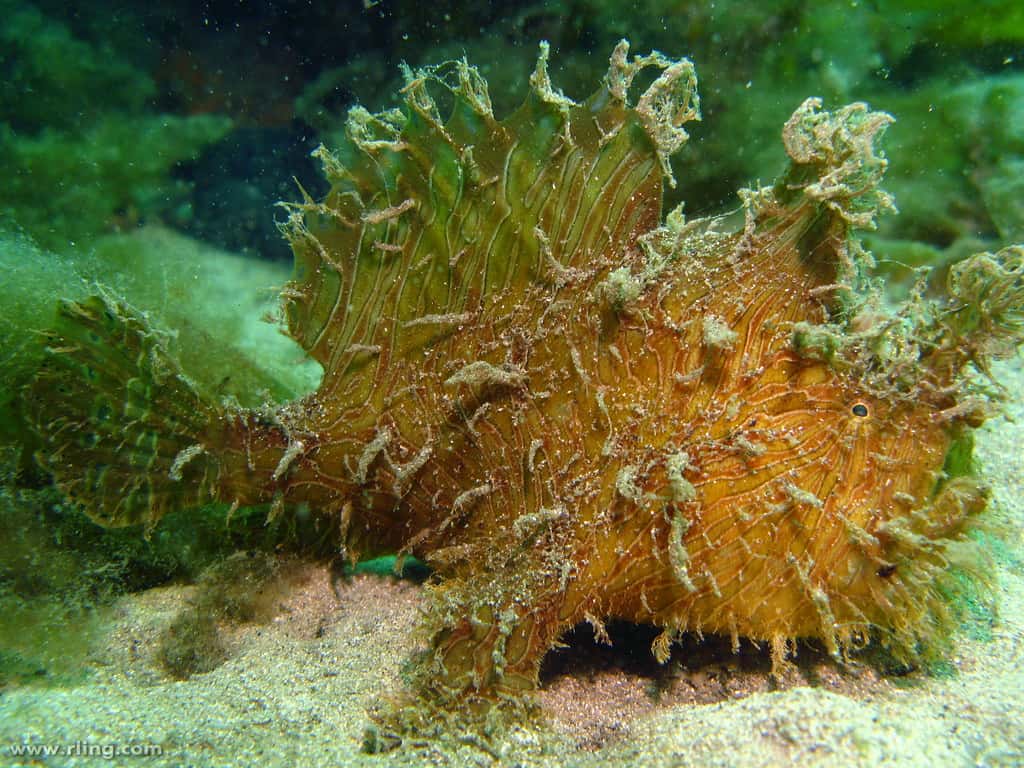
Life in the deep sea presents significant challenges regarding food availability, as nutrient levels decrease dramatically with depth. Anglerfish have evolved remarkable metabolic adaptations to cope with the feast-or-famine nature of their environment. Their metabolism operates at an extremely slow rate compared to surface-dwelling fish, allowing them to conserve energy during long periods without food. Some species can reduce their metabolic rate to just enough to maintain essential bodily functions, entering a state similar to hibernation when food is scarce.
Complementing these metabolic adaptations is the anglerfish’s ability to store energy efficiently. Their bodies contain large amounts of lipids (fats) that serve as long-term energy reserves. Unlike many other fish with streamlined bodies optimized for swimming efficiency, many anglerfish species have somewhat gelatinous, flabby bodies that prioritize energy storage over speed—a logical trade-off in an environment where stealth hunting with a lure is more effective than chase predation. These combined adaptations allow anglerfish to survive for months between successful feeding events, a crucial ability in the nutrient-poor deep sea.
Deep-Sea Threats: Predators and Environmental Challenges

Despite their fearsome appearance and predatory nature, anglerfish face threats in their deep-sea realm. Larger predators such as deep-diving sharks, certain whale species, and other large deep-sea fish occasionally prey on anglerfish. Their primary defense against predation is their habitat itself—the darkness and vastness of the deep ocean make encounters with predators relatively rare. Additionally, some species possess spines or rough skin textures that make them difficult to swallow, while others can inflate their bodies when threatened, making themselves appear larger and more formidable.
Beyond natural predators, anglerfish face increasing threats from human activities. Deep-sea trawling, which scrapes the ocean floor with large nets, can inadvertently capture anglerfish as bycatch. Climate change presents another challenge, as it alters ocean temperature gradients and circulation patterns that affect the distribution of nutrients and oxygen throughout the water column. Ocean acidification, caused by increasing carbon dioxide absorption, may impact the development of anglerfish eggs and larvae. While these deep-dwelling creatures have traditionally been isolated from human impacts, our expanding reach into the deep ocean is beginning to change this reality.
Research Challenges: Studying the Ocean’s Most Elusive Fish

Studying anglerfish presents extraordinary challenges for marine biologists. Their deep-sea habitat is one of the most inaccessible environments on Earth, requiring specialized equipment like remotely operated vehicles (ROVs), deep-sea submersibles, and pressure-resistant cameras. Even with this technology, encounters with anglerfish are rare and often brief. The extreme pressure of the deep sea means that specimens brought to the surface typically suffer fatal damage as gases in their tissues expand, distorting their appearance and making it difficult to study their natural form and behavior.
Despite these obstacles, scientific understanding of anglerfish has advanced significantly in recent decades. Innovations like baited camera traps have captured footage of anglerfish in their natural habitats, revealing previously unknown behaviors. Genetic analysis has helped clarify evolutionary relationships between species and provided insights into their mating systems. The rise of environmental DNA (eDNA) techniques, which can detect species presence from water samples, is opening new avenues for monitoring anglerfish populations without direct observation. Each new discovery adds to our understanding of these remarkable creatures and the mysterious ecosystem they inhabit.
The Anglerfish in Human Culture: From Fear to Fascination
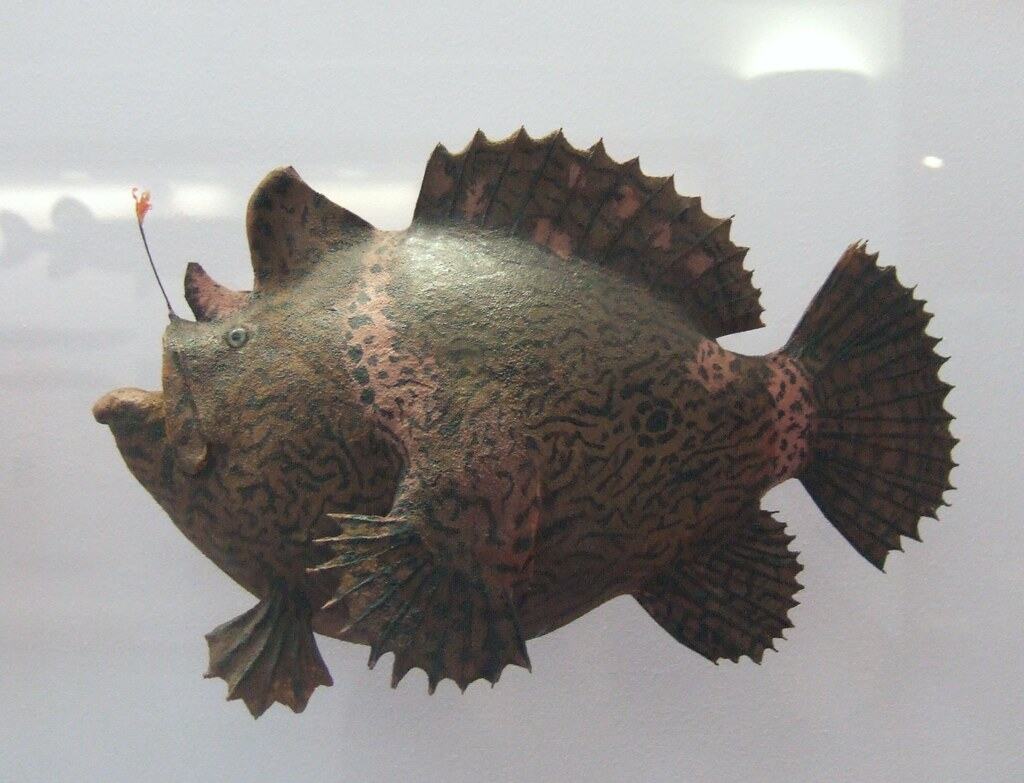
The anglerfish’s bizarre appearance and behaviors have made it an object of both fear and fascination in human culture. Early deep-sea expeditions that returned with preserved specimens of these alien-looking creatures contributed to perceptions of the deep sea as a realm of monsters. In modern times, the anglerfish has become an iconic symbol of deep-sea adaptation, featured prominently in nature documentaries, science education, and even popular entertainment. The fearsome female anglerfish in Pixar’s “Finding Nemo” introduced millions of viewers to this unusual creature, though with somewhat exaggerated features for dramatic effect.
Beyond entertainment, the anglerfish has contributed to scientific understanding in unexpected ways. The bioluminescent bacteria in their lures have been studied for potential applications in biotechnology and medicine. Their extreme sexual dimorphism and parasitic mating provide valuable case studies for researchers investigating the evolution of reproductive strategies. The proteins that allow male anglerfish to fuse with females without triggering immune rejection are of interest to transplant medicine researchers. Through both cultural representation and scientific study, the anglerfish has transformed from an obscure deep-sea oddity to a creature that captures human imagination and advances our understanding of biology.
Conclusion: Marvels of Evolutionary Adaptation
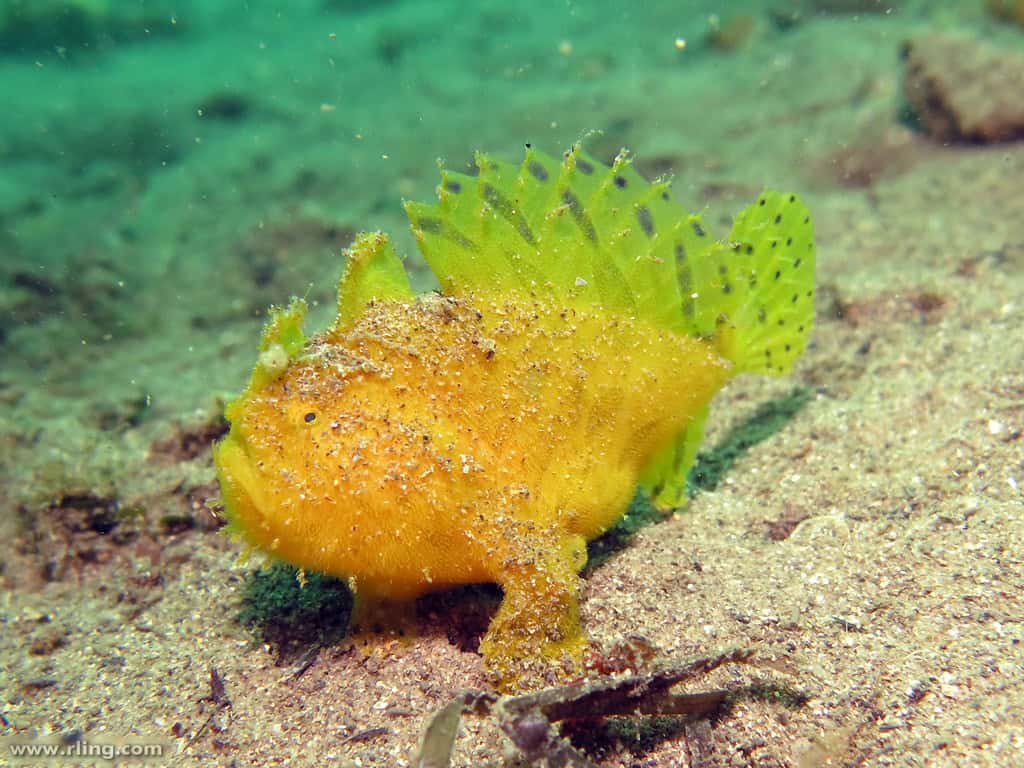
The anglerfish stands as one of nature’s most extraordinary examples of adaptation to extreme environments. From its glowing lure that lures prey through the darkness to its vampire-like mating strategy that ensures reproductive success in the vast emptiness of the deep sea, every aspect of the anglerfish’s biology tells a story of evolutionary ingenuity. These remarkable adaptations demonstrate how the pressures of natural selection can produce solutions to environmental challenges that seem almost unbelievable in their complexity and specialization.
As we continue to explore the depths of our oceans, the anglerfish reminds us of how much remains to be discovered in Earth’s least accessible habitats. These bizarre creatures challenge our understanding of biological possibilities and expand our appreciation for the diversity of life strategies that exist on our planet. In the face of changing oceans, the future of these deep-sea specialists remains uncertain, but their evolutionary journey serves as a powerful testament to life’s resilience and adaptability in even the most challenging conditions.
The anglerfish, with its glowing lure and parasitic males, may seem like something from science fiction, but it represents the very real wonders that evolution can produce given time and environmental pressure. By studying these remarkable fish, we gain not only knowledge about a fascinating creature but also insights into the fundamental processes that shape all life on Earth. Perhaps most importantly, the anglerfish reminds us that even in the darkest, most extreme environments, life not only persists but evolves into forms of unexpected beauty and complexity.

From exploring the marine wonders in the Azores and witnessing the vast savannas of Kenya, to delving deep into the rich biodiversity of South Africa and traversing iconic landscapes in Australia and the US like Yellowstone, Chris's experiences are vast.
With a penchant for diving alongside sharks, the ocean holds a special place in his heart.
Through his academic insights, he champions wildlife conservation, striving with 'Animals Around The Globe' to cultivate a profound connection between humans and animals, enhancing our mutual appreciation.
Connect with him at Feedback@animalsaroundtheglobe.com.
- How Museums Help Protect Endangered Species - July 11, 2026
- The Deep Sea’s Most Bizarre Predators - July 11, 2026
- Seals Use Icebergs to Avoid Predators - July 11, 2026