

In the diverse realm of nature’s hunters, one tiny predator stands out for its astonishing speed and precision. The trap-jaw spider, scientifically known as Mecysmaucheniidae, possesses what researchers have confirmed to be the fastest predatory strike ever recorded in an arachnid. These spiders, native to New Zealand and southern parts of South America, might be small and unassuming, but they harbor a hunting mechanism that defies our understanding of speed and acceleration in the animal kingdom. Their jaw-dropping attack speed has captured the attention of scientists worldwide, prompting extensive research into the biomechanics behind this lightning-fast predatory adaptation.
What makes the trap-jaw spider’s attack particularly fascinating is that it occurs in mere microseconds—too fast for the human eye to perceive. This extraordinary speed isn’t just an impressive natural phenomenon; it represents an evolutionary marvel that has developed to maximize hunting efficiency in specific ecological niches. As we delve deeper into the world of this remarkable arachnid, we’ll explore the mechanics, evolutionary advantages, and scientific significance of what may well be the fastest biological movement in the animal kingdom relative to size.
The Mecysmaucheniidae Family: Meet the Speed Demons
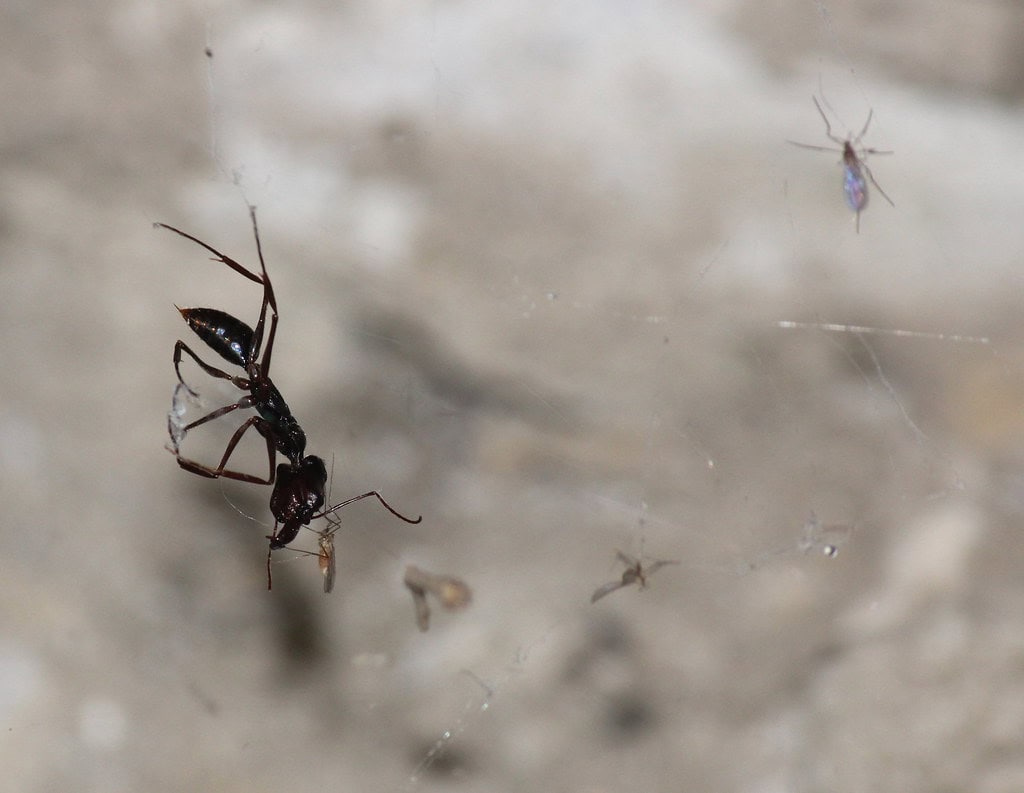
The trap-jaw spiders belong to the family Mecysmaucheniidae, a relatively obscure group comprising about 25 species of small spiders primarily found in temperate rainforests. Despite their limited geographical distribution, these spiders have evolved one of the most remarkable predatory mechanisms in the arthropod world. Most species in this family are tiny, measuring only a few millimeters in length, with muted coloration ranging from pale yellow to reddish-brown that helps them blend into their forest floor habitats.
What distinguishes the Mecysmaucheniidae from other spider families is their uniquely modified carapace and chelicerae (front appendages). Their elongated head region houses powerful muscles that enable their record-breaking strikes. Unlike many spider families that have gained scientific attention due to their venom, size, or web-building abilities, the trap-jaw spiders remained relatively unstudied until researchers began investigating their extraordinary hunting technique. Their modest appearance belies the biomechanical wonder hidden within their anatomy—a perfect example of how evolutionary adaptations can manifest in unexpected ways across the tree of life.
Breaking Speed Records: The Numbers Behind the Strike
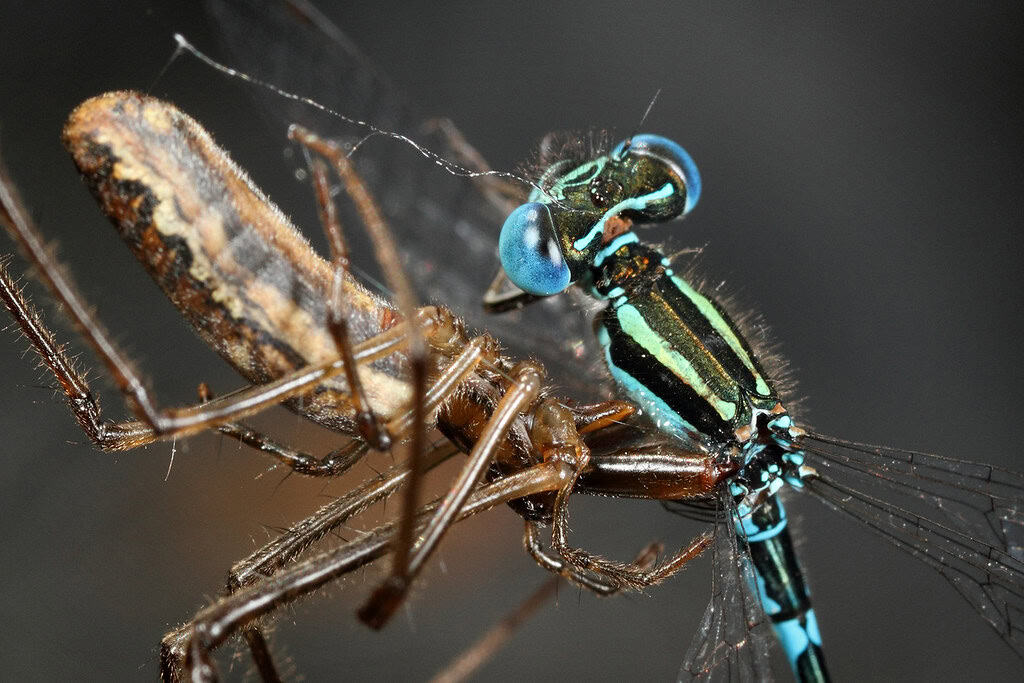
The trap-jaw spider’s strike occurs at mind-boggling speeds that challenge our comprehension of biological movement. Research led by Dr. Hannah Wood of the Smithsonian Institution revealed that the fastest species within this family can snap its jaws shut in a mere 0.12 milliseconds—that’s about 100 times faster than you can blink. The acceleration during this movement reaches an astonishing 130,000 times the acceleration due to gravity. To put this in perspective, if a car could accelerate at this rate, it would reach a speed of 2,900 miles per hour in just one millisecond.
What’s particularly fascinating is the variation in speed among different species within the family. Through high-speed camera recordings capturing thousands of frames per second, scientists documented strikes ranging from 0.12 to 5.6 milliseconds across different Mecysmaucheniidae species. The fastest of these species can move their jaw-like appendages at speeds exceeding 18.2 meters per second. This incredible range suggests that the ultra-fast strike evolved multiple times within this family, representing a remarkable case of convergent evolution driven by the selective pressures of their specialized hunting strategy.
The Biomechanics: How Do They Achieve Such Speed?
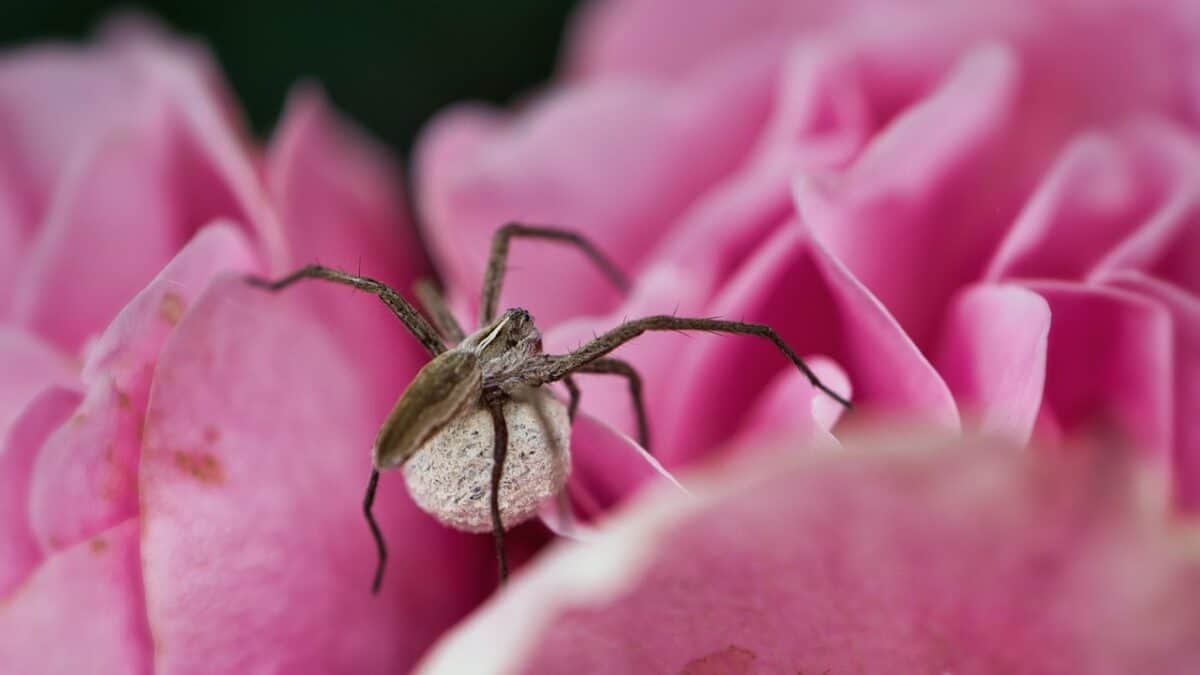
The extraordinary speed of the trap-jaw spider’s strike emerges from a sophisticated biological catapult mechanism. Unlike regular muscle contractions, which are limited in how quickly they can generate force, these spiders employ what scientists call a “power-amplification mechanism.” The process begins with slow muscle contractions that store energy, similar to stretching a rubber band. This energy is stored in specialized structures within the spider’s head and chelicerae until a triggering mechanism releases it all at once, resulting in the ultrafast strike.
Detailed anatomical studies have revealed modified exoskeletal structures and uniquely arranged muscle fibers that facilitate this energy storage and release. The spider’s chelicerae are equipped with special locking mechanisms that hold the stored energy until precisely the right moment. When released, the energy transfers through a system of lever-like structures that amplify both speed and force. This remarkable adaptation allows the trap-jaw spider to overcome the inherent speed limitations of muscle tissue, demonstrating nature’s ingenious solution to the physical constraints of small predators needing to capture fast-moving prey.
Hunting Strategy: Why Speed Matters
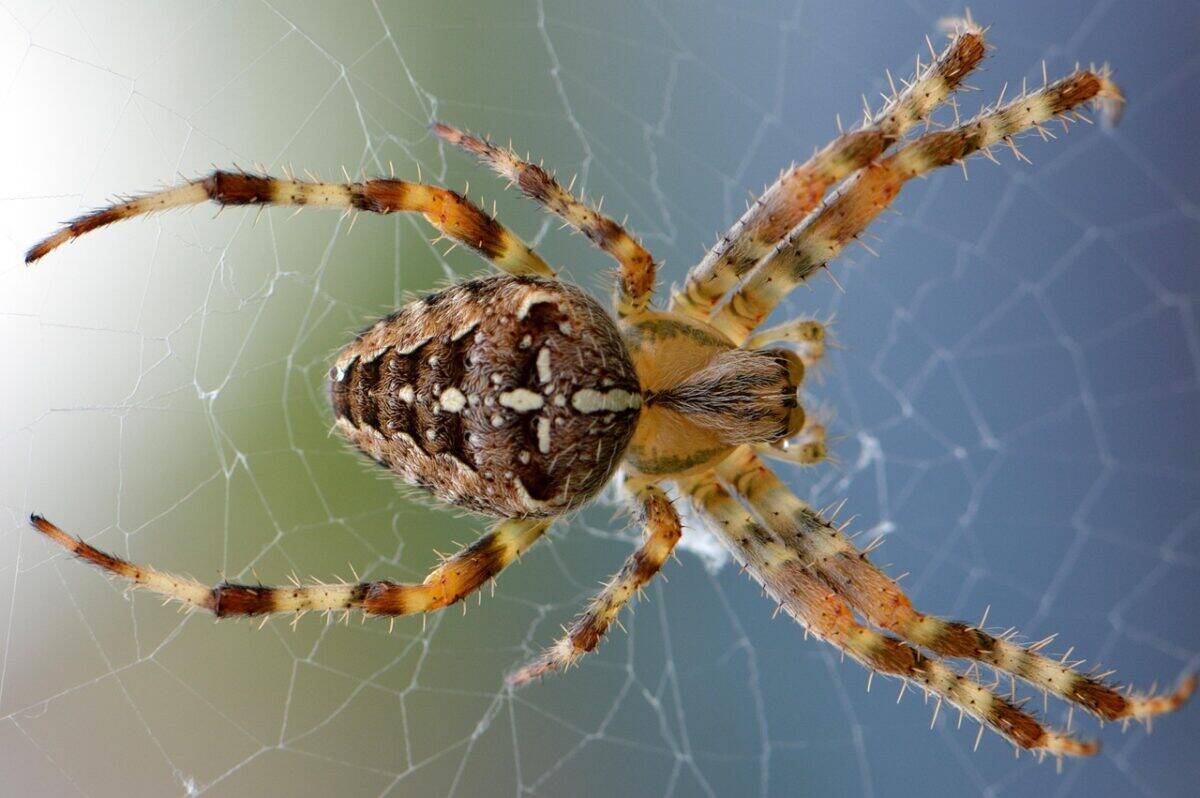
The trap-jaw spider’s incredible speed serves a critical purpose in its hunting strategy. These spiders are specialized predators that primarily target springtails—tiny hexapods known for their own remarkable escape mechanism. When threatened, springtails can launch themselves into the air in less than a millisecond using a spring-loaded appendage called a furcula. This explosive escape response makes springtails particularly difficult prey for most predators to capture. The trap-jaw spider’s ultra-fast strike evolved specifically to overcome this defense, allowing them to snatch springtails before they can initiate their escape jump.
Observations of hunting behavior reveal that trap-jaw spiders are ambush predators that wait motionlessly for prey to come within striking distance. When a potential meal approaches, the spider positions itself carefully, opens its chelicerae to engage the energy-storing mechanism, and then triggers the lightning-fast strike when the prey is within range. The precision of this attack is as impressive as its speed—the spider must not only strike quickly but also accurately to successfully capture its elusive prey. This specialized hunting adaptation allows these small spiders to occupy a particular ecological niche, exploiting a food source that remains largely inaccessible to slower predators.
Evolutionary Marvel: The Development of Speed
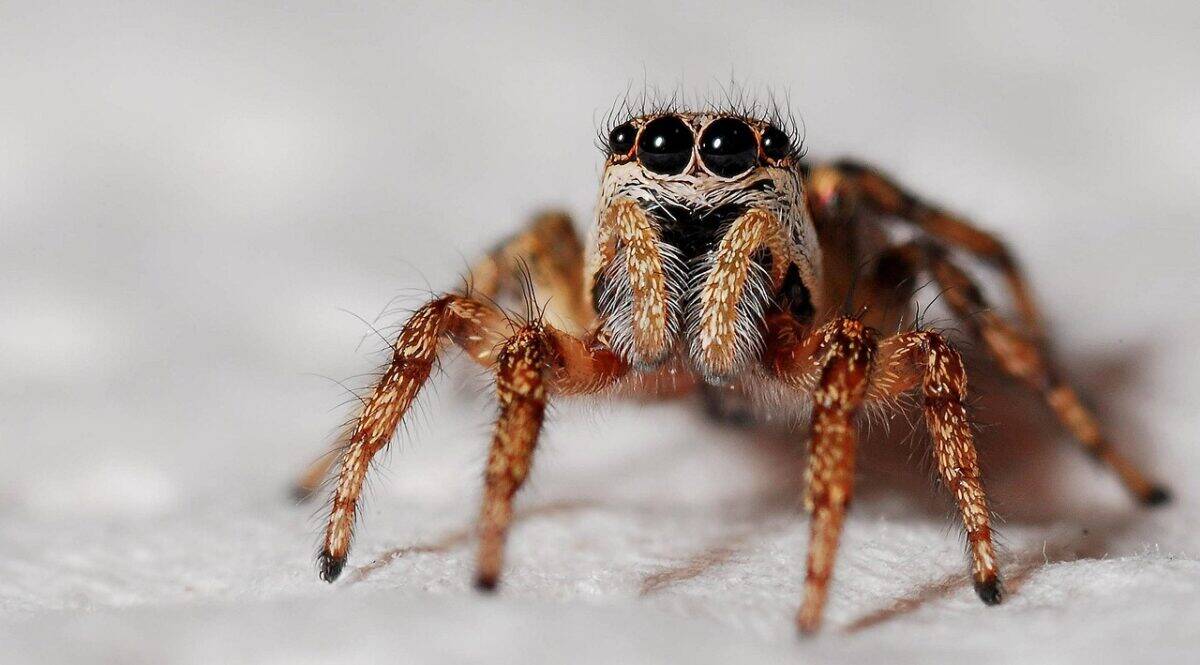
The evolution of the trap-jaw spider’s ultra-fast strike represents a fascinating case of specialized adaptation. Phylogenetic studies suggest that this mechanism evolved independently multiple times within the Mecysmaucheniidae family, with different lineages developing variations of this high-speed predatory system. This convergent evolution indicates strong selective pressure favoring the ability to capture springtails and similar fast-moving prey in their forest floor habitat. What makes this particularly interesting is that while other arthropods have evolved power-amplification mechanisms, the trap-jaw spider’s implementation is unique in its specific anatomical arrangement.
Comparative analysis between faster and slower species within the family provides a glimpse into the evolutionary pathway of this adaptation. The slower species possess more primitive versions of the specialized anatomical features found in their speedier relatives, suggesting a gradual refinement of the mechanism over evolutionary time. This evolutionary trajectory demonstrates how natural selection can drive the development of extreme specializations when they provide significant advantages in resource acquisition. The trap-jaw spider’s striking mechanism represents one of nature’s most remarkable examples of how biomechanical innovation can arise through evolutionary processes.
Scientific Discovery: How Researchers Uncovered the Fastest Attack
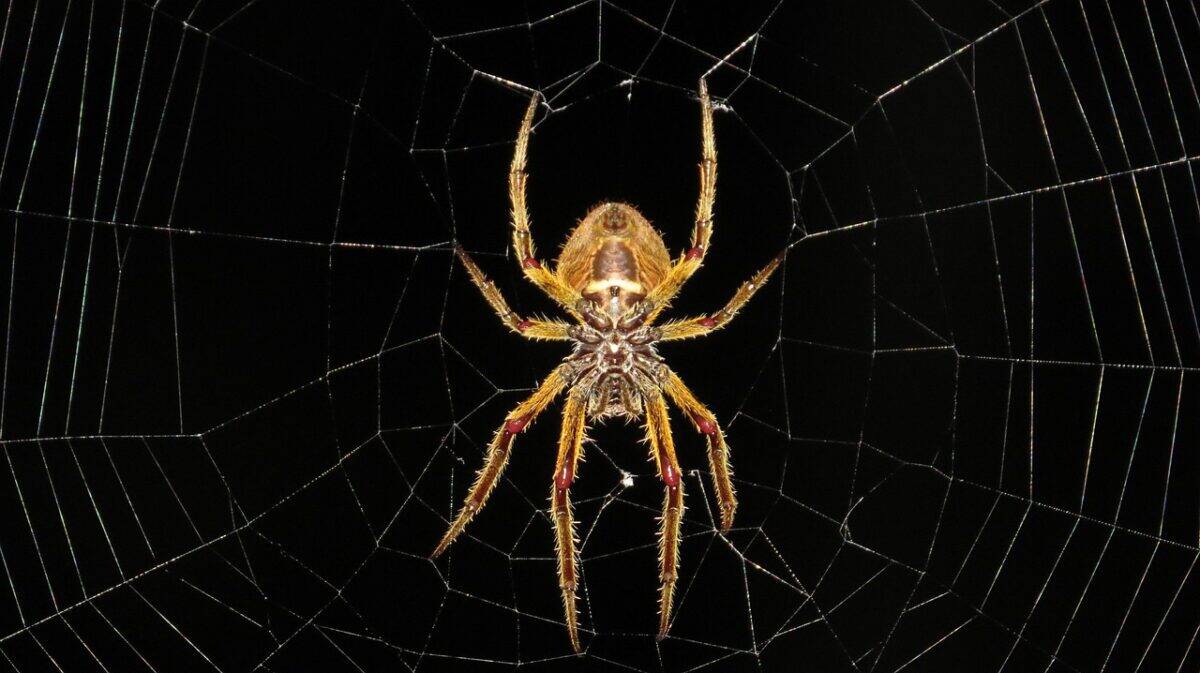
The discovery of the trap-jaw spider’s record-breaking speed is a testament to modern scientific methodology and technology. The breakthrough came through the work of Dr. Hannah Wood and her colleagues, who used ultra-high-speed cameras capable of capturing thousands of frames per second to document the previously invisible striking motion. These sophisticated imaging techniques allowed researchers to observe and measure movements occurring in fractions of milliseconds—motions completely imperceptible to the human eye or conventional recording equipment.
The research process involved collecting specimens from remote temperate rainforests in Chile and New Zealand, carefully observing their hunting behavior in laboratory settings, and developing specialized filming setups to capture the strike in sufficient detail. Complementing the high-speed videography, the team employed advanced microCT scanning to create detailed three-dimensional models of the spiders’ internal anatomy, revealing the structural adaptations that enable their extraordinary speed. This comprehensive approach, combining field collection, behavioral observation, cutting-edge imaging, and anatomical analysis, exemplifies the multidisciplinary nature of modern biological research and highlights how new technologies continue to unveil previously unseen natural phenomena.
Comparing Champions: How the Trap-Jaw Spider Ranks Among Nature’s Speedsters
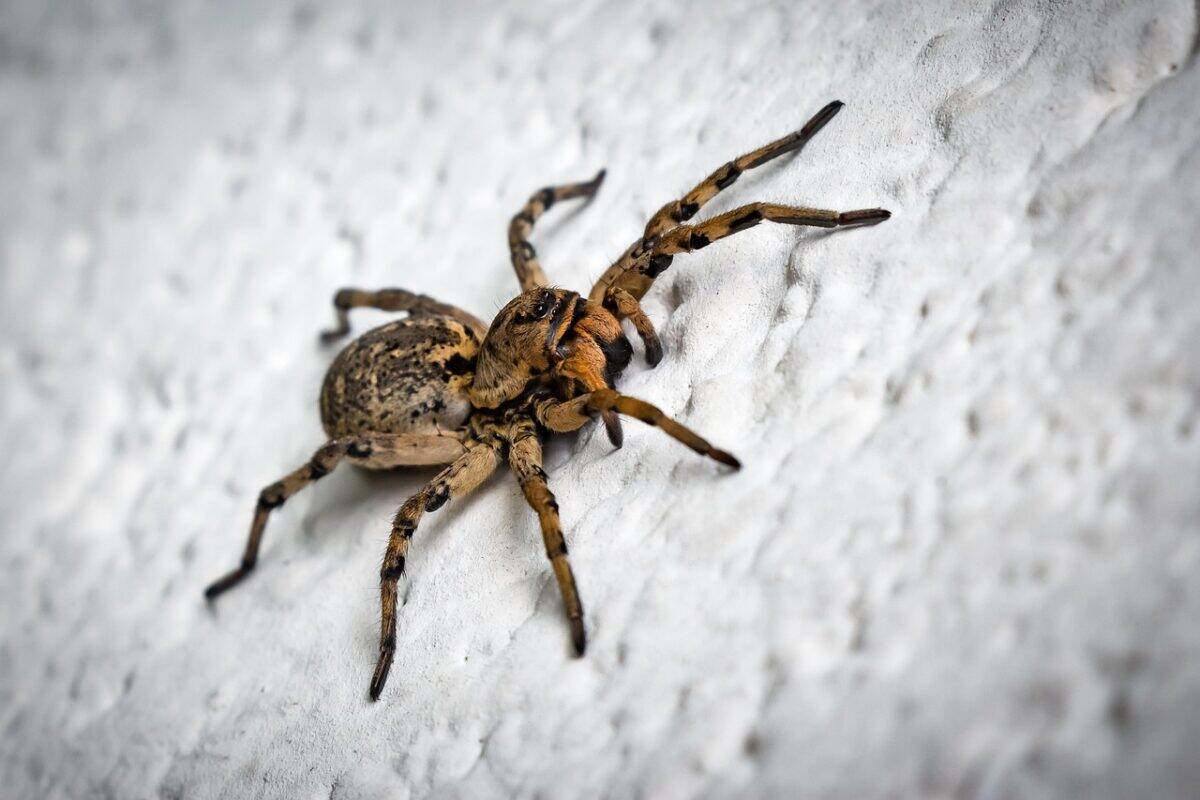
While the trap-jaw spider holds the record for the fastest arachnid strike, the natural world features several other contenders for speed championships in different categories. The mantis shrimp delivers one of the fastest punches, striking with its specialized appendages at speeds reaching 23 meters per second—generating enough force to break aquarium glass. The trap-jaw ant, another power-amplification specialist, can close its mandibles at speeds up to 64 meters per second, using this mechanism both for capturing prey and for launching itself into the air when threatened.
What distinguishes the trap-jaw spider in this elite group of speed champions is the extraordinary acceleration it achieves relative to its tiny size. When scaling for body dimensions, the trap-jaw spider’s acceleration exceeds that of nearly all other known animal movements. This illustrates an important principle in biomechanics: smaller animals can generally achieve higher accelerations than larger ones due to the scaling of mass and muscle power. The trap-jaw spider represents an extreme example of this principle, having evolved specialized anatomical adaptations that maximize acceleration beyond what would be possible through direct muscle action alone. In the race for relative speed, this unassuming spider stands at the pinnacle of nature’s engineering.
Ecological Significance: The Spider’s Role in Its Habitat
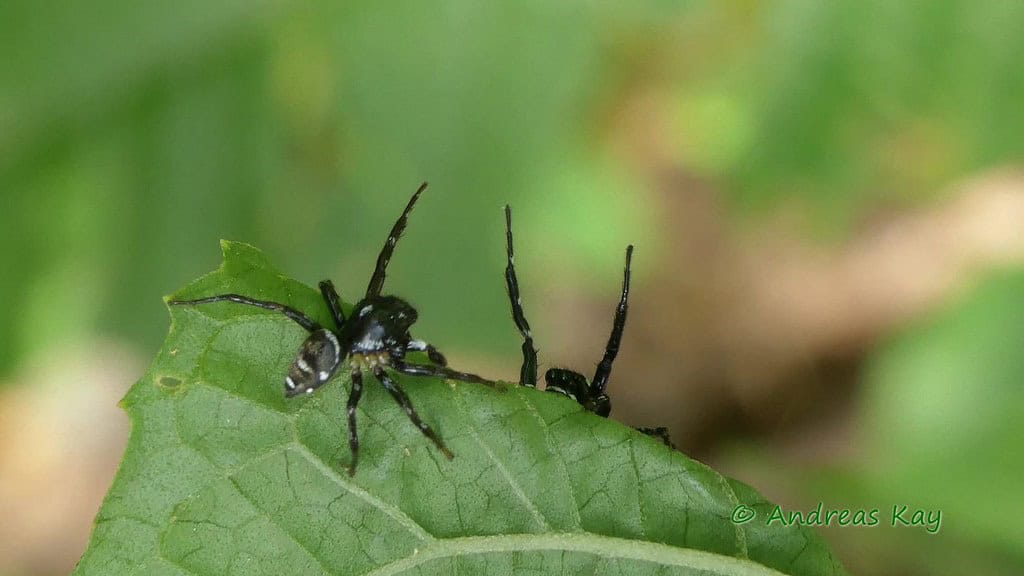
The trap-jaw spider occupies a specialized ecological niche within the forest floor ecosystems of temperate rainforests in New Zealand and southern South America. As predators of springtails and other small arthropods, these spiders play an important role in regulating populations of decomposer organisms that contribute to nutrient cycling. Their specialized hunting adaptation allows them to access prey resources that might otherwise be unavailable to other predators, effectively creating a unique ecological link in the food web of these forest ecosystems.
The geographical isolation of the regions where these spiders are found has contributed to their specialized evolution. The ancient temperate rainforests of southern Chile and New Zealand represent relict ecosystems with high levels of endemism, hosting numerous unique species that have evolved in relative isolation. The trap-jaw spiders exemplify the specialized adaptations that can arise in such evolutionary laboratories. Conservation of these distinctive forest habitats is crucial not only for preserving the trap-jaw spider but also for maintaining the entire assemblage of specialized organisms that have coevolved within these ancient ecosystem relationships.
Technological Inspiration: Biomimicry Applications
The extraordinary mechanism behind the trap-jaw spider’s strike has captured the attention of engineers and designers looking to nature for inspiration. The power-amplification system employed by these spiders offers valuable insights for developing mechanisms that require rapid deployment with minimal energy input. Potential applications range from micro-robotics and medical devices to advanced camera shutters and security systems that require ultra-fast actuation within compact designs.
Engineers are particularly interested in how the trap-jaw spider achieves such high acceleration without damaging its own structures. The specialized exoskeletal elements that absorb and redirect forces during the strike could inform the development of new materials and structural designs in human technology. As our understanding of the precise biomechanics of the trap-jaw mechanism deepens, we can expect to see more direct applications in fields ranging from robotics to materials science. This represents yet another example of how studying nature’s evolutionary innovations can lead to technological breakthroughs, a process known as biomimicry that continues to bridge the gap between biological research and engineering applications.
Challenges in Studying Nature’s Speed Champions

Researching the trap-jaw spider presents numerous challenges that have contributed to these remarkable creatures remaining relatively unstudied until recently. Their small size—most species measuring only a few millimeters—makes them difficult to locate and observe in their natural habitat. The remote temperate rainforests where they live are often difficult to access, requiring specialized expeditions to collect specimens. Perhaps most significantly, the incredible speed of their strike means that conventional observation methods are entirely inadequate for studying their primary adaptive feature.
The technical requirements for documenting ultra-fast biological movements are substantial. Cameras capable of capturing thousands of frames per second require intense lighting, which can alter the behavior of the study subjects. Additionally, the rarity of some trap-jaw spider species limits the number of specimens available for study, while maintaining these specialized predators in laboratory conditions presents its own set of challenges. Despite these obstacles, persistent researchers employing cutting-edge technologies have gradually unveiled the secrets of these remarkable arachnids, demonstrating how modern scientific approaches can overcome the limitations that previously kept such biological marvels hidden from our understanding.
Future Research: What’s Next in Understanding Ultra-Fast Predators

The discovery of the trap-jaw spider’s record-breaking speed has opened numerous avenues for future research. Scientists are particularly interested in conducting comparative studies across different species within the Mecysmaucheniidae family to better understand the evolutionary pathway that led to this extreme adaptation. By examining the anatomical variations between faster and slower species, researchers hope to identify the specific structural changes that enable the most extreme performers to achieve their remarkable speeds. Additionally, molecular studies examining the genetic basis for these adaptations could reveal insights into how complex biomechanical systems evolve at the genetic level.
Another promising direction involves more detailed biomechanical modeling of the energy storage and release mechanism. Using advanced computational approaches, researchers aim to create precise physical models that capture the dynamics of the strike, potentially revealing optimization principles that could inform engineering applications. Furthermore, broader ecological studies examining the relationship between trap-jaw spiders and their prey could help clarify how predator-prey coevolution drives the development of extreme adaptations. As technology continues to advance, our ability to observe and analyze ultra-fast biological movements will only improve, promising even deeper insights into nature’s speed champions in the coming years.
Conclusion: Nature’s Astonishing Engineering

The trap-jaw spider stands as a remarkable testament to the extraordinary adaptations that can emerge through evolutionary processes. From its unassuming appearance, few would suspect that this small arachnid harbors what may be the fastest predatory strike in the animal kingdom relative to its size. The complex power-amplification mechanism that enables this lightning-fast movement represents a masterpiece of natural engineering, allowing these specialized hunters to capture prey that would otherwise be inaccessible. This adaptation not only secures the spider’s ecological niche but also expands our understanding of what is physically possible in biological systems.
Beyond its biological significance, the trap-jaw spider’s extraordinary speed challenges researchers to develop new technologies and methodologies capable of observing and measuring such extreme phenomena. As we continue to explore the intricate mechanisms behind nature’s fastest movements, we gain not only scientific knowledge but also potential inspiration for human innovation through biomimicry. In the trap-jaw spider, we find a powerful reminder that even the smallest and least conspicuous creatures can harbor remarkable adaptations that push the boundaries of physical possibility—demonstrating once again that nature remains our greatest teacher in the principles of efficient, elegant design.

- Why You Should Never Approach a Sleeping Hippo - July 21, 2026
- The Truth About Hyena Intelligence and Social Power - July 21, 2026
- The Glasswing Butterfly: Nature’s Invisible Beauty - July 21, 2026