
For pet owners living in areas where wildlife encounters are common, protecting your beloved animals from predators like coyotes and venomous snakes is a serious concern. These wild animals can pose significant threats to domestic pets, particularly those allowed to roam outdoors unsupervised. Understanding the risks and implementing preventative measures can mean the difference between safety and tragedy. This comprehensive guide will equip you with the knowledge and strategies needed to protect your pets from these common wildlife dangers, giving you peace of mind while allowing your pets to enjoy the outdoors safely.
Understanding the Coyote Threat

Coyotes (Canis latrans) have successfully adapted to urban and suburban environments across North America, making encounters increasingly common. These intelligent predators typically weigh between 20-50 pounds but are surprisingly capable of taking down animals of similar or larger size, including domestic dogs and cats. Coyotes are most active during dawn and dusk (crepuscular), though they may hunt at any time. They’re opportunistic hunters that view smaller pets as prey, not as fellow canines. According to urban wildlife studies, coyote attacks on pets have increased by approximately 25% in suburban areas over the past decade, with small dogs under 20 pounds and outdoor cats being particularly vulnerable. Understanding that coyotes are not malicious but simply following their natural instincts is important for developing effective prevention strategies.
Recognizing Snake Dangers for Pets

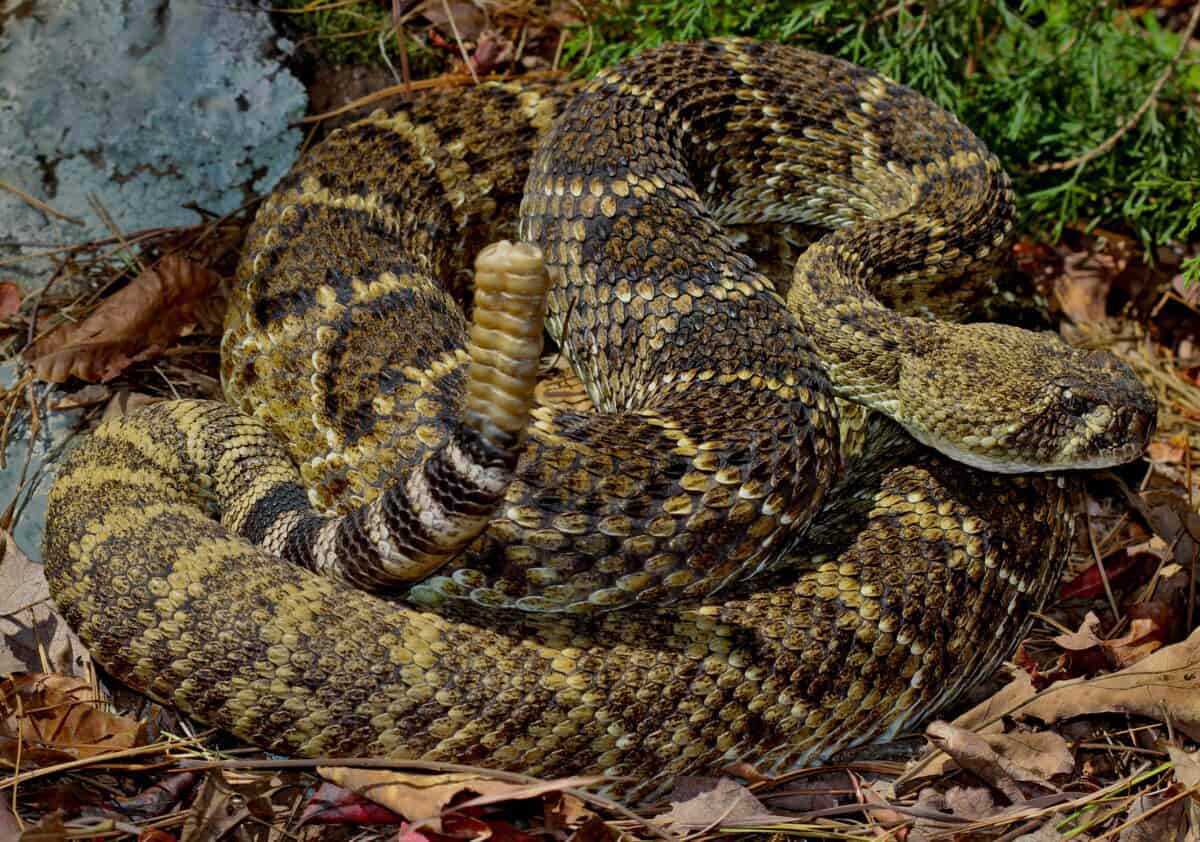
Venomous snakes present a different but equally serious danger to pets. In North America, the primary venomous species include rattlesnakes, copperheads, cottonmouths/water moccasins, and coral snakes. Dogs are approximately 20 times more likely than humans to be bitten by venomous snakes and 25 times more likely to die from a bite, according to veterinary emergency statistics. This increased risk stems from their curious nature and tendency to investigate with their noses and paws. Cats, while generally more cautious around snakes, can still fall victim, particularly when their hunting instincts are triggered. Snake venom affects pets similarly to humans, causing tissue damage, internal bleeding, and potentially fatal respiratory or cardiac complications. The severity depends on the snake species, amount of venom injected, location of the bite, and the pet’s size, with smaller animals facing greater risk due to their lower body mass relative to venom amount.
Creating Coyote-Proof Yard Barriers

One of the most effective ways to protect your pets from coyotes is to create physical barriers that prevent access to your yard. Install fencing that’s at least 6 feet tall with an additional 18 inches buried underground to prevent digging. The fence should have a coyote roller or outward-facing extension at the top to prevent climbing. Chain-link fencing is not recommended as coyotes can climb it easily. Instead, opt for solid wooden fencing or privacy fencing that blocks visual access, as coyotes are less likely to attempt entry if they can’t see potential prey. For larger properties where complete fencing isn’t practical, consider creating a smaller secure area for pets. Motion-activated sprinklers and lights can serve as additional deterrents, startling coyotes before they attempt to enter your property. Remember that determined coyotes can overcome most barriers if sufficiently motivated, so physical barriers should be just one component of your overall protection strategy.
Snake-Proofing Your Property

Snake-proofing your yard involves eliminating features that attract snakes and creating barriers to keep them out. Start by removing potential snake habitats: clear debris piles, trim tall grass, remove brush heaps, and keep landscaping neat and open. Snakes seek shelter and hunt in cluttered areas, so a tidy yard significantly reduces the likelihood of their presence. Consider installing snake-proof fencing around your property or a designated pet area, using 1/4-inch mesh hardware cloth buried at least 6 inches underground and angled outward. Regular maintenance is crucial—check for and repair any gaps or holes in fencing. Eliminate food sources that attract rodents, which in turn attract snakes, by securing garbage cans, removing fallen fruit, and addressing any rodent problems. Finally, consider natural deterrents like sulfur or commercially available snake repellents, though evidence of their effectiveness varies. Keep bird feeders away from pet areas, as spilled seed attracts rodents and subsequently snakes.
Pet Supervision and Outdoor Safety

Direct supervision is one of the most effective ways to protect your pets from wildlife threats. When outdoors, especially during dawn and dusk when coyotes are most active, never leave pets unattended. Use a leash no longer than 6 feet when walking dogs, which provides better control and keeps them close should you encounter a threat. For cats, consider building a secure “catio” or enclosed outdoor space that allows them to enjoy fresh air without exposure to predators. During snake season (typically spring through fall, varying by region), be particularly vigilant when walking in natural areas. Stick to clear paths and avoid tall grass or rocky outcroppings where snakes might rest. Nighttime presents additional risks, so use a bright flashlight to illuminate your path and keep pets close. Remember that even in seemingly safe suburban areas, wildlife encounters can occur unexpectedly, so maintain awareness of your surroundings at all times.
Behavioral Training for Wildlife Encounters

Training your pet to respond appropriately during wildlife encounters can be lifesaving. For dogs, a rock-solid recall command is essential—your dog should return to you immediately upon command, even when distracted. Teach the “leave it” command to prevent investigation of snakes or other wildlife. Consider professional aversion training, particularly snake aversion training, which is available in many regions where venomous snakes are common. These specialized programs teach dogs to recognize and avoid snakes through controlled exposure and negative association. For coyote encounters, train your dog not to chase wildlife by consistently redirecting this behavior and rewarding them for focusing on you instead. While cats are generally less trainable for specific commands, they can be conditioned to respond to certain sounds (like a shake can) that might help recall them during danger. Consistent training and reinforcement are key—practice these skills regularly in various environments to ensure your pet will respond when it matters most.
Wildlife Deterrents and Hazing Techniques
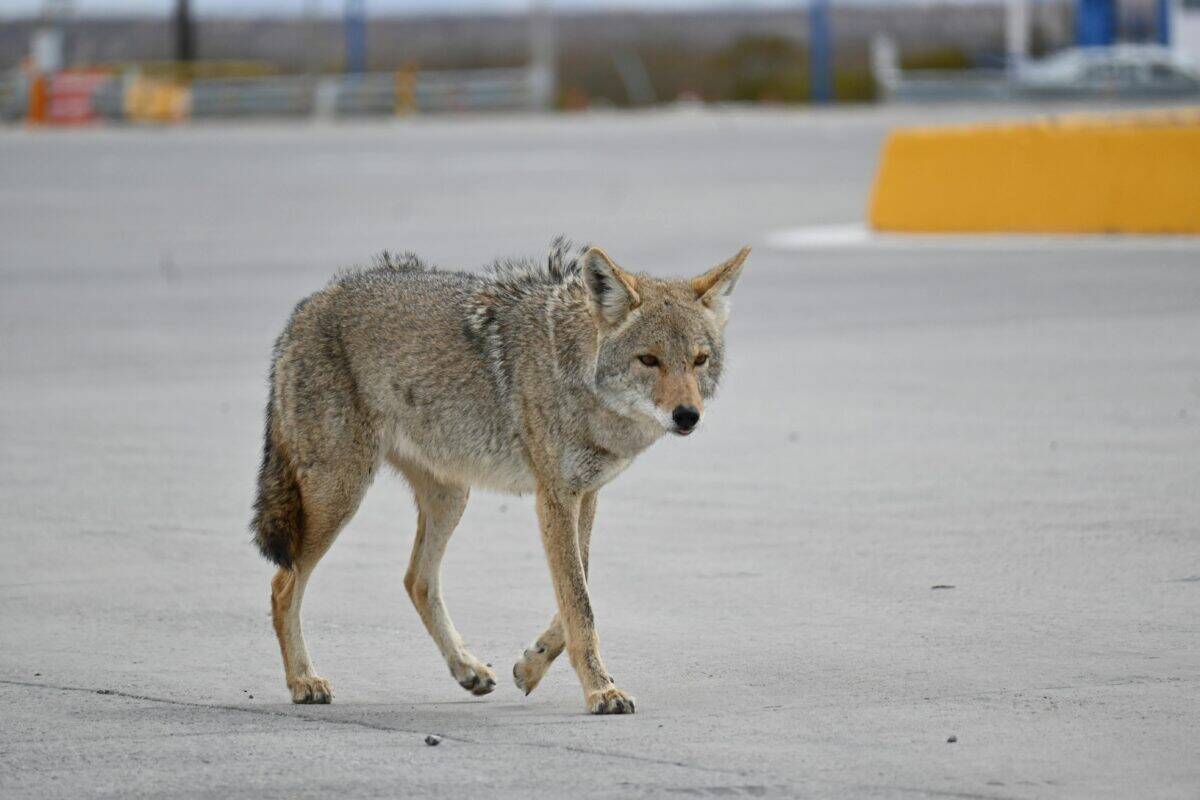
Hazing—the practice of using deterrents to frighten coyotes away—can be effective in teaching these animals to avoid your property and your pets. When you spot a coyote, make yourself appear large, wave your arms, and make loud noises. Use noisemakers like air horns, whistles, or even pots and pans. Motion-activated devices that spray water or emit sounds can startle coyotes before they enter your yard. For snakes, vibration is an effective deterrent, as they sense movement through ground vibrations. Stomping feet when walking in snake-prone areas can alert them to your presence, giving them time to retreat. Commercial ultrasonic repellers claim to deter various wildlife, though scientific evidence for their effectiveness is limited. Never throw objects directly at wildlife, as this could provoke aggression rather than retreat. The goal of hazing is not to harm but to create negative associations with your property and pets. Community-wide hazing efforts can be particularly effective, as consistent negative experiences teach coyotes to avoid entire neighborhoods.
Recognizing Signs of Wildlife Presence

Being able to identify signs of coyotes and snakes on your property allows for proactive protection. Coyote signs include tracks (which resemble dog prints but are more oval and compact), scat (similar to dog feces but containing fur and bone fragments), and distinctive vocalizations (yips, howls, and barks, especially at night). You might also notice tufts of fur on fences where coyotes have climbed over or evidence of digging at the fence line. For snakes, look for shed skins, sinuous tracks in dusty or sandy areas, and disturbed ground cover. Snake droppings, which contain hair and bone fragments with white uric acid caps, might be visible in areas of snake activity. If you find multiple small holes in the ground, particularly in south-facing slopes, these could be snake dens. Neighbors’ reports of wildlife sightings are also valuable indicators. By recognizing these signs early, you can increase vigilance and implement additional protective measures before an encounter occurs.
Emergency Response to Coyote Encounters

If you and your pet encounter a coyote despite preventative measures, proper response is crucial. Never run, as this triggers predatory chasing instinct. Instead, maintain eye contact with the coyote, make yourself appear larger (raise arms, open jacket), and make loud, aggressive noises. Pick up small pets immediately. Back away slowly while continuing to face the coyote. If the coyote approaches, throw objects near (not at) it to scare it away. Carry deterrents when walking your pet in coyote-prone areas: air horns, whistles, walking sticks, or commercially available coyote repellent sprays. Should a coyote attack your pet, fight back aggressively using whatever is available. After any encounter, even without physical contact, check your pet thoroughly for injuries, as adrenaline may mask pain. Report all aggressive coyote behavior to local animal control or wildlife agencies, as this may indicate the animal is sick or has become dangerously habituated to humans. Remember that most coyotes avoid human confrontation unless desperate, sick, or habituated, so proper response usually prevents escalation.
What to Do If Your Pet Is Bitten by a Snake
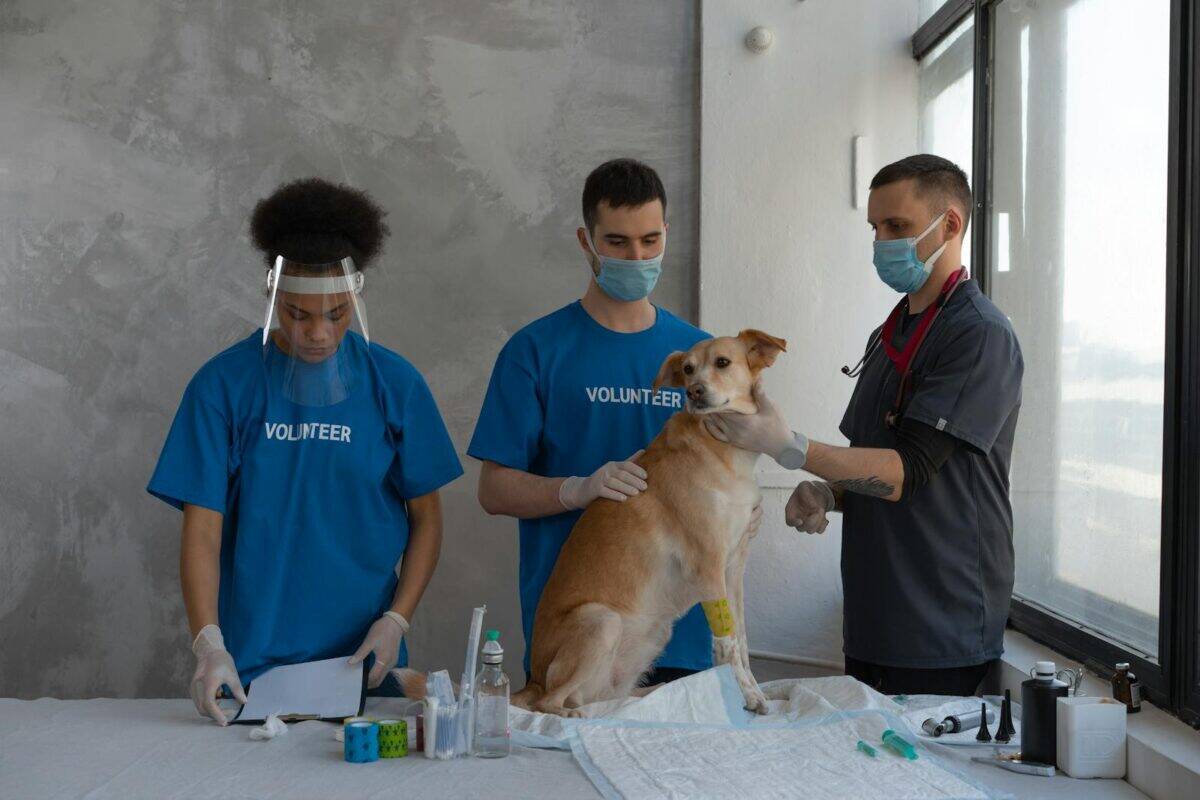
Snake bites are medical emergencies requiring immediate action. If your pet is bitten, keep them calm and restrict movement to slow venom spread—carry them if possible. Do NOT apply tourniquets, attempt to suck out venom, cut the wound, or apply ice, as these folk remedies are ineffective and potentially harmful. Do NOT waste time trying to catch or identify the snake, as this delays treatment and risks additional bites. Instead, if safe to do so, take a photo from a distance or note the snake’s appearance. Call your veterinarian while en route to inform them of the emergency. Snake antivenom is most effective when administered within the first 1-2 hours. Watch for symptoms including puncture wounds, swelling, pain, bleeding, weakness, drooling, vomiting, dilated pupils, or difficulty breathing. Even if symptoms aren’t immediately apparent, seek emergency care, as some venom effects develop slowly. Treatment costs for snake bites can range from $400-$2,000 without antivenom, or $1,500-$6,000+ with antivenom, depending on severity and location, making prevention particularly important.
Seasonal Awareness and Special Considerations

Wildlife threats vary throughout the year, requiring seasonal adjustments to your protection strategies. Spring brings increased snake activity as they emerge from hibernation, often hungry and potentially more aggressive. This season also coincides with coyote pupping, when adults become more territorial and protective. Summer heat drives snakes to seek shade, often near homes and structures, while fall brings another activity peak as they prepare for hibernation. Coyotes become more active in fall and winter when natural food sources diminish, increasing predation on pets. During regional wildfire seasons, wildlife displacement may drive both snakes and coyotes into residential areas seeking new territory. For pet owners with specific vulnerabilities—such as elderly pets with limited mobility, puppies and kittens too young for snake-avoidance training, or pets with health conditions that would complicate recovery from bites or attacks—additional precautions are warranted. Consider medical-alert systems for your yard that can summon help if you’re incapacitated during an emergency, particularly important for elderly pet owners or those with mobility challenges.
Community-Based Protection Strategies
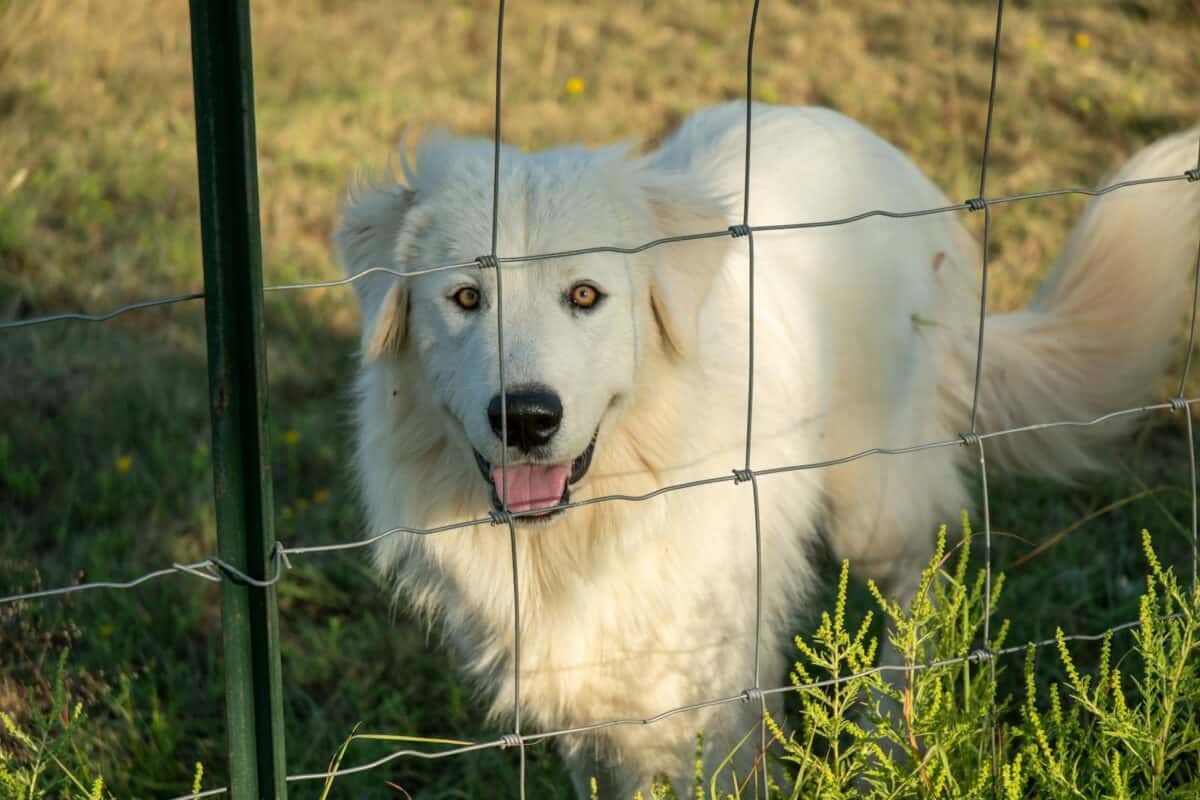
Wildlife management is most effective when approached collectively. Form or join neighborhood watch groups focused on wildlife monitoring, sharing information about recent sightings, problem areas, and effective deterrents. Use community social media platforms or apps like Nextdoor to provide real-time alerts about wildlife activity. Work with local animal control and wildlife agencies to implement community-wide education programs and coordinated response strategies. Advocate for responsible waste management, as accessible garbage attracts both coyotes directly and the rodents that attract snakes. Discourage intentional feeding of wildlife, which habituates animals to human presence and reduces their natural wariness. Consider organizing community clean-up events to remove debris and overgrowth from public spaces, eliminating potential snake habitat. In rural communities, cooperative predator-livestock guardian dog programs have proven effective, where multiple properties benefit from trained guardian animals that patrol larger areas. Remember that the goal isn’t to eliminate wildlife but to establish boundaries that protect pets while respecting the ecological role of native species.
Conclusion: Creating a Safe Environment for Your Pets

Protecting your pets from coyotes and snakes requires a multifaceted approach combining physical barriers, supervision, training, and awareness. By implementing the strategies outlined in this guide, you can significantly reduce the risks while still allowing your pets to enjoy outdoor activities. Remember that consistency is key—even a single lapse in protection can create an opportunity for wildlife encounters. While the presence of predators like coyotes and venomous snakes can be concerning, coexistence is possible with proper precautions and respect for wild animals’ natural behaviors and needs. By staying informed about local wildlife patterns and adapting your protection strategies accordingly, you can create a safer environment for your beloved pets while still appreciating the natural world around you.

- The Secret Language of Dolphins Decoded by Researchers - July 20, 2026
- 7 Animals That Can Survive Extreme Environments You Couldn’t - July 20, 2026
- The Longest Snake Ever Found in the U.S. - July 20, 2026