

There’s something fascinating about the things we can’t see. We obsess over large predators and majestic animals, yet the real movers and shakers of our world exist on a scale we barely comprehend. They’re invisible architects, working tirelessly beneath our feet and floating through our oceans. These microscopic organisms don’t make headlines, yet they’re responsible for keeping Earth habitable. Let’s be real, without them, we wouldn’t be here at all.
Think about it for a moment. The air you’re breathing right now? Likely produced by something so small you’d need a microscope to spot it. The soil beneath that gorgeous garden outside? Teeming with life so diverse it makes a rainforest look simple. These tiny creatures might seem insignificant, yet their collective power shapes everything from the atmosphere to the food chain. So let’s dive in and explore just how essential these minuscule beings truly are.
The Ocean’s Invisible Powerhouse
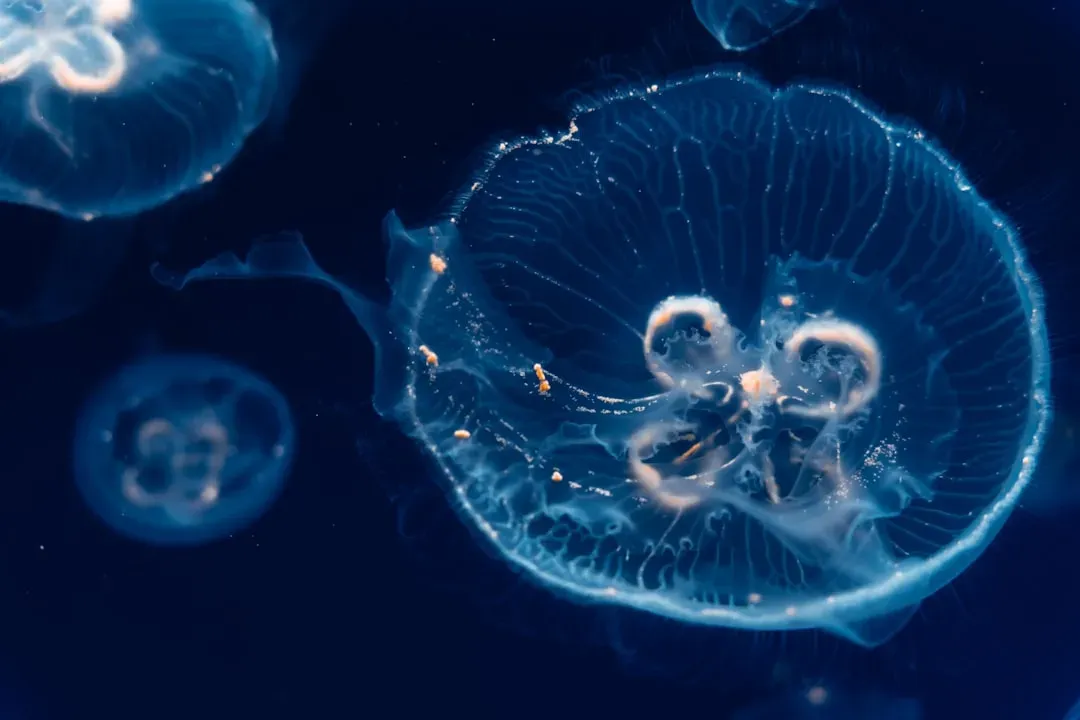
Phytoplankton make up only about one to two percent of total global plant carbon, yet they fix between 30 and 50 billion metric tons of carbon annually, which represents roughly 40 percent of the total. That’s an absolutely staggering contribution from something you can’t even see without specialized equipment. These microscopic organisms drift near the ocean’s surface, capturing sunlight and converting carbon dioxide into energy through photosynthesis.
What makes phytoplankton so remarkable isn’t just their carbon-fixing abilities. They produce at least 50 percent of the oxygen we breathe and play a crucial role in the global carbon cycle. Every second breath you take likely came from one of these tiny drifters. I find that mind-blowing, honestly.
By taking up carbon dioxide from the air, phytoplankton play a large role in the natural carbon cycle, helping to regulate the amount of CO2 in the atmosphere and keep the Earth’s climate in balance. When they die, many sink to the ocean floor, taking that captured carbon with them. Some of the carbon they take in through photosynthesis sinks to the ocean depths, where it is sequestered from the atmosphere through a process called the biological pump, making the ocean the earth’s largest carbon sink.
Here’s the thing though. Climate models suggest that as rising temperatures change ocean currents and stability of the upper ocean, the supply of nutrients from the deep ocean is likely to be reduced, and the world will have fewer phytoplankton. Fewer phytoplankton means less oxygen production and less carbon capture. The consequences would ripple across every ecosystem on the planet.
Soil’s Secret Society
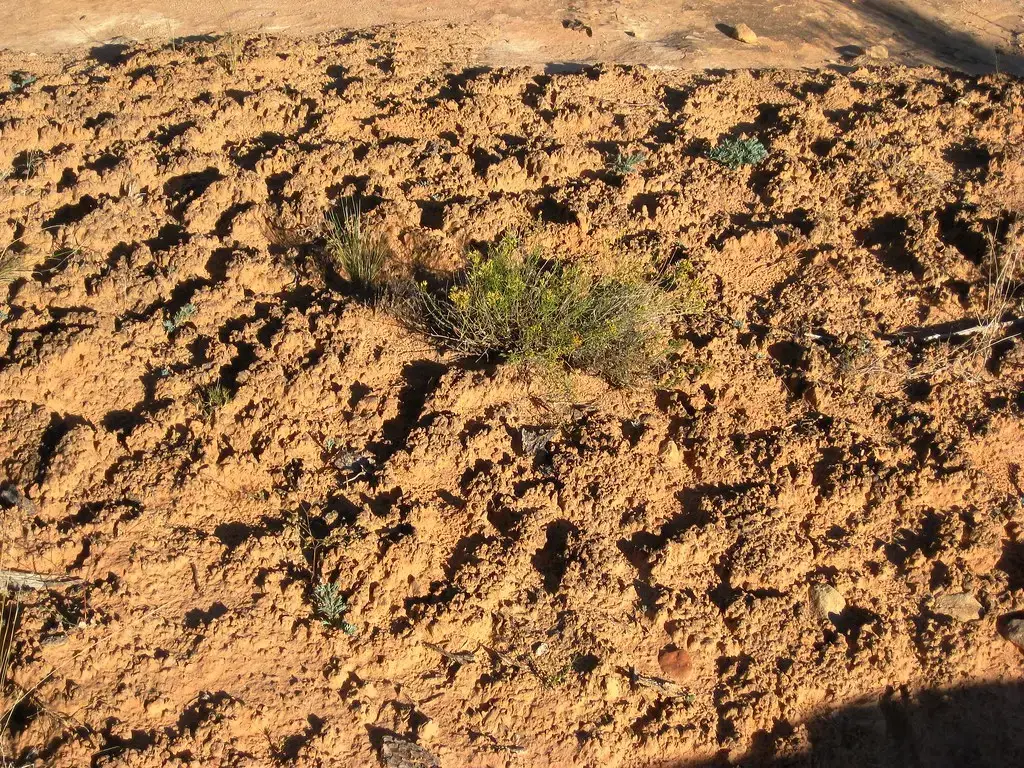
Most people never think about what’s happening beneath their feet. Yet soil contains one of the most complex ecosystems on Earth. Tiny creatures like nematodes, tardigrades, mites, springtails, ants, termites and earthworms regulate ecosystem processes, such as carbon sequestration, greenhouse gas emissions and the uptake of nutrients by plants. These aren’t just random critters crawling around. They’re essential workers maintaining the foundation of terrestrial life.
Soil microorganisms including bacteria, fungi, and archaea are pivotal in driving essential soil functions such as nutrient cycling, organic matter decomposition, and disease suppression. Without them, dead plants and animals would just pile up. Nutrients would remain locked away, unavailable to living plants. The entire system would grind to a halt.
Take springtails, for example. They consume organic matter like dead plants and fungi, breaking them down into smaller particles, facilitating the recycling of nutrients back into the soil, benefiting plant growth and the broader food web. You’d never notice these tiny arthropods, yet they’re working around the clock to maintain soil health.
Soil health is intrinsically bound to human health, as healthy soil yields crops that are part of a balanced diet, while degraded soils can yield nutrient deficient crops which can lead to malnutrition and related health problems. It’s all connected. When we damage soil biodiversity, we’re essentially sabotaging our own food supply.
The diversity matters too. The soil microbiome influences soil fertility, crop yields, and biotic and abiotic stress tolerance, and beyond nutrient cycling, soil microorganisms affect the soil environment through many biochemical and biophysical mechanisms, playing an essential role in soil mechanical stability and pore connectivity.
Carbon Capture Champions
Climate change dominates conversations about our planet’s future. While we focus on planting trees and developing carbon capture technology, nature’s original carbon sequestration system has been working for billions of years. Microorganisms are the unsung heroes of carbon storage.
Through photosynthesis, phytoplankton consume carbon dioxide on a scale equivalent to forests and other land plants, with some carbon carried to the deep ocean when phytoplankton die, and some transferred to different layers as they’re eaten by other creatures. This natural process removes enormous amounts of greenhouse gases from our atmosphere.
The biological pump is particularly effective. Phytoplankton represent around 80 percent of the biomass in the ocean that is eaten or dies and then sinks as marine snow to sequester gigatonnes of atmospheric carbon dioxide annually. That carbon gets locked away in ocean sediments for thousands of years.
On land, soil microbes perform similar functions. Microbiomes play a pivotal role in fundamental processes such as carbon sequestration, soil erosion prevention, and preservation of soil fertility. They transform dead organic material into stable carbon compounds that remain in the soil rather than escaping back into the atmosphere.
There’s a catch, however. Recent research found something unexpected. Warming temperatures cause certain phytoplankton to change from carbon absorbers to carbon emitters, as some are mixotrophs that can either photosynthesize or eat other organisms, and when they eat, they end up emitting more CO2 than they absorb. This represents a potential climate tipping point nobody saw coming.
Nutrient Cycling Masters
Plants can’t just absorb rocks and dead leaves. They need nutrients broken down into usable forms. Microorganisms are nature’s recycling facility, transforming complex organic compounds into simple molecules that plants can actually use.
Different groups of microorganisms recycle waste produced by other microorganisms to power global cycles of the elements most essential to life, while cyanobacteria and other groups convert nitrogen gas into ammonium, fixing this essential nutrient in a form they can use. Nitrogen is crucial for plant growth, yet most plants can’t use nitrogen gas directly from the atmosphere. Microbes do that conversion.
The process doesn’t stop there. Different microorganisms convert amino acids and other organic nitrogen compounds to nitrogen-containing gases, returning them to the atmosphere, while others help drive the recycling of different elements essential for life, including iron, sulphur and phosphorus. It’s a continuous cycle, with various microbial species handling different stages.
Microscopic fauna, including bacteria, fungi, and plankton, play a crucial role in ecosystems by driving nutrient cycling, fostering soil health, and forming the base of the food web, with their activities not only recycling essential nutrients for plants and animals but also supporting soil structure and fertility.
Without this microscopic workforce, agricultural systems would collapse. Every crop we grow depends on these invisible laborers to make nutrients accessible. They’re the difference between fertile farmland and barren dirt.
The Threat We Can’t Ignore
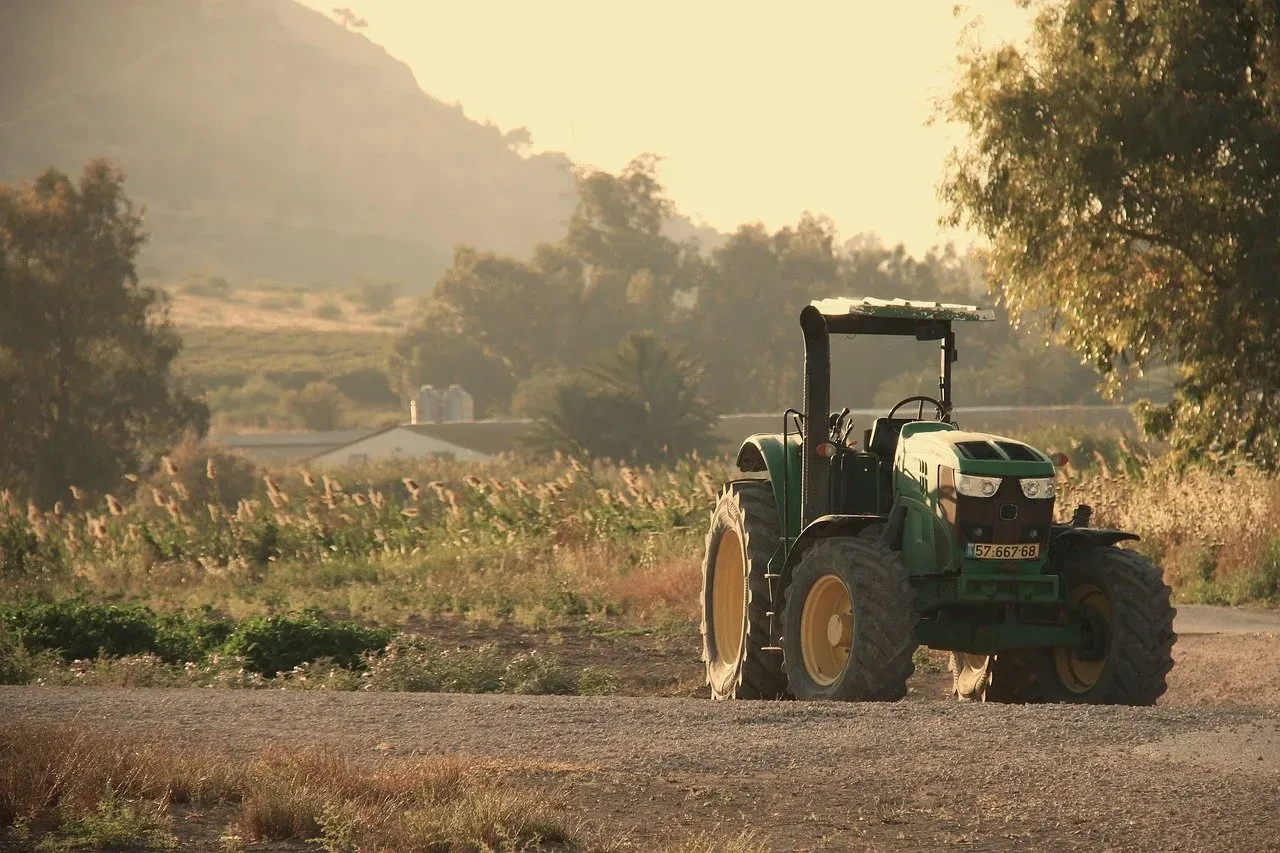
Despite their importance, these microscopic ecosystems face unprecedented threats. Human activities are disrupting microbial communities in ways we’re only beginning to understand.
A recent study analyzing almost 2,000 soil samples found negative effects on plant-beneficial bacteria in soil with pesticide exposure, with researchers stating that pesticides not only reduce beneficial bacteria diversity as individual factors, but also exert synergistic negative effects with other anthropogenic factors, further accelerating the decline. We’re essentially poisoning the very organisms that keep our agricultural systems functioning.
Anthropogenic activities that promote intensive agriculture, landscape and biodiversity homogenization, and climate change disrupt soil health, with the soil microbiome being a critical component of healthy soils. The more we homogenize landscapes and rely on chemical inputs, the more we damage these essential communities.
Ocean microorganisms aren’t safe either. Some climate models project that warming temperatures will alter ocean currents, reducing the amount of nutrients that well up from the deep ocean, resulting in fewer phytoplankton, which would hamper the oceans’ ability to sequester carbon dioxide. It’s a vicious cycle where climate change reduces the very organisms that help combat climate change.
Soil biodiversity plays a critical role in supporting aspects of One Health – the combined health of humans, animals, and the environment – yet is highly vulnerable to stressors associated with global environmental change, making it crucial to understand how and when soil biodiversity supports these functions and how it will adapt to changing conditions.
Hope Through Understanding
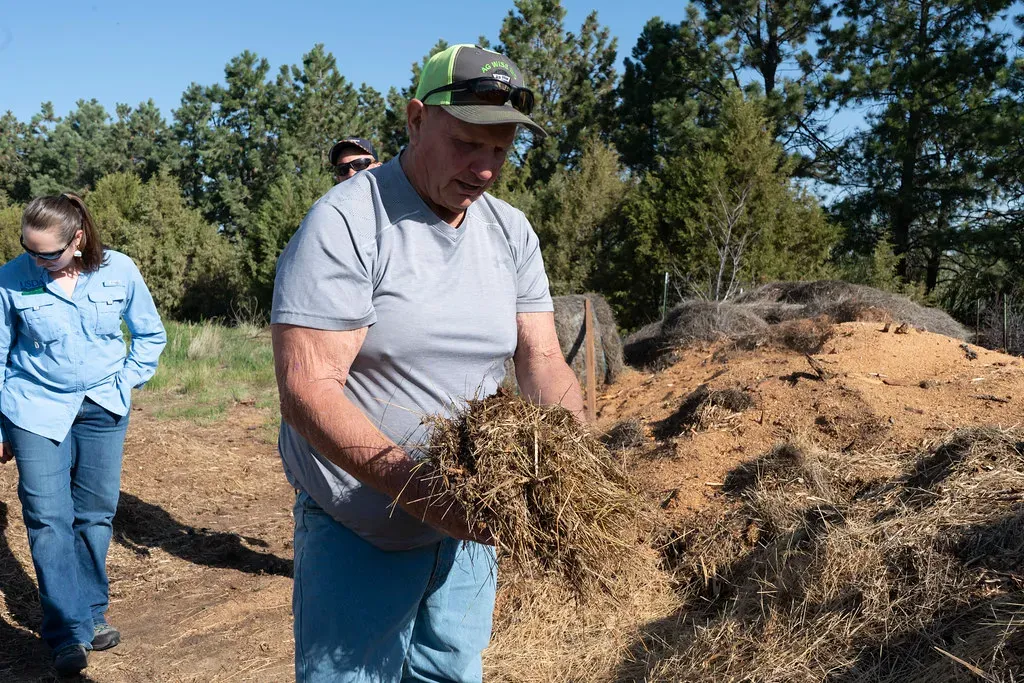
The situation isn’t hopeless. Growing awareness of microbial importance is driving innovative solutions. Researchers are exploring ways to harness these organisms for environmental restoration and sustainable agriculture.
Researchers created a world-first database tracking beneficial bacteria and natural compounds linked to immune strength, stress reduction, and resilience, with findings challenging the long-standing obsession with germs as threats and highlighting hidden health benefits of biodiversity, which could influence urban design and environmental restoration. Understanding which microbes provide benefits opens doors to protecting and promoting them.
The study emphasizes the pivotal role of microbiomes in processes such as carbon sequestration, soil erosion prevention, and preservation of soil fertility, with microbiome-based solutions becoming critical given mounting environmental challenges, though knowledge gaps remain regarding long-term impacts of synthetic microbial consortia and their integration with conventional agricultural practices.
Scientists are developing new approaches. Beneficial microbes associated with plants stimulate plant growth and enhance plant resistance to diseases and environmental stresses, with plant growth-promoting rhizobacteria and mycorrhizae playing vital roles in maintaining plant fitness and soil health under stressed environments. Rather than relying solely on chemical fertilizers, we could work with nature’s own systems.
The key is shifting our perspective. Rather than viewing microorganisms as invisible and therefore unimportant, we need to recognize them as the foundation of planetary health. Every environmental decision we make affects these communities, for better or worse.
Conclusion
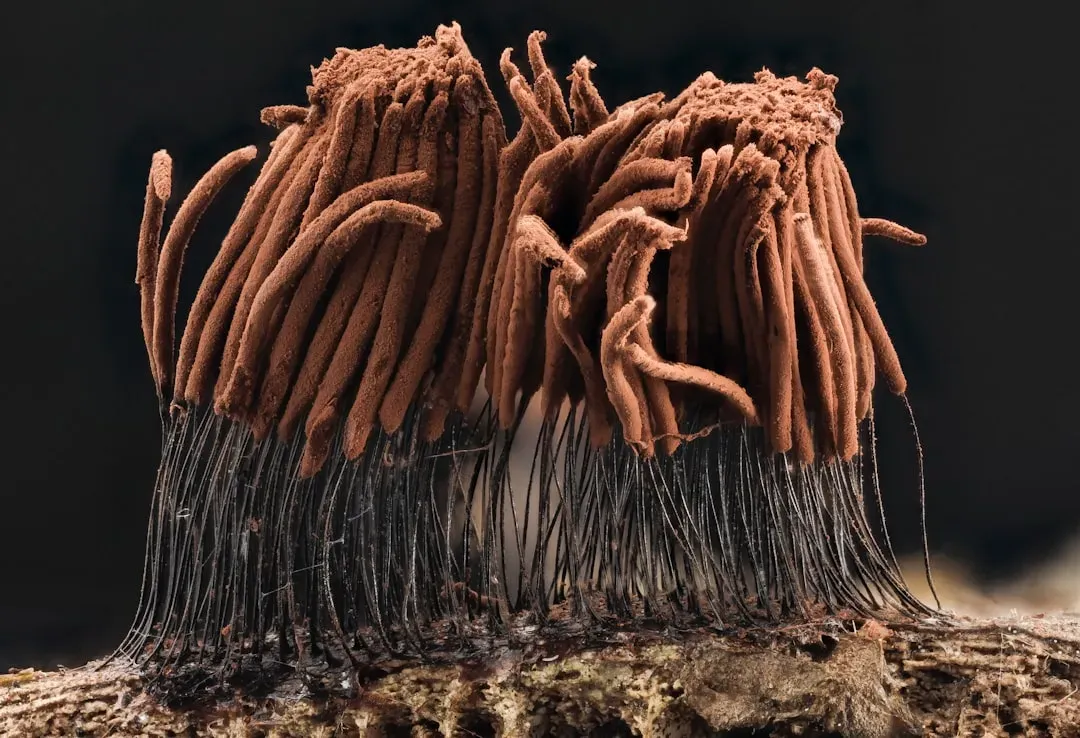
It’s easy to overlook what we can’t see. We celebrate lions and elephants while ignoring the bacteria and phytoplankton that actually keep our planet functioning. These microscopic organisms produce the oxygen we breathe, cycle the nutrients we depend on, and regulate Earth’s climate. They’re not just part of the ecosystem – they are the ecosystem’s foundation.
Ecological significance has little correlation with physical size, as from ocean depths to forest soils, microscopic organisms and small invertebrates form the functional foundation upon which all larger life depends, driving global nutrient cycles and maintaining delicate balance, making their protection increasingly crucial since when these small creatures falter, entire systems can collapse.
The next time you take a breath or enjoy a meal, remember the invisible workforce making it possible. Their size might be tiny, yet their impact is genuinely massive. Protecting these microscopic communities isn’t just about environmental conservation. It’s about preserving the life support systems that sustain us all.
What role do you think these tiny organisms will play in addressing climate change? The answer might just determine our planet’s future.
