

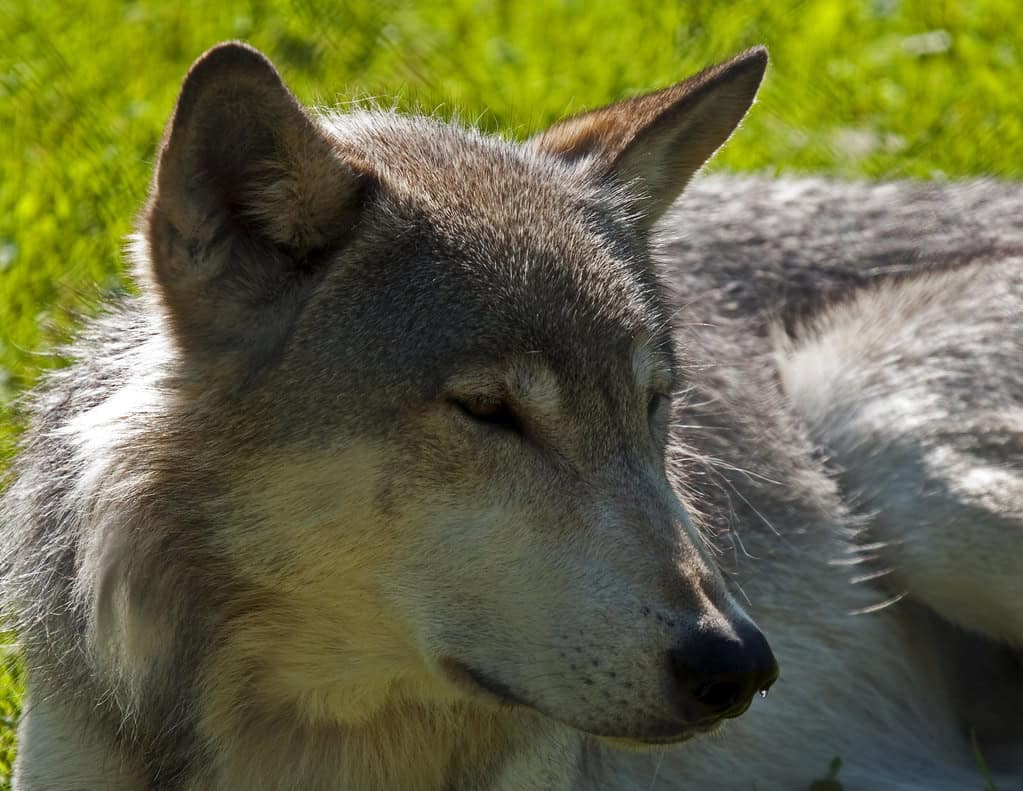
In September 2016, a remarkable discovery emerged from the frozen landscapes of Siberia – a perfectly preserved wolf head dating back approximately 40,000 years to the Pleistocene epoch. The severed head, complete with fur, teeth, brain tissue, and facial features intact, was unearthed by a local resident along the shores of the Tirekhtyakh River in Yakutia (also known as the Sakha Republic), Russia. This extraordinary find has provided scientists with an unprecedented opportunity to study ancient wolf specimens in remarkable detail, offering new insights into Pleistocene ecology and the evolutionary history of canids. As climate change accelerates the thawing of permafrost across Arctic regions, more preserved specimens from the Ice Age are being revealed – windows into a world long vanished but perfectly preserved in nature’s deep freeze.
The Remarkable Discovery

The wolf head was discovered by Pavel Efimov, a local resident of Yakutia, while searching for mammoth tusks along the Tirekhtyakh River. The timing of the discovery was fortuitous – the permafrost had thawed just enough to reveal the specimen without causing significant decomposition. Measuring approximately 40 centimeters (16 inches) in length, the head belongs to an adult wolf estimated to have been between two and four years old when it died.
The discovery was immediately recognized for its extraordinary scientific value, as few specimens from the Pleistocene era have been found with soft tissues so remarkably preserved. Scientists believe that the rapid freezing of the wolf’s remains shortly after death, combined with the stable, oxygen-poor environment of the permafrost, contributed to this exceptional level of preservation.
Age and Confirmation

Following the discovery, the wolf head was transported to the Academy of Sciences of the Republic of Sakha, where initial examinations were conducted. Radiocarbon dating performed by Japanese scientists at the Jikei University School of Medicine in Tokyo confirmed that the specimen was approximately 40,000 years old.
This places the wolf in the middle of the Pleistocene epoch, a time when woolly mammoths, cave lions, and other megafauna roamed the vast steppe-tundra of Eurasia. The dating process involved taking small tissue samples and analyzing the decay of carbon isotopes, providing a reliable estimate of the specimen’s age. This confirmation makes the wolf head one of the oldest and best-preserved canid specimens ever discovered, offering a rare glimpse into the Ice Age ecosystem of Siberia.
Physical Characteristics

What makes this discovery truly extraordinary is the remarkable condition of the wolf’s remains. The head retains its original fur, which appears to be a mixture of gray and reddish-brown – providing insight into the coloration of Pleistocene wolves. The facial features, including the lips, nose, and eyelids, are clearly discernible, giving scientists a complete picture of the animal’s appearance.
Most impressively, the brain tissue inside the skull remained partially preserved, offering unprecedented opportunities for neuroanatomical studies. The wolf’s teeth are intact and show signs of wear, indicating it was a mature adult that had been actively hunting before its death. The preservation is so exceptional that scientists can observe fine details such as whisker follicles and the texture of the tongue. This level of preservation allows researchers to examine aspects of ancient wolf biology that would be impossible to study from skeletal remains alone.
Differences from Modern Wolves

Preliminary analyses of the Ice Age wolf have revealed several differences compared to modern wolf populations. The head appears to be larger than that of contemporary wolves, suggesting that Pleistocene wolves may have been more robust – an adaptation possibly related to the challenging Ice Age environment and the larger prey species available at that time. The skull morphology shows subtle distinctions in shape and proportion, particularly in the zygomatic arches and dental structure.
These differences provide valuable data points for understanding how wolves have evolved over tens of thousands of years. The specimen’s brain volume and structure may also differ from modern wolves, potentially offering insights into behavioral and cognitive adaptations. As research continues, scientists expect to uncover more details about the evolutionary relationship between these ancient wolves and their modern descendants, potentially reshaping our understanding of canid evolution.
Scientific Significance

The scientific value of this perfectly preserved specimen cannot be overstated. Unlike most paleontological finds that consist only of fossilized bones, this wolf head provides a complete suite of tissues for multidisciplinary analysis. Geneticists have been able to extract high-quality DNA from the specimen, allowing for comprehensive genomic studies that may reveal the evolutionary relationship between Pleistocene wolves and modern wolf populations.
The preserved soft tissues offer opportunities for histological studies, potentially revealing details about the animal’s health, diet, and physiological adaptations to the Ice Age climate. The brain tissue, though partially deteriorated, represents an exceptionally rare opportunity to study the neuroanatomy of an extinct canid. Additionally, isotopic analyses of hair and tissue samples can provide insights into the wolf’s diet and the environmental conditions it experienced during its lifetime. This single specimen has effectively opened multiple new avenues for scientific inquiry into the ecology and evolution of ancient wolves.
Circumstances of Preservation

The exceptional preservation of the wolf head was made possible by a unique combination of environmental factors. When the animal died approximately 40,000 years ago, its remains were quickly engulfed in permafrost – permanently frozen soil that can preserve organic material indefinitely when undisturbed. The permafrost effectively created an oxygen-poor environment that inhibited bacterial decomposition, while the consistently sub-zero temperatures prevented cellular breakdown.
Scientists believe the head was likely severed from the body either shortly before or after death, possibly by other predators or scavengers, before being rapidly buried in frozen sediment. The Siberian permafrost is known for its remarkable preservative properties, with numerous Ice Age specimens recovered from the region, including woolly mammoths, rhinos, and other large mammals. However, the wolf head stands out for its completeness and the exceptional condition of its soft tissues, indicating particularly favorable preservation conditions at the site where it was found.
The Pleistocene Ecosystem

The discovery of the wolf head provides a tangible connection to the Pleistocene ecosystem of Siberia, often referred to as the “mammoth steppe.” During this period, vast grassland plains stretched across northern Eurasia and North America, supporting a diverse community of large herbivores and their predators. Wolves were apex predators in this ecosystem, alongside cave lions, cave bears, and other large carnivores.
They likely hunted in packs, pursuing prey such as bison, horses, reindeer, and possibly even young mammoths. The preserved wolf represents a key component of this vanished ecosystem, helping scientists reconstruct the complex ecological relationships that characterized the Ice Age landscape. By studying this specimen alongside other Pleistocene remains, researchers can develop a more comprehensive understanding of the food webs, species interactions, and environmental conditions that shaped life during this fascinating period of Earth’s history.
Technological Approaches to Analysis

Scientists are employing cutting-edge technologies to extract maximum information from this rare specimen without causing unnecessary damage. Non-invasive imaging techniques, including CT scanning and MRI, have been used to create detailed three-dimensional models of the wolf’s skull, brain cavity, and soft tissue structures. These imaging studies allow researchers to examine internal features without physically dissecting the specimen, preserving it for future studies.
Advanced genetic sequencing technologies have been applied to extract and analyze DNA from small tissue samples, providing insights into the wolf’s genetic makeup and evolutionary relationships. Microscopic examination of hair samples using electron microscopy reveals details about the animal’s coat structure and potential adaptations to the cold climate. Additionally, isotopic analyses of various tissues are being conducted to reconstruct aspects of the wolf’s diet and habitat. These multidisciplinary approaches combine to create a comprehensive scientific profile of the animal, maximizing the knowledge gained from this extraordinary find while preserving its integrity for future generations of researchers.
Collaboration Between Nations

The study of the preserved wolf head has fostered significant international scientific collaboration. Following its discovery in Russia, researchers from Japan, Sweden, the United Kingdom, and the United States have contributed to various aspects of its analysis. The initial dating and genetic studies were conducted by Japanese scientists at the Jikei University School of Medicine in Tokyo, led by Dr. Naoki Suzuki. Swedish researchers have contributed expertise in Pleistocene ecology and comparative studies with other Ice Age specimens.
British and American scientists have assisted with advanced imaging techniques and genetic analyses. This international approach brings diverse expertise to bear on the specimen, ensuring comprehensive study and multiple perspectives in interpreting the findings. The collaboration also highlights the global significance of the discovery, transcending national boundaries in the pursuit of scientific knowledge about our planet’s past. Regular conferences and publication of findings in international journals allow the scientific community worldwide to benefit from the insights gained through studying this remarkable preserved wolf.
Similar Ice Age Discoveries

While the wolf head is exceptional, it is part of a growing collection of Ice Age specimens being revealed as permafrost thaws across Siberia and other Arctic regions. In recent decades, several well-preserved woolly mammoths have been discovered, including the famous “Lyuba,” a baby mammoth found in 2007 with her internal organs intact. Cave lion cubs, discovered in 2015 and 2017, represent another extraordinary find, with their fur, whiskers, and soft tissues remarkably preserved.
A 42,000-year-old foal, unearthed from the Batagaika crater in Siberia, still had liquid blood in its veins despite its great age. Each of these specimens contributes to our understanding of Pleistocene fauna and the conditions that allowed for such exceptional preservation. The wolf head, however, stands out among these discoveries for being the first adult predator found with such complete preservation of the head region, offering unique insights into carnivore biology during the Ice Age. Together, these discoveries form an unprecedented collection of biological materials from an ecosystem that vanished millennia ago.
Climate Change and Future Discoveries

The discovery of the wolf head and other Ice Age specimens is directly linked to ongoing climate change in the Arctic. As global temperatures rise, permafrost that has remained frozen for tens of thousands of years is now thawing at an accelerating rate. This thawing is revealing previously inaccessible paleontological treasures, creating what some scientists have called a “golden age” for Ice Age discoveries. However, this situation presents both opportunities and challenges.
Once exposed to warmer temperatures and oxygen, these preserved specimens begin to deteriorate rapidly, creating an urgent need for quick recovery and preservation. Climate scientists warn that the current rate of permafrost thaw is unprecedented in recent geological history, potentially leading to the loss of countless undiscovered specimens as organic materials decompose before they can be found and studied. This situation has prompted increased scientific expeditions to Arctic regions, as researchers race against time to discover and preserve these unique windows into Earth’s past before they are lost forever to decomposition.
Conclusion

The perfectly preserved wolf head from the Siberian permafrost represents one of the most significant paleontological discoveries of recent decades, providing an unprecedented glimpse into the Ice Age world. Through this remarkable specimen, scientists have gained valuable insights into the biology, appearance, and evolutionary history of Pleistocene wolves, enhancing our understanding of these ancient predators and their role in the mammoth steppe ecosystem.
As research continues, this single specimen will likely yield further discoveries about canid evolution, ancient ecosystems, and the environmental conditions that characterized the Pleistocene epoch. While climate change presents serious concerns for our planet’s future, the thawing permafrost has inadvertently opened a window to the past, allowing us to come face-to-face with the remarkably preserved inhabitants of an ancient world that would otherwise be known only through fossils and scientific reconstruction.

From exploring the marine wonders in the Azores and witnessing the vast savannas of Kenya, to delving deep into the rich biodiversity of South Africa and traversing iconic landscapes in Australia and the US like Yellowstone, Chris's experiences are vast.
With a penchant for diving alongside sharks, the ocean holds a special place in his heart.
Through his academic insights, he champions wildlife conservation, striving with 'Animals Around The Globe' to cultivate a profound connection between humans and animals, enhancing our mutual appreciation.
Connect with him at Feedback@animalsaroundtheglobe.com.
- How Bison Are Reshaping the American Prairie - July 10, 2026
- How Ocean Animals Are Affected by Climate Change - July 10, 2026
- 23 Popular Dog Breeds Illinois Vets Secretly Wish You’d Stop Choosing - July 10, 2026