


If you’ve spent any time outdoors this summer, you’re not alone in noticing more ticks than usual. According to the CDC, emergency room visits for tick bites in the U.S. are at their highest point since 2017. The biggest increases are in the Northeast and Upper Midwest, but rural areas across the country are reporting a similar trend. Hot, humid conditions and mild winters have given ticks a longer season to thrive.
Most patients heading to the ER are young children under 10 and older adults over 70—groups most at risk for complications. Some of these cases involved symptoms like rashes, fever, joint pain, or allergic reactions following a tick bite.
Diseases Ticks Can Transmit
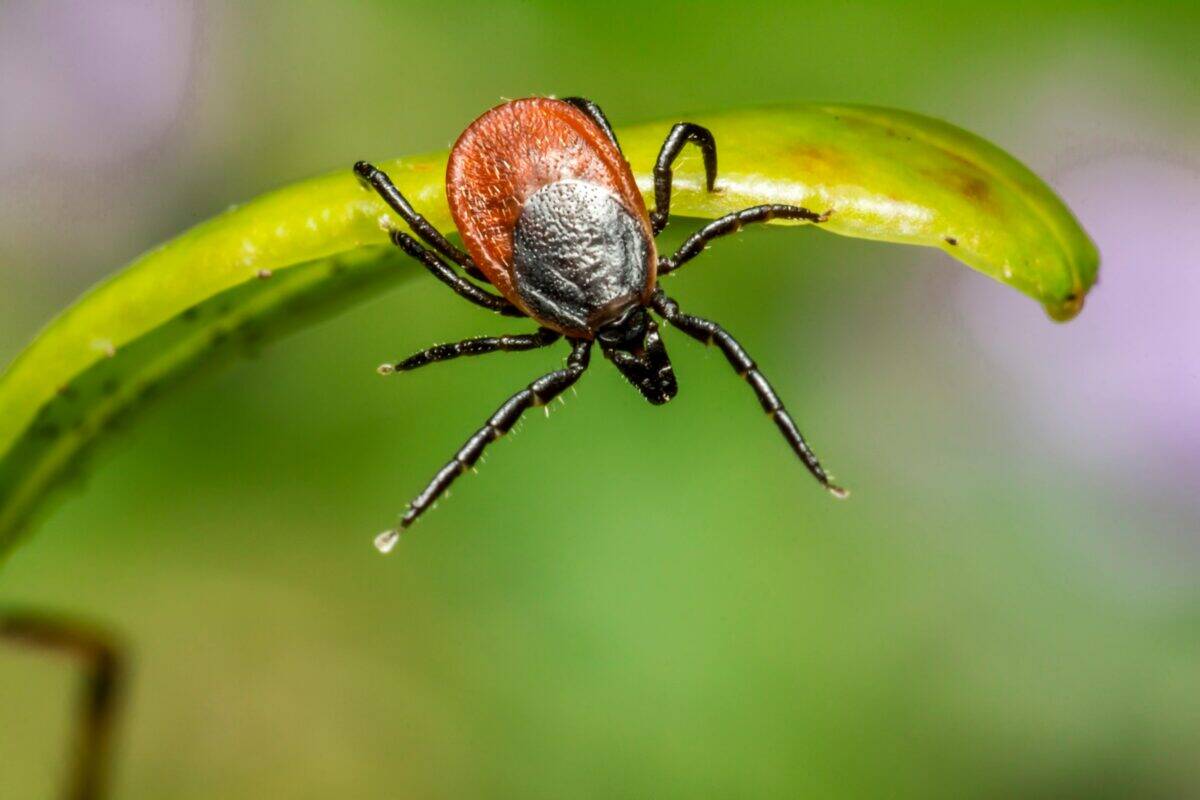
Ticks are more than just annoying—they’re also dangerous carriers of disease. Several serious infections are becoming more common across the country. Lyme disease remains the most widespread, often beginning with a distinctive bull’s-eye rash and progressing to fatigue and joint pain.
Another concern is anaplasmosis, a bacterial illness that can cause fever, chills, and muscle aches. Rocky Mountain spotted fever, while rarer, is potentially deadly, leading to symptoms like rash, vomiting, and even organ failure if not treated quickly. Then there’s alpha-gal syndrome, a lesser-known but growing problem: this condition causes a delayed allergic reaction to red meat and dairy, triggered by a bite from certain ticks.
Doctors are seeing more alpha-gal cases in the South and Midwest, likely due to the expanding range of the Lone Star tick. In some regions, hospitals have reported twice the usual number of tick-related allergy cases.
Why Ticks Are Thriving in 2025
The current surge in tick activity isn’t random—it’s driven by a mix of environmental and human factors. Warmer, milder winters are allowing more ticks to survive the cold, while wet springs and hot summers are creating perfect breeding conditions. These weather patterns also extend the window for “questing,” the behavior where they wait on vegetation to latch onto passing hosts.
Meanwhile, suburban developments continue to encroach on wooded habitats, putting people and pets in closer contact with tick populations. On top of that, increased movement of wildlife—especially deer and rodents—helps them migrate to new areas. Together, these changes have combined to create a nationwide tick boom that experts say isn’t slowing down anytime soon.
How to Stay Safe From Ticks
You don’t have to cancel your camping trip, but taking precautions is key. Here’s what experts recommend:
- Wear long sleeves and pants, preferably light-colored, so they are easier to spot.
- Tuck your pants into your socks when hiking or doing yard work.
- Use EPA-approved repellents like DEET, picaridin, or permethrin-treated clothing.
- Check yourself after spending time outdoors, especially under arms, behind knees, and around the hairline.
- Shower within two hours of coming indoors to wash off unattached ticks.
- Treat pets with tick prevention meds—they’re just as vulnerable as humans.
What To Do If You’re Bitten

Found a tick? Here’s what to do:
- Remove it immediately with fine-tipped tweezers. Grasp close to the skin and pull upward slowly.
- Don’t twist or crush it—that increases your risk of infection.
- Clean the bite area with soap and water.
- Watch for symptoms over the next few days—fever, rash, aches, or unusual fatigue.
- Save the tick in a plastic bag in case testing is needed later.
- Call a doctor if symptoms appear, especially if you suspect Lyme disease or an allergic reaction.
Final Take
Ticks may be small, but the diseases they carry are serious—and on the rise. With ER visits hitting a five-year high, this summer’s tick season is a real threat, not just a nuisance. Protecting yourself, your family, and your pets doesn’t require much—just awareness and a few smart habits. Whether you’re hiking the trails or just working in the yard, staying safe from them could spare you a trip to the hospital.

- Texas Ranchers Injured and Horses Killed in Aggressive Bee Attack - July 19, 2026
- Cougar Attack on Cyclists Shakes Washington Wilderness - July 19, 2026
- Snake Found in Arizona Toilet Shocks Homeowner - July 19, 2026