


When we think of big cats, we often picture them prowling through grasslands or dense forests, stalking prey with calculated precision. But tigers, the largest members of the cat family, harbor a surprising secret that sets them apart from their feline relatives: they are exceptional swimmers who genuinely enjoy taking a dip. Unlike domestic cats that typically avoid water at all costs, tigers have developed a special relationship with aquatic environments that plays a crucial role in their survival, hunting strategies, and even recreation. This remarkable adaptation not only helps tigers thrive in their natural habitats but also provides a fascinating glimpse into the evolutionary versatility of these magnificent predators.
The Natural Swimming Ability of Tigers
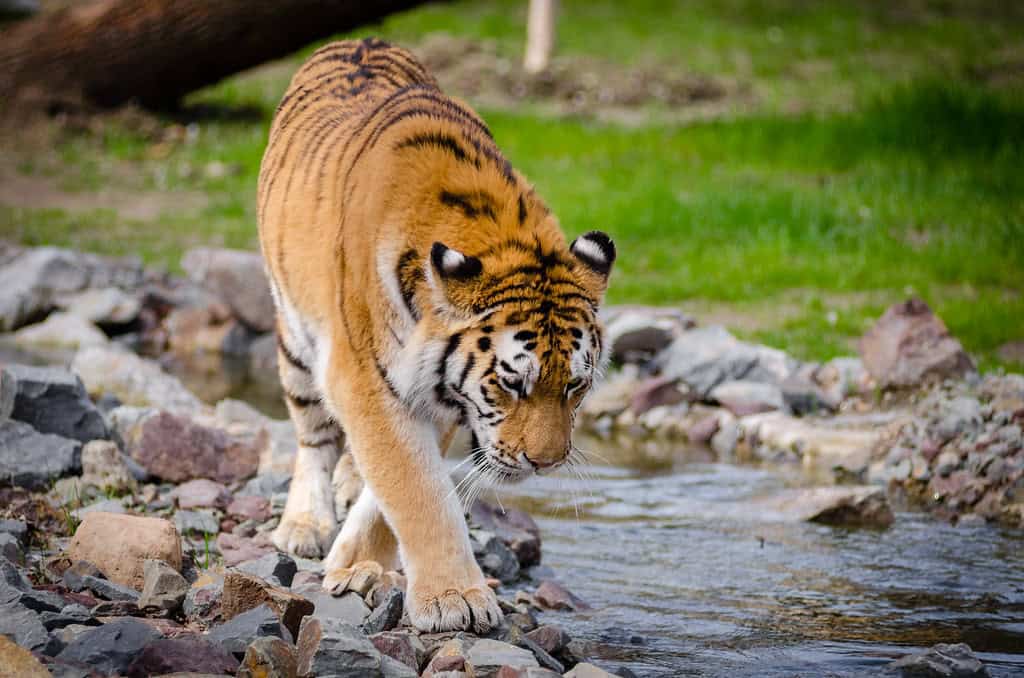
Tigers are born with an innate ability to swim, a skill that manifests early in their development. While most cats famously dislike water, tigers possess powerful legs that allow them to propel themselves efficiently through rivers, lakes, and even coastal waters. Their muscular bodies and broad paws function as natural paddles, enabling them to move through water with surprising grace and speed. A tiger can swim at speeds of up to 4 miles per hour and maintain this pace for considerable distances.
Unlike many land mammals that struggle in water, tigers show no signs of distress when swimming. They keep their heads above water with their bodies submerged, much like experienced human swimmers. Their eyes remain open and alert, constantly scanning for potential prey or threats. This natural affinity for water begins when cubs are just a few months old, as mother tigers often introduce their young to water gradually, helping them develop confidence in this essential skill that will serve them throughout their lives.
Tigers vs. Other Big Cats: A Swimming Comparison
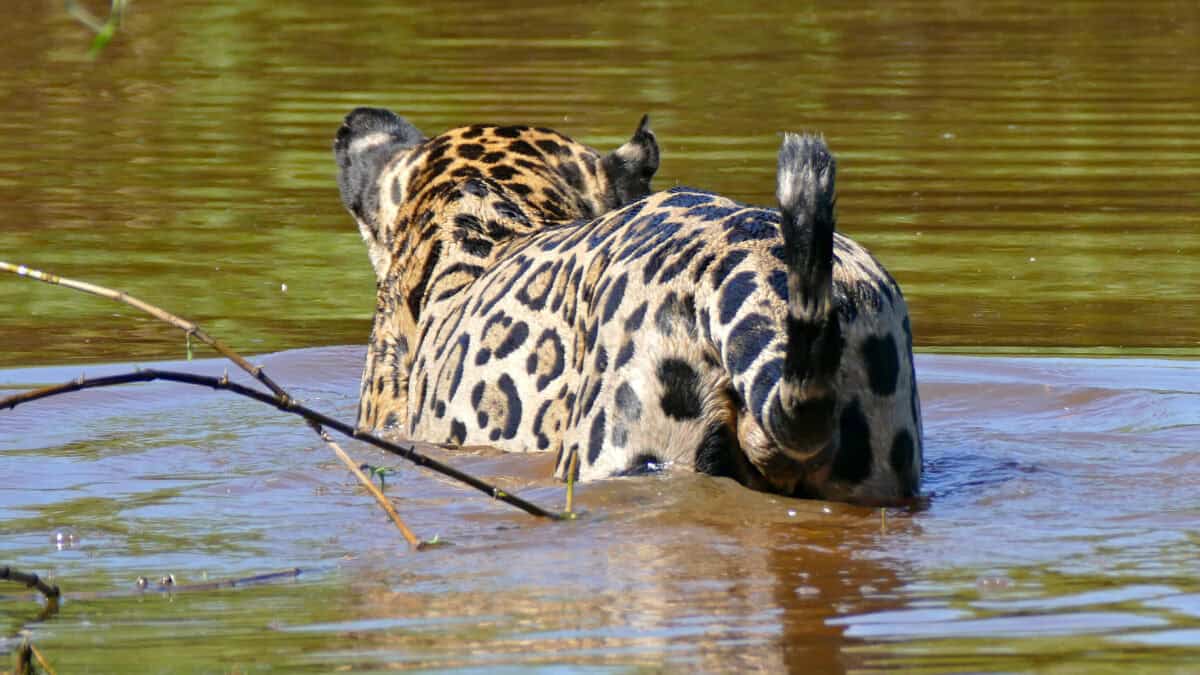
Among the big cats, tigers stand out as the most accomplished swimmers. Lions, despite their reputation as kings of the jungle, generally avoid deep water and will only cross shallow streams when necessary. Leopards can swim if forced to but rarely choose to enter water voluntarily. Jaguars, cousins to tigers, do share some aquatic prowess and are known to swim and even hunt in water, particularly in the wetlands of the Amazon basin. However, even jaguars don’t match the swimming enthusiasm and capability of tigers.
The difference lies partly in evolutionary adaptation. Tigers evolved in habitats with numerous water bodies, particularly in the mangrove forests of the Sundarbans where swimming is essential for survival. This environmental pressure selected for individuals with better swimming abilities over thousands of generations. Additionally, tigers have a unique relationship with water that goes beyond mere tolerance—they appear to genuinely enjoy swimming as a recreational activity, something rarely observed in other big cats.
The Cooling Effect: Why Tigers Seek Water
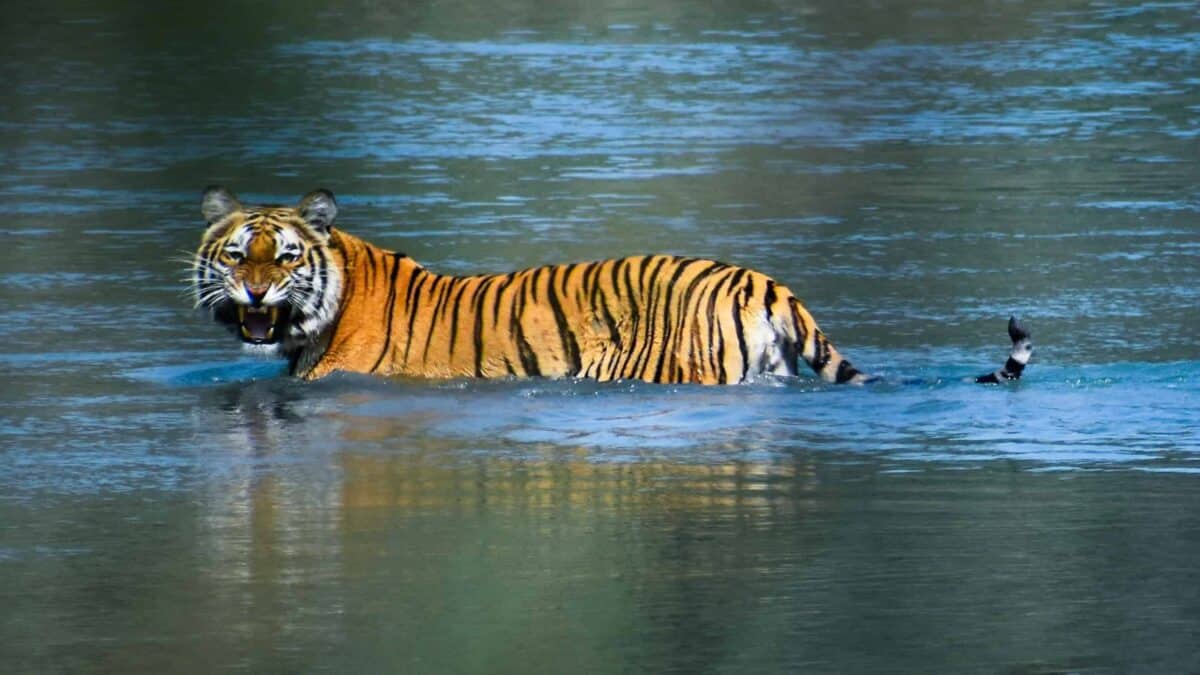
One primary reason tigers love water is for temperature regulation. With their dense fur and large body mass, tigers can easily overheat, especially in the tropical and subtropical regions they inhabit. Water provides an efficient method of cooling down their powerful bodies, particularly during hot summer months when temperatures can soar well above 100°F (38°C). Immersing themselves in water allows tigers to lower their body temperature quickly and comfortably.
Scientists have observed that tigers in warmer climates spend significantly more time in water than those in cooler regions. In India’s national parks, such as Ranthambore and Bandhavgarh, tigers are frequently spotted lounging in shallow pools during the hottest parts of the day. This behavior isn’t just about survival—many tigers appear to genuinely enjoy the sensation of water, often playing and splashing around even when not hunting or trying to cool down, suggesting that swimming provides both physical relief and psychological enrichment.
Hunting Strategies in Water
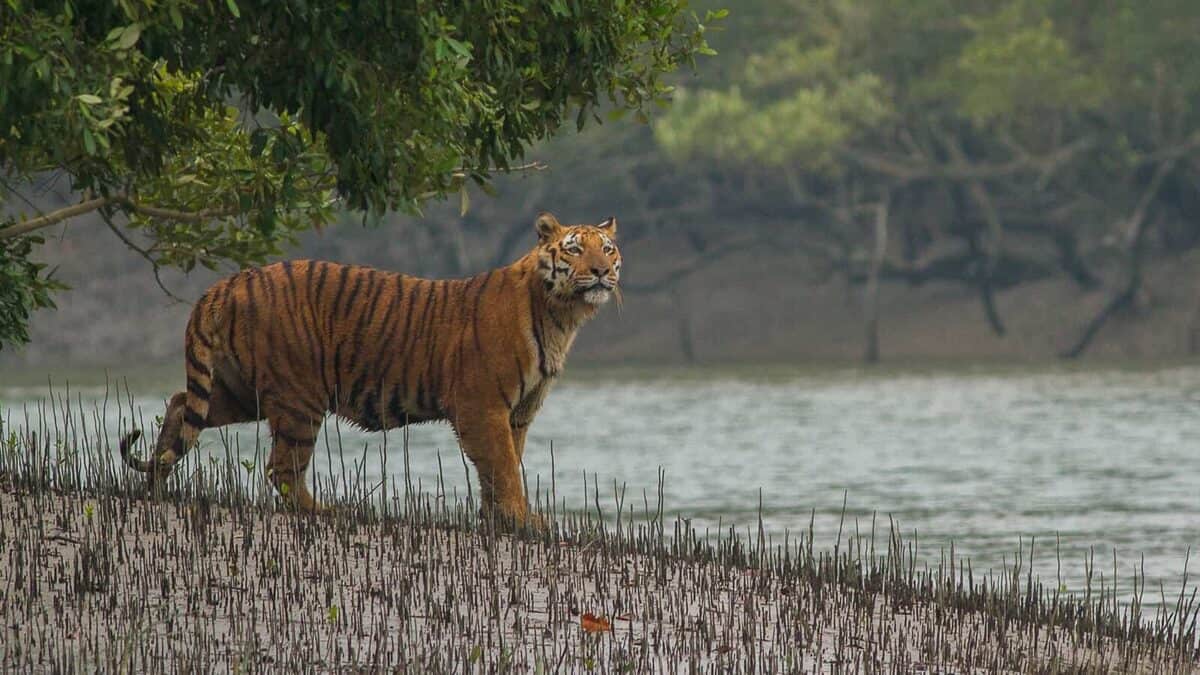
Tigers have masterfully incorporated their swimming abilities into their hunting repertoire. When hunting in water, tigers use stealth and patience, much like they do on land. They can remain partially submerged, with only their eyes and nose above the waterline, making them nearly invisible to prey coming to drink. This aquatic ambush technique is particularly effective because many prey animals are more vulnerable when drinking—their heads are lowered, and their awareness of predators is temporarily compromised.
In the Sundarbans, a vast mangrove forest spanning Bangladesh and India, tigers have developed specialized hunting techniques for aquatic environments. They can swim between islands in search of prey and have even been known to snatch unsuspecting animals from boats. Their swimming prowess gives them access to food sources that would otherwise be unavailable, creating a unique ecological niche that few other predators can exploit. This adaptation has been crucial for their survival in wetland habitats where land prey might be scarce or difficult to catch.
Record-Breaking Swims: Tigers’ Impressive Aquatic Feats
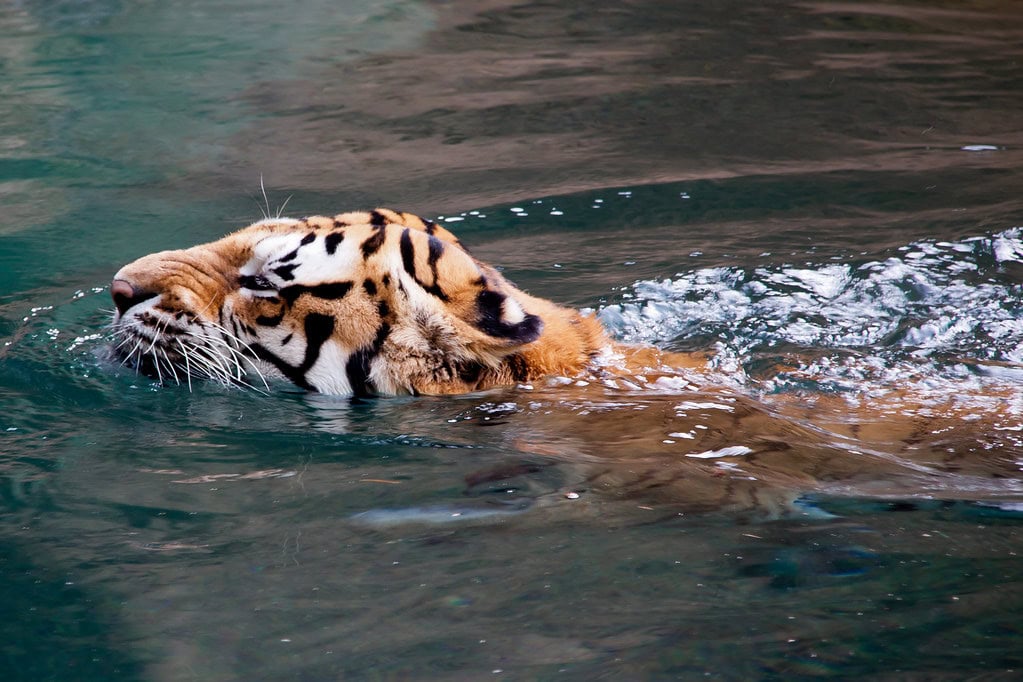
Tigers’ swimming capabilities extend far beyond short dips in ponds or streams. There have been documented cases of tigers swimming incredible distances that would challenge even human long-distance swimmers. In the Bay of Bengal, tigers have been observed swimming between islands separated by several miles of open water. One particularly remarkable case involved a tiger swimming nearly 20 miles (32 km) across a lake in Kazakhstan, demonstrating both their physical endurance and their comfort in aquatic environments.
In 2018, researchers tracking a male tiger in Russia recorded it swimming across a river that was over 1,600 feet (500 meters) wide in near-freezing conditions. The tiger showed no signs of distress and maintained a steady pace throughout the crossing. These impressive feats highlight not only the physical capabilities of tigers but also their remarkable adaptation to diverse environments. Unlike many land mammals that panic in water, tigers remain calm and calculated, efficiently conserving energy while navigating through water with seemingly effortless strokes.
Swimming as Play: The Recreational Aspect
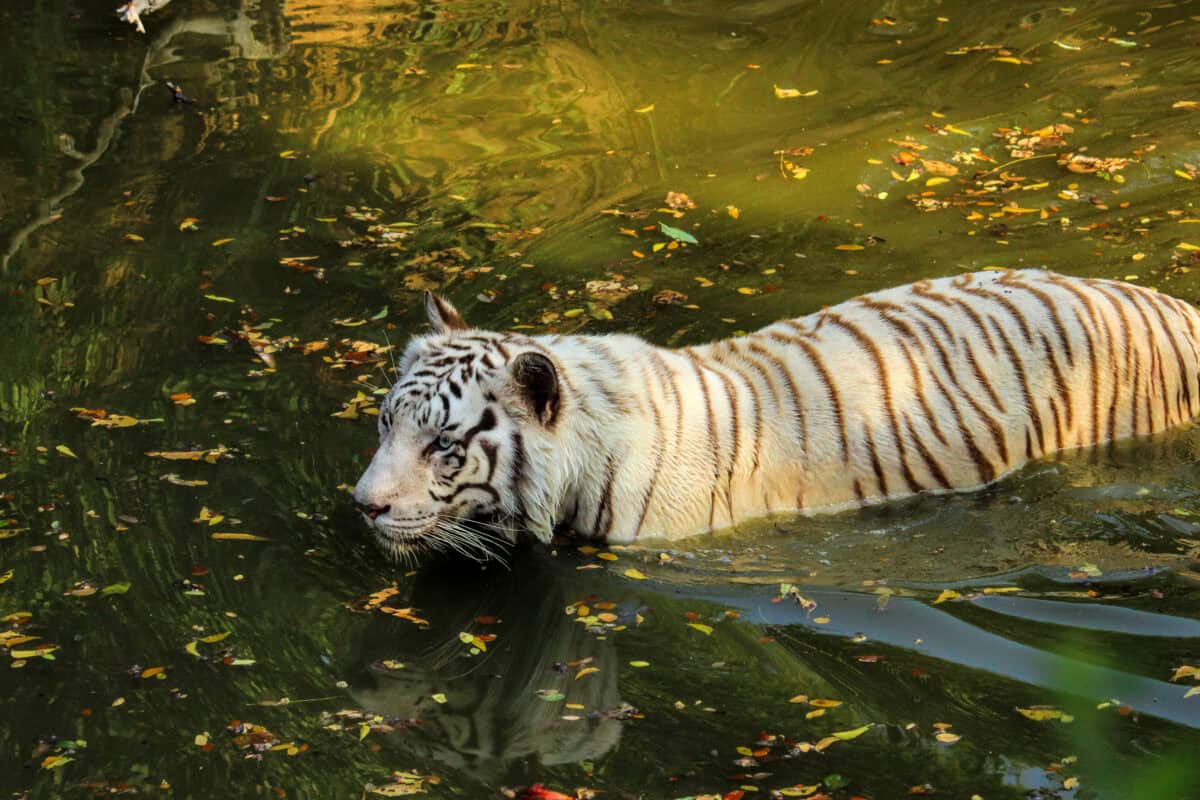
Perhaps one of the most endearing aspects of tigers’ relationship with water is their obvious enjoyment of swimming as a form of play. Captive tigers in well-designed facilities with access to pools often spend hours voluntarily splashing, diving, and playing with enrichment toys in water. This behavior strongly suggests that swimming isn’t merely a survival skill for tigers but an activity they genuinely enjoy. Tiger cubs are particularly enthusiastic swimmers, often engaging in playful water activities that help them develop their coordination and strength.
Wildlife photographers have captured remarkable images of wild tigers playing in water—rolling on their backs, batting at floating debris, and even engaging in what appears to be the tiger equivalent of “swimming for fun.” This playful behavior is significant because it demonstrates that tigers’ affinity for water extends beyond utilitarian purposes. Like humans who swim for both exercise and pleasure, tigers seem to derive genuine joy from their aquatic activities, revealing a surprisingly relatable aspect of these otherwise formidable predators.
Adaptations That Make Tigers Excellent Swimmers
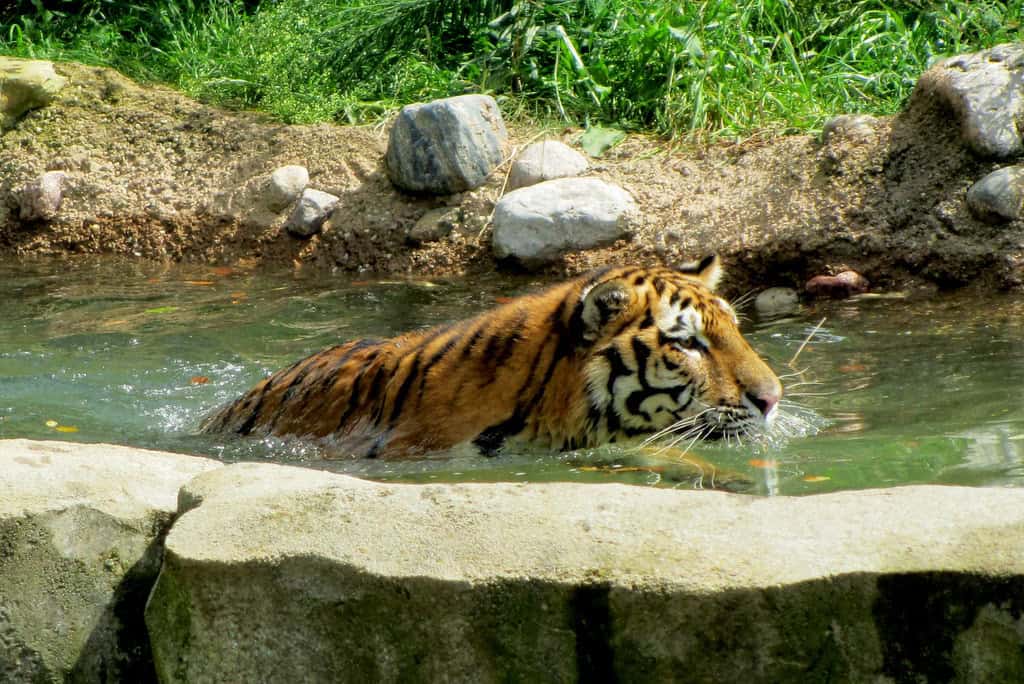
Tigers possess several physical adaptations that enhance their swimming abilities. Their powerful shoulder and leg muscles provide the strength needed for propulsion through water. Their large, webbed paws act as efficient paddles, allowing them to push against water with greater surface area than non-webbed feet would permit. This webbing, while subtle compared to aquatic specialists like otters, gives tigers a significant advantage in water.
Tigers also have a unique fat distribution that provides excellent buoyancy, helping them stay afloat with minimal effort. Their thick, water-resistant fur contains specialized guard hairs that help repel moisture, ensuring they don’t become waterlogged during extended swims. Additionally, tigers can close their nostrils while swimming to prevent water intake, and their ears have specialized valves that seal off the ear canal. These adaptations, combined with their natural strength and agility, make tigers remarkably well-equipped for life in and around water—a surprising specialization for what most people consider primarily a terrestrial predator.
The Sundarbans: Tigers in a Watery Kingdom
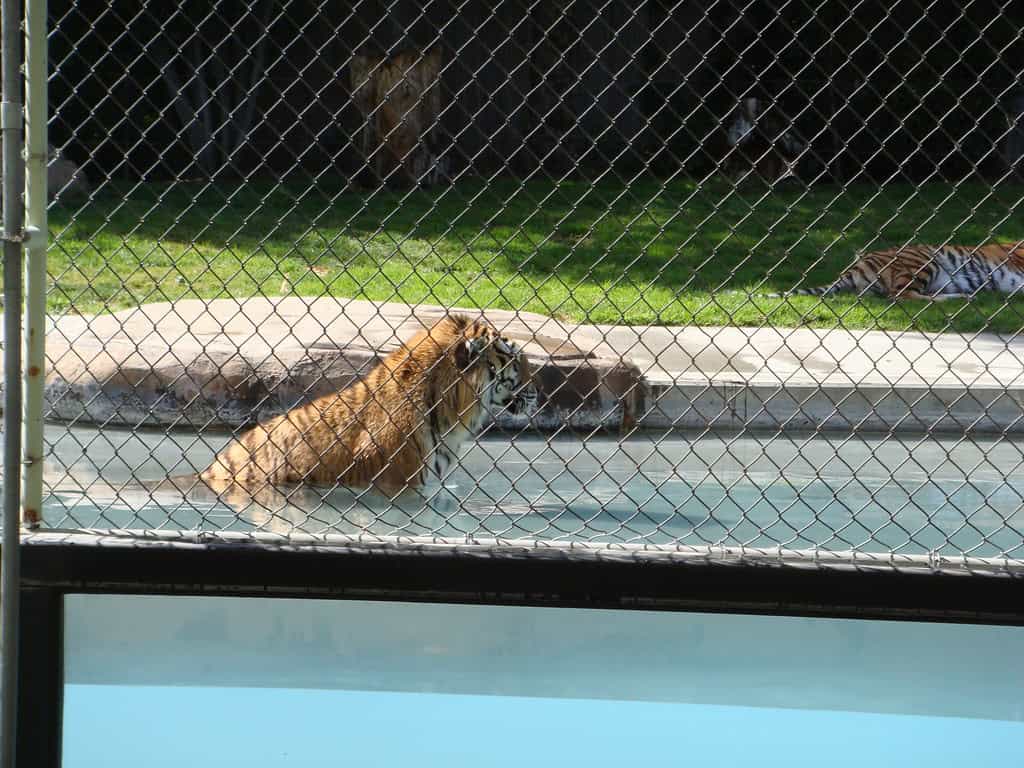
The Sundarbans, the world’s largest mangrove forest stretching across India and Bangladesh, is home to perhaps the most aquatic population of tigers on Earth. These “swamp tigers” have adapted to a semi-aquatic lifestyle in an environment dominated by tidal waterways, mudflats, and small islands. Here, tigers regularly swim across channels several kilometers wide, hunting in a landscape that changes constantly with the tides. The Sundarbans tigers are famous for their swimming prowess and have developed hunting techniques specifically adapted to their flooded environment.
Life in the Sundarbans has shaped these tigers in unique ways. They tend to be smaller than their mainland counterparts, possibly an adaptation that makes swimming easier. They’ve developed a greater tolerance for saltwater, drinking from freshwater pockets within the brackish ecosystem. Most remarkably, Sundarbans tigers have incorporated fishing into their diet, sometimes wading into shallow waters to catch fish with their paws—behavior rarely seen in other tiger populations. These adaptations highlight the incredible plasticity of tiger behavior and physiology, showcasing how thoroughly they can adapt to life in a water-dominated landscape.
Swimming Tigers in Culture and Mythology
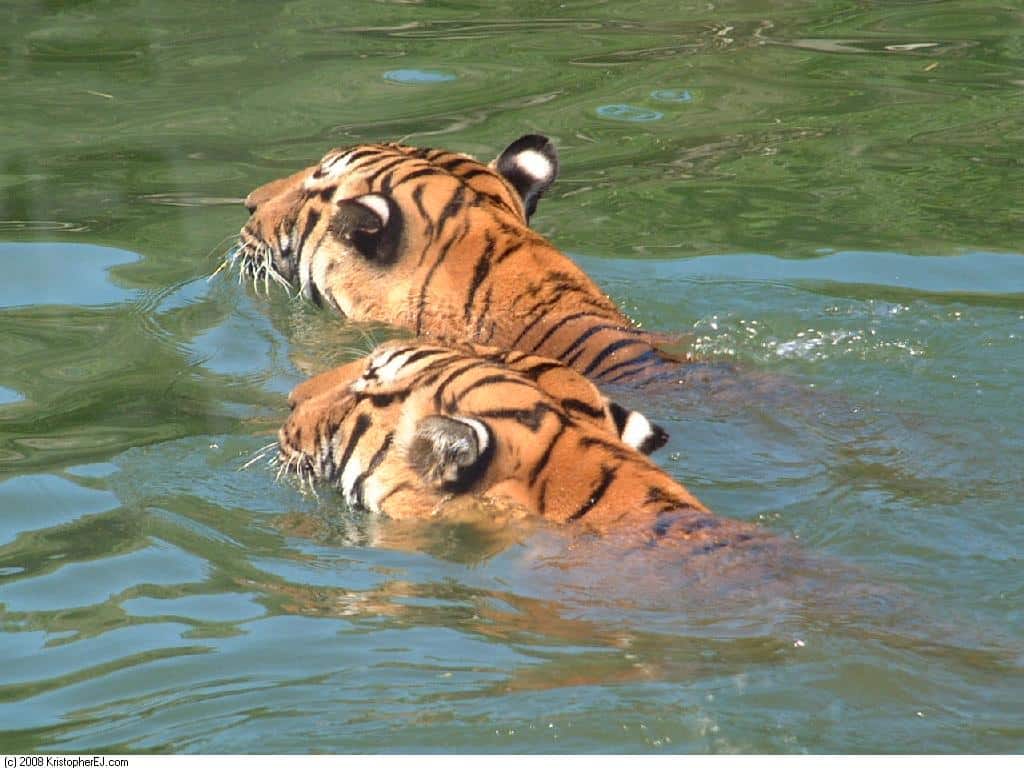
The swimming ability of tigers has not gone unnoticed in human culture and mythology. In many Asian cultures, particularly in regions where tigers and humans have coexisted for centuries, stories abound of tigers crossing mighty rivers or emerging from lakes. In Chinese mythology, the tiger is associated with the water element and is sometimes depicted swimming alongside dragons. In the folklore of the Sundarbans, tigers are believed to be able to transform into river spirits, reflecting local observations of their comfort in aquatic environments.
Contemporary culture has also embraced the image of the swimming tiger. Wildlife documentaries frequently feature footage of tigers cooling off in waterholes or crossing rivers, images that have become iconic representations of these animals’ versatility. The swimming tiger has become a powerful symbol of adaptability and resilience in conservation messaging, highlighting how these magnificent animals can thrive in diverse habitats when given the chance. This cultural recognition of tigers’ swimming abilities helps create a more complete understanding of these complex predators and their ecological roles.
Conservation Implications of Tigers’ Aquatic Habits
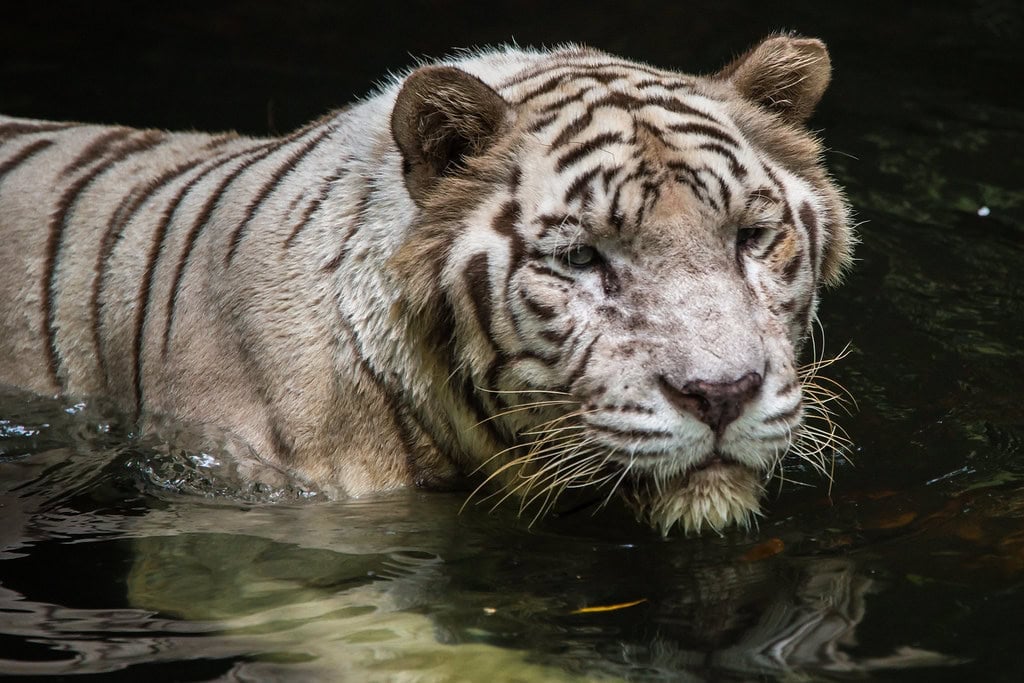
The swimming capabilities of tigers have important implications for conservation efforts. First, they highlight the need to protect not just forests but also water bodies within tiger habitats. Rivers, streams, and wetlands are essential components of tiger territory, serving as both travel corridors and hunting grounds. Conservation plans that fail to account for these aquatic needs may not adequately protect tiger populations, even if they preserve forested areas.
Tigers’ swimming abilities also affect how conservationists plan wildlife corridors and protected areas. Tigers can cross water barriers that might stop other animals, meaning that rivers don’t necessarily form natural boundaries for tiger populations. This mobility needs to be considered when designing reserves and planning reintroduction programs. Additionally, as climate change alters habitats and potentially increases flooding in some tiger ranges, the species’ comfort with water may prove to be an important resilience factor. However, rising sea levels threaten coastal tiger habitats like the Sundarbans, creating new conservation challenges for these swimming specialists.
Observing Swimming Tigers: Ecotourism Opportunities
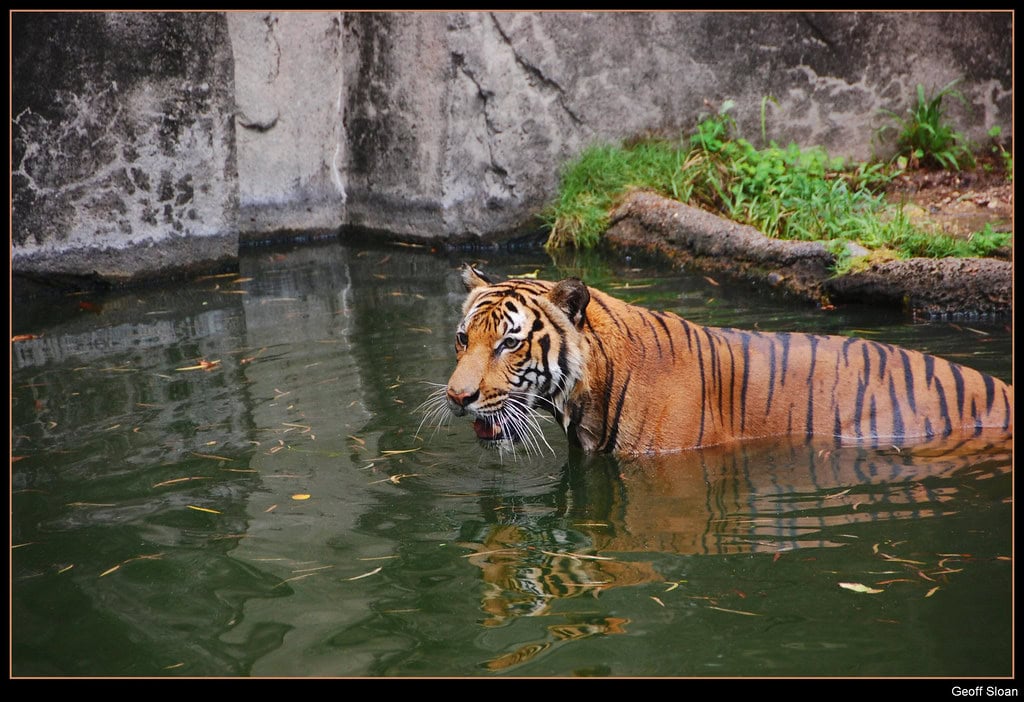
For wildlife enthusiasts, witnessing a tiger swimming is one of nature’s most spectacular sights. Several tiger reserves and national parks offer opportunities to observe this behavior, particularly during summer months when tigers are more likely to seek relief from the heat in water bodies. In India’s Ranthambore National Park, the lakes and water holes become prime tiger-watching locations during hot weather. Similarly, Bardia National Park in Nepal offers boat safaris where lucky visitors might spot tigers swimming across rivers.
These ecotourism opportunities provide vital economic incentives for tiger conservation while raising awareness about the species’ unique behaviors and habitat needs. Responsible ecotourism operators maintain appropriate distances to avoid disturbing natural behaviors and strictly regulate the number of visitors. For travelers, the chance to see a powerful tiger gliding effortlessly through water offers a different perspective on these animals, highlighting their adaptability and grace in an element many people don’t associate with big cats. These experiences often create powerful conservation advocates among visitors who develop a deeper appreciation for tigers and their ecological needs.
Conclusion: Masters of Land and Water
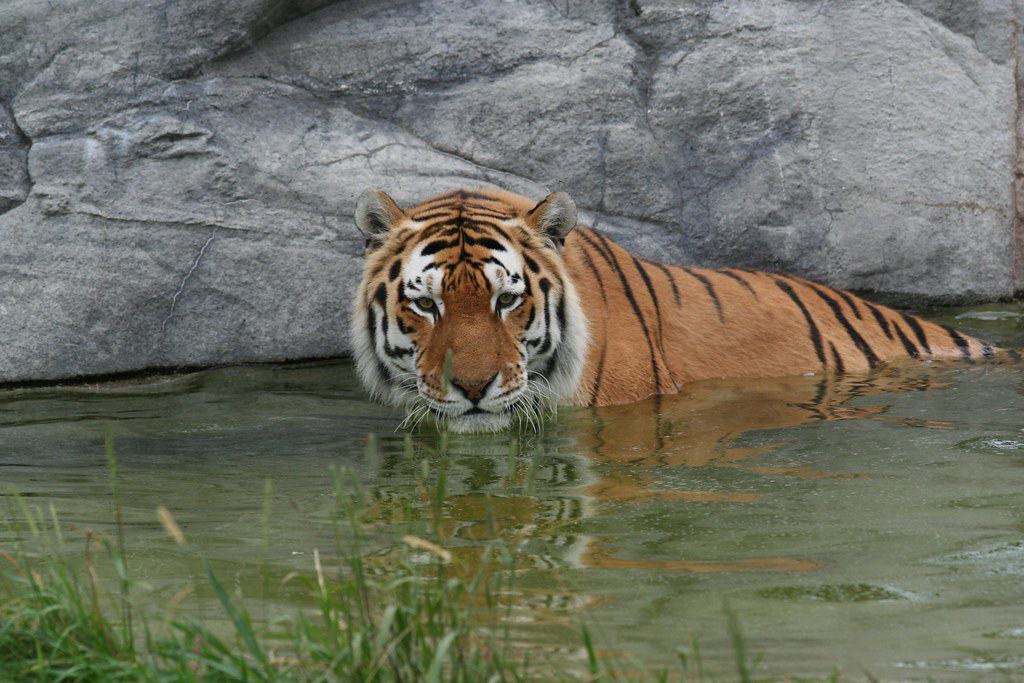
Tigers’ remarkable swimming abilities represent one of the most fascinating adaptations in the big cat family. Far from merely tolerating water, tigers have embraced aquatic environments as integral parts of their ecological niche, using water for hunting, travel, temperature regulation, and even recreation. This versatility across different environments—from dense forests to open grasslands to rivers and wetlands—speaks to the incredible adaptability that has helped tigers survive for millennia despite numerous challenges.
As we work to protect the remaining wild tiger populations around the world, understanding and appreciating their swimming abilities provides crucial insights into their ecological needs and behavioral flexibility. Conservation efforts must protect not just the forests where tigers hunt but also the waterways where they swim, fish, and play. By recognizing tigers as masters of both land and water, we gain a more complete picture of these magnificent creatures and what they need to thrive in the wild. In their powerful swimming strokes and evident joy in water, we find yet another reason to admire and protect these extraordinary animals for future generations.

From exploring the marine wonders in the Azores and witnessing the vast savannas of Kenya, to delving deep into the rich biodiversity of South Africa and traversing iconic landscapes in Australia and the US like Yellowstone, Chris's experiences are vast.
With a penchant for diving alongside sharks, the ocean holds a special place in his heart.
Through his academic insights, he champions wildlife conservation, striving with 'Animals Around The Globe' to cultivate a profound connection between humans and animals, enhancing our mutual appreciation.
Connect with him at Feedback@animalsaroundtheglobe.com.
- This Monkey Has a Mustache - July 21, 2026
- How Steve Irwin Changed the World’s View of Wildlife - July 21, 2026
- The Catfish That Caused Earthquakes in Japanese Folklore - July 21, 2026