
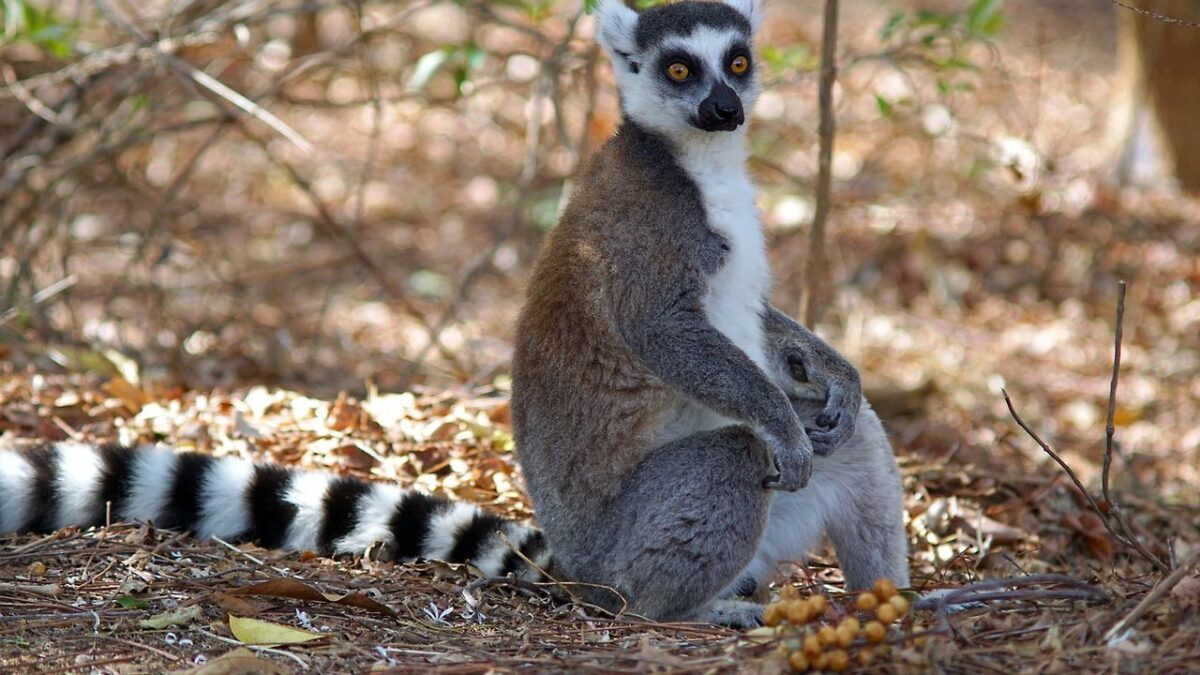
You might not know its name, yet it’s one of the most enchanting creatures prowling through Arizona’s rocky canyons after dark. With a tail that looks like it belongs in a storybook and climbing skills that would make a ninja jealous, the ringtail is a small mammal with big surprises. Most people have never seen one in the wild, which makes learning about this mysterious animal all the more thrilling.
Here’s the thing: Arizona chose this creature for a reason. It embodies the rugged desert landscape and tells a fascinating story about survival, adaptation, and the hidden wonders living right under our noses. Let’s dive into eight remarkable facts about this elusive state symbol.
It’s Not Actually a Cat
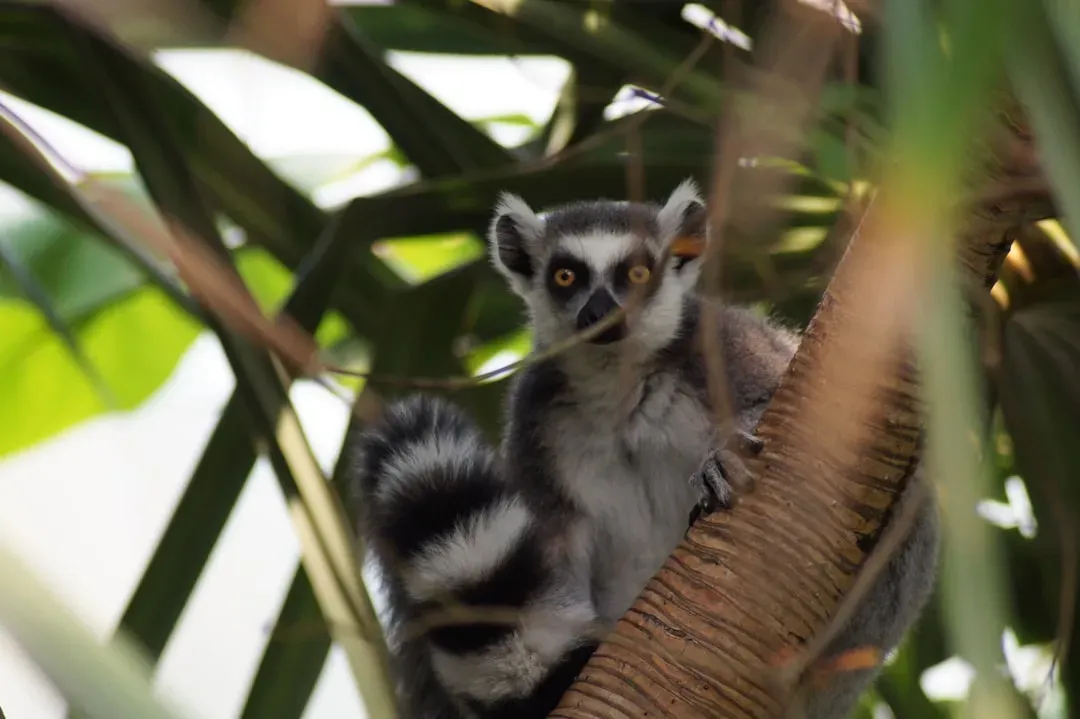
The ringtail is a small, nocturnal relative of the raccoon and coati, which might come as a shock since people have been calling it a “ringtail cat” for generations. The species is known by a variety of common names, such as ring-tailed cat, miner’s cat, civet cat, and cacomistle, yet none of these names reflect its true identity. Despite having a fox-like face and a body that resembles a feline, this little creature belongs to the Procyonidae family.
The confusion makes sense when you see one up close. Its sleek build and agile movements echo those of a domestic cat, and historically miners kept them as pets for rodent control, earning them the nickname “miner’s cat.” Still, the ringtail shares more DNA with your neighborhood raccoon than with any feline friend.
That Spectacular Tail Serves Multiple Purposes
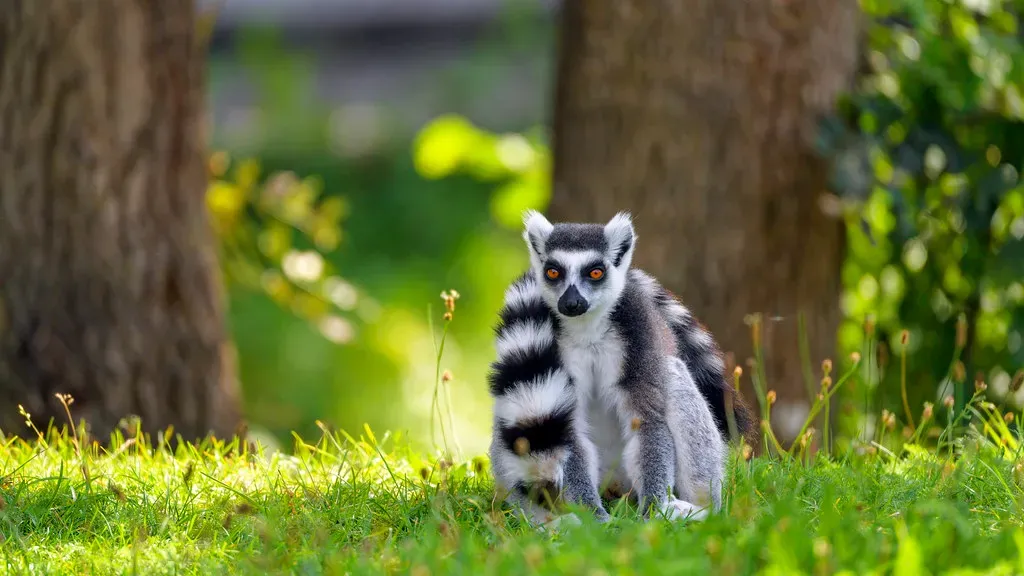
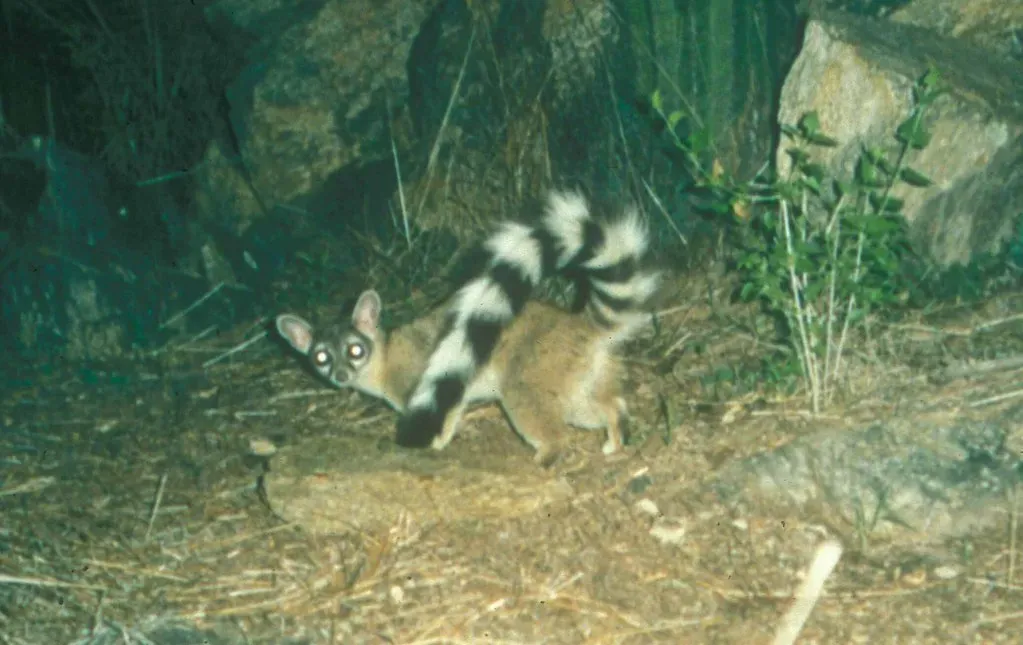
These animals are characterized by a long black and white “ringed” tail with 14–16 stripes, which is about the same length as its body. The tail isn’t just for show. It uses its long tail for balance, and the rings on its tail can also act as a distraction for predators.
Think of it as nature’s multitool. When a ringtail navigates narrow ledges or scrambles across vertical cliff faces, that bushy appendage keeps it steady. The white rings act as a target, so when the tail rather than the body is caught, the ringtail has a greater chance of escaping. It’s a brilliant survival strategy wrapped in one of the animal kingdom’s most striking visual displays.
Arizona Made It Official in 1986
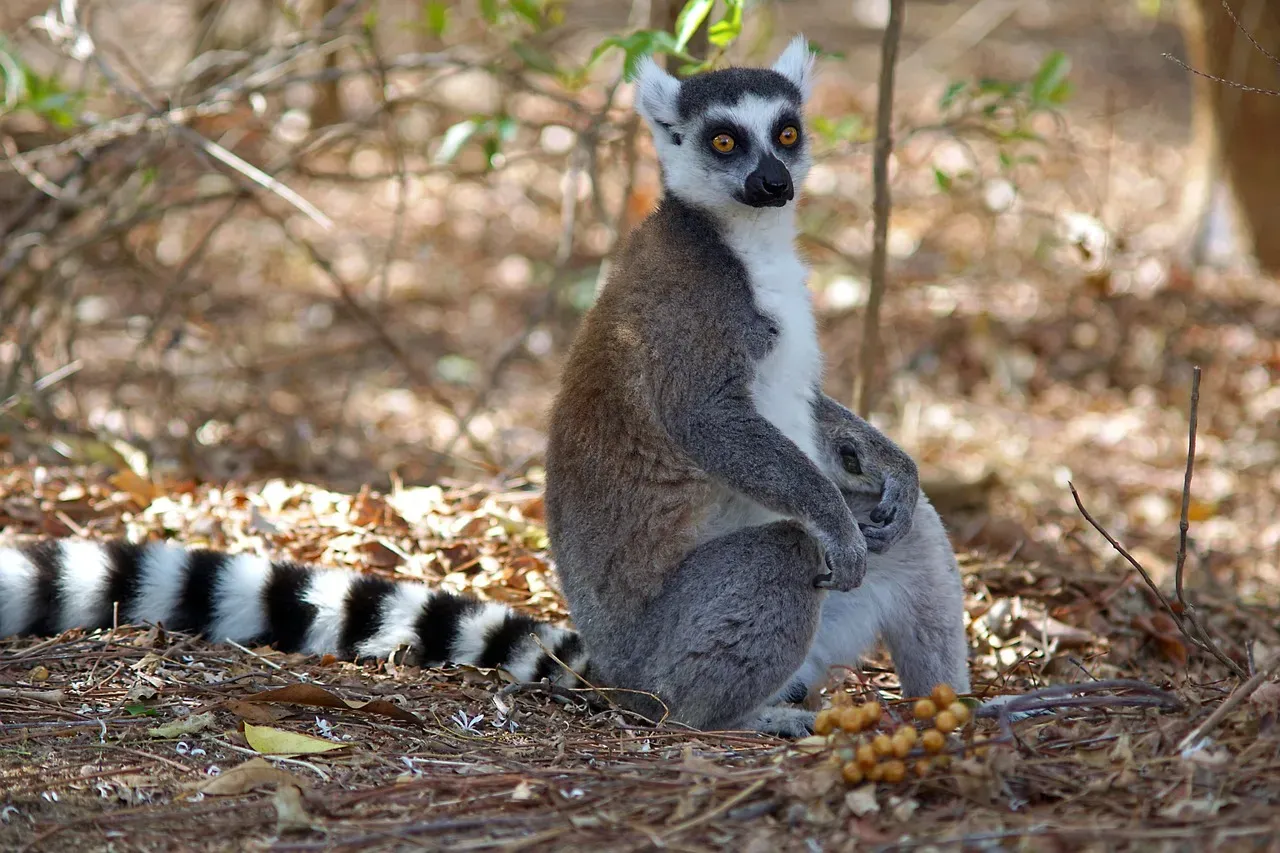
The unique ringtail (Bassariscus astutus) was designated the official state mammal of Arizona in 1986. This wasn’t a random choice. The ringtail was chosen because it reflected Arizona’s landscape and history rather than national familiarity, and was closely associated with desert canyons, rocky terrain, and historic mining communities.
The designation came during a broader effort to formalize state identity through official symbols. Lawmakers wanted something uniquely Southwestern, something that told Arizona’s story in a way a more common animal never could. The ringtail is featured on Arizona drivers’ licenses, meaning residents carry this little creature with them every day, often without realizing what they’re looking at.
They’re Incredible Climbers With a Secret Weapon
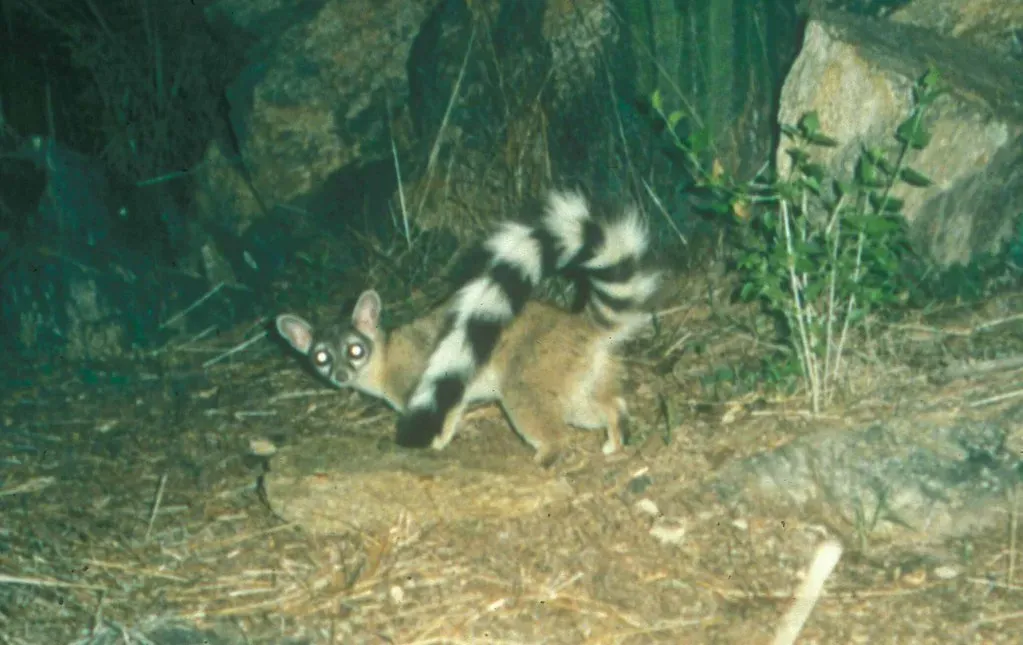
These agile climbers can rotate their hind feet 180 degrees, permitting them to rapidly ascend and descend steep rocks, vertical cliffs, and tree trunks. That’s right, their ankles work like swivels. Imagine being able to run down a tree headfirst instead of awkwardly backing down like a house cat.
The long tail provides balance for negotiating narrow ledges and limbs, even allowing individuals to reverse directions by performing a cartwheel, and they can ascend narrow passages by stemming and wider cracks or openings by ricocheting between the walls. Watching a ringtail navigate rocky terrain is like witnessing a parkour athlete in fur. Their physical adaptations make them perfectly suited to Arizona’s challenging landscape of canyons and cliffs.
Their Diet Is Surprisingly Varied

Ringtails are omnivores that feed on insects, small mammals, reptiles, birds, fruit, and carrion. They’re not picky eaters, which helps them survive in harsh desert environments where food sources change with the seasons. During warmer months, insects become the primary meal, while winter brings a shift toward small rodents and birds.
Berries and insects are important in the diet year-round, and become the primary part of the diet in spring and summer, along with other fruit. This dietary flexibility means ringtails can thrive across diverse habitats, from rocky deserts to woodland areas. They have even been observed partaking from birdseed feeders, hummingbird feeders, sweet nectar or sweetened water, showing just how adaptable these creatures truly are.
They’re Masters of Water Conservation
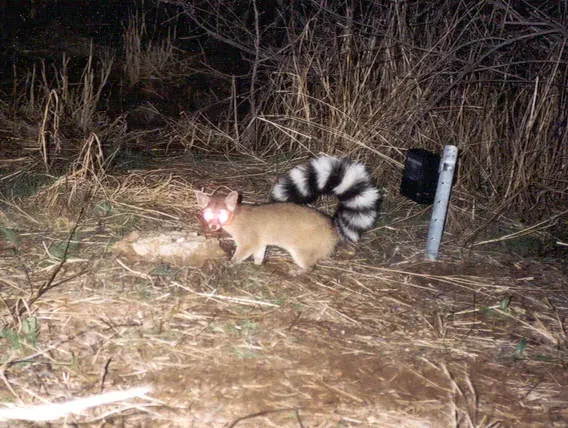
Ringtails can survive for long periods on water derived from food alone, and have urine which is more concentrated than any other mammal studied, an adaptation that allows for maximum water retention. Let that sink in for a moment. In the scorching Arizona desert, where water can be scarce, this ability is nothing short of remarkable.
This physiological superpower allows ringtails to inhabit areas where other mammals might struggle. They extract moisture from their prey and the fruits they consume, making them incredibly well-suited to arid environments. It’s one of those evolutionary adaptations that sounds almost too perfect to be real.
Most Arizonans Have Never Seen One
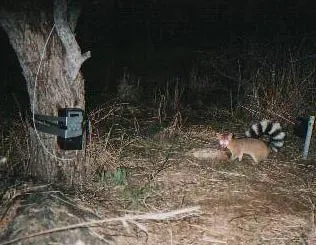
Almost wholly nocturnal, ringtails spend the greater part of the day asleep in their dens. These nocturnal creatures den in caves, crevices, hollow trees and often mine tunnels during the day. By the time you’re waking up, they’re tucking themselves away in rocky hideouts.
National parks like Saguaro National Park and Grand Canyon National Park report ringtails as relatively common but rarely observed due to their nocturnal habits. So while they’re out there prowling through the darkness, hunting for insects and small prey, most people miss them entirely. They may often be found near human habitation, often inhabiting unused buildings and even attics, causing concern with its mysterious nighttime noises. That scratching sound you hear at night might just be Arizona’s state mammal making itself at home.
They’re Solitary but Not Anti-Social
As adults, these mammals lead solitary lives, generally coming together only to mate. They’re not exactly party animals. Ringtails prefer a solitary existence but may share a den or be found mutually grooming one another, and exhibit limited interaction except during the breeding season, which occurs in the early spring.
Mating occurs between February and May, and females are receptive for only 24 hours with a litter consisting of 3 to 4 young born between April and July. Males actually stick around to help provide for the family, which is somewhat unusual in the animal world. They produce a variety of sounds, including clicks and chatters reminiscent of raccoons, using vocalizations to communicate during those rare social moments.
Conclusion
The ringtail represents everything wild and mysterious about Arizona’s desert landscapes. From its acrobatic climbing abilities to its water-conserving superpowers, this small mammal packs an impressive array of adaptations into a body barely larger than a house cat. While it remains one of the Southwest’s most elusive residents, knowing these facts gives you a deeper appreciation for what’s out there in the darkness.
Next time you’re hiking through rocky Arizona terrain or camping under the stars, remember that these nocturnal ninjas might be watching you from the shadows. What other desert secrets do you think Arizona is hiding? Tell us in the comments what surprises you most about this remarkable creature.
