


In the winter of 1925, a deadly diphtheria epidemic threatened the isolated town of Nome, Alaska. With the only serum that could save lives located nearly 700 miles away in Anchorage, and with harsh weather conditions making air travel impossible, officials turned to the only viable transportation method: dog sled teams. This desperate mission, known as the “Great Race of Mercy” or the “1925 Serum Run,” would go down in history as one of the most heroic feats in Arctic transportation. While Balto became the famous face of this mission, receiving a statue in New York’s Central Park and becoming a household name, another dog named Togo actually ran the most dangerous and longest leg of the journey. For decades, history has celebrated Balto while Togo’s crucial role remained in the shadows. This article explores the true story behind these two remarkable sled dogs and sets the record straight on who deserves the title of the real hero of the 1925 Serum Run.
The Diphtheria Outbreak in Nome

In January 1925, Dr. Curtis Welch diagnosed the first cases of diphtheria in Nome, Alaska. Diphtheria was a bacterial infection that created a thick coating in the throat, making it difficult to breathe and often leading to death, especially in children. The town of approximately 1,400 people had only a limited supply of outdated antitoxin serum, and Dr. Welch recognized that an epidemic was imminent without fresh medicine. By January 21, the first child had died, and several more cases appeared, prompting Dr. Welch to send a desperate telegram requesting emergency help.
The nearest supply of fresh serum was located at the railroad hospital in Anchorage, nearly 700 miles away. With temperatures dropping to -50°F and blizzard conditions making air travel impossible, officials determined that the only way to transport the serum would be via the Iditarod Trail, using multiple dog sled relay teams. This desperate plan became known as the “Serum Run,” and it would test the limits of both human mushers and their canine teams in one of the most challenging environments on earth.
The Logistics of the Serum Run

The serum was transported by train from Anchorage to Nenana, covering the first 298 miles of the journey. From there, officials organized a relay of 20 mushers and over 150 sled dogs who would pass the serum along the 674-mile Iditarod Trail to Nome. The plan involved breaking the route into segments, with fresh dog teams taking over at various checkpoints. Given the extreme urgency, the teams would travel day and night, navigating through blinding snowstorms, across frozen rivers, and over treacherous mountain passes.
Governor Scott Bone authorized the mission, and territorial officials worked with experienced mushers to determine the fastest and safest route. The package containing 300,000 units of serum was carefully wrapped in protective layers to prevent freezing, as the medicine would be destroyed if it froze. The entire operation represented an extraordinary coordination effort in an era before modern communications, with each musher having to reach their assigned checkpoint at the right time to ensure the serum continued its journey without delays.
Who Was Balto?

Balto was a black and white Siberian Husky who served as the lead dog for musher Gunnar Kaasen during the final leg of the serum run. Born in Nome in 1919, Balto was originally considered an inferior working dog and was primarily used as a freight hauler rather than a prized racing dog. Kaasen, who had not initially been scheduled to participate in the relay, was forced to step in when the assigned musher, Ed Rohn, fell asleep while waiting for the serum to arrive at the checkpoint in Bluff.
Balto surprised everyone with his performance on that final 53-mile stretch to Nome. Despite blizzard conditions with temperatures at -40°F and wind gusts exceeding 65 mph, Balto successfully navigated the team when Kaasen could barely see the trail. At one point, Balto’s instincts saved the team from plunging into the frozen Topkok River. When they arrived in Nome at 5:30 AM on February 2, 1925, just five and a half days after the serum departed Nenana, Balto became an instant celebrity. His role in the final leg captured public imagination, particularly after Kaasen declared, “I could not see my hand in front of my face… I gave Balto his head and trusted him.”
Balto’s Rise to Fame

Balto’s fame was immediate and far-reaching. News of the serum run spread across the nation, with Balto becoming the face of the heroic mission. Just 10 months after the serum run, a bronze statue of Balto, sculpted by Frederick Roth, was erected in New York’s Central Park. The dedication on the statue reads: “Endurance · Fidelity · Intelligence” – qualities that Balto certainly demonstrated during his journey. Balto and Kaasen also toured the United States, with Balto appearing in a short Hollywood film about his exploits.
However, despite his fame, Balto and his team faced hardship after the serum run. They were sold to a vaudeville circuit where they performed for audiences but were neglected and mistreated. In 1927, Cleveland businessman George Kimble discovered the dogs in poor condition in a Los Angeles sideshow and organized a fundraising campaign to purchase them. The people of Cleveland raised the money in just 10 days, and Balto lived his remaining years at the Cleveland Zoo, where he died in 1933 at the age of 14. His body was mounted and remains on display at the Cleveland Museum of Natural History, continuing to tell the story of the famous serum run.
Who Was Togo?
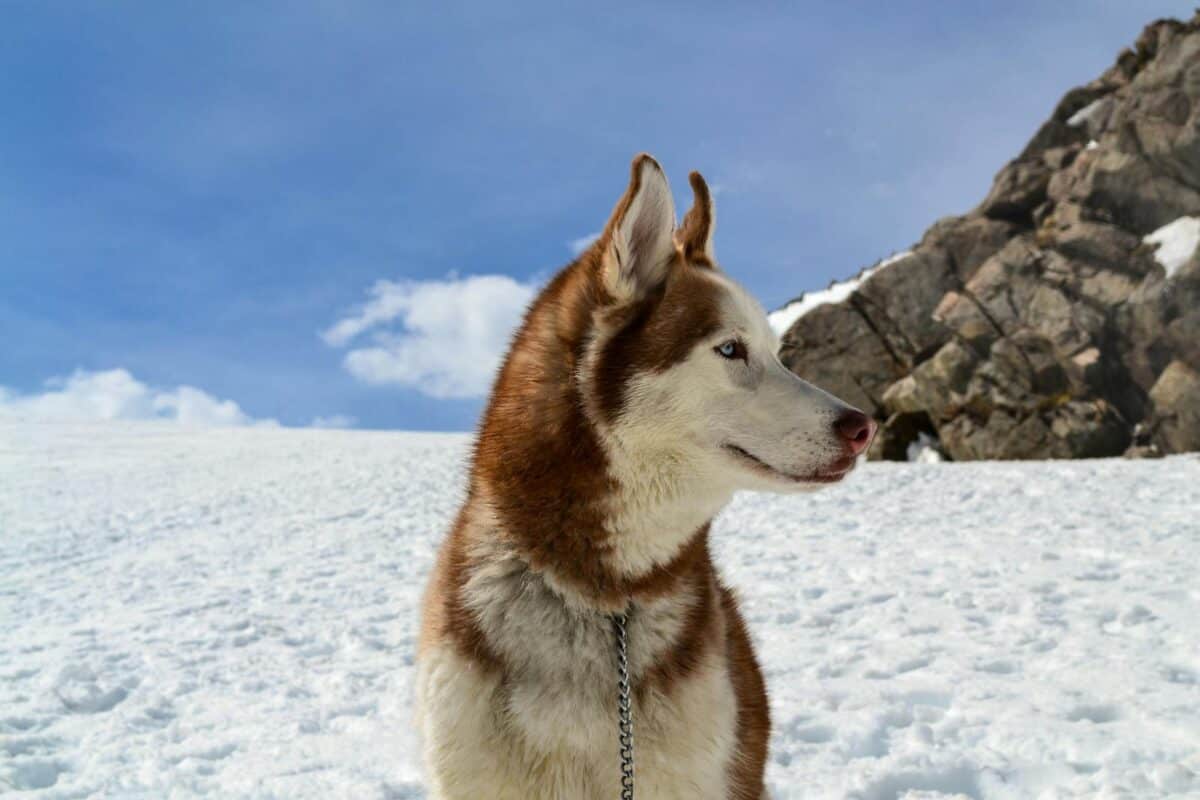
Togo was a Siberian Husky born in 1913, owned and trained by legendary Norwegian musher Leonhard Seppala. Unlike Balto, Togo had always shown exceptional qualities as a sled dog, though his early days were challenging. As a puppy, Togo was considered too small and rambunctious to be a sled dog and was given away as a pet. However, he repeatedly escaped and returned to Seppala’s kennel, showing determination and intelligence that would later prove invaluable. After Togo jumped through a glass window to escape his new home, Seppala finally relented and began training him.
By the time of the serum run, Togo was 12 years old – considered well past prime age for a sled dog – but had developed into Seppala’s most trusted lead dog. Standing 48 pounds with a wolf-gray coat and yellow-brown eyes, Togo had earned a reputation among mushers as one of the most outstanding lead dogs in Alaska. He possessed an uncanny ability to navigate through storms, find trails under deep snow, and make split-second decisions that repeatedly saved his team from disaster. Seppala himself would later say, “I never had a better dog than Togo. His stamina, loyalty and intelligence could not be improved upon. Togo was the best dog that ever traveled the Alaska trail.”
Togo’s Crucial Role in the Serum Run
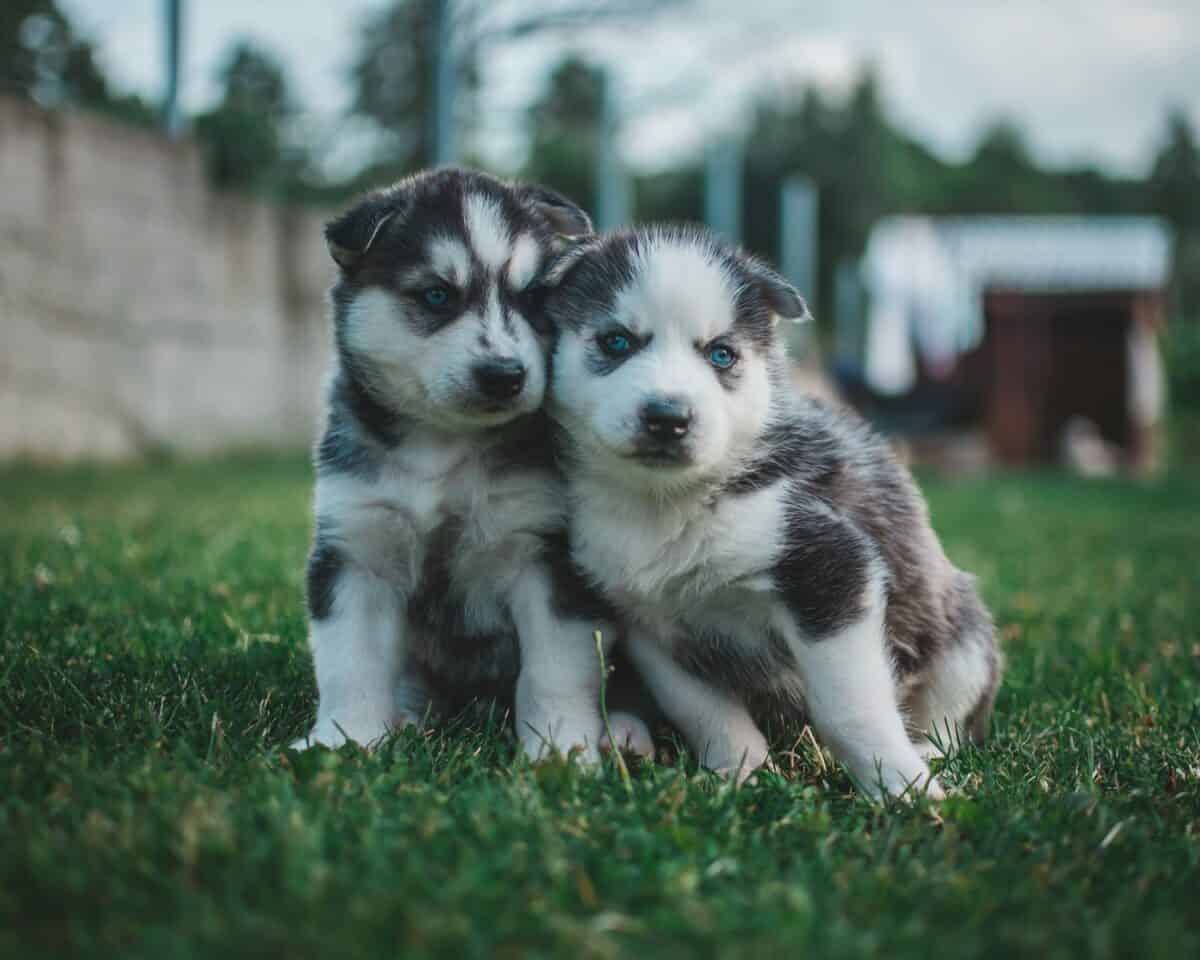
Leonhard Seppala and his team, led by Togo, were assigned the most dangerous and longest section of the serum relay. Initially expected to cover 91 miles, their journey was extended when Seppala took a risky shortcut across the frozen Norton Sound, adding more miles but potentially saving precious time. In total, Togo led his team for 264 miles, nearly twice as far as any other dog in the relay. What makes this feat even more remarkable is that Togo was 12 years old at the time – equivalent to a human in their 70s undertaking an ultramarathon in blizzard conditions.
The most perilous portion of their journey came when Seppala decided to cross Norton Sound during a gale. This shortcut would save 65 miles but required traversing unstable sea ice in temperatures of -85°F with wind chill. During the crossing, the ice began to break up, and Togo had to lead the team in a desperate dash to safety, at one point swimming through ice-filled water while pulling the sled with the precious serum. After this harrowing experience, they battled through a blizzard up the steep Little McKinley Mountain, where Togo had to dig into three-foot snowdrifts to find the trail. When Seppala finally handed the serum to the next musher at Golovin, Togo had led the team 264 miles in just three days, an almost superhuman achievement that dog sledding experts consider the true defining moment of the serum run.
The Historical Oversight
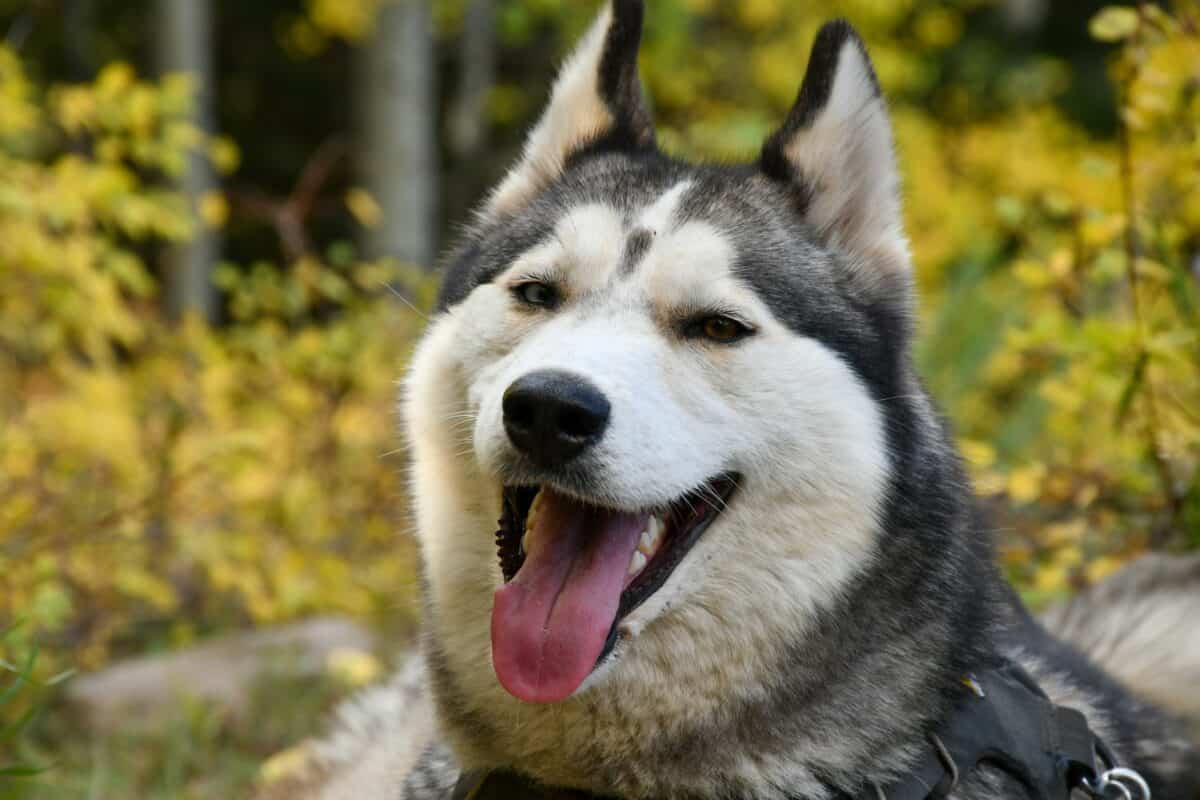
Despite Togo’s extraordinary contribution to the serum run, history initially gave most of the credit to Balto. Several factors contributed to this oversight. First, Balto had the advantage of being the dog who completed the final leg into Nome, where reporters were waiting. The dramatic arrival made for good headlines, and the story of Balto navigating through a blizzard captured public imagination. Second, Gunnar Kaasen, Balto’s musher, was more media-savvy than the reserved Seppala and capitalized on the opportunity to promote his dog’s role.
Seppala himself was reportedly heartbroken by the lack of recognition for Togo. When he brought Togo to the Lower 48 states for a tour following the serum run, he was dismayed to find that most Americans had never heard of his dog, while Balto was celebrated as a national hero. Seppala would later write, “It was almost more than I could bear when the ‘newspaper dog’ Balto received a statue for his ‘glorious achievements.'” This historical oversight persisted for decades, with Togo’s crucial role remaining largely unknown to the general public until recent historical reassessments and media portrayals began to correct the record.
The Scientific Achievement of the Serum Run
Beyond the heroism of the dogs and mushers, the serum run represented a remarkable scientific achievement for its time. The antitoxin serum was a relatively new medical development, having only been widely available since the 1890s. The challenge of transporting this temperature-sensitive medicine across such extreme conditions required innovative thinking. The serum was carefully wrapped in an insulated container surrounded by fur, then placed in a wooden box padded with straw. This primitive but effective cold-chain logistics system had to maintain the serum at a critical temperature range – cold enough to preserve it but not so cold that it would freeze and become ineffective.
The success of the mission saved Nome from what could have been a devastating epidemic. When the serum arrived, there were already 20 confirmed cases of diphtheria and many more suspected. Without treatment, the mortality rate could have exceeded 50%, particularly among children. Dr. Welch immediately began administering the lifesaving serum, and while five children ultimately died during the outbreak, the quick action prevented what could have been hundreds of deaths. The serum run demonstrated that even in the most remote locations and under the most extreme conditions, modern medicine could be delivered through human ingenuity and animal endurance.
The Legacy of Togo After the Run

After the serum run, Leonhard Seppala continued to campaign for recognition of Togo’s achievement. In 1926, Seppala took Togo on a tour of the Lower 48 states, where the dog performed in shows demonstrating his sledding abilities. Unlike Balto, who was sold to a sideshow, Togo remained with Seppala, who considered him family rather than just a working animal. In 1927, Seppala received an offer from a wealthy sled dog enthusiast in Poland, Maine, who wanted to establish Togo’s bloodline in New England. Though it pained him greatly, Seppala agreed to leave his beloved dog there, believing it would secure Togo’s legacy.
Togo lived out his final years in Maine, where he sired several litters that would become foundation stock for the New England sled dog community. When Togo died in 1929 at age 16, Seppala had his beloved companion custom mounted. The preserved Togo was eventually displayed at the Shelburne Museum in Vermont before being transferred to the Iditarod Trail Sled Dog Race Headquarters in Wasilla, Alaska. In 2001, Togo received a belated honor when he was named the most heroic animal in American history by Time magazine, finally acknowledging what sled dog experts had known all along – that Togo was the true hero of the Great Race of Mercy.
The Balto-Togo Controversy Among Historians
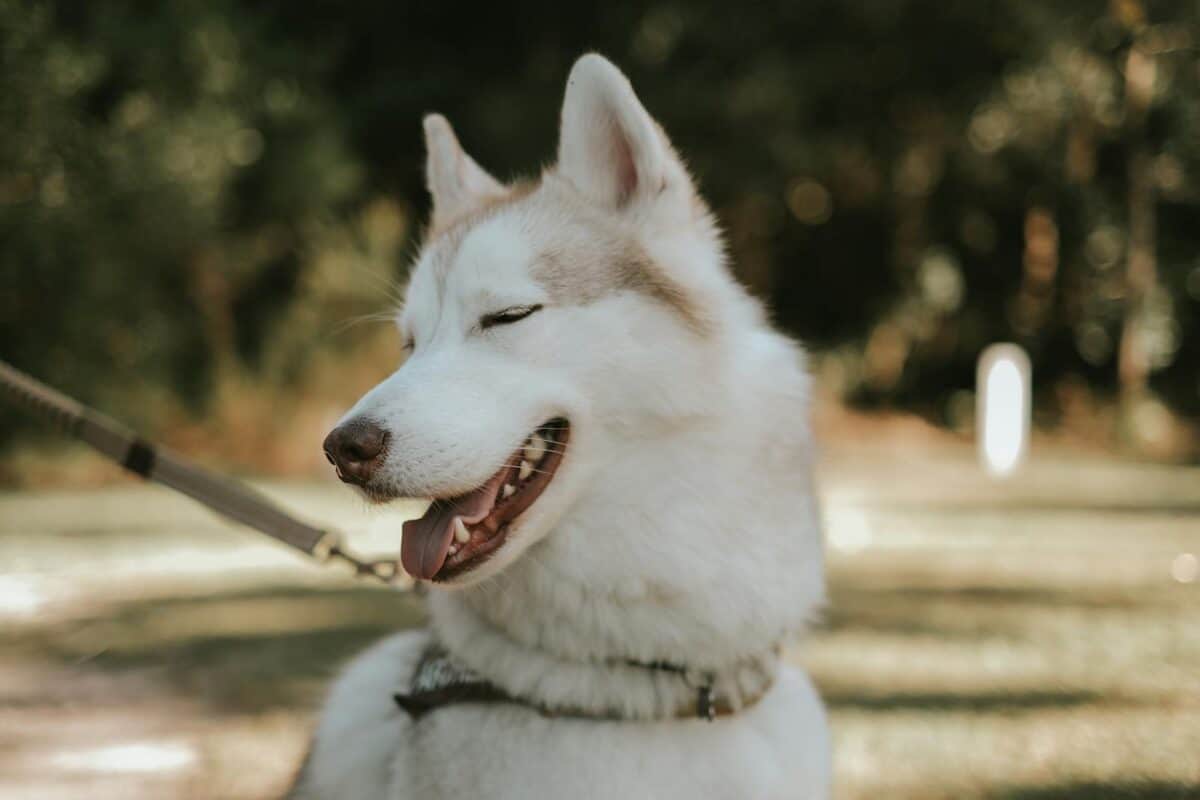
The question of whether Balto or Togo deserves more credit has been debated by historians and sled dog enthusiasts for decades. Those who argue for Balto point out that he successfully completed the final leg of the journey in extremely challenging conditions and that every dog in the relay played an essential role. Without Balto’s navigation skills during the final blizzard, the serum might never have reached Nome in time. Furthermore, Balto’s fame helped raise awareness about the remarkable capabilities of sled dogs and the unique culture of Arctic transportation.
However, most historians and dog sledding experts now acknowledge that Togo’s contribution was objectively more impressive from both an athletic and leadership perspective. Togo covered nearly five times the distance that Balto did, in equally harsh conditions, and at an age when most sled dogs would have been retired. Neal Bascomb, author of “The Great Race: The Amazing Round-the-World Adventure of the Nellie Bly and Elizabeth Bisland,” summarized the consensus view: “Togo was the true hero of the run. It was almost criminal that he didn’t get the proper recognition.” Even the Iditarod Trail Committee, which organizes the famous dog sled race that commemorates the serum run, recognizes Togo as the primary hero of the 1925 mission.
Modern Commemorations and Media Portrayals

In recent years, there has been a concerted effort to correct the historical record and give Togo the recognition he deserves. In 2001, Togo’s mounted remains were moved from the Shelburne Museum to the Iditarod Trail Sled Dog Race Headquarters in Alaska, returning him symbolically to the territory of his greatest achievement. In 2019, Disney released the film “Togo,” starring Willem Dafoe as Leonhard Seppala, which brought Togo’s story to a wider audience and helped correct decades of historical oversight.
Balto continues to be honored as well. His statue in Central Park remains a popular attraction, and his mounted body is displayed at the Cleveland Museum of Natural History. The annual Iditarod Trail Sled Dog Race, established in 1973, commemorates the serum run and follows much of the same trail. This 1,000-mile race from Anchorage to Nome has become the most prestigious dog sledding event in the world, serving as a living memorial to all the dogs and mushers who participated in the 1925 mercy mission. In 2011, both Togo and Balto were inducted into the World Sled Dog Association’s Hall of Fame, acknowledging that both dogs played vital roles in one of history’s most remarkable rescue missions.
The Truth Behind the Legend
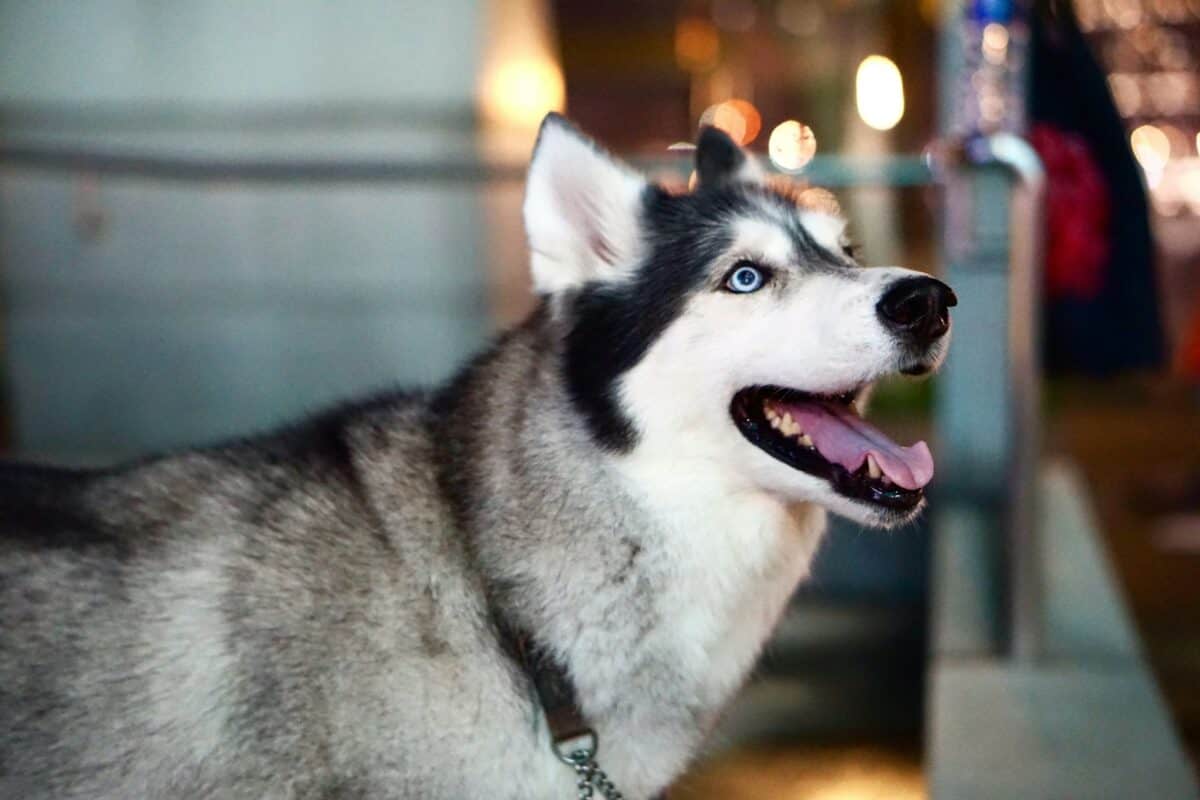
The story of the 1925 serum run reminds us that history is often more complex than the simplified narratives that initially take hold in public consciousness. While Balto became the face of the serum run through a combination of timing, circumstance, and publicity, Togo performed the more arduous task and displayed extraordinary capabilities that even experienced mushers considered remarkable. In truth, the serum run was a team effort involving 20 mushers and more than 150 dogs, each playing an essential role in the relay that saved Nome.
Both Balto and Togo displayed the remarkable qualities that make sled dogs such extraordinary animals – endurance, intelligence, and an unwavering bond with their human partners. While historical records now clearly indicate that Togo’s contribution was the most physically demanding and critical leg of the journey, the broader story is not diminished by shifting the spotlight. Instead, it deepens our appreciation for the collective effort, resilience, and heroism demonstrated by both dogs and humans alike. The 1925 serum run stands as a testament to teamwork in the face of extreme adversity, where survival depended not on a single hero, but on the coordinated bravery and determination of many.
In the end, the legend of Balto and the rediscovered story of Togo both serve as enduring symbols of courage and sacrifice. Their legacy continues to inspire, reminding us that true heroism often lies in perseverance, quiet leadership, and the willingness to endure hardship for the sake of others. By honoring the full story behind the legend, we celebrate not only the individual heroes but also the spirit of collaboration and compassion that made this life-saving mission possible.
Conclusion: Two Heroes, One Lifesaving Mission
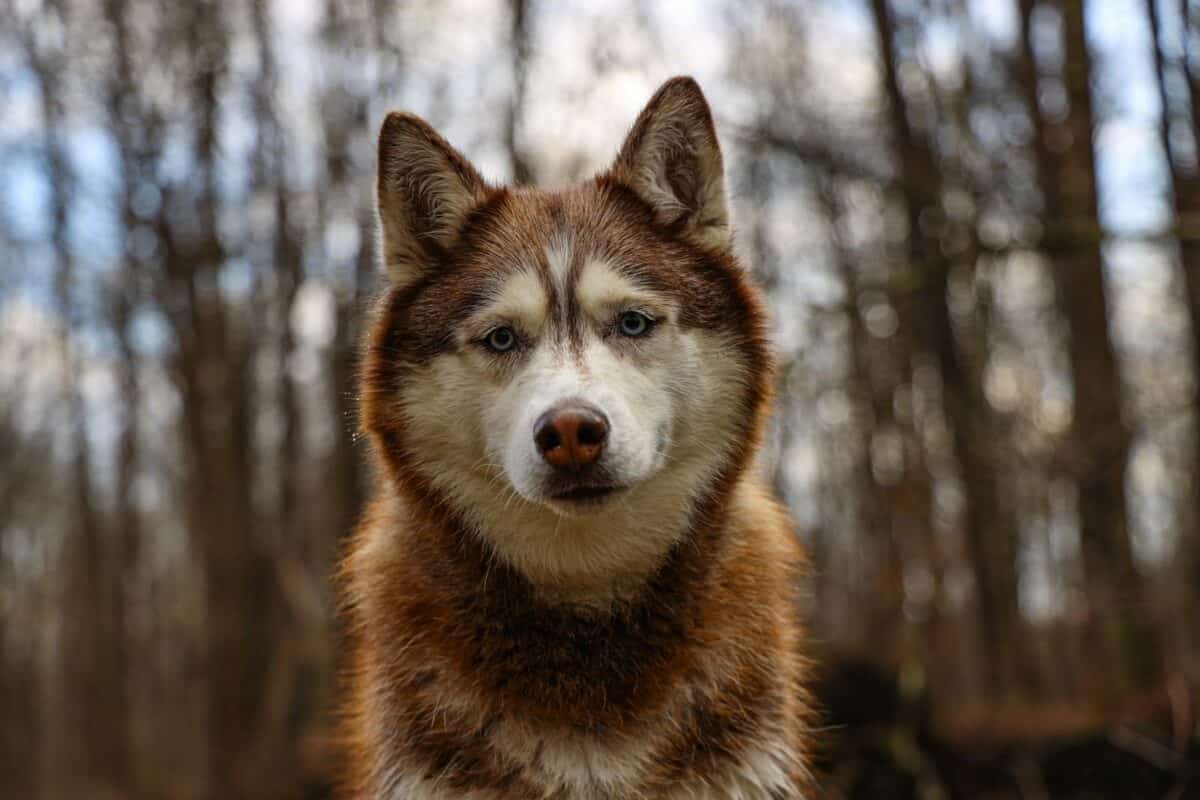
The story of the 1925 serum run to Nome is not a tale of one hero, but of many—dogs and humans alike—whose combined efforts triumphed over brutal conditions to save a town from disaster. While Balto earned widespread fame for leading the final leg of the relay, it was Togo who shouldered the most grueling and dangerous portion of the journey, covering hundreds of miles in near-impossible conditions. His stamina, leadership, and bond with musher Leonhard Seppala are legendary among those who know the full story.
Ultimately, the serum run was a testament to teamwork, courage, and resilience in the face of overwhelming odds. Balto brought national attention to the mission’s success, inspiring generations with his statue in Central Park. But Togo’s extraordinary endurance and leadership during the hardest miles of the journey cemented his legacy as one of the greatest sled dogs of all time. Together, their stories remind us that history’s greatest feats are rarely the work of a single hero, but rather the product of many working together toward a common goal.

From exploring the marine wonders in the Azores and witnessing the vast savannas of Kenya, to delving deep into the rich biodiversity of South Africa and traversing iconic landscapes in Australia and the US like Yellowstone, Chris's experiences are vast.
With a penchant for diving alongside sharks, the ocean holds a special place in his heart.
Through his academic insights, he champions wildlife conservation, striving with 'Animals Around The Globe' to cultivate a profound connection between humans and animals, enhancing our mutual appreciation.
Connect with him at Feedback@animalsaroundtheglobe.com.
- Why Spiders Don’t Get Stuck in Their Own Webs - July 20, 2026
- What Scientists Found in a 10,000-Year-Old Beehive - July 20, 2026
- This Spider Builds Fake Decoys of Itself - July 20, 2026