


North Dakota’s diverse landscapes are home to a rich variety of wildlife, from the iconic bison to the elusive lynx. Each species plays a vital role in the ecosystem, shaping the region’s natural beauty. This article highlights ten fascinating animals that define North Dakota’s wilderness.
Bison The Majestic Symbol of the Plains

North Dakota is home to one of America’s most iconic animals, the bison. These majestic creatures once roamed the plains in herds numbering in the millions. Today, conservation efforts have stabilized their populations in protected areas such as Theodore Roosevelt National Park. Weighing up to 2,000 pounds and reaching speeds of 35 miles per hour, bison are impressive not just for their size but also their resilience. They are a symbol of the Great Plains and a critical component of its ecosystem, shaping the landscape through their grazing patterns.
White-tailed Deer A Common Yet Fascinating Resident

The white-tailed deer is one of the most common mammals in North Dakota, easily recognizable by the characteristic white underside of their tail, which they raise when alarmed. These adaptable creatures thrive in diverse habitats, from woodlands to grasslands. They are an essential prey species for predators and play a significant role in maintaining the ecological balance by controlling vegetation growth.
Great Horned Owl The Powerful Night Hunter

Known for their distinctive tufts—or “horns”—and deep hooting call, the great horned owl is a top predator in North Dakota’s food chain. With their acute sense of hearing and silent flight, these birds of prey are expert hunters capable of taking down a variety of prey, including rodents, rabbits, and even other birds. Their adaptability allows them to inhabit various environments, from forests to grasslands.
Prairie Dogs The Keystone Engineers

Prairie dogs are small, burrowing rodents that play a crucial role in North Dakota’s grassland ecosystems. Often considered a keystone species, their burrows provide habitats for numerous other animals, and their grazing activities promote plant diversity. Prairie dogs also serve as an important food source for predators like hawks, eagles, and coyotes.
American Badger The Solitary Excavator

The American badger is a fascinating mammal known for its incredible digging abilities. This solitary omnivore feeds primarily on small mammals, which it often digs out of their burrows. Badgers’ digging activities contribute to soil aeration and landscape modification. Despite their fierce appearance, badgers mainly avoid human interaction and prefer the sanctity of the prairies and farmlands.
Pronghorn The Speedy Grazers
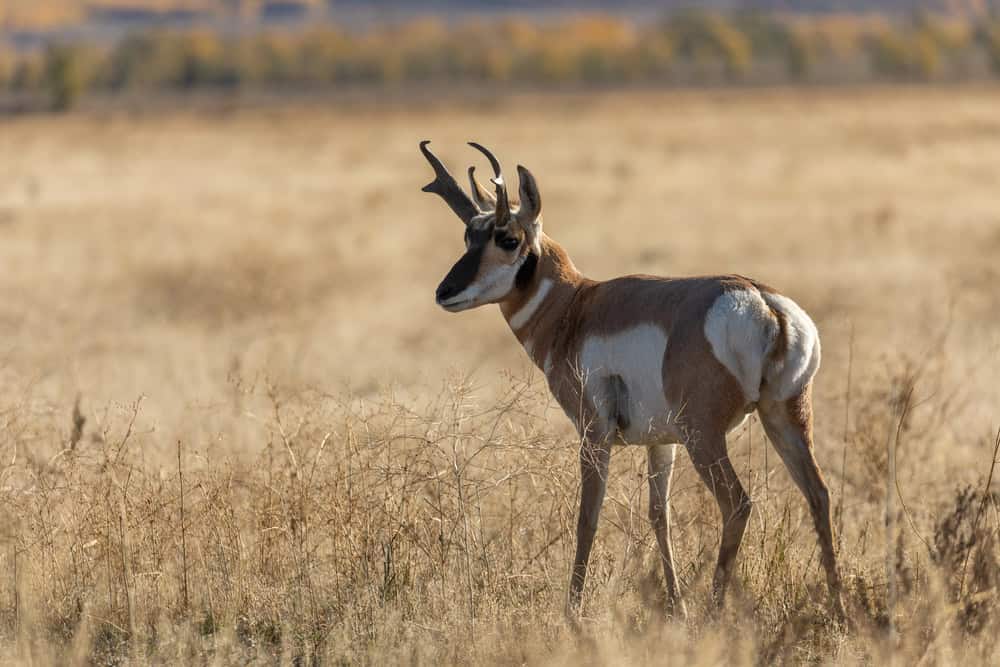
Often mistaken for antelope, pronghorns are unique to North America and are the continent’s fastest land animals, reaching speeds of up to 60 miles per hour. These agile grazers can be found in the open grasslands and sagebrush areas of North Dakota. Their unique adaptations, such as large eyes for spotting predators and cushioned hooves for running on hard ground, make them fascinating creatures of the plains.
Coyote The Adaptable Predator

The coyote is a versatile carnivore that thrives in various environments, including the rural and suburban areas of North Dakota. It plays a crucial role in controlling the populations of rodents and other small animals, thus maintaining ecological balance. Despite being misunderstood, coyotes are vital components of the ecosystem, demonstrating remarkable adaptability and intelligence.
Sharp-tailed Grouse The Dance of the Prairies
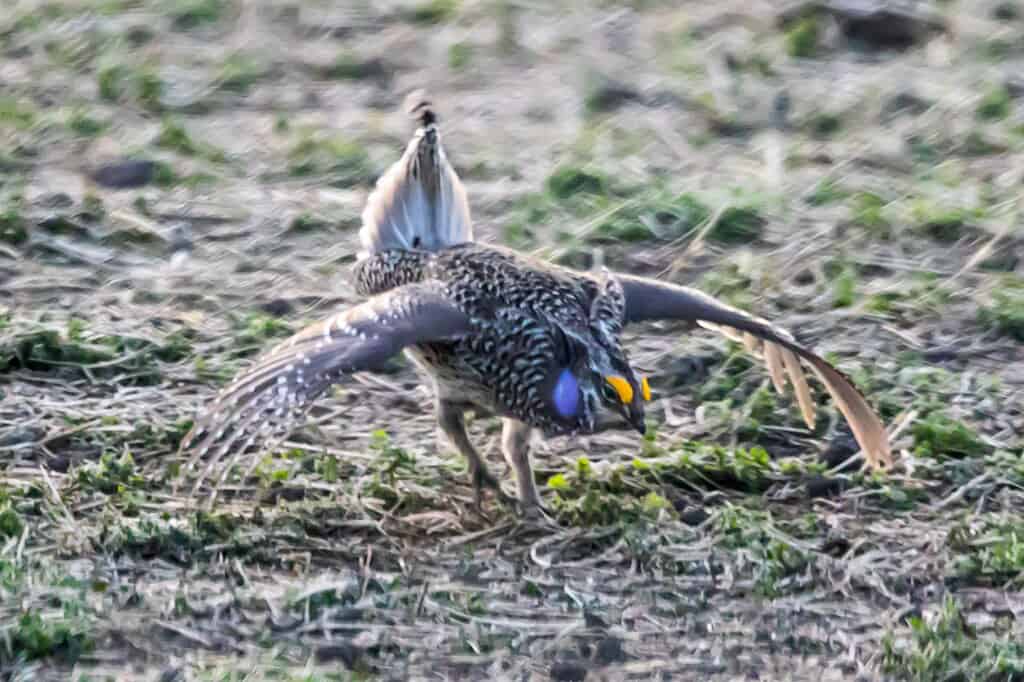
Notable for their elaborate mating dances, sharp-tailed grouse are vibrant birds native to the prairies of North Dakota. During the spring, males perform intricate displays known as “lekking” to attract females, providing a dazzling spectacle of nature. These birds are indicative of healthy prairie ecosystems and have cultural and ecological significance.
Eastern Box Turtle The Shelled Traveler
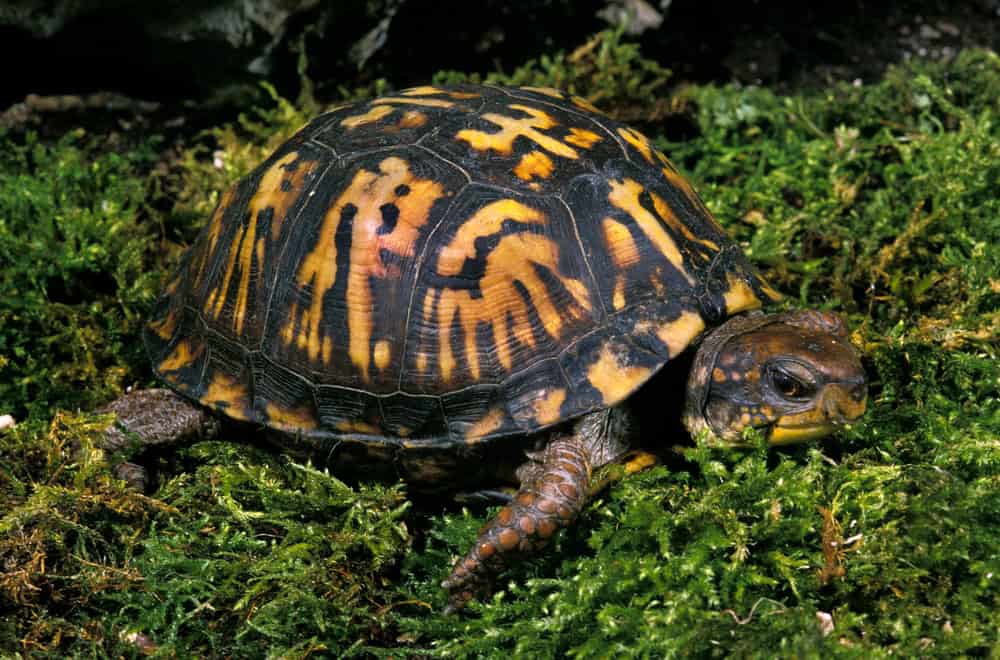
The eastern box turtle is one of the few reptile species that inhabit North Dakota. Known for their domed shells and vibrant patterns, these turtles live mainly terrestrial lives. They are sensitive to changes in habitat quality and are important indicators of environmental health. Protecting their habitats ensures the conservation of this charming, albeit slow-moving, wildlife species.
Lynx The Elusive Feline of the North
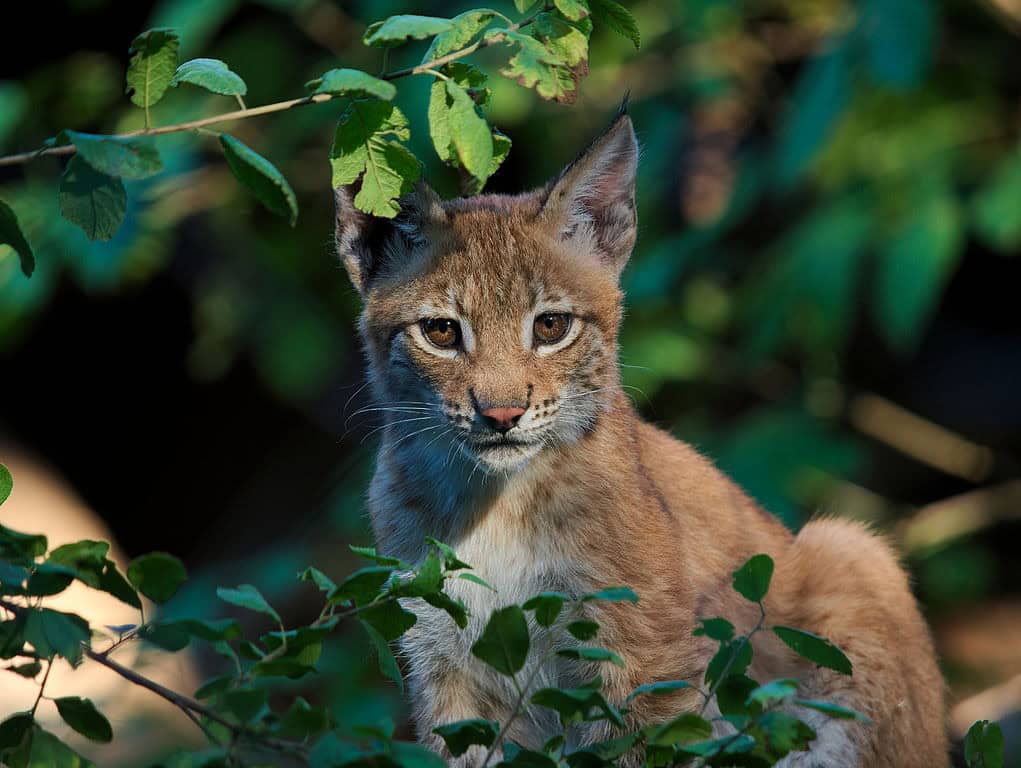
The lynx, with its characteristic tufted ears and large paws, is a rare but enchanting presence in the northern reaches of North Dakota. These solitary and elusive felines are perfectly adapted to cold environments, thriving in dense forests where they hunt snowshoe hares and other small mammals. The lynx’s presence in North Dakota underscores the vitality of the region’s boreal ecosystems.
Conclusion

In conclusion, North Dakota’s wildlife is as diverse as its landscapes. From the vast plains housing herds of bison to dense forests hiding elusive lynx, the state’s fauna is a testament to the richness of natural heritage and the importance of conservation efforts in preserving these magnificent creatures for future generations.

As a little kid, I fell in love with nature, wildlife, and animals. Living in the USA, South Africa, Italy, China and Germany gave me the opportunity to discover the world's Wildlife. My favorite animals are Mountain Gorillas, Siberian Tigers, and Great White Sharks.
I'm a certified PADI Open Water Diver, went to Everest Base Camp and Trekked Gorillas in Uganda. I hold a Master of Science in Economics and Finance.
Please send any feedback to feedback@animalsaroundtheglobe.com
- 10 Emotional Things Dogs Remember About Their Humans Forever - July 18, 2026
- 10 Countries Leading the Way in Animal Protection And How - July 18, 2026
- 14 Most Intelligent Marine Animals - July 18, 2026