

You might think intelligence in the animal kingdom is limited to dolphins or primates, but look around your own home. The creatures we share our lives with possess cognitive abilities that would honestly surprise most people. From problem solving to emotional recognition, domestic animals display mental prowess that challenges what we thought possible.
Let’s be real, we often underestimate the brains behind those furry faces. The following rankings showcase animals that don’t just survive alongside humans but thrive, adapt, and occasionally outsmart us entirely. Each possesses unique intelligence suited to its evolutionary path and relationship with people. Ready to discover which of your favorite companions made the list?
1. Border Collie

Border collies are the most cognitively advanced breed of domestic dogs, capable of complex understanding, logical inference, and impressive memory recall, rivaling that of human children. These herding dynamos consistently top intelligence rankings across multiple studies. Their ability to understand hundreds of words sets them apart from nearly every other domestic animal.
What makes them truly exceptional is their working memory and problem solving capacity. Border Collies consistently come out on top in terms of intelligence, proving more capable than even Labrador Retrievers at social cognition, inhibition control and spatial problem-solving. They don’t just follow commands; they anticipate needs and read human body language with uncanny accuracy.
Take Chaser, a Border Collie who learned over a thousand unique words. Chaser the border collie learned more than 1,000 words. Think about that for a moment. That’s not instinct or simple conditioning. That’s genuine linguistic comprehension on par with a toddler.
Their herding instincts aren’t just physical reactions but strategic thinking in action. These dogs calculate trajectories, predict movements, and adjust their behavior based on the responses of livestock or even people. The mental gymnastics required for such tasks reveal a sophistication most people never consider.
The combination of trainability, emotional intelligence, and raw cognitive power makes Border Collies the undisputed champions of canine intellect. They need constant mental stimulation, which speaks volumes about their capacity for boredom and desire for intellectual challenges.
2. African Grey Parrot
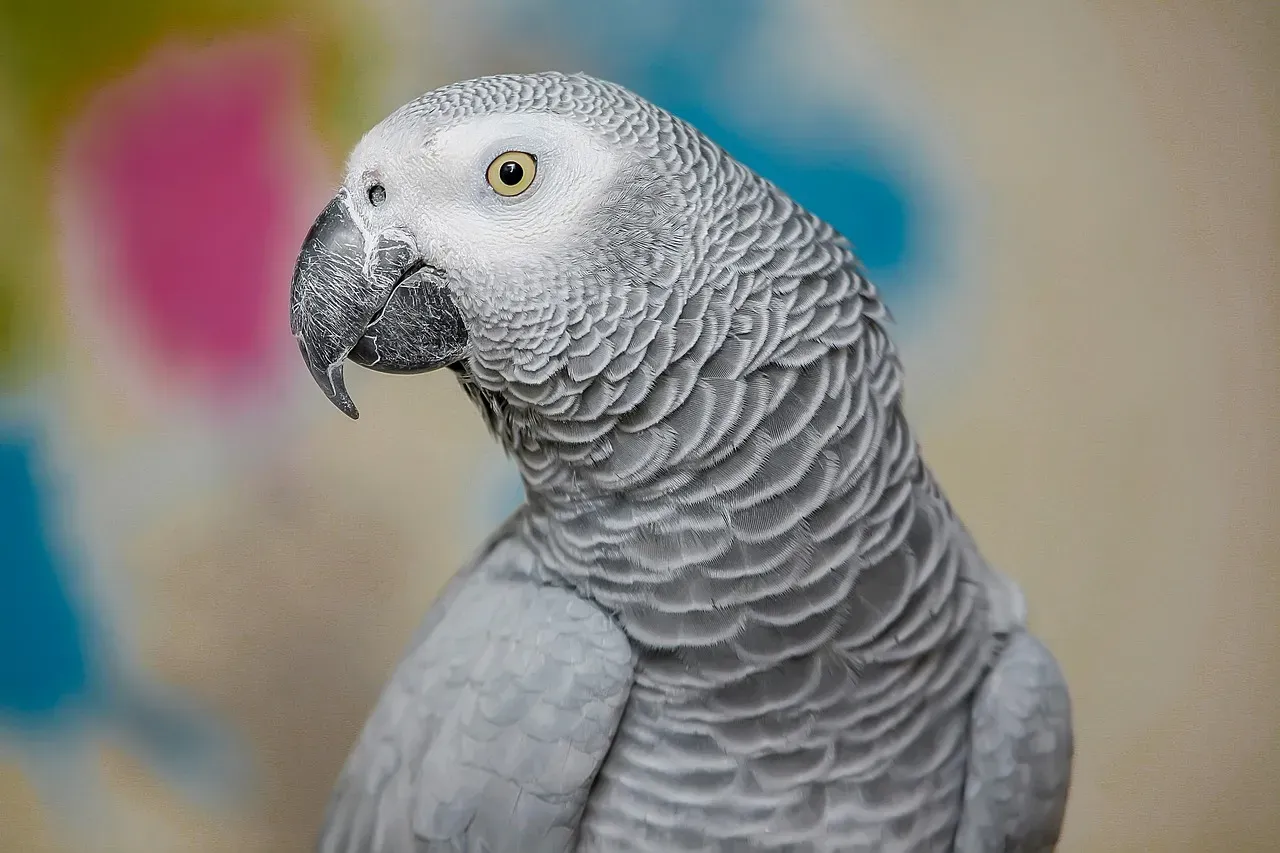
African Gray Parrots are thought to be one of the most intelligent species on the planet, rivaling even apes, and in some areas, they surpass the abilities of five-year-old children. These remarkable birds shatter the stereotype of animals being mere mimics. Their cognitive abilities extend far beyond repetition into genuine comprehension and reasoning.
Griffin, the African great parrot, outperformed children across all levels and amazingly, he also outperformed or was at least equal to 21 Harvard undergraduates in most of the trials. That experiment focused on visual working memory, and the results were genuinely astounding. A bird besting Ivy League students isn’t just impressive; it’s paradigm shifting.
African Gray Parrots can use deductive reasoning to solve problems, specifically determining which of two cups contains a food reward, and more advanced versions of the same test revealed the parrots’ ability for logical thinking. They understand concepts like “same” and “different,” can count, and demonstrate awareness of probability versus certainty.
Their communication goes beyond words. These parrots understand context, use language creatively, and even demonstrate emotional intelligence by recognizing human moods. The mental depth required for such abilities places them firmly among the planet’s most intelligent creatures, domestic or otherwise.
3. Domestic Pig
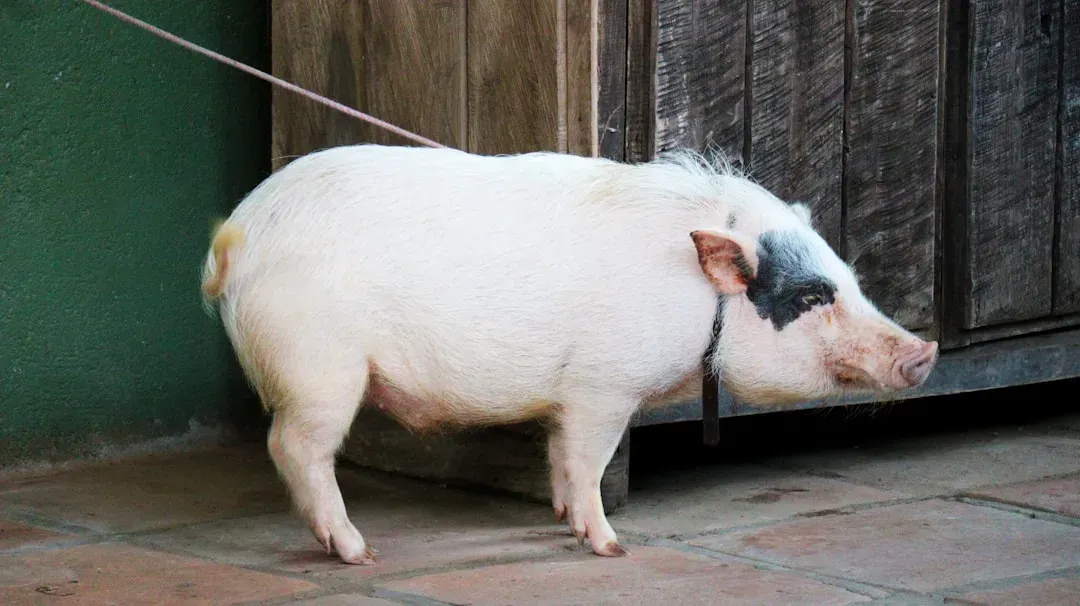
Despite a reputation for gluttony and poor hygiene, pigs are actually highly intelligent animals. This misconception does them a massive disservice. Scientific studies reveal cognitive abilities that rival and sometimes exceed those of dogs and primates.
Pigs are so smart that they can play simple video games, as proven by four pigs at Purdue University’s Center for Animal Welfare Research where the game consisted of using a joystick to manipulate a dot that hit a wall, and all four pigs displayed skill far greater than would be expected by random chance. Operating a joystick requires understanding cause and effect, hand-eye coordination, and goal-directed behavior.
Young piglets can learn to use mirrors to find the path to a hidden food bowl, and when researchers placed the food bowl behind a solid barrier, which was only visible in the mirror, seven out of the eight pigs found their food. Mirror use indicates self-awareness and spatial reasoning at levels few animals achieve.
A study has shown that pigs will persist longer than dogs when presented with a difficult task. Their determination combined with problem solving makes them formidable learners. They quickly grasp new concepts, respond to their names, and understand complex social hierarchies.
The emotional intelligence of pigs often goes unrecognized. They form deep bonds, experience a range of emotions, and communicate through sophisticated vocalizations and body language. These aren’t simple farm animals; they’re thinking, feeling beings with remarkable mental capacity.
4. Domestic Cat
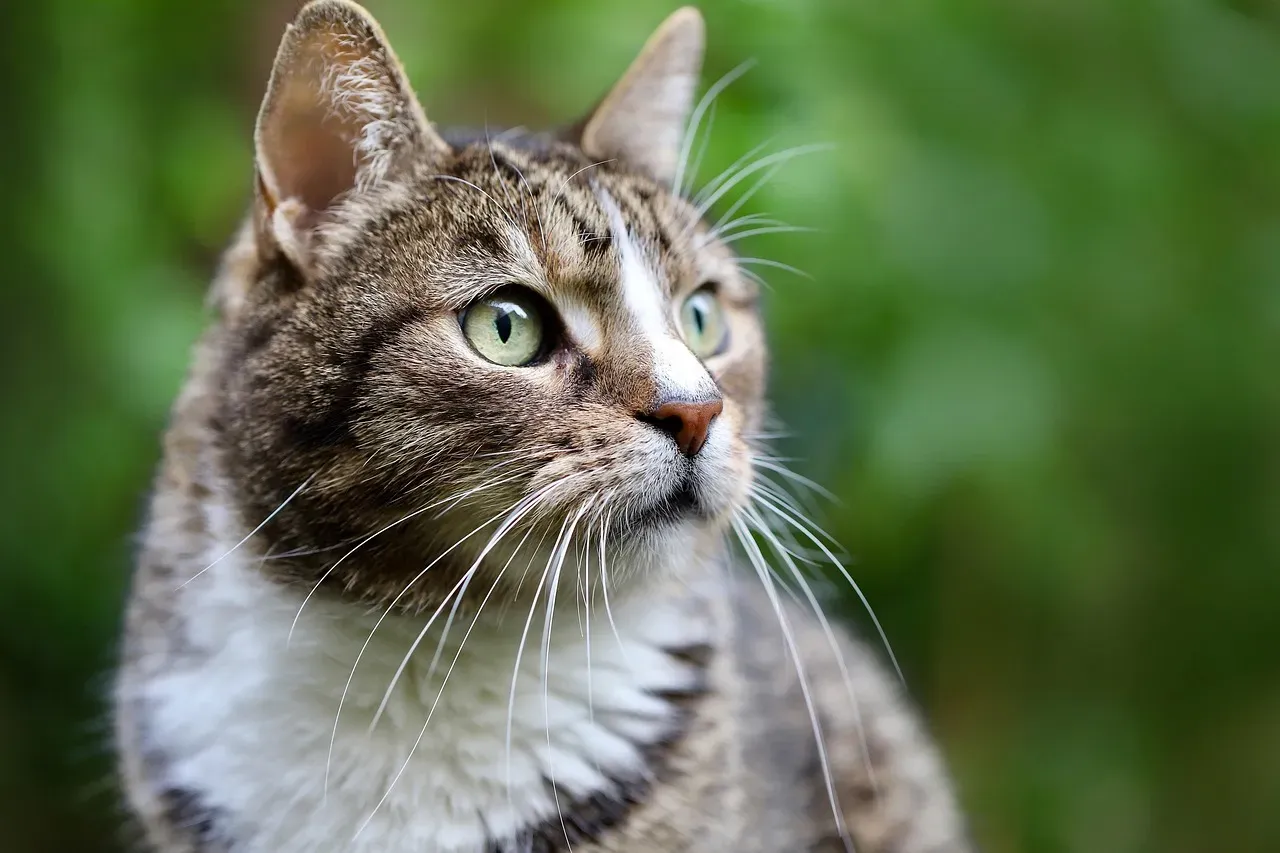
There’s no doubt that domestic cats (Felis catus) are intelligent. Though research into feline cognition lags behind canine studies, what we know reveals impressive mental abilities. Cats excel at spatial awareness, memory retention, and reading human emotional cues.
The research done on cats establishes that they have the ability to differentiate between different people and tell the difference between different quantities of objects. They recognize individual humans by sight, sound, and scent, adjusting their behavior accordingly. That selective response isn’t aloofness; it’s sophisticated social cognition.
Cats solve problems independently, which often gets mistaken for stubbornness. Miklosi set up an experiment where cats and dogs were presented with a bowl of food that was impossible to reach, and after a few minutes of pawing the bowl, the dogs gave up and looked to their owners for help, while cats continued to paw at the bowls, ignoring their owners. This doesn’t indicate lower intelligence but rather a different problem solving approach rooted in their solitary hunting ancestry.
Their learning capacity is substantial. Cats can be trained to perform tricks, use toilets, and respond to commands, though their motivation differs from dogs. They learn through observation, trial and error, and retain information about their environment with remarkable precision.
The independence that defines cats reflects cognitive confidence. They navigate complex environments, remember routines, and communicate their needs through varied vocalizations reserved specifically for human interaction. That adaptation alone demonstrates impressive social intelligence.
5. Horse
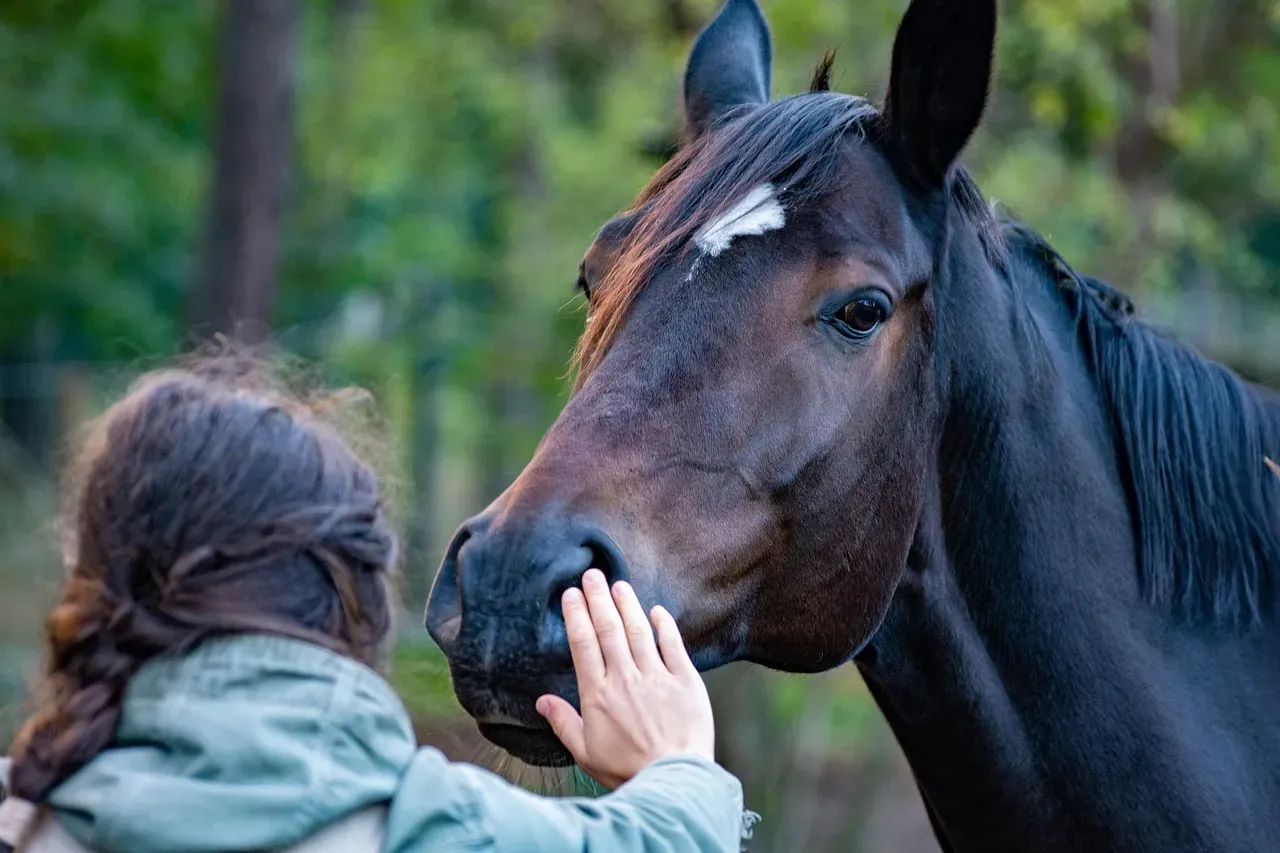
Horses may not always get the credit they deserve, but these intelligent animals can tap into human emotions, and one study found that domestic horses can recognize human emotions across different sensory modalities. Their emotional intelligence is coupled with impressive cognitive abilities that continue surprising researchers.
Horses communicate with people differently based on the information they believe the person has, and this tendency suggests that horses are not only capable of advanced cognition but also flexible cognition. Understanding what another individual knows requires theory of mind, a trait once thought exclusive to primates.
These massive animals possess excellent memory. They remember people, places, and experiences for years. Horses learn complex tasks, from intricate dressage movements to navigating challenging terrain, all while responding to subtle cues from their handlers.
Researchers at Nottingham Trent University developed a study to understand how horses learn and discovered they are more cognitively advanced than previously thought, though initially, horses appeared to struggle with a task. Later analysis revealed they’d found efficient shortcuts, demonstrating goal-directed intelligence rather than rote learning.
Their social intelligence within herds is equally sophisticated. Horses maintain complex hierarchies, form lasting friendships, and communicate through nuanced body language. The mental processing required for such social navigation reveals depth often overlooked in these gentle giants.
6. Rat and Mouse
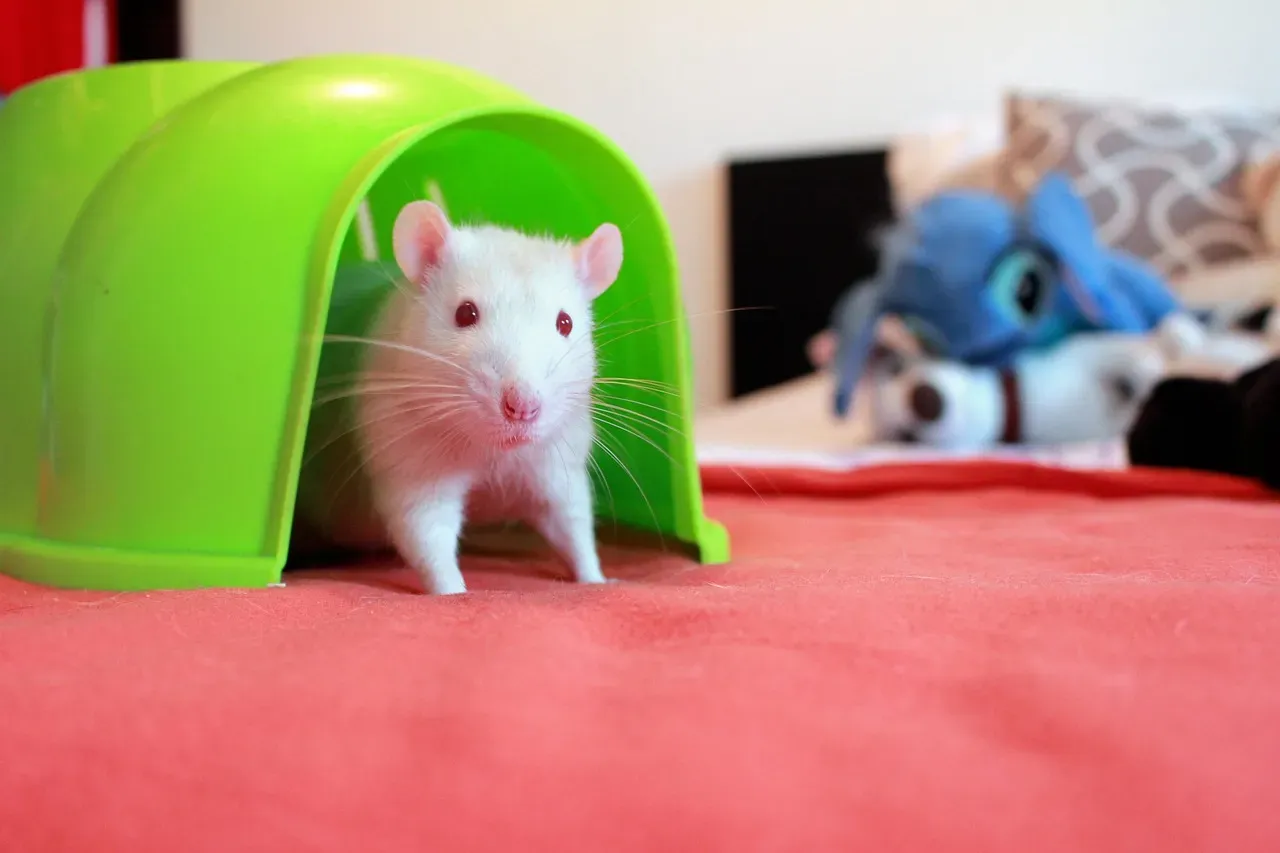
The rat is a highly intelligent yet much-maligned animal in Western cultures, but Chinese culture recognizes rats for their cunning and resourcefulness, and for good reason. These small rodents possess cognitive abilities that make them indispensable to scientific research precisely because of their intelligence.
Widely used in research, the lab rat finds shortcuts, loopholes and escape routes in the laboratory experiments that top scientific minds design, and in fact, highly trained rats have saved thousands of lives by detecting tuberculosis in humans and sniffing out landmines around the world. Their problem solving and sensory discrimination abilities exceed many larger animals.
Despite their poor eyesight, rats and mice are able to utilize their excellent memory and problem-solving skills to solve mazes and complex tests, and for this reason, they are often forced into the service of laboratory experiments. Their spatial memory and ability to learn from experience make them quick learners.
Rats display empathy, a trait indicating advanced emotional intelligence. Mice and rats have complex communication systems, can recognize expressions and have even demonstrated empathy. They form social bonds, play, and exhibit behaviors suggesting metacognition, or awareness of their own thought processes.
Their adaptability has allowed them to colonize nearly every continent. That success isn’t luck but intelligence applied to survival. Rats learn from mistakes, teach offspring, and solve novel problems with impressive speed.
7. Ferret
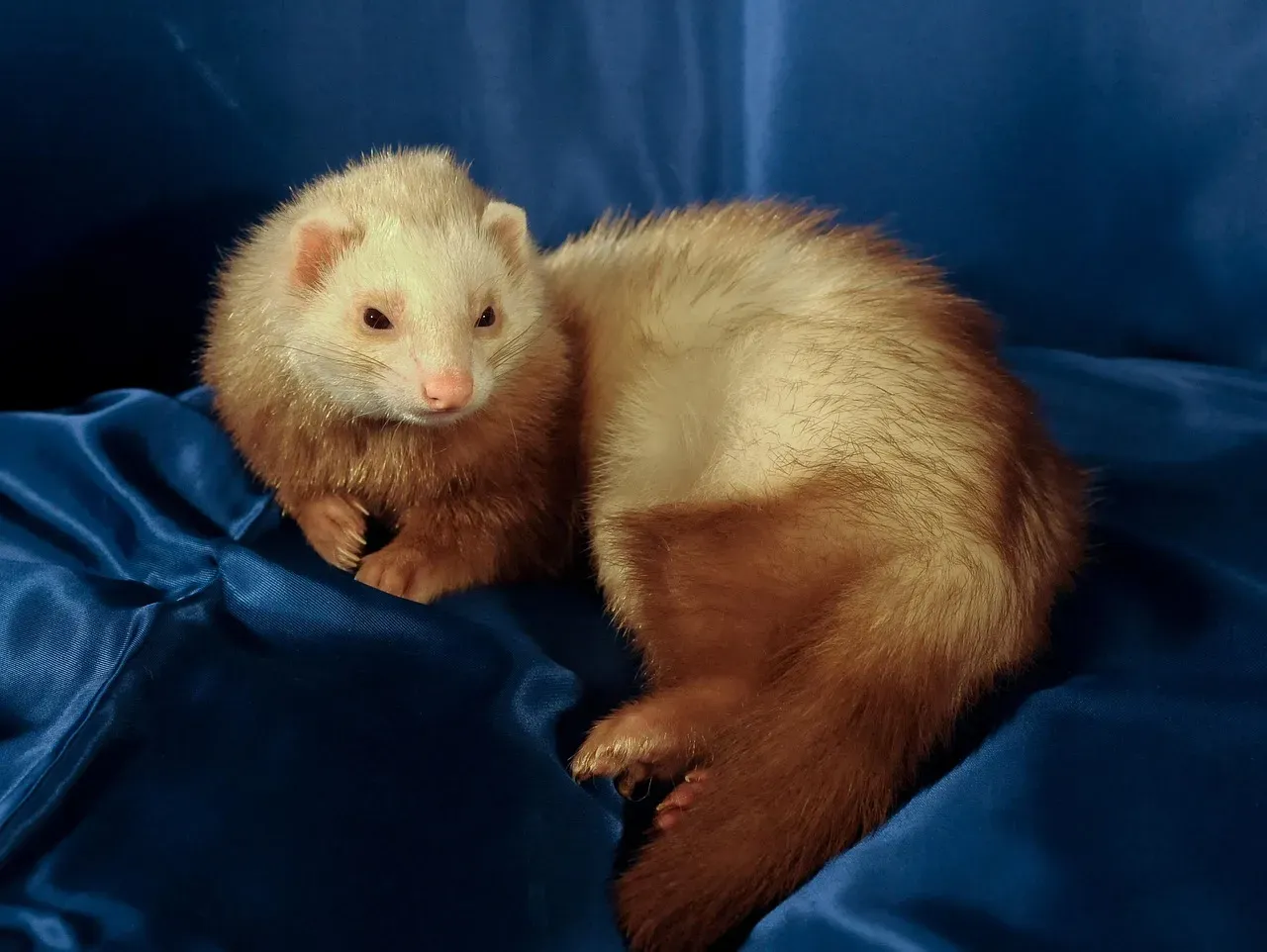
Ferrets are smart animals with a similar intelligence level to other popular pets such as cats, as they can solve complex problems, retain information in their working memories, and communicate with both humans and other ferrets. These playful carnivores possess cognitive abilities that frequently surprise their owners.
Ferrets are naturally curious and persistent, traits that drive them to explore and overcome obstacles, as they can learn to open latches, navigate complex tunnels, and manipulate objects to achieve desired outcomes. Their problem solving skills stem from hunting ancestry that required creativity and determination.
Ferrets can creatively solve puzzles and mazes, usually if their food is offered as a reward, and furthermore, ferrets can recall certain places or activities linked to a positive or negative outcome and repeat the behaviors when necessary, which is why ferrets can expertly get into things or escape even if you try to restrict them. Their memory for spatial layouts and consequences demonstrates sophisticated learning.
Trainability sets ferrets apart from many small mammals. Ferrets are eager to learn new things, which is why training a ferret isn’t challenging, as they can be trained to use a litterbox similar to how a cat or rabbit would, and ferrets can quickly learn a new command and repeat it even months after they have learned it.
Recent experiments on ferrets have indicated that their 2,000 years of domestication have given them greater socio-cognitive skills than their wild ancestors. Their emotional intelligence allows them to bond with humans and recognize individual people, demonstrating social awareness.
8. Rabbit
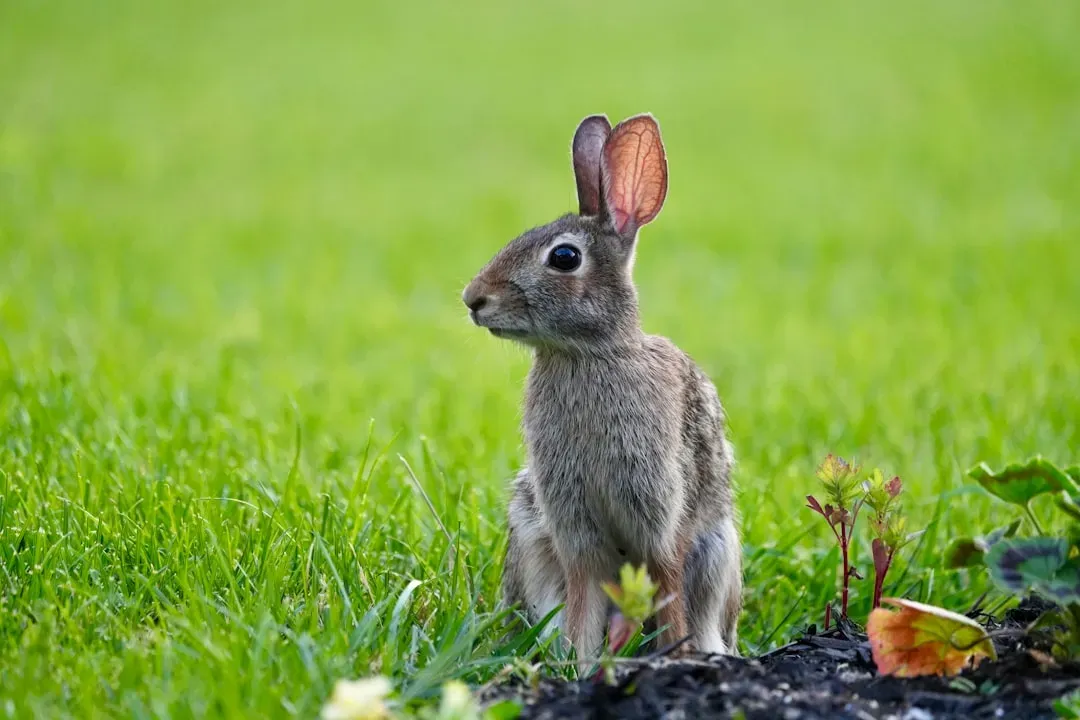
Rabbits are often underestimated when it comes to intelligence, but despite common misconceptions that they are simple creatures with limited cognitive abilities, these animals possess remarkable problem-solving skills, strong memories, and deep emotional intelligence. These prey animals evolved cognitive abilities specifically suited to survival.
Rabbits are natural problem solvers and can navigate mazes, open enclosures, and figure out ways to access hidden treats, with many rabbit owners reporting their pets unlocking hutch latches, finding their way around obstacles, and even learning to push objects to reach their favorite snacks. Their persistence in problem solving rivals many supposedly smarter animals.
Rabbits can recognize their owners by scent, sound, and sight, and many rabbit owners notice their pets responding to their voices, approaching them for attention, and even following them around. This recognition demonstrates memory and social intelligence.
One of the most striking examples of a rabbit’s problem-solving ability is their ability to navigate mazes, and in experiments, rabbits have been shown to be able to learn the layout of a maze and find the exit even when the starting point is changed, as rabbits also have excellent learning and memory capabilities.
Their communication skills are nuanced. Rabbits use body language, vocalizations, and even scent marking to convey intentions. They understand routines, anticipate events, and can be trained to perform tricks or use litter boxes consistently.
9. Chicken
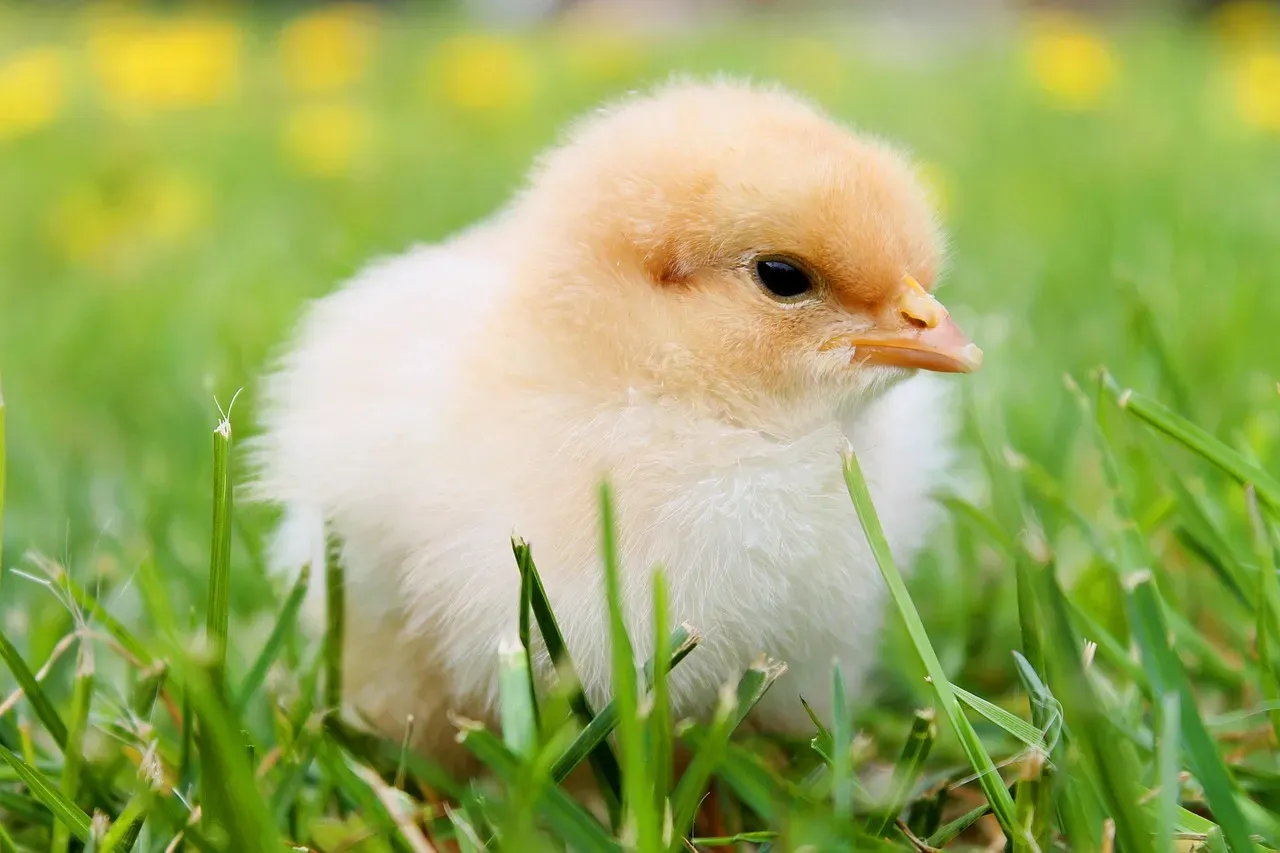
Here’s where things get interesting. Chickens possess cognitive abilities that shatter their reputation as simple farm birds. Research reveals they understand object permanence, meaning they know things exist even when hidden, a developmental milestone human infants don’t reach until several months old.
These birds demonstrate numerical abilities, distinguishing between different quantities. They understand social hierarchies, which gave rise to the term “pecking order,” and navigate complex social relationships within their flocks. Chickens recognize individual flock members and remember their social standings.
Chickens display impressive learning capacity. They solve problems, learn from observation, and even demonstrate basic reasoning. Mother hens teach chicks through example, showing intentional knowledge transfer. Their vocalizations are sophisticated, with over thirty distinct calls for different situations.
Emotionally, chickens experience fear, anxiety, and contentment. They form preferences, remember positive and negative experiences, and adjust behavior based on past outcomes. Recent studies show chickens can even demonstrate self-control when a delayed reward promises greater benefit.
The cognitive complexity of chickens challenges our assumptions about bird intelligence. They’re far from the mindless creatures popular culture portrays, possessing mental faculties that demand respect and reconsideration.
10. Goldfish
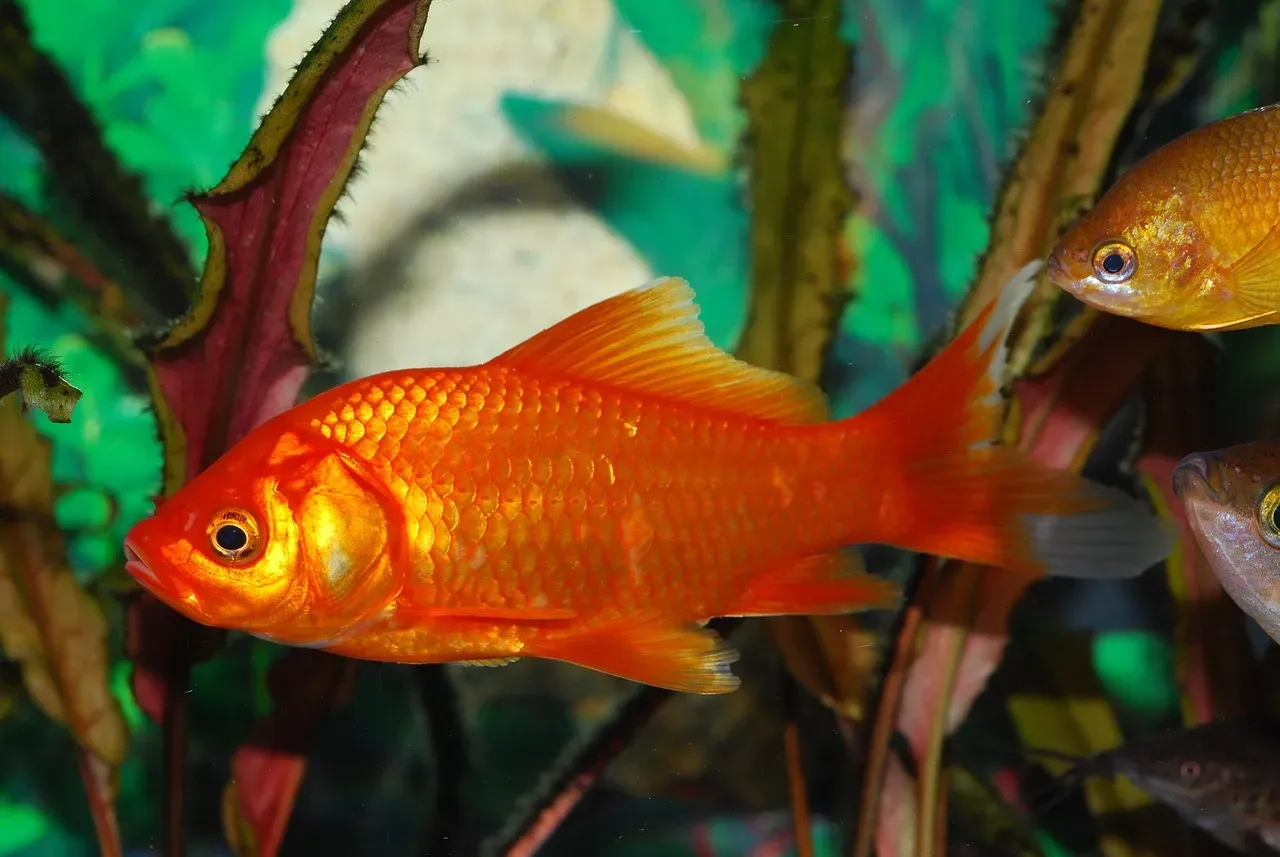
The myth that goldfish have three-second memories is spectacularly false. These aquatic pets possess learning abilities and memory retention that extend months. Scientific studies demonstrate goldfish can be trained to recognize colors, shapes, and even navigate mazes.
Goldfish learn feeding schedules, recognize their owners, and respond to training. They can be taught to push levers, swim through hoops, and perform other tasks for food rewards. This operant conditioning requires memory, pattern recognition, and goal-directed behavior.
Their spatial memory is particularly impressive. Goldfish remember tank layouts, recognize landmarks, and navigate environments with precision. They even demonstrate time perception, anticipating feeding times with remarkable accuracy.
Social learning occurs among goldfish. They watch and learn from tank mates, adapting behaviors based on observation. This social cognition indicates information processing beyond simple stimulus-response mechanisms.
The cognitive abilities of goldfish prove that brain size doesn’t necessarily limit intelligence. These small fish challenge assumptions about aquatic cognition and demonstrate that intelligence manifests across diverse forms of life.
Conclusion

Intelligence in domestic animals takes countless forms, from the verbal prowess of parrots to the problem solving tenacity of pigs. Each species evolved cognitive abilities suited to its ecological niche and relationship with humans. What becomes clear is that intelligence isn’t a single ladder we all climb but a diverse landscape of mental abilities.
Understanding these capacities transforms how we interact with animals. Recognizing a pig’s emotional depth or a rabbit’s problem solving skill changes how we house them, train them, and respect their needs. Intelligence demands stimulation, and boredom in smart creatures leads to behavioral problems and suffering.
The animals sharing our homes and farms deserve recognition for their mental abilities. They think, feel, remember, and solve problems in ways that should inspire awe rather than dismissal. Next time you look at your pet, consider the remarkable brain working behind those eyes.
What surprises you most about animal intelligence? Did your favorite companion make the list?

- 7 US States With the Largest Moose Populations - July 31, 2026
- Which Zodiac Signs Bond Best With Large Dogs - July 31, 2026
- The German Shepherd: Fierce Protector, Gentle Soul - July 31, 2026