
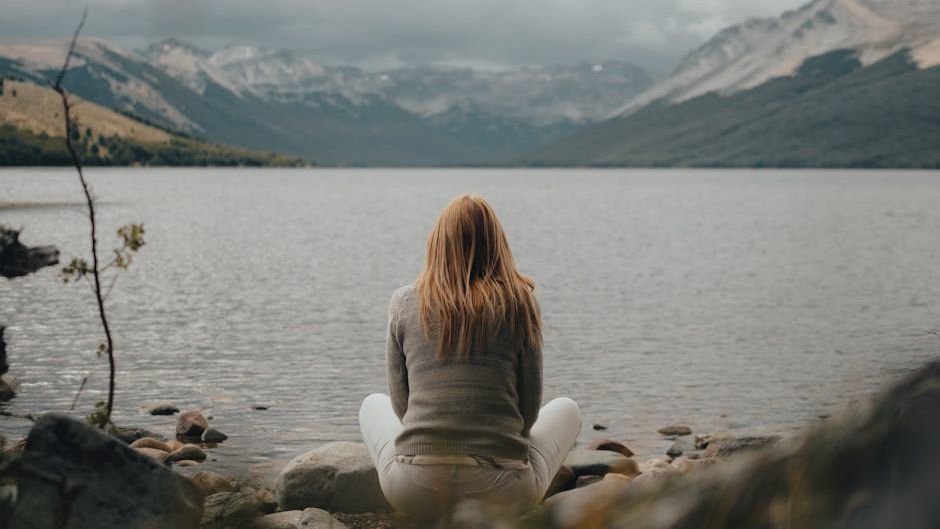
There’s a certain kind of person who, when given the choice between a noisy room full of acquaintances and an empty trail winding up a hillside, will lace up their boots without hesitation. No explanation. No apology. Just the pull of the quiet.
Most people won’t understand it. Society tends to reward those who show up loudly, fill every room, and never seem to run out of social energy. So when someone actively chooses solitude over company, especially company they could have, eyebrows go up. There must be something wrong, right? Actually, the science suggests something quite different. What you choose when no one is watching says more about who you are than any personality test ever could.
You Have a Deeper Understanding of What Drains You
Not everyone can identify their own limits with clarity, but people who genuinely prefer solitude to the wrong company tend to have a remarkably honest relationship with their own energy. Introverts and those who prefer solitude have nervous systems, attention patterns, and reward responses organized to gain energy, focus, and emotional regulation from lower-stimulation environments and solitary activities. That’s not a character flaw. It’s a wiring difference.
Social interactions consume more emotional and self-monitoring resources for these individuals, and alone time lets them recover and restore emotional reserves. Solitude also allows integration of experiences, deeper reflection on feelings and decisions, and recharging through thinking rather than external stimulation. They’re not running from people. They’re running toward clarity.
This need for space is linked to sensory and emotional saturation. Some people’s nervous systems process stimuli more deeply. Loud offices, constant messages, even small talk can feel like a browser with too many tabs open. Alone, their brain can finally integrate what happened and restore a healthier baseline. Choosing the mountain isn’t dramatic. It’s practical.
You Value Quality of Connection Over Quantity of People
There’s a quiet but sharp distinction people like this make that most others never consciously consider: the difference between being around people and actually connecting with them. They connect emotionally only with people who share their frequency and truly listen. When they find such a person, they lose track of time and those conversations become magical and fulfilling.
Even if they stand among hundreds of people, they may still feel completely alone, because no one around them understands their inner world. When they are physically alone, they feel completely peaceful, happy, and mentally alive. That’s a profound truth about connection, one that most people spend years trying to figure out.
The deep processors who prioritize solitude often form the most meaningful connections because when they do engage, they’re bringing their full selves to the table. Choosing to be alone rather than surrounded by the wrong people isn’t antisocial. It’s actually a high standard for what connection should feel like. And there’s nothing wrong with holding that standard.
You Possess a Stronger Than Average Inner Life
People who are comfortable on a mountain alone aren’t just sitting there doing nothing. Their minds are running. Many solitude lovers have a rich inner world. The mind might be full of ideas, images, or stories. They can sit on a train or in a café and feel busy inside, even if they look still on the outside.
Psychologists have long linked creativity with periods of quiet focus. When you are not reacting to constant input, your brain can make new connections. You remember something from last week, link it to a thought from years ago, and suddenly a new idea appears. Solitude can feel like a studio for your mind. This is why so many of history’s most original thinkers sought silence with such determination.
Deep thinkers reflect and analyze. Inside their minds, new ideas are constantly being visualized and developed. They try to explore possibilities and innovate. That is why the most creative and original ideas are born when they are alone. The mountain, in this sense, is not an escape from life. It’s where real thinking gets done.
You Have Built a Reliable Sense of Emotional Independence

Choosing solitude over bad company requires a kind of quiet confidence that isn’t always visible from the outside. Solitary individuals are perfectly comfortable moving through the world on their own. Dining alone, catching a movie, taking a last-minute trip, they do it all with ease, unbothered by the gaze of others. This freedom allows them to explore life entirely on their own terms, without compromise.
People who enjoy solitude often value autonomy deeply. They like making their own choices. They feel better when their day reflects their values, not just other people’s plans. That inner compass is something that takes real time and self-knowledge to develop. Not everyone manages it.
Solitude invites reflection, and for these individuals, introspection is a daily practice. They take the time to understand their emotions, analyze their experiences, and consciously shape their identity. This ongoing self-reflection sharpens their emotional intelligence and self-awareness. Over time, that accumulated self-knowledge becomes a genuine form of strength. They know who they are, and that makes it far easier to recognize who doesn’t belong in their space.
Your Preference for Solitude Is a Sign of Psychological Maturity, Not Avoidance
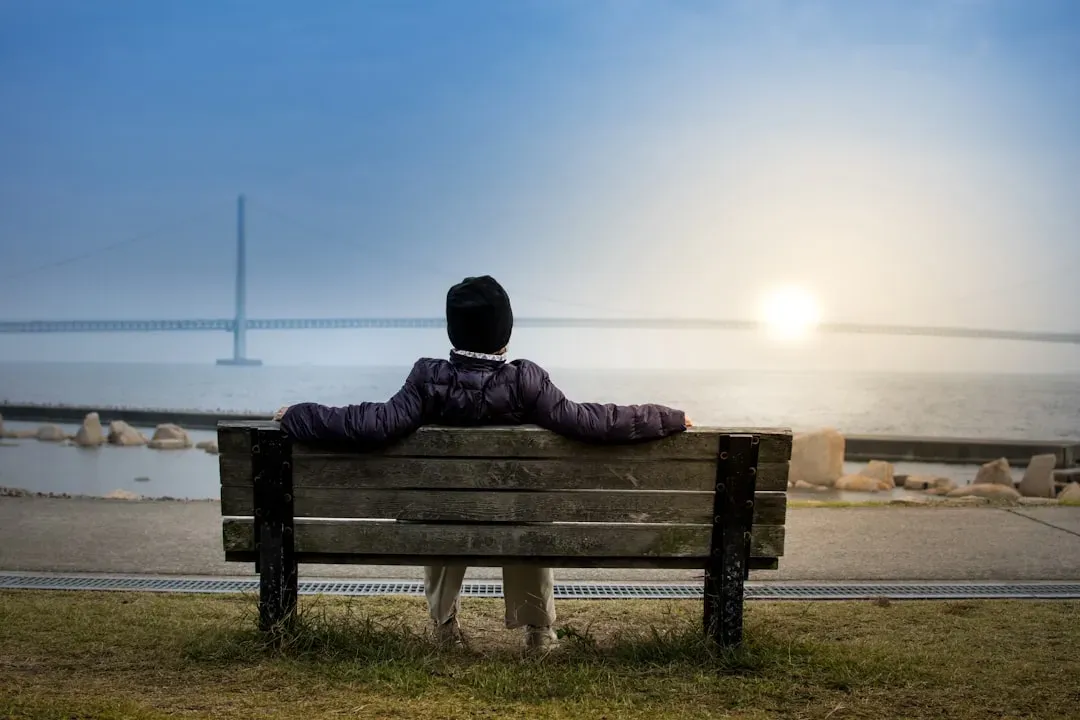
This is the part most people get wrong. Choosing to be alone rather than surrounded by people who drain you, diminish you, or simply don’t see you is not running away. Research shows that introverts’ preference for solitude is linked to higher self-determined motivation for solitude, suggesting that their time alone is a choice for personal growth rather than avoidance. This completely flips the script on how we think about alone time. It’s not weakness or fear driving the need for solitude. It’s strength and self-awareness.
Research in personality psychology links healthy solitude with a sense of choice. When you choose to be alone, it feels like freedom, not rejection. This is very different from forced isolation, which tends to harm mood and health. So if you enjoy solitude, it may be because you see your life as your own. That distinction matters more than most people realize.
Voluntary solitude often sparks curiosity and misunderstanding. Yet, contrary to common belief, those who cherish time alone tend to possess deep inner richness and remarkable emotional maturity. If you’re someone who prefers solitude over constant socializing, there’s nothing wrong with you. You’re not antisocial, broken, or missing out on life. You’re protecting something precious: your inner world, your deep thoughts, your authentic self. You understand that not all quiet is empty, and not all noise is meaningful.
A Final Thought Worth Sitting With
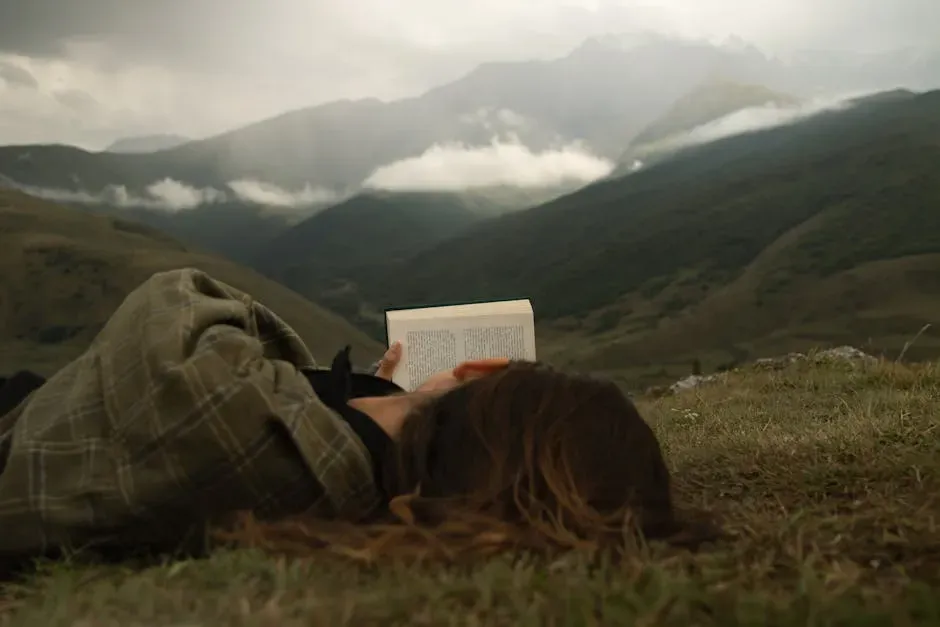
There’s a certain kind of peace that only comes when you stop apologizing for the way you’re wired. If a mountain trail calls you louder than a crowded room, that’s not a problem to fix. Being alone is a physical state. Being lonely is an emotional state. You feel disconnected or unseen. Those two experiences have very little to do with each other.
Solitude isn’t emptiness. It’s space. A space for creativity, clarity, and connection with oneself. In learning to be alone, they’ve mastered one of life’s greatest strengths: the art of being whole on their own. That’s not something everyone achieves.
The person who’d rather be alone on a mountain than surrounded by the wrong people isn’t broken or closed off. They’ve simply learned something that takes others a lifetime to figure out: that solitude chosen freely is one of the most honest forms of self-respect there is. The view from up there is pretty good too.
