
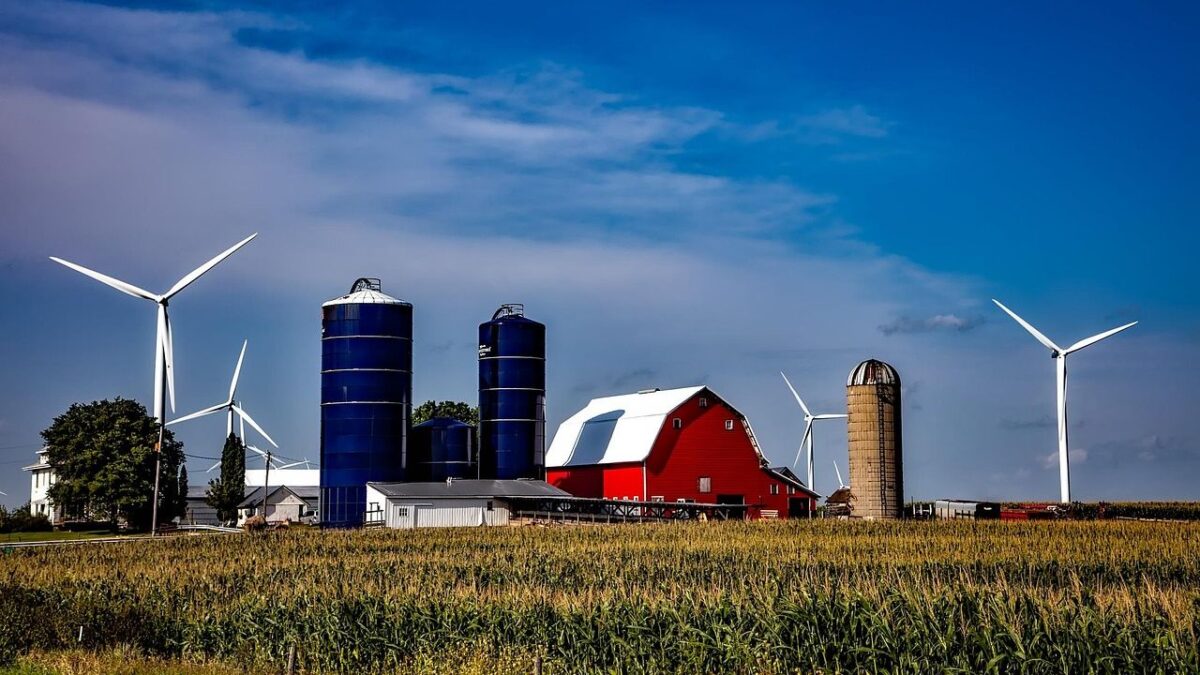
Think of renewable energy and most folks picture California’s sunny panels or maybe offshore turbines spinning in the Atlantic breeze. Yet across the vast stretches of America’s heartland, a quieter revolution has been taking place for the better part of two decades. Wind turbines now tower over cornfields and prairies, transforming gusts of air into billions of kilowatt-hours that power our homes, schools, and hospitals.
The transformation really is something to marvel at. Since 2020, wind energy generation in the U.S. has increased 34%, and it’s not slowing down. Some states have embraced this shift with open arms, building massive wind farms that stretch beyond the horizon. Others are just getting started. Let’s dive in and discover which states are truly harnessing the power of the wind.
1. Texas: The Undisputed Wind Energy Giant
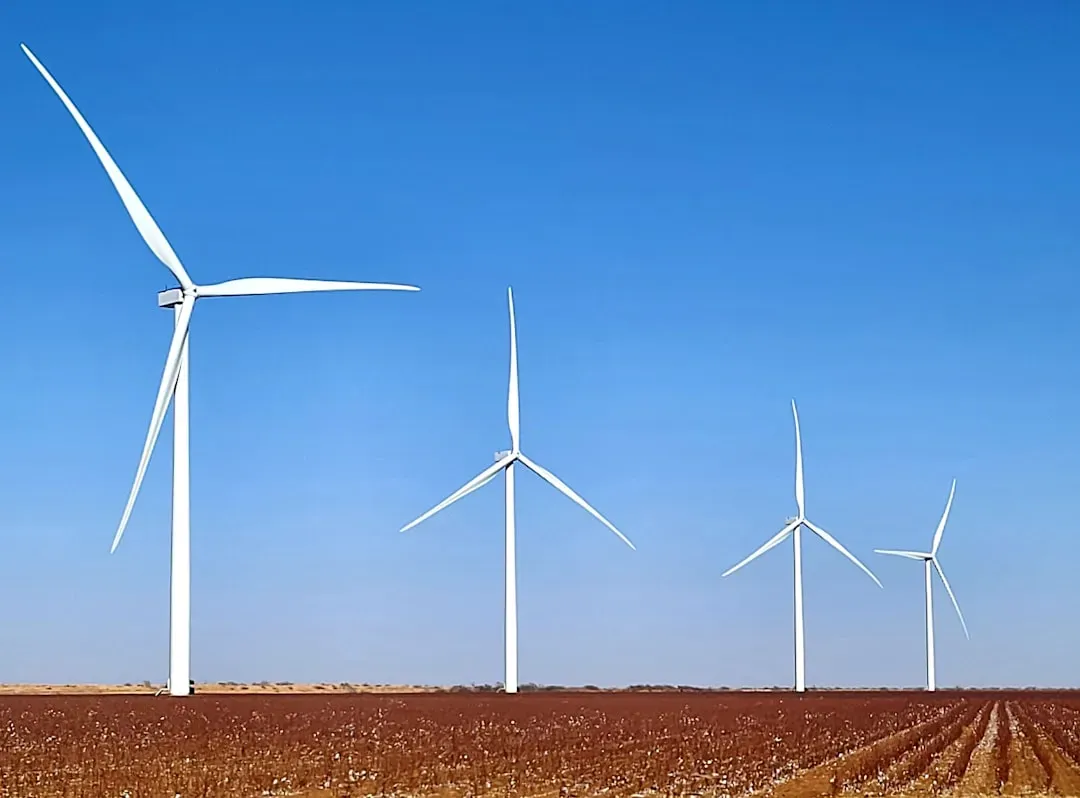
When you think Texas, you probably think oil rigs and cattle ranches. Turns out, the Lone Star State has become an absolute powerhouse in wind energy too. Texas generates roughly 28% of the nation’s total wind production and produced 29.5% of the nation’s wind energy according to recent data.
The numbers are staggering, really. Texas, with 39,450 MW of capacity generating about 25% of the state’s total electricity in 2024, has held the top spot for well over a decade. If Texas were its own country, it would rank among the world’s top wind producers globally.
What makes Texas so successful? Geography plays a huge role. The state benefits from consistent winds across the Panhandle, Gulf Coast near Galveston, and mountain ridges of the Trans-Pecos region. Texas has the most wind turbines of any state, with thousands of these giants spinning across the landscape.
Here’s something surprising: Texas farmers have found wind energy to be a financial blessing. Landowners can lease portions of their property to wind developers, creating steady revenue streams without interfering much with agricultural operations. The wind industry has also created tens of thousands of jobs throughout the state.
Still, wind accounts for roughly one-quarter of Texas’s total electricity generation. The state remains heavily dependent on natural gas and other sources, so there’s still plenty of room for growth in the renewable sector.
2. Iowa: Leading the Nation in Wind Percentage
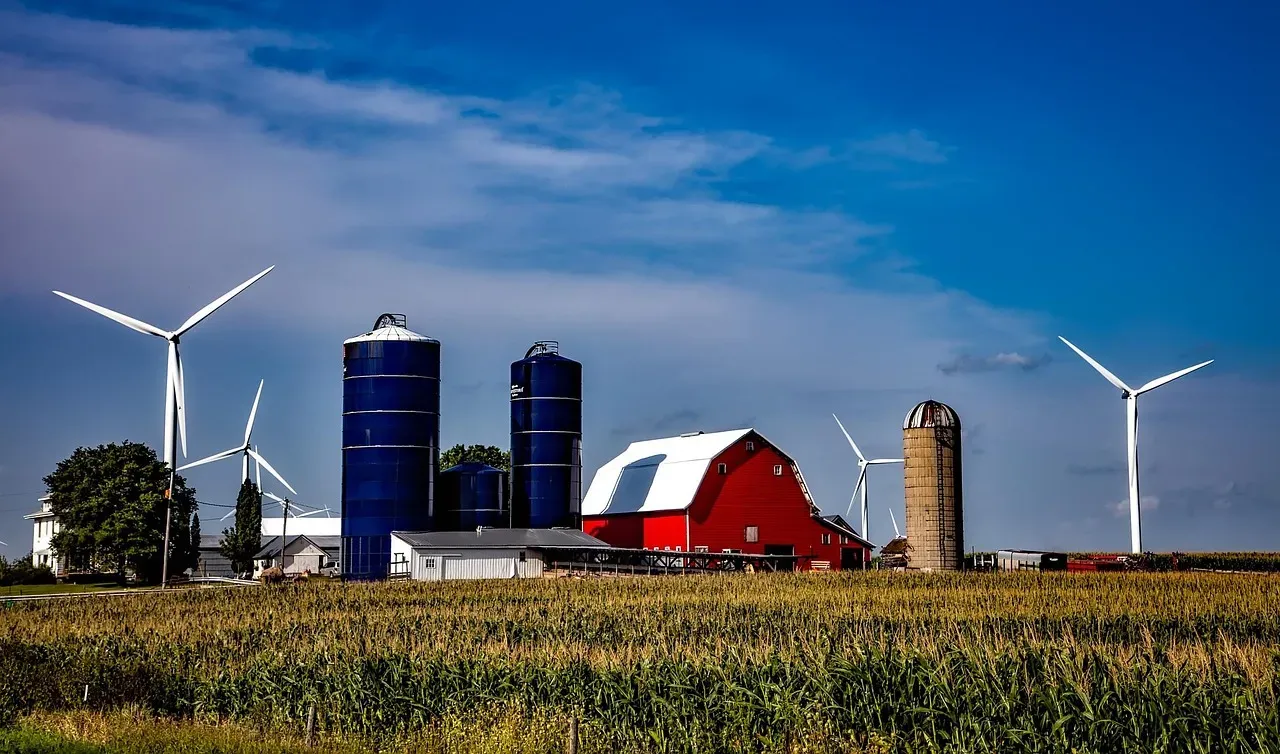
Iowa might not generate as much total wind energy as Texas, but what the Hawkeye State lacks in volume, it makes up for in commitment. Iowa generates over 57% of total energy production from wind power, making it the highest percentage of any state in America.
This is pretty remarkable when you consider Iowa’s size compared to Texas. The state has embraced wind energy wholeheartedly since adopting renewable standards back in 1983. Since Iowa adopted a renewable energy standard in 1983, the wind power industry has generated over $19 billion in investment.
With over twelve thousand megawatts of installed capacity and more than six thousand wind turbines dotting the landscape, Iowa has fundamentally transformed its energy portfolio. Wind surpassed coal as the state’s primary electricity source in 2019, a milestone that seemed impossible just decades ago.
The consistency is what really sets Iowa apart. Throughout most of the year, those turbines are spinning steadily, providing reliable electricity to homes and businesses across the state. Honestly, it’s hard to drive through rural Iowa these days without seeing those massive blades turning against the horizon.
Iowa’s success demonstrates that smaller states can lead the renewable revolution through smart policy and consistent commitment. Other states are definitely taking notes.
3. Oklahoma: The Rising Star of Wind Power
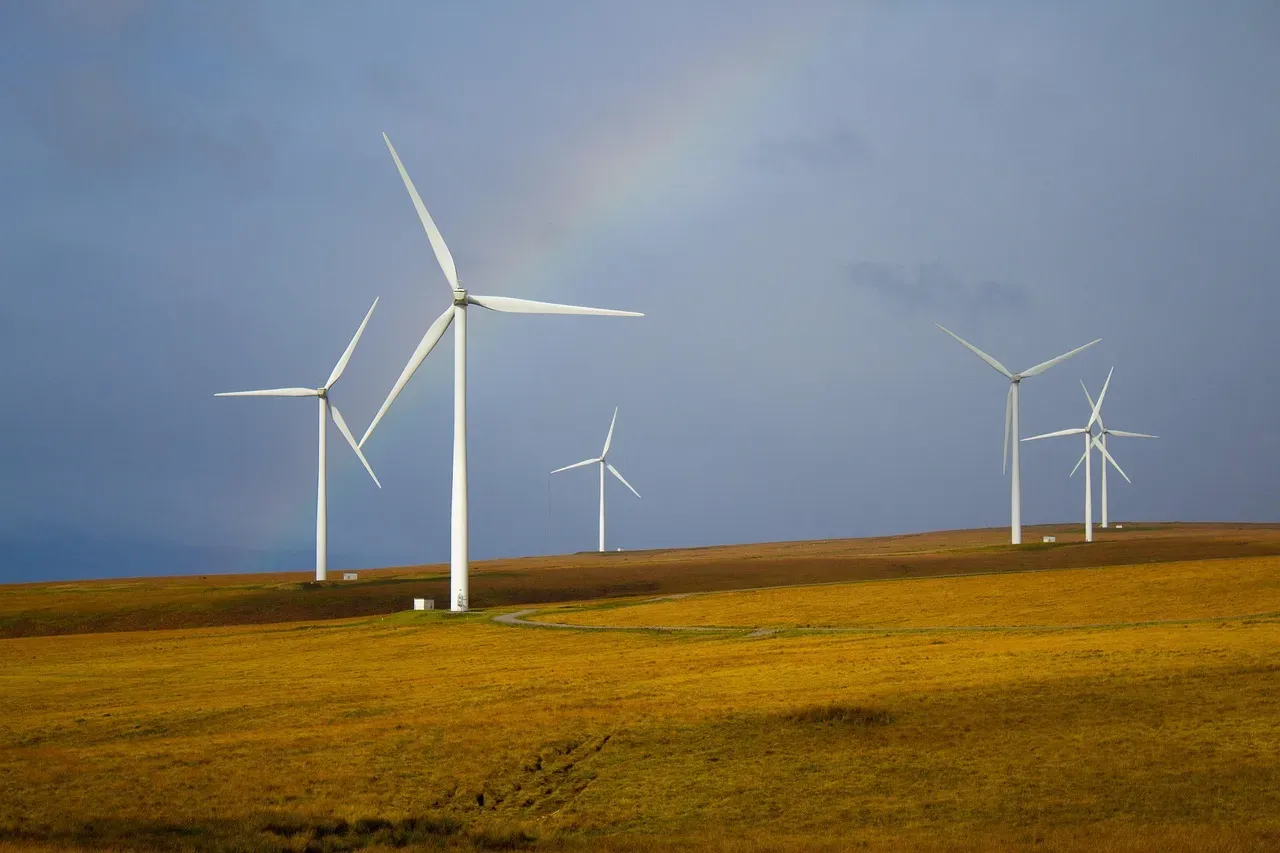
Oklahoma has emerged as a serious contender in wind energy, transforming from an oil-and-gas state into one of America’s renewable powerhouses. The state’s vast open plains and position in America’s wind corridor have proven to be natural advantages.
Wind energy accounts for 42% of Oklahoma’s total in-state electricity net generation, which is more than double the national average. That’s an impressive shift for a state historically known for fossil fuel production.
What’s even more striking is the growth trajectory. Oklahoma had a 224% increase in wind capacity and 216% increase in wind energy generation between 2014 and 2023, ranking second and first respectively in these categories nationally.
The synergy between wind farms and agriculture has worked beautifully in Oklahoma. Wind turbines occupy minimal farmland while providing landowners with additional income through lease payments. This dual-use approach has made renewable energy adoption easier to accept in rural communities.
Major industry players like American Electric Power and NextEra have established significant operations throughout Oklahoma. The economic benefits extend beyond just electricity generation, creating jobs and tax revenue for local communities. Oklahoma truly proves that energy diversification can happen even in traditional fossil fuel states.
4. Kansas: Where Wind Became King
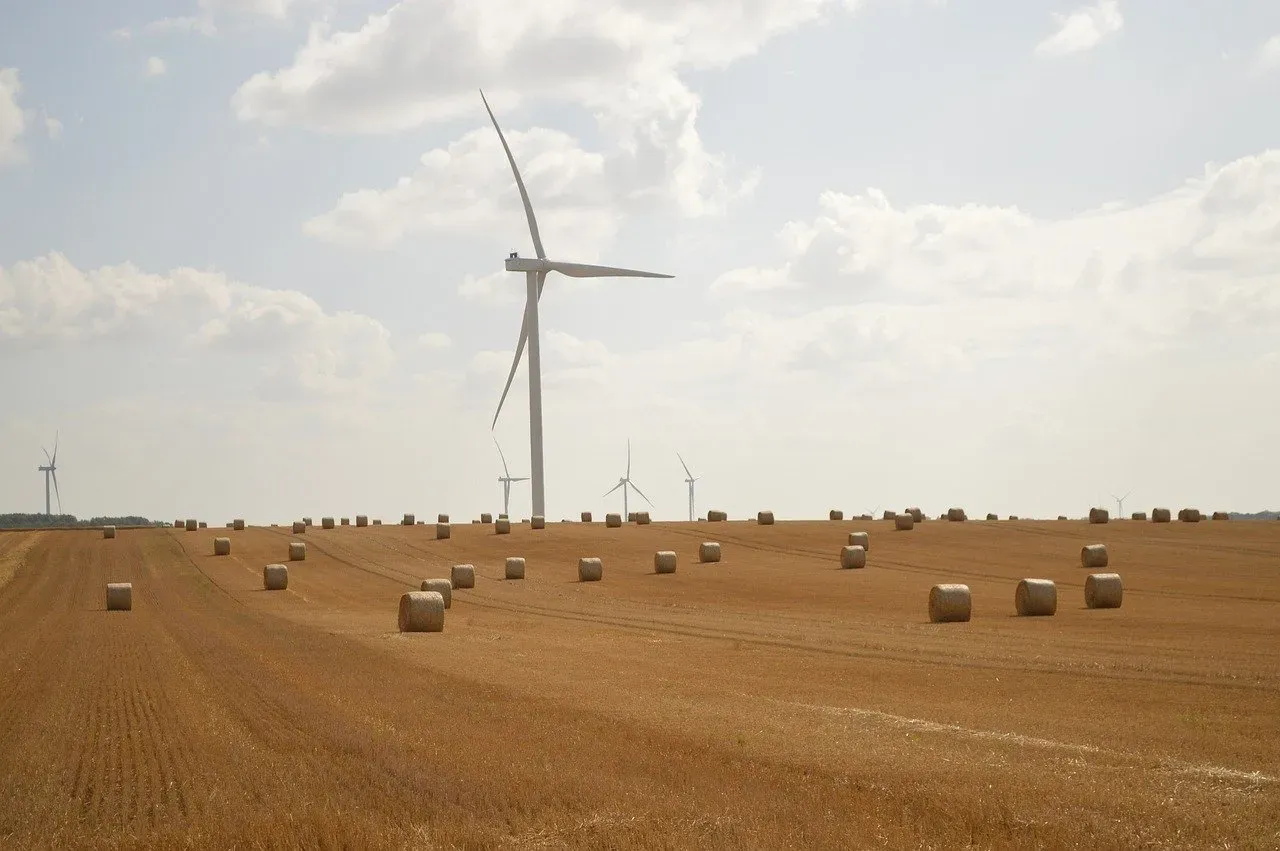
Dorothy wasn’t wrong about Kansas being windy. The Sunflower State has leveraged its natural wind resources to become one of America’s top renewable energy producers. Kansas ranks 4th in the country in total wind production, with renewable energy producing enough to meet 74% of the state’s retail electricity sales.
The transformation happened remarkably fast. Wind power became the largest source of electricity generation in Kansas, surpassing coal for the first time in 2019. This represents a fundamental shift in how the state powers itself.
Kansas benefits from being located squarely in the nation’s wind belt, where consistent gusts blow across the plains nearly year-round. The state had roughly eight thousand megawatts of installed capacity by 2021, and that number continues growing.
What’s interesting about Kansas is how it transitioned from mandatory renewable standards to voluntary goals in 2015. The industry had gained enough momentum that it no longer needed government mandates to keep expanding. That’s a testament to the economic viability of wind energy in the region.
Looking ahead, Kansas has enormous untapped potential. Kansas has high potential capacity for wind power, second behind Texas, with estimates of potential for 950 GW of wind power capacity. If fully developed, Kansas could theoretically power much of the central United States.
5. Illinois: The Prairie State’s Green Transformation
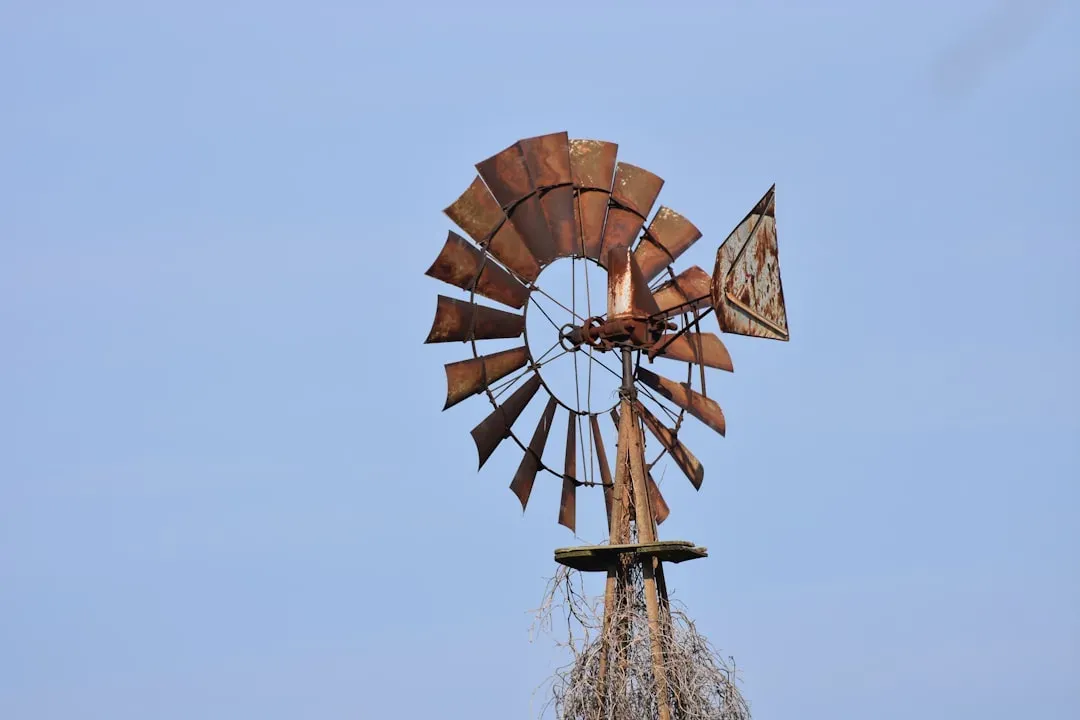
Illinois might be famous for Chicago’s skyline and deep-dish pizza, but the state has quietly become a major player in . Illinois ranks among the five states with the most electricity generation from wind, a position earned through deliberate policy and significant investment.
The growth has been particularly impressive considering how recently Illinois entered the wind game. The state’s first wind farm wasn’t installed until 2003, making Illinois a relative newcomer to renewable energy. Yet within just two decades, the state has built a formidable wind infrastructure.
Policy played a crucial role in this transformation. Illinois introduced renewable portfolio standards requiring electric companies to derive specific percentages of power from renewable resources. These mandates created market demand that developers were happy to meet.
Most of Illinois’s wind-derived electricity flows through the southern portion of the state, where topography and wind patterns are most favorable. Illinois has the potential for installing up to an estimated 249,882 MW of wind generation capacity, suggesting massive room for expansion.
The economic impact has been substantial. Wind projects have created thousands of jobs in manufacturing, construction, and operations throughout Illinois. The state is also looking toward even more ambitious goals, with proposals to achieve 100% renewable energy in coming decades.
6. Colorado: Mountain Winds and Clean Energy Goals
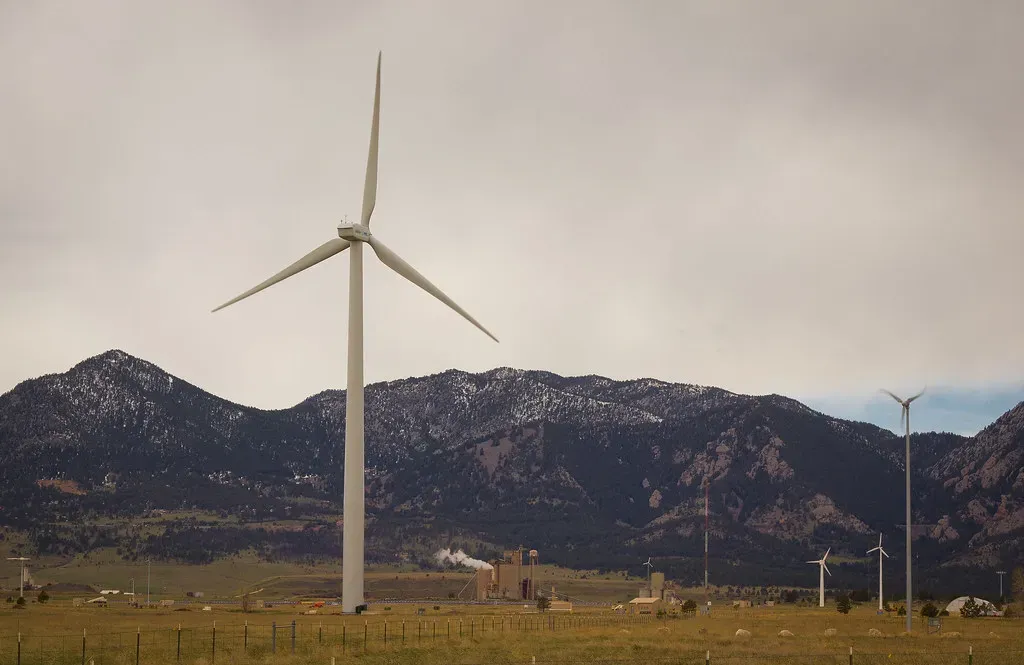
Colorado’s wind energy story is intertwined with the state’s stunning geography and ambitious climate goals. The Rocky Mountain State has embraced renewable energy as part of its identity, making it one of the top ten wind-producing states in America.
Colorado’s renewable sources account for 39% of its generation, with wind power being the largest green energy source. The state’s high-altitude terrain channels winds through mountain gaps and across plains, creating ideal conditions for turbine installations.
What sets Colorado apart is its aggressive policy framework. The state originally aimed for 80% clean energy by 2030 and 100% by 2050. Then in 2025, Governor Jared Polis proposed accelerating that final target from 2050 to 2040, demonstrating serious commitment.
Beyond just generating electricity, Colorado is retiring coal-fired power plants and replacing that capacity with renewables. The state plans to retire 2,500 megawatts of coal by 2029, replacing it with solar, wind, and hybrid facilities.
The economic case for wind in Colorado is compelling. Wind energy investment in Colorado has totaled $9.8 billion, generating more than $10 million in state and local tax dollars while paying over $18 million annually to residents through land lease payments. Those are real dollars flowing into communities that need them.
7. New Mexico: The Land of Enchantment Goes Green
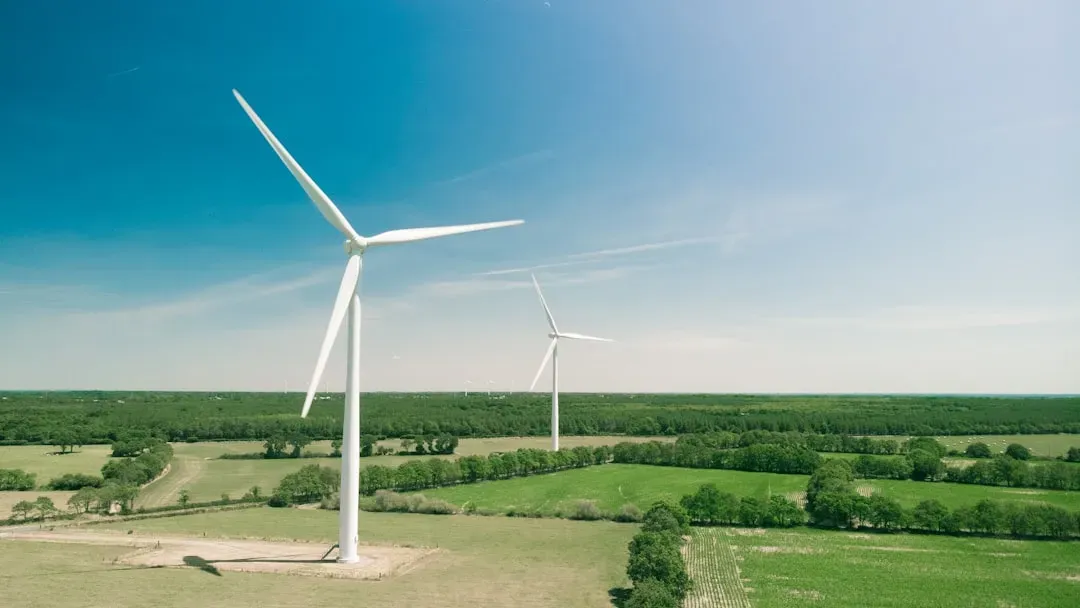
New Mexico might not be the first state that comes to mind for wind energy, but it’s rapidly establishing itself as a renewable powerhouse. The state ranks seventh nationally in , capitalizing on its position in the southwestern wind corridor.
Geography has been kind to New Mexico. The state’s high desert plateaus and mountain passes funnel winds at impressive speeds throughout much of the year. These conditions make wind farming economically attractive and technically efficient.
The development of massive wind projects has accelerated in recent years. When completed in 2026, SunZia Wind in Central New Mexico will be the largest wind farm in the western hemisphere, with over 900 turbines and a generating capacity of 3,500 MW. That’s an absolutely enormous project that will fundamentally change the state’s energy landscape.
Wind accounts for more than one-third of the electricity mix in New Mexico, placing it among the states most dependent on this renewable resource. The percentage continues climbing as new projects come online.
New Mexico’s wind success offers lessons for other southwestern states. The combination of excellent wind resources, available land, and supportive policies has created an environment where renewable energy thrives. Expect New Mexico to climb even higher in the rankings over the next decade.
8. California: Pioneering Wind Since the 1980s
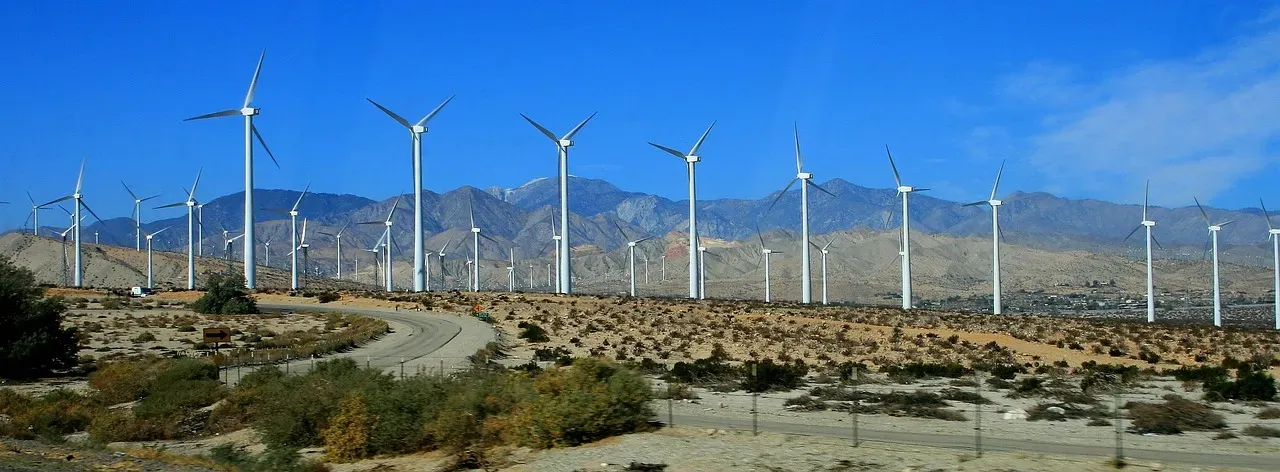
California has always been synonymous with environmental leadership, and wind energy is no exception. The Golden State was home to some of the very first modern wind farms in the 1980s, establishing itself as a renewable pioneer long before it was fashionable.
By 1995, California generated 30% of the world’s wind energy, an astounding figure that demonstrated what was possible. Though other states have since caught up and surpassed California in total generation, the state remains a top ten producer.
California’s wind resources are concentrated in three major locations: Altamont Pass east of San Francisco, Tehachapi Pass near Bakersfield, and San Gorgonio Pass near Palm Springs. The Alta Wind Energy Center in California is currently the largest completed wind farm in the United States with a capacity of 1,548 MW.
The state’s commitment to renewable energy goes beyond just wind. California has set a goal of 100% carbon-free electricity by 2045, one of the most ambitious targets in the nation. Wind will play a crucial role in achieving that goal alongside solar, geothermal, and battery storage.
What California lacks in raw wind production compared to Texas or Iowa, it makes up for in innovation. The state continues developing cutting-edge turbine technology, grid integration systems, and energy storage solutions that benefit the entire renewable sector nationwide.
9. North Dakota: Per Capita Wind Champion
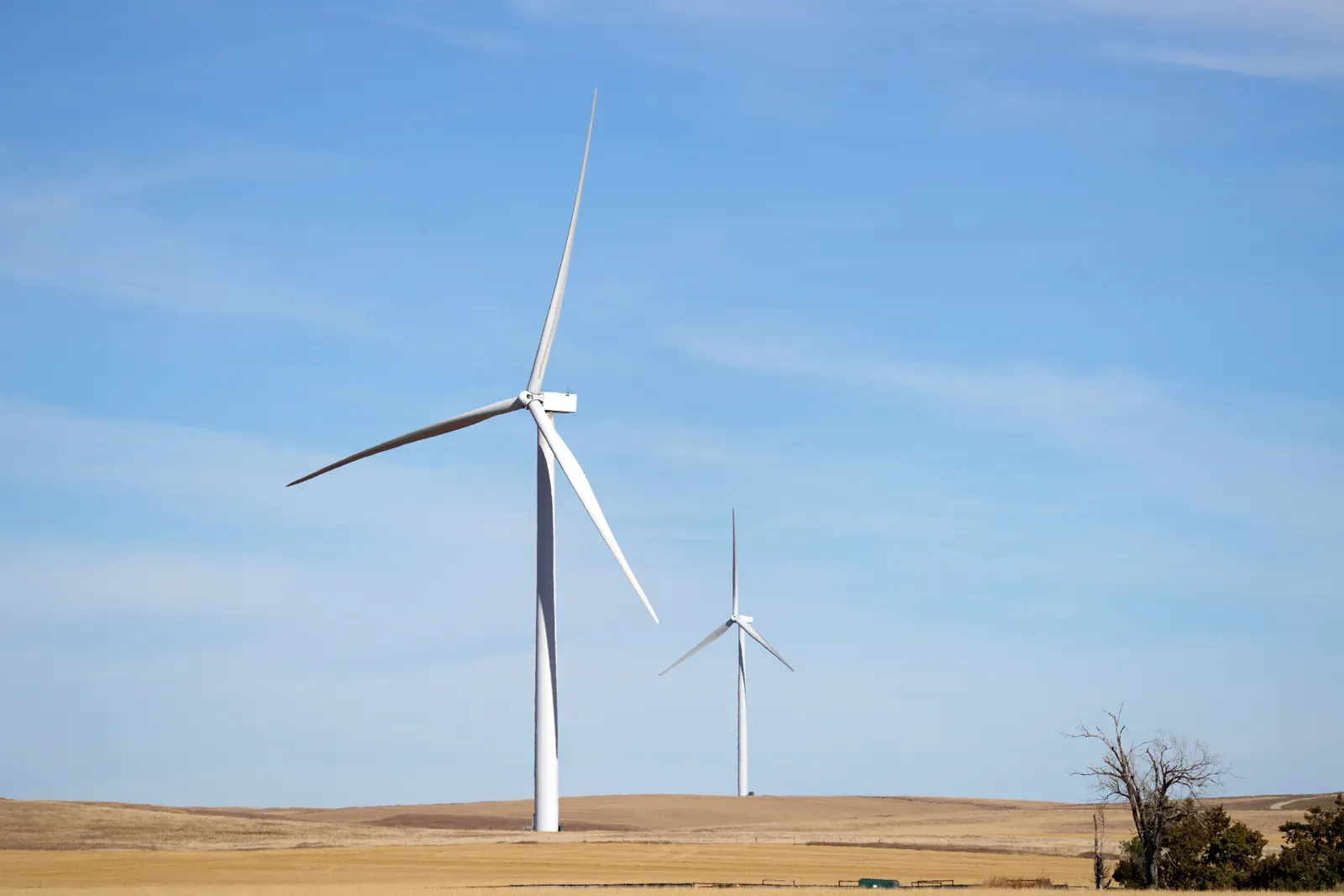
North Dakota doesn’t have a huge population, but when it comes to wind energy per capita, it’s absolutely dominating. North Dakota currently has the most per capita wind generation of any state, meaning the wind infrastructure relative to population is unmatched.
The Peace Garden State has embraced wind energy with remarkable success. North Dakota produces enough energy from renewable sources to meet 51% of its retail electricity sales, ranking 8th in the country in total wind power generation.
North Dakota benefits from nearly continuous wind resources blowing across its prairies. The state’s wide-open spaces and relatively low population density make it ideal for large-scale wind farm development without conflicts over land use.
Interestingly, North Dakota had only a voluntary renewable energy goal rather than strict mandates. The goal was for electricity providers to obtain 10% of power from renewable sources by 2015. That target was easily exceeded, with wind now providing roughly half of all electricity generated in the state.
The state also has enormous untapped solar potential, creating opportunities for hybrid renewable energy systems. As battery storage technology improves, North Dakota could become an energy exporter to neighboring states, turning its natural resources into economic opportunity.
10. Minnesota: Land of 10,000 Turbines
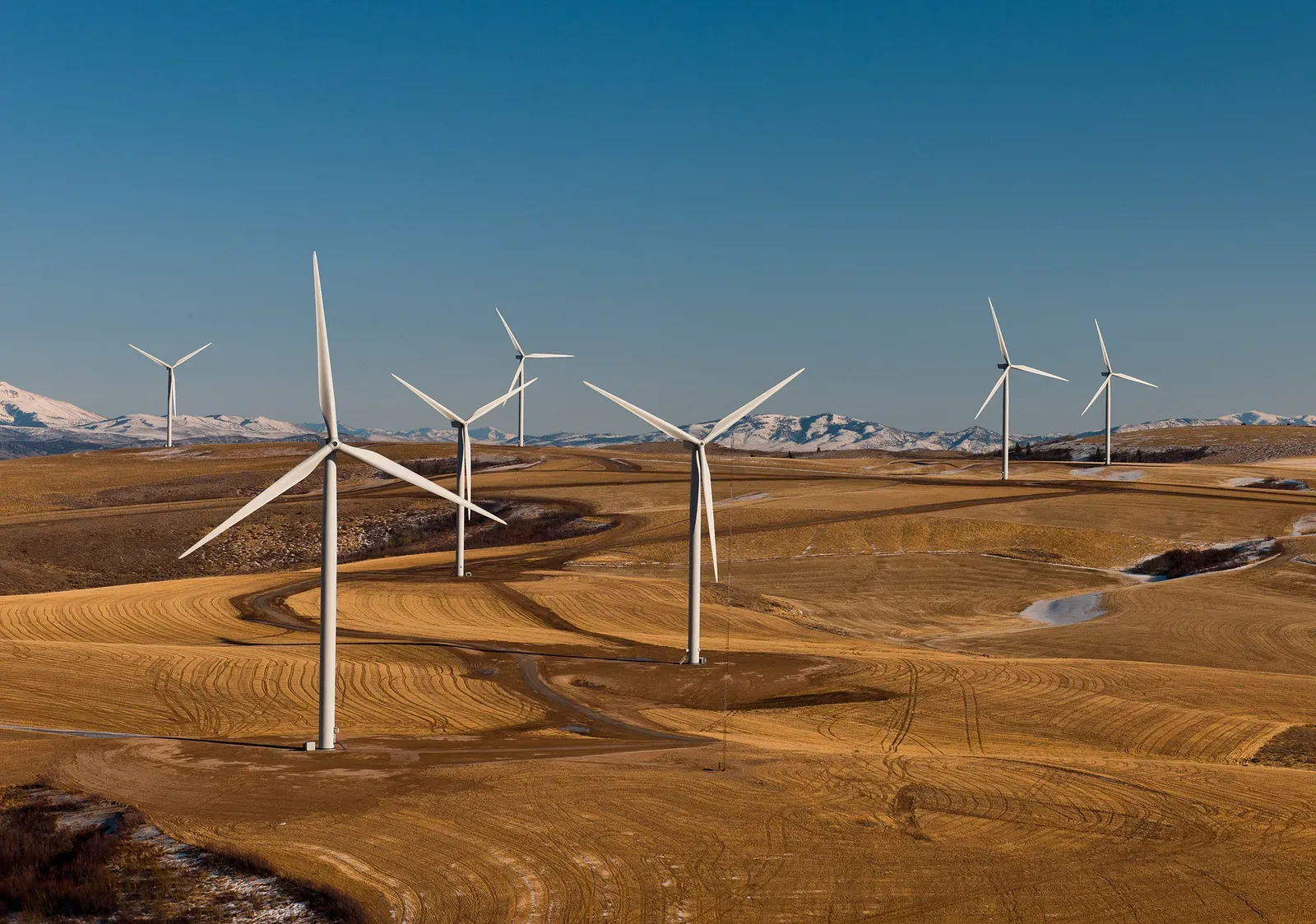
Minnesota rounds out the top ten with a strong commitment to wind energy and renewable development. The state’s nickname might reference lakes, but it could just as easily celebrate its thousands of wind turbines spinning across southern Minnesota.
Minnesota has roughly four thousand megawatts of wind capacity from nearly twenty-five hundred turbines, mostly concentrated in the southern part of the state. The Buffalo Ridge Wind Farm near Lake Benton stands as one of the state’s largest facilities, with 225 megawatts of capacity.
The state’s approach to renewable energy is comprehensive and forward-thinking. Minnesota has set ambitious targets for carbon-free electricity by 2040, requiring substantial expansion of wind capacity over the next fifteen years.
The economic benefits have been significant. The wind sector supports more than 2,000 jobs in Minnesota, paying $15.5 million per year in state and local taxes. These are well-paying positions that support families in rural communities where economic opportunities can be limited.
Minnesota’s success shows that northern states can effectively harness wind energy despite harsh winter conditions. Modern turbines operate efficiently even in sub-zero temperatures, making wind a year-round energy source rather than a fair-weather option. The state continues investing in wind infrastructure, ensuring it remains among America’s renewable leaders.
Conclusion: The Wind Energy Revolution Continues
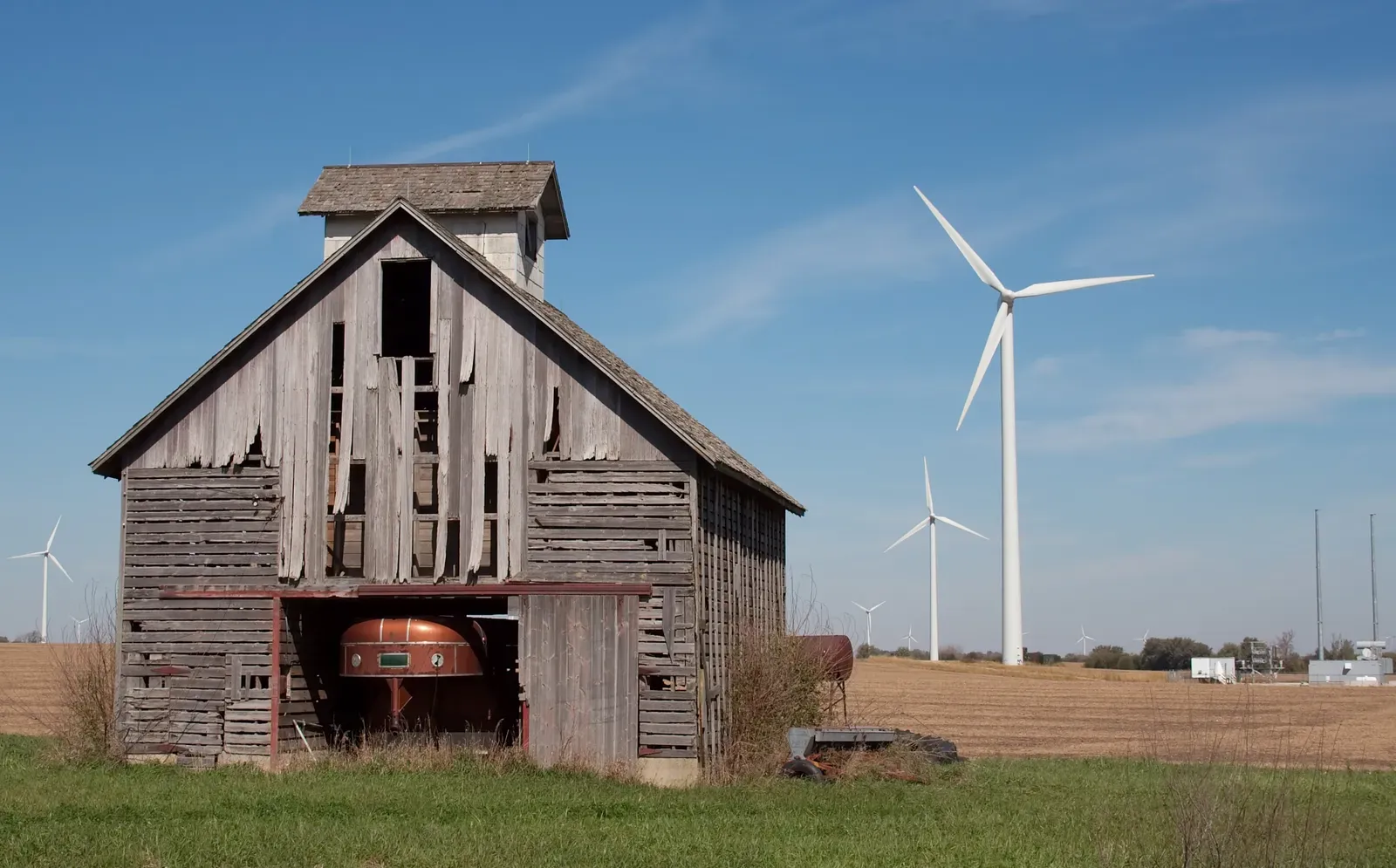
The rise of wind energy across these ten states represents one of the most significant infrastructure transformations in American history. From Texas’s massive capacity to Iowa’s percentage leadership to North Dakota’s per capita dominance, each state demonstrates what’s possible when geography, policy, and innovation align.
Looking ahead, the future appears bright for wind energy. Forecasts suggest the United States will add substantial new wind capacity through 2028 and beyond. Technology continues improving, making turbines more efficient and less expensive. Meanwhile, public support for renewable energy remains strong, with most Americans favoring expanded wind and solar development.
These ten states have proven that renewable energy isn’t just environmentally responsible – it’s economically viable, creating jobs, generating tax revenue, and providing landowners with new income streams. Other states are watching and learning, eager to capture their share of the wind energy boom.
So what do you think? Were you surprised by which states made the top ten? Share your thoughts in the comments below.
