

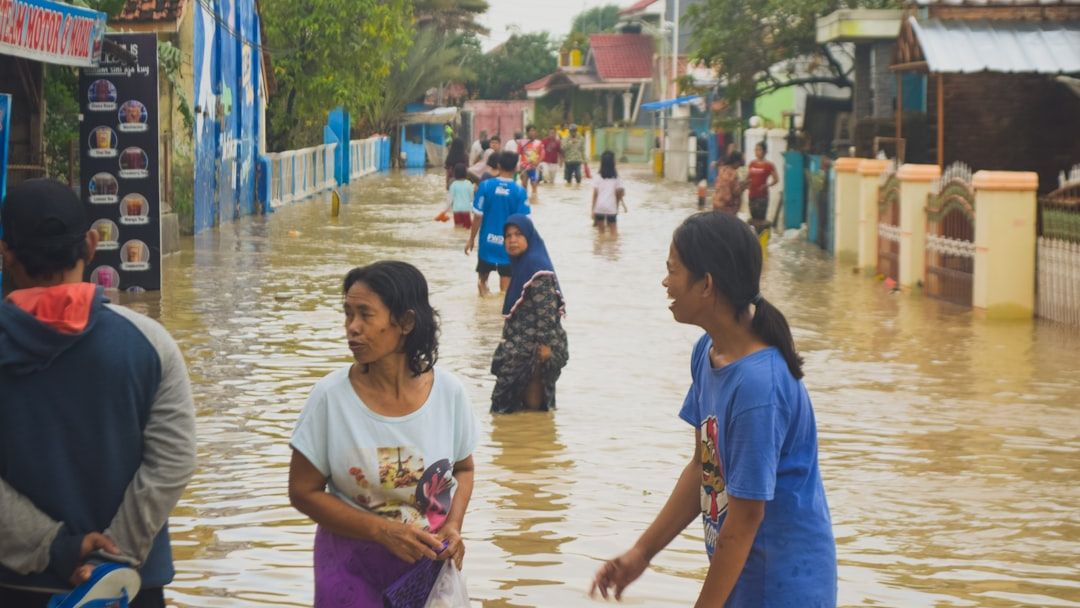
Mass Evacuations as Intense Storm Leads to Deadly Floods in China – Image for illustrative purposes only (Image credits: Unsplash)
Intense storms have unleashed heavy rainfall across multiple regions of China, producing flash floods that have already claimed more than 20 lives. The sudden surge of water has also compelled tens of thousands of residents to abandon their homes in search of safety. Seven provinces now stand affected by the widespread disruption, underscoring the immediate challenges posed by extreme weather events in the country.
Scale of Loss and Displacement
The death toll has risen steadily as rescue teams continue to assess the hardest-hit areas. Flash floods have swept through communities with little warning, destroying homes and infrastructure along their path. Officials report that the human cost extends beyond fatalities to include widespread property damage that will take months to repair.
Evacuations have moved tens of thousands of people into temporary shelters. Local authorities have prioritized moving residents from low-lying zones where water levels rose rapidly overnight. These measures have prevented further casualties, yet the scale of relocation has strained resources in several districts.
Geographic Spread Across Seven Provinces
The storm system has impacted a broad swath of territory stretching through seven provinces. Each region has experienced varying degrees of flooding, with some areas facing repeated downpours that compounded the initial damage. Transportation networks in these provinces have been interrupted, complicating the delivery of aid and the movement of emergency personnel.
Communities in both rural and urban settings have felt the effects. Mountainous districts have seen rivers overflow their banks, while lowland cities have dealt with submerged streets and flooded basements. The geographic diversity of the affected zones has required coordinated responses from multiple levels of government.
Response and Ongoing Challenges
Emergency services have deployed additional personnel and equipment to the impacted provinces. Rescue operations focus first on locating anyone still missing after the initial wave of flooding. At the same time, officials are working to restore power and clear debris from major roads.
Longer-term recovery will require careful assessment of damaged infrastructure. Engineers have begun inspecting bridges and embankments to determine which structures need immediate reinforcement. Residents who have been evacuated are receiving updates on when they might safely return to their homes.
What matters now: Coordinated relief efforts remain essential as authorities work to support displaced families and prevent additional harm from lingering floodwaters.
The recent events serve as a reminder of how quickly severe weather can alter daily life in vulnerable regions. Continued vigilance and preparedness will help communities navigate the recovery ahead.

- What Christmas Reindeer Are You According to Your Zodiac Sign - July 31, 2026
- Tropical Storm Gabrielle Now Eyeing Bermuda as a Hurricane - July 31, 2026
- Watch Two Hikers Fight Off Brown Bear Near Seward’s Exit Glacier - July 31, 2026