

Most people picture a volcano as a dramatic, towering cone of fire and ash, sending plumes of smoke into the sky while lava crawls violently down its slopes. It’s an image burned into our collective imagination by school textbooks and disaster movies. What almost nobody pictures, though, is the far more common version of that same story, one happening silently, invisibly, miles beneath the ocean’s surface, right now, as you read this.
The truth is that the ocean floor is one of the most volcanically active places on the planet. And honestly, that fact alone should make you rethink everything you thought you knew about where Earth’s most powerful geological forces are at work. Most seafloor spreading centers lie at depths exceeding 2,000 meters, and as a consequence, approximately three-quarters of all volcanic activity on Earth occurs as deep, underwater eruptions. Three-quarters. Let that sink in. So let’s dive in and uncover what really happens down there.
A World Hidden in Plain Sight: The Scale of Underwater Volcanism
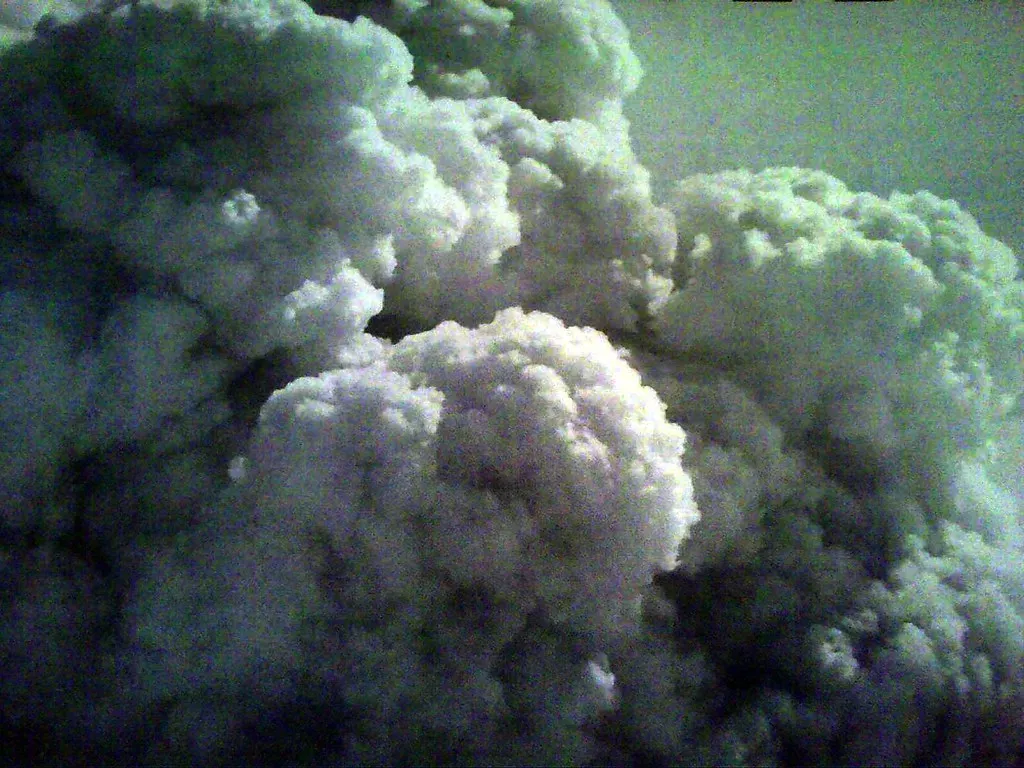
Here’s the thing most people never stop to consider. While most people think of volcanoes as high, conical peaks jutting into the sky, most are in fact hidden on the seafloor, clustered in chains of seamounts, or spread along the mid-ocean ridges, where volcanic activity is greatest. It’s a little like finding out that the world’s most active weather system is happening underground. Completely hidden, completely massive.
The total number of submarine volcanoes is estimated to be over one million, with most now extinct, of which some 75,000 rise more than one kilometer above the seabed. That number is almost impossible to wrap your head around. For comparison, the entire visible landscape of Earth has only around 1,500 potentially active land volcanoes.
Submarine volcanic eruptions are characteristic of the rift zones where crustal plates are being formed. These rift zones, found in all of Earth’s major ocean basins, are known as seafloor spreading centers because they are places where tectonic plates are moving away from each other. Think of it like a zipper slowly being pulled apart, only instead of fabric, it’s the Earth’s crust, and instead of thread, it’s molten rock filling the gap. It is believed that 70 to 80 percent of the Earth’s magma output takes place at mid-ocean ridges.
Mid-ocean ridges are the most active volcanic systems on Earth, but roughly only 5 percent of their length has been studied in detail. So in reality, we are only just beginning to scratch the surface of what’s down there, quite literally.
The Physics of Fire and Water: How Pressure Changes Everything
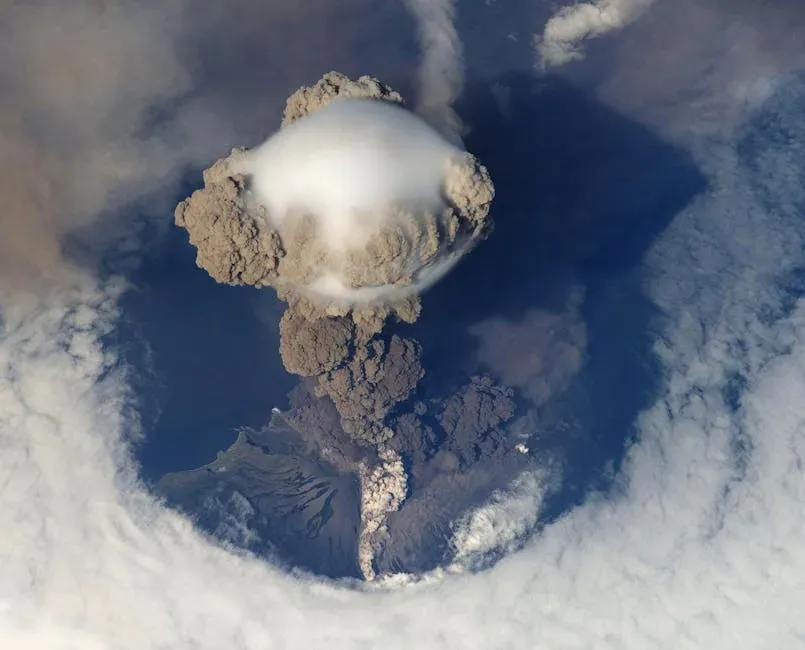
Imagine shaking a bottle of soda and then opening it. That explosive fizz is essentially how an above-ground volcano erupts, with dissolved gases releasing suddenly in a violent burst. Underwater, however, the rules change completely.
Underwater, the magma still faces the crushing pressure of tons and tons of ocean water once it reaches the seafloor. The Havre volcano, stretching between 3,000 and 4,000 feet below sea level, experiences a pressure between 92 and 122 times that of sea level, which scientists suspect dampened its explosiveness and shaped the various types of lava formations. That immense pressure is like nature’s own muffler on the eruption.
Underwater volcanoes are typically less explosive due to high water pressure, with magma that cools quickly thanks to surrounding water. The result is something visually spectacular but far more controlled than a surface eruption. Underwater, lava cools rapidly into pillow lava, round and bulbous, where the inner rock remains hot inside a cooled orb-like crust, erupting into chains of connected “pillows.” Imagine squeezing toothpaste out of a tube, but the toothpaste hardens the moment it hits cold air. That’s more or less what’s happening on the ocean floor.
Not only does pressure change how lava forms, the interaction between the water and the cooling magma is completely different than when magma interacts with air. When water hits hot magma at 800 degrees Celsius, it vaporizes in an instant. That instantaneous vaporization produces bursts of energy and steam at a scale that’s difficult to truly comprehend.
The Ocean Feels It First: Impact on Marine Life and Ecosystems
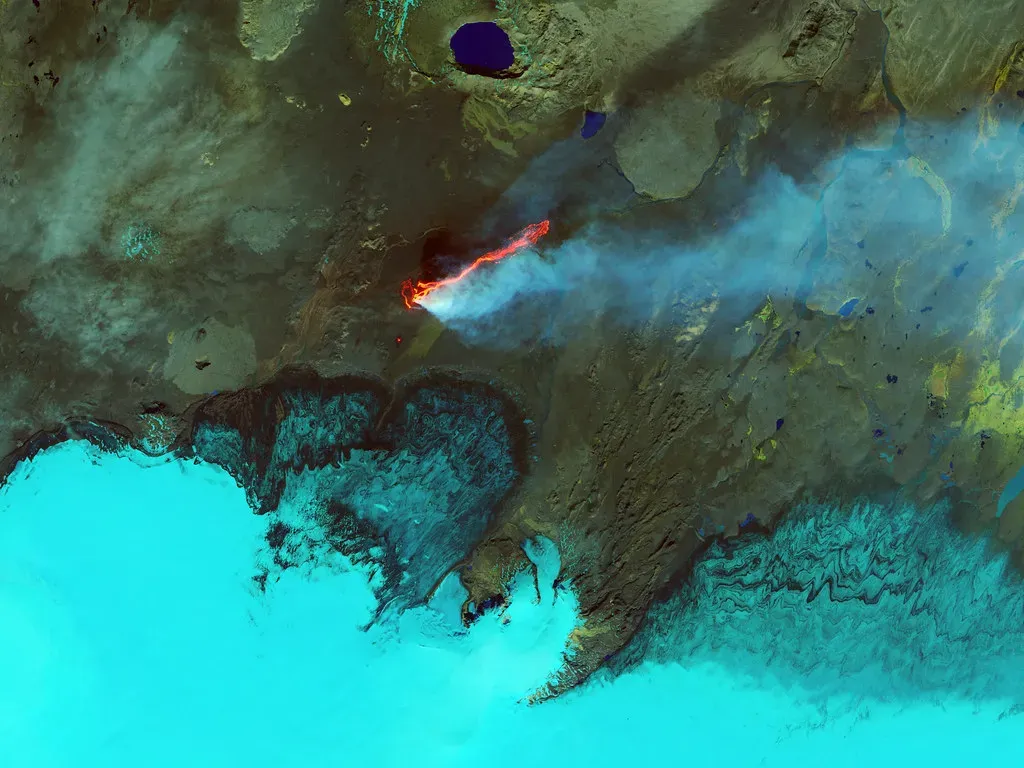
Now here’s where it gets both alarming and genuinely fascinating. Underwater eruptions don’t just reshape rock. When underwater volcanoes erupt, they don’t just shape the seafloor. They can release toxic gases and heat that can impact marine life. The immediate zone around an eruption can become, in a very short time, almost entirely uninhabitable.
Extreme physical-chemical perturbations caused by such events include thermal changes, water acidification, deoxygenation, and metal-enrichment, which result in significant alterations to the activity and composition of local plankton communities. It’s essentially the ocean equivalent of a forest fire, devastating in the short term but potentially transformative over time.
Large-scale underwater volcanic eruptions can cause tsunamis by displacing vast amounts of water or triggering underwater landslides. The tsunamis can result in significant damage to coastal areas and pose risks to human life. The 2022 Hunga Tonga eruption is the most vivid modern example. The volcanic boom was heard as far away as Canada, and the ash cloud rose 36 miles into the atmosphere.
Yet remarkably, life bounces back. Over time, underwater volcanoes create new habitats and provide resources for many species, fostering some of the most unique ecosystems on the planet. It’s a paradox of destruction and creation that plays out on a geological timescale, though sometimes much faster than scientists expect.
Life Against All Odds: The Strange Creatures That Thrive Near Underwater Volcanoes
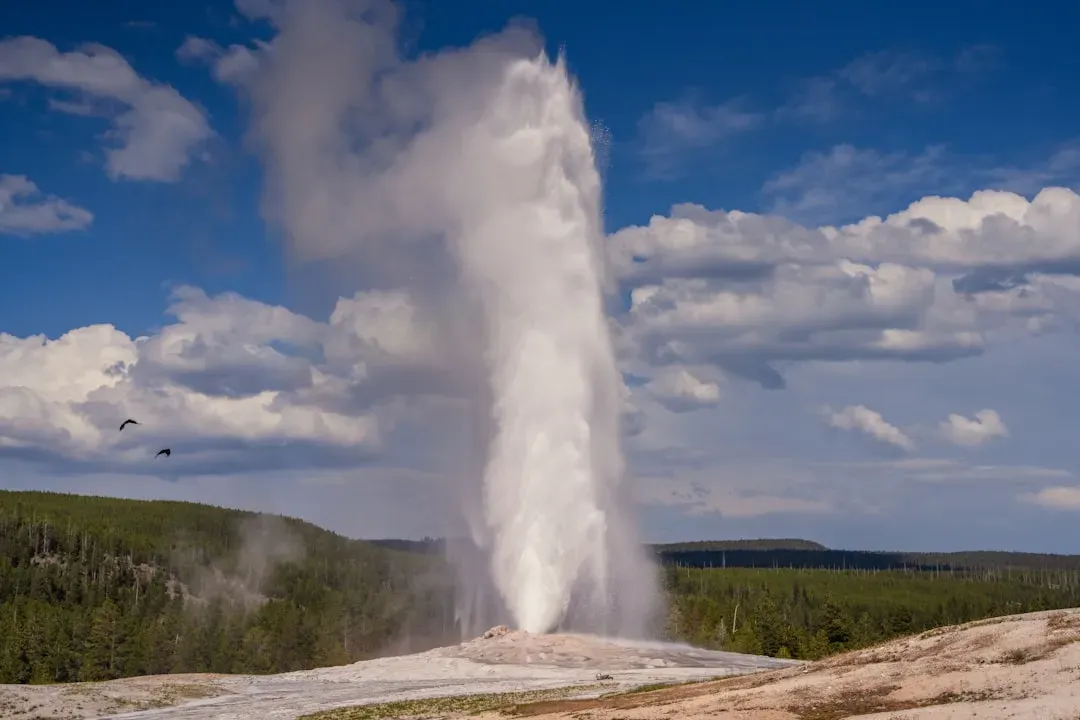
I think the most astonishing chapter of this entire story isn’t the eruptions themselves. It’s what decides to live right next to them. In the late 1970s, scientists were shocked to discover that some animals can even metabolize inorganic compounds emitted during volcanic activity, forming unique communities around areas of hydrothermal venting, similar to geyser activity on land. Life where no life should exist. It rewrote the rulebook.
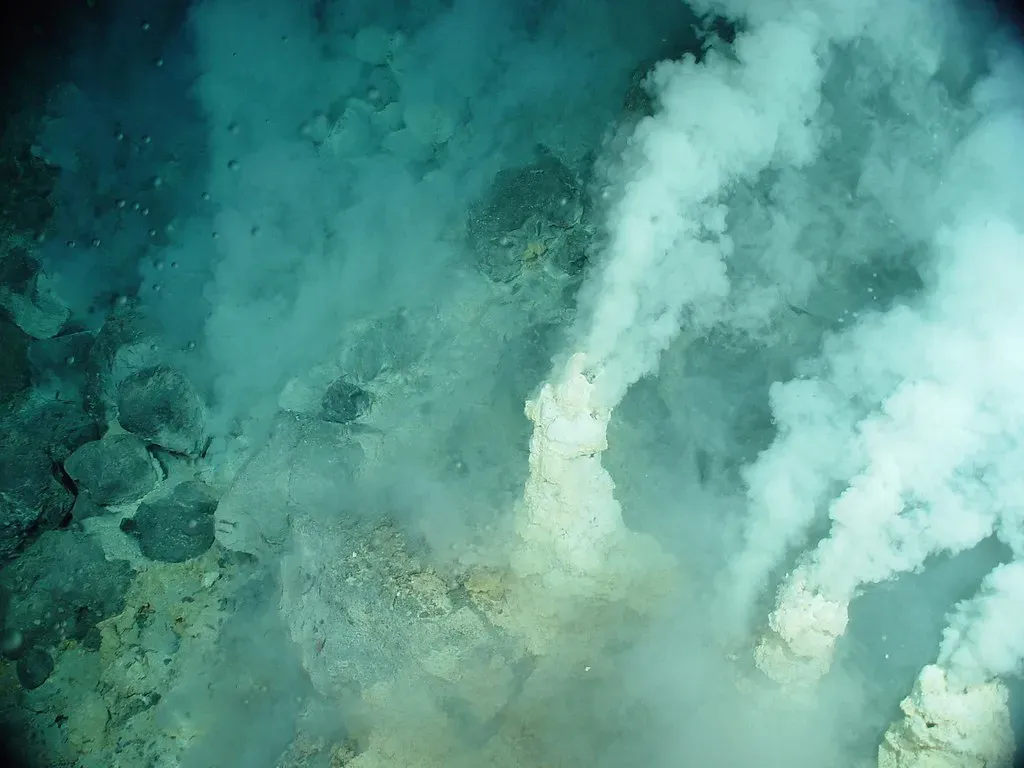
Underwater volcanic activity causes small cracks, called hydrothermal vents, to form along the seafloor. These vents release hot, mineral-rich water that is both physically and chemically different from typical seawater. Around these vents, entire ecosystems bloom, without a single ray of sunlight to support them. It’s the biological equivalent of finding a thriving city in the middle of a desert with no roads leading to it.
Incredible filaments discovered near the eruption of the Tagoro submarine volcano off El Hierro show an unprecedented array of metabolic pathways, spanning from the exploitation of organic and inorganic carbon released by volcanic degassing to the uptake of sulfur and nitrogen compounds, with a new microbial species colonizing the substrate 130 meters below sea level. A brand-new species. Born from destruction.
Sea life thrives off the mineral-rich gases that exit through hydrothermal vents, which are like underwater hot springs. Streams of hot fluid containing billions of microbes billow up from cracks in the caldera’s surface, creating white plumes called “snowblowers.” The deeper you look, the stranger and more wondrous it gets.
Watching the Unlit Fire: How Scientists Track Underwater Eruptions Today
Studying something you can’t see, can’t safely approach, and can’t reliably predict is genuinely one of science’s greatest challenges. It’s hard to say for sure exactly how many eruptions happen annually on the ocean floor, precisely because so many go completely undetected.
If a volcano is deep underwater, seismic readings, water discoloration, and floating volcanic rocks might be all we have to show an eruption has occurred. It’s a bit like trying to understand a thunderstorm by only looking at puddles left on the ground afterward. Remote controlled submersibles can conduct surveys of the ocean floor. The use of hydrophone networks allows volcanic eruptions to be detected. Submersibles can then be sent out in response to record the result of the eruption.
One of the most closely watched underwater volcanoes right now is Axial Seamount, off the Oregon coast. Axial’s every rumble and sigh has been logged with underwater sensors since 1997. Since 2014, a network of submarine fiber-optic cables, bearing an array of 150 instruments, has been delivering data in real time as the ground shakes or the seafloor around Axial swells or shrinks. Scientists predicted an eruption in 2025. It didn’t happen. It still might, in 2026. Watching and waiting.
This kind of discovery will help scientists better predict the precursors of a submarine eruption, such as low-frequency earthquakes or hydrophone data, using machine learning. Technology is steadily closing the gap between what we can observe and what remains hidden. We are just beginning to understand the effects of volcanic eruptions in the ocean, thanks in large part to advances in ocean science and technology. With every new undersea eruption, scientists learn more about how life in the ocean recovers and repairs itself.
Conclusion
The ocean floor is not the quiet, still place most of us imagine when we close our eyes and picture the deep sea. It is alive with fire, pressure, chemistry, and biology in forms that continue to shock even the most seasoned researchers. Every eruption down there is both a violent geological event and, in time, the beginning of something new.
What strikes me most is just how much of Earth’s most dramatic story is being told in the dark, beneath miles of water, completely out of sight. The volcanoes we see on land are, in a sense, just the minority voice in a much louder planetary conversation happening far below. The ocean floor is not the end of the world. In many ways, it’s where the world keeps beginning.
Next time you stand at the ocean’s edge, remember that beneath those waves, the planet is building itself, one fiery eruption at a time. What do you think about it? Share your thoughts in the comments below.

- 7 Animals That Seek Out and Self-Medicate With Specific Plants – and the Question of How They Learned Which Ones Work - July 15, 2026
- 9 Animal Migrations That Cover Distances No Known Navigation Mechanism Has Fully Accounted For - July 15, 2026
- 12 Animals That Have Been Documented Doing Something That Required Planning More Than One Step Ahead - July 15, 2026