
Worried about unexpected vet bills?
Pet insurance can cover thousands in unexpected vet costs. Get a free quote from Lemonade in under 2 minutes.
Get My Free Quote →Sponsored · Opens Lemonade.com
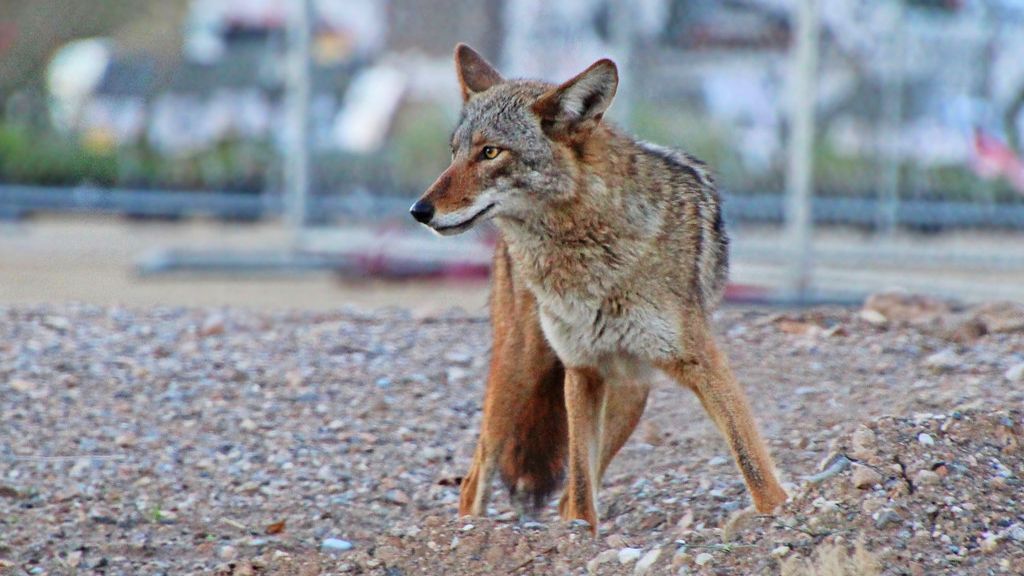
Most city dwellers assume that wildlife and urban life are fundamentally incompatible. The coyote has spent decades quietly proving otherwise. Spotted in alleyways in the Bronx, trotting through San Francisco’s Golden Gate Park, and raising pups beneath the flight paths of Chicago’s O’Hare, this medium-sized carnivore has become one of the most studied examples of an animal genuinely thriving inside the human footprint.
A new wave of research outlines the ways city life may be shaping the evolution of urban coyotes, the highly adaptable carnivores spotted in alleyways from Berkeley, California, to the Bronx in New York. What makes their story genuinely compelling isn’t just that they’ve survived in cities. It’s that they appear, in many measurable ways, to be getting better at it.
How Coyotes First Moved In and Stayed
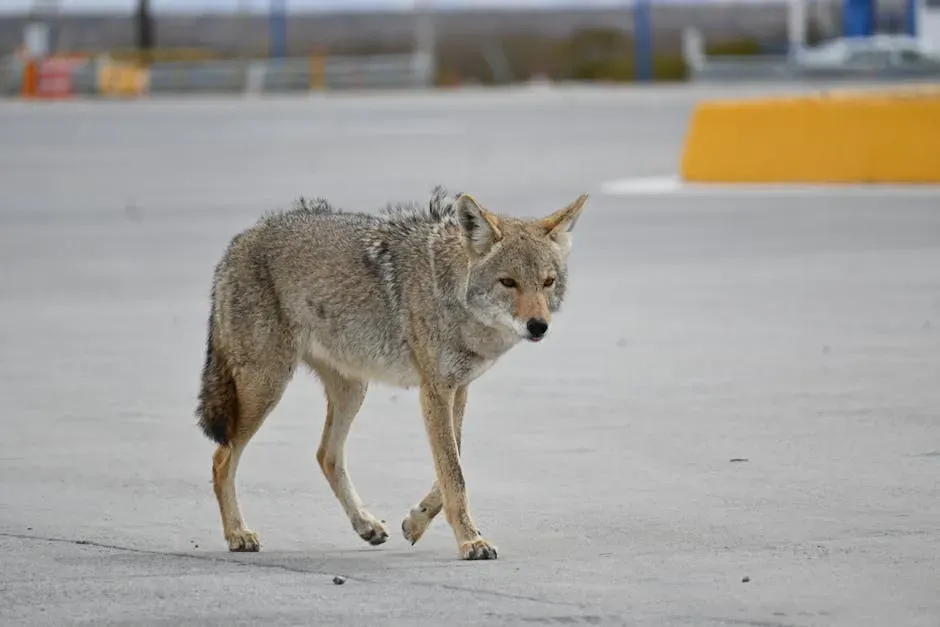
Coyotes are highly adaptable, medium-sized carnivores that now inhabit nearly every large city in the United States and Canada. Their expansion into urban areas wasn’t a sudden event. It happened gradually, opportunistically, and largely without fanfare.
Cities offer abundant resources and relative safety compared to wild environments, where coyotes face more natural predators and harsher survival conditions. This contrast turns out to be a powerful pull factor. Fewer wolves, fewer traps, and a reliable food supply make city life genuinely appealing for a generalist predator.
Coyotes typically establish territories within parks, cemeteries, golf courses, vacant lots, and suburban neighborhoods – any area that offers a blend of shelter, food, and limited disturbance. They don’t need wilderness. They need a quiet corner and an opportunity.
Fragmented city landscapes do not deter coyotes. Instead, coyotes use parks, golf courses, flood control channels, railway lines, and greenbelts as safe corridors for movement. These features allow coyotes to traverse urban sprawl and establish territories in densely populated regions.
The Night Shift: Behavioral Changes That Make City Life Work
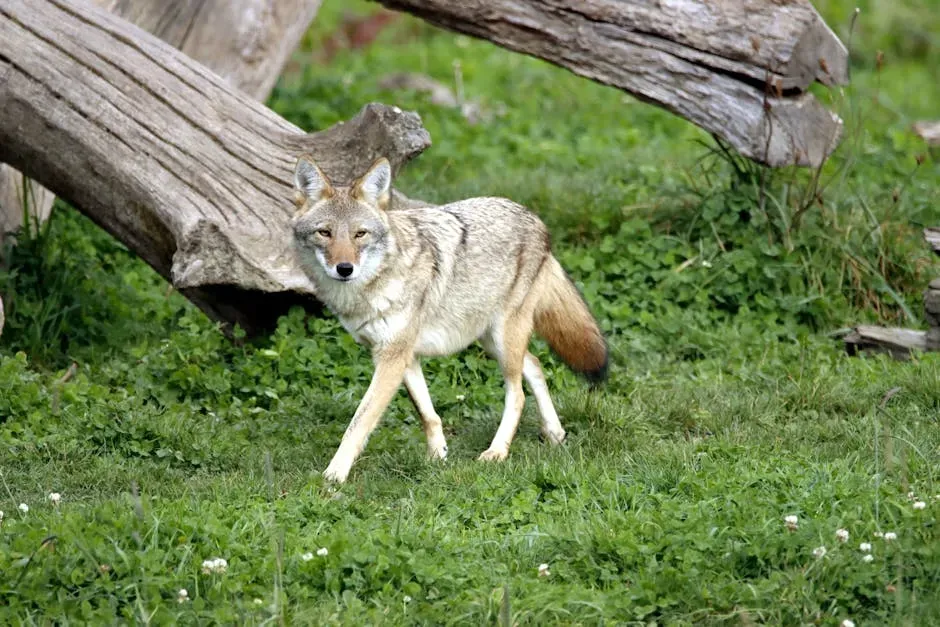
Coyotes tend to be nocturnal or crepuscular, meaning active at dawn and dusk, in urban settings, effectively reducing their encounters with humans. This isn’t instinct carried unchanged from the wild. It’s a learned behavioral adjustment, one that differs noticeably from their rural counterparts.
Urban coyotes demonstrate behavioral plasticity – changing their activity patterns from diurnal, or daytime, in rural settings to predominantly nocturnal in cities to avoid human activities. The shift is consistent enough across cities that researchers treat it as a defining marker of urban adaptation.
Research shows that rural coyotes are active both day and night, but urban coyotes dramatically reduce their daytime activity to avoid humans. Because of this adaptation, as coyote populations increase, human-coyote encounters and attacks remain relatively low.
Results from behavioral tests indicate that urban coyotes are bolder and more exploratory than rural coyotes, and that within both populations there are individuals that vary across both spectrums. Bolder behavior in urban coyotes emerged over several decades. It’s a nuanced picture: cautious enough to stay hidden, bold enough to exploit new opportunities.
An Opportunistic Diet Built for City Living
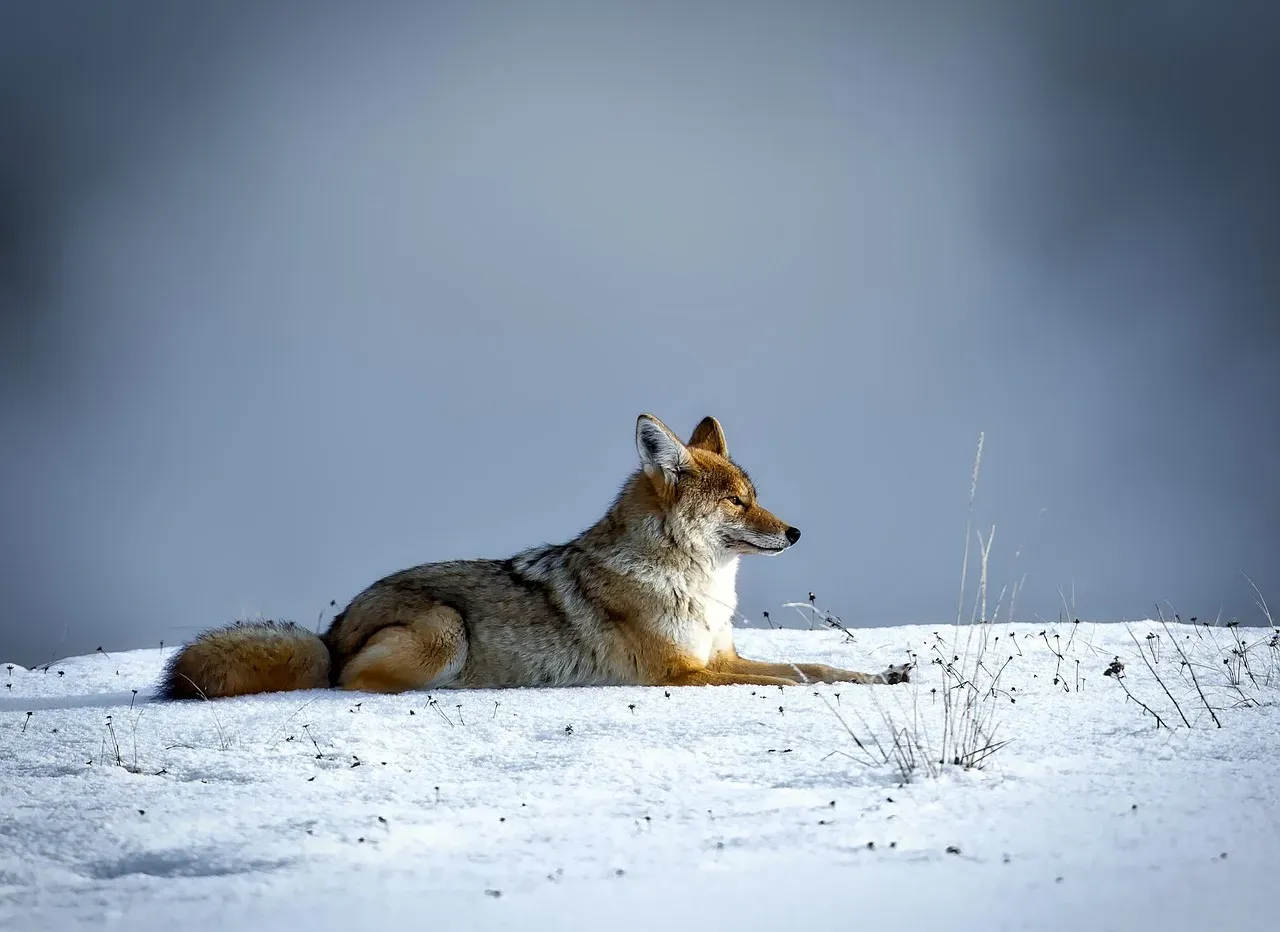
Coyotes in cities have a varied and flexible diet. They primarily consume small mammals such as rodents and rabbits, which helps manage urban pest populations. Their diet often expands to include birds, insects, fruits, and vegetables. This dietary range is one of the clearest reasons they succeed where more specialized predators cannot.
Research from the Urban Coyote Research Project in Chicago found the predominant food sources were small rodents, fruit, white-tailed deer, and rabbits. Human-associated food items, including garbage and pet food, were found in just a very small fraction of samples, suggesting that Chicago’s urban coyotes rely more on natural prey and less on human food sources.
Urban coyotes have integrated roughly over a third of human food into their diets in some studied populations, influencing their boldness around people. The degree to which human food enters the picture varies significantly by city and neighborhood, a reminder that local conditions shape individual behavior in meaningful ways.
While coyotes continue to hunt traditional prey like rabbits and rodents, they’ve also been observed scavenging on roadkill and occasionally consuming fruits and other available food sources. This opportunistic feeding behavior not only aids their survival but also positions them as natural pest controllers, helping to manage populations of small mammals.
Territory, Movement, and the Surprising Role of Human Neighborhoods
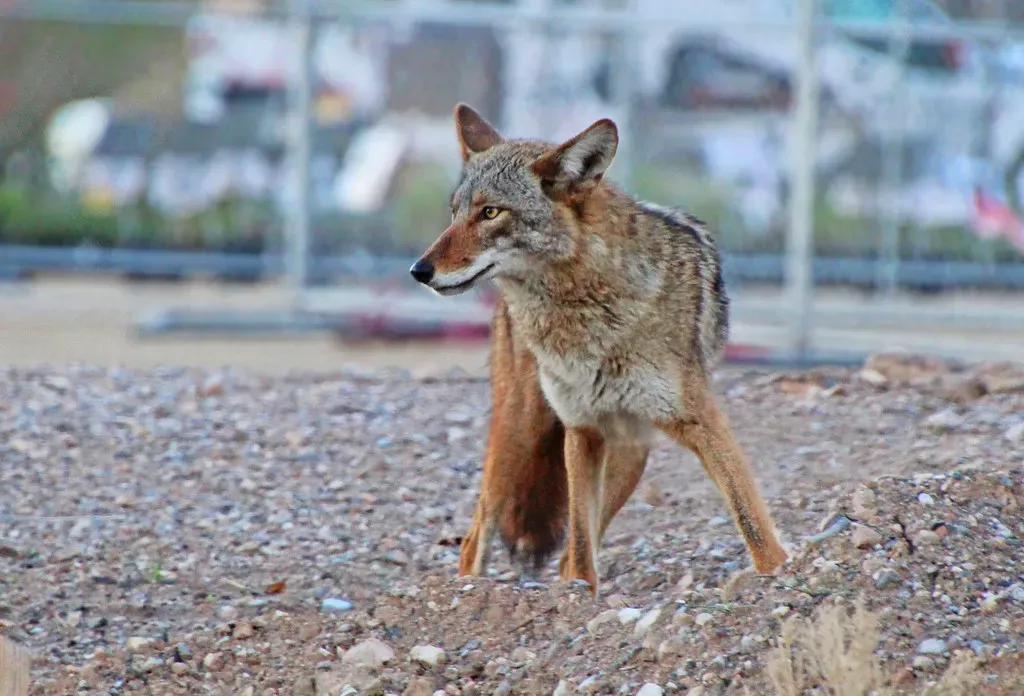
Research by the Urban Coyote Research Project based in Chicago has provided significant insights: studies using GPS collar tracking reveal that coyotes form stable territories even within densely populated urban areas, often overlapping with human neighborhoods yet remaining mostly unseen. That invisibility is itself a kind of skill.
Researchers monitoring coyotes in Chicago found that habitat – areas with relatively high levels of vegetation cover and low levels of human infrastructure – did not influence coyote survival in positive or negative ways. Instead, areas densely populated with humans were associated with longer coyote lifespans. That finding genuinely surprised many scientists.
A study led by UC Berkeley researchers finds that wealth, pollution, and human population density are strong predictors of how coyotes move around the city. The social geography of a neighborhood, it turns out, shapes coyote behavior as much as any natural feature.
Coyotes living in more anthropogenically burdened areas, characterized by higher pollution and development intensity, display different movement patterns than those in less burdened areas. Specifically, coyotes in burdened areas have larger home ranges, longer step lengths, and higher values of mean daily displacement. They cover more ground because scattered resources require it.
Urban Evolution: Cities Are Changing Coyote Genetics
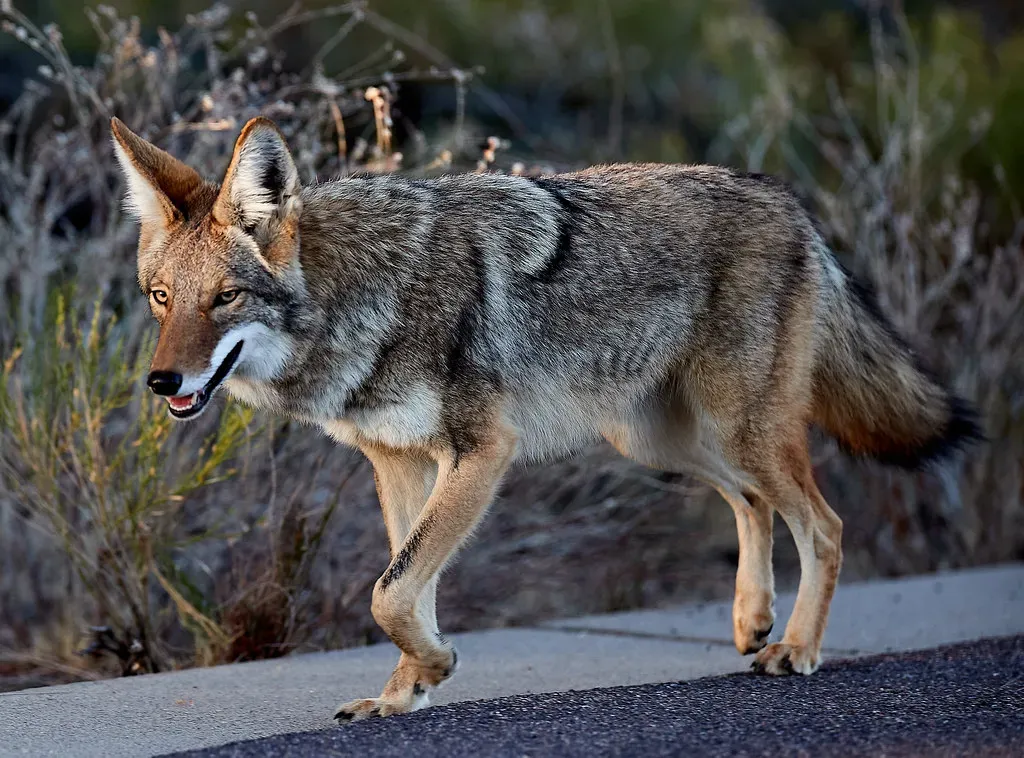
A study conducted by researchers from Washington University in St. Louis shines a light on the genetic and evolutionary mechanisms at play behind urban coyotes’ remarkable adaptation to city life, illustrating how rapid evolutionary changes can occur in response to urban challenges and opportunities. The study explores the intersections of urban living, genetic selection, and ecological adaptation.
Historically, evolution was thought to occur on vast chronological scales. Scientists now understand that evolution can happen within just a few generations. Urban areas offer a unique glimpse into how evolution functions on smaller timescales and how species adapt to human presence and novel environments.
Research provides examples of life history traits that may be under selection in urban coyotes, as well as a list of candidate genes that have the potential to be implicated – including genes related to diet, health, thermoregulation, behavior, cognition, and reproduction. That’s a remarkably broad catalogue of biological change, all driven by the pressures of city life.
Genes that are involved in the production of enzymes or proteins that detoxify metals or reduce the impacts of oxidative stress on the body may be particularly beneficial for coyotes in urban areas facing increased exposure to heavy metals. The city, in other words, is selecting for coyotes that can handle pollution – something no natural landscape has demanded before.
Conclusion: A Wild Animal Learning the Language of the City
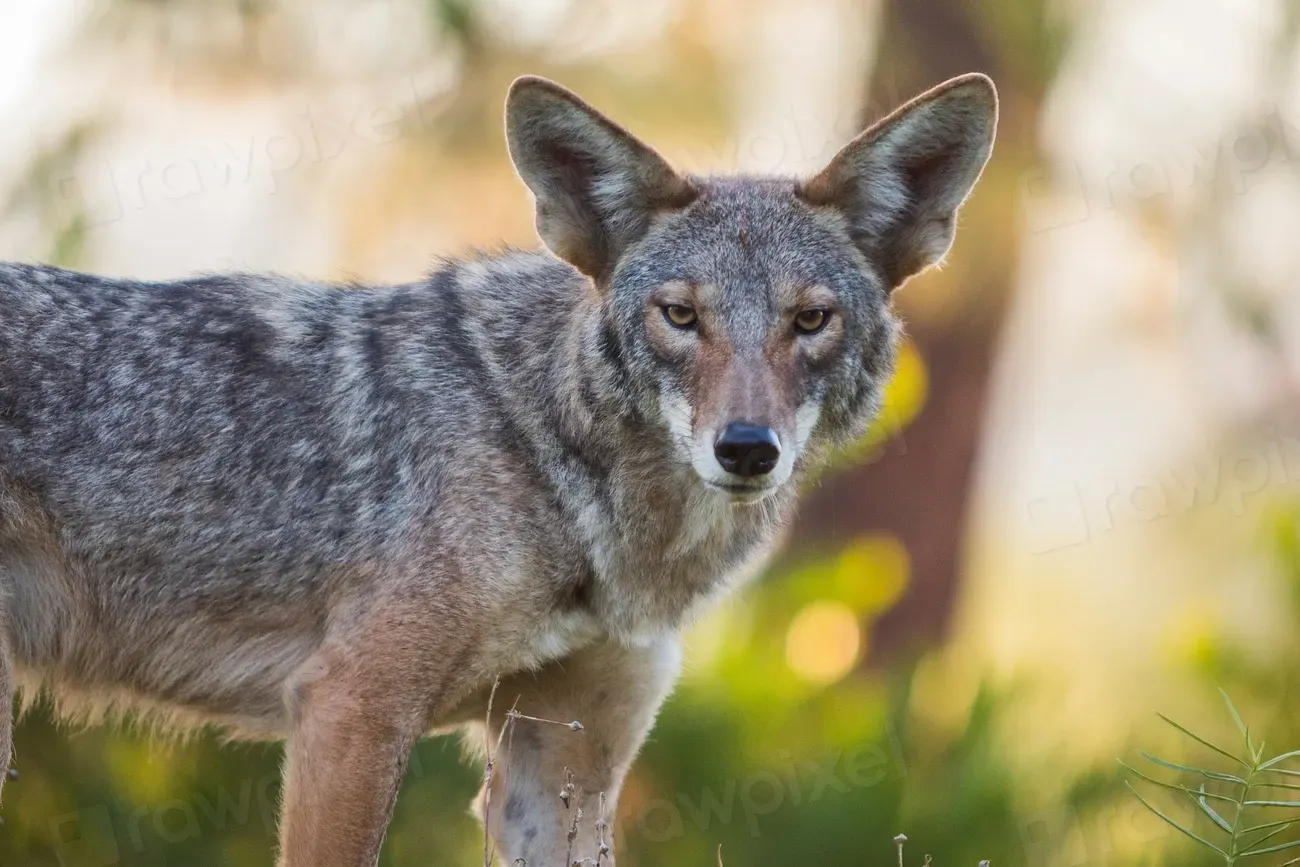
Researchers estimate that roughly four thousand coyotes live in Chicago, one of the largest metropolitan areas in North America. That number, drawn from one of the most studied urban coyote populations in the world, gives a sense of just how normalized their presence has become.
Rather than being pushed out by development, coyotes have learned to live alongside people – often unnoticed until a conflict arises. Their ability to stay under the radar while building stable populations is, in its own way, a remarkable feat of ecological intelligence.
What the coyote’s story tells us is less about wildlife invading our cities and more about what happens when a species is flexible enough to meet a changing world on its own terms. The research accumulating from Chicago, Los Angeles, St. Louis, and beyond suggests these animals aren’t merely coping. They are, generation by generation, genuinely adapting.
The coyote doesn’t ask permission to belong in a city. It just figures out how to live there. That, perhaps, is the most honest definition of adaptability we have.
Worried about unexpected vet bills?
Pet insurance can cover thousands in unexpected vet costs. Get a free quote from Lemonade in under 2 minutes.
Get My Free Quote →Sponsored · Opens Lemonade.com

- 14 Quiet Signs Your Dog Is Getting Ready to Say Goodbye – Most Owners Miss Them Completely - June 9, 2026
- 15 Dog Breeds Known for Their Exceptional Loyalty and Devotion - June 9, 2026
- 14 Garden Mistakes That Drive Hummingbirds Away for Good – Most Gardeners Don’t Realize Until It’s Too Late - June 9, 2026