

What happened on the Exit Glacier Trai
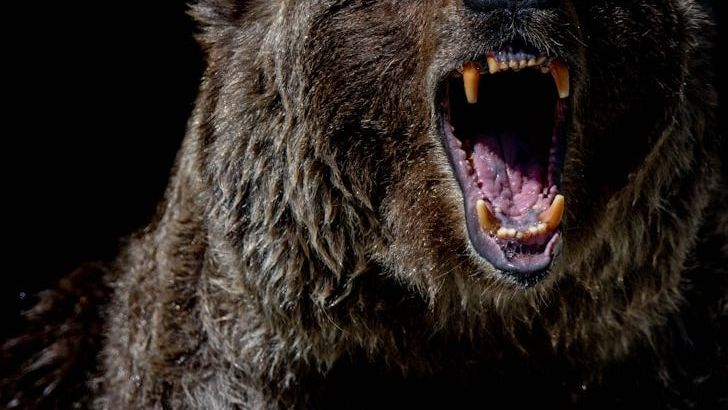
Just a quarter mile from the Exit Glacier parking lot around 6:40 p.m., a brown bear charged a man and a woman—and they fought back. Both hikers suffered injuries, but officials described them as not life-threatening, and they made it to a hospital for care. Troopers later received the report from the hospital at approximately 9:11 p.m., outlining what the pair endured in those tense minutes on the trail. The encounter occurred near where the Exit Glacier and Harding Icefield routes meet, a busy junction for anyone exploring Kenai Fjords National Park. The hikers reported seeing a single bear, and officials said they were not carrying bear spray at the time. Details about exactly how they defended themselves remain limited, but the core fact is undeniable: they resisted and survived. The immediate aftermath involved medical treatment and a rapid notification to authorities to secure the area and begin an investigation.
“Both people had to fight off the bear.” — Alaska State Troopers
Troopers emphasized that the hikers were adults and that their injuries, while concerning, did not pose an immediate threat to life. The account is striking not only for the proximity to a trailhead but also for how quickly the situation escalated and ended. Incidents this close to parking areas can catch even vigilant hikers off guard because the setting still feels “near civilization.” Yet in Alaska, the boundary between the parking lot and true backcountry can be just a few hundred yards. This event underscores how a seemingly routine evening walk can turn into a survival moment within seconds. ([adn.com]
Why this location sees bear activity
Seward sits at the edge of Kenai Fjords National Park, a landscape where brown and black bears roam across valleys, brushy hillsides, and braided river corridors. Exit Glacier is among the park’s most accessible destinations, drawing families, tour buses, and seasoned hikers to a dynamic, glaciated valley that still belongs first to wildlife. In late summer and early fall, bears intensify feeding as they build fat reserves for winter, which can heighten the chance of close encounters along popular routes. Trails that funnel people through brushy sections or around bends with limited sightlines can create surprise meetings—exactly the kind of scenario that can trigger a defensive charge. Even “front-country” trails can be part of a bear’s daily circuit, especially in the shoulder seasons when human use remains high but food-seeking behavior peaks. Visitors often underestimate how quickly a quiet, scenic walk can intersect with an animal’s need to move, feed, and protect space. Recognizing that dual use—recreation and wildlife living their lives—is central to planning safe outings here.
The immediate response: closures, investigation, and public guidance
After the hospital alerted authorities, Alaska State Troopers coordinated with the National Park Service and wildlife biologists to assess the scene at first light. As a precaution, officials closed Exit Glacier Trail until further notice while responders looked for sign, collected potential hair or DNA samples, and evaluated any ongoing risk to the public. Investigators planned to interview the hikers if they were willing, both to clarify the sequence of events and to understand what, if anything, might reduce the chance of a repeat incident. Officials also asked the public to avoid the area for the time being, a step that protects visitors and gives wildlife room to move away from the trail corridor. Temporary closures like this are common in Alaska following close encounters or maulings; they help managers balance access with safety. The focus is fact-finding first: determine what happened, assess whether a defensive bear is likely to remain nearby, and decide when it’s appropriate to reopen. This measured approach reflects lessons learned from past encounters across the state’s heavily used trail systems.
What the KTUU video reports and adds
The KTUU/Alaska’s News Source video report zeros in on the plain, urgent facts: two hikers on Exit Glacier Trail, a sudden brown bear encounter, a fight to survive, and a trip to the hospital. The clip reinforces the location—roughly a quarter mile up the trail—and notes the swift involvement of troopers and park officials. It highlights the trail closure and the morning assessment plan, giving viewers a clear sense of the timeline within hours of the incident. Broadcast updates like this help local hikers and visitors adjust plans quickly, especially when a popular route is affected. For anyone who didn’t witness the scene, the video serves as a concise snapshot: what happened, where it happened, and which agencies are in charge of the response. That immediacy complements on-the-ground work by responders who rely on public cooperation to keep the area clear during an investigation. Taken together, the televised update and trooper statements provide consistent, actionable information for the community.
Safety takeaways for hiking in bear country
Encounters like this underline a few simple habits that can make a big difference on busy, brushy trails. Make steady noise through blind curves and in dense vegetation so a bear hears you before you get close. Keep dogs leashed; an off-leash pet can run toward a bear and drag trouble back to you. Carry bear spray where you can reach it in under a second—on a hip belt or chest strap, not buried in a pack. Travel in small groups when possible, maintain spacing, and avoid wearing earbuds that mask environmental sound. Give carcasses, fresh scat, and concentrated food sources a wide berth, and turn around if something feels off. Above all, stay alert near trailheads too; a bear’s path may cross the first quarter mile as easily as the last.
When a close encounter happens, experts advise speaking calmly, backing away slowly if the bear isn’t approaching, and not running. If a brown bear makes contact in what appears to be a defensive charge, playing dead by lying flat on your stomach with hands clasped behind your neck can reduce injury—while being ready to fight back if the bear persists. If it’s a predatory situation or the bear continues attacking, focus blows on the face and muzzle and use any tool at hand. Bear spray has repeatedly proven effective when used correctly and early, creating a visual and sensory wall that buys time to leave. Afterward, call authorities as soon as you can and give clear details about location and direction of travel. Those details help responders warn others and decide next steps on closures or patrols.
Community context and what comes next
Managers typically reopen trails after a brief period, once biologists are confident the immediate risk has passed and signage is in place to remind people about precautions. Follow official updates before heading to Exit Glacier, and be flexible about route changes if closures remain in effect. Seasonal patterns—like bears feeding heavily ahead of winter—mean some corridors may see elevated activity for days at a time. In practice, that can translate into temporary advisories, patrol presence, and public reminders to carry deterrents. The consistent theme from authorities is simple: respect wildlife space, plan ahead, and do the basics well every time you lace up your boots. For visitors and locals alike, those small habits are what keep Alaska’s world-class trails open and safer for everyone.
Source: Original YouTube Video

- 17 Rare Dog Breeds You Might Not Have Heard of Before - June 30, 2026
- 15 Exotic Animals People Bond With – And the Hidden Dangers They Bring - June 30, 2026
- 22 Coolest Animals Gifted with Extreme Abilities of Survival - June 30, 2026