


Yellowstone National Park, with its stunning landscapes and diverse wildlife, draws nature enthusiasts from around the globe. Among its iconic inhabitants, the American bison commands attention for its sheer size and majestic presence.
However, a recent video serves as a stark reminder of the dangers associated with approaching these creatures. In this article, we delve into why you should never approach a bison in Yellowstone and shed light on crucial facts about bison and their conservation status.
Watch the incredible story of a man leaving his car and approaching a large bison + why you should never do that + video. Share with your friends and family now to warn them!
The Bison: Symbol of the American West

🔥 Would you like to save this?
We'll email this post to you, so you can come back to it later!
The American bison, often referred to as buffalo, holds a symbolic place in the history and culture of the American West. These massive herbivores once roamed the plains in vast numbers, shaping the landscape and playing a vital role in the ecosystem. Today, Yellowstone National Park serves as a stronghold for bison conservation, providing a glimpse into the natural behavior of these iconic creatures.
Size and Strength

🔥 Would you like to save this?
We'll email this post to you, so you can come back to it later!
Bison are the largest land mammals in North America, with males (bulls) weighing up to 2,000 pounds. Their strength and agility can be deceptive, making them potentially dangerous when provoked or approached closely.
Conservation Status

🔥 Would you like to save this?
We'll email this post to you, so you can come back to it later!
While bison have made a remarkable recovery since the brink of extinction in the 19th century, they still face conservation challenges. The International Union for Conservation of Nature (IUCN) classifies the American bison as “Near Threatened,” emphasizing the need for ongoing conservation efforts.
Watch: Bison HeadButt Knockdown.
Yellowstone Bison Population

🔥 Would you like to save this?
We'll email this post to you, so you can come back to it later!
Yellowstone is home to one of the largest and oldest public bison herds in the United States. The park’s commitment to bison conservation has played a pivotal role in preserving this iconic species.
Behavioral Characteristics

🔥 Would you like to save this?
We'll email this post to you, so you can come back to it later!
Bison are generally calm animals, but they can exhibit unpredictable behavior, especially during mating season (rut) and when protecting their young. Approaching too closely can trigger defensive reactions.
Role in Ecosystem

🔥 Would you like to save this?
We'll email this post to you, so you can come back to it later!
As ecosystem engineers, bison contribute to maintaining healthy grasslands. Their grazing and wallowing activities create diverse habitats for other species, showcasing the interconnectedness of wildlife.
Check out: Some Of The Largest Siberian Husky’s.
The Video Warning: A Cautionary Tale
🔥 Would you like to save this?
We'll email this post to you, so you can come back to it later!
The recent video capturing a person dangerously close to a bison in Yellowstone serves as a cautionary tale. Approaching bison poses risks not only to human safety but also to the well-being of the animals. Yellowstone’s guidelines emphasize maintaining a safe distance, typically 25 yards or more, to prevent disturbances that can lead to defensive behaviors from the bison.
Conservation Efforts

🔥 Would you like to save this?
We'll email this post to you, so you can come back to it later!
Yellowstone National Park has played a vital role in the conservation of bison, contributing to the species’ recovery. Efforts include managing the population size through culling and relocation, preventing the spread of brucellosis, and collaborating with tribal nations to support sustainable bison management.
What is the scientific name of the American bison?

🔥 Would you like to save this?
We'll email this post to you, so you can come back to it later!
The scientific name of the American bison is Bison bison. There are two subspecies: the plains bison (Bison bison bison) and the wood bison (Bison bison athabascae).
🔥 Would you like to save this?
We'll email this post to you, so you can come back to it later!
Watch the FULL video here “Don’t Approach the Bison in Yellowstone National Park”
How large can American bison grow?

🔥 Would you like to save this?
We'll email this post to you, so you can come back to it later!
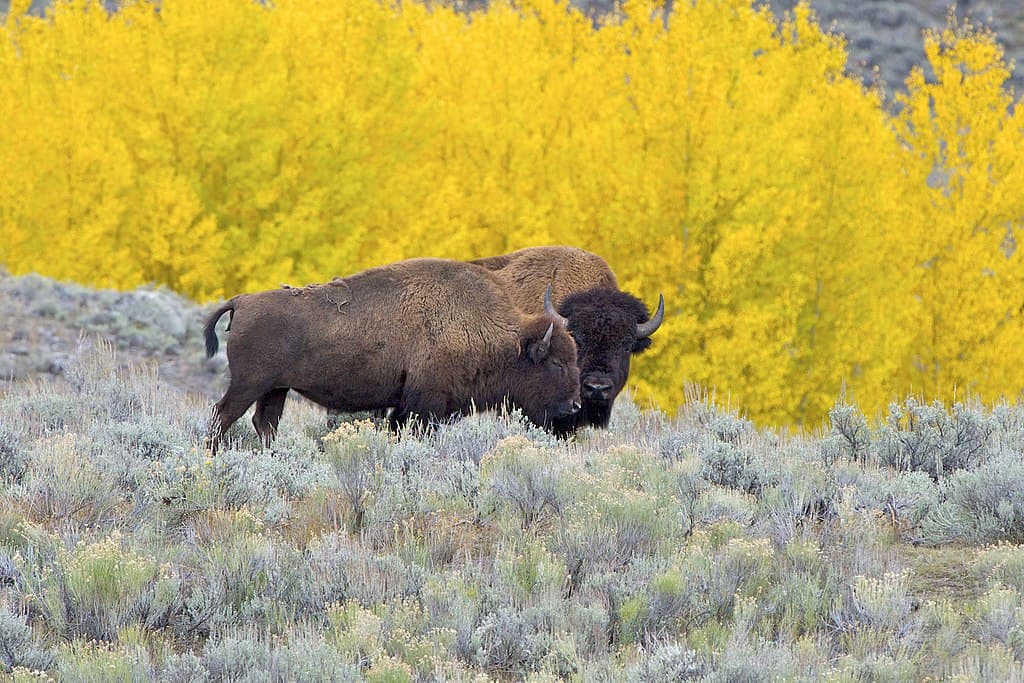
American bison are the largest land mammals in North America. Adult males can weigh up to 2,000 pounds and stand about 6 feet tall at the shoulder, while females are generally smaller, weighing around 1,000 pounds.
What do bison eat?
🔥 Would you like to save this?
We'll email this post to you, so you can come back to it later!
Bison are herbivores and primarily graze on grasses. They also eat forbs (flowering plants) and sedges. In the winter, they use their large heads to clear snow and access vegetation.
Where do bison live?
🔥 Would you like to save this?
We'll email this post to you, so you can come back to it later!
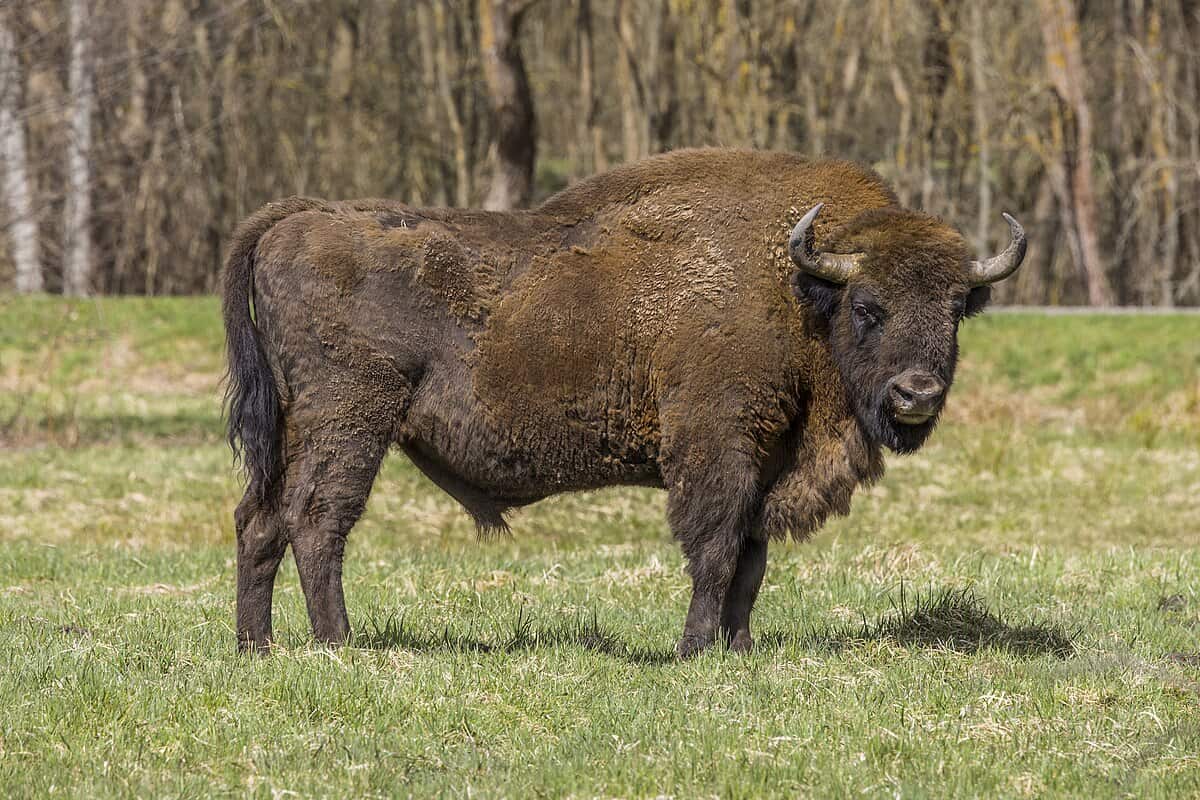
Bison once roamed most of North America, but today they are mainly found in protected areas and national parks, such as Yellowstone National Park. They inhabit grasslands, prairies, and plains.
How do bison contribute to their ecosystem?
🔥 Would you like to save this?
We'll email this post to you, so you can come back to it later!
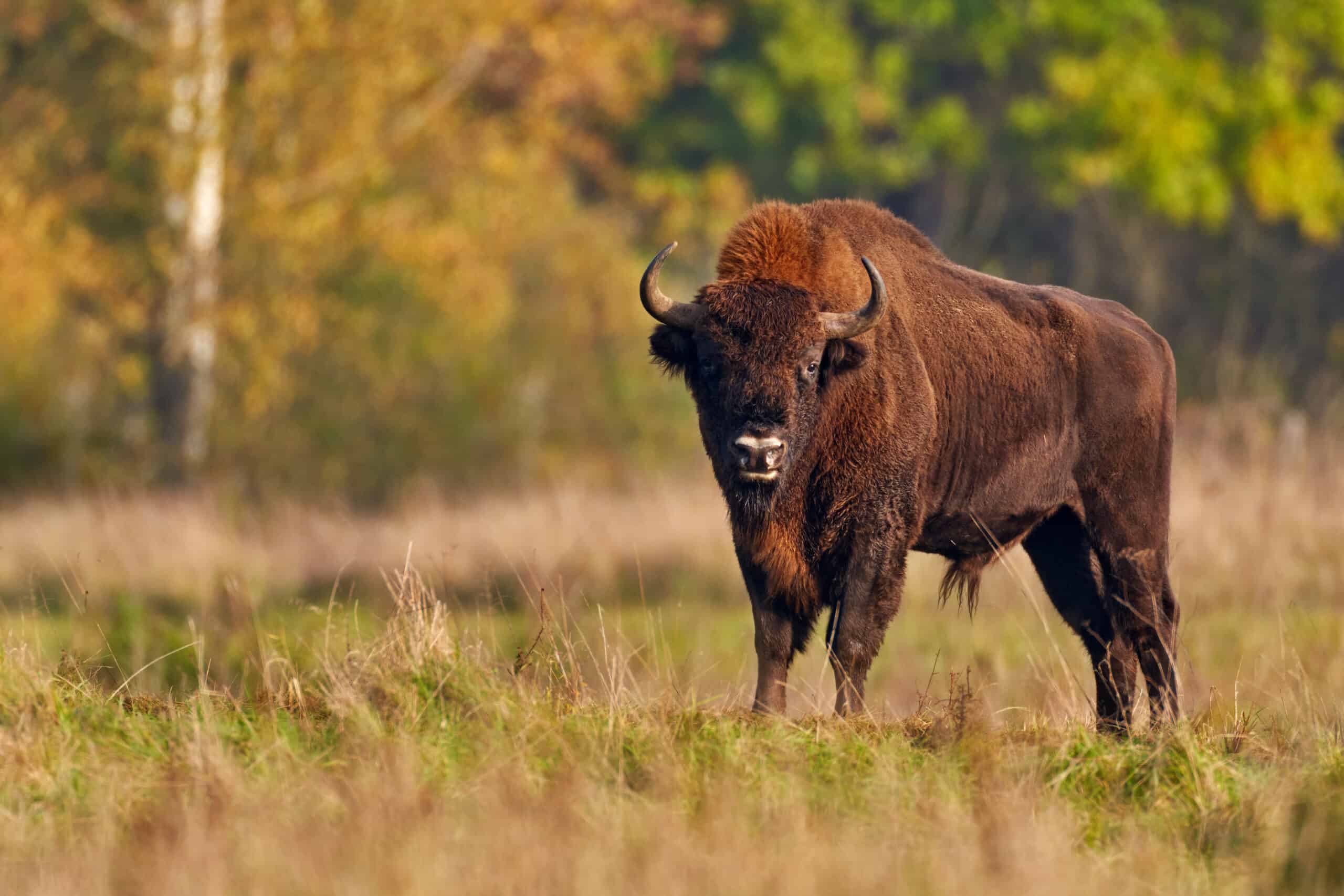
Bison play a crucial role in their ecosystem by grazing, which helps maintain healthy grasslands. Their wallowing behavior creates depressions in the ground that fill with water, providing habitats for various species.
Are bison dangerous to humans?

🔥 Would you like to save this?
We'll email this post to you, so you can come back to it later!
Bison can be dangerous if approached too closely. They are unpredictable and can run up to 35 miles per hour. It’s important to keep a safe distance, at least 25 yards, to avoid provoking them.
How do bison communicate?

🔥 Would you like to save this?
We'll email this post to you, so you can come back to it later!
Bison communicate through a variety of vocalizations, including grunts, snorts, and roars. They also use body language, such as lowering their heads, to express dominance or aggression.
What is the significance of bison to Native American cultures?

🔥 Would you like to save this?
We'll email this post to you, so you can come back to it later!
Bison are of great cultural and spiritual significance to many Native American tribes. They provided food, clothing, shelter, and tools, and are often featured in tribal stories and ceremonies.
How did bison populations recover from near extinction?

🔥 Would you like to save this?
We'll email this post to you, so you can come back to it later!
In the late 19th century, bison were nearly hunted to extinction. Conservation efforts, including breeding programs and protected reserves, have helped their numbers recover. Today, there are about 500,000 bison in North America.
What is the difference between a bison and a buffalo?

🔥 Would you like to save this?
We'll email this post to you, so you can come back to it later!
The terms bison and buffalo are often used interchangeably in North America, but they refer to different animals. True buffalo are native to Africa and Asia, such as the African buffalo and the water buffalo. The American bison is a distinct species native to North America.
Wrap Up

🔥 Would you like to save this?
We'll email this post to you, so you can come back to it later!
Overall, as stewards of the environment, it is our responsibility to respect the natural behaviors of wildlife and contribute to their conservation. Furthermore, the video warning against approaching a bison in Yellowstone serves as a reminder of the importance of maintaining a safe distance and appreciating these majestic creatures from afar. Moreover, by understanding the facts about bison and supporting conservation efforts, we can ensure the continued existence of this iconic symbol of the American West.
🔥 Would you like to save this?
We'll email this post to you, so you can come back to it later!
If you enjoyed this article, find our related article links below or have a look at our dedicated bison page!
Next up:

For any feedback please message Feedback@animalsaroundtheglobe.com
- Venomous Spiders Found in America - November 5, 2026
- Top 10 Best Spots for Whale Watching in the US - November 4, 2026
- Alaskan Malamute Vs. Bearded Collie - November 2, 2026