
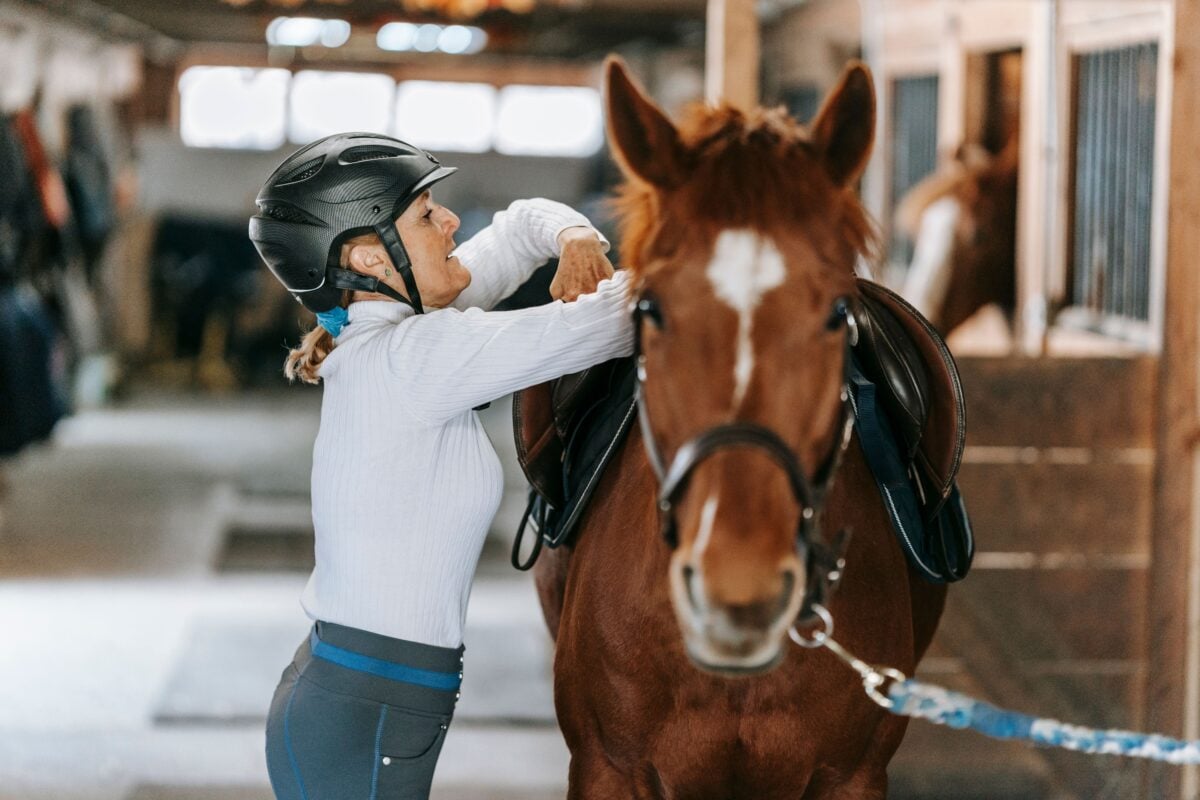
Everyone assumes a grey muzzle means a horse is either quietly suffering or counting down the days to retirement. Walk into most barns and you’ll hear the same tired line: “He’s just old.” But spend real time watching senior horses, and you’ll notice something the textbooks skip over entirely.
A lot of ageing horses aren’t fading out at all. They’re thriving, right where they stand, and the proof isn’t dramatic – it’s hiding in dozens of small, easy-to-miss moments most owners never learn to read. Here’s what experienced horse people actually watch for.
#1 – Ears That Still “Track” Everything
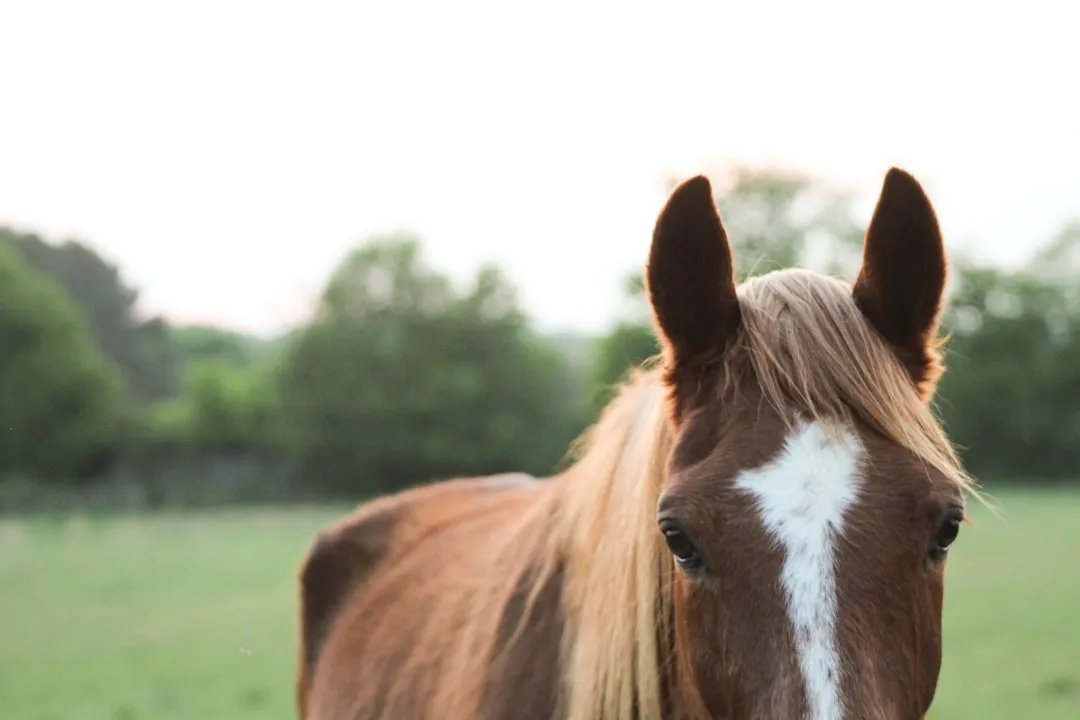
When an old horse is truly at ease in its home, the ears give it away first. They’re not frozen in worry or shut off from the world. Instead, they’re constantly flicking toward familiar sounds – the wheelbarrow, the feed bin lid, the gate chain rattling down the row.
Watch at feeding time. A comfortable senior perks its ears, maybe nickers, and turns toward you without bracing for anything bad. You’ll also catch those ears drooping into a lazy half-mast during grooming, one ear tracking you while the other flops toward the herd. Horses that feel unsafe don’t do this – they lock onto exits. If your old horse can doze with droopy ears and then instantly swivel toward your voice, that’s a brain that still trusts its surroundings completely.
#2 – Deep, Drooling, Sideways Power Naps
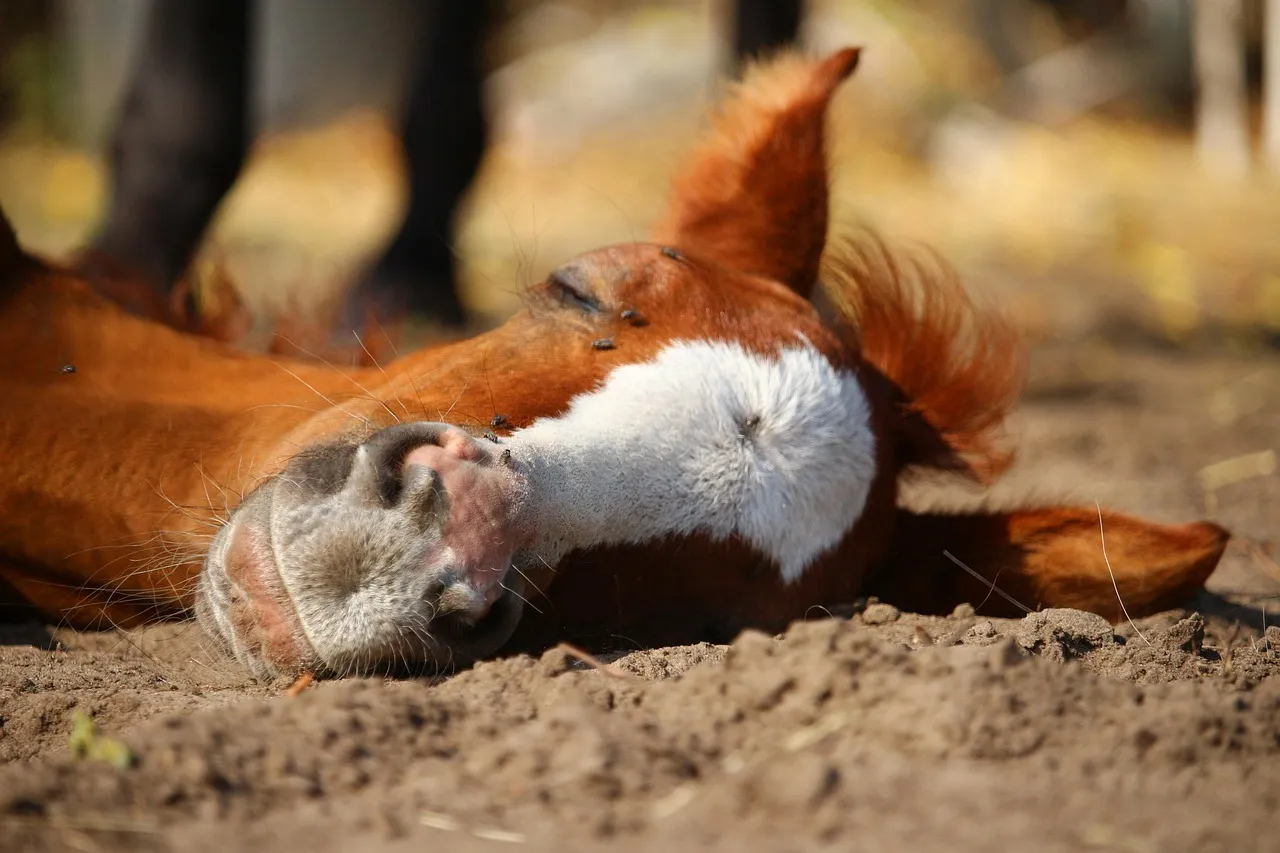
Most people underestimate how powerful a simple nap really is as a welfare signal. A senior horse that willingly lies flat out for real REM sleep – and stays there – is essentially announcing, “I feel safe enough to be defenseless.” Older joints make getting up and down harder, so choosing to lie down anyway means they trust the footing, the herd, and the humans around them.
Look for stretching out fully in a favorite sunny spot, soft snorts, twitching lips, even a little drool pooling in the dirt. A horse constantly pacing or only dozing on its feet isn’t fully settled. You cannot fake voluntary sleep in a prey animal – it’s one of the most honest signals a horse can give you.
Fast Facts
- Adult horses typically need only 5 to 7 hours of rest a day, but at least 30 minutes of that must be spent lying flat to reach true REM sleep.
- REM sleep is physically impossible while standing, since a horse’s muscles go completely limp during that stage.
- Skipping lying-down time for too long can lead to genuine sleep deprivation, sometimes showing up as sudden buckling or unexplained drowsiness.
- Older, arthritic horses are especially prone to skipping this deep sleep in cold or slick conditions, when getting back up feels risky.
#3 – A Senior Who Still Marches to the Gate
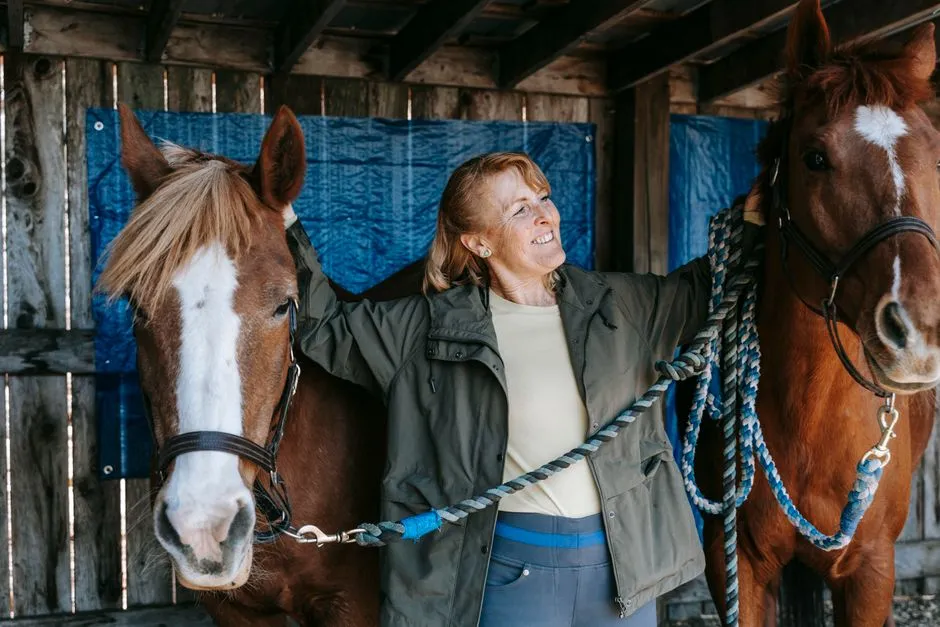
One of the clearest comfort signs is an old horse that still walks out with purpose instead of dragging its feet. When turnout or mealtime rolls around, does your horse amble over with a bright eye and swinging tail, or does it shuffle, stop, and stare into space? A comfortable senior doesn’t need to be fast – just deliberate.
Watch the small stuff: do they step forward willingly when haltered, or walk toward the gate on their own instead of planting their feet? Some owners quietly mislabel slow, hesitant movement as “just old age” when it’s actually dread or discomfort. A horse that still chooses to come in eagerly is telling you the whole setup works.
#4 – Keeping a Favorite Buddy (And Not Being Bullied)
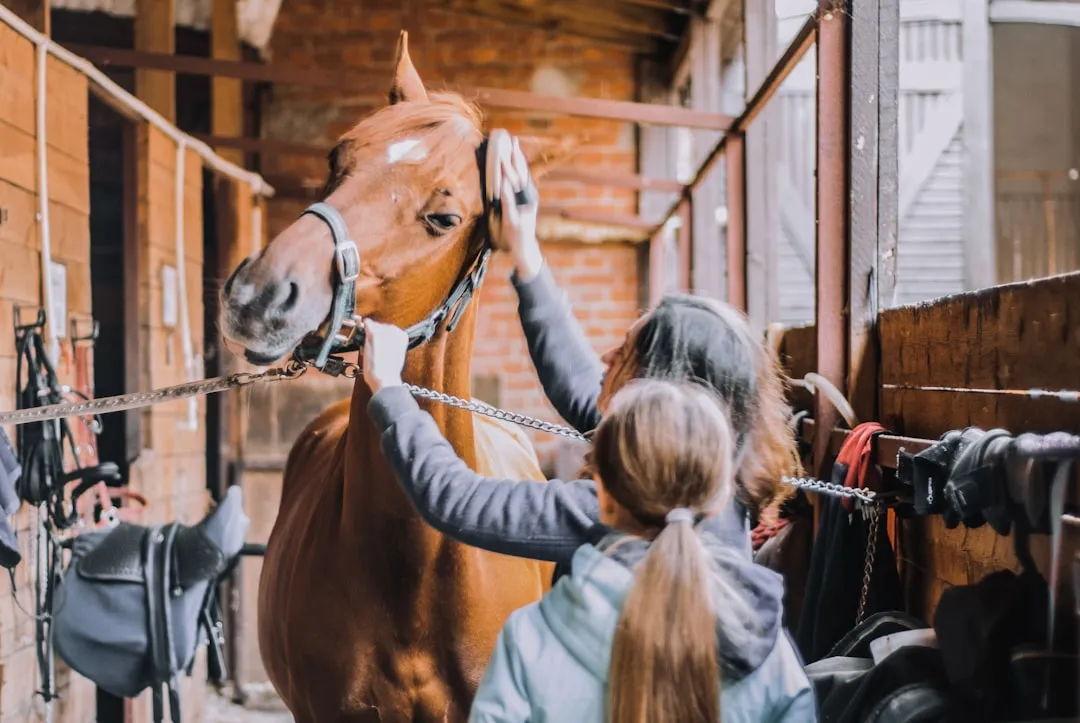
Social life is the truth serum of horse comfort. A senior still relaxed enough to maintain a steady, positive bond with another horse is almost always more at ease at home. Look for pair-bond behavior – mutual grooming, grazing nose-to-nose, standing hip-to-hip swishing flies together. This isn’t herd politics; it’s emotional safety.
The red flag is the opposite: an old horse permanently chased off the hay, never allowed near water when others drink, isolated on the edge of the group. A truly comfortable senior doesn’t need to be the boss, but it does have predictable, respectful space within the herd. Chronic low-level bullying quietly drains older horses far more than owners realize.
#5 – A Healthy, Curious Appetite (Not Just “They Still Eat”)
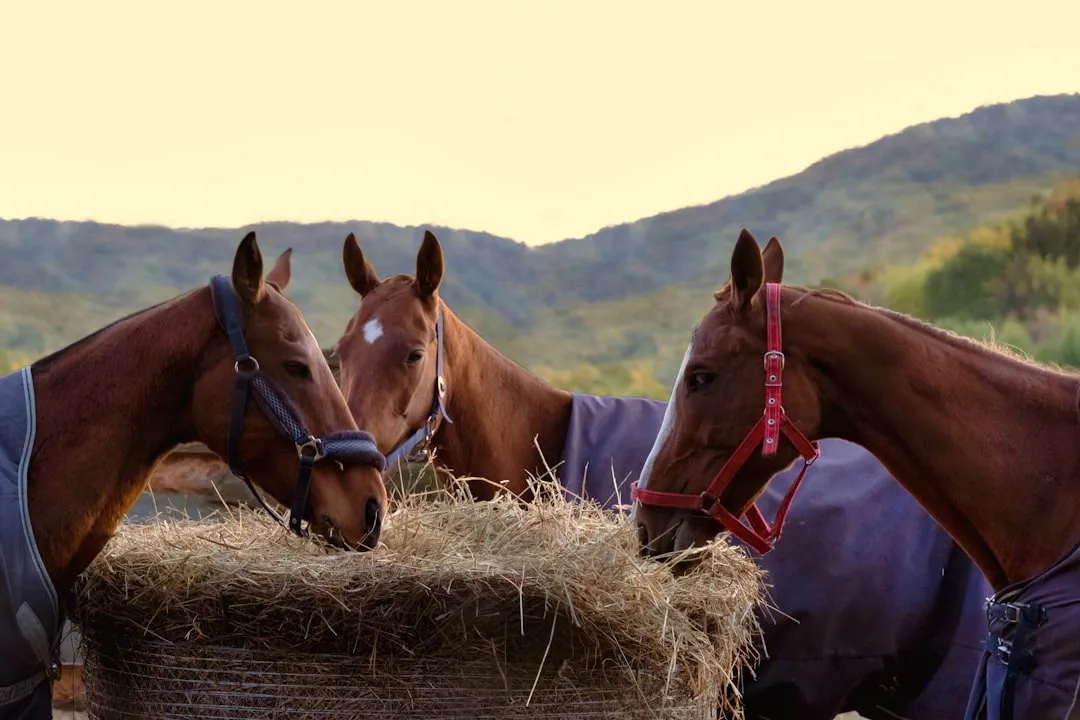
“Still eating” is a low bar. Comfortable seniors don’t just pick at hay – they show interest, anticipation, even preferences. Rattle the feed scoop and watch: does the head come up, do the lips lick, is there a little toss of impatience? That’s a horse mentally present, not just going through the motions.
How they eat matters too. A truly comfortable horse settles into hay with a steady rhythm, doesn’t guard food from imaginary threats, and takes casual breaks to look around before calmly returning to the pile. A bright, consistent appetite paired with relaxed body language is one of the strongest “I’m okay here” signals you’ll ever get.
#6 – Soft Eyes and a “Let-Down” Lower Lip
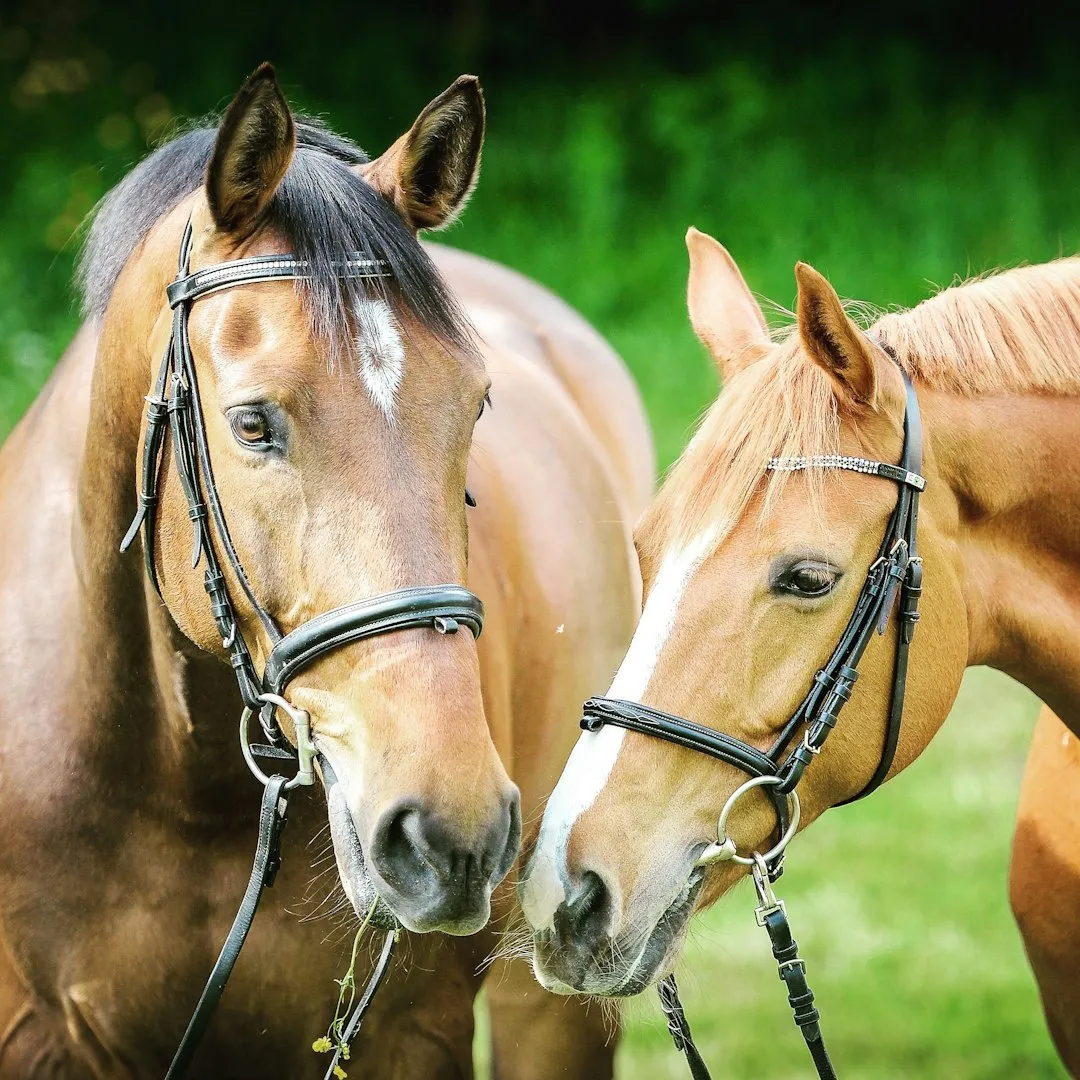
Horses don’t fake facial expressions. When an ageing horse is genuinely at ease, you see it in the eyes first – soft, half-closed, with a bit of wrinkling at the lids when you find a good scratching spot. The lower lip often sags, the jaw loosens, and the whole face looks like a slow exhale.
Watch for this during grooming, farrier visits, or fly-spraying. If your senior’s eyes soften and it leans into your hands, that’s trust, plain and simple. Compare that to a horse merely “standing quietly” with tight nostrils and a clamped jaw – that’s freeze, not calm, and plenty of owners never learn to tell the two apart.
#7 – Choosing Their “Happy Spots” Over and Over
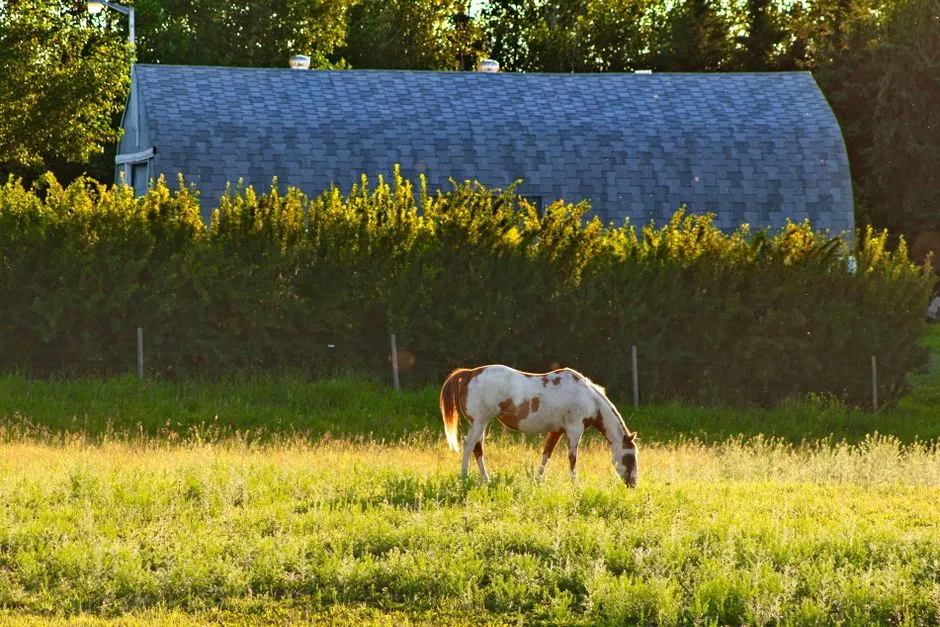
Here’s an underrated clue: where your horse chooses to spend time when it has complete freedom. Ageing horses that feel secure will have specific favorite spots they return to daily – a shady tree, a sunny patch by the gate, a certain corner of the shelter. You’ll notice the same hoof prints, the same manure piles, the same worn little “beds” appearing again and again.
That’s not habit, it’s a vote of confidence in the environment – the footing, the wind, the sightlines, the distance from the herd all working together. If instead your older horse paces fencelines or hovers anxiously at gates, something in that setup isn’t sitting right. Free-choice location might be the single most honest welfare indicator you have.
#8 – Still Rolling, Scratching, and Being a Bit of a Goof
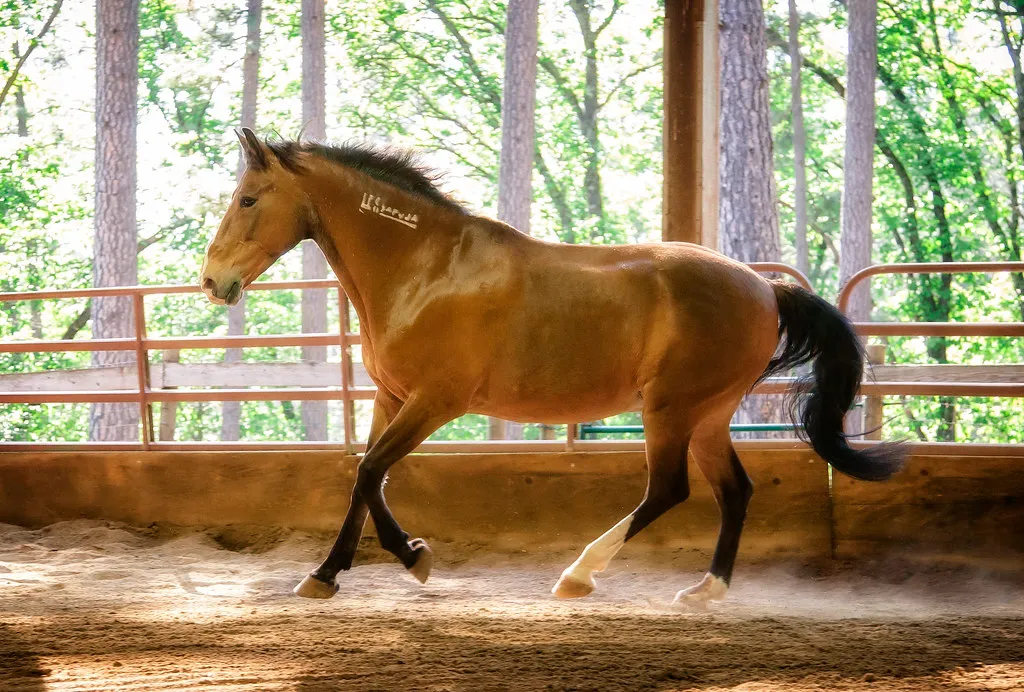
A lot of people quietly assume play ends once a horse hits a certain age. Real-world seniors disagree. Comfortable older horses still roll vigorously, scratch their necks on fence posts, and throw in the occasional squeal or tiny crow-hop just because they feel good.
Watch especially after a good grooming, after turnout following a night in, or on a crisp morning. If your horse still walks to a favorite rolling patch, drops, grunts, flips over, and shakes off with obvious satisfaction, its body and mind are comfortable enough to indulge in pure joy. A horse in constant pain simply doesn’t do that – which is exactly why some horsemen argue that losing the urge to play is a bigger red flag than any amount of grey hair.
#9 – Engaging With You, Not Just Tolerating You
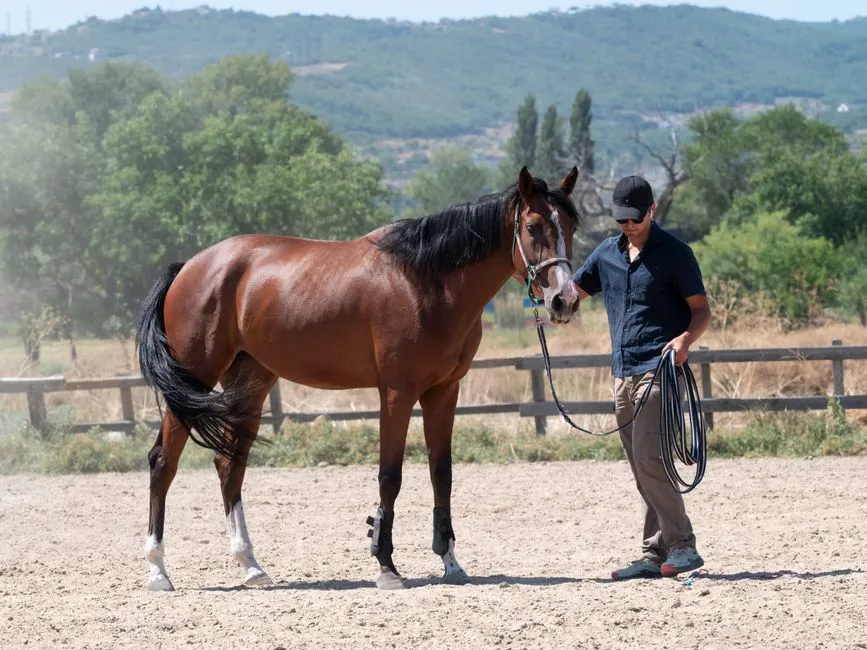
This is where owners get defensive. A truly comfortable senior doesn’t merely allow handling – it seeks low-pressure interaction. That might mean walking toward you in the field, turning its head into the halter, or nosing your pockets out of pure curiosity. These “voluntary approach” behaviors matter more than a calm lead rope ever will.
Test it when you’re not carrying food. Does your horse walk away as you approach, or linger and sniff your sleeve? Does it swing its hindquarters away (a polite “no thanks”) or angle its shoulder toward you (a quiet “yes”)? Some seniors do the classic move – ambling over, sighing, and resting their head against your chest. That’s not sentimentality on our part. That’s an animal actively choosing contact.
Worth Knowing
- A relaxed horse angles its shoulder or ribcage toward you instead of swinging its hindquarters away.
- Walking over without any food involved is one of the strongest trust signals a horse can offer.
- Resting its head against your chest or shoulder is a chosen behavior, not simple laziness.
- Lingering to sniff your sleeve or pocket means the horse has filed you under “safe,” not “something to monitor.”
#10 – Grooming and Farrier Visits Without a Battle
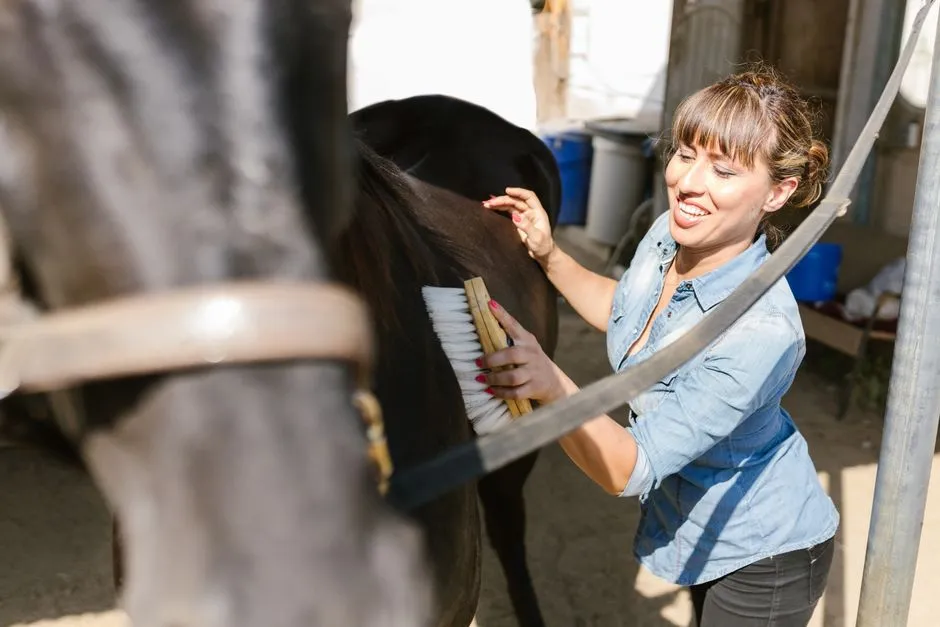
Senior horses often have legitimate physical reasons to struggle with body care. But if your older horse can stand reasonably still for grooming, hoof picking, and trims – and especially if it shifts its weight to help you – that’s a strong comfort signal. It means the environment, the management, and the pain control are all dialed in well enough that routine care isn’t a fight.
Watch for minimal fidgeting once the pattern is familiar, relaxed breathing and soft eyes as you brush, and cooperative (if slow) lifting of feet. When a senior suddenly turns difficult, pins its ears, or snatches a foot away, experienced pros don’t blame “age” – they go looking for a new source of pain or stress. Predictable, low-drama husbandry is a hallmark of a horse that feels secure day to day.
#11 – Managing Change Without Falling Apart
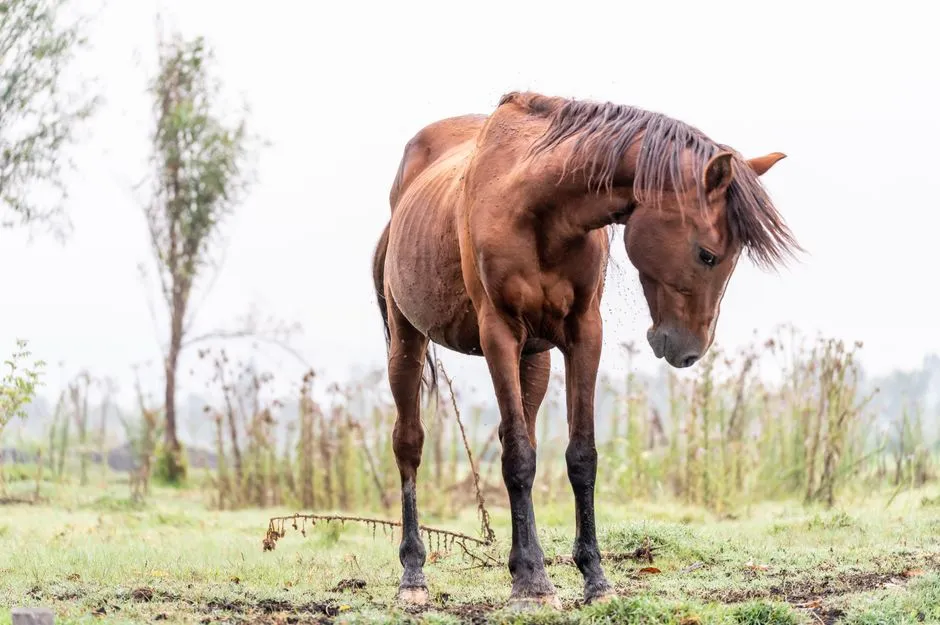
Here’s the one that sparks debate: resilience. A senior who is truly comfortable at home can absorb small changes in routine without unraveling – a different turnout buddy for a day, a shifted feeding time, a new rug. They’ll notice, maybe get briefly alert, then settle right back down.
This doesn’t mean chaos is fine; older horses still thrive on predictability. But when the underlying environment and relationships are solid, they bounce back fast from minor surprises. A horse that panics at every small shift, stops eating, or starts weaving at the slightest change is living too close to the edge of its stress threshold. Comfortable seniors basically shrug – “new bucket, whatever, hay’s still good” – and that ability to re-center is a quiet but powerful health marker.
#12 – Clean, Regular Manure and Easy Drinking
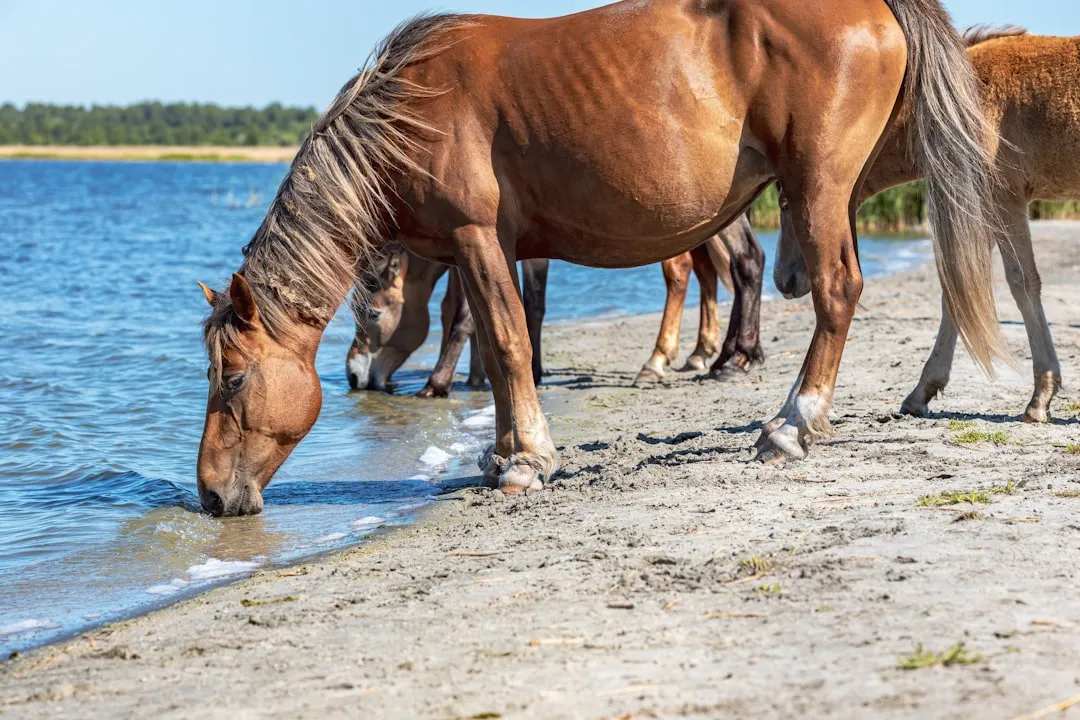
It sounds mundane, but gut habits are one of the clearest comfort readouts you’ll ever get. An ageing horse truly at ease at home produces consistent, well-formed manure, uses the same familiar toilet spots, and drinks steadily from known water sources without hesitation.
Horses are creatures of pattern, and when they feel secure, digestion follows a predictable rhythm. Anxious seniors often show stress in their gut first – loose manure, dry “rabbit pellet” droppings from reduced drinking, holding everything in when trailered. At home, a horse that walks to the trough and drinks without a second thought is showing you emotional comfort, not just good management. The body only does its quiet housekeeping when the brain feels safe.
At a Glance
- An average 1,000-pound horse needs roughly 5 to 10 gallons of water a day just to stay properly hydrated.
- Well-fed horses spend only about five to six minutes a day actually drinking, spread across several short trips to the trough.
- Horses can survive for weeks without food but only a matter of days without water, which is why steady drinking matters so much.
- A sudden drop in water intake or manure output is often the first sign that stress – not just age – is affecting a senior horse.
#13 – A Coat, Weight, and Posture That Match Their Age, Not Their Birth Certificate
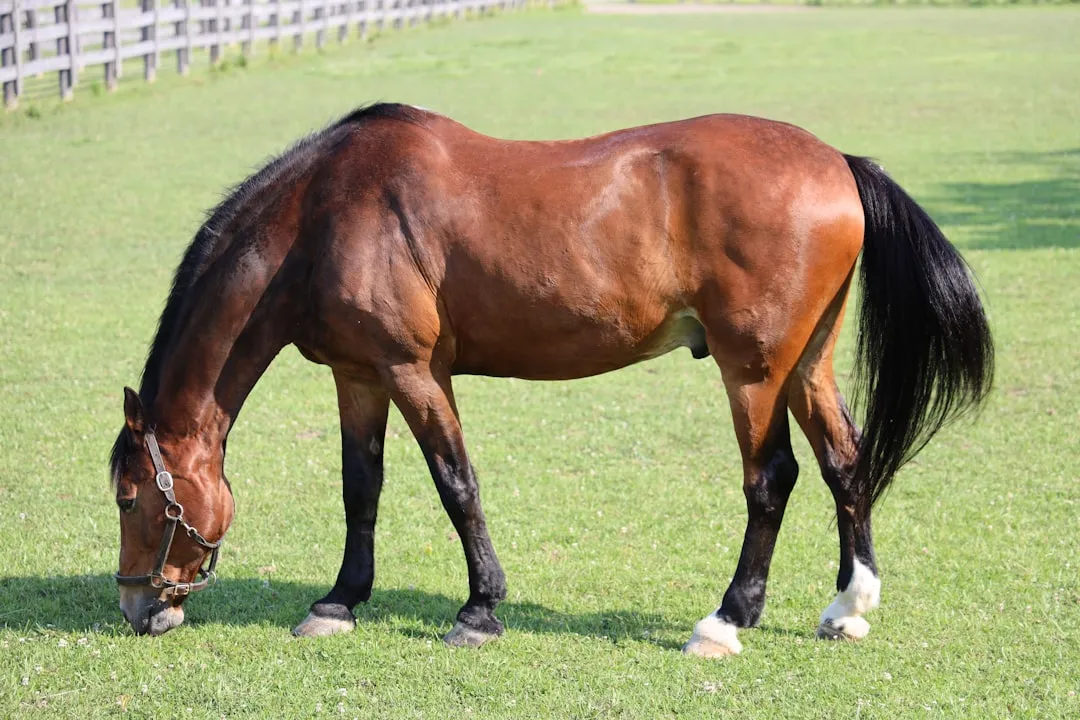
No, an old horse doesn’t have to look ten years younger. But comfort shows in how they carry the age they actually have. A senior thriving at home usually has a seasonally appropriate coat, stable weight for their build, and a posture that – while maybe a little swayed – isn’t hunched in constant guarding.
Most people over-romanticize “fat and shiny” and miss the real question: is this horse holding condition, regulating its temperature, and standing in a way that suggests it isn’t bracing against pain? A truly comfortable senior might show a few ribs and grey around the eyes, yet still stand square, shift weight sensibly, and move toward a scratch without flinching. It’s the combination – body condition, coat, and stance together – that tells the real story, not any single snapshot.
#14 – Calm, Predictable Reactions to Everyday Farm Noise
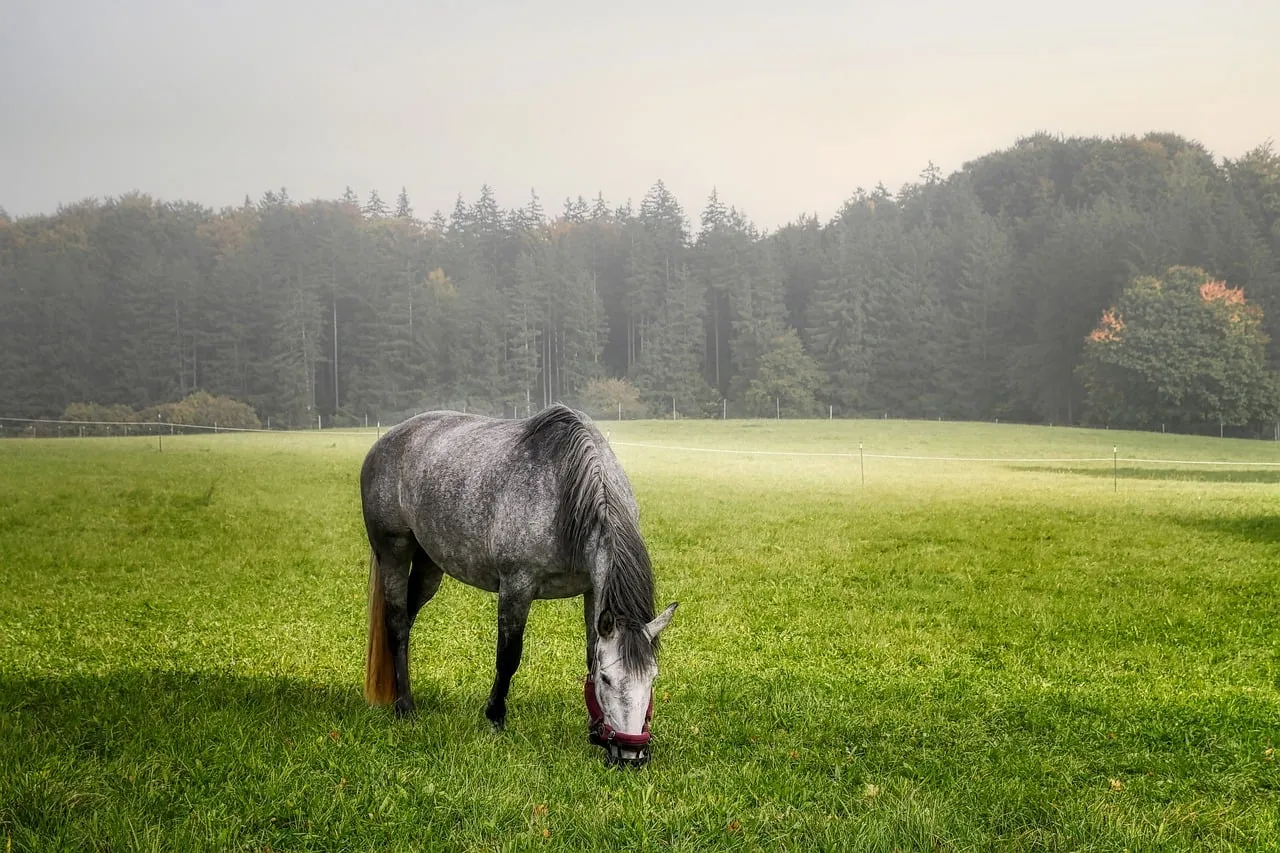
Ageing horses that feel secure at home develop a kind of street-smarts about their surroundings. Tractors, dogs, kids, tarps flapping on the arena fence – all of it fades into background noise instead of triggering a full-blown alarm. A comfortable senior might flick an ear, lift its head briefly, then go right back to grazing.
What you don’t see in a truly relaxed setup: repeated spooking at the same old stimuli, bolting from routine sounds like the feed truck, or standing frozen and high-headed every time a door slams. Temperament doesn’t override learning – if your older horse still reacts like a brand-new arrival after months or years in the same place, that’s telling you something about its underlying anxiety, not just its personality.
Quick Compare
- Comfortable senior: flicks an ear, lifts its head briefly, then goes right back to grazing.
- Anxious senior: spooks at the same familiar sound over and over, months or years into living there.
- Comfortable senior: investigates a new object at its own pace, then loses interest.
- Anxious senior: freezes high-headed or bolts at routine, everyday noises.
#15 – Still Offering Little “Try” Under Saddle or In-Hand
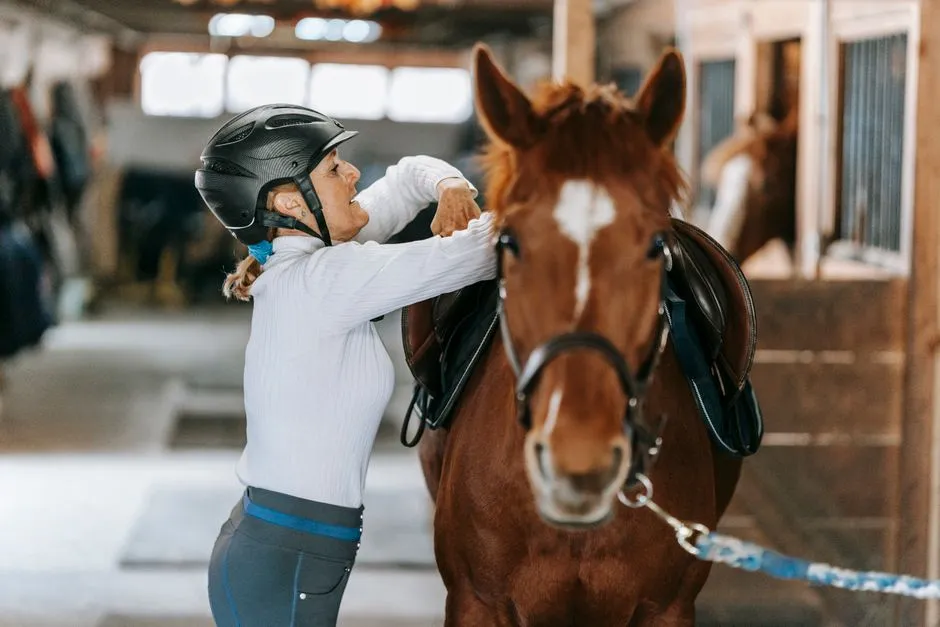
Opinions get sharp here. Some say seniors should be left completely alone; others keep competing them hard. The truth sits in the middle – a comfortable, well-managed older horse will often still offer a willing “try” in light work or in-hand exercises. That might be stepping under itself on a hindquarter yield, a bit of swing on the lunge line, or ears pricked forward on a short hack.
The key is attitude, not athleticism. Does the horse walk toward the arena without planting its feet, relax into a familiar pattern and blow out softly, lower its neck and seek the bit or halter pressure? If your senior pins its ears or shuts down at the sight of tack every single time, that’s not “old and grumpy” – it’s likely discomfort or resentment of the job. A horse that still offers something, however modest, is telling you it’s participating, not just coping.
#16 – Using the Whole Space, Not Just the Fence Line
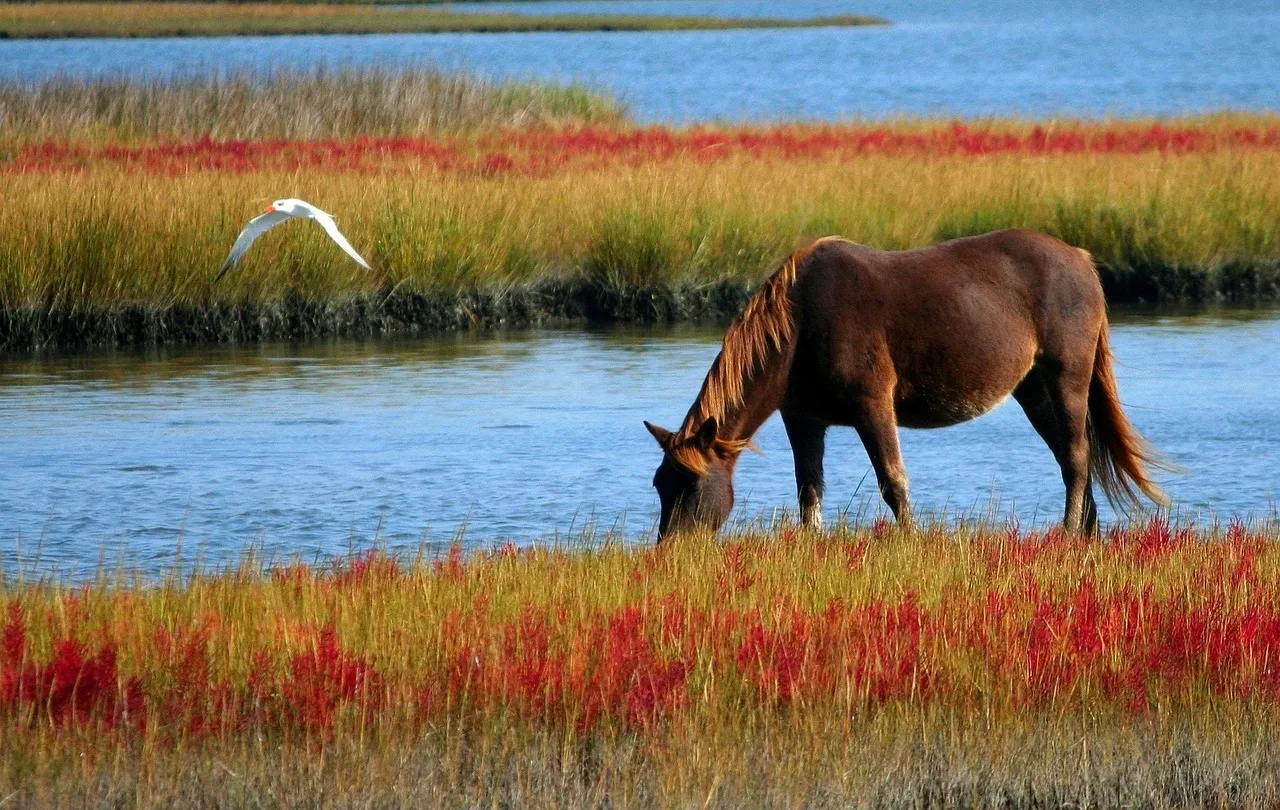
Watch how your older horse uses its paddock or field over a full week, not just one afternoon. Comfortable seniors explore most of the available area – different grazing patches, the shelter, the far end under the trees, the water, the hay. They claim the space as their own instead of camping at one gate.
Constant fence-walking, gate-hovering, or parking in a single awkward corner can signal frustration, boredom, or anxiety with the current setup. A content senior might stroll the perimeter once, then meander, graze, nap, roll, and drift back on their own schedule. Movement variety is a huge clue that a horse sees the space as safe and interesting – a home, not a holding pen.
#17 – The Subtle “Exhale” When They Come Back Home
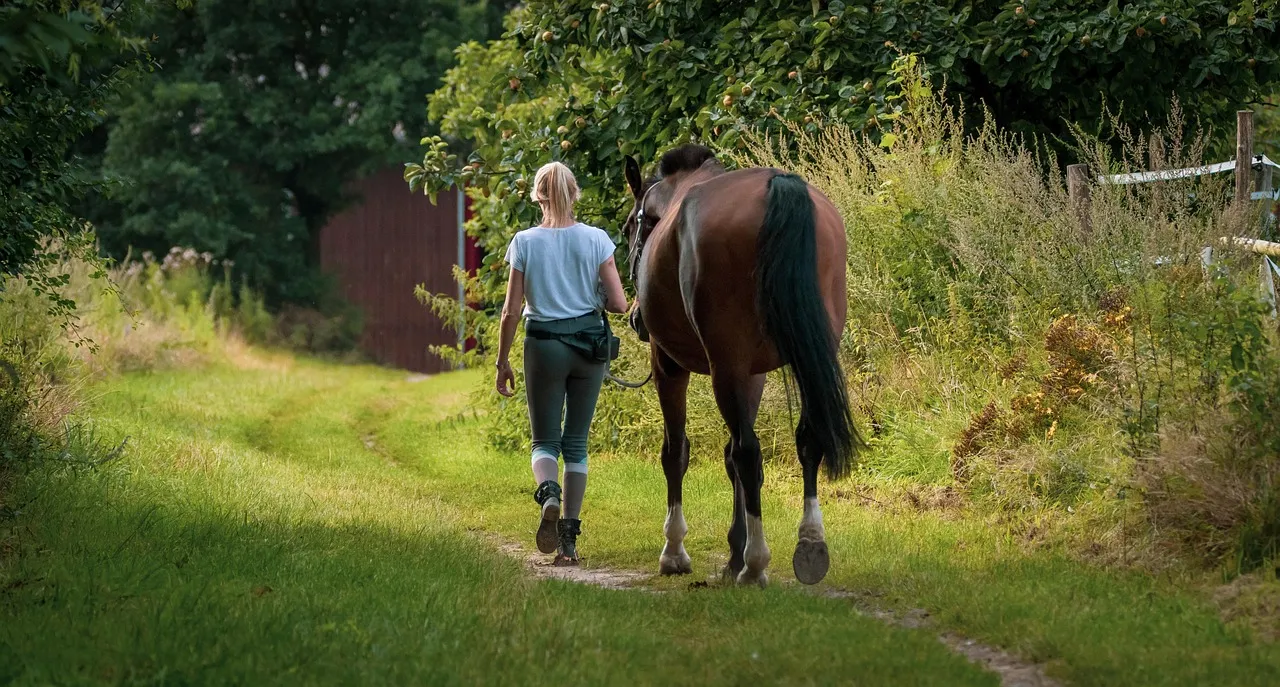
The strongest, most emotional sign doesn’t show up in any vet notes. It shows up the moment you bring an older horse back to where it lives. Trailer out for a ride, a vet visit, or even just a walk down the lane, then watch closely on the way home.
A truly comfortable senior often lowers its head walking up the driveway, blows out long soft snorts, and steps back into its paddock or stable eagerly but calmly. You’ll see the whole body drop a level as it settles into familiar smells and sounds – checking the usual hay spot, greeting its buddy, slipping back into routine like an old hoodie. That visible “ah, we’re back” is the clearest proof you’ll ever get that, for this horse, this place is still home. When that feeling disappears, it’s time to ask harder questions.
The Bottom Line
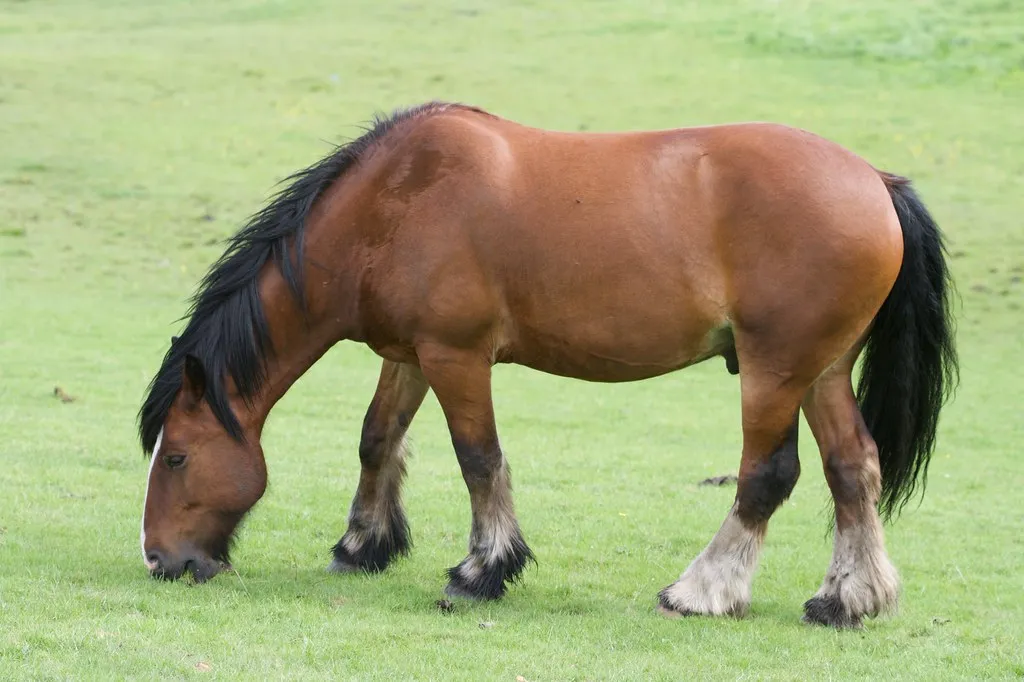
Ageing horses don’t write status updates or fill out quality-of-life charts, but they broadcast their comfort constantly – soft eyes, steady naps, willing steps, social bonds, rolling in the sun, and that unmistakable exhale walking back into their own paddock. A grey face alone doesn’t mean a horse is suffering, and a shiny coat alone doesn’t mean everything’s fine. The real story is in behavior over time, not appearance in a single photo.
Some people keep seniors in setups that look perfect on paper while completely ignoring what the horse itself is saying. Others get pressured into retiring or rehoming a horse that’s clearly still thriving right where it stands. I’ll say it plainly: the horse in front of you is the only honest judge here. Watch whether it’s choosing to engage with its world or quietly withdrawing from it – that answer matters more than anyone’s opinion, including mine. Did we miss a sign your old horse shows when it’s truly at peace? Tell us in the comments.

- 17 Ways an Ageing Horse Shows It Is Still Completely Comfortable in Its Own Home - August 26, 2026
- 10 Facts About the California Condor's Remarkable Recovery - August 25, 2026
- What Bird of Prey Matches Your Zodiac Personality - August 25, 2026