


The saber-toothed cats rank among the most iconic prehistoric predators, immediately recognizable by their impressive elongated canine teeth that have captured human imagination since their fossils were first discovered. These magnificent hunters prowled across Ice Age landscapes for millions of years, evolving specialized adaptations that made them formidable carnivores. Yet despite their evolutionary success, these powerful predators vanished from Earth approximately 10,000 years ago as the last Ice Age drew to a close. Their extinction represents one of paleontology’s most fascinating mysteries and offers important insights into how changing environments impact even the most specialized predators. By examining their rise and fall, we can better understand the complex interplay between evolution, ecological specialization, and extinction in Earth’s dynamic history.
The Evolutionary Success of Saber-Toothed Cats
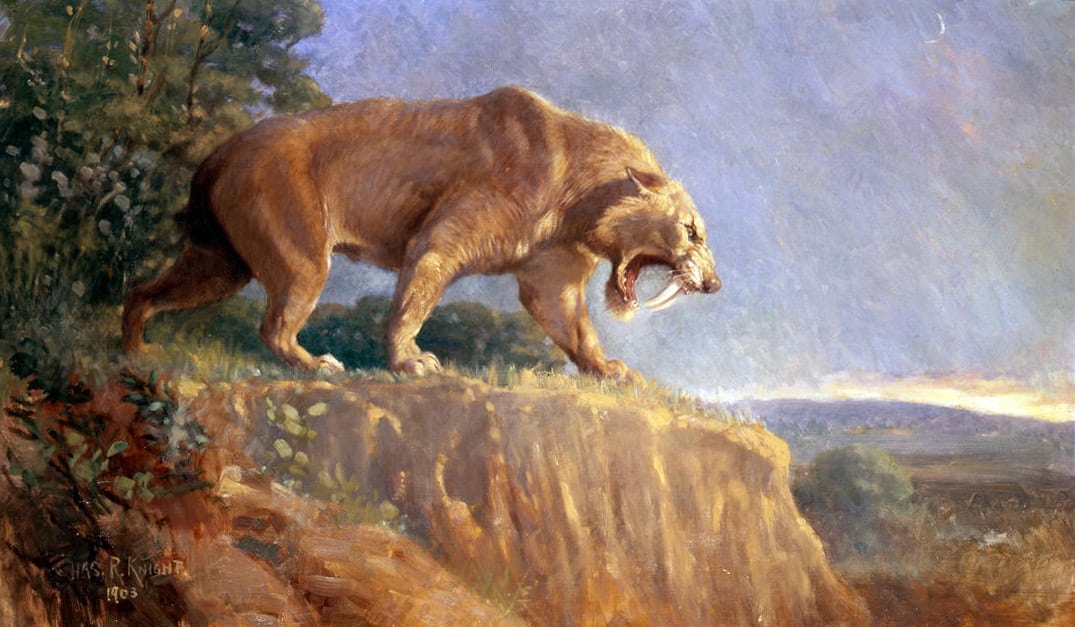
Contrary to popular belief, saber-toothed cats weren’t a single species but represented multiple lineages that evolved similar traits independently through convergent evolution. The most famous saber-tooth, Smilodon fatalis, belonged to the Machairodontinae subfamily within the cat family Felidae. These specialized predators first appeared in the fossil record approximately 42 million years ago during the Eocene epoch and persisted until the end of the Pleistocene around 10,000 years ago. This remarkable 30+ million-year evolutionary run demonstrates their extraordinary adaptability and success as apex predators.
The evolution of their iconic canines represents one of nature’s most specialized hunting adaptations. These teeth could reach up to 7 inches in length in species like Smilodon populator, making them effective weapons for bringing down large prey. The saber-toothed morphology evolved independently in at least three different carnivore groups – true cats (Felidae), the nimravids or “false saber-tooths,” and the marsupial Thylacosmilus from South America. This repeated evolution of similar traits in separate lineages underscores how effective this hunting specialization was across different environments and time periods.
Smilodon: The Most Famous Saber-Tooth

While several genera of saber-toothed cats existed, Smilodon stands as the most recognized and extensively studied. Three species of Smilodon have been identified: S. gracilis, S. fatalis, and S. populator. Smilodon fatalis, the species most commonly associated with the term “saber-toothed tiger” (though they weren’t closely related to tigers), was about the size of a modern African lion but much more robustly built. With powerfully muscled forelimbs, a relatively short tail, and a distinctive bobcat-like appearance, Smilodon was built for strength rather than speed.
Smilodon populator, the largest species, could reach sizes approximately 25% larger than modern lions, with some specimens estimated to have weighed up to 880 pounds. Their incredible fossil record from the La Brea Tar Pits in Los Angeles has provided scientists with thousands of specimens, offering unparalleled insights into their anatomy and population structure. Unlike many modern cats, evidence suggests Smilodon may have been social hunters, potentially living in groups similar to modern lions—a theory supported by healed injuries in fossil specimens that would have required support from group members during recovery periods.
Specialized Hunting Adaptations

The most striking feature of saber-toothed cats—their elongated canines—required specialized adaptations throughout their entire anatomy. These iconic teeth were more fragile than conventional cat canines and couldn’t be used to bite into bone. Instead, paleontologists believe saber-tooths used their impressive canines to deliver precise, fatal wounds to soft tissues like the throat and belly of prey animals. To accommodate their oversized teeth, these cats evolved an extreme gape—the ability to open their jaws up to 120 degrees compared to about 65 degrees in modern lions.
This specialized hunting method was supported by powerful neck muscles and robust forelimbs that could immobilize large prey while the fatal bite was delivered. Their heavily muscled shoulders and stocky build gave them tremendous strength for grappling with prey, compensating for their relatively slower speed compared to modern big cats. Computer modeling and biomechanical studies have revealed that Smilodon’s bite force was actually weaker than that of modern lions pound-for-pound, but their killing technique relied more on precision and specialized anatomy than raw biting power—demonstrating a highly evolved predatory strategy.
Ice Age Ecosystem and Prey Species
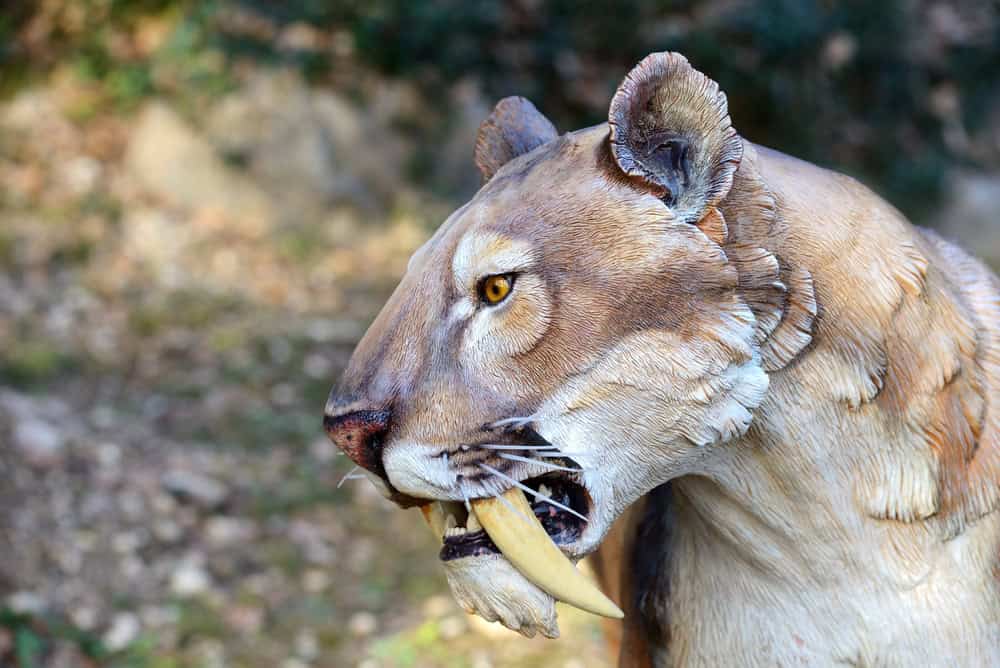
Saber-toothed cats thrived during the Pleistocene epoch (2.6 million to 11,700 years ago), a time characterized by repeated glacial advances and retreats. During this period, North and South America hosted a remarkable diversity of megafauna—large mammals including mammoths, mastodons, giant ground sloths, bison, horses, and camels. These large herbivores provided the perfect prey base for specialized predators like Smilodon, whose hunting adaptations were ideally suited for taking down animals much larger than themselves.
The Pleistocene ecosystem featured more large-bodied mammals than today’s world, creating complex predator-prey relationships and intense competition among carnivores. Saber-toothed cats shared their habitat with other formidable predators including the American lion (Panthera atrox), dire wolves (Canis dirus), and short-faced bears (Arctodus simus). Isotopic analyses of Smilodon teeth from La Brea specimens indicate they primarily hunted large herbivores in wooded areas, while American lions focused more on open-country prey, suggesting ecological niche partitioning between these apex predators that allowed them to coexist despite potential competition.
Geographic Range and Distribution
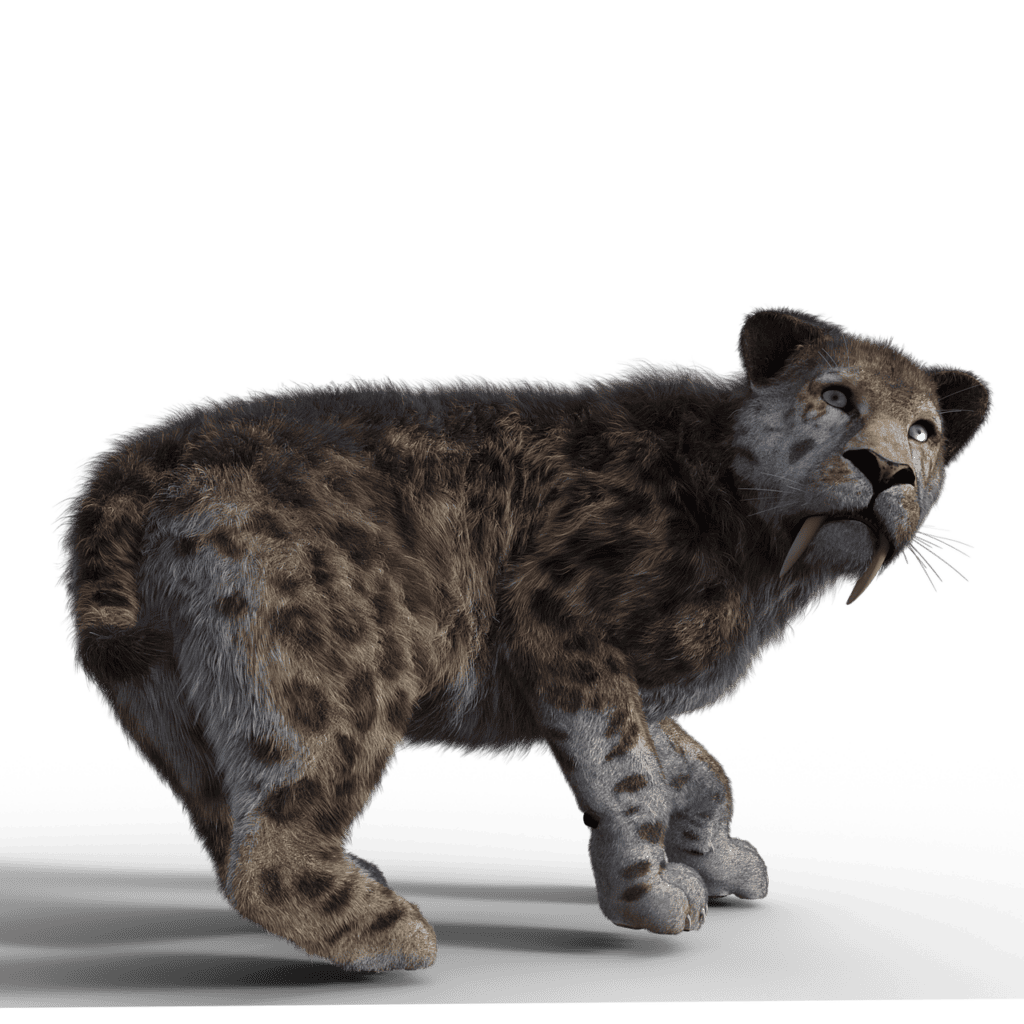
Saber-toothed cats of various species enjoyed a remarkably wide geographic distribution during their evolutionary history. Smilodon originated in North America before expanding into South America during the Great American Biotic Interchange, when the formation of the Panama land bridge connected the previously isolated continents approximately 2.7 million years ago. Smilodon fatalis ranged from what is now the northwestern United States to Florida and deep into South America, while Smilodon populator was found exclusively in South America, primarily in Argentina, Chile, Bolivia, Peru, and Brazil.
Other saber-toothed cat genera showed even wider distributions. Homotherium, often called the “scimitar-toothed cat” for its shorter, serrated canines, ranged across North America, Eurasia, and Africa. Megantereon was found throughout Eurasia, Africa, and North America. This global distribution across multiple continents demonstrates the remarkable evolutionary success of the saber-toothed adaptation in different environments and ecosystems. Each region developed its own specialized variations of these predators, adapted to local prey species and environmental conditions, showcasing evolutionary diversification across their vast range.
The Role of Climate Change in Their Extinction

The disappearance of saber-toothed cats coincided with the end of the last Ice Age and the beginning of the Holocene epoch approximately 11,700 years ago. This period witnessed dramatic climate changes as glaciers retreated and temperatures warmed. The shifting climate transformed ecosystems across North and South America, altering vegetation patterns from open grasslands to more forested environments. These environmental changes directly impacted the megaherbivores that saber-tooths depended on for food, placing stress on their specialized hunting lifestyle.
As climate changed, many of the large herbivores that saber-toothed cats relied on—including mammoths, mastodons, giant ground sloths, and native horses—began to disappear. Carbon dating reveals that the timing of megafauna extinctions closely correlates with warming periods and vegetation changes. With their specialized hunting adaptations evolved specifically for taking down large prey, saber-toothed cats likely struggled to adapt to hunting smaller, more agile animals that became more prevalent in the changing ecosystems. This “cascade effect” of climate-driven habitat change leading to prey extinction ultimately contributed to the disappearance of these specialized predators.
The Human Factor in Saber-Tooth Extinction

The extinction of saber-toothed cats coincided with another significant event in Earth’s history: the expansion of human populations across the Americas. Humans first arrived in North America between 15,000-20,000 years ago, with rapid expansion throughout the continent. This timing has led many paleontologists to consider whether humans played a direct or indirect role in the disappearance of saber-toothed cats and other Pleistocene megafauna. The “overkill hypothesis” suggests that human hunting pressure on large herbivores may have reduced prey availability for specialized predators like Smilodon.
While direct evidence of humans hunting saber-toothed cats remains scarce, their impact on the ecosystem would have affected these predators indirectly. By hunting the same large herbivores that sustained saber-toothed populations, early humans likely intensified resource competition. Furthermore, human use of fire to modify landscapes could have accelerated habitat changes already underway due to climate shifts. Most scientists now favor a “one-two punch” explanation for the extinction of Ice Age megafauna, including saber-toothed cats, wherein climate change stressed populations that were then pushed to extinction by added human pressures—a sobering parallel to modern conservation challenges.
The Competitive Landscape: Other Predators

Saber-toothed cats didn’t hunt alone in the Pleistocene ecosystem—they competed with numerous other large predators for resources. In North America, these included the American lion (Panthera atrox, larger than modern African lions), dire wolves (hunting in packs and specialized for scavenging), short-faced bears (the largest carnivorous land mammals of their time), and the American cheetah (Miracinonyx). This competitive landscape meant that specialization was crucial for survival, with each predator occupying a specific ecological niche.
Interestingly, while saber-toothed cats went extinct, other large cats like jaguars and mountain lions (pumas) survived the end-Pleistocene extinction event. The key difference appears to be their greater dietary flexibility and adaptability. Unlike the highly specialized Smilodon, surviving cat species could effectively hunt smaller prey and adapt to changing environments. Fossil evidence from La Brea shows that in the final millennia before extinction, saber-toothed cats experienced increased competition-related stress, with specimens showing signs of nutritional deficiencies and injuries. This suggests that intensifying competition among predators for dwindling prey resources may have contributed to their ultimate demise.
Lessons from the La Brea Tar Pits
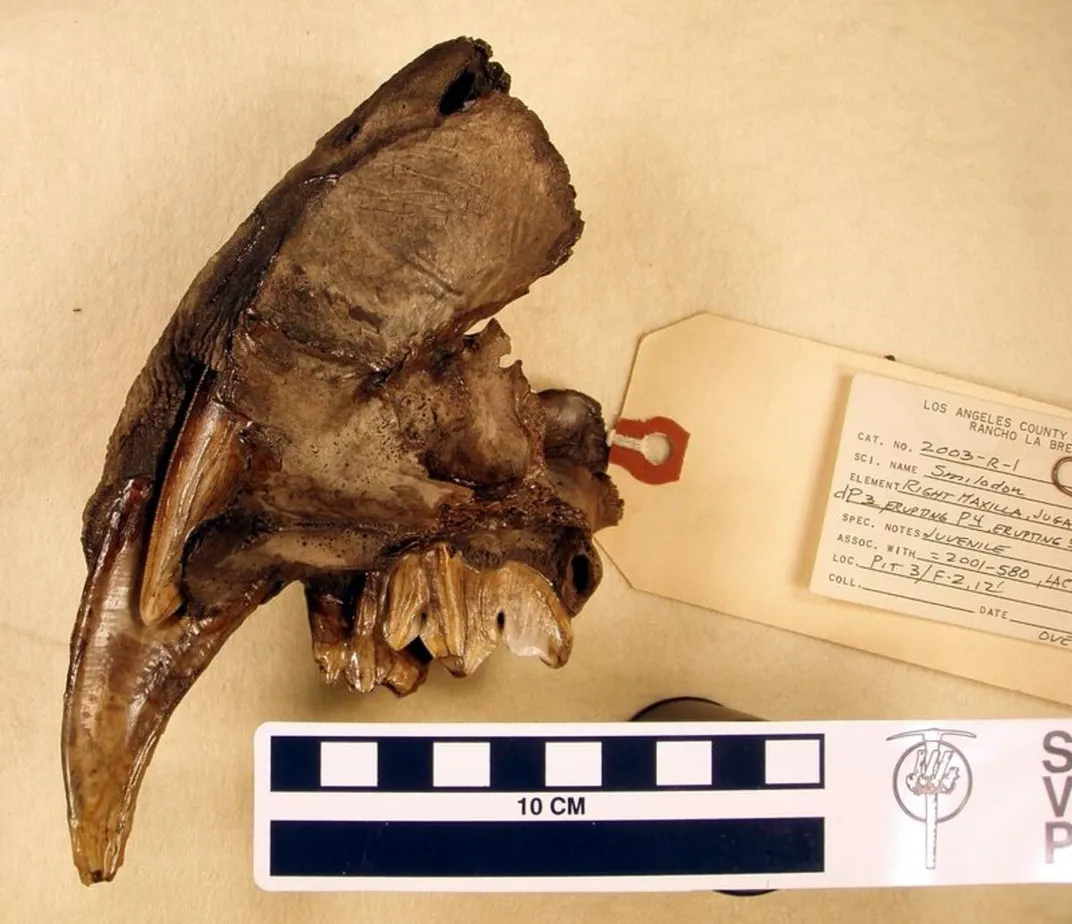
The asphalt seeps at Rancho La Brea in Los Angeles, California provide an unparalleled window into the world of saber-toothed cats. More than 2,500 individual Smilodon fatalis specimens have been recovered from these fossil deposits, representing the world’s largest collection of this species. The extraordinary preservation at La Brea allows scientists to study population demographics, disease, injuries, and even trace elements in bones that reveal details about diet and environmental conditions. The abundance of specimens has enabled researchers to identify patterns of healed injuries, suggesting these cats survived wounds that would have temporarily prevented hunting—evidence supporting the theory that they lived in social groups.
Perhaps most significantly, La Brea preserves a chronological sequence spanning approximately 50,000 to 11,000 years ago, capturing the lead-up to saber-tooth extinction. By examining fossils from different time periods, scientists have documented changes in body size, population health, and dietary stress indicators as the Ice Age drew to a close. Isotope studies of their teeth reveal shifts in prey selection over time, with evidence of increasing nutritional stress in the latest specimens. Radiocarbon dating from La Brea shows that Smilodon fatalis persisted until approximately 10,000 years ago before finally disappearing, making them one of the last megafaunal species to go extinct in North America.
Evolutionary Dead End or Successful Adaptation?
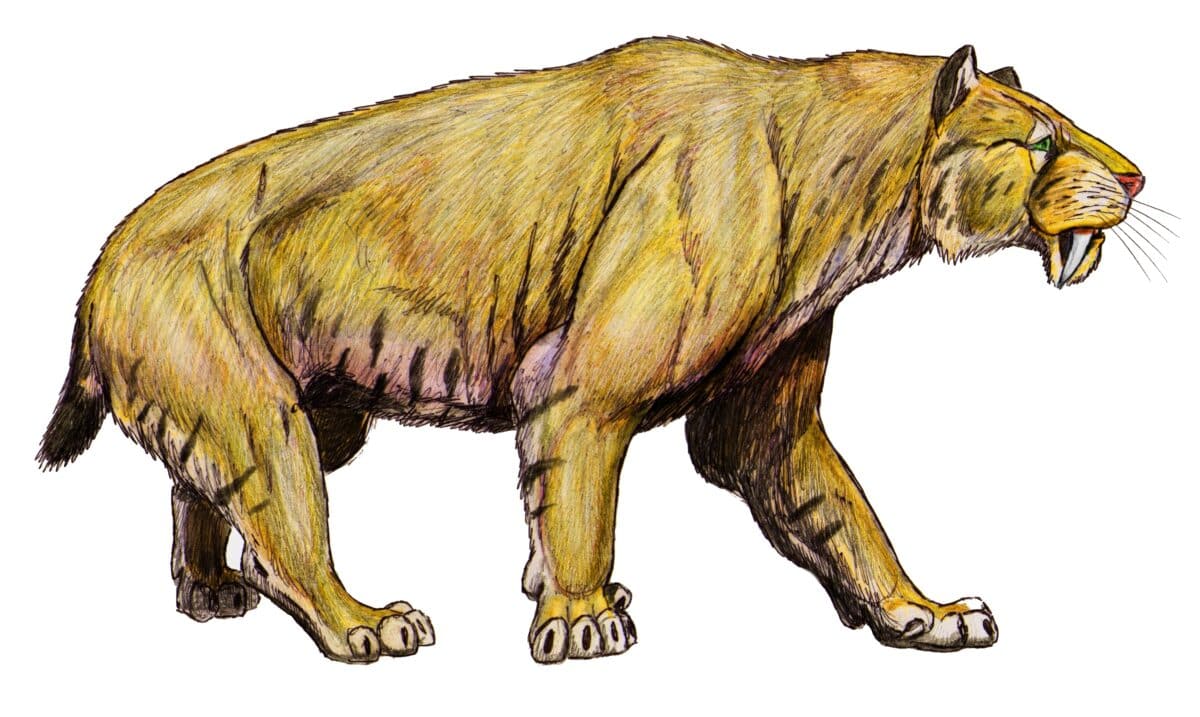
The extinction of saber-toothed cats has sometimes led to their characterization as an “evolutionary dead end”—a lineage so specialized that it couldn’t adapt to changing conditions. However, this perspective fails to acknowledge their remarkable evolutionary success. Saber-toothed morphology evolved independently multiple times over millions of years and persisted across dramatic climate fluctuations prior to the end-Pleistocene extinction event. With a 42-million-year evolutionary history, saber-toothed cats were actually one of the most successful carnivore adaptations in mammalian history.
Rather than representing evolutionary failure, saber-toothed cats demonstrate how specialized adaptations can be tremendously successful under the right conditions. Their extinction coincided with an unusual combination of rapid environmental change and the introduction of a new competitor—humans—that together disrupted the ecosystem that had supported their specialized lifestyle. In evolutionary terms, their long tenure on Earth far exceeds that of our own species, Homo sapiens, which has existed for only about 300,000 years. This perspective challenges us to reconsider what constitutes evolutionary “success” and recognize that extinction is a natural part of Earth’s biological history, even for highly successful lineages.
Modern Analogues and Ecological Parallels

While no modern predator perfectly matches the saber-toothed morphology, studying contemporary carnivores provides insights into how these ancient cats might have lived and hunted. The clouded leopard (Neofelis nebulosa) of Southeast Asia possesses the longest canines relative to skull size of any living cat, capable of opening its jaws to a 100-degree angle. Though far less extreme than Smilodon, these features make the clouded leopard a useful partial analogue. Similarly, the hunting behavior of lions—including their social structure and preference for prey much larger than themselves—offers clues to Smilodon’s ecological role.
The extinction of saber-toothed cats created vacant ecological niches in predator communities across the Americas. In some regions, jaguars expanded their range and adapted to fill some of these niches, while wolves, pumas, and bears assumed the role of apex predators in others. The ecosystem restructuring that followed saber-tooth extinction demonstrates ecological principles still relevant today—when specialized species disappear, more adaptable generalists often expand to fill their roles. This pattern offers sobering parallels to modern conservation concerns, as today’s specialized predators like tigers, polar bears, and snow leopards face threats from climate change and human activity similar to those that contributed to saber-tooth extinction.
Conclusion: The Legacy of the Saber-Tooths
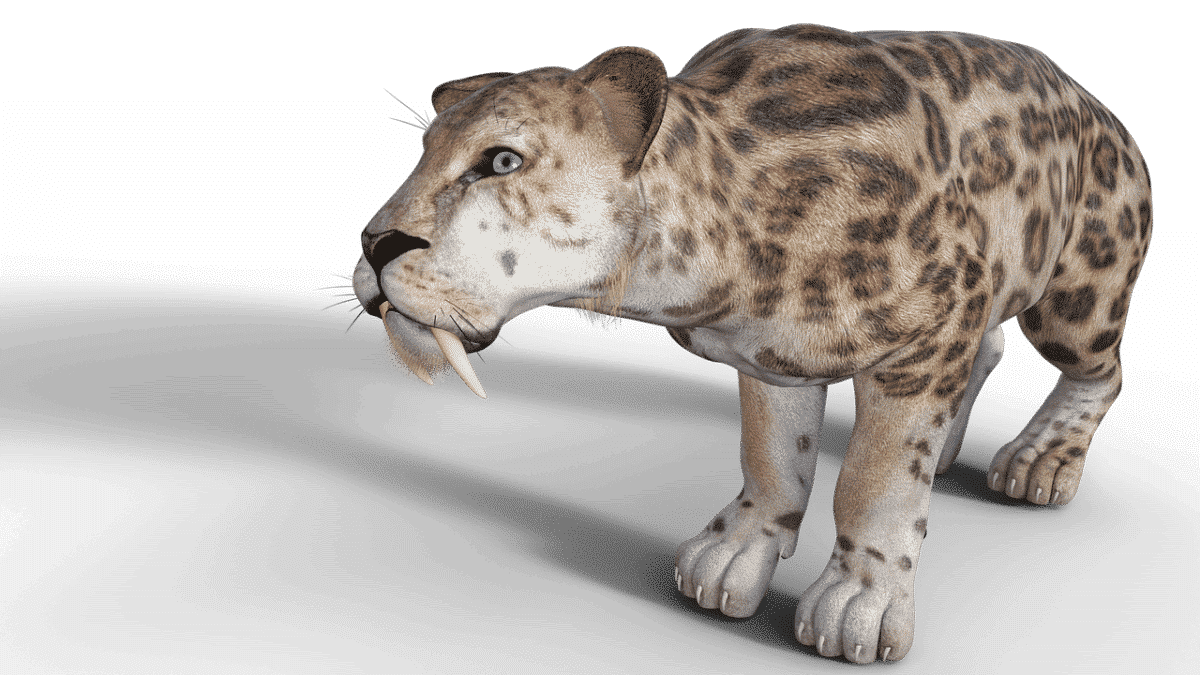
The story of saber-toothed cats represents one of nature’s most fascinating evolutionary experiments—predators so specialized that their very anatomy became iconic. Their extinction approximately 10,000 years ago marked the end of a remarkably successful evolutionary lineage that had persisted for over 40 million years across multiple continents. The disappearance of these magnificent predators was likely caused by a complex interplay of climate change, shifting ecosystems, dwindling prey resources, and the additional pressure of human activity—factors that combined to create challenges too great for even these highly adapted hunters to overcome.
The legacy of saber-toothed cats extends beyond their fossils, offering important lessons for modern conservation biology and our understanding of extinction dynamics. Their fate demonstrates how even the most successful specialized adaptations can become vulnerabilities when environments change rapidly. As we face contemporary biodiversity crises, the extinction of saber-toothed cats reminds us that specialized species often face the greatest risks from environmental change and that the combination of climate shifts and human influence can be particularly devastating. Perhaps most importantly, these magnificent prehistoric predators continue to captivate our imagination, serving as ambassadors from the Ice Age that help us comprehend the remarkable diversity of life that has existed on our planet and the constant process of change that shapes Earth’s evolutionary history.

From exploring the marine wonders in the Azores and witnessing the vast savannas of Kenya, to delving deep into the rich biodiversity of South Africa and traversing iconic landscapes in Australia and the US like Yellowstone, Chris's experiences are vast.
With a penchant for diving alongside sharks, the ocean holds a special place in his heart.
Through his academic insights, he champions wildlife conservation, striving with 'Animals Around The Globe' to cultivate a profound connection between humans and animals, enhancing our mutual appreciation.
Connect with him at Feedback@animalsaroundtheglobe.com.
- What Scientists Found in a 10,000-Year-Old Beehive - July 20, 2026
- This Spider Builds Fake Decoys of Itself - July 20, 2026
- What Happens If a Crocodile Fights a Hippo? - July 20, 2026