

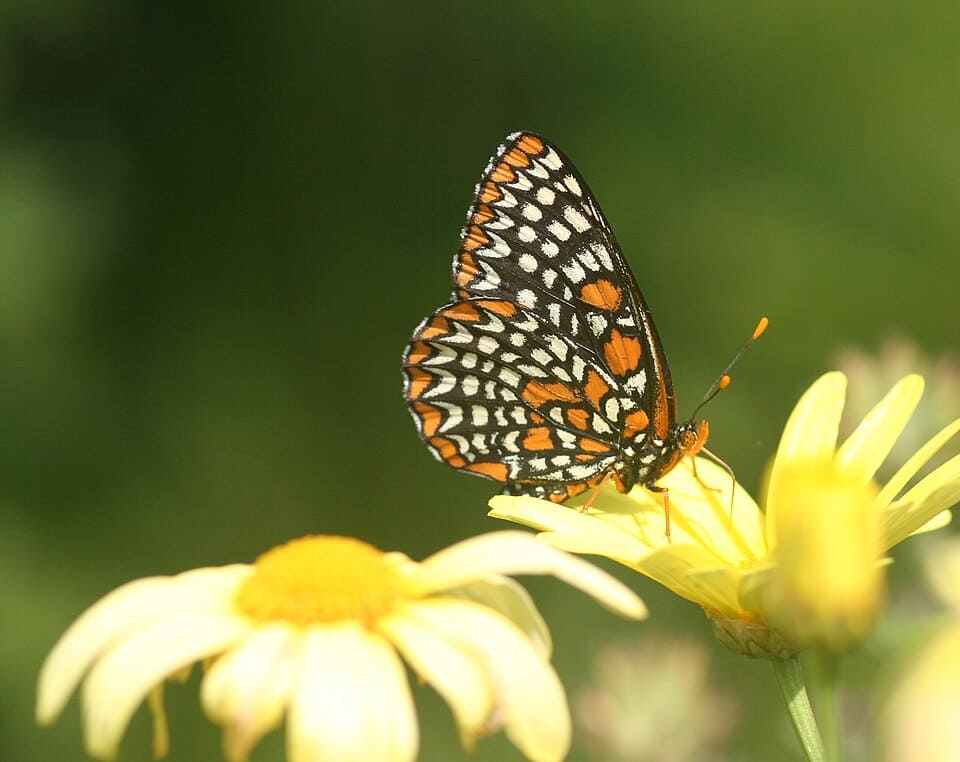
Pollinators—bees, butterflies, birds, bats, and other animals—play a crucial role in our planet’s ecosystems and food systems. These small but mighty creatures facilitate the reproduction of over 85% of the world’s flowering plants, including more than two-thirds of the crop species that feed humanity. But what if, in some ecological nightmare scenario, all pollinators vanished simultaneously? The consequences would be far-reaching, devastating, and potentially civilization-altering. This article explores the cascading effects that would unfold if Earth suddenly lost its pollinators and why understanding this hypothetical catastrophe underscores the urgent need to protect these essential creatures.
The Immediate Agricultural Crisis
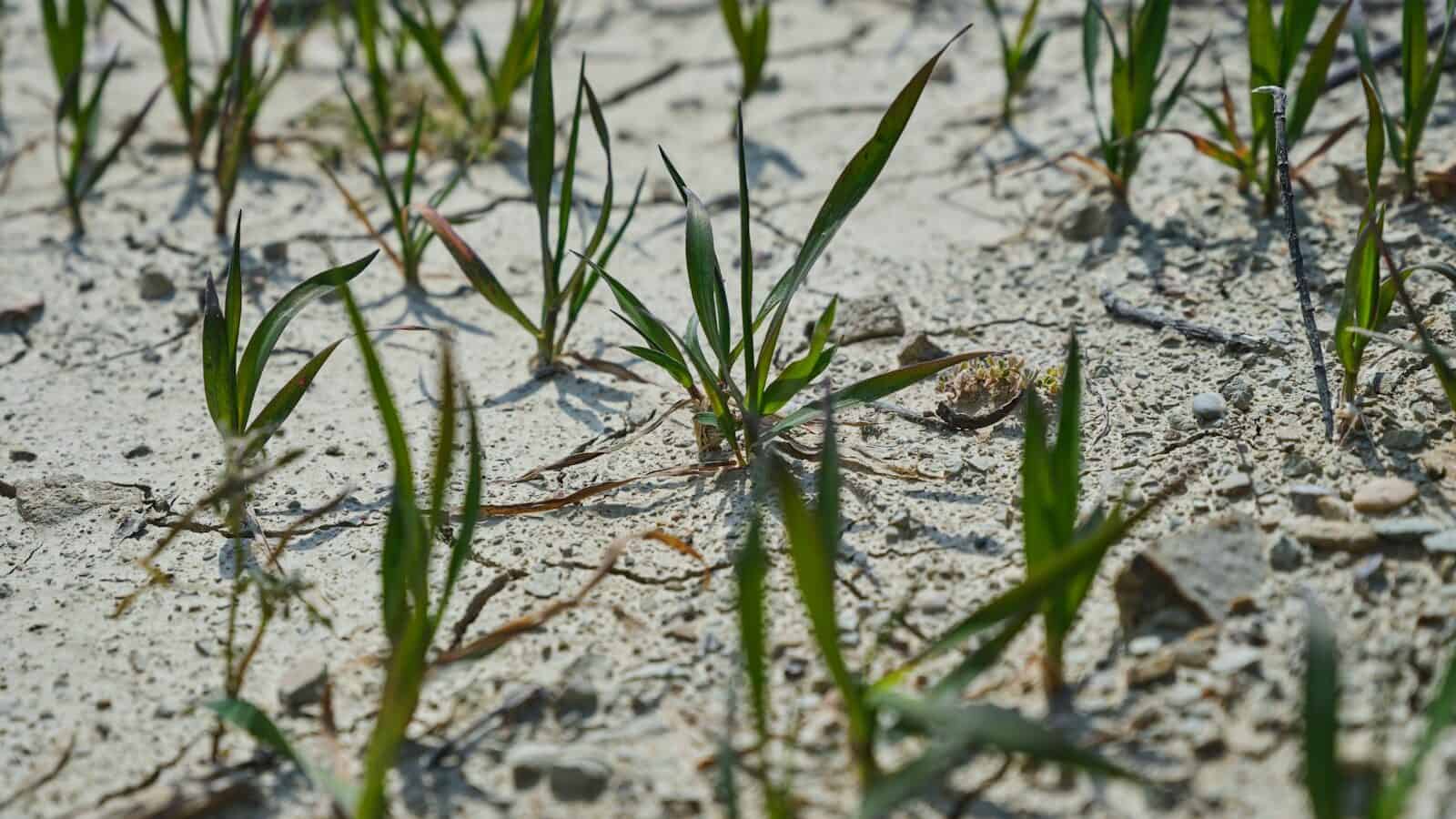
The most immediate and obvious impact of a total pollinator extinction would be a massive agricultural crisis. Of the 115 leading global food crops, 87 depend on animal pollination to some degree. Fruits like apples, oranges, and mangoes; vegetables such as pumpkins, cucumbers, and zucchini; nuts including almonds and cashews; and crops like coffee and cocoa would experience catastrophic yield reductions. According to research published in the journal Science, the complete loss of animal pollinators would reduce global fruit production by 23%, vegetables by 16%, and nuts and seeds by 22%. Countries with economies heavily dependent on pollinator-reliant crops would face immediate economic collapse, while global food security would be severely threatened within months of the pollinators’ disappearance.
Nutritional Crisis for Humanity

Beyond simple calorie reduction, the disappearance of pollinators would trigger a global nutritional crisis. Many of the crops most dependent on pollinators are also the most nutritionally dense. A 2015 study in The Lancet estimated that pollinator losses could lead to over 1.4 million additional deaths annually from diseases related to nutritional deficiencies. Fruits and vegetables provide essential micronutrients, vitamins, and antioxidants that staple crops like wheat, rice, and corn (which are primarily wind-pollinated) don’t supply in sufficient quantities. The resulting diet, heavily skewed toward wind-pollinated grains, would lead to widespread vitamin A, C, and E deficiencies, affecting immune function, vision, reproduction, and overall health for billions of people.
Economic Devastation Worldwide
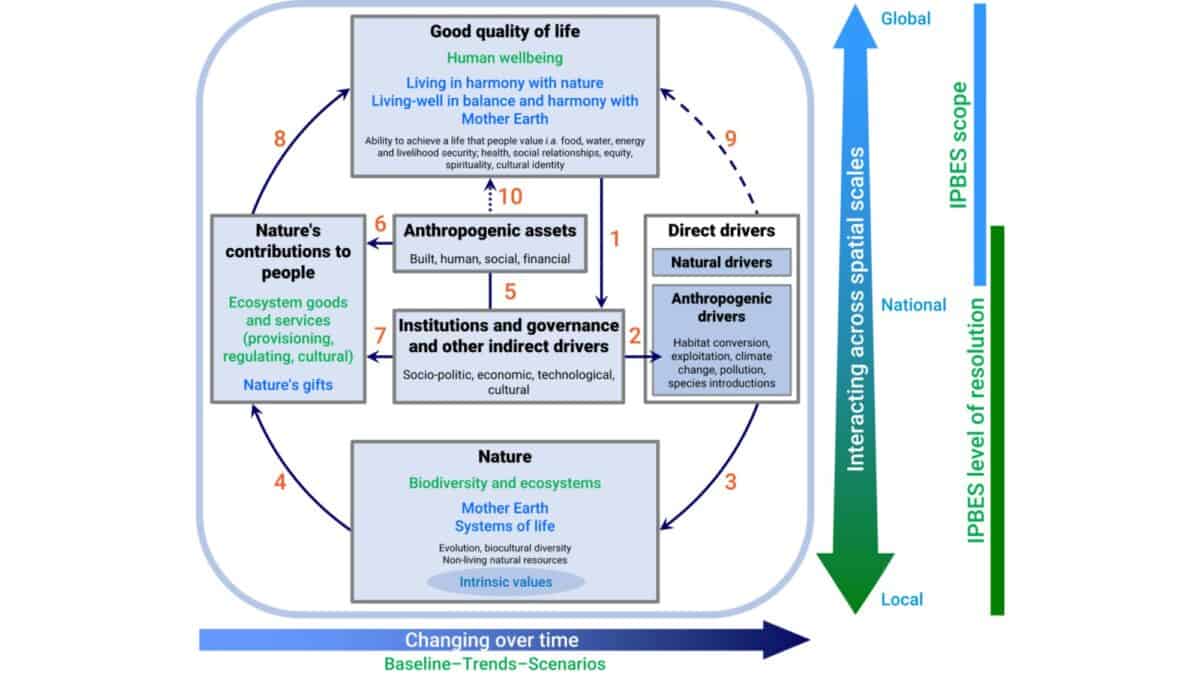
The economic impact of pollinator extinction would be staggering. Pollination services provided by animals are valued at $235-577 billion annually worldwide, according to the Intergovernmental Science-Policy Platform on Biodiversity and Ecosystem Services (IPBES). Industries directly dependent on pollinator-reliant crops would collapse first—including fruit processing, coffee production, chocolate manufacturing, and cosmetics using plant oils. The ripple effects would destabilize global markets as food prices soared to unprecedented levels. Employment sectors associated with these industries would see massive job losses. The economic toll would likely trigger a global recession or depression more severe than any in modern history, with developing nations that rely heavily on agricultural exports suffering the most devastating consequences.
Ecological Collapse in Wild Plant Communities
While the agricultural impacts would immediately threaten human society, the ecological impacts would be equally severe but potentially less visible at first. Approximately 80-95% of wild flowering plant species depend on animal pollinators for reproduction. Without pollinators, these plants would fail to set seed and reproduce, leading to a dramatic decline in plant diversity within just a few generations. Flowering plants form the foundation of many terrestrial ecosystems, providing food, shelter, and habitat for countless other species. Their decline would trigger cascading extinctions throughout food webs. Long-lived plants might persist for years or decades, masking the severity of the crisis temporarily, but the steady decline in recruitment of new plants would eventually result in dramatic ecosystem simplification and collapse.
Collapse of Food Webs and Secondary Extinctions
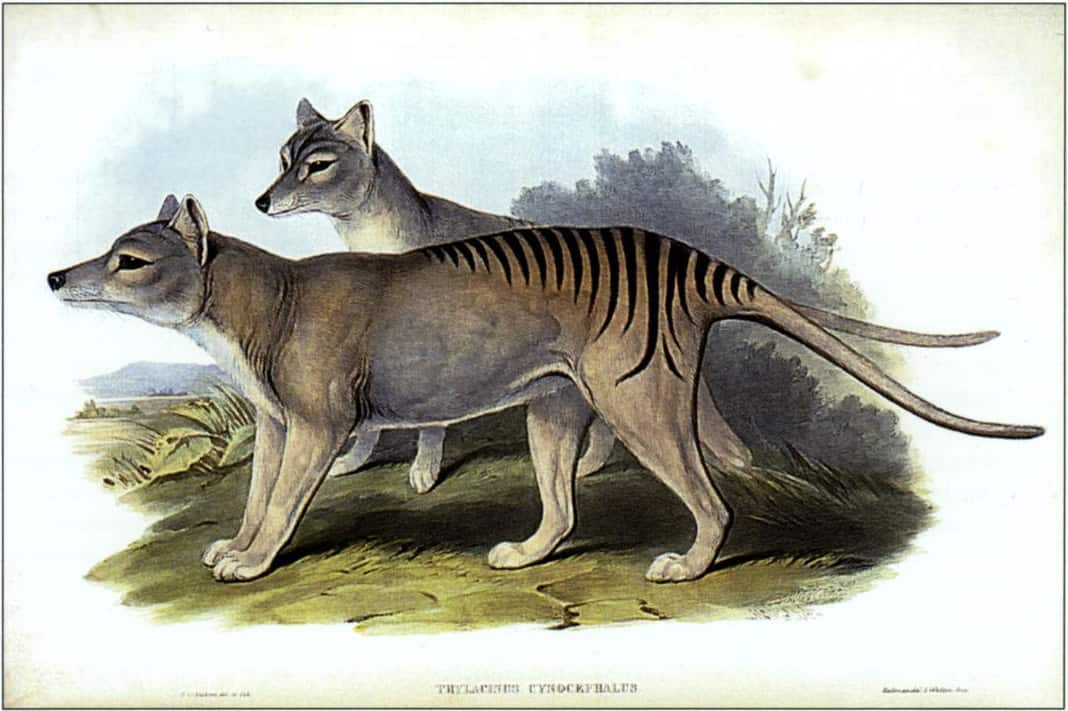
The disappearance of flowering plants would trigger a domino effect of extinctions across multiple trophic levels. Herbivores that depend on flowering plants would face starvation, followed by the predators that hunt them. Scientists estimate that each plant species supports an average of 10-30 animal species, from specialist herbivores to the predators that consume them. Many birds rely on fruits and seeds from flowering plants, while numerous mammals depend on these food sources as well. The extinction of pollinators would eventually lead to the loss of countless additional species through these ecological dependencies. Research published in Nature Communications suggests that for every three species of flowering plants that disappear, one animal species is likely to go extinct—meaning the loss of pollinators could ultimately lead to hundreds of thousands of secondary extinctions.
Transformation of Forest and Meadow Ecosystems
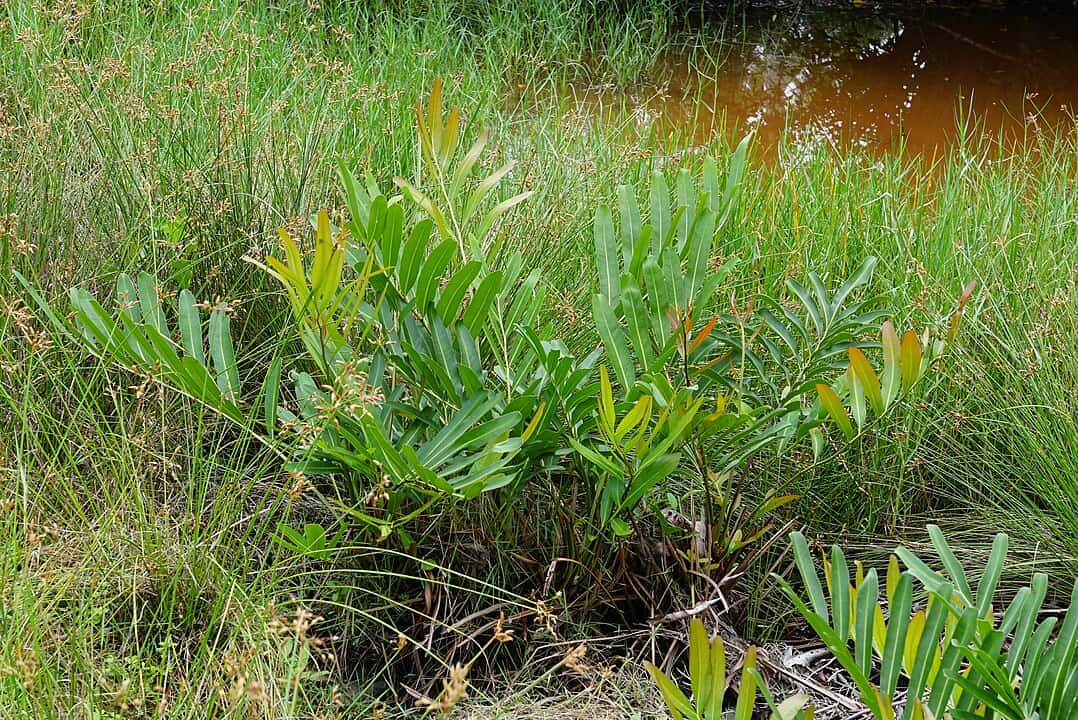
Over time, the landscape itself would transform dramatically. Forests, meadows, and other ecosystems dominated by flowering plants would undergo fundamental changes in composition. Wind-pollinated species like grasses, sedges, and conifers would gain competitive advantage, gradually replacing the once-diverse flowering plant communities. Open meadows might transition to grasslands with reduced species diversity. Forests would shift toward gymnosperm dominance (pines, spruces, firs) and wind-pollinated deciduous trees like oaks and birches. The rate of this transformation would vary by ecosystem and region, occurring fastest in tropical areas where pollinator dependence is highest and more gradually in temperate and boreal zones. The result would be simpler, less diverse ecosystems with reduced resilience to other stressors like climate change, disease, and invasive species.
Impact on Carbon Sequestration and Climate Change
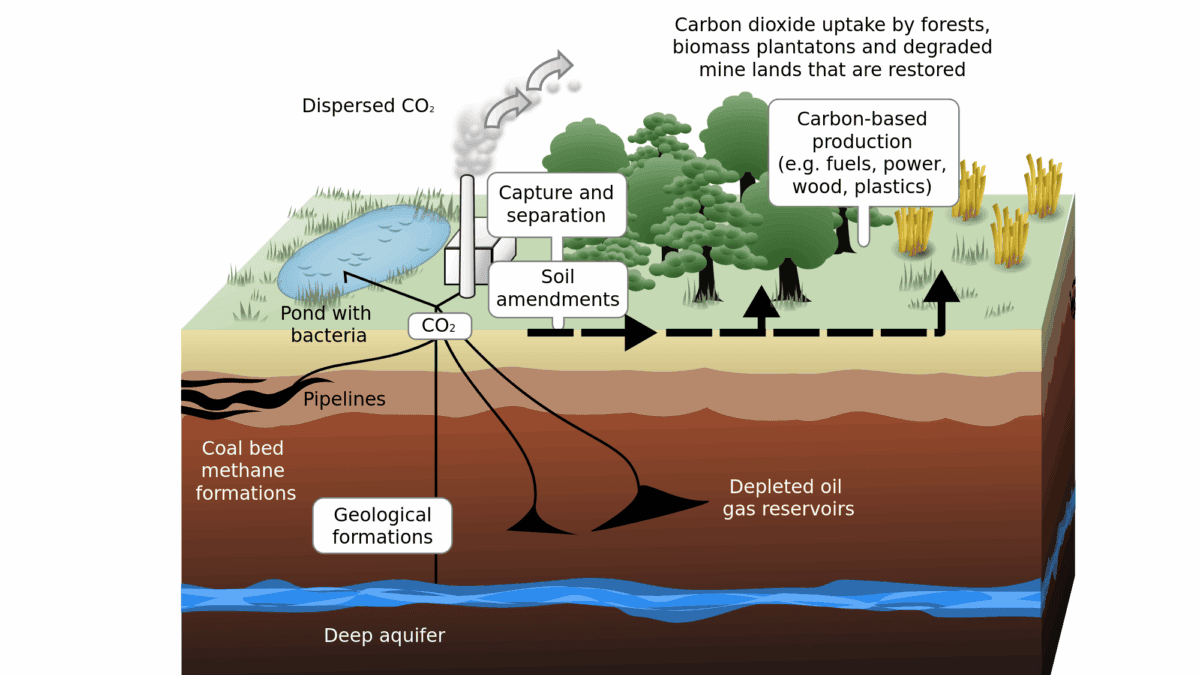
The transformation of plant communities would have significant implications for carbon cycling and climate change. Many flowering plant species, particularly trees in tropical forests, are efficient carbon sinks. Research from the University of California suggests that pollinator-dependent plants collectively sequester billions of tons of carbon dioxide annually. Their decline would reduce terrestrial carbon sequestration capacity, potentially accelerating climate change. Additionally, the shift toward different plant communities would alter albedo (the reflectivity of Earth’s surface), evapotranspiration rates, and other biophysical properties that influence local and regional climate patterns. The combined effect would be a potential acceleration of climate change precisely when human societies were least equipped to address it due to the concurrent food and economic crises.
Human Adaptation Through Technology
Facing such catastrophic consequences, humanity would undoubtedly mobilize massive resources toward technological solutions. Artificial pollination would become a critical focus of research and development. China has already pioneered hand pollination for some apple and pear orchards in regions where wild pollinators have declined severely. Robotics researchers at institutions like Harvard University and Delft University of Technology have developed prototype pollinator drones, though current technology remains inefficient and expensive compared to natural pollinators. Advances in genetic engineering might eventually produce self-pollinating varieties of some crops. However, these technological adaptations would be tremendously labor-intensive and costly, likely accessible only to wealthy nations and for high-value crops. The scale of natural pollination—trillions of flowers pollinated daily—would make complete technological replacement virtually impossible with current or near-future technology.
Long-term Agricultural Adaptation
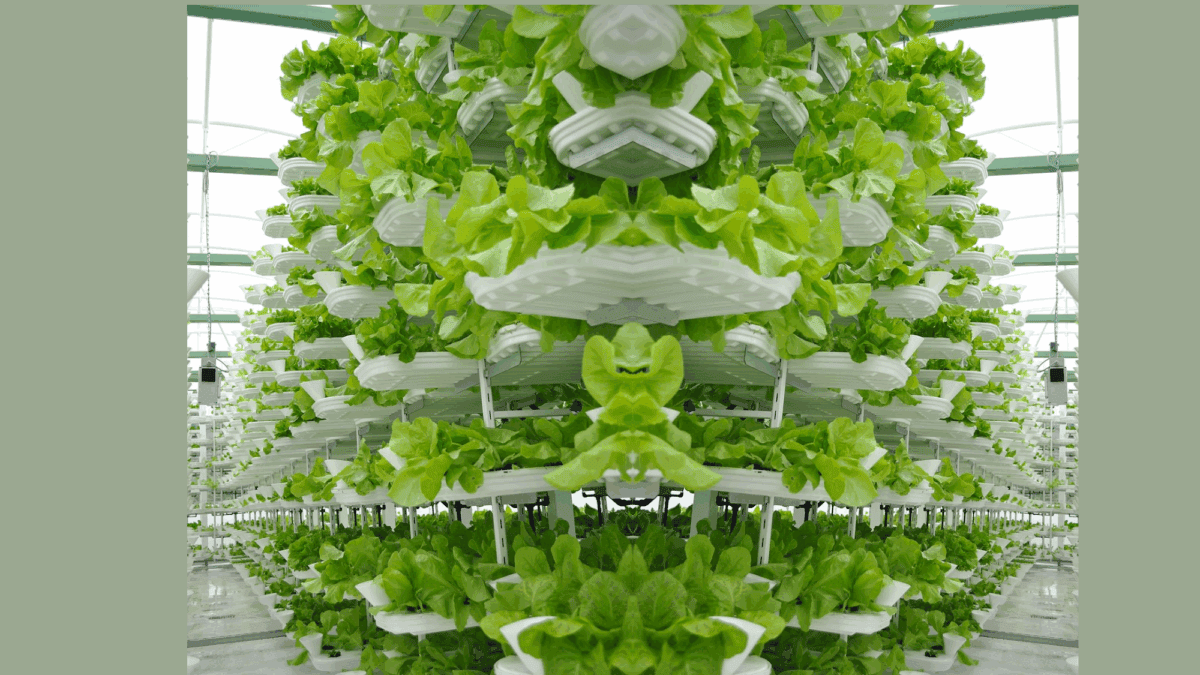
Agriculture would be forced to adapt dramatically to a pollinator-free world. Wind-pollinated crops like wheat, corn, rice, barley, and oats would become even more dominant in global agriculture. Plant breeders would prioritize developing self-pollinating varieties of previously pollinator-dependent crops, though this would take decades and might not be possible for all species. Vertical farming and controlled environment agriculture might expand rapidly, as these systems can facilitate manual or mechanical pollination more efficiently than open fields. Traditional agricultural practices from cultures with experience in hand pollination would gain new relevance. Date palm cultivation in the Middle East, for example, has relied on human pollinators for centuries. However, the labor requirements for hand pollination at a global scale would be enormous—potentially requiring billions of work hours annually—fundamentally restructuring agricultural economics and likely making many fruits and vegetables luxury items affordable only to the wealthy.
Cultural and Social Impacts
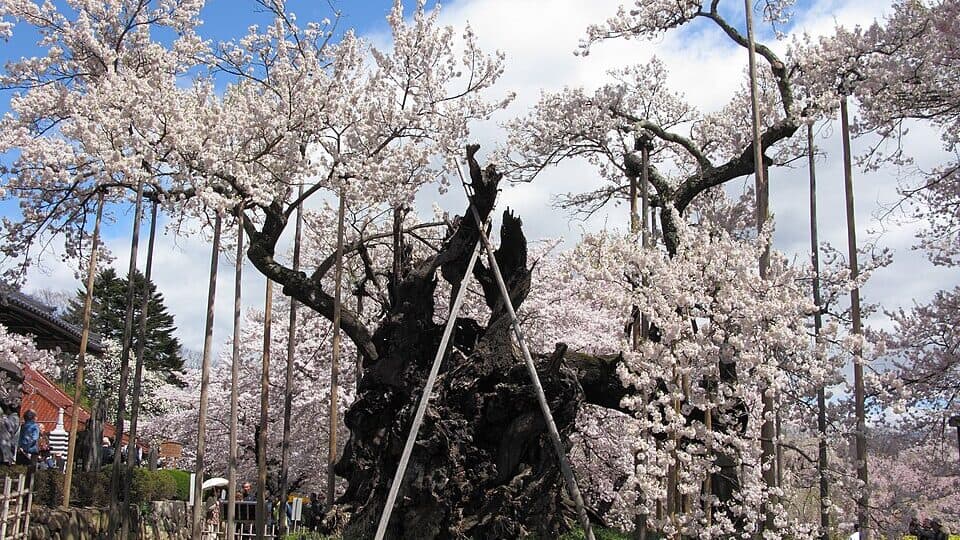
The disappearance of pollinators would profoundly impact human cultures and societies beyond mere economics. Many cultural traditions, celebrations, and cuisines center around pollinator-dependent foods—from apple festivals in North America to cherry blossom celebrations in Japan. Religious and cultural symbolism often features flowering plants and their pollinators. The aesthetic and psychological benefits humans derive from flowering plants in gardens, parks, and natural landscapes would diminish as these plants declined. A world without the vibrant colors and scents of flowering plants would be psychologically poorer. Research in environmental psychology suggests that such widespread loss of natural beauty could contribute to increased rates of depression, anxiety, and other mental health challenges, compounding the material hardships caused by agricultural disruption.
Differential Impacts Across Regions
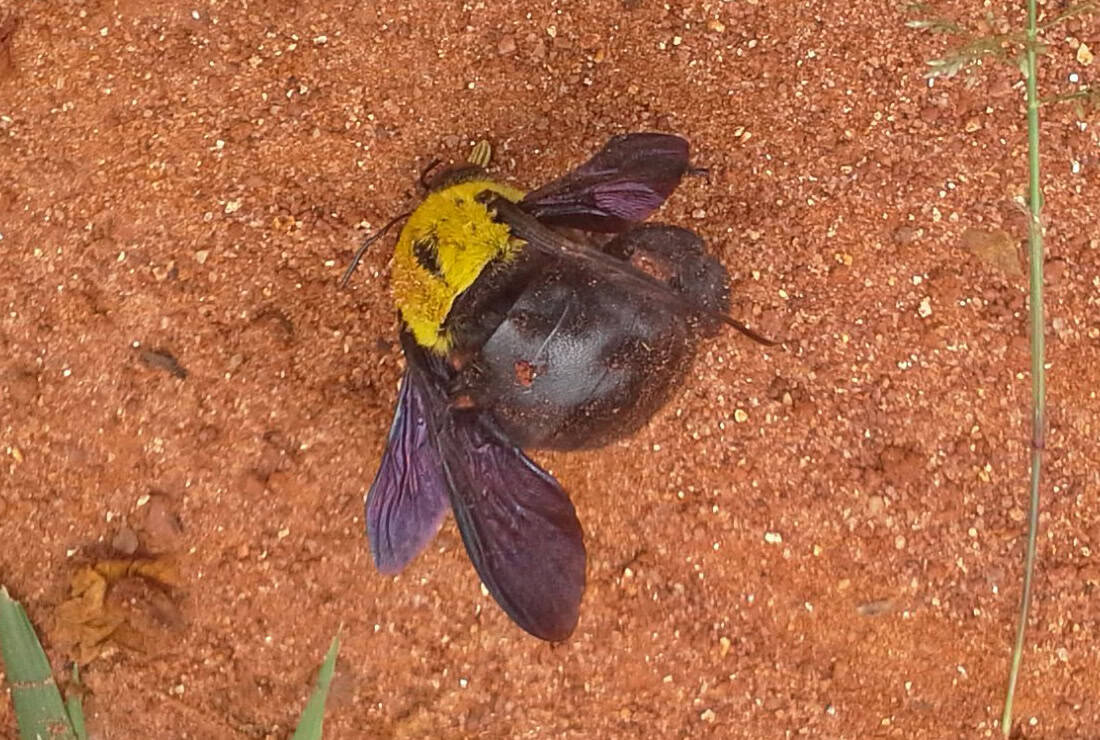
The impacts of pollinator extinction would not be distributed equally across the globe. Tropical regions, where biodiversity is highest and pollinator dependence most prevalent, would experience the most severe ecological disruption. Countries with economies heavily dependent on pollinator-reliant export crops—such as Ethiopia and Uganda (coffee), Ghana and Côte d’Ivoire (cocoa), or Chile (fruits)—would face devastating economic collapse. Developing nations would generally have fewer resources to implement technological alternatives to natural pollination. By contrast, regions dominated by wind-pollinated agriculture like the North American and Eurasian grain belts would maintain greater food production capacity, potentially reshaping geopolitical power dynamics. Indigenous communities with traditional knowledge of wild food sources might show greater resilience in some contexts, though they too would eventually face the cascading ecological consequences of pollinator loss.
The Reality of Pollinator Decline
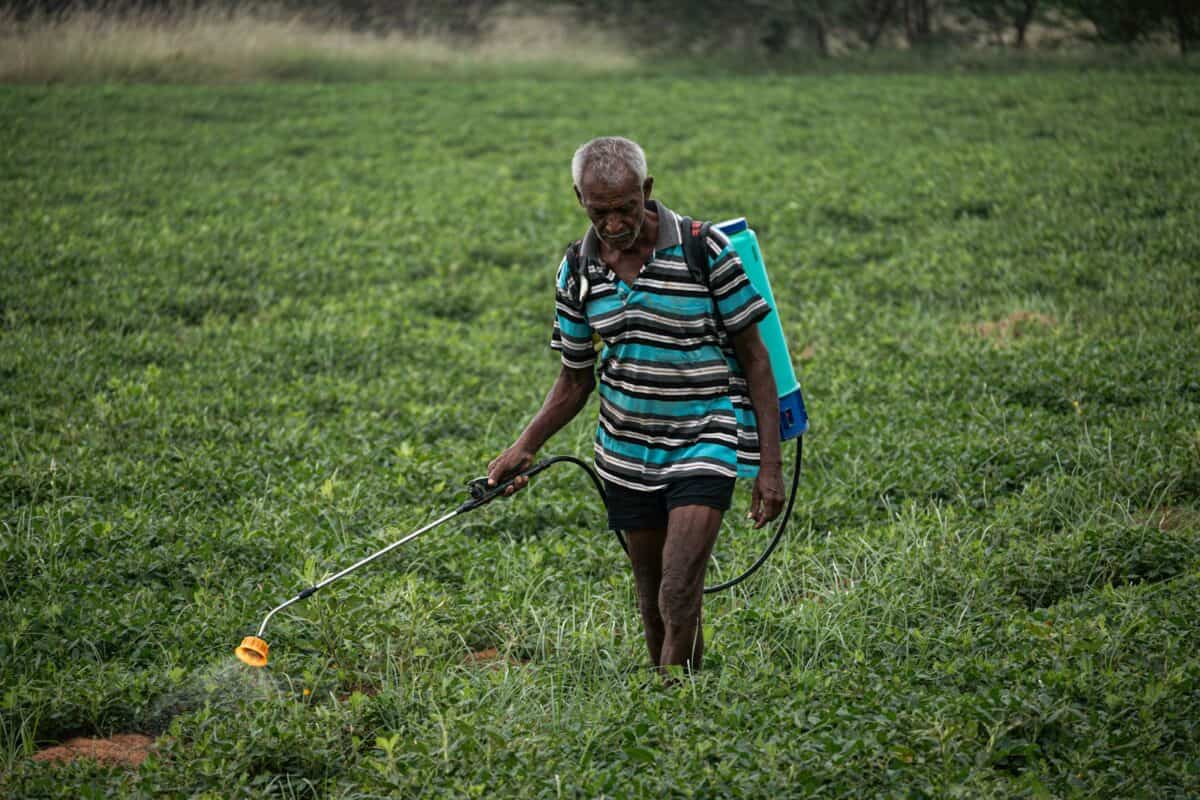
While the scenario of all pollinators disappearing simultaneously is hypothetical, the reality of pollinator decline is not. The current trajectory is alarming—over 40% of invertebrate pollinator species, particularly bees and butterflies, face extinction according to the IUCN. Recent studies document steep declines in insect biomass globally, with one German study finding a 75% reduction in flying insect biomass over 27 years in protected areas. The causes are multifaceted: habitat loss, pesticide use (particularly neonicotinoids), climate change, disease, invasive species, and air pollution all contribute. These declines are already affecting crop yields in some regions. While not as dramatic as instant extinction, the steady erosion of pollinator populations could eventually produce many of the same consequences described above, just unfolding more gradually—giving us time to adapt but also potentially creating a false sense of security about the severity of the crisis.
The hypothetical scenario of all pollinators disappearing simultaneously reveals the profound dependence of human civilization and natural ecosystems on these often-overlooked creatures. While such an abrupt extinction is unlikely, the ongoing decline of pollinator populations worldwide represents a slow-motion version of this catastrophe that demands immediate action. Conservation efforts must focus on habitat preservation, reduced pesticide use, climate change mitigation, and ecological restoration to protect these essential species. The technological solutions that might partially compensate for pollinator losses would be enormously expensive and inadequate compared to the elegant, efficient, and free services that natural pollinators provide. Perhaps most importantly, understanding the full consequences of pollinator loss illuminates the deep interconnectedness of all life on Earth—and reminds us that the fate of seemingly insignificant creatures like bees and butterflies is inextricably linked with our own survival and prosperity.

- What’s Hiding in the Forests of the Pacific Northwest - July 21, 2026
- Tarsiers: The Tiny Primates with Giant Eyes - July 21, 2026
- Are Zoos Still Ethical in 2025? - July 21, 2026