
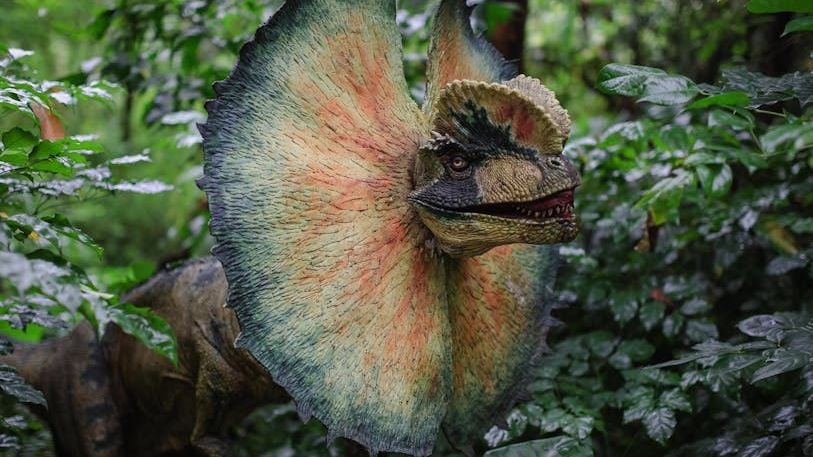
There’s something oddly satisfying about the idea that the stars above and the ancient beasts below might have more in common than we think. The twelve signs of the zodiac each carry a very specific energy – boldness, intuition, stubbornness, wit – traits that shaped how humans have understood themselves for thousands of years. Meanwhile, somewhere between 145 and 200 million years ago, a completely different cast of characters was playing out remarkably similar dramas: lone hunters, pack strategists, flashy display-makers, and quiet, devastating ambush predators.
The Jurassic Period was not simply a world of big lizards wandering around aimlessly. Predatory dinosaurs of the Jurassic included fearsome carnosaurs such as Allosaurus, small fast coelurosaurs, and ceratosaurs such as Dilophosaurus. Each of these animals had its own survival strategy, its own ecological role, its own version of personality written in bone and behavior. What follows is a pairing of the zodiac wheel to twelve remarkable Jurassic predators – and it’s more fitting than you might expect.
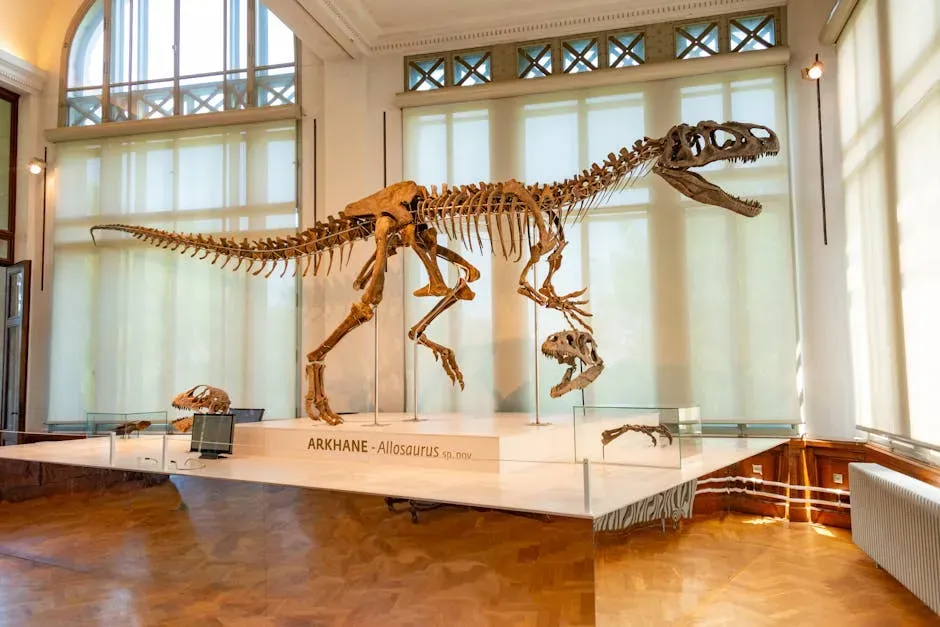
#1 Aries (March 21 – April 19): Allosaurus
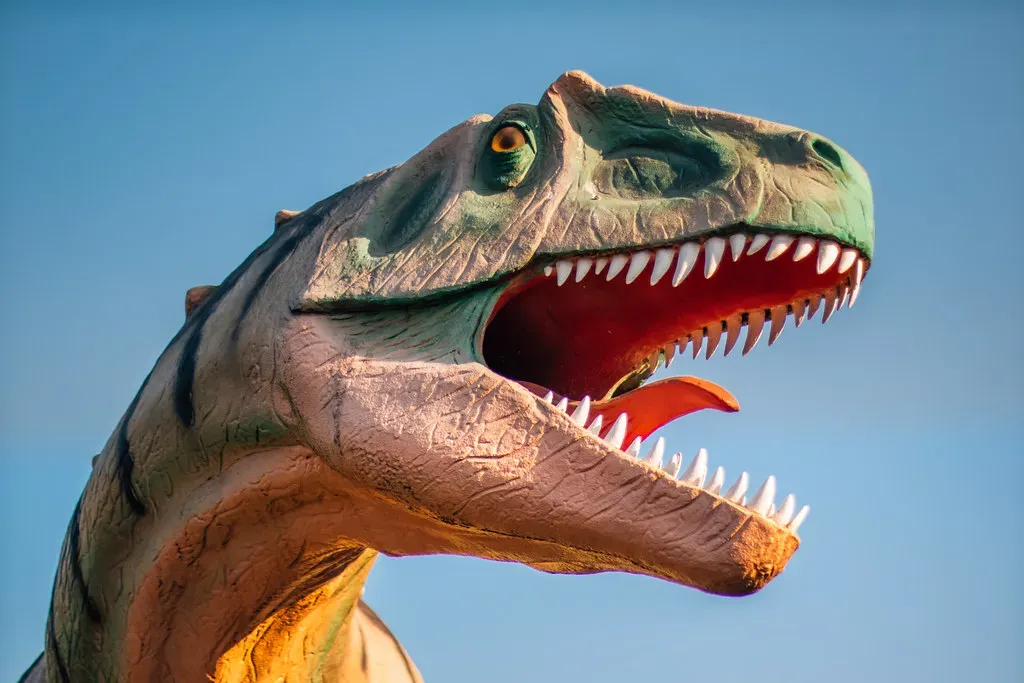
Aries leads everything. The first sign of the zodiac is ruled by Mars and carries an energy that is direct, fast, and completely uninterested in waiting its turn. Aries approaches life as if it’s an exhilarating race they can’t wait to run, expressing thoughts candidly and tending to get straight to the point. That forward momentum, that refusal to overthink, is written into the bones of every Ram.
Allosaurus matches this energy precisely. Allosaurus, a late Jurassic dinosaur, was a large fearsome predator with immense muscular jaws and long serrated teeth for eating flesh. Giant leaders of the dinosaur world, these creatures were confident, commanding, and effective – living around 150 million years ago as the dominant predator of their time, striding through Jurassic North America like a boss. Aries would feel right at home in that energy. Charge first, consider the consequences later.
#2 Taurus (April 20 – May 20): Torvosaurus
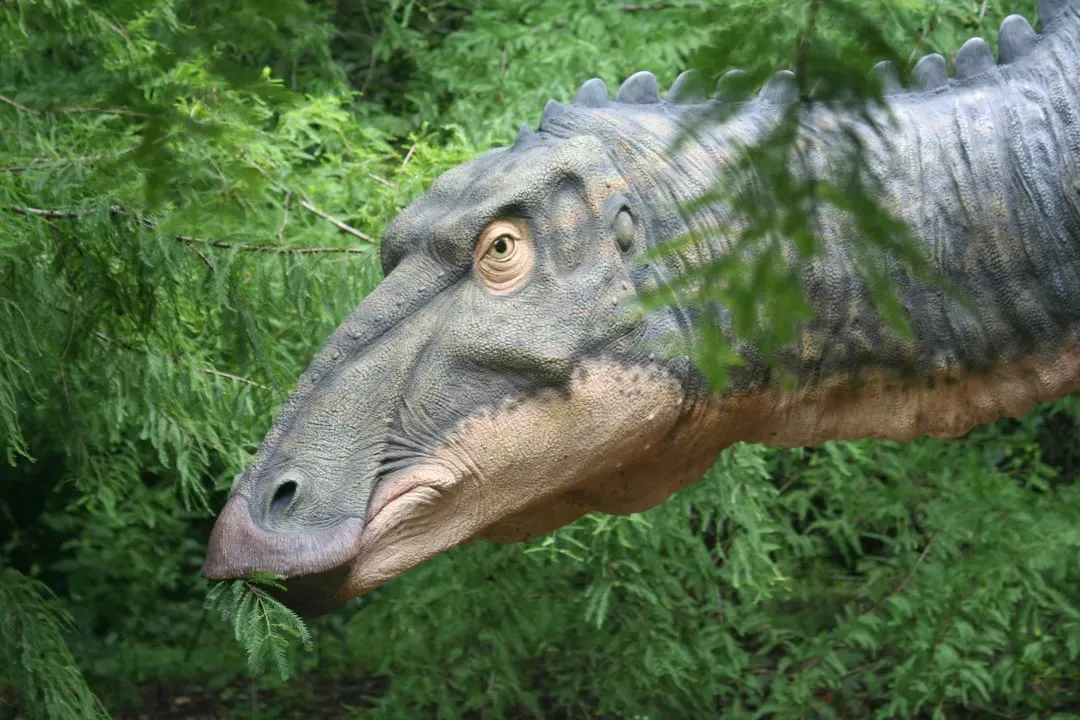
Taurus is the sign of endurance. Steady, powerful, and utterly immovable once committed, Taurus has a unique ability to calm the energy around them without even realizing it, preferring to take their time with things, and once they make a decision, they rarely have doubts about it. The bull doesn’t rush. It doesn’t need to.
Enter Torvosaurus – a massively built Jurassic predator that operated on raw, calculated force. Unlike most other large theropods, Torvosaurus seemed to have thicker teeth, where others have thin blade-like teeth, which may suggest it had a stronger bite force than most other theropods its size. Torvosaurus lived approximately 153 to 148 million years ago during the later part of the Jurassic Period in what is now Colorado, Portugal, and Germany. Built heavy, built to last, and absolutely relentless – this is the Taurus of the prehistoric world.
#3 Gemini (May 21 – June 20): Ornitholestes
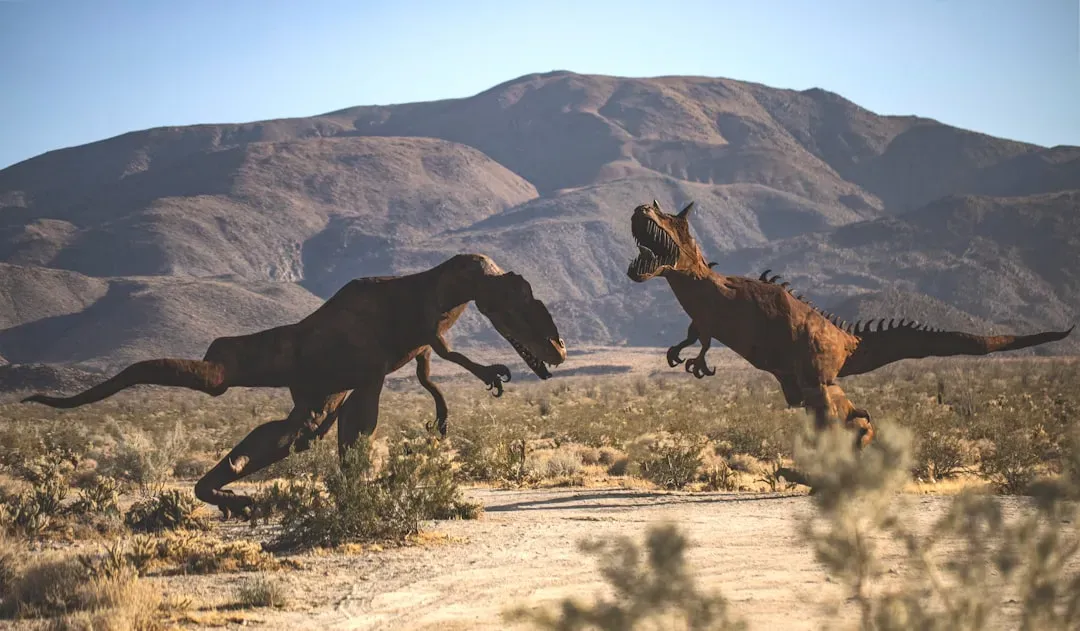
Gemini is the sign of duality and quick thinking. Geminis have a natural talent for initiating conversations with almost anyone, and their quick-thinking minds easily shift from one idea or interest to another – they adapt seamlessly to various groups and situations, which is why many people refer to them as the chameleons of the zodiac. Flexibility is their superpower.
Ornitholestes was a small, agile Jurassic predator built for speed, adaptability, and opportunism. Small enough to go unnoticed, fast enough to catch almost anything, this coelurosaur thrived not through brute force but through intelligence and quickness. Small, fast coelurosaurs were among the predatory dinosaurs of the Jurassic. Ornitholestes could pivot strategies mid-hunt in a way that larger predators simply couldn’t, making it the embodiment of Gemini’s restless, multi-angled approach to the world.
#4 Cancer (June 21 – July 22): Dilophosaurus
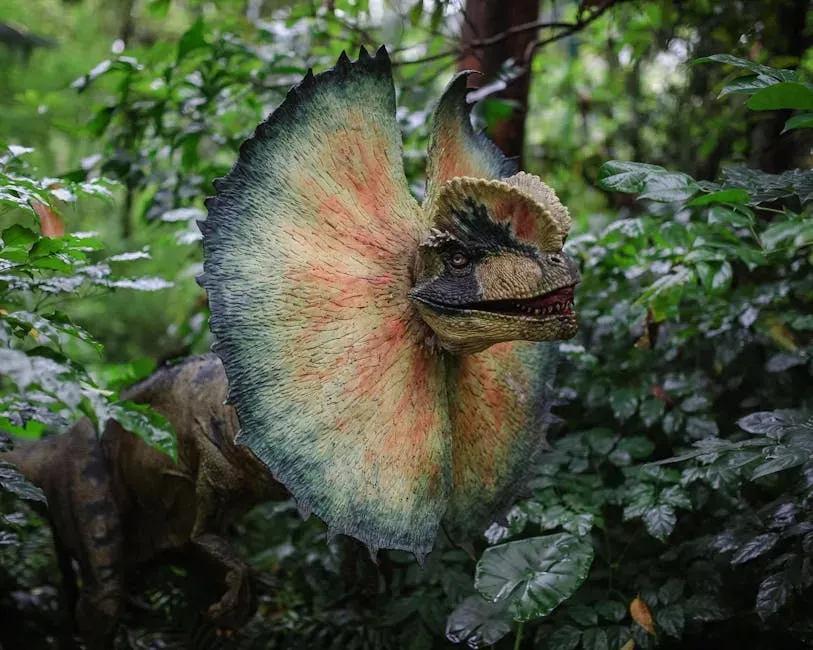
Cancer runs deep. Emotional, fiercely protective of those they care about, and prone to mood shifts that few people see coming, this water sign is far more complex than its surface suggests. Cancers are deeply emotional and have an intuitive understanding of what their loved ones need. There’s always more going on beneath the surface with a Cancer than the world gets to see.
Dilophosaurus carried its own kind of hidden complexity. Famous for the two distinctive crests on its skull, this was the largest land predator of its era despite having a surprisingly delicate build. At around six and seven meters long and weighing in at around 400 kg, it was a medium-sized dinosaur compared to many later theropods, but during the Early Jurassic, it was the largest predator on land. Like Cancer, it was simultaneously more powerful and more sensitive than first impressions suggested. Like many primitive theropods, it had eyes on either side of its head, and so could not see directly ahead – a reminder that depth of perception doesn’t always come in the expected form.
#5 Leo (July 23 – August 22): Ceratosaurus
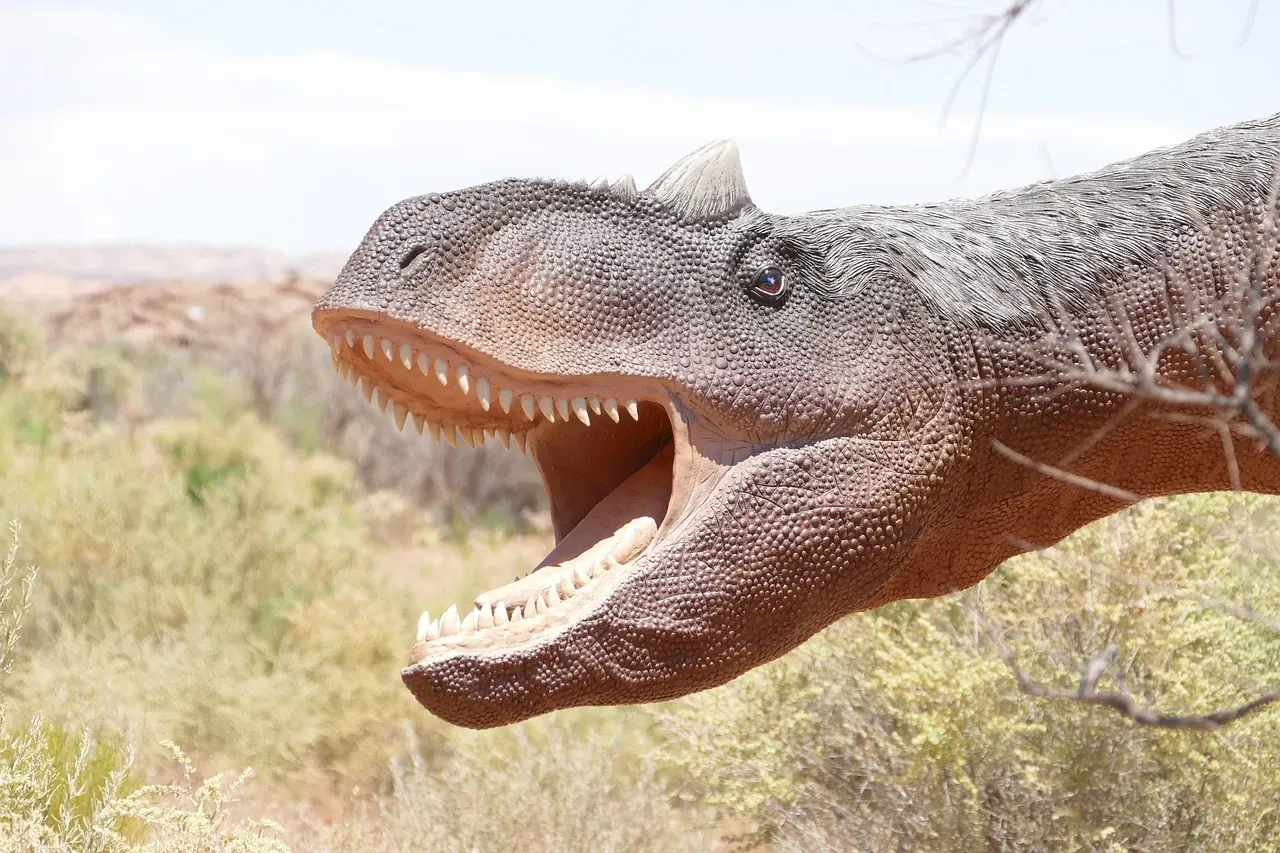
Leo was practically invented for drama. Ruled by the Sun and associated with radiance, confidence, and a need to be seen, Leo doesn’t just enter a room – it commands it. In ancient times, the Sun reached its summer zenith in the constellation of the lion, and since then the lion has been a symbol of strength, power, and majesty – Leo’s sign is the one linked most closely to the Sun itself, the brightest body in the sky and the shining center of the solar system.
Ceratosaurus was Jurassic theater. Ceratosaurus is a genus of carnivorous theropod dinosaur that lived during the Late Jurassic period around 155 million years ago in North America and Europe, and it came equipped with a prominent nasal horn and bony ridges above its eyes that made it visually unmistakable. It shared territory with Allosaurus but refused to be outshone. Ceratosaurus may not have been the absolute top predator – it was just not large enough for that – but it was still a large and dangerous animal. In Leo fashion, Ceratosaurus was never going to blend into the background, no matter who else was in the room.
#6 Virgo (August 23 – September 22): Megalosaurus

Virgo is the sign of precision, method, and an almost uncomfortable attention to detail. In the wheel of the zodiac, Virgo is the sign of the harvest, represented by the goddess holding a sheaf of wheat – through careful craft and understanding of the mysteries of nature, the function of this sign is symbolically to sort wheat from chaff, so that what is yielded up is useful and productive. Virgo doesn’t do anything without a reason.
Megalosaurus was a methodical, well-structured predator that holds the distinction of being the first dinosaur ever formally named in scientific literature, back in 1824. It was a medium-to-large theropod of the Middle Jurassic, and for a long period, many large carnivores were simply named new species of Megalosaurus – a testament to just how foundational and widely recognized this creature became. There’s something distinctly Virgo about being the original standard against which everything else gets measured. Reliable, foundational, quietly indispensable.
#7 Libra (September 23 – October 22): Yangchuanosaurus
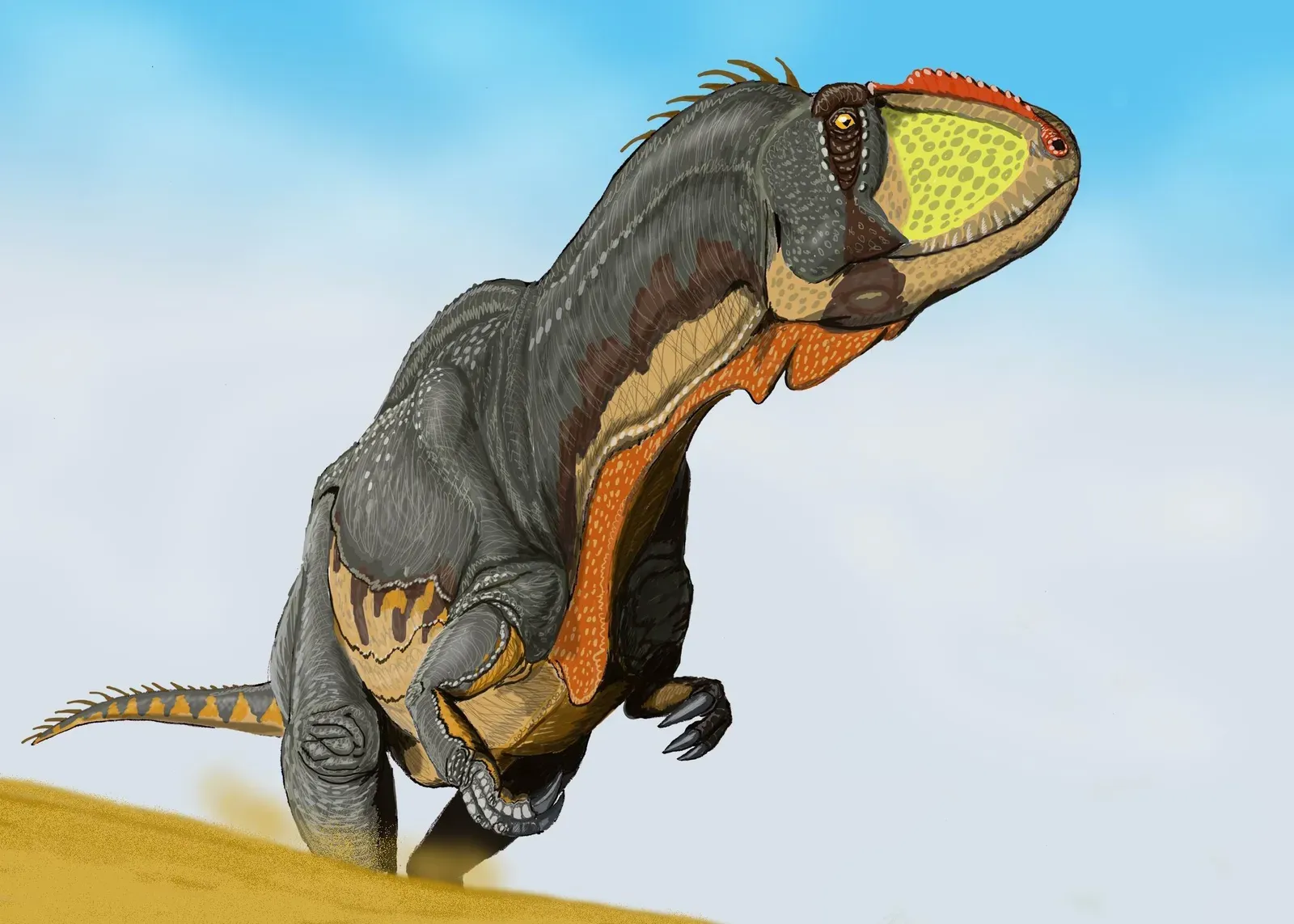
Libra is ruled by Venus and spends considerable energy navigating balance, beauty, and social dynamics. The top three traits of Libra are rationality, diplomacy, and good aesthetic tastes. Libra rarely operates in extremes – it’s always weighing, always considering, always aware of the relational context it exists within. There’s a certain elegance to how they move through conflict.
Yangchuanosaurus was a large, well-proportioned Late Jurassic carnivore from what is now China, and it occupied an interesting ecological middle ground. It is thought to be related to genera such as Metriacanthosaurus, and it appears to have been a socially capable predator that could operate in coordinated ways. Yangchuanosaurus could be a threat when in groups, given they were faster and could deal out debilitating damage that opponents couldn’t easily combat. Coordination, strategy, and a certain refined lethality – that’s Libra operating at full capacity.
#8 Scorpio (October 23 – November 21): Metriacanthosaurus
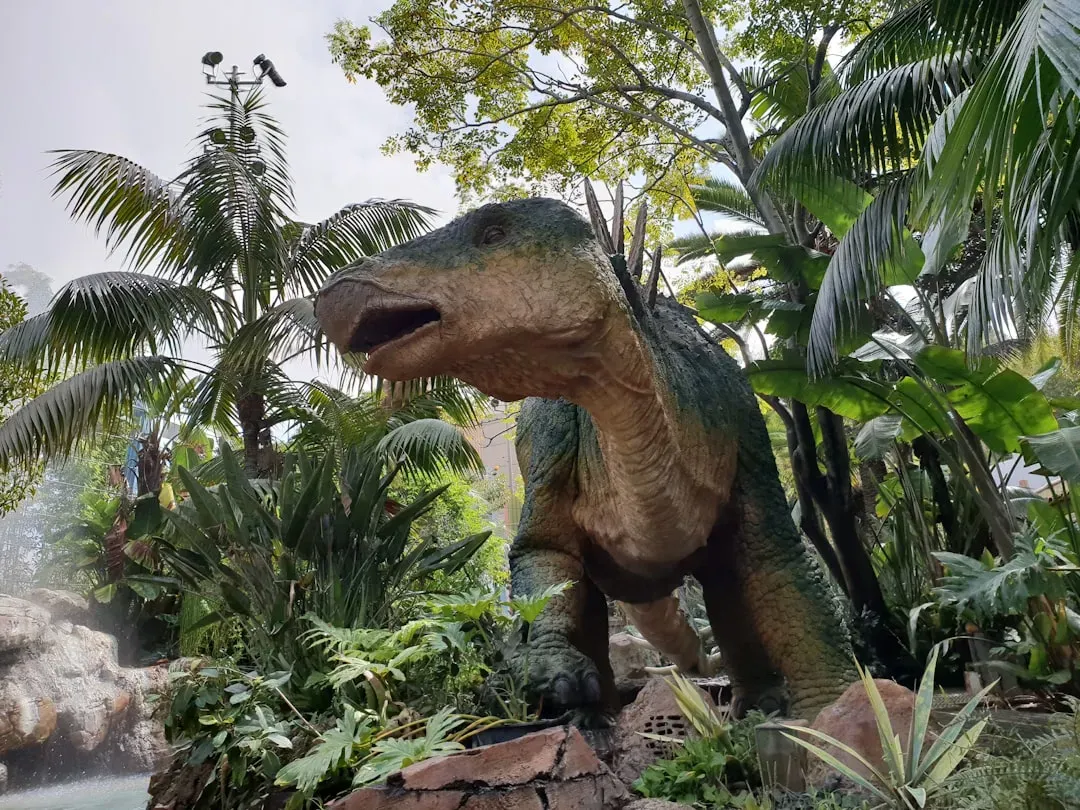
Scorpio is the most enigmatic sign in the zodiac. Scorpio is the most enigmatic of the zodiac signs, and where others might be content with what they can easily see or do, Scorpio’s courage takes them beyond, probing the depths to eliminate whatever is untrue, insincere, or no longer serving a useful purpose. Scorpio guards its secrets carefully, and what little it reveals is usually calculated.
Metriacanthosaurus is the Scorpio of the Jurassic world – deeply mysterious, seldom fully understood, and operating in the shadows. Metriacanthosaurus is a mysterious animal as its only known fossils are that of its spine and pelvis – and interestingly, it has a raised spine, suggesting it may have had a hump or ridge running down its back, living in Europe around 161 to 155 million years ago and using thick forests and jungles to sneak up on its prey. Like Scorpio, this predator thrived precisely because it was so hard to read. You never quite knew where it was until it was already too late.
#9 Sagittarius (November 22 – December 21): Coelurus
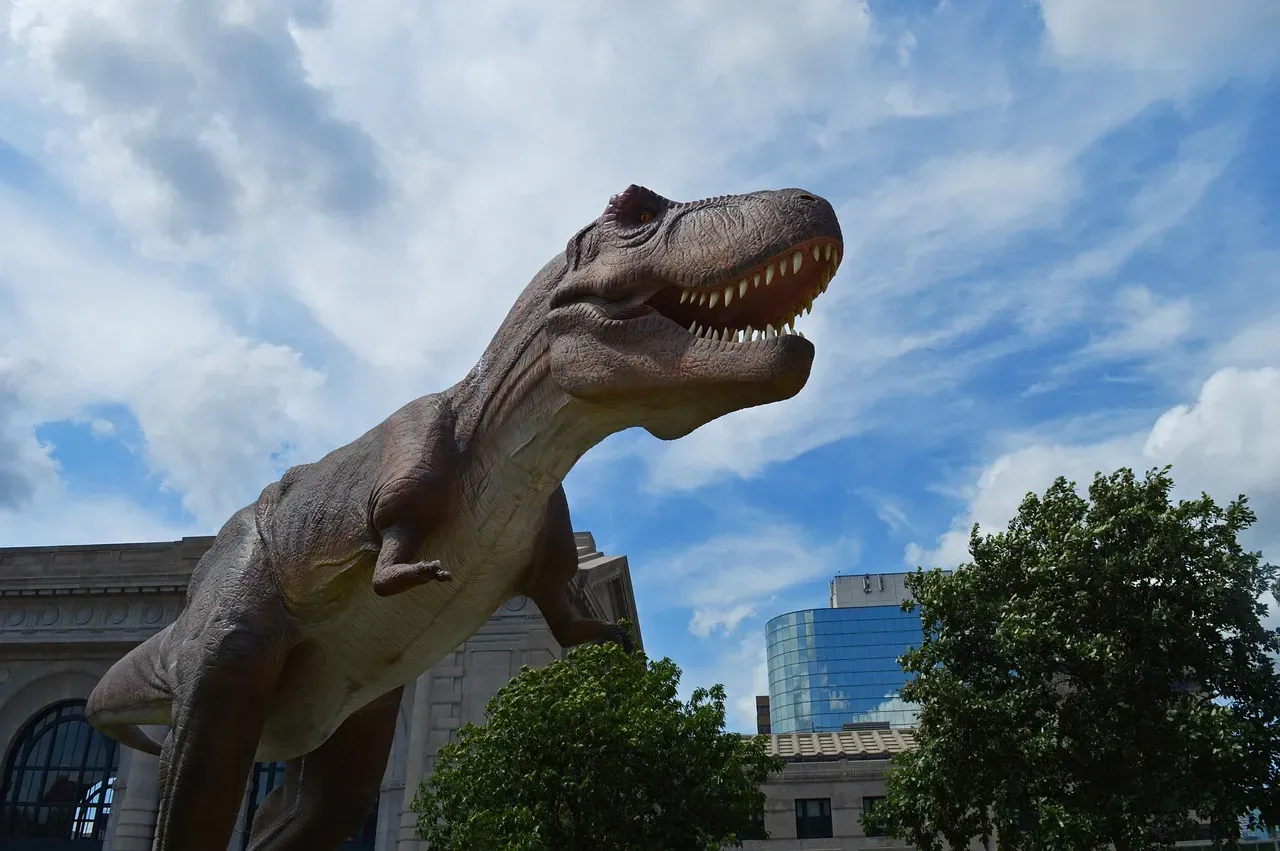
Sagittarius lives for discovery. Freedom-loving, philosophically restless, and perpetually pointed toward the horizon, this fire sign doesn’t sit still for long. The archer shoots the arrow into the far distance, not knowing where it will land – and this is part of the excitement of life for Sagittarius, who identifies as a citizen of the world and longs to see all that it has to offer. The journey is always more interesting than the destination.
Coelurus was a small, light, and exceptionally fast coelurosaur of the Late Jurassic. Where larger predators were defined by their mass, Coelurus was defined entirely by speed and range – it ranged widely, moved freely, and could cover ground that its heavier contemporaries couldn’t. Fire signs like Sagittarius are passionate, creative, confident, and courageous, and Coelurus embodied that spirit without needing size to back it up. Sometimes the fastest creature in the room is the most dangerous one.
#10 Capricorn (December 22 – January 19): Saurophaganax
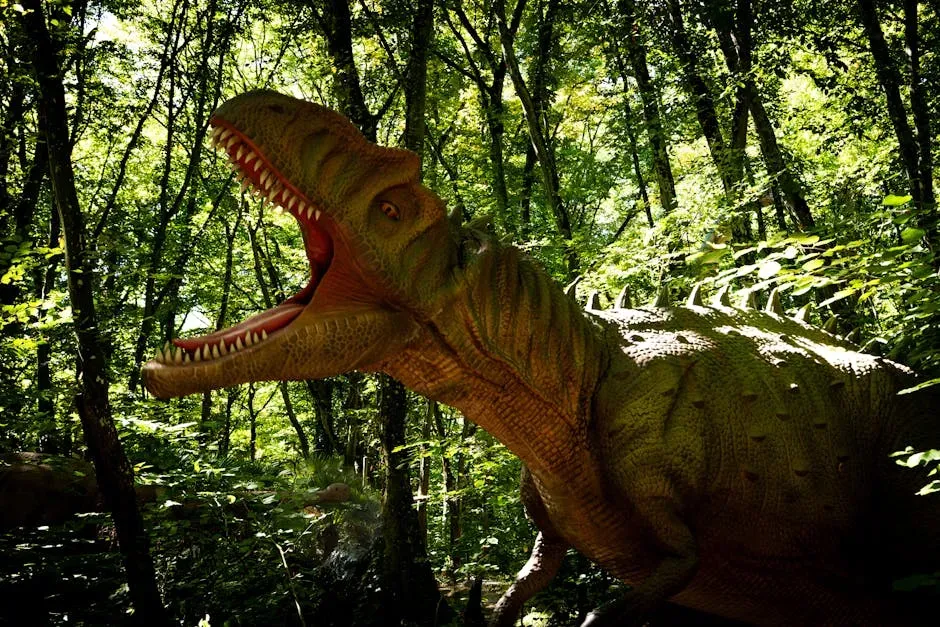
Capricorn climbs. Relentlessly, patiently, and with a long-game focus that other signs can only admire from a distance. Capricorn is the mountain goat, sure-footed in its determined ascent to the summit, with a trajectory that is always upwards, striving towards accomplishment and a position of respect. Capricorn doesn’t need applause along the way – it needs results.
Saurophaganax was the apex of apex predators in its environment, a massive allosaur relative that appears to have outranked even its closest competition in sheer scale and dominance. Saurophaganax was among the largest carnivores of its time, together with Epanterias and Torvosaurus. Earth signs like Capricorn are considered conservative, realistic, and down-to-earth – and patience is what gets them ahead in life, because they understand the importance of building up personal or professional goals over time. Saurophaganax didn’t reach the top of the food chain by accident. It earned that position, inch by inch.
#11 Aquarius (January 20 – February 18): Archaeopteryx
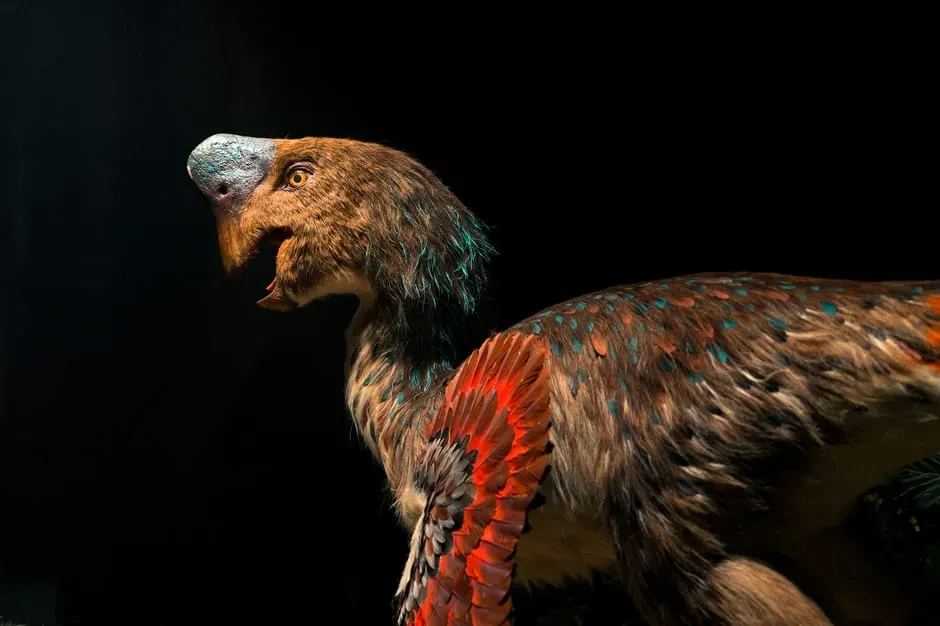
Aquarius is the visionary of the zodiac. Air signs like Aquarius are intellectual, independent, communicative, and social, but what truly sets Aquarius apart is its relationship to the future. Aquarius doesn’t fit neatly into the categories of its era – it seems to belong to a time slightly ahead of where it currently stands. It’s the sign most associated with evolution, innovation, and breaking the mold.
Nothing in the Jurassic was more ahead of its time than Archaeopteryx. The Jurassic saw the origination of the first birds, including the well-known Archaeopteryx, probably from coelurosaurian ancestors. Despite its feathers, Archaeopteryx was saurischian in appearance – it had teeth, a tail like that of a lizard, and claws at the wing tips. It existed at the precise intersection of what had been and what would come. That liminal, genre-defying position is pure Aquarius. It wasn’t quite a dinosaur anymore, but it wasn’t quite a bird yet either. It was something entirely its own.
#12 Pisces (February 19 – March 20): Liopleurodon
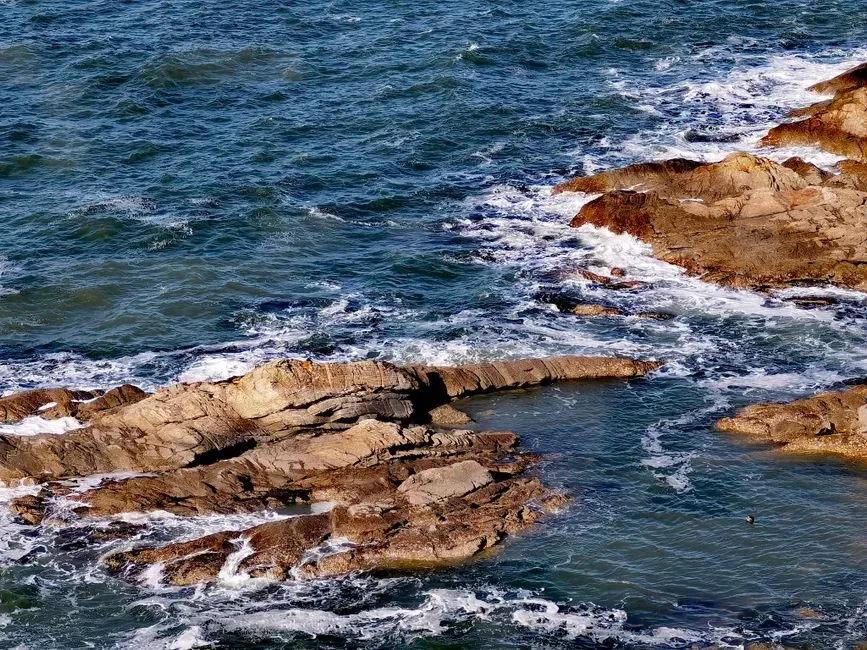
Pisces is the final sign and carries within it a little of every sign that came before. Pisces is the sign of the fishes, bound to each other by a cord – in the constellation, as in the astrological glyph, the fish are swimming in opposite directions, and in this image lies the dilemma of Pisces: knowing that one must live in the world, but always longing to escape from it. Depth, mystery, and emotional fluidity define this water sign above all else.
Liopleurodon was a massive marine predator of the Jurassic seas – not a dinosaur, but very much part of the Jurassic predatory world. In the Jurassic seas, the fishlike ichthyosaurs were at their height, sharing the oceans with the plesiosaurs, with giant marine crocodiles, and with modern-looking sharks and rays. Liopleurodon ruled those depths with an almost otherworldly presence. Water signs are seen as shy, reserved, and sensitive, but also intuitive and in-tune with their feelings – they make natural empaths, with an ability to tap into the emotions of people around them. Liopleurodon moved through the deep ocean the same way Pisces moves through emotional space: with total immersion, barely visible, utterly formidable.
What These Ancient Predators Reveal About Us
What makes this pairing genuinely interesting isn’t just the playful comparison. It’s what it says about personality archetypes and how consistent they seem to be across time. Dinosaurs exhibited a wide range of behaviors and personalities, and drawing analogies between modern personalities and these prehistoric giants provides an intriguing perspective on how we navigate the world – a world that once belonged to them.
Whether you’re an Aries charging headfirst like an Allosaurus or a Pisces drifting with purpose through emotional depths like Liopleurodon, the parallels are surprisingly sturdy. Astrology aims to help us focus energies on the positive aspects and to gain a better understanding of our potential – these four elements help describe the unique personality types associated with astrological signs, and they exhibit profound influence on basic character traits, emotions, behavior, and thinking. The Jurassic predators did the same thing, each in their own ecological language.
The stars and the fossils both tell the same quiet story: certain ways of being in the world are ancient, recurring, and deeply recognizable. Some things, it turns out, are written into the pattern of existence itself – long before any of us arrived to name them.
