

Coral reefs, often called the rainforests of the sea, are among Earth’s most valuable ecosystems. They occupy less than 1% of the ocean floor yet support approximately 25% of all marine species. However, these vibrant underwater worlds face an existential threat: coral bleaching. As global temperatures rise and ocean conditions deteriorate, scientists are increasingly concerned about what might happen if coral bleaching were to reach 100% worldwide. The consequences would extend far beyond the loss of these beautiful organisms, affecting everything from marine biodiversity to human economies and food security. This article explores the potential devastating consequences if all the world’s coral reefs were to undergo complete bleaching, examining the ecological, economic, and social implications of such a catastrophic scenario.
Understanding Coral Bleaching
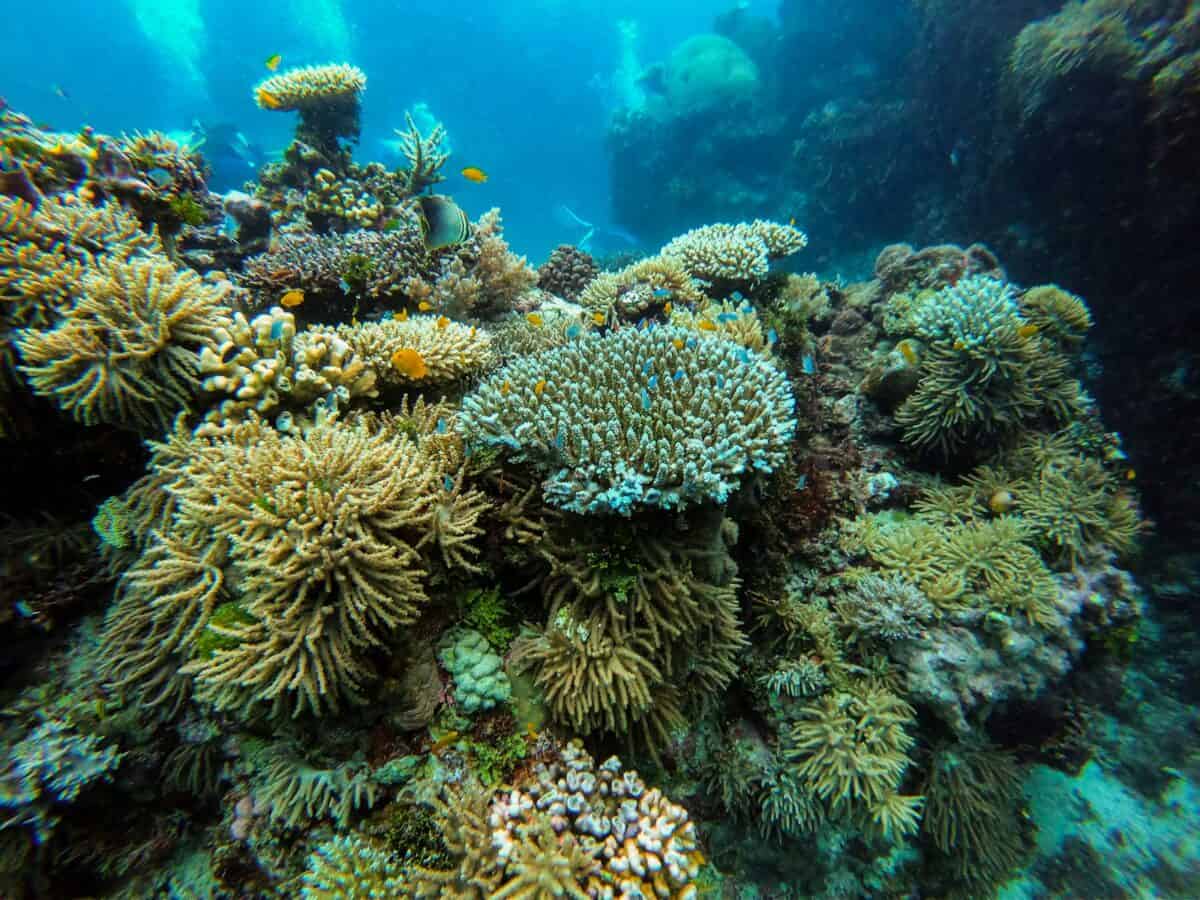
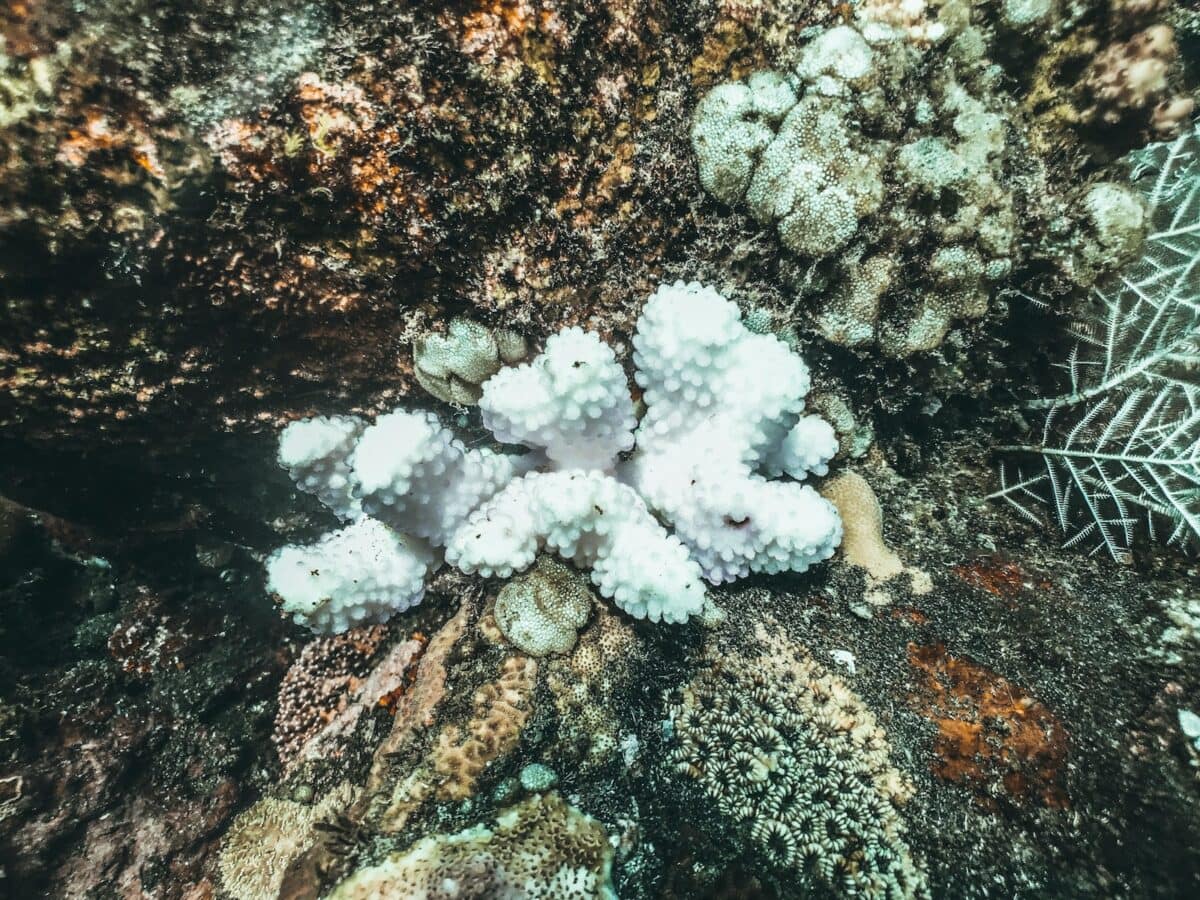
Coral bleaching occurs when corals expel the symbiotic algae (zooxanthellae) living in their tissues, causing them to turn completely white. This symbiotic relationship is crucial: the algae provide corals with approximately 90% of their energy through photosynthesis while gaining protection and access to sunlight. When environmental stressors—primarily elevated water temperatures—disrupt this relationship, corals evict their algal partners. Without their primary energy source, bleached corals essentially begin to starve. While bleached corals aren’t immediately dead and can recover if conditions improve quickly, prolonged bleaching inevitably leads to mortality. The process typically begins when ocean temperatures rise just 1-2°C above the corals’ tolerance threshold for several weeks. With climate change accelerating, mass bleaching events have become increasingly common, occurring globally rather than locally and affecting numerous coral species simultaneously.
The Current State of Coral Reefs
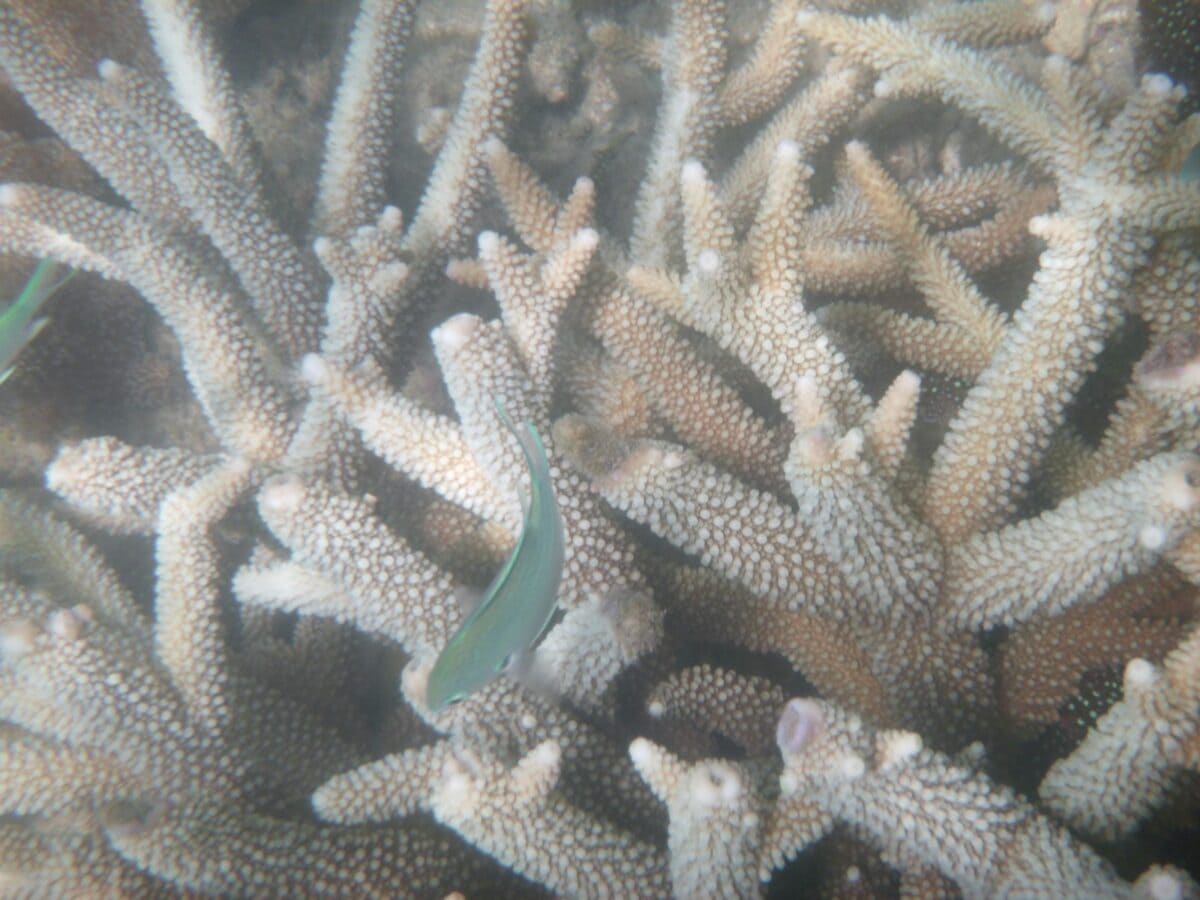
The global situation for coral reefs is already dire. According to the Global Coral Reef Monitoring Network, the world has lost approximately 14% of its coral reefs between 2009 and 2018 due to bleaching events. Australia’s Great Barrier Reef, the world’s largest coral reef system, has experienced five mass bleaching events since 1998, with three occurring between 2016 and 2020 alone. The Caribbean has lost over 80% of its coral cover since the 1970s. Recent assessments from the Intergovernmental Panel on Climate Change (IPCC) suggest that even if global warming is limited to 1.5°C above pre-industrial levels, 70-90% of coral reefs could disappear. At 2°C warming, virtually all reefs (>99%) are projected to experience severe degradation. Scientists now believe that unless drastic action is taken to curb climate change, we could witness near-complete global coral bleaching within decades—far sooner than previously anticipated.
Collapse of Marine Biodiversity
If coral bleaching were to reach 100%, the immediate consequence would be an unprecedented collapse in marine biodiversity. Coral reefs provide habitat, spawning grounds, and nursery areas for approximately 25% of all known marine species, despite covering less than 1% of the ocean floor. Thousands of fish species directly depend on corals for food, shelter, and reproduction. Research suggests that for every coral species lost, we could lose up to 30 associated species. The disappearance of reef-dependent fish would trigger cascading effects throughout oceanic food webs. Predatory species like sharks, tuna, and billfish would lose crucial feeding grounds. Invertebrates like crustaceans, mollusks, and echinoderms would suffer population collapses. The resulting biodiversity loss would be comparable to destroying all the forests on land—a mass extinction event concentrated in marine ecosystems that would fundamentally alter ocean ecology worldwide.
Devastating Impact on Fisheries
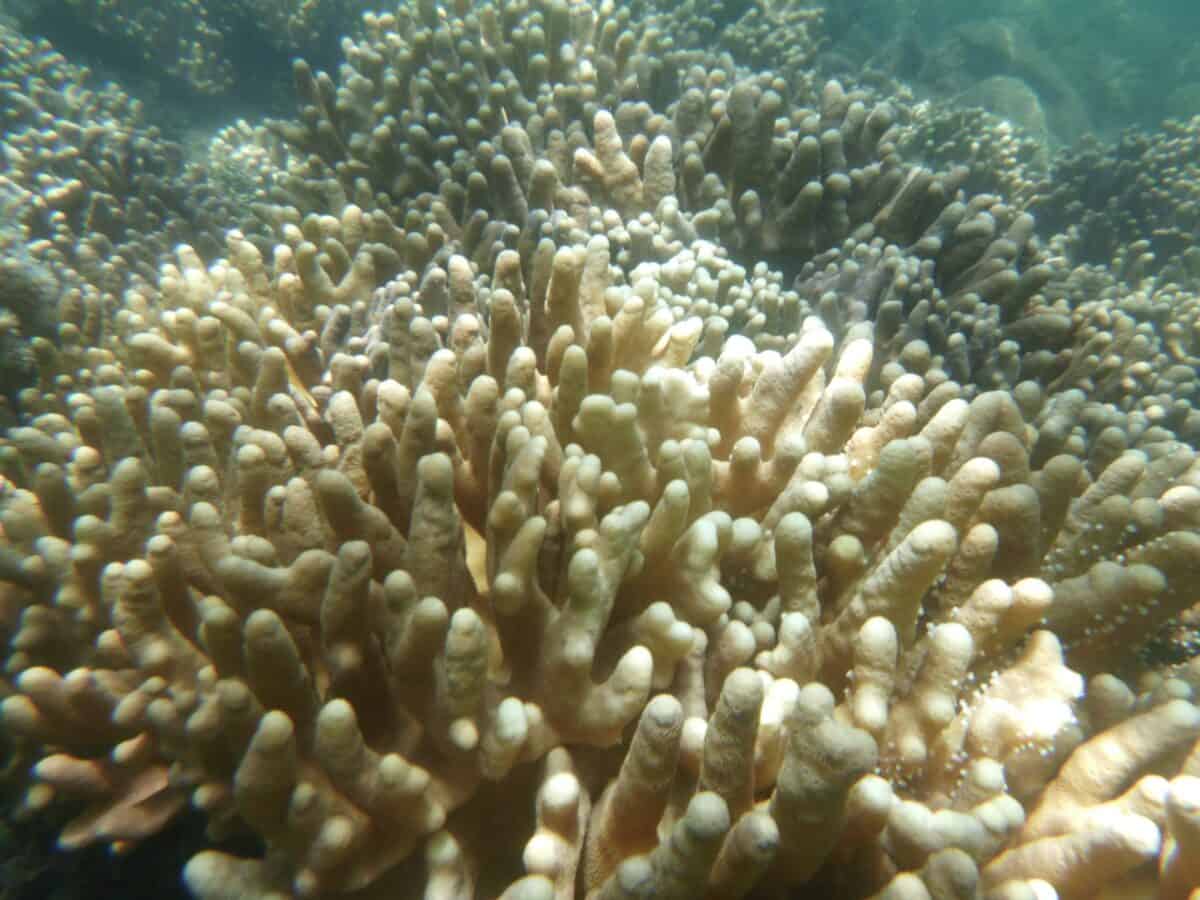
The global collapse of coral reefs would deliver a devastating blow to fisheries worldwide. An estimated 6 million fishers in 99 countries and territories rely on coral reefs for their livelihoods. Reef fisheries provide critical protein sources for over 500 million people globally, particularly in developing nations across Southeast Asia, the Pacific Islands, and the Caribbean. Studies indicate that reef-associated fisheries currently yield approximately 1.4-4.2 million tons of fish annually, valued at $5.7-6.8 billion. Complete coral bleaching would result in productivity declines of 40-90% in these fisheries, leading to widespread economic hardship and exacerbating food insecurity in regions already vulnerable to climate change. The impact would extend beyond subsistence and artisanal fishing to affect commercial fisheries, as many commercially important species spend at least part of their lifecycle in coral reef ecosystems.
Economic Devastation for Coastal Communities

The economic consequences of 100% coral bleaching would reverberate through coastal economies worldwide. Coral reefs generate approximately $36 billion annually through tourism, fisheries, and coastal protection. Tourism alone accounts for a significant portion of this value—in Australia, the Great Barrier Reef contributes over $5.7 billion annually to the Australian economy and supports about 64,000 jobs. In the Maldives, coral reef tourism represents more than 40% of GDP. With complete coral bleaching, these economies would face collapse, resulting in massive unemployment and economic migration. Small island developing states (SIDS) would be particularly vulnerable, as many have built their entire economies around reef-based tourism and fishing. The World Resources Institute estimates that by 2030, coral reef degradation could cause annual economic damages of $350-870 billion globally. If all reefs were lost, these figures would be substantially higher.
Coastal Vulnerability and Erosion
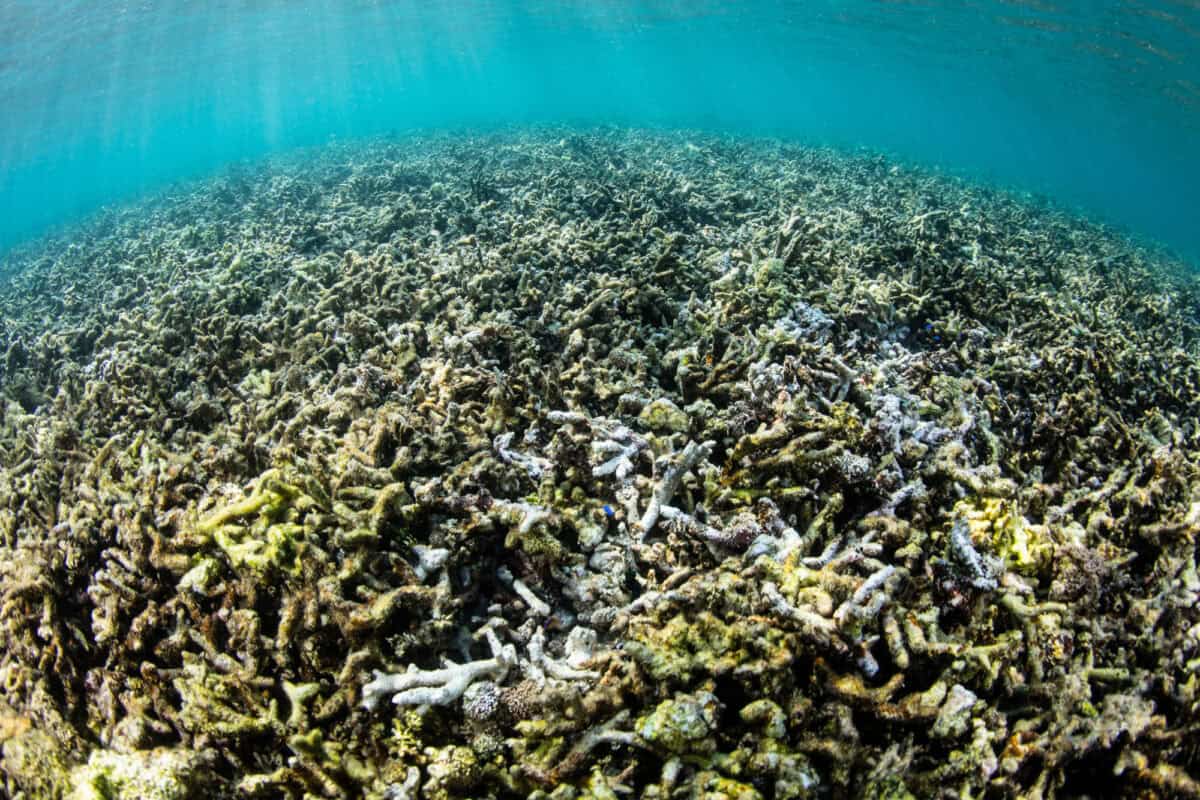
Healthy coral reefs serve as natural breakwaters, dissipating up to 97% of wave energy before it reaches shorelines. This protective function prevents coastal erosion, reduces flood damage, and shields infrastructure from storm surges. With 100% coral bleaching and subsequent reef death, coastal communities would face dramatically increased vulnerability to storms, tsunamis, and sea-level rise. Research indicates that without reefs, wave energy reaching shores could increase by 167%, resulting in shoreline retreat of up to 100 meters in some areas. Globally, coral reefs currently provide flood protection benefits to more than 200 million people. The cost of replacing this natural coastal defense with artificial structures would be prohibitive, estimated at hundreds of billions of dollars. Nations with extensive coastlines and limited resources would face impossible choices between retreat and costly engineered solutions, fundamentally altering human settlement patterns in tropical coastal regions.
Impact on Marine Chemistry and Carbon Cycles
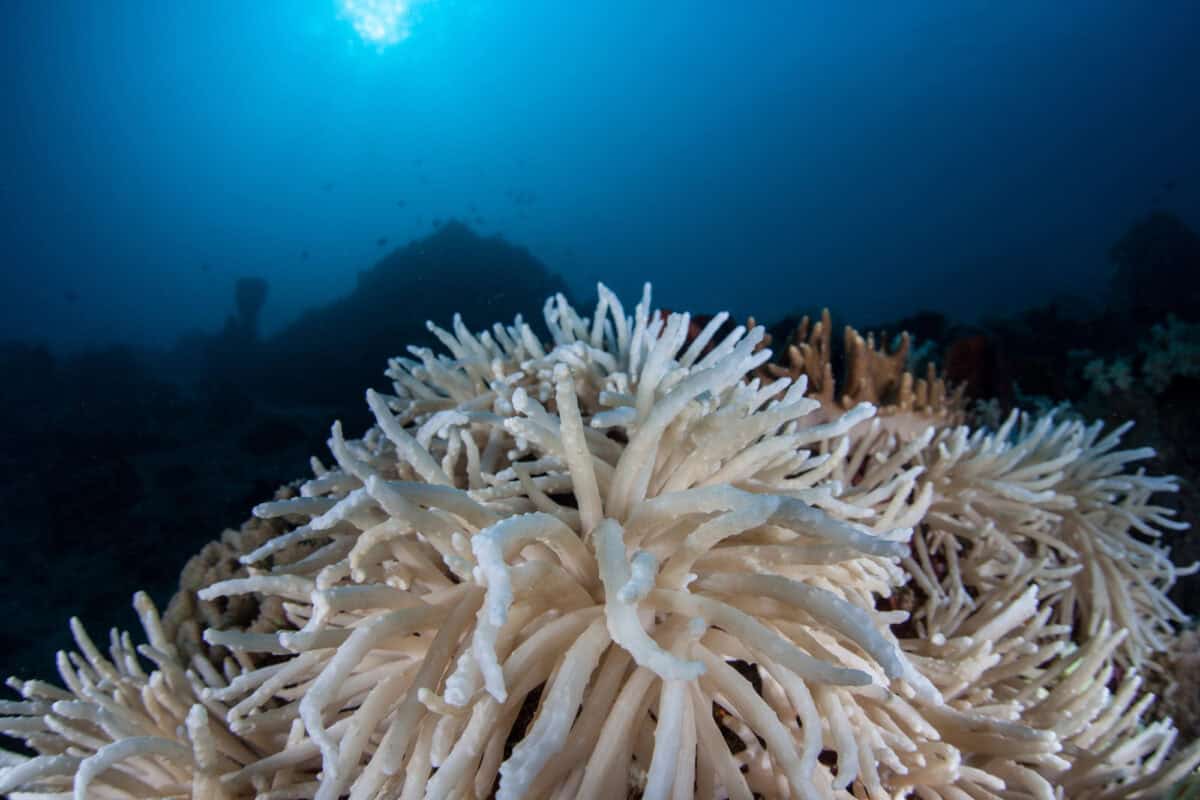
Coral reefs play a significant role in marine carbon cycling and ocean chemistry regulation. Through the process of calcification, coral reefs sequester carbon and contribute to carbonate production in the oceans. Healthy reefs generate approximately 900 kg of calcium carbonate per square meter annually. Complete coral bleaching would disrupt these processes, potentially accelerating ocean acidification. As reefs die and erode, the massive calcium carbonate structures would slowly dissolve, releasing stored carbon back into the ocean system. This could create feedback loops that further stress marine ecosystems by lowering pH levels in surrounding waters. Additionally, dying reefs would cease producing dimethyl sulfide (DMS), a compound that influences cloud formation over oceans and plays a role in local climate regulation. The loss of these biogeochemical functions could have unpredictable effects on ocean chemistry and potentially accelerate climate change impacts.
Loss of Medicinal Resources

Coral reef ecosystems represent one of Earth’s richest pharmacopoeias. These complex biological communities have yielded numerous compounds with medical applications, including potent anti-cancer, anti-inflammatory, antibacterial, and antiviral agents. The cancer treatment drug Ara-C, developed from compounds found in Caribbean sea sponges associated with coral reefs, has saved countless lives. Scientists have barely begun to explore the pharmaceutical potential of reef ecosystems, with estimates suggesting that less than 10% of reef species have been investigated for medicinal properties. If coral bleaching reached 100%, we would lose this vast medicinal resource before most of it could be discovered. The National Oceanic and Atmospheric Administration (NOAA) estimates that marine organisms have thousands of unique chemical compounds with potential pharmaceutical applications. Complete coral bleaching would represent an incalculable loss to medical science and future human health prospects.
Cultural and Indigenous Knowledge Loss

For many coastal and island cultures, coral reefs hold profound cultural, spiritual, and historical significance. Indigenous communities across the Pacific, Southeast Asia, and the Caribbean have developed rich traditions, navigation techniques, and ecological knowledge systems centered around coral reef ecosystems over thousands of years. These communities often serve as custodians of reefs, with traditional management practices that have sustained these ecosystems for generations. The complete loss of coral reefs would sever these cultural connections, resulting in the erosion of indigenous knowledge systems and cultural practices. In Hawaii, for instance, coral polyps are considered the first living organisms in the Hawaiian creation story. For the Bajau sea nomads of Southeast Asia, reefs form the foundation of their entire way of life. The cultural heritage loss accompanying 100% coral bleaching would be immeasurable, representing the disappearance of human-nature relationships developed over millennia.
Cascading Effects on Non-Reef Ecosystems

The impacts of complete coral bleaching would extend well beyond reef boundaries to affect seemingly unrelated ecosystems. Many pelagic (open ocean) species depend on reefs for portions of their life cycle or as feeding grounds. Seabird populations, for instance, often rely on reef-associated fish for food; studies show that seabird numbers decline dramatically following major bleaching events. Mangrove forests and seagrass beds, which have symbiotic relationships with coral reefs through nutrient cycling and providing nursery habitats, would face increased pressure and potential degradation. These connected ecosystems form an integrated coastal system where the decline of one component affects the others. Deep-sea environments would also be impacted, as many deep-sea organisms depend on the organic matter that sinks from productive reef ecosystems above. The complete loss of coral reefs would trigger ecological ripple effects throughout ocean systems worldwide, fundamentally altering marine ecosystem functioning on a global scale.
Potential for Social Conflict and Migration
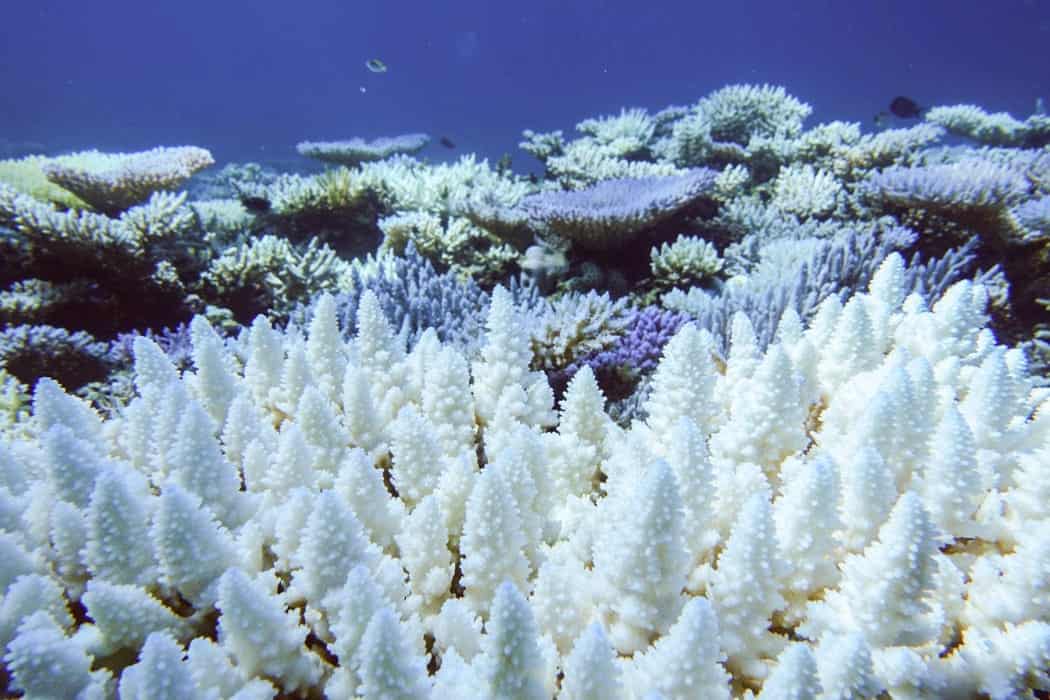
The socioeconomic disruption caused by 100% coral bleaching could trigger humanitarian crises in vulnerable regions. As fishing communities lose their livelihoods and food sources, competition for dwindling resources could intensify, potentially leading to conflict. Historical evidence suggests that resource scarcity often correlates with increased social tensions. The World Bank estimates that over 100 million people in coral reef regions could face severe economic hardship if reefs collapse, potentially creating millions of “ecological refugees.” Small island nations like Kiribati, the Maldives, and parts of the Caribbean could become increasingly uninhabitable due to the combined effects of reef loss, reduced food security, economic collapse, and increased exposure to storms and sea-level rise. International migration pressures would increase as people seek economic opportunities elsewhere, potentially straining political systems and international relations. The security implications of such large-scale ecological and social disruption have led military planners to identify coral reef collapse as a potential driver of future conflicts.
Potential for Recovery and Restoration
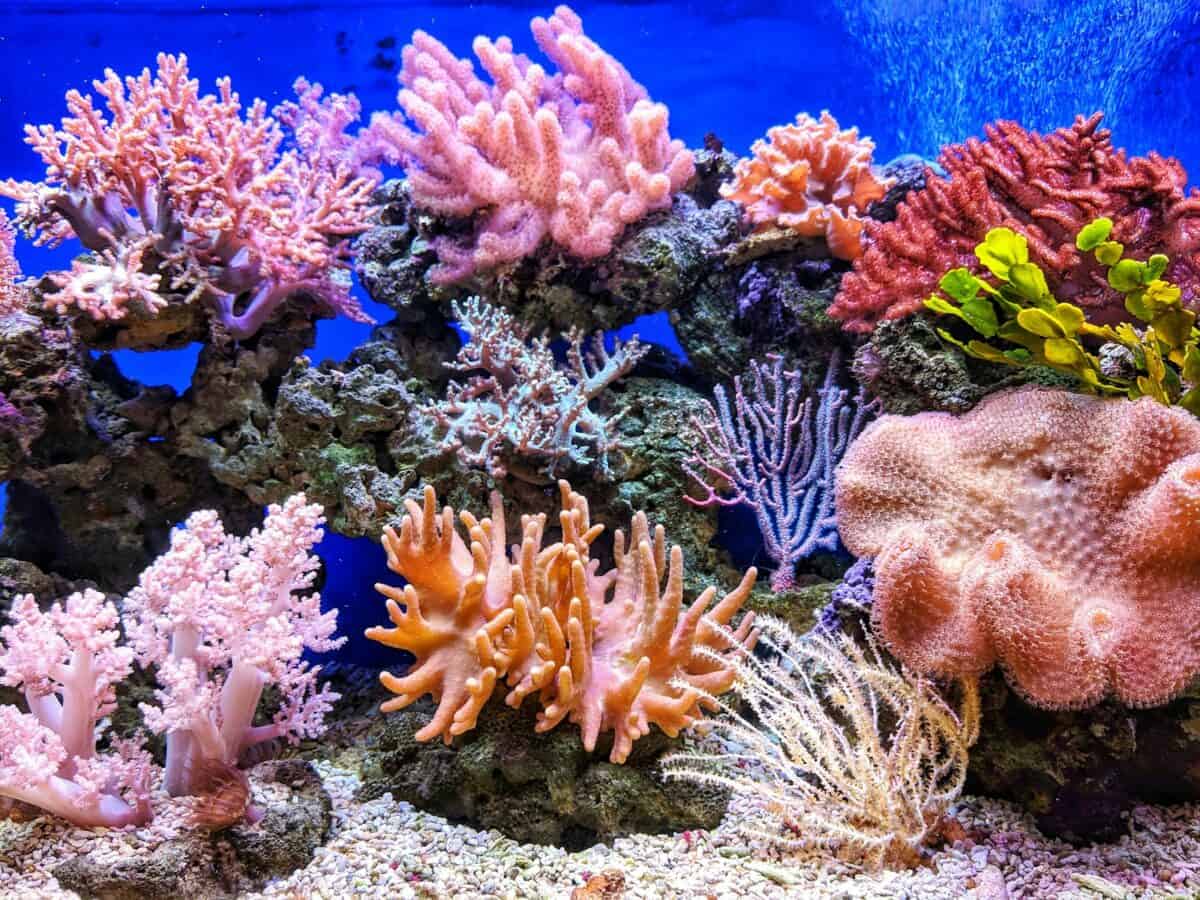
While the scenario of 100% coral bleaching presents a catastrophic outlook, there is growing research on coral resilience and restoration that offers some hope. Scientists have identified certain “super corals” that show greater tolerance to heat stress and bleaching. Selective breeding programs aim to accelerate coral adaptation to warmer waters. Novel restoration techniques include coral gardening, where fragments are grown in nurseries before being transplanted to degraded reefs, and assisted evolution approaches that enhance coral resilience. Technological innovations like 3D-printed reef structures and larval seeding methods show promise for large-scale reef recovery. However, these efforts face enormous challenges—restoration is extremely expensive (currently $1.6-2.5 million per hectare), slow, and limited in scale compared to the vast areas of natural reefs. Even the most optimistic scenarios suggest that human-assisted recovery could only address a tiny fraction of global reef systems if bleaching reached 100%. True recovery would ultimately depend on rapidly addressing the root causes of coral decline: climate change, ocean acidification, pollution, and destructive fishing practices.
Conclusion: A Future Without Coral Reefs?

The prospect of 100% coral bleaching represents one of the most profound ecological transformations humans have ever faced—a silent underwater apocalypse with far-reaching consequences for nature and humanity alike. The cascading effects would fundamentally alter marine ecosystems, threaten food security for hundreds of millions, devastate coastal economies, and eliminate crucial ecosystem services that humanity depends on. While the complete loss of coral reefs is not yet inevitable, current trajectories suggest we are moving dangerously close to this scenario without dramatic intervention. Addressing this crisis requires unprecedented global cooperation to rapidly reduce greenhouse gas emissions, improve water quality, establish effective marine protected areas, and advance coral restoration science. The fate of coral reefs stands as perhaps the most urgent indicator of our collective ability to address ecological crises before they reach points of no return—a test of humanity’s capacity to recognize the value of nature beyond immediate economic benefit and act accordingly before it’s too late.

- This River Delta Is a Magnet for Endangered Birds - July 17, 2026
- New Fossils in Baja California Reveal a Never-Before-Seen Grouper - July 17, 2026
- The Most Venomous Animal on Land—And How It Kills - July 17, 2026