
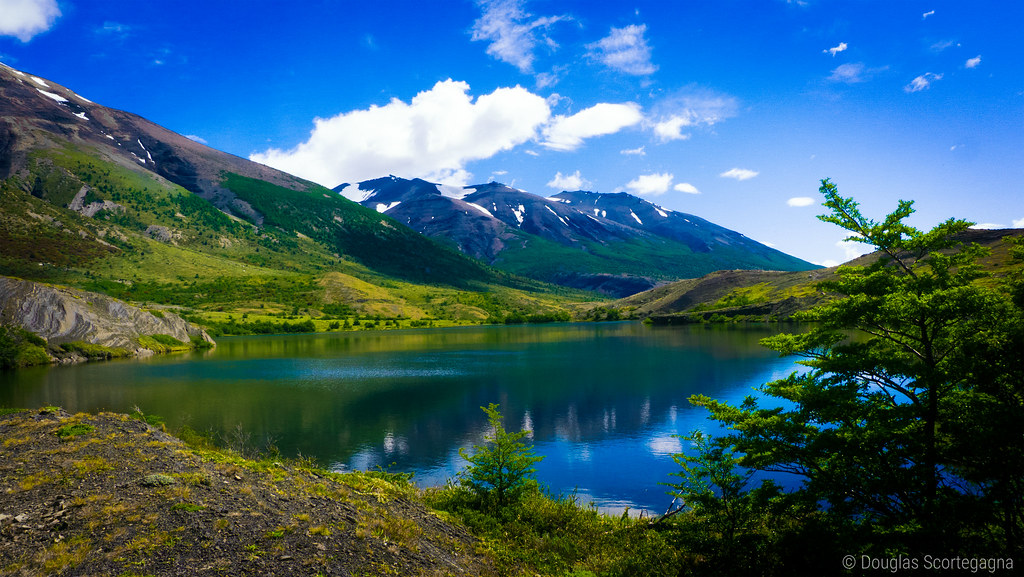
When you think of exotic wildlife, your mind probably drifts to Africa or the Amazon. Here’s the thing though: America holds some of the most extraordinary wildlife spectacles on the planet, right in its own backyard. From prehistoric reptiles lurking in subtropical swamps to massive bears fishing for salmon in wild rivers, these destinations aren’t just pretty spots on a map. They’re places where nature still reigns supreme, where animals thrive in ecosystems so diverse they’ll leave you speechless.
What makes these places truly special is how unexpected they are. You don’t need a passport or a twenty-hour flight to witness something that feels otherworldly. Let’s dive in.
Yellowstone National Park, Wyoming – America’s Serengeti
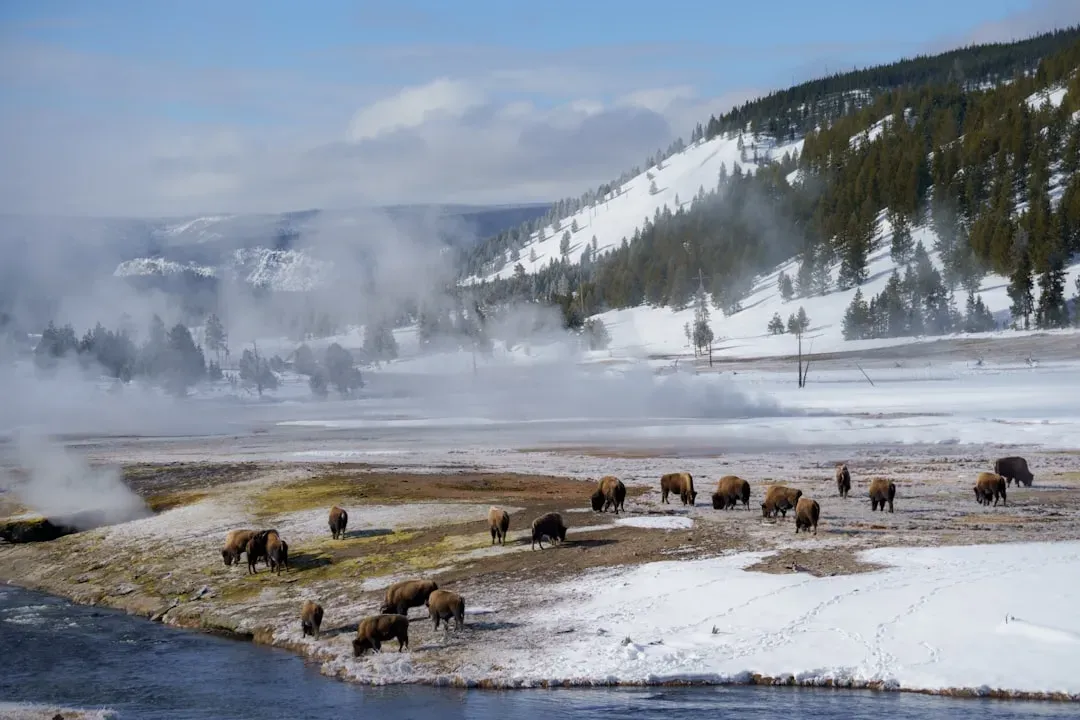
If the US has anything close to an African safari, it’s found in Yellowstone National Park, where historic fauna like bison, mountain goats and cougars roam this valley. As the largest protected black bear habitat in the eastern USA, there’s some 1,500 furry residents nearby in the Smokies, but Yellowstone itself is the crown jewel for spotting megafauna. The park stretches across roughly 2.2 million acres of raw wilderness, and honestly, every turn feels like stepping back into a time when animals ruled the land.
Springtime is incredibly unique because you do have the bison babies and the elk babies, and Lamar Valley offers pull-offs that provide excellent wildlife-watching opportunities. Dawn is magic here. The mist hangs low over the valleys, and you might catch sight of a wolf pack moving through the sagebrush or a grizzly digging for roots. This isn’t a zoo behind glass. It’s the real deal.
Everglades National Park, Florida – Land of Living Dinosaurs
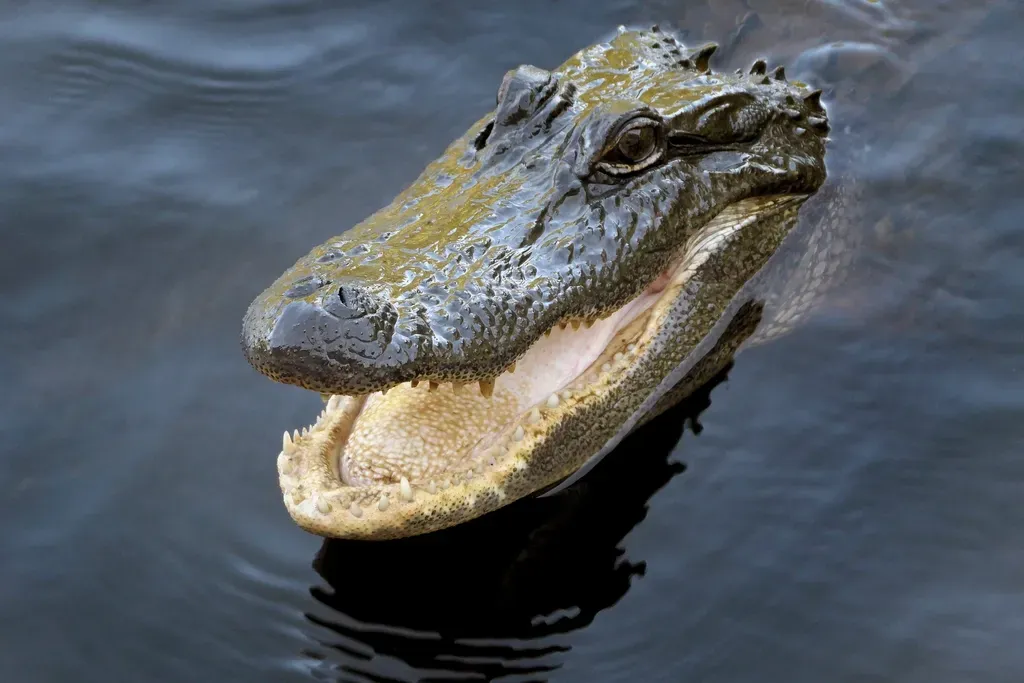
One of the many reasons visitors flock to this marshy peninsula is to explore the Everglades, particularly its living dinosaurs: the American alligators, and these intimidating predators freely roam the area. Think about it for a second. These creatures have barely changed in millions of years. Walking the boardwalks here, you’re almost guaranteed to spot a gator sunbathing lazily on a muddy bank or gliding silently through the dark water.
Florida’s Everglades National Park is a bird watcher’s paradise, home to more than 360 species of birds, including herons, egrets, wood storks, and roseate spoonbills. The subtropical climate creates this wild mix of ecosystems where wading birds gather in enormous numbers during the dry season. Early morning is your best bet if you want to see them feeding. It’s not just the alligators that make this place feel exotic – it’s the entire swampy, humid, ancient atmosphere.
Katmai National Park, Alaska – Where Bears Outnumber People
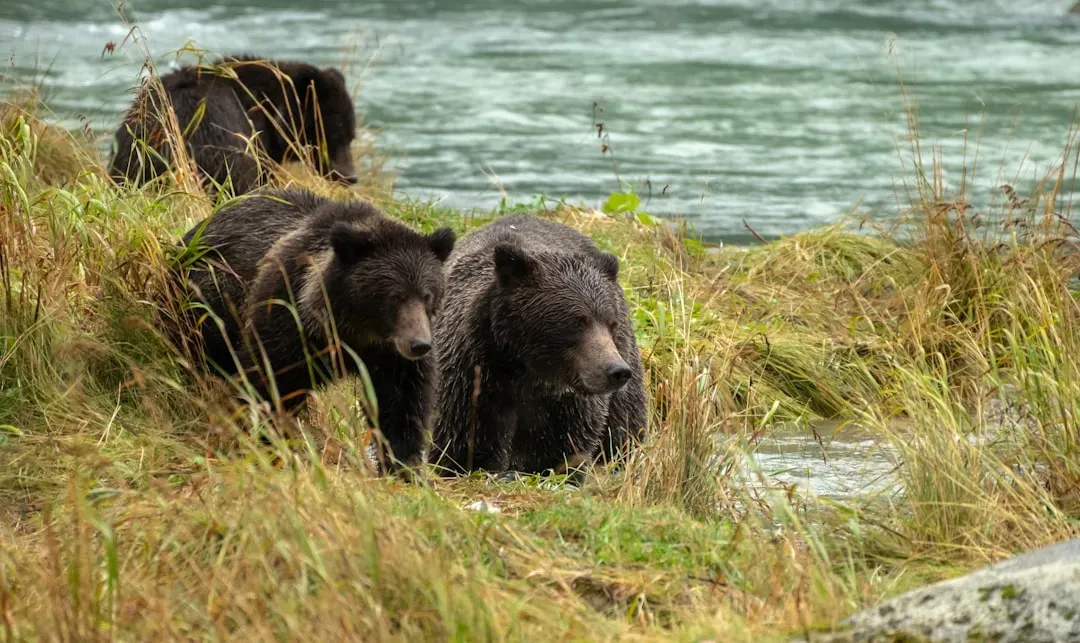
Home to 2,200 brown bears, Alaska’s Katmai National Park and Preserve is a sought-after bear-viewing destination, offering numerous ways to witness these powerful animals in the wild responsibly. Let’s be real: watching a massive brown bear stand in a rushing river and snatch a leaping salmon out of midair is one of the most jaw-dropping sights you’ll ever witness. Brooks Falls is the hotspot, where bears gather in summer to feast on sockeye salmon.
From early June to mid-September, the visitor center hosts ranger-led programs, and three viewing platforms offer prime spots to watch bears from a safe distance. These aren’t small creatures either. Full-grown males can weigh over 900 pounds. Standing on that platform, separated by just a bit of distance and trust in the ecosystem, you feel both vulnerable and utterly alive.
Great Smoky Mountains, Tennessee and North Carolina – Black Bear Kingdom
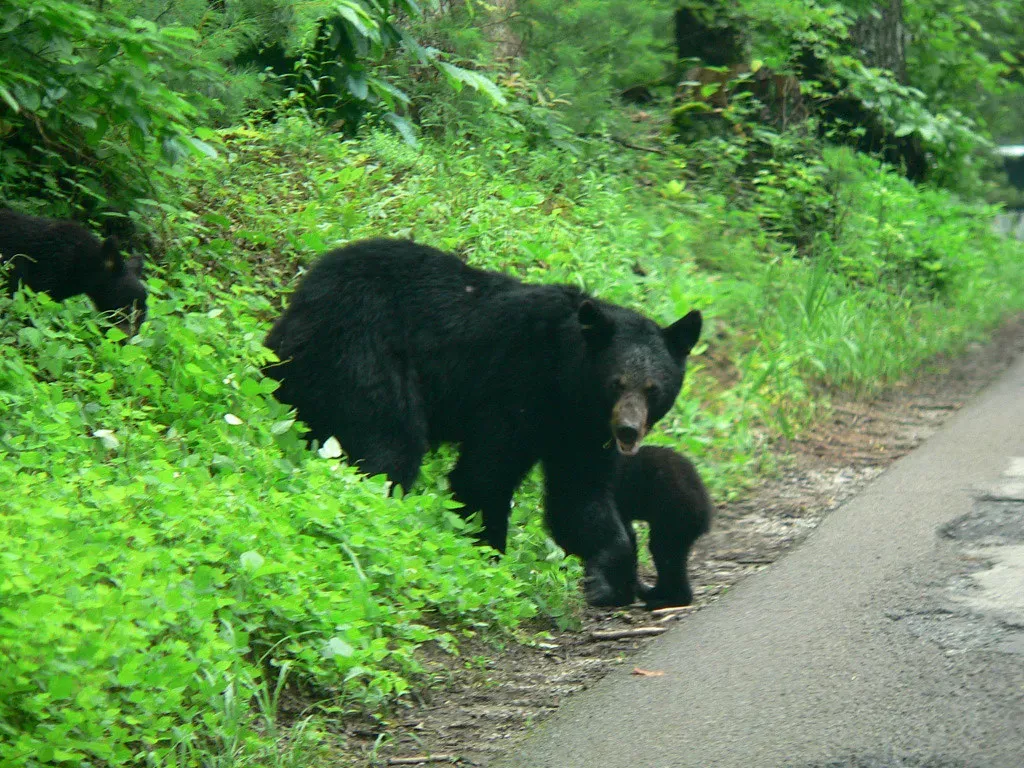
It’s all about the black bears at this half-million-acre park that straddles the border between Tennessee and North Carolina, and as the largest protected black bear habitat in the eastern USA, there’s some 1,500 furry residents. That’s roughly two bears per square mile, which means your chances of a sighting are surprisingly high if you know where to look. Cades Cove at dawn or dusk is legendary for bear encounters.
As one of the most diverse ecosystems on earth, the park protects 66 species of mammals including elk, white-tailed deer, black bear, 200 varieties of birds, 50 species of native fish, and more than 80 types of reptiles and amphibians. It’s hard to say for sure, but this park might just be the most biodiverse spot in the entire temperate zone. The synchronous fireflies alone are worth the trip – thousands lighting up in perfect rhythm on warm summer nights.
Channel Islands National Park, California – California’s Galapagos
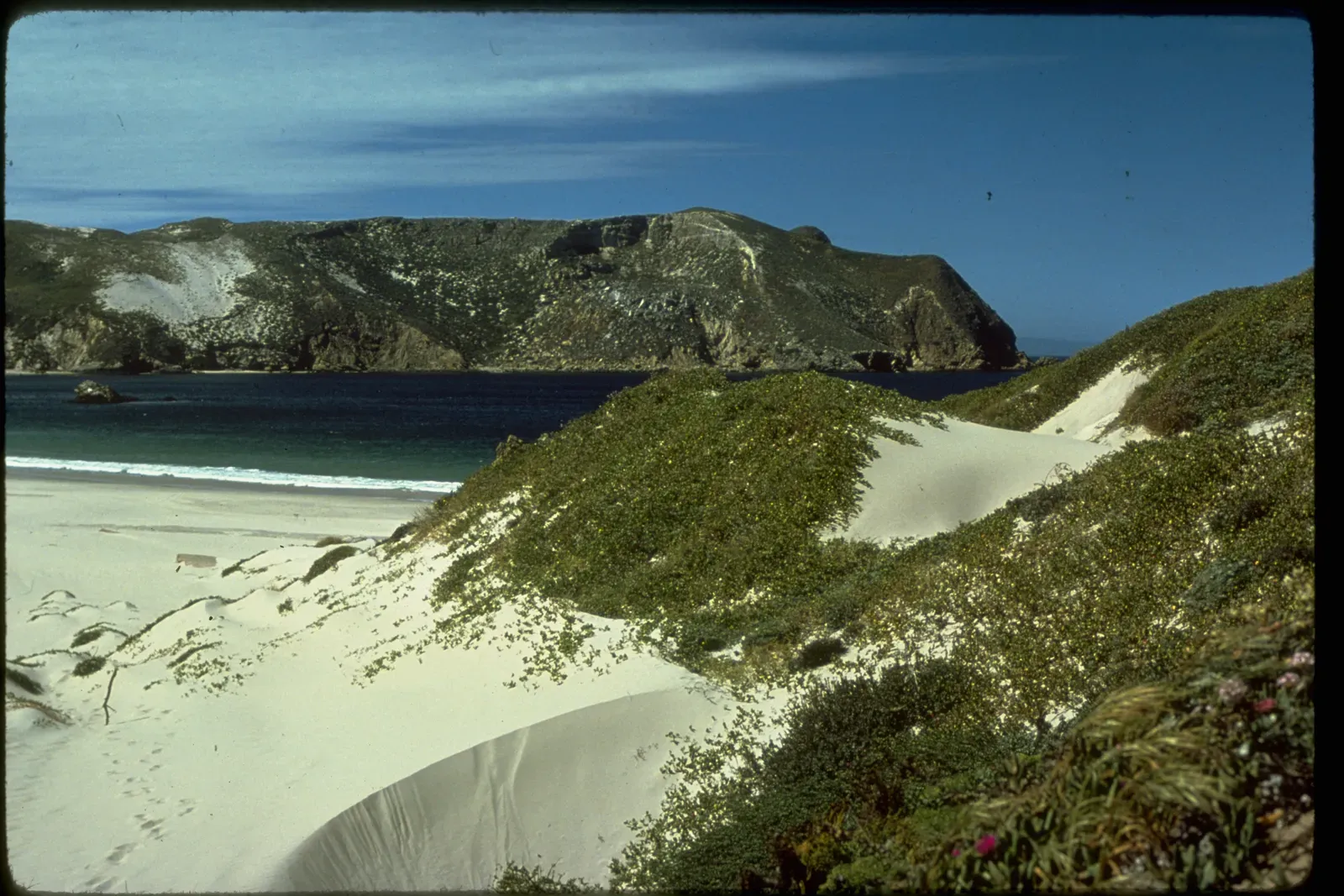
Take an Island Packers ferry to Santa Rosa Island from Ventura for a day of sea cave kayaking, and while crossing over, it’s common to see pods of dolphins surrounding the ferry, with sea lions and brown pelicans accompanying the morning paddle. These islands feel like they exist outside of time. The moment you step off the boat, you’re in a different world where endemic species have evolved in isolation for thousands of years.
The Island Fox is a small canid native to several of the Channel Islands, and remarkably, each island hosts its own distinct subspecies, showcasing evolutionary adaptation in isolation. Weighing just a few pounds, these tiny foxes are among the smallest canids in North America. Watching them scamper across the coastal scrub, utterly unafraid, is the kind of encounter that sticks with you.
Grand Teton National Park, Wyoming – Where Moose Roam Free
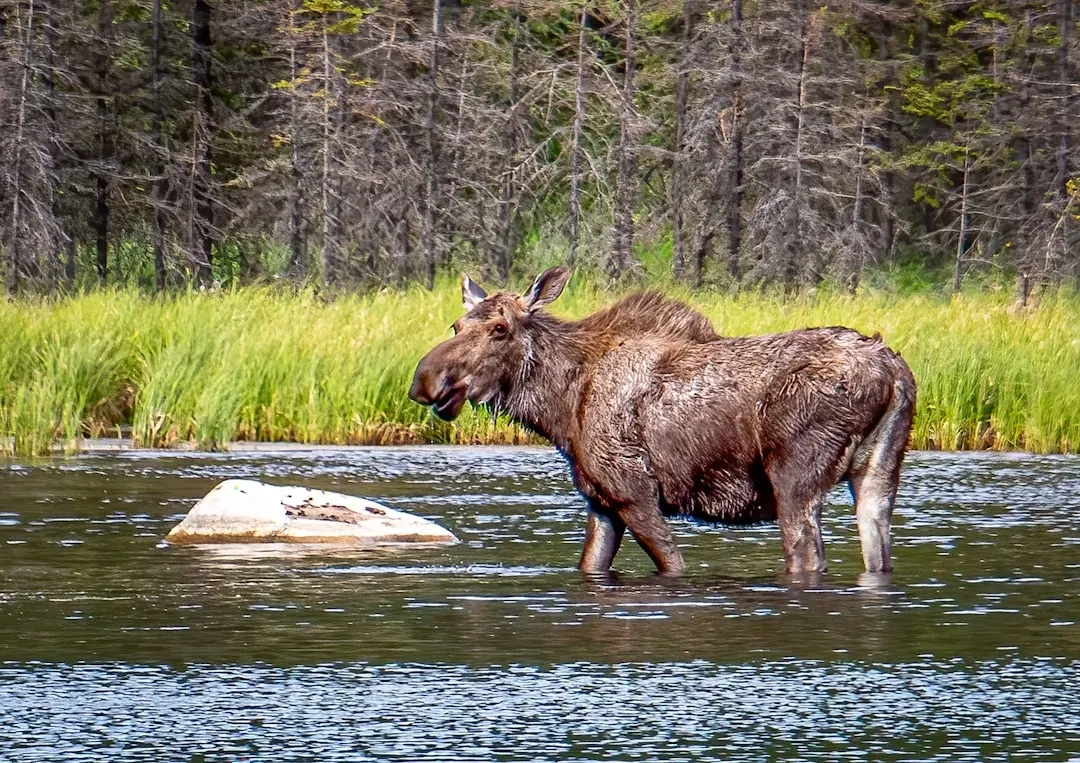
This 310,000-acre park located south of Yellowstone is part of one of the last remaining temperate ecosystems on the planet, drawing large numbers of wildlife to its varying habitats including wetlands that support elk, Canada geese, moose, deer, and trumpeter swans. The Teton peaks themselves form this dramatic backdrop, jagged and snow-capped, while moose wade through willow flats in the foreground. It’s absurdly photogenic.
The iconic Oxbow Bend is one of the richest spots for wildlife; think hundreds of species of birds including ospreys, bald eagles, and blue herons, moose wading in the wetlands, river otters, and the occasional grizzly bear. Early morning here is almost spiritual. The mountains reflect perfectly in the still water, and if you’re lucky, a bull moose with massive antlers will appear right on cue.
Denali National Park, Alaska – Land of the Big Five
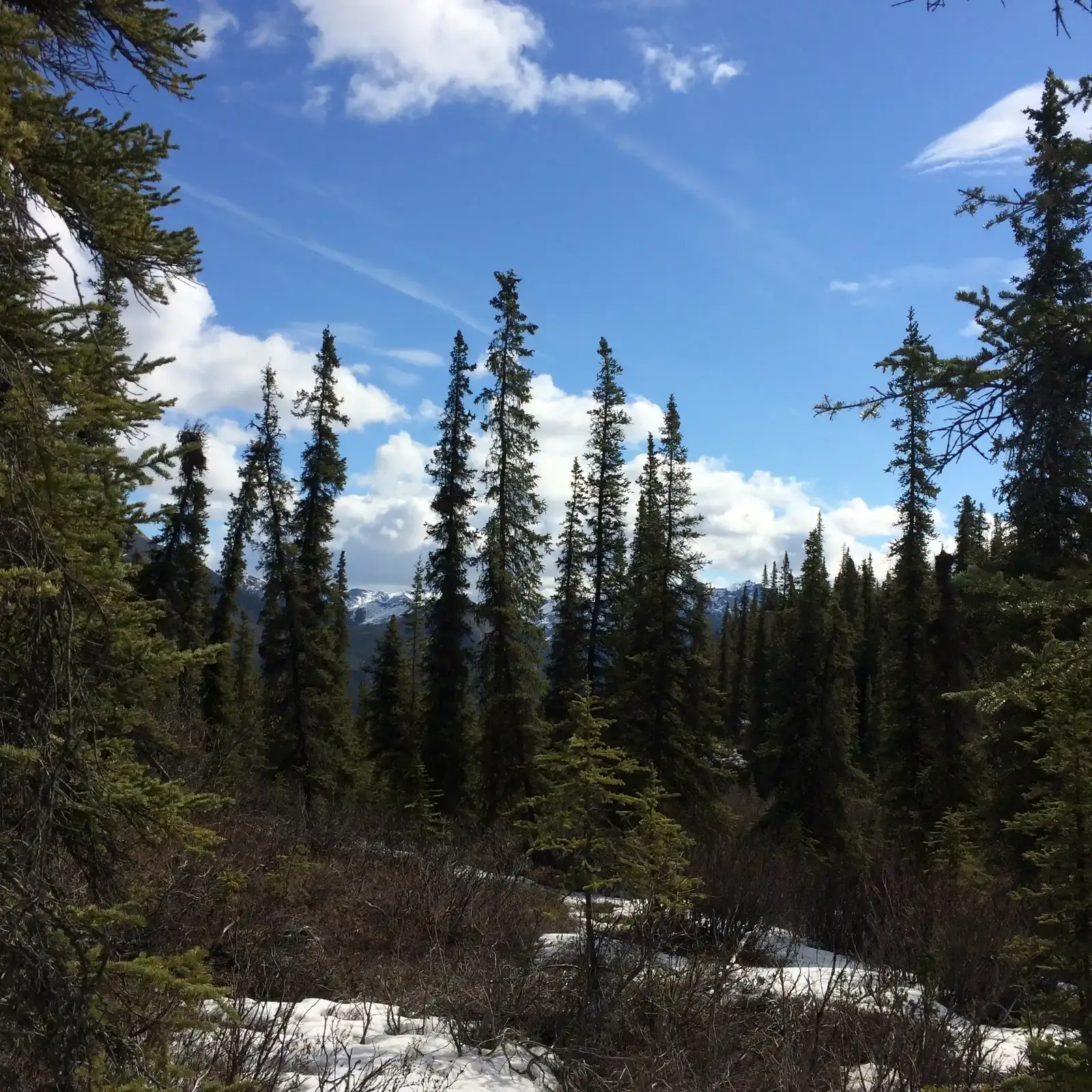
Spread over six million acres in Alaska’s interior wilderness, the park that shares its name with the 20,320-feet-high mountain draws those hankering for adventure, and no cars are allowed beyond Mile 15. You’ll need to hop on a shuttle bus for a wildlife safari along the 92-mile Denali Park Road. This is intentional – keeping vehicle traffic limited means the animals behave more naturally.
Keep your eyes peeled for Alaska’s Big Five: grizzly bears, moose, caribou, wolves, and Dall sheep, the only white sheep on the continent. Spotting all five in a single trip is the holy grail for wildlife watchers. Those white Dall sheep cling to impossibly steep mountainsides, while caribou herds migrate across the tundra in massive waves during autumn. The scale of everything here – the mountain, the herds, the wilderness – is humbling.
Olympic National Park, Washington – Rainforest Sanctuary
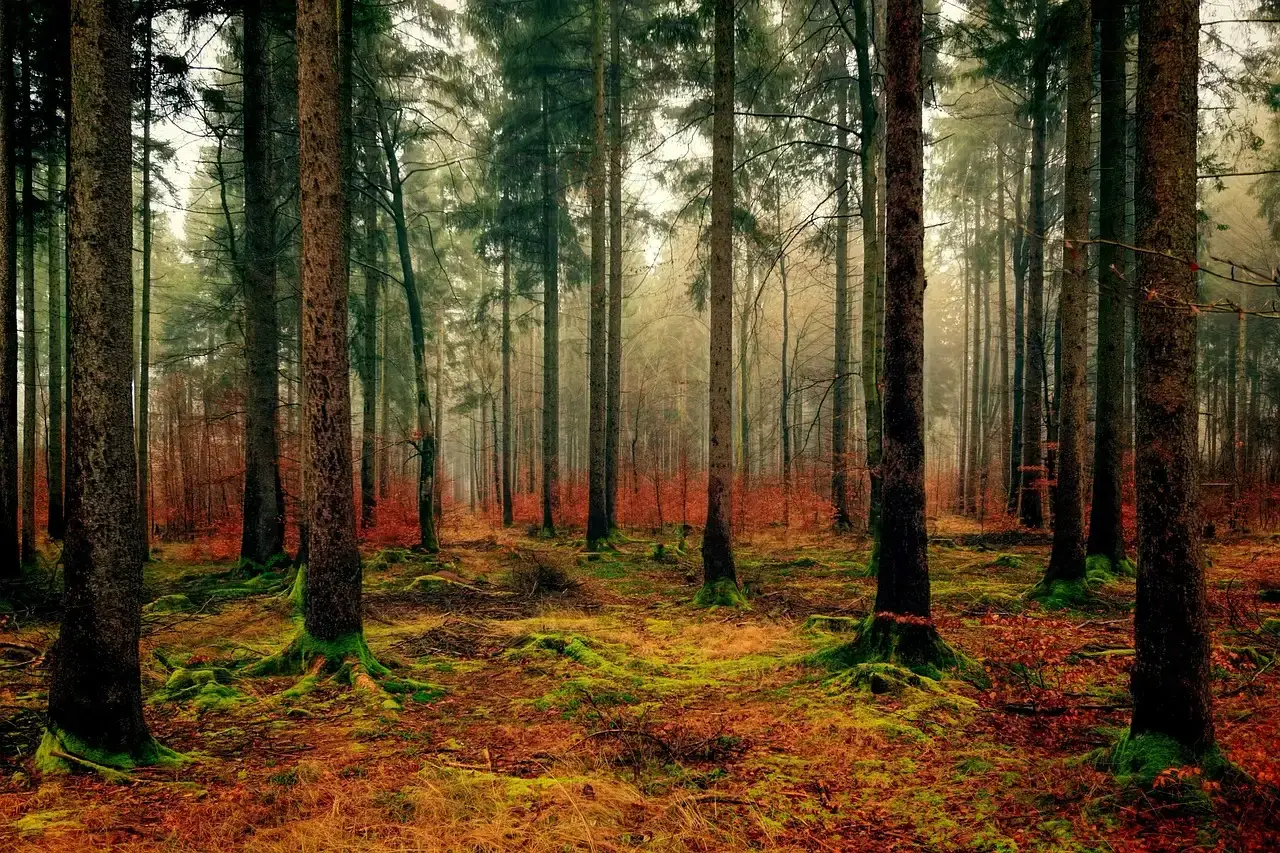
Olympic National Park protects one of the largest, last-remaining old-growth rain forests in the lower 48 states, encompassing nearly 1 million acres and three distinct ecosystems. Walking through the Hoh Rainforest feels like entering a fairy tale. Moss drapes from every branch, ferns carpet the forest floor, and Roosevelt elk – massive creatures – move silently through the green shadows.
Not only will you find temperate rainforests, glacier-topped mountains, and a 57-mile-long stretch of Pacific coast, but there’s also eleven major rivers offering some of the country’s best habitat for anadromous fish species. The diversity is staggering. You can watch gray whales spout offshore in the morning, hike through alpine meadows by afternoon, and listen to owls in ancient forest by evening. Few places pack this much ecological variety into one park.
Glacier National Park, Montana – Grizzly Paradise
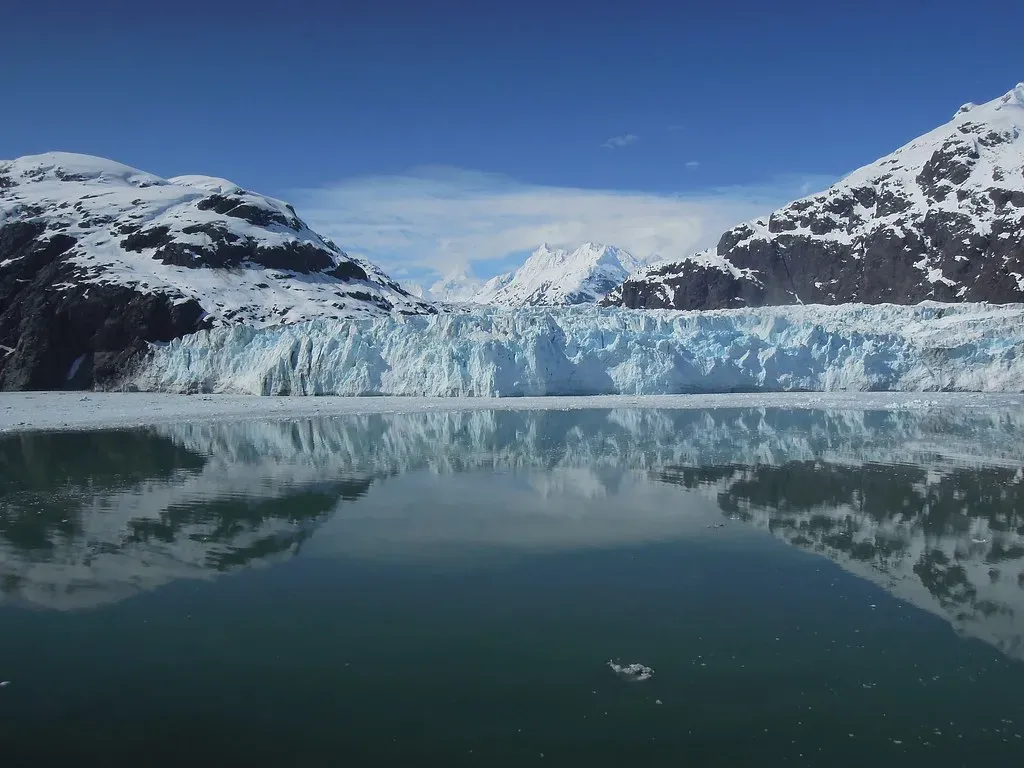
Covering a million acres of wilderness, not only is it teeming with wildlife, but it also encompasses pristine forests, plunging waterfalls, and around 760 sparkling alpine lakes, with one of North America’s largest grizzly bear populations. These aren’t the habituated bears you might see begging for food elsewhere. Glacier’s grizzlies are wild, wary, and magnificent. The park’s rugged terrain provides the kind of remote habitat they need to thrive.
For famous sightings of mountain goats licking the mineral-laden cliffs, head to the appropriately-named Goat Lick Overlook along US Highway 2. Watching dozens of white mountain goats scramble across sheer cliff faces is surreal. They lick the exposed minerals with surprising delicacy given how precarious their perches are. Glacier reminds you that wilderness still exists, raw and untouched.
Rocky Mountain National Park, Colorado – Elk Country
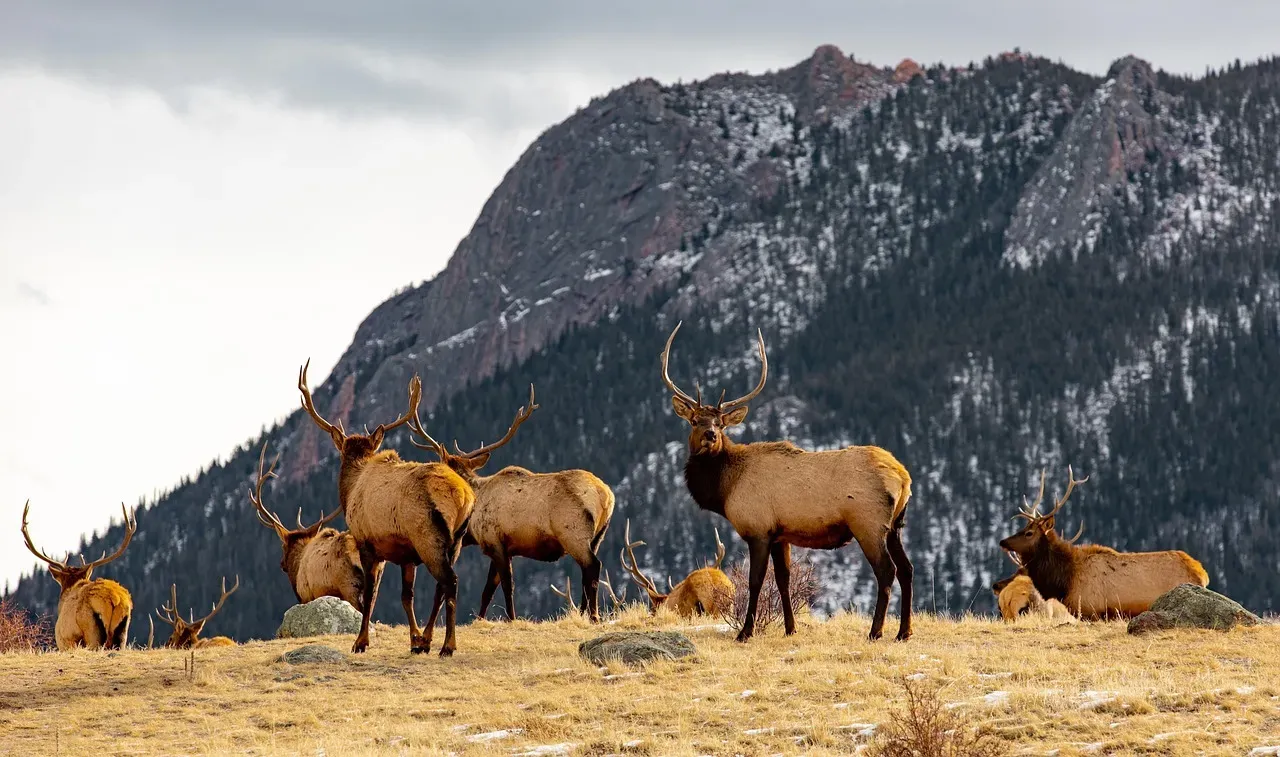
The wildlife is the obvious draw at this 265,800-acre park just 90 minutes north of Denver, complete with 72 named peaks higher than 12,000-feet. The alpine tundra here looks like something out of another planet – treeless, windswept, and oddly beautiful. You’re literally standing on the roof of the world, and bighorn sheep seem perfectly at home on these rocky heights.
If you have a passion for big animals, this place delivers with an elk herd numbering between 600 to 800 in the winter, around 350 bighorn sheep, numerous mule deer, and a decent number of moose. The elk rut in autumn is legendary. Bull elk bugle – a haunting, high-pitched call – that echoes across the valleys as they compete for mates. It’s primal and utterly captivating.
Congaree National Park, South Carolina – Bottomland Swamp Wilderness
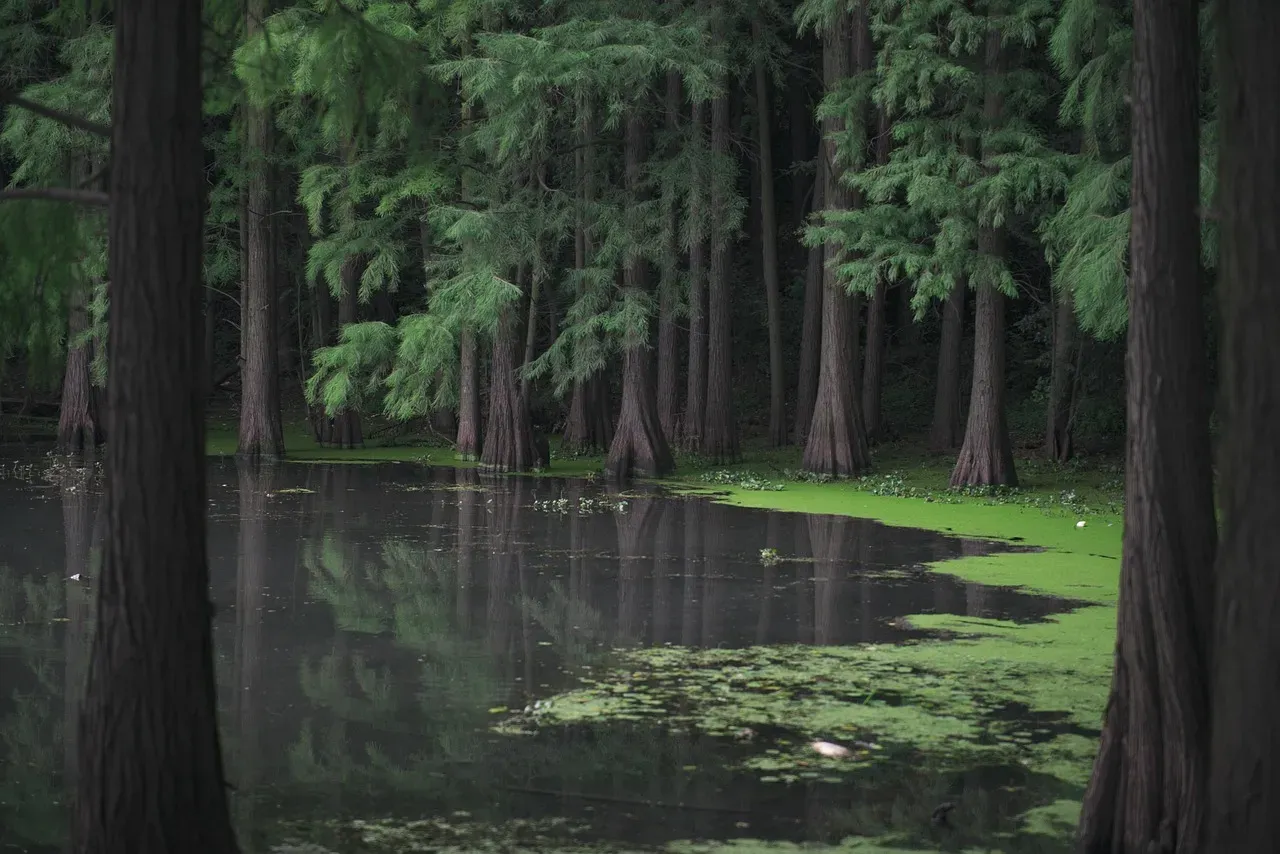
Life of all kinds, from tiny synchronous fireflies to 160-foot-tall loblolly pines, crowds this park’s bottomland hardwood forest ecosystem, and Congaree is also laced with rivers and lakes that sustain its astonishing biodiversity. This park doesn’t get nearly the attention it deserves. It’s a flooded forest, a swamp ecosystem where massive trees rise from standing water and create this cathedral-like canopy overhead.
Paddling the Cedar Creek Canoe Trail puts you at water level with the ecosystem. You might spot river otters, bobcats, or wild turkeys. The synchronous fireflies put on their show here in late spring, turning the forest into a living light display. It’s one of the highest biodiversity spots per square kilometer in the entire park system, yet it remains blissfully uncrowded.
Outer Banks, North Carolina – Wild Horses and Sea Turtles
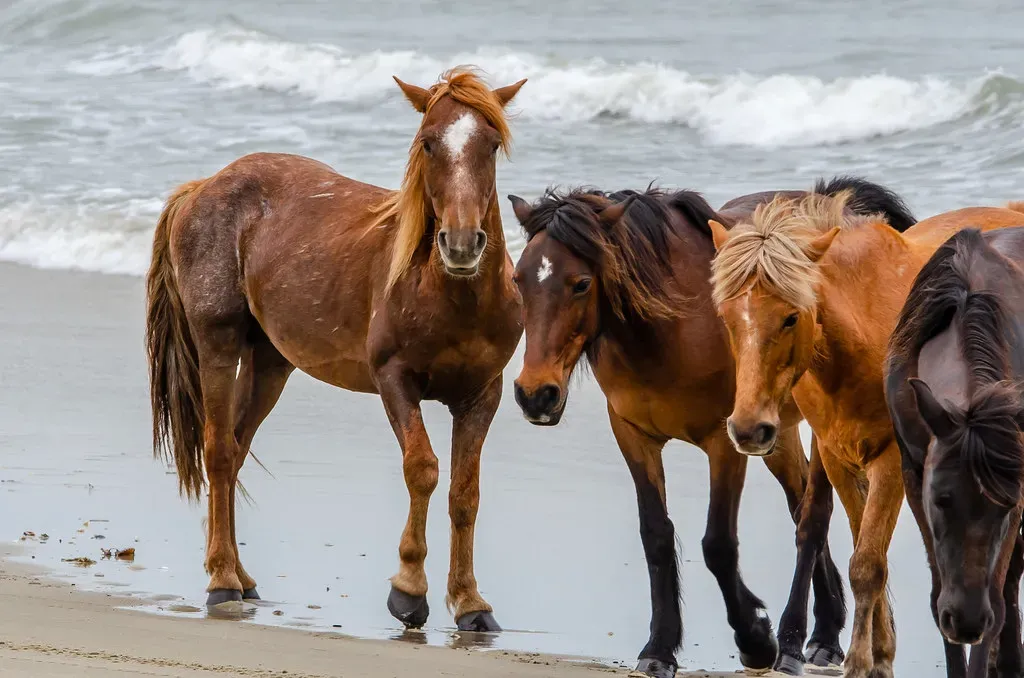
These barrier islands along North Carolina’s coast host one of America’s most unusual wild horse populations, with the Corolla wild horses being descendants of Spanish mustangs that arrived with explorers over 500 years ago, and approximately 100 horses roam freely across the northern beaches. These aren’t tame animals. They’re genuinely wild, genetically unique, and utterly beautiful as they gallop along the surf or graze among the dunes.
The Outer Banks also serve as critical habitat for nesting sea turtles, with loggerhead, green, and occasionally the critically endangered Kemp’s ridley turtles coming ashore between May and August to lay their eggs. Watching a sea turtle nest at night, when the beach is dark and quiet, is an experience that defies description. The turtles are ancient, determined, and deeply moving as they laboriously dig their nests and deposit eggs before returning to the sea.
Conclusion
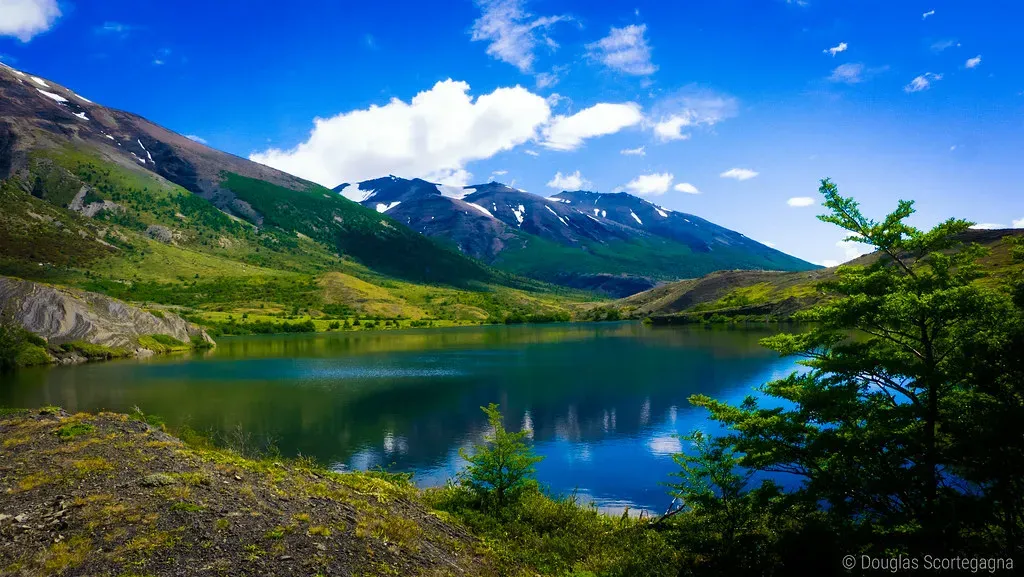
America’s wild places aren’t just postcards or abstract ideas. They’re living, breathing ecosystems where wildlife thrives in ways that still feel miraculous. From the swamps of Florida to the tundra of Alaska, these twelve destinations offer something most people never expect to find domestically: genuine wildness that rivals anywhere on Earth.
What strikes me most about these places is how fragile and resilient they are at the same time. Conservation efforts have brought many species back from the brink, yet threats remain. Visiting these parks isn’t just about checking off a bucket list – it’s about bearing witness to something irreplaceable. So grab your binoculars, lace up your boots, and go see these places while they still exist in their full glory. What surprised you most about these destinations? Share your thoughts in the comments.

- These Endangered Species Are Making Remarkable Comebacks Thanks to Dedicated Efforts - July 17, 2026
- 10 Fascinating Facts About the Badlands: America’s Ancient Fossil Kingdom - July 17, 2026
- 10 Fascinating Facts About Monument Valley: The Ancient Landscape That Shaped the American West - July 17, 2026