

Think your dog is happy just lounging around all day? You might want to think again. Dogs aren’t just adorable couch companions – they’re incredibly active, intelligent creatures that need regular physical and mental engagement to stay healthy. When playtime gets pushed to the bottom of your to-do list, you may notice your furry friend acting out in ways you never expected.
The truth is, those puppy eyes looking up at you aren’t just asking for treats. They’re often silently begging for something more – movement, interaction, stimulation. Without adequate playtime, dogs can develop a whole range of issues that affect not just their behavior, but their overall health and happiness. Let’s explore what really happens when our four-legged friends don’t get the active lifestyle they desperately need.
They Pack on Unwanted Pounds Fast

Approximately more than half of dogs in the United States are classified as overweight or obese, and lack of physical activity plays a massive role in this alarming statistic. When dogs don’t burn off the calories they consume, the energy imbalance leads directly to weight gain. It’s not rocket science, really – just like humans, if your dog eats more than they move, those extra pounds start creeping on.
The scary part? Obesity can lead to serious health problems, including joint pain, diabetes, and heart disease. Think about it this way: every extra pound your dog carries puts additional stress on their joints, heart, and organs. What starts as a slightly chubby belly can quickly snowball into chronic health conditions that require expensive veterinary care and medication.
Weight gain is often one of the first visible signs that something’s off with your dog’s activity level. If you’ve noticed your pup getting a bit rounder lately, it’s probably time to step up those play sessions. Regular exercise helps manage weight by increasing calorie burn and supporting a healthy metabolism, plus it builds muscle that keeps your dog lean and strong.
A combination of poor diet and lack of physical activity can see your pet dog quickly piling on the pounds. You might need to look at both what’s going in their bowl and how much time they’re spending actually moving around. Honestly, it’s hard to watch our dogs struggle with weight issues when the solution is often as simple as more daily walks and active play.
Destructive Behavior Takes Over Your Home

If a dog doesn’t get enough playtime, they may become bored, restless, and exhibit destructive behaviors such as chewing on furniture or excessive barking. Let’s be real – coming home to shredded pillows or chewed-up shoes is nobody’s idea of a good time. Yet bored dogs will absolutely make their own entertainment when we don’t provide it for them.
Bored dogs will chew furniture and shoes, shred pillows, or even unroll your toilet paper, doing whatever they can find to pass the time. These aren’t signs of a “bad dog” – they’re desperate attempts to burn off pent-up energy and mental frustration. Your dog isn’t trying to punish you; they’re just trying to cope with the overwhelming boredom of having nothing to do all day.
This lack of physical stimulation often causes them to create their own fun, like chewing furniture, digging holes, or tearing up your belongings. The behavior isn’t just annoying – it can actually be dangerous. Dogs can swallow things they shouldn’t, break teeth on hard objects, or injure themselves while digging obsessively.
What makes this worse is that without intervention, these destructive patterns become habits. The more your dog engages in these behaviors, the more ingrained they become. Regular playtime provides a safe, healthy outlet for all that energy, redirecting it away from your favorite couch cushions.
Anxiety and Depression Set In

Here’s something most people don’t realize: Lack of physical and mental stimulation can also lead to obesity, anxiety, and an overall decreased quality of life for the dog. Dogs are emotional beings, and when their needs aren’t met, they can develop genuine psychological problems. It’s not just about physical health – their mental wellbeing takes a serious hit too.
When dogs aren’t engaging in activities they love or moving their bodies regularly, they miss out on the endorphins that make them feel good. Think about how you feel after a good workout versus sitting around all day. Dogs experience similar neurochemical responses, and without that natural mood boost from activity, they can slip into depressive states.
Without sufficient physical stimulation, dogs may appear disinterested in play, sleep excessively, or withdraw from engaging with family members. This emotional slump can lead to more serious mental and physical health issues if it continues long-term. Some dogs become withdrawn and listless, while others develop severe anxiety that manifests as constant whining, pacing, or attention-seeking behavior.
A dog that doesn’t get enough daily exercise can become anxious, stressed, and bored. This can prompt them to act out and use destructive behavior to alleviate boredom, use up some energy, or just try and get your attention. The connection between insufficient playtime and anxiety disorders in dogs is stronger than many pet owners realize.
Boredom leads to an understimulated mind, which can cause dogs to become stressed or anxious. Chronic stress can weaken the immune system, making dogs more susceptible to illness and disease. So we’re not just talking about behavioral issues – we’re talking about your dog’s entire immune system being compromised.
Physical Health Starts Declining
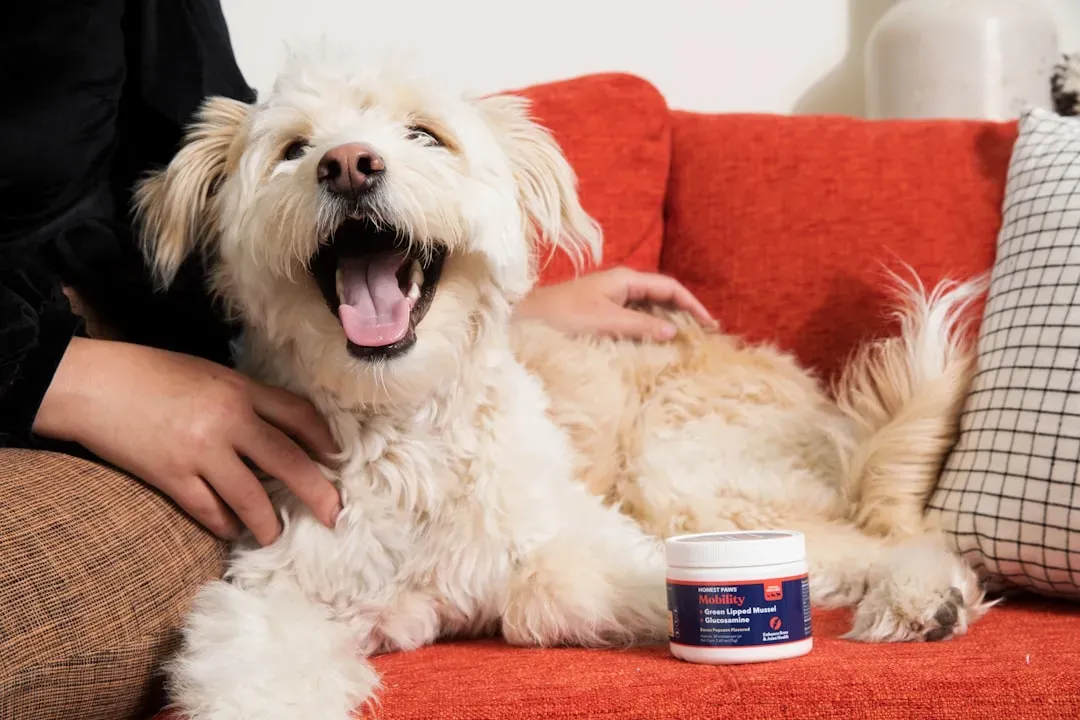
A sedentary lifestyle – especially in older dogs – leads to muscle loss and stiff and painful joints. Daily exercise helps to maintain muscle tone as well as keep tendons and ligaments loose and ready for use. Your dog’s body is designed to move, and when it doesn’t, everything starts breaking down faster than it should.
A sedentary lifestyle can lead to muscle weakness and tightness in joints, making movement painful. It becomes this awful cycle: the less they move, the more uncomfortable movement becomes, so they move even less. Before you know it, your once-spry pup is struggling with basic activities like climbing stairs or jumping into the car.
The cardiovascular system suffers too. Dogs need their hearts pumping regularly to maintain good circulation and heart health. Without regular playtime and exercise, their stamina decreases, their endurance drops, and their overall fitness level plummets. I think we often forget that dogs are athletes by nature – most breeds were developed to work, hunt, or herd for hours on end.
Without sufficient exercise, performance dogs may experience various negative health outcomes, including obesity, behavioral problems, and decreased stamina. While this refers to working dogs, the principle applies to all breeds. Every dog needs movement to keep their body functioning optimally.
Excessive Barking and Vocalization Increase
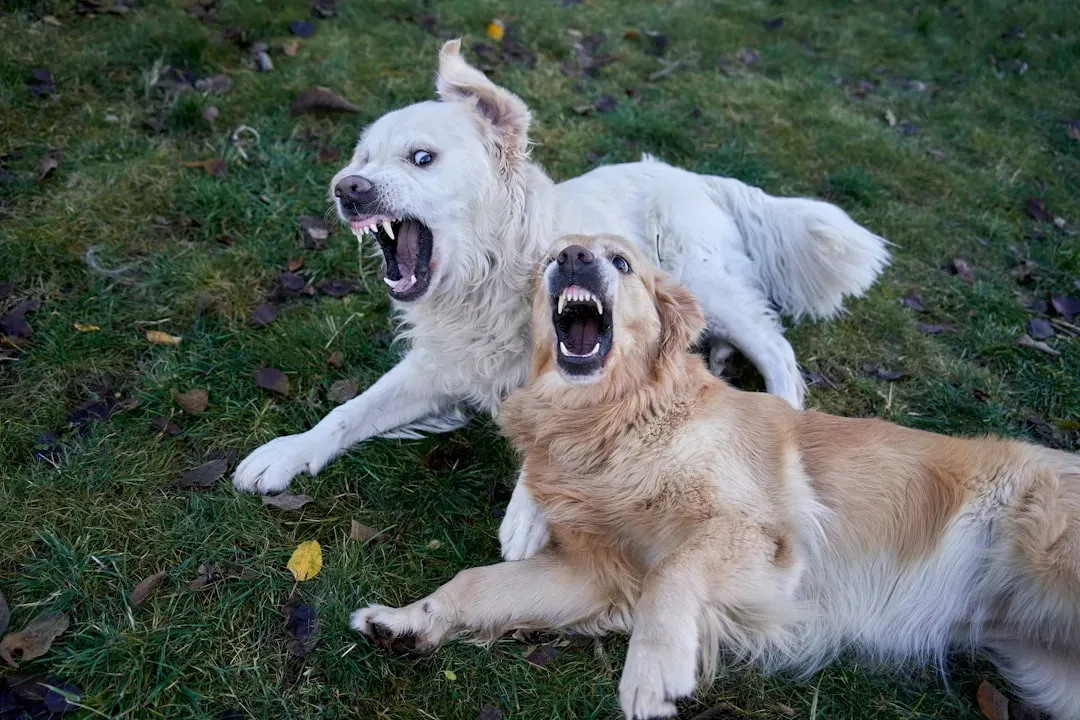
Dogs that are restless and bark or whine a lot are the vocal versions of hyperactivity – they are just telling you that they need more exercise. These dogs feel the need to be doing something – and they know that what they want likely lies outdoors. That constant barking isn’t your dog being difficult; it’s communication.
If a dog is constantly whining, howling, or barking, they often need more attention and activity to alleviate their boredom. The noise level can become unbearable, especially if you live in an apartment or have close neighbors. What starts as occasional whining can escalate into marathon barking sessions that drive everyone crazy.
Dogs use vocalization to express frustration, anxiety, and boredom. When they can’t release their energy through physical activity, they release it through their voice instead. It’s their way of saying, “Hey, I’m going stir-crazy here and I need to do something about it!” Regular outdoor play periods are often the cure to this behavior issue.
Physical activity, especially outside, exposes your dog to different types of environmental stimuli and helps eliminate pent-up energy that often leads to unnecessary barking. Taking your dog out for engaging playtime addresses multiple needs at once – exercise, mental stimulation, and sensory enrichment – all of which reduce the urge to bark excessively.
Cognitive Function and Mental Sharpness Decline

Playtime is important for dogs to learn about the world and strengthen their brains. Encouraging different types of play in different environments and with different playmates helps them maintain sharp reflexes, reaction times, and memories. Just like humans, dogs need to keep their brains active to stay mentally sharp as they age.
Mental stimulation helps keep aging brains sharp, and playtime provides exactly that kind of cognitive workout. When dogs engage in interactive games, explore new environments, or learn new tricks during play sessions, they’re building and maintaining neural connections. Without this stimulation, cognitive decline can happen much faster.
Playing may help prevent cognitive decline in adult and senior dogs. Think of playtime as brain exercise for your pup. The problem-solving involved in chasing a ball, the decision-making during a game of tug-of-war, the memory required to learn new play behaviors – all of this keeps their mind engaged and functioning well.
Dogs left unstimulated for extended periods can become dull and unresponsive. They lose interest in learning, struggle to adapt to new situations, and may seem generally “checked out” from life around them. The mental enrichment that comes from regular play is just as crucial as the physical benefits. Honestly, watching a previously bright dog lose their sparkle due to lack of engagement is heartbreaking.
Conclusion: The High Cost of Skipping Playtime
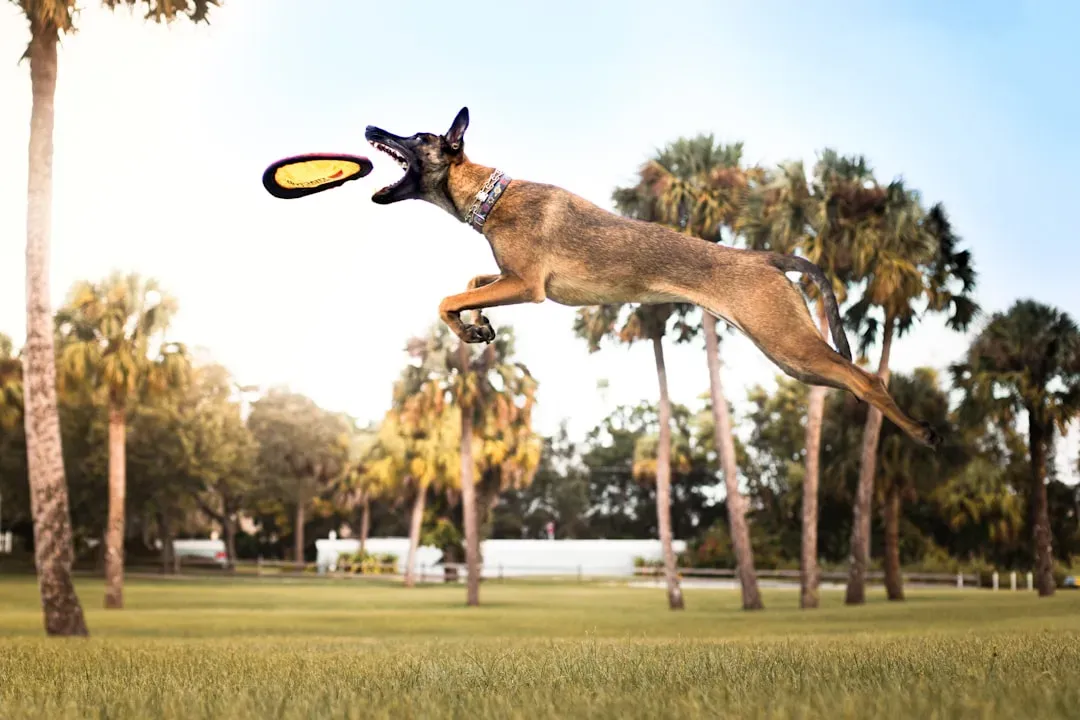
The evidence is clear: dogs without adequate playtime don’t just miss out on fun – they suffer real, measurable consequences to their physical health, mental wellbeing, and quality of life. From weight gain and destructive behavior to anxiety, declining health, and cognitive deterioration, the ripple effects of insufficient play touch every aspect of your dog’s existence.
The good news? Fixing the problem is usually straightforward. More walks, interactive games, puzzle toys, social time with other dogs, and dedicated play sessions with you can transform a bored, unhealthy dog into a vibrant, happy companion. It doesn’t require hours every day – just consistent, quality engagement that meets your individual dog’s needs based on their breed, age, and energy level.
Your dog depends entirely on you to provide opportunities for activity and stimulation. They can’t take themselves for walks or sign up for doggy daycare. When we commit to bringing a dog into our lives, we’re also committing to being their source of exercise, entertainment, and enrichment. So what do you think – is your furry friend getting everything they need? Maybe it’s time to grab that leash and head outside together.
