
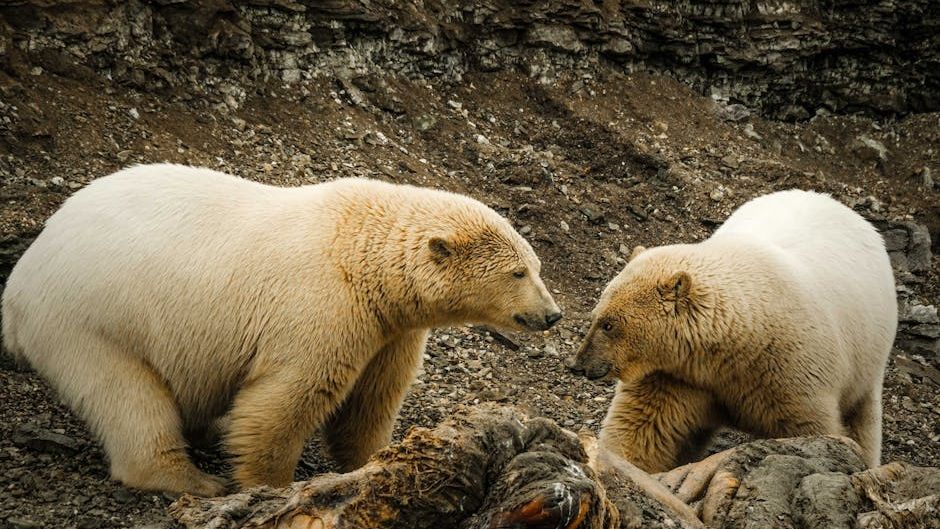
Imagine standing at the edge of a frozen coastline where the boreal forest slowly dissolves into open Arctic tundra, and the tundra itself gives way to the restless churn of Hudson Bay. It’s a place that looks, at first glance, like it belongs to only one creature. That creature is the polar bear. Most people who visit Churchill, Manitoba, come specifically to see that one iconic animal. What they probably don’t know is that something even more remarkable has been quietly unfolding in the wilderness just beyond the town’s limits.
The Hudson Bay coast of Manitoba is the only confirmed place in the world where grizzlies, polar bears and black bears coexist. This isn’t a wildlife park designed to house them together. It’s a genuinely wild, largely untamed stretch of sub-Arctic land where three of North America’s most powerful animals now share the same territory. The reasons behind it are layered, complex, and tied to forces much bigger than the animals themselves.
#1. Wapusk National Park: The Unlikely Meeting Ground
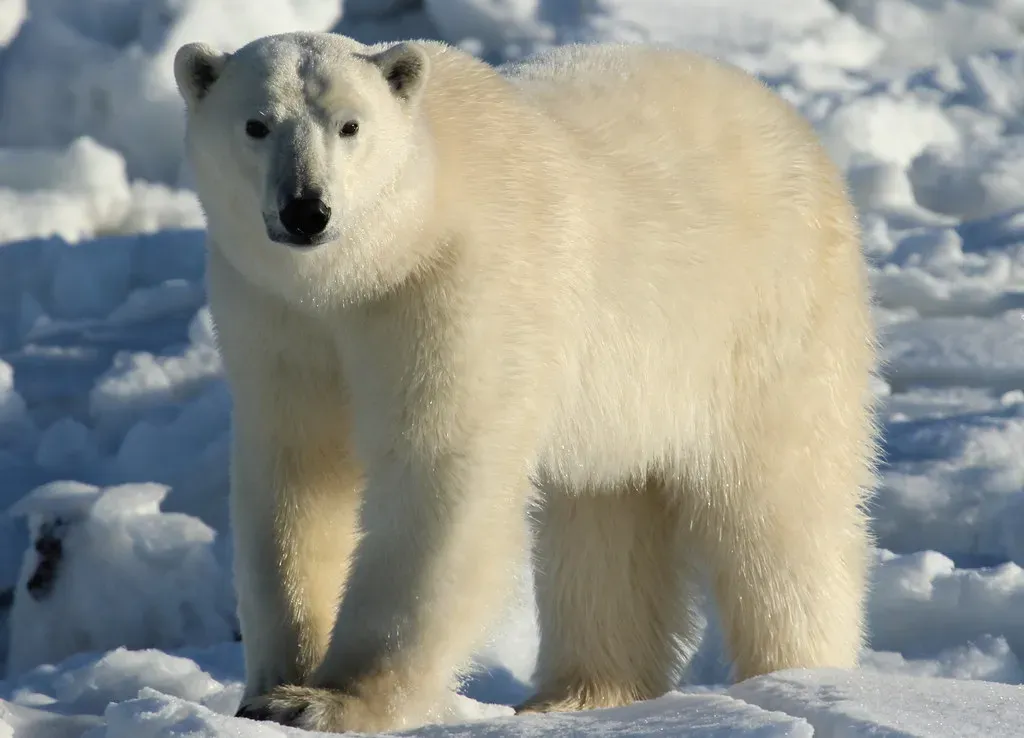
Churchill is a subarctic port town in northern Manitoba, Canada, on the west shore of Hudson Bay, roughly 140 km from the Manitoba–Nunavut border. Just south and east of this remote town lies Wapusk National Park, a vast and windswept landscape that has earned a quiet kind of global significance.
Churchill is situated along Manitoba’s coastline, on Hudson Bay at the meeting of three major biomes: marine, boreal forest and tundra, each supporting a variety of flora and fauna. That convergence of ecosystems is precisely what makes this location so unusual. Few places on earth bring together such different ecological worlds in such a compressed geographical space.
In November 2018, a paper published in the peer-reviewed journal Arctic Science, titled “Novel range overlap of three ursids in the Canadian subarctic,” described how cameras set up by University of Saskatchewan researchers in Wapusk National Park captured proof that had scientifically never been substantiated anywhere before. The researchers weren’t even looking for this discovery. They were there to study polar bear behavior near their field camps.
“Seeing all three species of bear in Canada and in North America, at one spot, ‘unique’ doesn’t even begin to describe it. There are only a couple of places where you’d even have the potential for that in North America and Wapusk National Park is the only place where that amount of overlap has been documented,” said lead researcher Douglas Clark from the University of Saskatchewan.
#2. How the Cameras Revealed a World-First Discovery
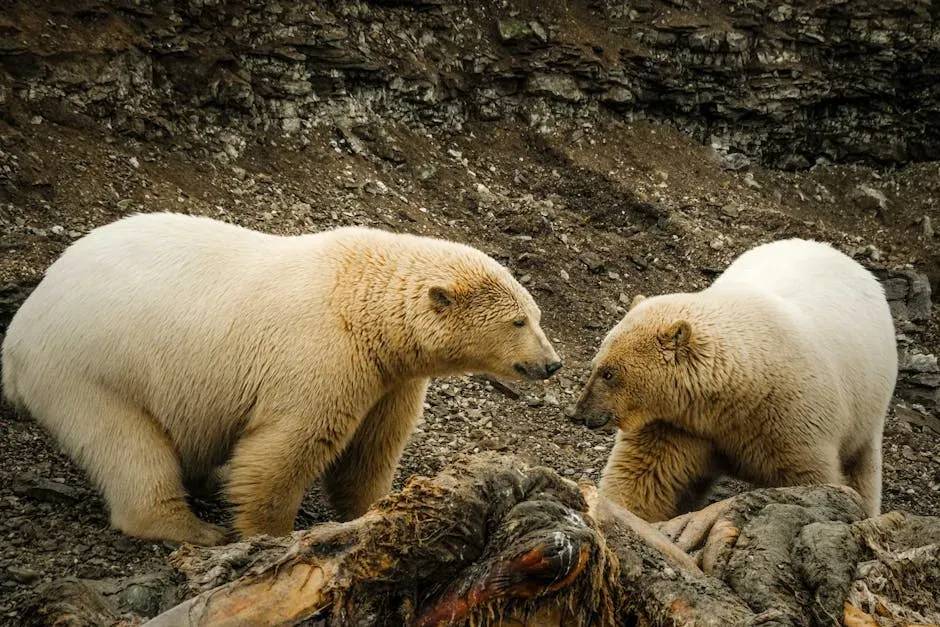
Researchers began studying the bears in Wapusk in 2011, after more polar bears than expected began visiting new field camps in the park. They used remote cameras, a widespread, economical and non-invasive tool for studying wildlife, to find out why and when the polar bears were visiting these camps. The results turned out to be far more surprising than anyone anticipated.
Between 2011 and 2017, there were visits from all three of Canada’s bear species: 366 from polar bears, 25 from black bears and 10 from grizzlies. The sheer difference in numbers tells part of the story. Polar bears were clearly the dominant presence, but the fact that all three species appeared on the same cameras within the same time window was genuinely unprecedented.
Grizzly bears visited all three study sites along the coast of Wapusk National Park. What was new to the researchers were the grizzlies. It wasn’t just one or two transient bears, but several, and researchers suspected at least one of them may be denning there. That detail matters enormously. Transient animals passing through are one thing. Bears potentially raising cubs in a new territory is something else entirely.
Remarkably, this doesn’t look like a case of science just catching up to what’s been going on all along but not yet noticed. Researchers have been conducting studies on that particular piece of ground since the 1960s. The three-bear overlap, in other words, appears to be genuinely new.
#3. Three Bears, Three Habitats, One Shared Shoreline
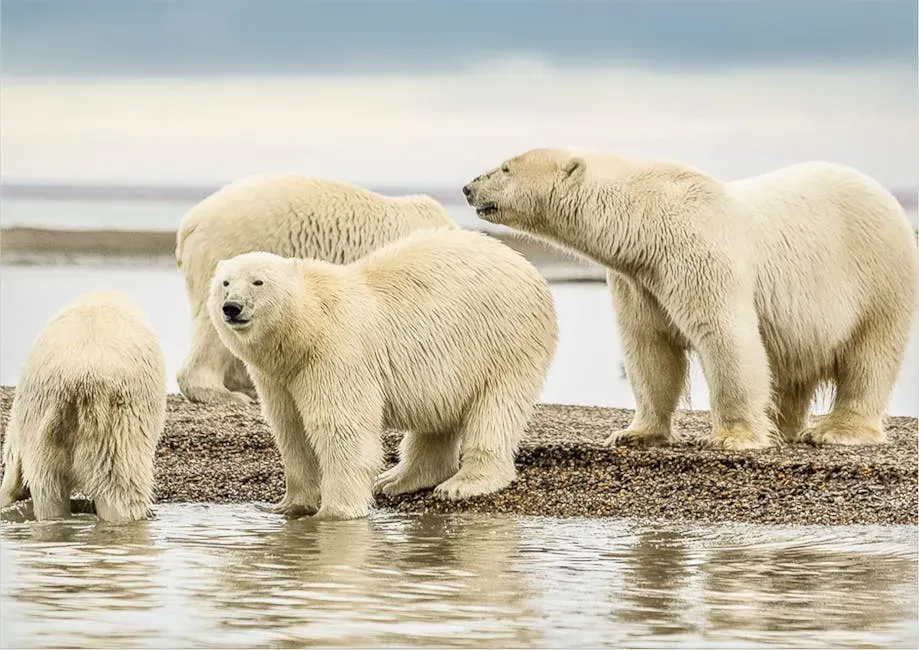
Wapusk is best known for its polar bears. They come ashore in the summer and autumn when the sea ice in Hudson Bay melts. Some stay for the winter to den in the permafrost where they give birth. The park is effectively a maternity ward for polar bears, and has been for a very long time.
Boreal forests are prime black bear habitat. In some places in Wapusk National Park, these forests reach almost to Hudson Bay. This is how black bears arrive at the coastal edge of territory they wouldn’t typically occupy. They follow the forest, and the forest itself creeps toward the shore.
Barren-ground grizzly bears have been expanding their range across the Arctic in recent decades. In Wapusk, they’ve been increasingly frequent since the 1990s, and have even shown up in the nearby town of Churchill. Their arrival is the most disruptive piece of this ecological puzzle, partly because they are so behaviorally dominant.
Three dynamic ecosystems, forest, tundra and ocean, converge at Wapusk, and all are changing quickly as the Arctic warms. Each bear species followed its own ecological path to this single stretch of coastline. The fact that those paths now intersect is not coincidence. It’s consequence.
#4. Climate Change: The Force Behind the Convergence
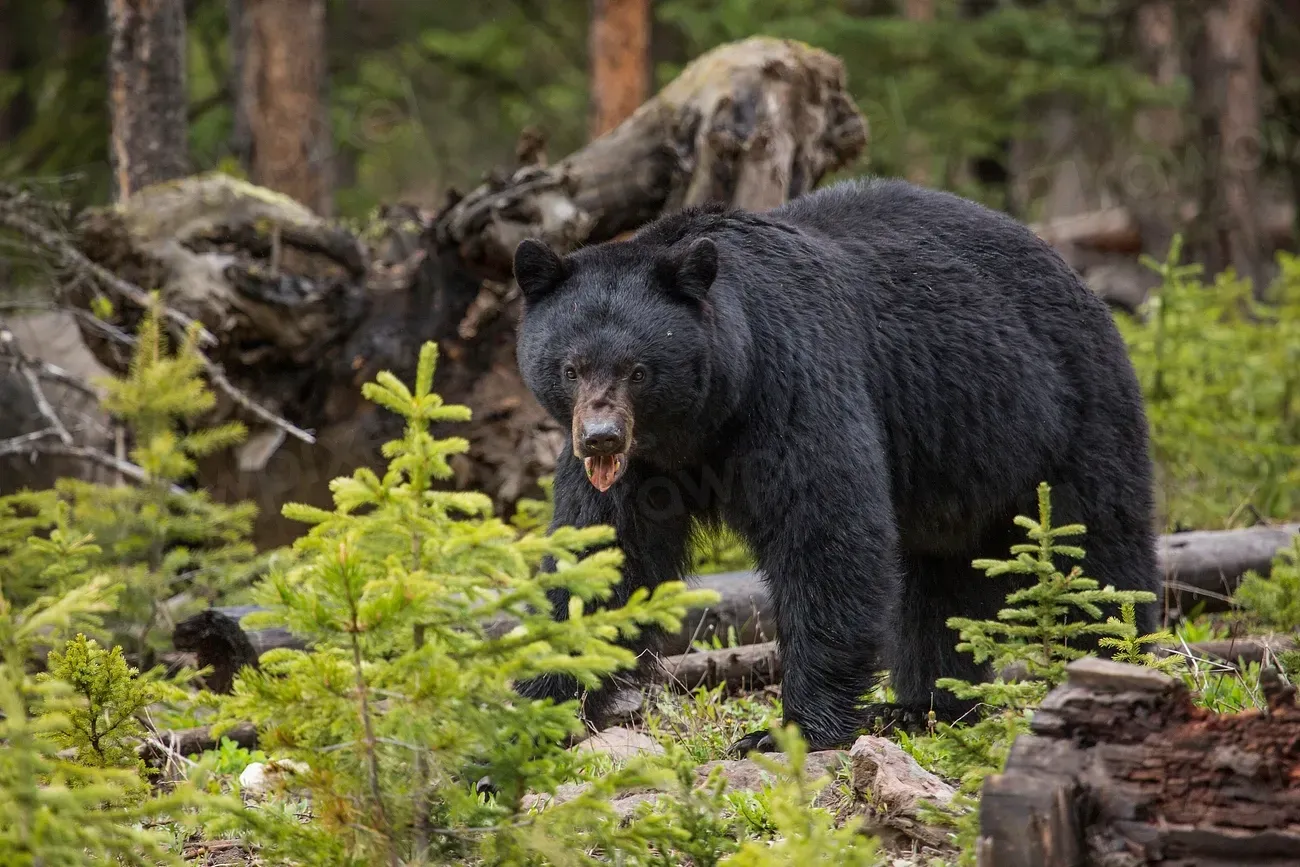
The study’s lead author, Douglas A. Clark, says that the presence of all three North American bear species in the same area is “consistent with expected ecological responses to the amplified impacts of climate change on high-latitude ecosystems.” Warming temperatures are physically reshaping which animals can live where, and northern Manitoba is one of the clearest examples of that shift playing out in real time.
Bears are governed by their need to accumulate fat stores for the next hibernation, so this overlap is most likely a response to alterations occurring in the availability of bear foods. Warmer temperatures have increased berry abundance in the area over the last few decades, and that’s encouraging young grizzlies looking for their own turf to check out the territory. It’s a simple driver with enormous implications: more food means more incentive to expand.
Since the 1980s, observations of grizzly bears in Manitoba have been doubling every decade. That’s not a gradual shift. That’s an accelerating one. Each decade brings noticeably more grizzlies into a region that historically had none.
If polar bears are forced to spend more time on land with less sea ice, increased mating with their brown bear cousins could occur. The biological consequences of this range overlap could eventually extend beyond behavior into genetics itself, making this not just an ecological story but an evolutionary one.
#5. What This Means for Conservation
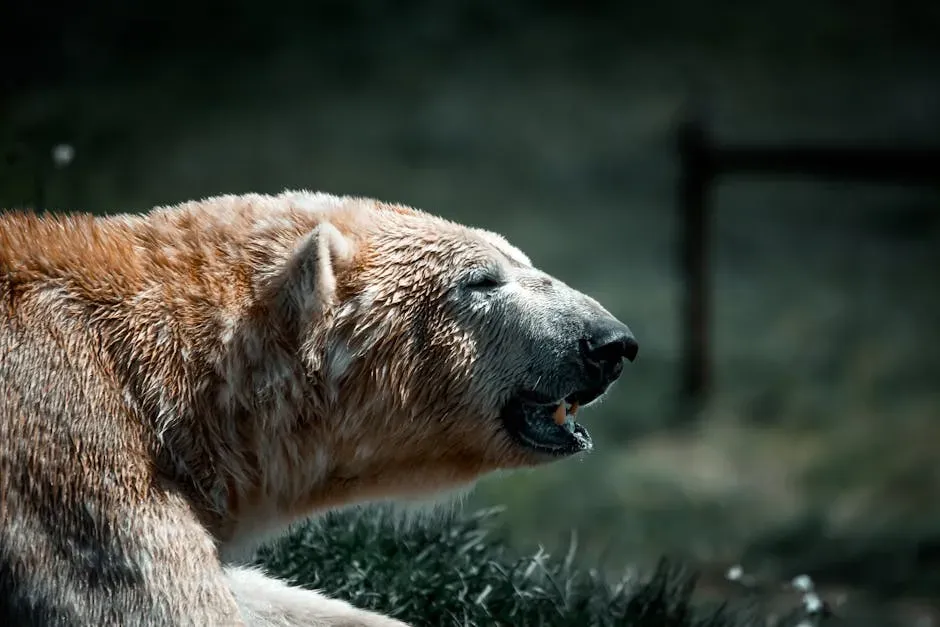
Researchers believe that of the three species coming together here, it is the grizzlies that are likely to benefit the most because they have been known to dominate polar bears and black bears elsewhere, sometimes displacing them. However, other bears generally change their behaviors to avoid grizzlies. So this range overlap shouldn’t be viewed as a threat to any of these bears but understood as an ecological response to environmental change that needs to be better understood.
Such actions might not be wise since the long and complex evolutionary relationship between grizzlies and polar bears suggests their populations have, at times, benefited from the other. Instead of looking at this new range overlap as a risk to any of the bears, researchers think it should be viewed as an ecological response to environmental change that needs to be better understood. That reframing is important. Alarm is easy; nuance is harder.
Wapusk is a co-managed park that aims to integrate scientific and traditional knowledge with human values. That co-management structure is significant, because the Indigenous communities of this region, including the Sayisi Dene, Inuit, and Cree, have long observed and lived alongside these animals. The Sayisi Dene, Inuit and Cree know bears. They have been co-existing with bears in the region for thousands of years.
While locals may not be surprised by this scientific observation of the three bears, it is a novel situation that we can learn from, and one that matters beyond northern Manitoba. Climate change will continue to move species around and create new combinations of them. Wapusk is, in that sense, a preview of an ecological future that much of the planet will eventually have to reckon with.
Conclusion: A Signpost at the Edge of the World
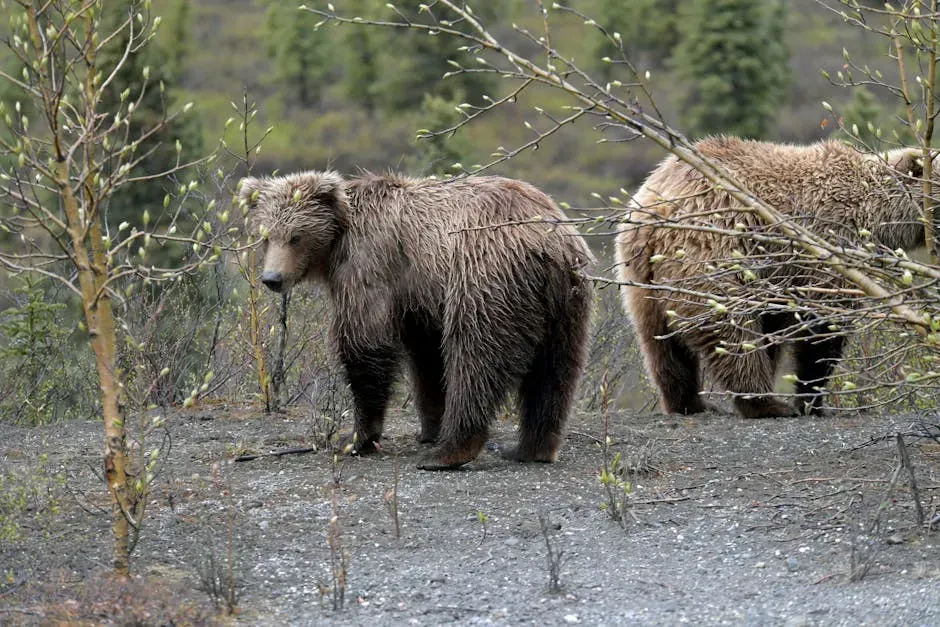
There is something quietly staggering about Wapusk National Park. On the surface, it looks like cold, flat, windswept nothing. Scratch beneath that surface and you find a place where the rules of wildlife geography are being rewritten. Three apex predators, each built for a completely different world, now occupy the same tundra edge. That alone would be remarkable in any era.
What makes it urgent is the reason it’s happening. This isn’t a story about bears getting along. It’s a story about what ecological disruption looks like from the inside out, told through the movements of animals that can’t explain what they’re doing or why. The bears are simply following food, warmth, and instinct. It’s the broader picture those choices reveal that should give us pause.
The honest conclusion here is this: Wapusk is both a wonder and a warning. It deserves to be celebrated as the world’s only confirmed meeting point for all three North American bear species, but it also deserves to be read clearly for what it signals. If three very different apex predators are being pushed into the same corner of the continent, something significant is shifting in the natural world. The bears didn’t choose to converge. The planet arranged it for them, and we’d be wise to pay attention.

- 14 Signs the Backyard Birds That Left Your Yard Are Quietly Coming Back - July 21, 2026
- 12 Cat Breeds Vets Refuse To Recommend to First Time Owners - July 21, 2026
- 6 US States With the Most Alligators - July 21, 2026