


The Great Lakes, a mesmerizing constellation of inland seas in North America, have long been celebrated for their immense natural beauty and significant ecological value. However, as the world faces the stark realities of climate change, a crucial question arises: What happens if the Great Lakes keep getting warmer? This exploration delves into the potential consequences of rising temperatures and their impact on this vital water system and surrounding ecosystems.
Understanding the Great Lakes System
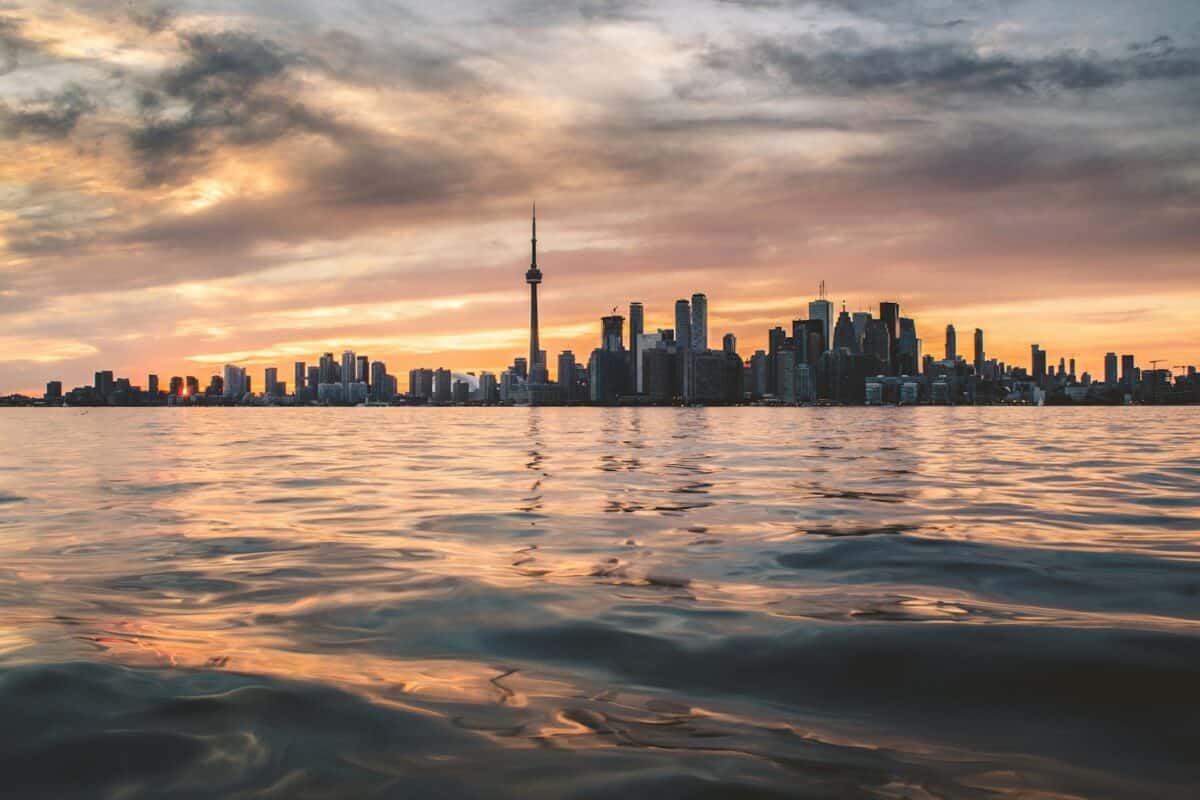
The Great Lakes comprise five vast bodies of freshwater—Superior, Michigan, Huron, Erie, and Ontario—covering a total area of over 94,000 square miles. This intricate system holds approximately 21% of the world’s surface freshwater, providing essential resources for communities and wildlife alike. The unique geography and delicate balance of these lakes make them particularly vulnerable to shifts in temperature.
Climate Change and Rising Temperatures

Global warming, driven by increased levels of greenhouse gases, is resulting in a noticeable rise in average temperatures worldwide. The Great Lakes region is no exception. Over the past few decades, these lakes have experienced temperature increases that are unprecedented in recorded history. This warming trend poses various challenges and uncertainties for the region.
Impacts on Water Levels and Ice Cover
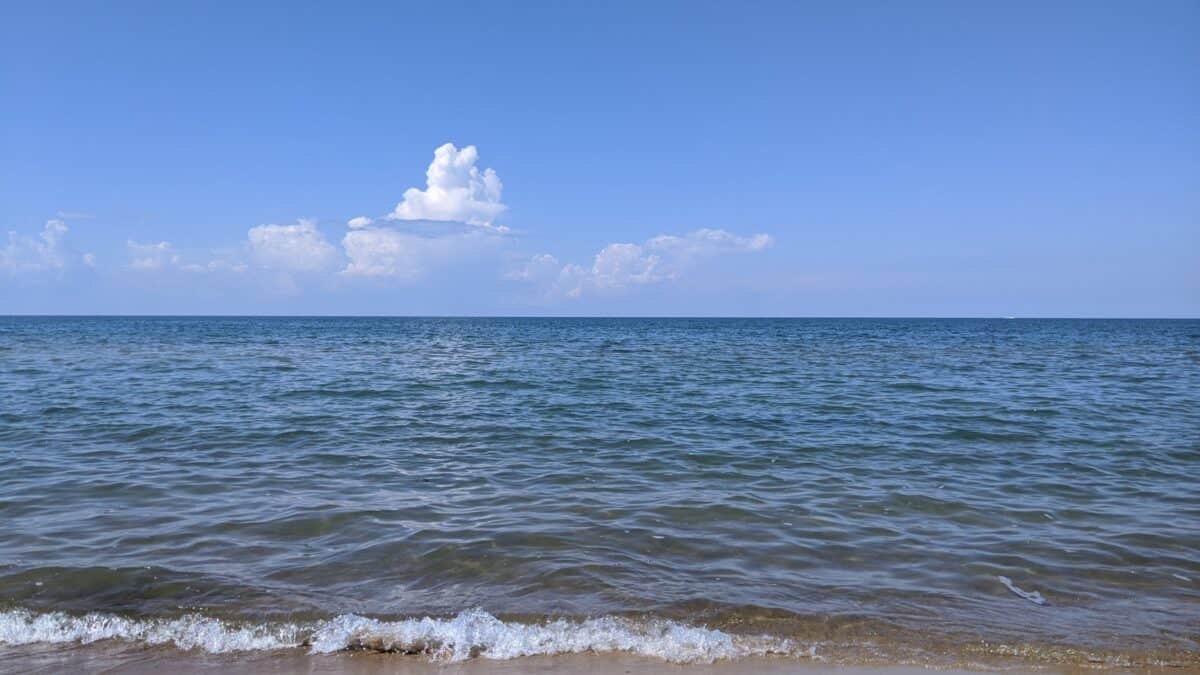
Warmer temperatures significantly affect the water levels and ice cover of the Great Lakes. Traditionally, these lakes experience substantial ice coverage during the winter months, which plays a crucial role in maintaining water levels by reducing evaporation. However, a warmer climate means less ice cover, leading to higher evaporation rates and, paradoxically, lower water levels. This dynamic can result in increased frequency and severity of droughts and water shortages.
Alterations in Lake Stratification

Warming temperatures influence how water layers form and mix within the lakes, a process known as stratification. Typically, the Great Lakes stratify into distinct layers during the summer, with warmer water on top and cooler water below. As temperatures rise, these layers can become more pronounced, potentially disrupting nutrient cycling and oxygen distribution, which are critical for aquatic life.
Effects on Aquatic Ecosystems

The delicate ecosystems within the Great Lakes depend on a stable environment to thrive. Warmer waters can lead to shifts in species distribution, with cold-water fish struggling to survive, and invasive species potentially gaining a foothold. These changes can cause imbalances in the food web, threatening biodiversity and the health of the lakes’ ecosystems.
Proliferation of Harmful Algal Blooms
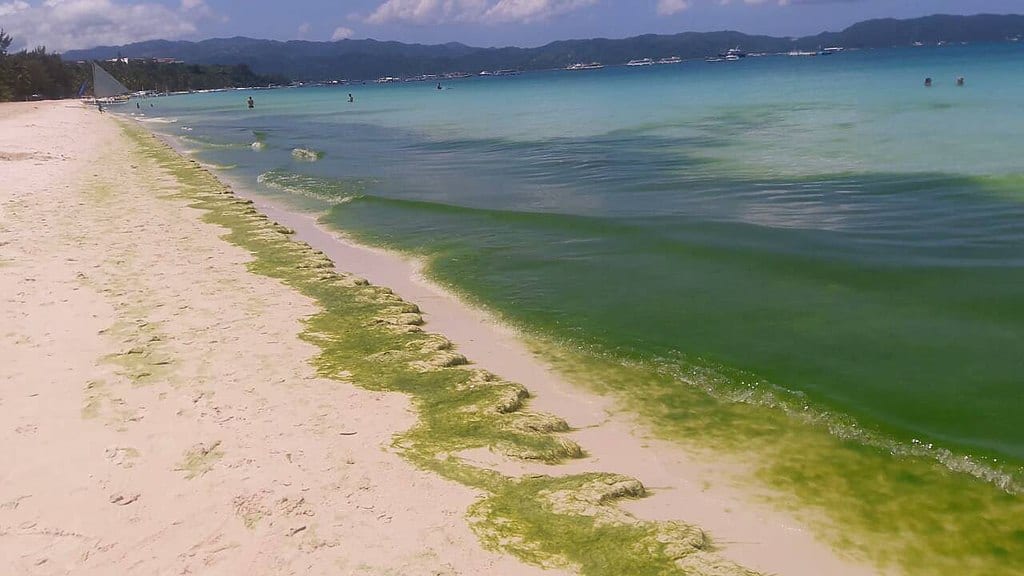
Increasing temperatures create ideal conditions for harmful algal blooms (HABs). These blooms can produce toxins harmful to both humans and wildlife, contaminate drinking water supplies, and create dead zones devoid of oxygen. The Great Lakes have already faced incidents of HABs, and warmer waters further exacerbate this risk, threatening both ecological and public health.
Changes to Fisheries and Local Economies
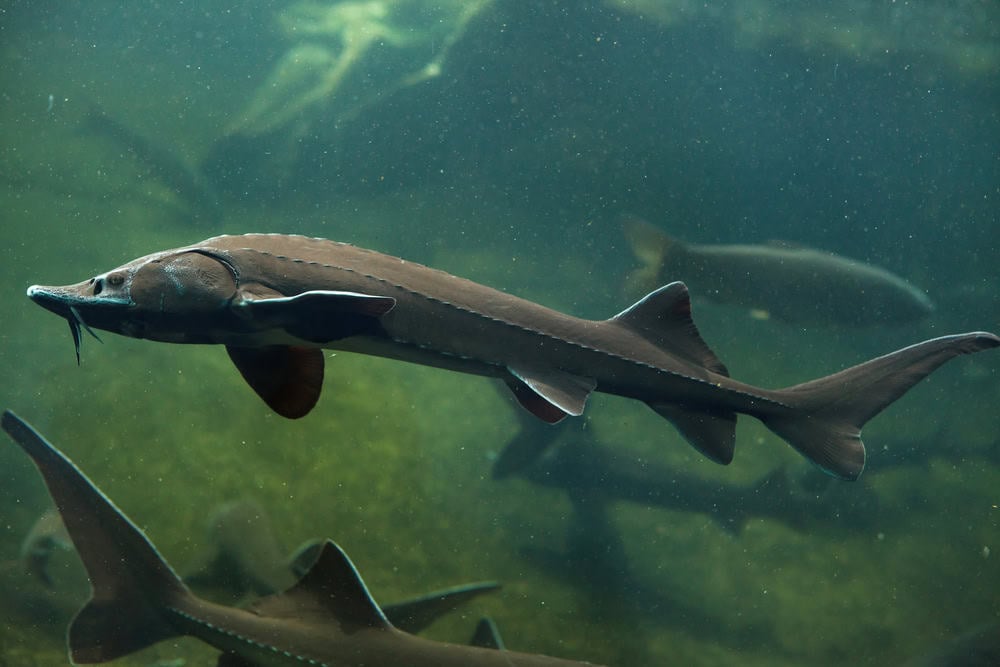
The Great Lakes support a vital commercial and recreational fishing industry. As temperatures rise, the distribution and abundance of fish species may shift, causing disruptions to local economies that depend on these fisheries. Changes in fish populations could adversely affect not only commercial operations but also recreational activities that hold cultural and economic significance for the region.
Impact on Water Quality and Availability

Higher temperatures can degrade water quality by increasing the rate of chemical reactions and promoting the growth of pathogens. Nutrient pollution from agricultural runoff can be exacerbated, creating conditions ripe for algal blooms and other water quality issues. Additionally, as evaporation rates increase, there could be challenges in ensuring sufficient freshwater availability for various uses.
Effects on Weather Patterns

The changing climate and warming of the Great Lakes can also influence regional weather patterns. Warmer lake temperatures can lead to increased lake-effect snow and rainfall events, impacting communities with more intense weather phenomena. These patterns may test the infrastructure capacity and emergency preparedness of cities and towns along the lakeshores.
Potential for Increased Flooding
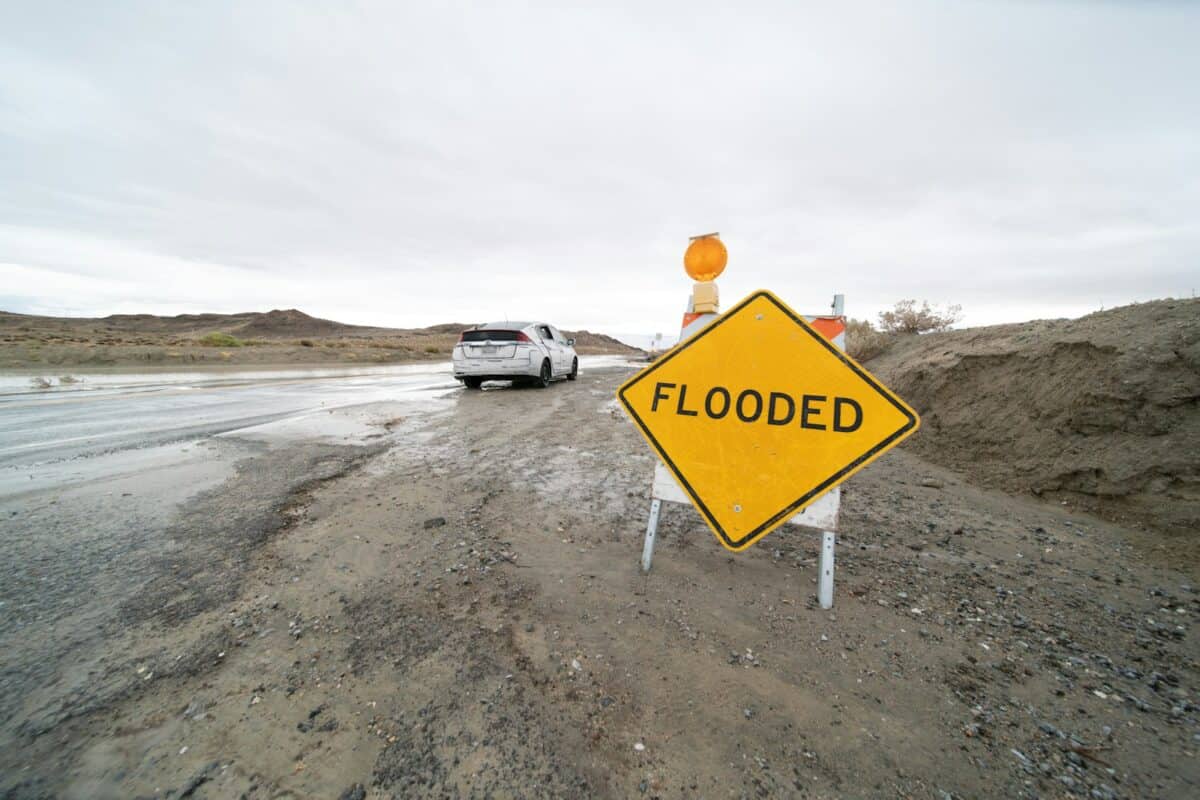
With altered precipitation patterns and decreased ice cover, the Great Lakes region may experience more frequent and severe flooding events. Rapid snowmelt and intense rainstorms can lead to higher river flows and water levels, threatening homes, infrastructure, and ecosystems. Communities must adapt to manage these increased flood risks effectively.
Adapting Through Conservation and Policy

Combating the warming of the Great Lakes involves implementing proactive conservation measures and policy changes. Efforts to reduce emissions, conserve energy, and improve management practices for agriculture and industry can lessen the region’s climate impact. Initiatives focused on habitat restoration, sustainable water management, and community engagement are crucial for fostering resilience against ongoing temperature increases.
The Role of Public Awareness and Action

Raising public awareness and encouraging informed action is vital in addressing the challenges posed by the warming Great Lakes. Educational campaigns highlighting the interconnectedness of climate change and local ecosystems can empower communities to adopt sustainable practices. It is crucial to advocate for science-based policies and engage in collaborative efforts to preserve this precious natural resource for future generations.
Conclusion: A Call to Safeguard the Great Lakes

The continued warming of the Great Lakes presents a multifaceted challenge that demands immediate attention and comprehensive strategies to mitigate its impacts. While the situation is complex, the solutions rely on collaborative efforts from policymakers, scientists, communities, and individuals. By recognizing the urgency and taking informed actions, we can work towards safeguarding the Great Lakes, ensuring they remain vibrant and resilient amidst the challenges of climate change.

From exploring the marine wonders in the Azores and witnessing the vast savannas of Kenya, to delving deep into the rich biodiversity of South Africa and traversing iconic landscapes in Australia and the US like Yellowstone, Chris's experiences are vast.
With a penchant for diving alongside sharks, the ocean holds a special place in his heart.
Through his academic insights, he champions wildlife conservation, striving with 'Animals Around The Globe' to cultivate a profound connection between humans and animals, enhancing our mutual appreciation.
Connect with him at Feedback@animalsaroundtheglobe.com.