
Most dog owners will happily spend an hour at the groomer, splurge on premium kibble, and schedule regular vet visits without a second thought. Yet one simple habit gets skipped by the overwhelming majority of pet owners: brushing their dog’s teeth. It’s easy to assume a dog’s mouth can fend for itself. They chew on things, they drool, they seem fine. That assumption, it turns out, can cost them dearly.
Most dogs begin to show signs of dental disease by age three, and up to nearly nine in ten dogs over three years old suffer from it, making dental disease one of the most common ailments in adult canines. The mouth is the starting point, but the consequences rarely stop there. Here’s the full picture of what quietly unfolds when a toothbrush never enters the equation.
#1. Plaque and Tartar Build Up Faster Than You’d Think
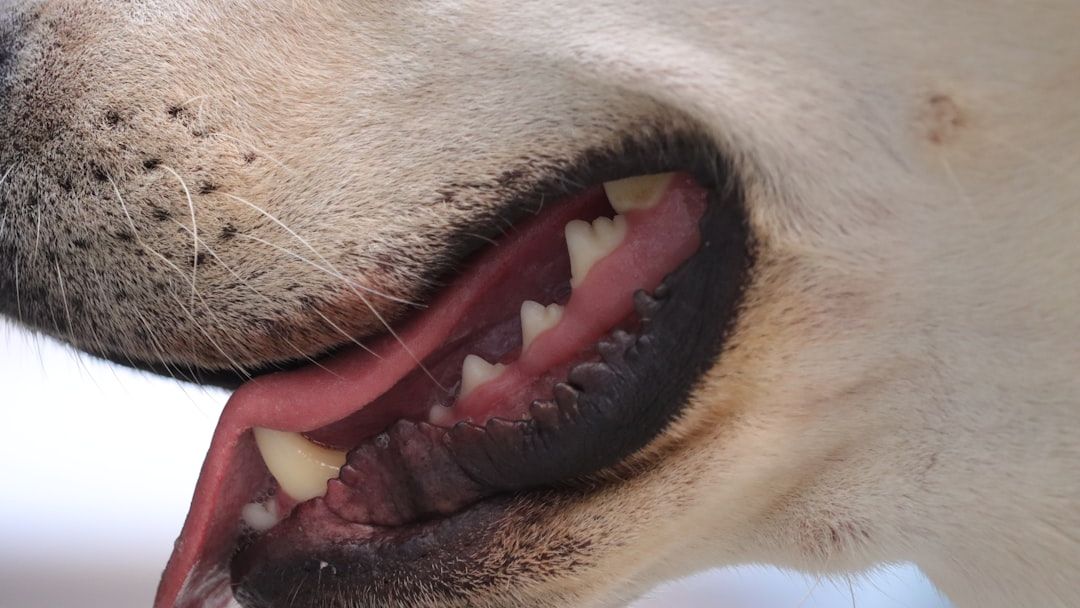
Without regular brushing, plaque quickly forms on your dog’s teeth. Plaque is a sticky film of bacteria that can harden into tartar within just a few days, and once tartar forms, it becomes much harder to remove, typically requiring professional cleaning under anesthesia.
While plaque is soft and can be brushed away, tartar is calcified and can trap even more bacteria, worsening oral health over time. Think of it as a slow compounding problem. The longer tartar sits undisturbed, the more aggressively it anchors itself below the gumline, creating conditions no chew toy can fully address.
Plaque can harden into tartar in just 24 to 48 hours. That timeline surprises most owners. A single skipped day isn’t the end of the world, but consistent neglect means fresh bacterial film is constantly solidifying into something that only a vet can safely remove.
#2. Gum Disease Sets In Quietly and Progresses Fast
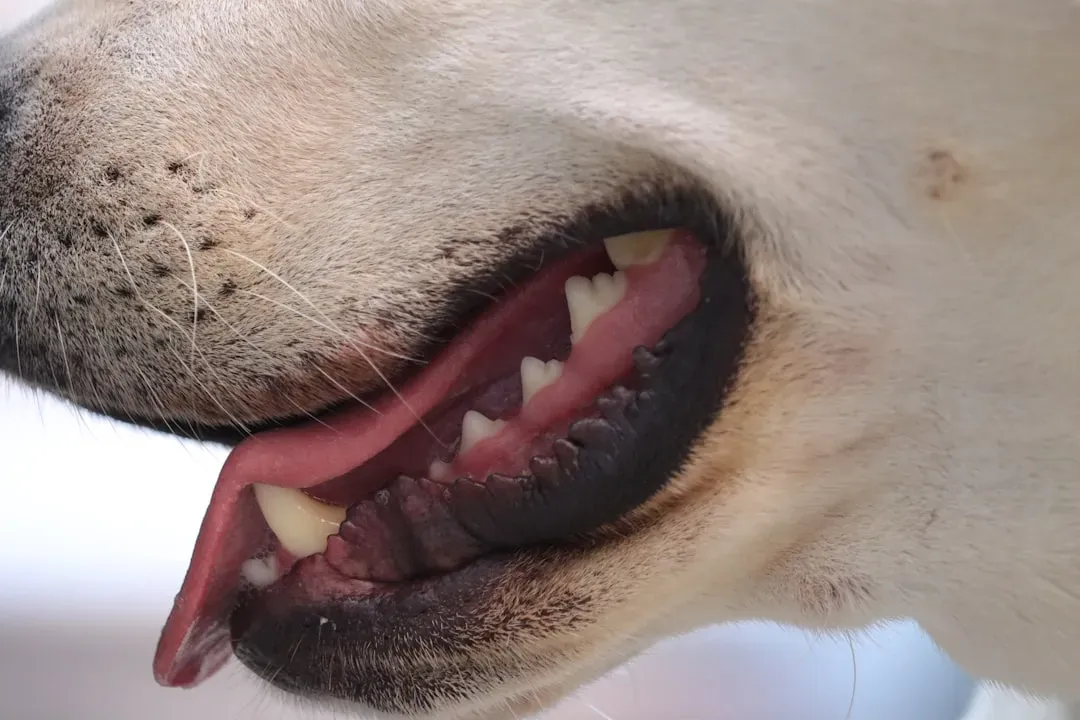
Without brushing or regular dental cleanings, plaque and tartar continue to accumulate, irritating the gums and causing gingivitis, the first stage of periodontal disease. The tricky part is that gingivitis often goes unnoticed at home. There’s no dramatic warning sign, just a slow reddening and tenderness that a dog will rarely complain about openly.
If left untreated, gingivitis can progress to advanced periodontal disease, and as it does, the supporting structures around your pet’s teeth, including the gums, ligaments, and bones, begin to deteriorate. This is where things get irreversible. Periodontal disease is not reversible, which is why maintaining a healthy dental routine from early on matters so much.
This disease silently invades the mouth, and you often won’t see pervasive signs until it advances. By then, it may cause chronic pain, gum erosion, and loss of bone and teeth. Dogs are instinctively wired to hide discomfort, which means many owners only discover the severity of the problem during a routine vet visit.
#3. Pain and Tooth Loss Change How Your Dog Lives
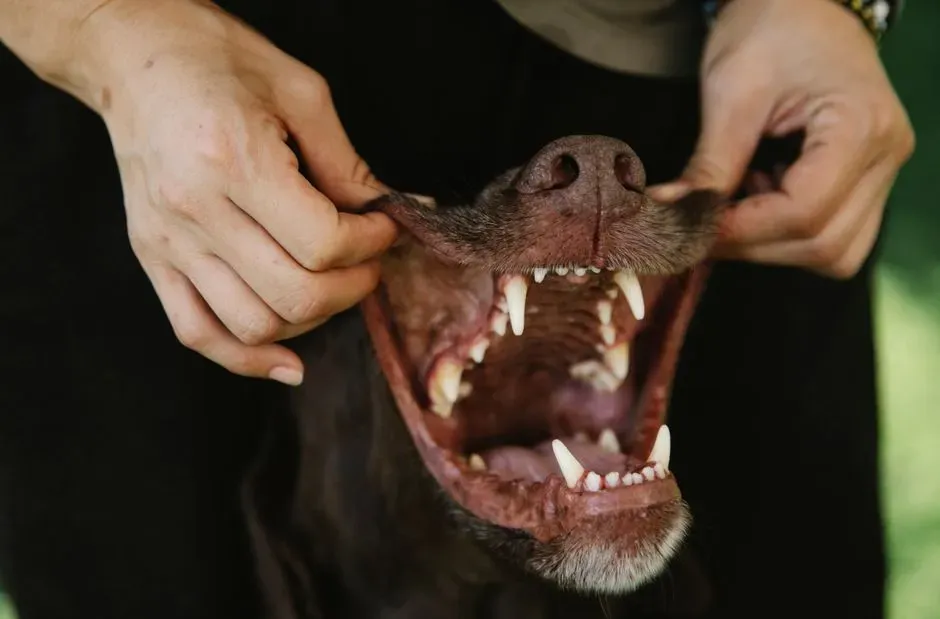
As periodontal disease progresses, it can result in tooth loss, which may make it difficult for your dog to eat and cause significant discomfort. Your dog may show signs of pain, such as drooling, pawing at the face, difficulty eating, and a decreased appetite. These behavioral shifts are often subtle at first, easily mistaken for pickiness or just “getting older.”
It’s easy to overlook dental disease as a cause of discomfort, particularly in older dogs, because we often assume behavioral changes are caused by just getting old. However, mouth pain can result in significant changes in behavior. A dog that stops reaching for its favorite chew toy, or that eats only on one side of its mouth, may simply be managing pain in the only way it knows how.
If gum disease goes untreated, teeth can be lost due to the loss of their supporting tissues, and this is the major reason for tooth loss in dogs. Tooth loss isn’t just cosmetic. It reshapes how a dog eats, plays, and interacts with the world. A clean mouth helps your dog eat comfortably, play happily, and stay active longer.
#4. Bacteria Enter the Bloodstream and Threaten Vital Organs

One of the most serious consequences of poor dental care is bacteria entering the bloodstream through infected gums. Once in the bloodstream, these bacteria can spread to major organs like the heart, liver, and kidneys, leading to life-threatening conditions. This is the part of the story that catches most dog owners off guard. What starts as bad breath can quietly evolve into organ damage.
Bacteria from dental disease can enter the bloodstream and attach to heart valves, causing infections known as endocarditis. This may lead to heart murmurs and eventual heart disease if left untreated. Chronic bacterial exposure also forces the kidneys to work harder, filtering toxins from the blood, which can contribute to decreased kidney function, especially in older dogs. Constant bacterial exposure from dental disease can similarly cause inflammation and damage to liver tissue.
Studies have shown that dogs with significant periodontal disease are more likely to have cardiac disease. Dogs with periodontal disease also have increased markers of systemic inflammation detectable in their blood and may have an increased risk of kidney and liver disease. The mouth, in short, is not an isolated ecosystem.
#5. The Financial and Practical Cost of Doing Nothing
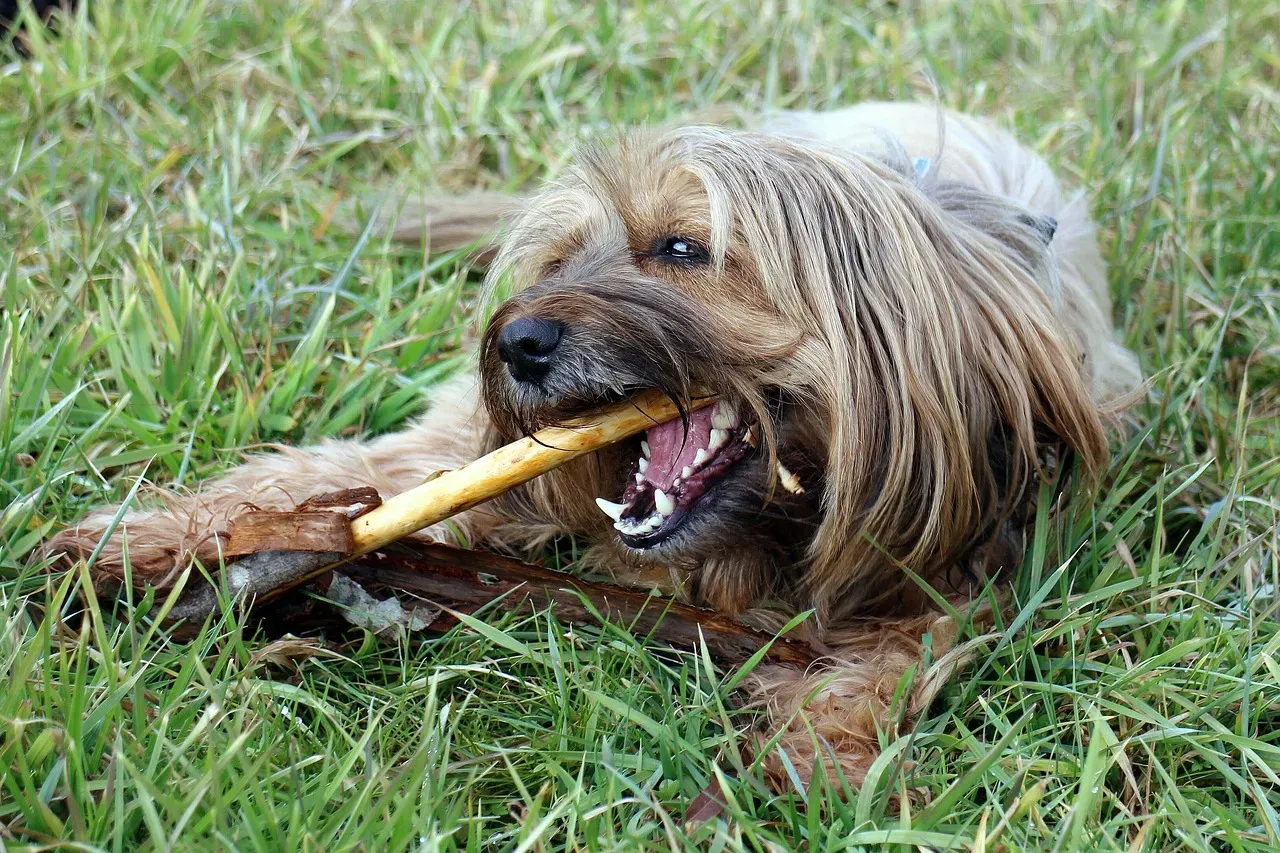
Daily preventative care can help lessen the likelihood of expensive dental work down the line. A deep dental cleaning at a vet’s office is a moderate procedure with a hefty price tag, requiring preparatory tests, bloodwork, and general anesthesia. Skipping the toothbrush at home doesn’t save time in any meaningful sense. It simply defers the cost, and increases it.
If your dog starts developing dental disease, a vet needs to take care of that, and it could result in very costly fixes and expensive checkups and dental procedures. Regular brushing, by contrast, is genuinely low cost, requiring only a dog-safe toothpaste and a soft brush. Veterinarians recommend brushing a dog’s teeth at least two to three times per week, though daily brushing is ideal. A dog-safe toothpaste should always be used, never human toothpaste.
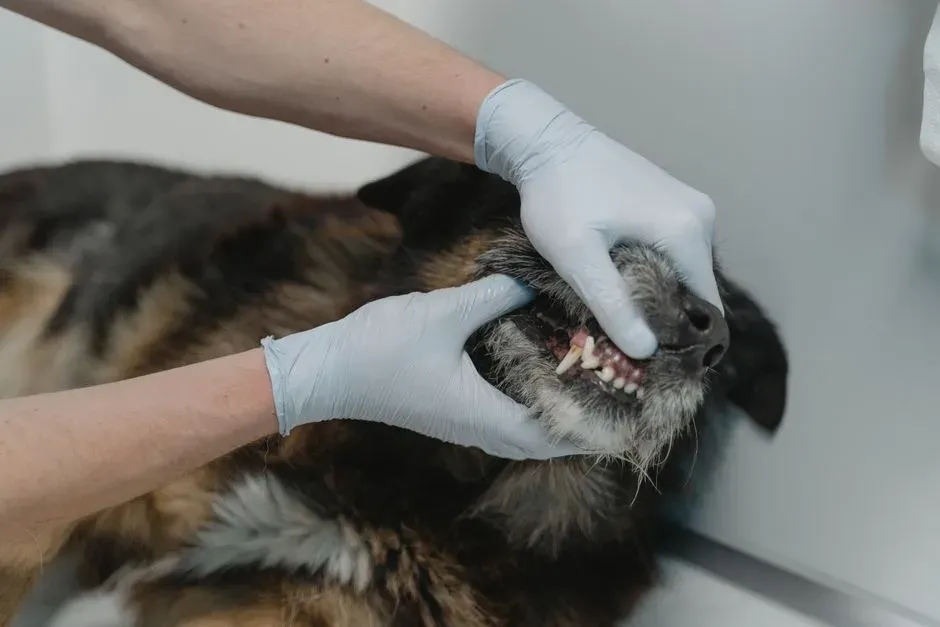
In addition to home care, scheduling professional dental cleanings at least once a year is strongly recommended. These are performed under anesthesia, allowing vets to scale and polish thoroughly, something that can’t be achieved at home. The combination of consistent home care and annual professional cleanings is simply the most effective strategy available.
What You Can Actually Do About It

Starting brushing early is ideal, as young dogs adapt quickly and accept handling of the mouth, lips, and gums. Maintaining a consistent routine then prevents tartar buildup from taking hold. For older dogs who’ve never had a toothbrush near their mouth, patience and gradual introduction are key. Start with your finger, build trust, and work up to a brush over several weeks.
Dental chews help, but they cannot replace brushing. Chewing reduces some plaque on the tooth surface, but it cannot clean along the gumline where bacteria cause infection. Brushing remains the most effective prevention. Chews, water additives, and dental wipes are useful supplements, not substitutes.
Good dental care contributes to your dog’s comfort, longevity, and quality of life. Alongside brushing, a balanced diet, regular vet checkups, and safe dental enrichment tools all play a supporting role. None of these steps are complicated. They just require consistency.
A dog can’t tell you its gums hurt. It can’t ask to see a dentist. That quiet dependence is worth taking seriously, because the mouth is often where long-term health problems either begin or are prevented. A few minutes a week, done consistently, is one of the more straightforward things an owner can do to add genuine quality years to a dog’s life.
