
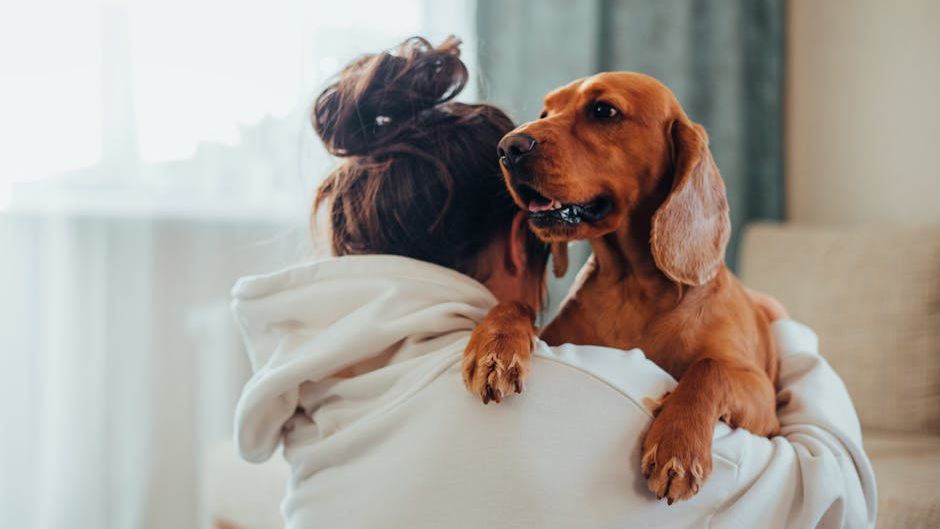
Most mornings unfold the same way. You grab your keys, pull on your coat, maybe sneak one last scratch behind your dog’s ears, and head out the door. It takes you roughly thirty seconds. For your dog, that moment might be the most emotionally loaded part of their entire day.
What’s actually happening inside your dog’s brain during those few seconds, and in the hours that follow, is far more complex than most owners realize. The science tells a genuinely surprising story, one that reframes the whole idea of the morning goodbye.
#1: Your Dog Notices You’re Leaving Before You Even Touch the Door
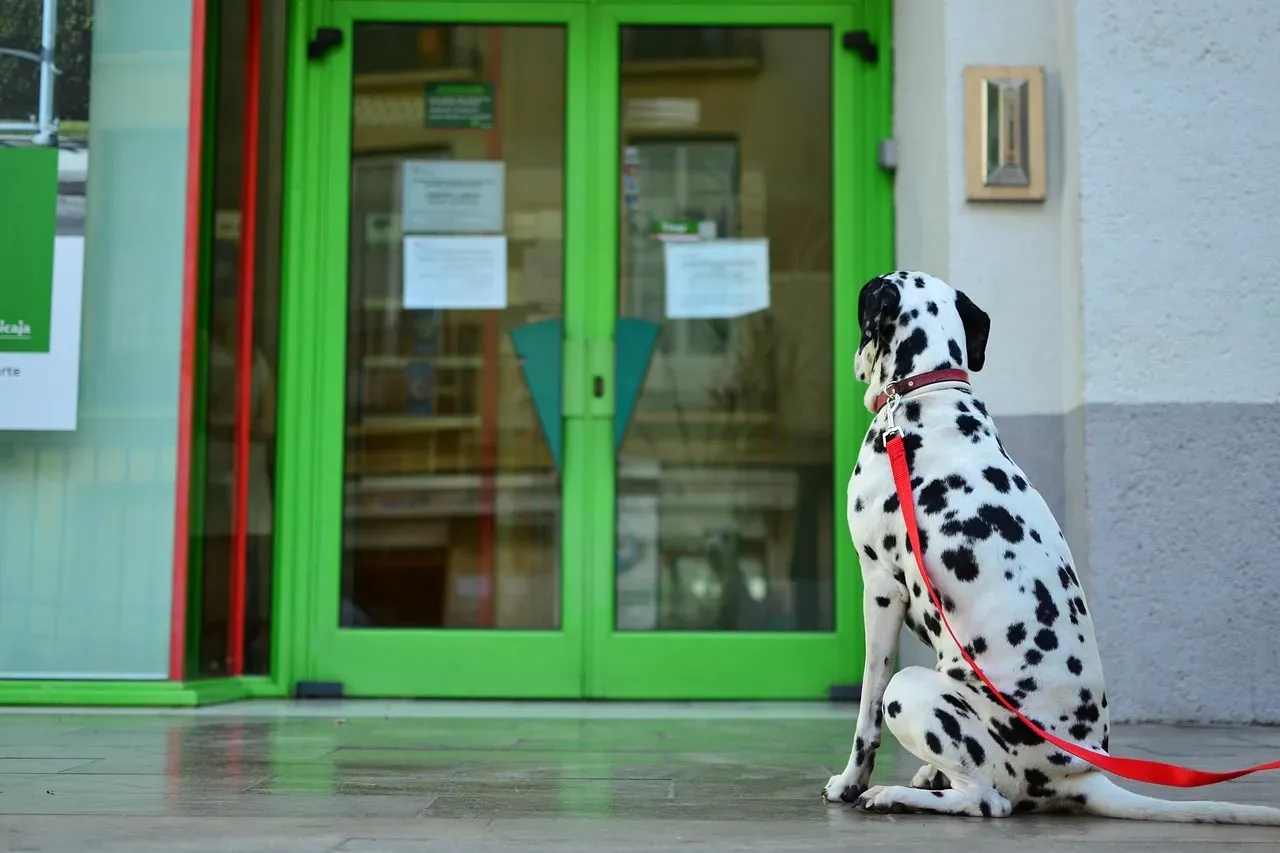
Pre-departure cues, sometimes called PDQs, are specific things you do or items you pick up before leaving the house that your dog has learned predict they are about to be left home alone. Your dog isn’t guessing. They’ve built an entire mental map of your morning routine, cataloguing which sequence of actions means you’re going out.
Common pre-departure cues include keys, shoes, and coats, or even turning the television on in the minutes prior to leaving. Some cues occur much earlier, like an alarm going off before you get up, or putting on perfume. The dog who watches you closely every morning is doing exactly what their brain is wired to do: pattern-matching with remarkable precision.
Dogs’ brains are wired for associative thinking. If you always pick up your keys before leaving, your dog learns that “keys plus door” means departure. If you always arrive home around the same time, they learn to expect you then. This isn’t simple habit; it’s a form of predictive cognition that fires up well before you’ve said a single word.
#2: The Amygdala Fires, and the Stress Response Kicks In
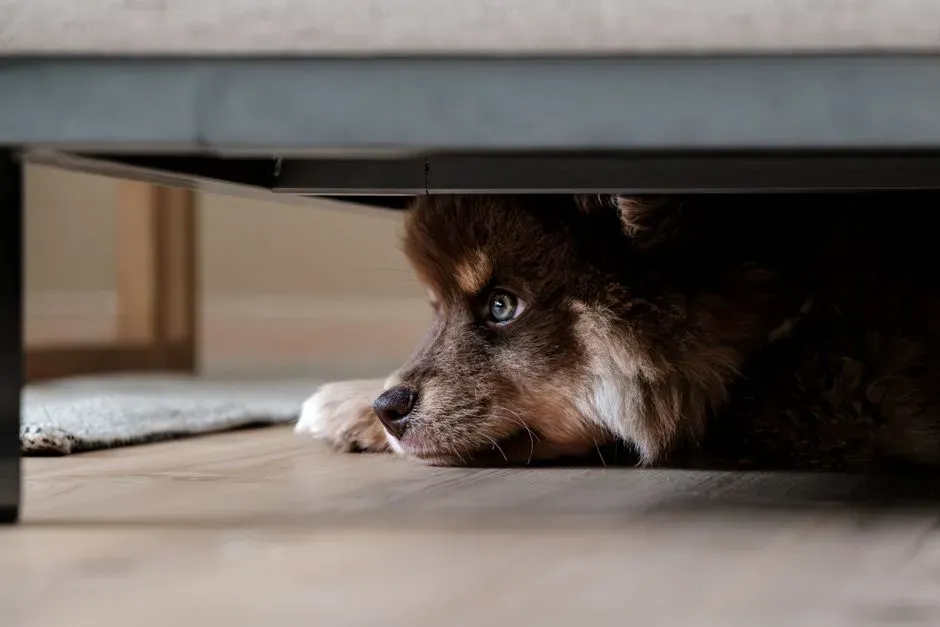
When a dog sees their owner preparing to leave, the amygdala, which is the brain’s emotional center responsible for detecting threats, goes into overdrive. It triggers the fight-or-flight response, even though there is no physical predator present. The brain, in essence, reads your departure as a threat signal.
Research has revealed that dogs experience increased levels of stress during their owner’s absence, with heightened heart rates and more frequent pacing or vocalizations. These aren’t behavioral quirks. They’re measurable physiological shifts, changes in heart rate, cortisol output, and respiratory function that mirror what a mammal experiences under genuine stress.
As the owner prepares to leave, the pet usually shows salient signs of anxiety including increased activity such as restlessness, pacing, and whining; depression such as withdrawing, refusing to move, or a downcast look; or physiologic changes including panting, tachycardia, and hypersalivation. Seeing your dog go quiet and still when you pick up your bag isn’t calmness. It may well be the opposite.
#3: How Your Dog Experiences Time While You’re Gone

Research in canine cognition suggests that dogs do not form future-oriented plans in the way humans do. Their mental world is largely organized around immediate experiences, emotional associations, and learned patterns rather than abstract concepts like “tomorrow” or “later.” This is a meaningful distinction. You leave for work knowing you’ll come home. Your dog simply experiences your absence.
A dog’s sense of smell is so powerful that they can essentially “smell time.” Swedish researchers have proposed that dogs learn to associate a certain level of scent reduction with the moment of their owner’s return. When you leave, your scent gradually weakens throughout your home. If you consistently return home after a certain amount of time, your dog memorizes the degree of scent loss that predicts your arrival.
Internal biological rhythms also help dogs anticipate daily events even without visual time references. Dogs often become alert shortly before their owner usually returns home, and this biological rhythm reinforces routine-based time perception and contributes to predictable behavioral patterns. So your dog isn’t just waiting passively. In their own way, they’re counting down.
#4: The Emotional Bond That Makes Separation Hard
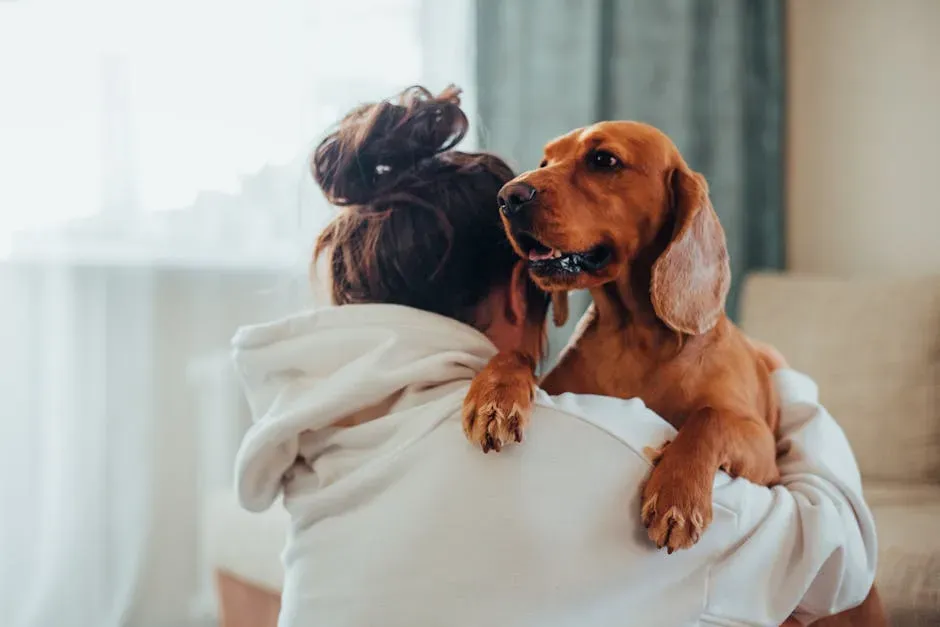
Studies show that dogs form emotional bonds with their owners similar to human toddlers. Research shows that a dog’s brain lights up in the same regions as humans when they see someone they love. This finding alone puts the morning goodbye in a different light. It’s not just about dependency. It’s about genuine attachment.
Oxytocin and cortisol levels in both dog owners and their dogs are influenced by their behavioral interactions, with positive interactions leading to reduced cortisol levels in both parties. The warmth you feel when you spend a quiet moment with your dog before leaving isn’t imagined. It’s biochemical, and it goes both ways. The bond is real in the most literal, measurable sense.
Research has highlighted that the longer the separation, the more intense the dog’s emotional response. When reunited with their owners, dogs exhibited strong signs of affection, including tail wagging, jumping, and licking, behaviors commonly associated with joy and relief. That ecstatic greeting when you walk back through the door isn’t exaggerated enthusiasm. It’s a genuine emotional release after genuine emotional strain.
#5: What You Can Do to Make Mornings Easier for Their Brain
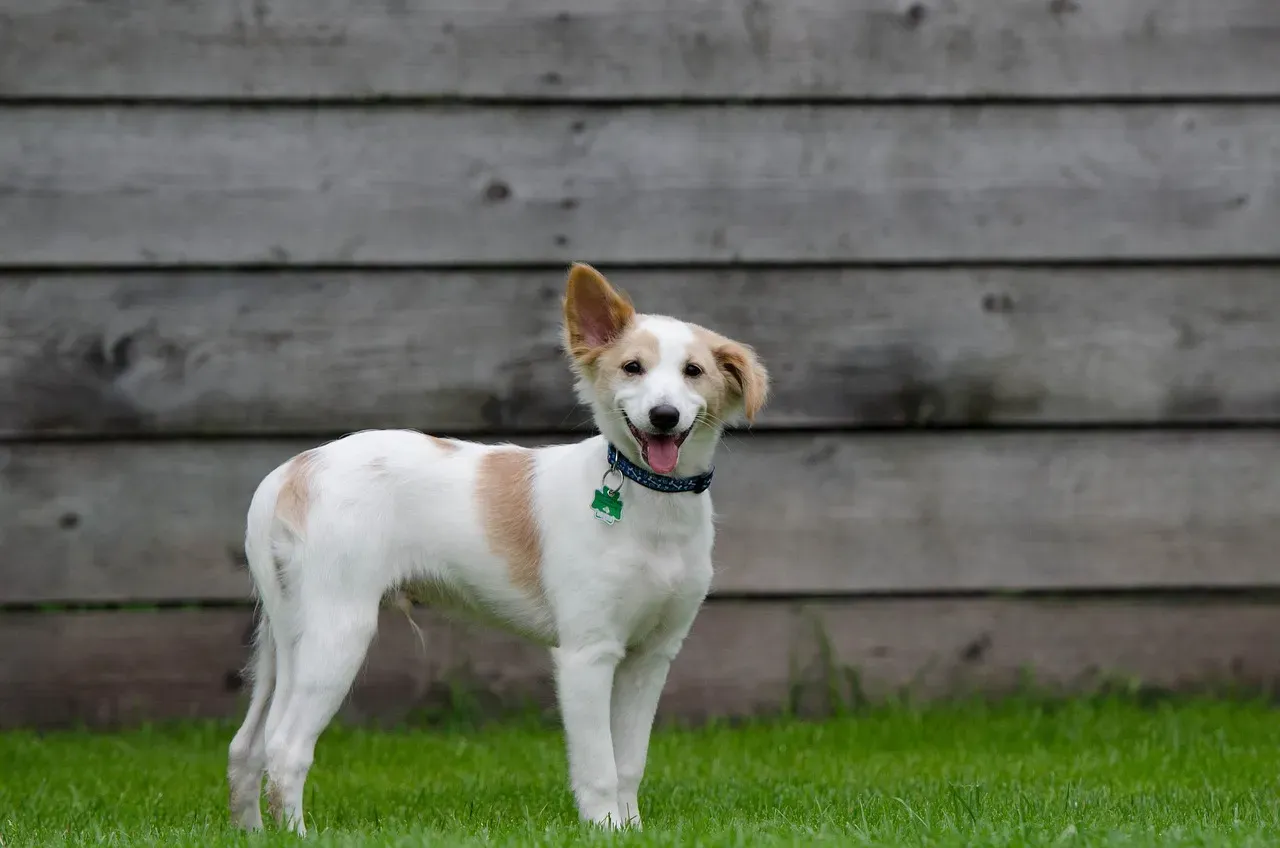
Predictable schedules provide emotional stability and reduce anxiety. Puzzle toys, chew toys, and enrichment activities keep dogs mentally engaged while owners are away. Physical activity encourages relaxation and helps dogs rest during alone time. A morning walk before you leave isn’t just a nice-to-have. It’s one of the most effective tools available for settling an anxious canine nervous system.
Calm exits help dogs learn that leaving is a normal and safe event. Long, emotionally charged goodbyes, however well-intentioned, can actually heighten your dog’s distress by signaling that something significant is happening. The more low-key and even boring your departure, the less stress you are feeding your dog. Quiet consistency, it turns out, is one of the kindest things you can offer.
True progress in helping an anxious dog comes from helping them feel comfortable with the actual separation itself, starting with extremely brief absences and gradually extending the time as the dog shows signs of emotional comfort. This kind of gradual desensitization works precisely because it respects how the dog’s brain actually learns, through experience, not reassurance.
The Goodbye That Matters More Than You Think

There’s something quietly profound in knowing that your dog’s brain is actively processing your morning departure, not with words or timelines, but with scent, rhythm, and deep emotional memory. They don’t know you’ll be back in eight hours. They only know the patterns you’ve built together over months and years.
The research doesn’t ask you to feel guilty about leaving. It asks you to leave thoughtfully. A calm routine, a bit of morning exercise, some mental stimulation to fill the hours, these aren’t indulgences. They’re acts of genuine care rooted in how dogs actually work.
Every morning goodbye shapes something in your dog’s brain. The good news is that with a little awareness, it can shape something steady rather than something fearful. That’s entirely within reach, one calm exit at a time.
