
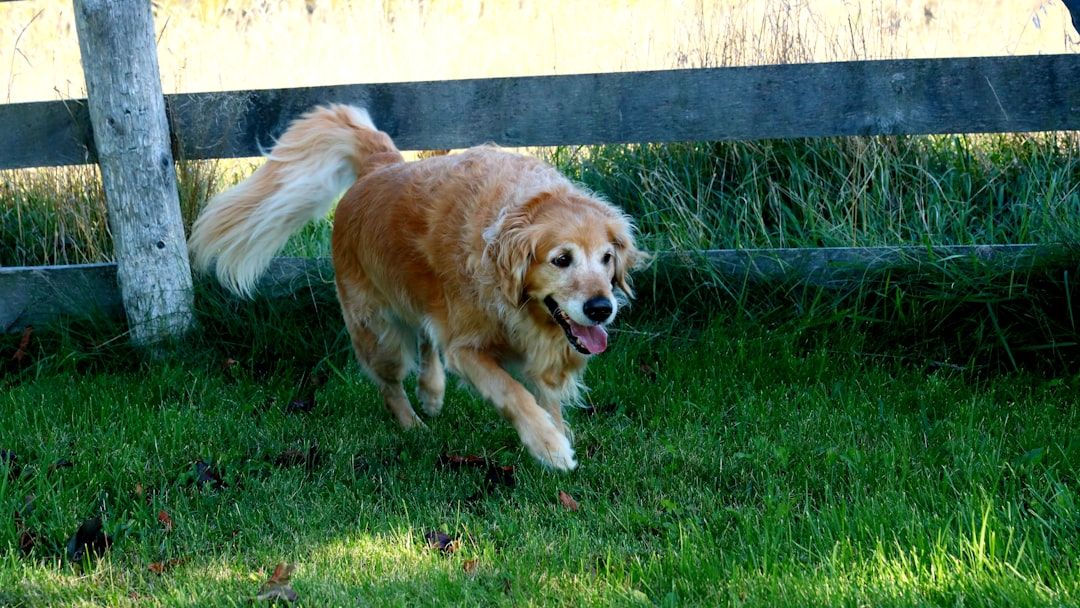
You see your dog’s tail going crazy the moment you walk through the front door. It feels like the clearest message in the world, right? Pure happiness. Case closed.
Except it isn’t. Not even close. The truth about what a dog’s tail is actually saying is far more layered, surprising, and honestly a little mind-blowing once you start paying attention. From the direction of the wag to the precise height of the tail, your dog is essentially broadcasting a full emotional broadcast – and most of us have only ever heard the first channel.
So let’s get into it.
A Wagging Tail Does Not Mean a Happy Dog – Period
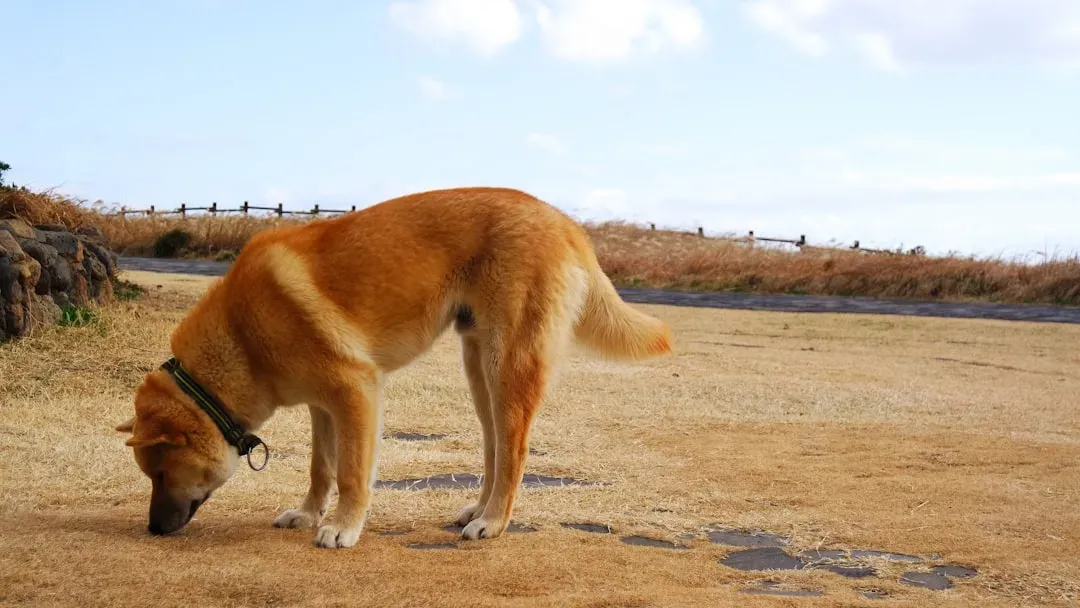
Here’s the thing most people get completely wrong. The moment they see a tail moving, they assume the dog is friendly and thrilled to see them. It’s one of the most common and, frankly, dangerous misunderstandings in the pet world.
We may have all grown up thinking a wagging tail means a happy dog, but that is not always true. Misinterpreting a wagging tail has gotten countless well-intentioned dog-lovers bitten, sometimes quite badly. Think about that for a second. A dog can be wagging its tail and still be on the verge of snapping at you.
The tail wagging behavior of a dog may not always be an indication of its friendliness or happiness, as is commonly believed. Though indeed tail wagging can express positive emotions, tail wagging is also an indication of fear, insecurity, challenging of dominance, establishing social relationships, or a warning that the dog may bite.
A wagging tail does not necessarily mean a happy dog. It simply means arousal of some kind. That can be happy arousal, or fear, excitement, or even aggressive arousal. Think of it like a car engine revving. The revving just means the engine is running hard – it doesn’t tell you whether you’re about to drive off a cliff or onto a highway.
Speed, Height, and Width: The Three Dimensions of a Tail Wag
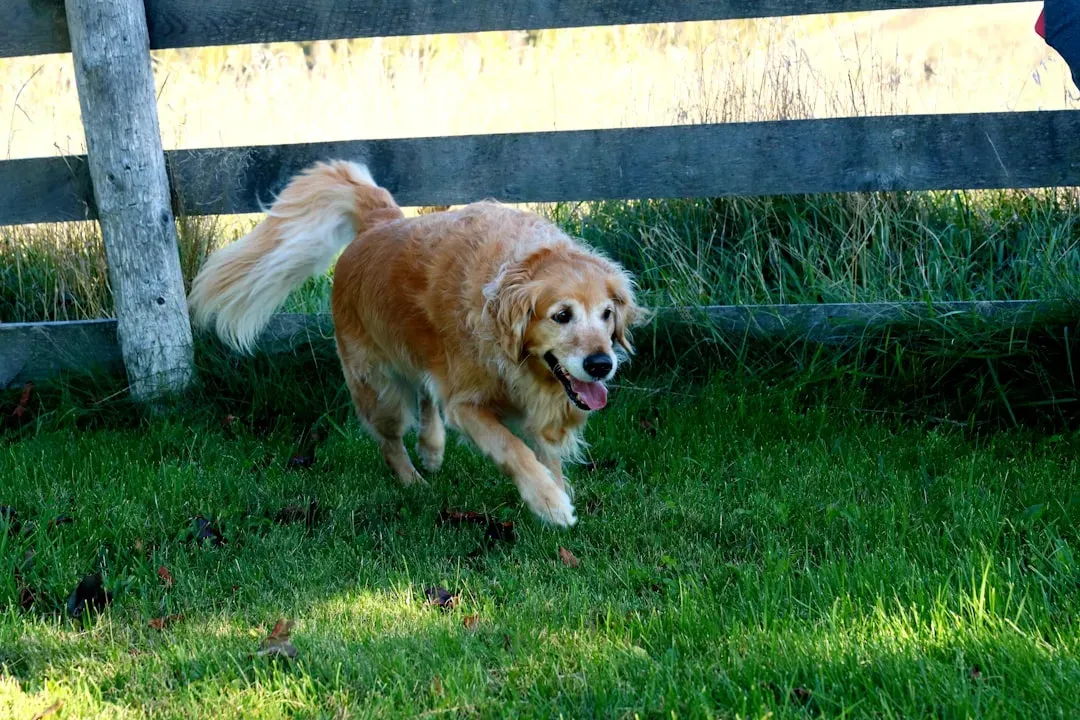
Now we get into the genuinely fascinating part. Tail wagging, which serves as a form of language for dogs, has a vocabulary and grammar that needs to be understood. Important signals in tail wagging include movement, the tail’s position and height, and speed. It’s basically a three-dimensional language.
The speed of the wag indicates how excited the dog is. Meanwhile, the breadth of each tail sweep reveals whether the dog’s emotional state is positive or negative, independent from the level of excitement. So a dog can be highly aroused and either happy or anxious – the breadth is what tells you which one.
A wide, fast-moving tail wag usually indicates excitement and happiness. Dogs display this type of wag when they see their favorite humans, are about to receive treats, or are engaging in playtime.
A stiff tail wag held high often indicates dominance or alertness. Dogs that are feeling assertive or protective may hold their tails up and wag them in small, controlled movements. If a dog exhibits this type of wag while staring intently or stiffening its body, it could be signaling a warning. Approaching a dog displaying this behavior should be done with caution.
There’s also the famous “helicopter tail,” which I personally love. Dogs can have “helicopter tail,” or “circle wag,” which is when their tail goes around like a helicopter blade – a sign of extreme joy. If you’ve seen it, you know it. That spinning tail is practically a standing ovation from your dog.
Left or Right: The Hidden Brain Science Behind the Wag Direction
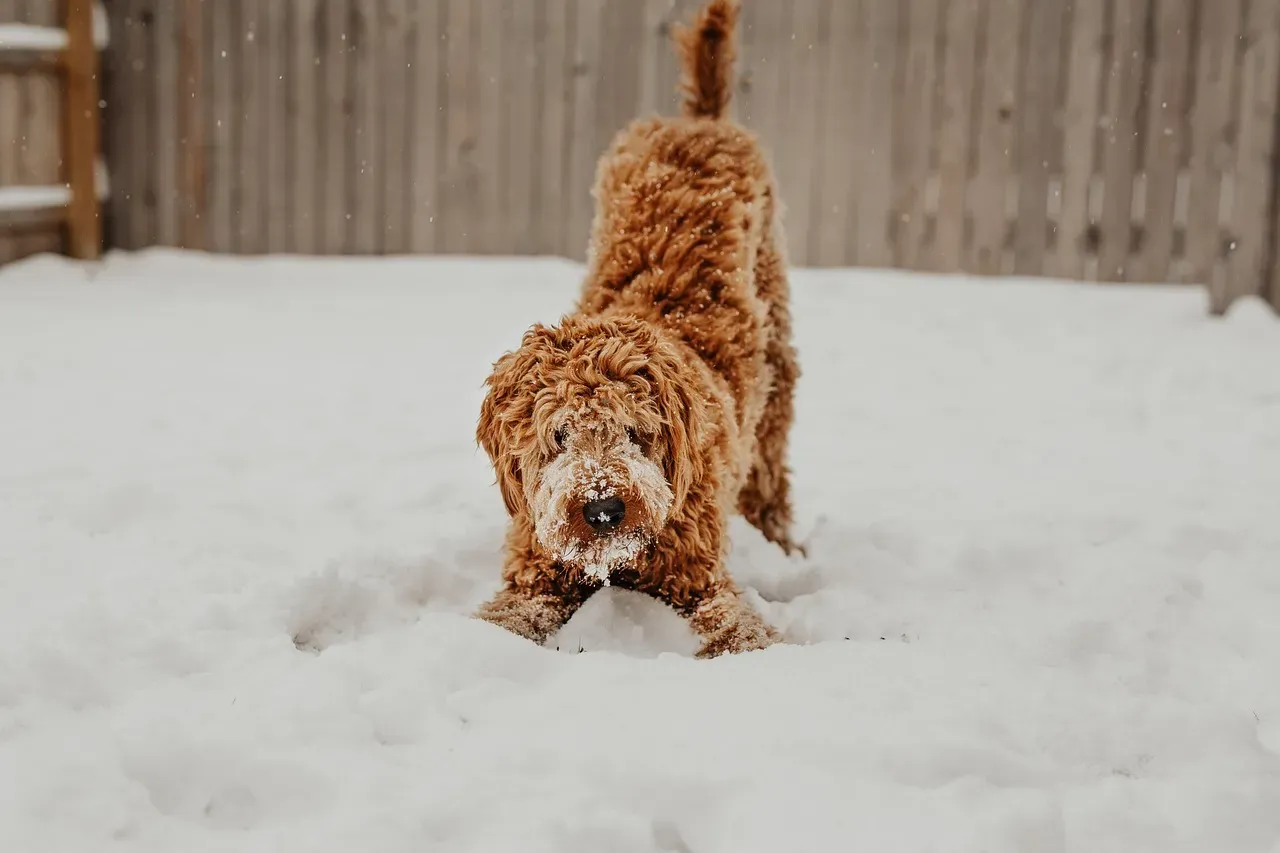
This is the part that honestly blew my mind the first time I read about it. The direction in which your dog wags its tail is not random. It’s directly tied to brain activity, and scientists have spent years unraveling exactly what it means.
Studies show that dogs wag their tails to the right when they are happy or confident and to the left when they are frightened, and there is a reason for this. The left side of the brain controls movement on the right side of the body and vice versa. So the left brain is engaged when the tail wags to the right and the right brain causes the tail to move to the left.
Since the left side of the brain is associated with positive feelings like love and serenity, a happy dog wags his tail to the right. Conversely, the right half of the brain is associated with negative feelings like fear and depression, so a frightened dog wags his tail to the left.
What’s even more astonishing is that other dogs can sense this difference too. To find out if other dogs responded to the direction of tail wags, researchers recruited 43 dogs of various breeds and showed them videos of another dog or a digitized silhouette of a dog with its tail wagging left or right. The observing dogs were fitted with a vest to measure their heart rate, and their behaviors were filmed and analyzed. When dogs looked at tails wagging to the left, their heart rate increased and they showed more signs of stress and anxiety. The dogs were more relaxed when they saw tails wagging to the right.
Interestingly, research also found that tail wagging developed asymmetry toward the right side over three days of dog-human interactions, suggesting that it is a time-sensitive indicator of social familiarity. In other words, as your bond with your dog deepens, the wag itself physically shifts in direction.
Fear, Submission, and the Low-Tail Wag You Should Never Ignore
Let’s be real – this one gets overlooked all the time. A tail wag combined with a low or tucked position is one of the most emotionally loaded signals a dog can send, and most people miss it entirely because they only notice the movement, not the height.
Having a low tail, either tucked between the legs or low and wagging really slowly, is a sign of submission or appeasement to a more aggressive or dominant individual. This is your dog essentially saying, “I’m not a threat. Please don’t hurt me.” It’s not cute – it’s a cry for reassurance.
A low, slow wag combined with a tucked tail often indicates fear or submission. Dogs displaying this type of body language may feel intimidated, stressed, or anxious. This behavior is commonly observed in dogs who are uncomfortable with a situation or experiencing fear of punishment.
It is important to recognize that a dog with a wagging tail does not necessarily mean they want to interact or continue an interaction. A tail may begin to wag tentatively during an interaction – the message here is “pause.” Dogs experiencing emotional conflict may begin to wag their tails rapidly as a reflection of their discomfort. Tail wags are often misinterpreted to mean that the dog is “friendly” and wants to engage, when the dog may be trying their best to find a way to end the interaction. In some cases, this miscommunication ends with physical confrontations such as snaps or bites.
Breed Differences, Docked Tails, and Reading the Whole Dog
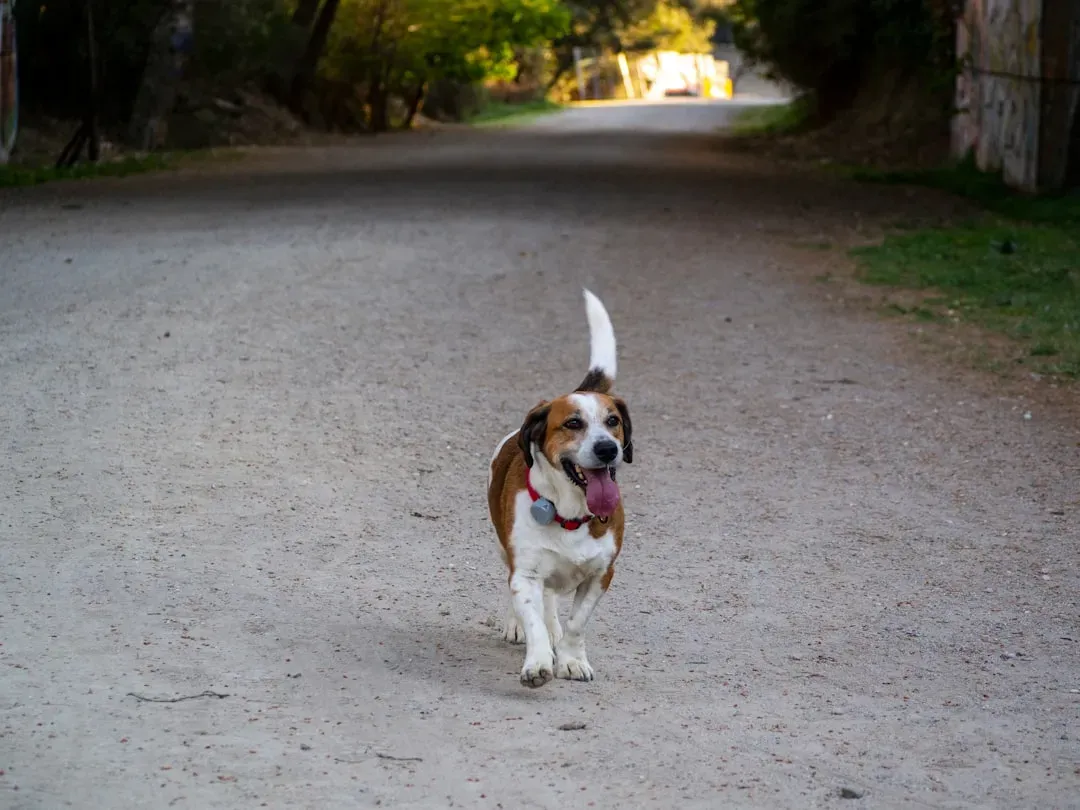
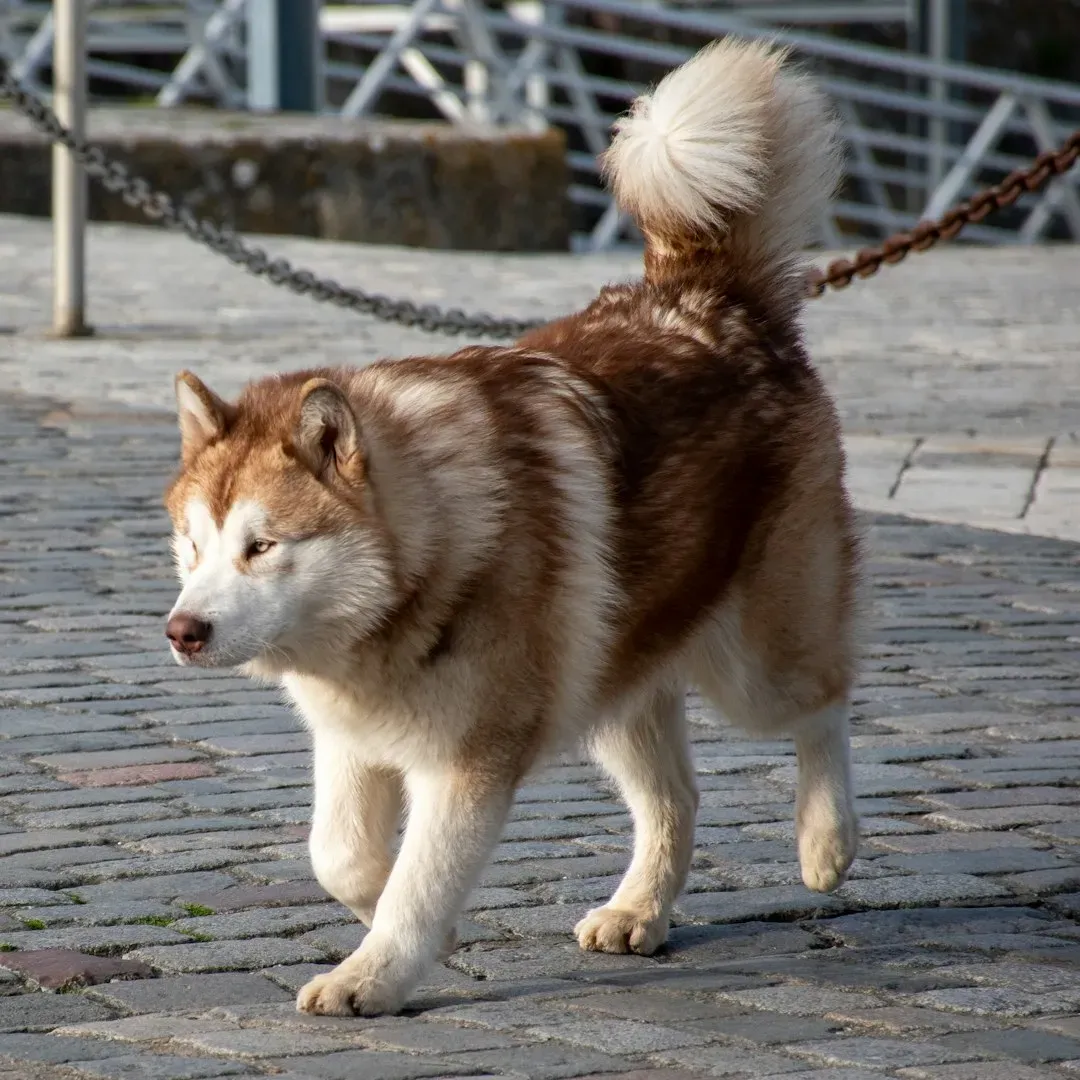
Here’s a curveball not many pet owners think about: not every dog has the same “baseline” for their tail position. It’s important to understand that the neutral or natural position of a dog’s tail varies by breed. Most dogs have tails that hang down near their heels when they are relaxed. But some dogs, for example beagles, hold their tails more vertically. Breeds such as greyhounds and whippets curl their tails under their bellies while many other breeds, such as Siberian huskies and Norwegian elkhounds, curl their tails over their backs.
Not all dogs have the same tail structure, and breed differences can affect how a dog wags its tail. Some dogs have naturally short tails, like Bulldogs or Corgis, while others have long, flowing tails, like Golden Retrievers.
Dogs are more likely to approach other dogs with long tails when they exhibit wagging behaviour. They are less likely to approach dogs with short tails, even if they exhibit the same wagging behaviour. This may be because it is easier to interpret the social cues expressed by a longer tail, compared to a short one.
Some breeds have traditionally docked tails, such as Boxers and Dobermans. While these dogs can still communicate through body language, their ability to use tail movements may be limited, making other forms of canine communication more important for interpretation. It’s a little like trying to read someone’s facial expression when they’re wearing a mask. The message is still there – just harder to decode.
The bigger lesson? It is always important to observe and interpret the tail wag in conjunction with all the dog’s postures. Tail wags are just one of the dog’s many communication tools. The ears, eyes, posture, and even breathing all tell a story at the same time. The tail is the headline – but the rest of the body is the full article.
Conclusion
Your dog has been trying to talk to you this whole time. The tail isn’t just a wagging appendage powered by pure joy – it’s a sophisticated, neurologically rooted communication system that carries emotional nuance most of us have never fully appreciated.
The next time your dog greets you at the door, take a slow look. Is the wag wide and sweeping, pulling the whole rear end along for the ride? Or is it stiff, elevated, and controlled? Is the tail tucked low, or is it spinning in triumphant helicopter circles? Each answer tells you something completely different about how your dog is feeling in that exact moment.
Once you start seeing the full language instead of just the motion, your relationship with your dog deepens in a way that’s hard to put into words. You stop just looking at your dog and start truly listening to them.
So the next time that tail starts moving – which side is it leaning toward? Have you ever noticed before today?
