
If you’ve ever been walking through the woods and felt a sudden, eerie quiet settle over the trees, you know how unsettling it can be. One second the chickadees are chattering away, and the next, it’s like someone hit mute on the whole forest. That silence is not random background noise disappearing; it’s a message. In fact, that hush might mean a predator has just slipped into the scene, and the chickadees noticed it before you did.
Once you realize that, an ordinary walk outside suddenly feels different. You’re not just “in nature”; you’re inside an ongoing, high-stakes conversation that birds are having about danger, safety, and survival. Chickadees, with their tiny bodies and big voices, are some of the best alarm systems the wild has to offer. Understanding what their sudden silence means is like learning to read the emotional pulse of the forest, and honestly, once you see it, you can’t unsee it.
The Chilling Quiet: What Sudden Silence Really Means
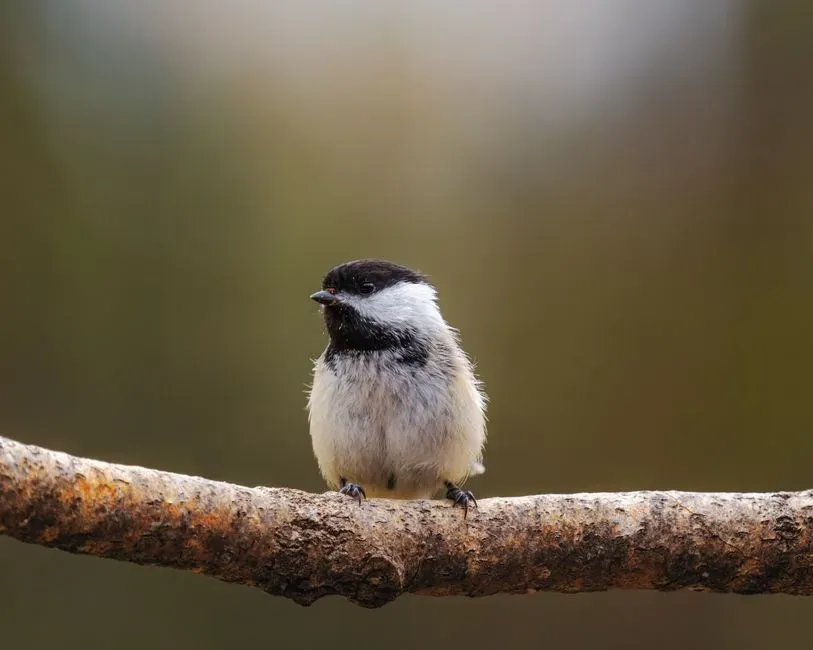
It feels almost spooky when the cheerful dee-dee-dee you’ve been half ignoring just stops midstream. That sharp drop from chatter to quiet is not the birds getting bored; it’s more like someone in a crowded room suddenly saying, “Shut up, something’s wrong.” Chickadees are famously vocal, so when they go silent, that absence is a signal in itself. Psychologically, it is similar to a human crowd freezing at the sound of a loud crash down the hall – attention snaps to potential danger.
Silence, in this context, is a survival strategy. Noise attracts attention, and if a hawk, owl, or sneaky cat is around, the last thing a chickadee wants is to stand out. Think of it as the bird version of holding your breath when you hear footsteps outside your door at night. That quiet is both a self-protective reflex and a broadcast to any animal tuned into the acoustic landscape: something out there is not safe, stay sharp.
The Chickadee Brain: Tiny Birds, Big Cognitive Skills
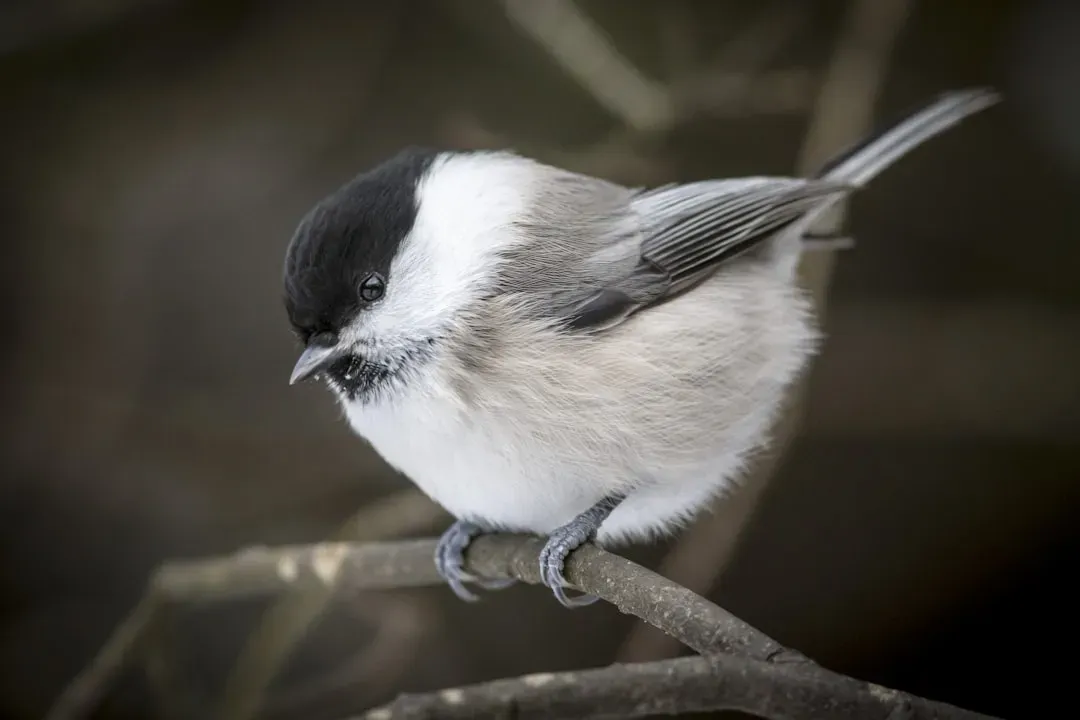
It’s easy to underestimate chickadees because they’re small, cute, and common, but cognitively they’re surprisingly sophisticated. Their brains support sharp attention, flexible learning, and impressive memory, especially when it comes to survival-relevant details. They can distinguish between different types of predators, remember where they cached food months earlier, and adjust their social behavior depending on who’s nearby. This is not random flapping; it’s strategic living.
When chickadees suddenly go quiet, it’s not just a knee-jerk flinch. Their nervous system is rapidly evaluating movement, shapes, and sounds – deciding whether what they see is a fluttering leaf, a harmless squirrel, or something lethal. That quick shift from easygoing chatter to intense silence shows an underlying psychological process: rapid threat appraisal. In a way, chickadees are running a constant, instinctive risk assessment, and their behavior flips as soon as the mental calculation says, “This could kill me.”
From Chatter to Code: The Famous Chick-a-dee Alarm System
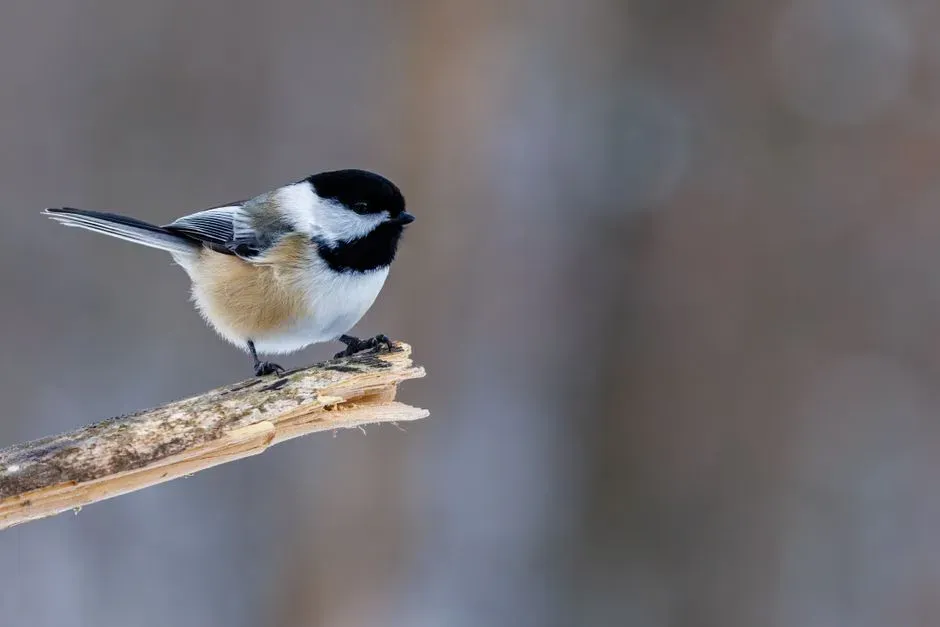
Most people know chickadees for their chick-a-dee-dee calls, but fewer realize those sounds function like an information-rich code. Researchers have found that chickadees vary the number and structure of their “dee” notes depending on the type of threat and how dangerous it is. More “dee” sounds often correlate with smaller, more agile predators that are particularly dangerous to a tiny songbird. It’s like they’re sending a detailed group text about what exactly is out there.
Silence fits into that same communication system, just at the opposite end of the spectrum. Sometimes birds call loudly to recruit help or spread specific details; other times, they shut up to avoid notice altogether. Imagine you’re warning friends that a pickpocket is nearby – whispering is better than yelling. In intense situations, chickadees might give a brief alarm and then drop into quiet, especially if the predator is already very close. To an attentive listener, that sudden vacuum of sound can be just as meaningful as a loud alarm.
Predator Psychology: How Birds Read and React to Threats
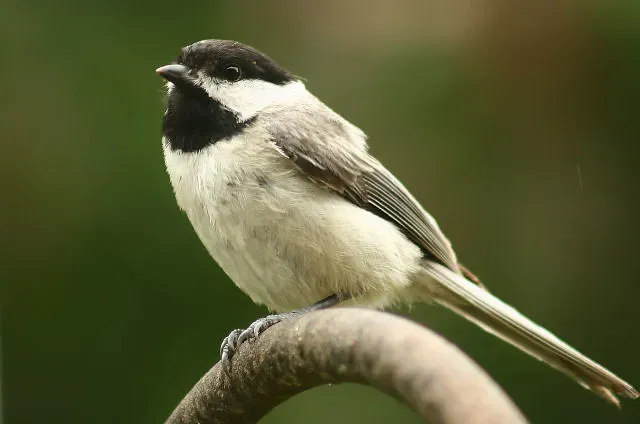
It’s not only that chickadees detect predators; it’s also about how they interpret the type of threat and what it means for them. A distant soaring hawk overhead is dangerous but less urgent than a sharp-shinned hawk darting through the branches. Chickadees adjust their behavior based on predator size, hunting style, and distance, which is a surprisingly nuanced psychological assessment for such a small brain. They’re not merely reacting to any movement; they’re modeling risk.
In practice, that can look like a rapid shift from normal foraging to freezing in place, diving deeper into cover, or slipping to the far side of a branch to stay hidden. The collective silence acts like a low-profile defensive shield. Instead of running around in panic, they reduce their acoustic and visual presence, hoping the predator either misses them or moves on. It’s the same basic strategy we use when we instinctively step back, lower our voice, and avoid eye contact around someone who feels threatening.
The Social Network of the Forest: Eavesdropping on Danger
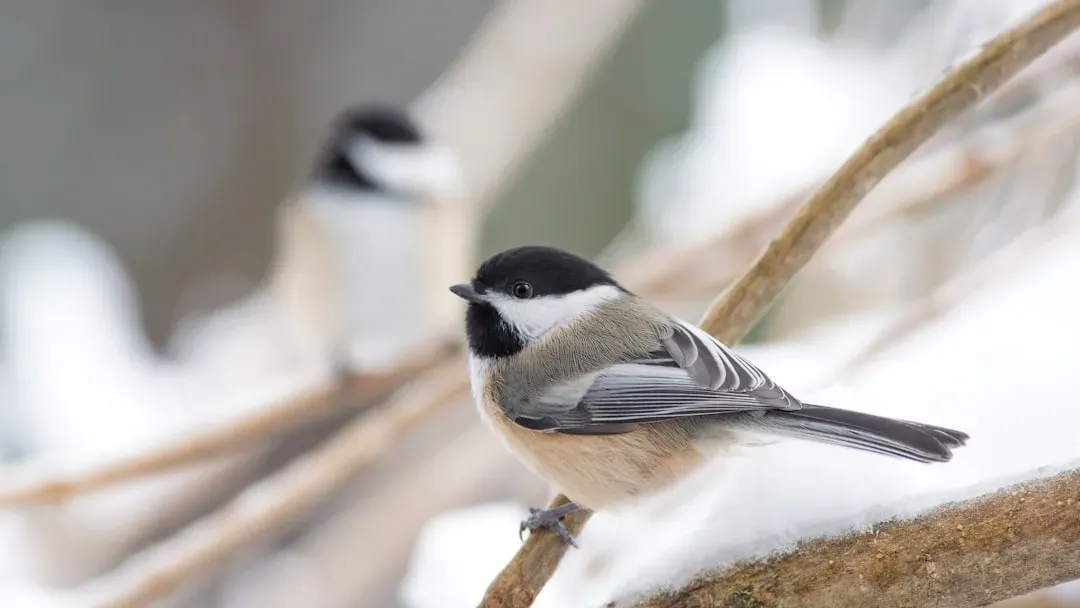
Here’s where it gets even more fascinating: chickadees are not only listening to their own kind but also to other species, and those other animals are listening back. Many birds and even some mammals pay attention to chickadee calls and silences as a kind of early-warning system. When chickadees go silent or shift to alarm calls, other animals often respond as if receiving a security alert from a trusted neighbor. The forest is full of eavesdroppers, and that’s exactly how the system is supposed to work.
This creates a loose, cross-species social network, held together not by friendship but by shared vulnerability. Chickadees benefit, too, because they can pick up on warning calls from titmice, nuthatches, jays, and others. Silence in one species can ripple out, causing a broader hush that blankets the area. From a psychological perspective, it’s a powerful example of social contagion: one group’s fear changes everyone’s behavior, the way a single startled person can cause a whole crowd to bolt.
Emotional Contagion: Fear, Vigilance, and Group Behavior
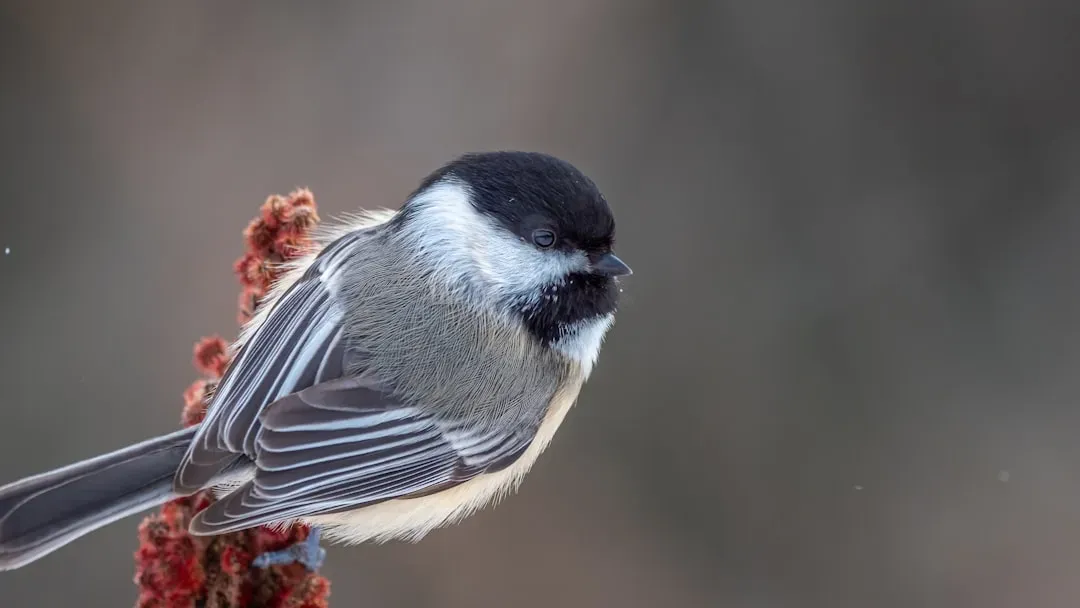
If you’ve ever been in a room where one tense person put everyone on edge, you already understand bird flocks more than you think. Among chickadees, fear spreads quickly. One bird spotting a predator might freeze or flee, prompting others to do the same, even if they haven’t seen the danger directly. This is a kind of emotional contagion: the internal state of one individual shapes the behavior of others through subtle cues in posture, movement, and sound – or sudden lack of sound.
From a psychological standpoint, this is an efficient way of handling risk. Not every bird needs to verify the threat firsthand; trusting the reactions of others is faster and often safer. The group essentially uses shared attention and coordinated silence as a collective defense mechanism. It’s the equivalent of everyone in a movie theater leaning forward at the same jump scare, except for chickadees the stakes are not just emotional – they’re life or death.
Listening Like a Scientist: How You Can Read the Soundscape
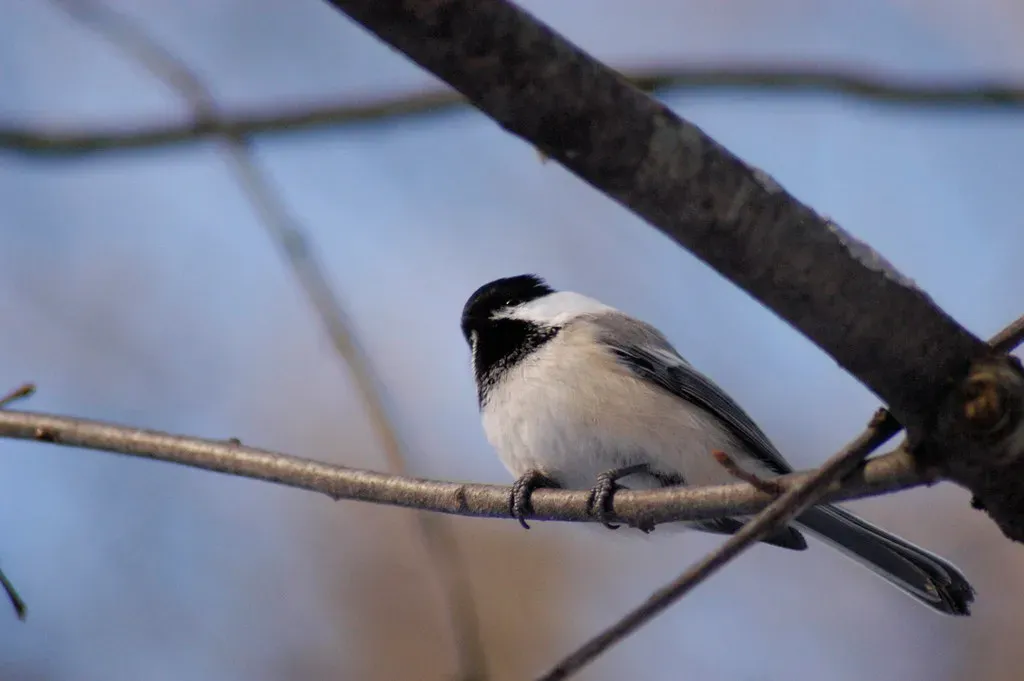
Once you start paying attention, you can read the soundscape almost like a weather report. A forest full of casual calls, background chips, and light chatter usually means things are relatively safe. But if you walk into an area where chickadees were calling and suddenly everything cuts out, that’s worth noticing. I remember the first time I caught this – I was on a trail, the chickadees went dead quiet, and less than a minute later a hawk glided low between the trees. After that, I never heard “silence” the same way again.
You don’t need scientific equipment to tune into this; you just need to slow down and really listen. Start by noticing what “normal” sounds like in your local park or backyard, then pay attention to the moments when that baseline shifts. Sudden quiet, especially after active calling, can mean a predator is nearby, even if you never see it. You may not become a field biologist overnight, but you’ll feel more connected and alert, like you’ve joined a conversation that was happening over your head all along.
Why This Matters for Conservation and Everyday Life
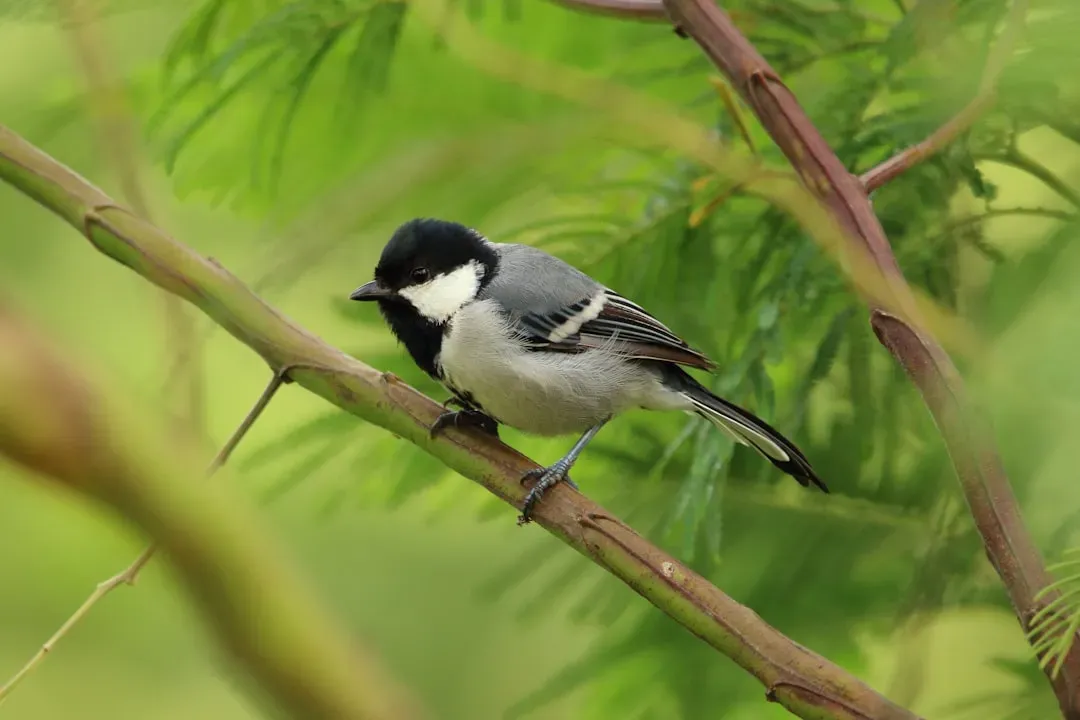
Understanding what chickadee silence means isn’t just a fun nature party trick; it changes how we think about animals and the spaces we share with them. Realizing that birds use elaborate acoustic cues, including strategic quiet, forces us to see them as thinking, feeling creatures managing constant stress and risk. It makes those background bird sounds feel less like wallpaper and more like a living, breathing communication network that we have a responsibility not to disrupt.
On a practical level, paying attention to these subtle signals can deepen support for protecting habitats where these complex behaviors can unfold. Noise pollution, habitat fragmentation, and relentless disturbance can all interfere with the delicate sound-based systems animals rely on to detect predators and stay alive. In my view, once you grasp that a chickadee’s sudden silence may be a terrified calculation about survival, it becomes harder to shrug off their needs as secondary to our convenience.
Conclusion: The Forest Is Talking – Are We Willing to Listen?
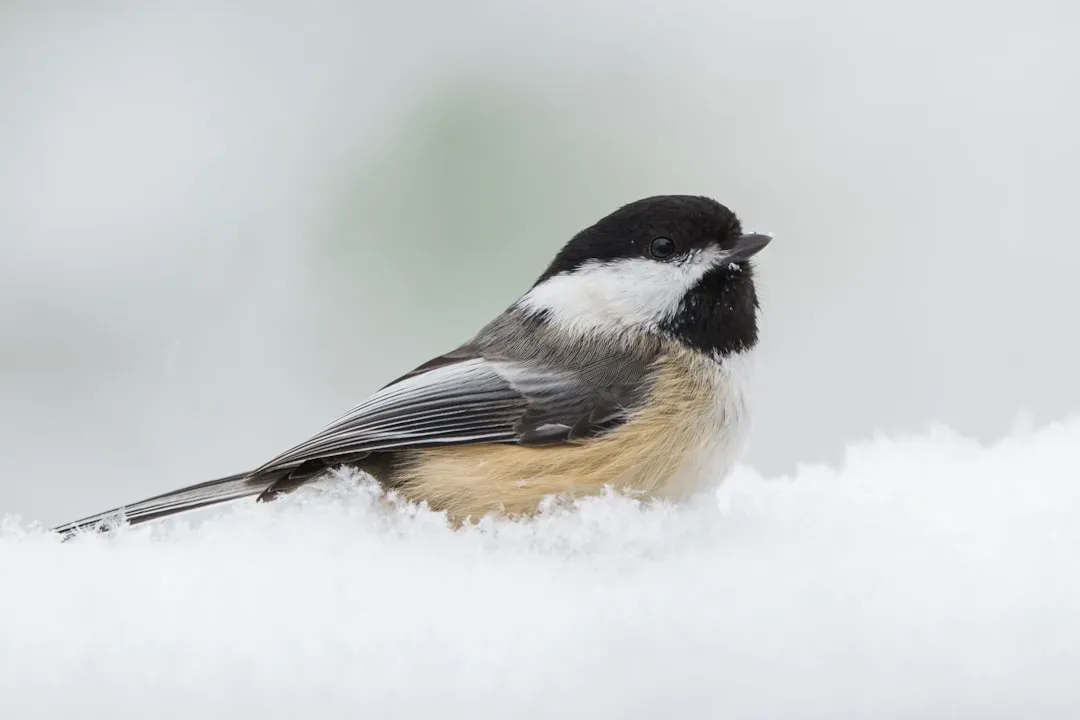
The idea that chickadees fall quiet because they may have detected a predator nearby is not just a neat nature fact; it’s a reminder that the world around us is saturated with meaning, even when it sounds like nothing at all. That abrupt hush is a psychological and behavioral pivot point – a tiny brain making a life-or-death judgment in a fraction of a second. To me, it’s almost arrogant to call these birds “simple” once you realize how finely tuned their threat detection and communication really are.
I think the bigger question is whether we choose to stay deaf to this, or whether we’re willing to treat bird calls and silences as signals worth respecting. When chickadees suddenly go silent, they are not merely disappearing into the background; they are shouting in the language of absence that something is wrong. If we ignore that, we miss a chance to understand both them and ourselves a little better. Next time the woods fall quiet around you, will you just keep walking, or will you pause and wonder what those tiny sentinels have seen that you haven’t?

- According to Native American Tradition, Coyotes Were Clever Teachers Rather Than Villains - August 13, 2026
- Animal Science Says Blue Jays Remember Thousands of Acorn Hiding Places Each Autumn - August 13, 2026
- Animal Science Says River Otters Play More Where Fish Populations Are Stable - August 13, 2026