
Echoes from Ancient Egypt and the God Horus
🔥 Would you like to save this?
We'll email this post to you, so you can come back to it later!
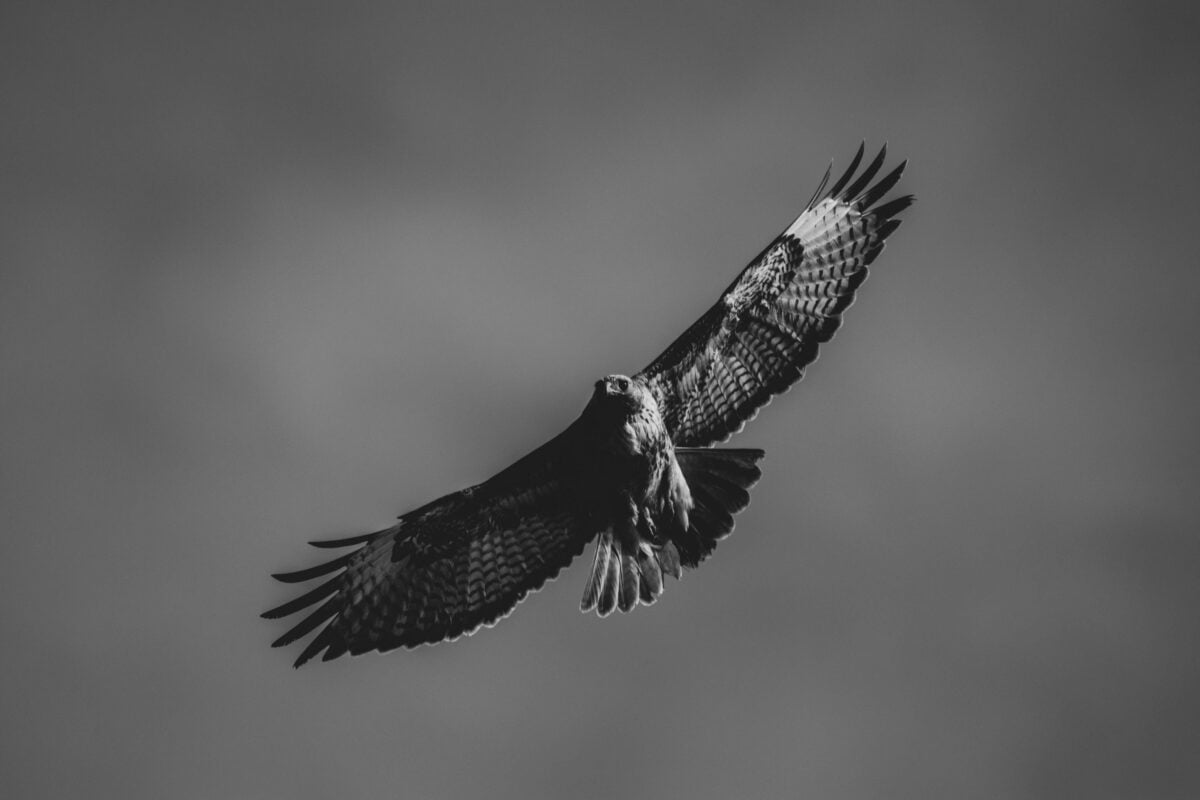
Ancient Egyptians linked hawks and falcons to Horus, the sky god whose eyes represented the sun and moon. A bird soaring high above the land mirrored the deity’s ability to watch over everything below with perfect clarity. Temples and tomb art showed the falcon form as a symbol of kingship and protection that reached across both the physical world and the divine.
Stories tied the bird’s elevated view to insight that ordinary people on the ground could not reach. When a hawk appeared in daily life or in dreams, it sometimes suggested that guidance from above was available if one chose to notice it. These associations traveled through trade and conquest, shaping later ideas about birds of prey as carriers of important sight.
Messages in Greek and Roman Skies
🔥 Would you like to save this?
We'll email this post to you, so you can come back to it later!
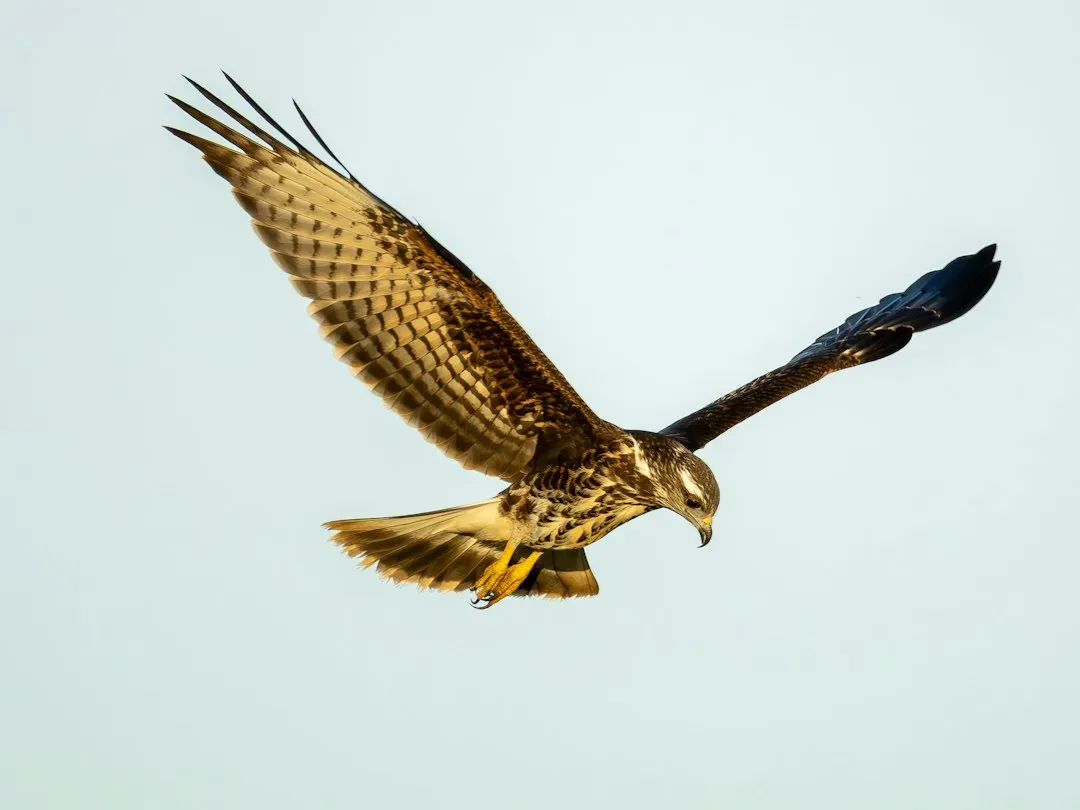
Greek tradition cast the hawk as a swift messenger tied to Apollo, the god of prophecy and light. Observers watched the direction and height of its flight for clues about coming events. Roman augurs turned this practice into a formal system, reading the paths of birds to advise leaders on everything from battles to public decisions.
A circling hawk could signal that a broader pattern was visible only from a distance. The motion itself mattered because it showed the bird surveying a wide area before committing to action. These readings treated the sky as a kind of living text that rewarded careful attention rather than quick conclusions.
Native American Views of the Hawk as Guide
🔥 Would you like to save this?
We'll email this post to you, so you can come back to it later!
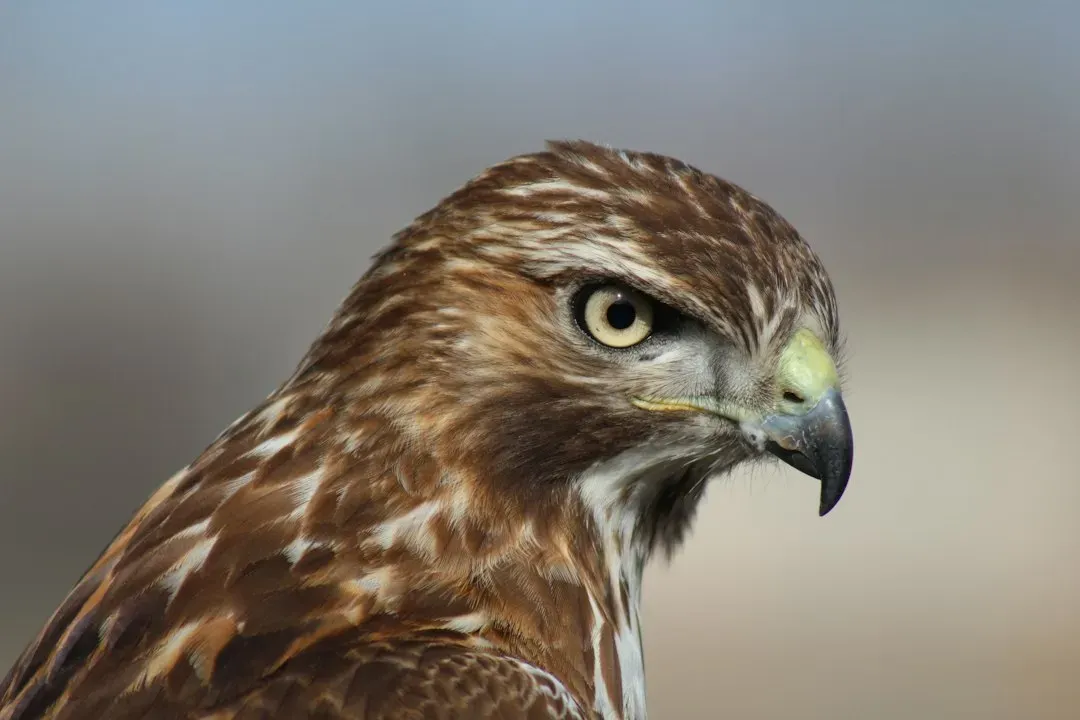
Many Native American nations saw hawks as messengers that moved between the everyday world and the spirit realm. The bird’s sharp vision stood for the ability to spot opportunities or dangers others missed. In some communities the hawk served as a clan emblem or a helper spirit earned through ceremony and respect.
Circling overhead often carried the idea of protection or a reminder to stay alert during times of change. Certain tribes linked the bird to courage and clear thinking in the face of uncertainty. The emphasis stayed on relationship and observation rather than a single fixed meaning for every sighting.

PetSafe Oasys Pet Fountain, 1/2 Gallon (64 oz), Small Dogs & Cats
Check Price on AmazonAs an Amazon Associate, we earn from qualifying purchases.
10/8/2026 8:14 am GMTi

Professional 7 in 1 Dog Paw Cleaner for Dogs & Cats - Includes 1 Portable Paw Washer, 1 Bath Brush
Check Price on AmazonAs an Amazon Associate, we earn from qualifying purchases.
10/7/2026 1:26 pm GMTi

Portable Dog Water Bottle Foldable Dog Travel Water Bottle
Check Price on AmazonAs an Amazon Associate, we earn from qualifying purchases.
10/7/2026 1:29 pm GMTi

2 Pcs Halloween Pet Hat Bandana Set, Witch Pumpkin Costumes for Dogs
Check Price on AmazonAs an Amazon Associate, we earn from qualifying purchases.
10/9/2026 2:45 pm GMTi

Dog Stairs for Bed 18" H, 4-Step Dog Steps for High Bed
Check Price on AmazonAs an Amazon Associate, we earn from qualifying purchases.
10/9/2026 2:42 pm GMTi
European Folklore and Signs from the Air
🔥 Would you like to save this?
We'll email this post to you, so you can come back to it later!
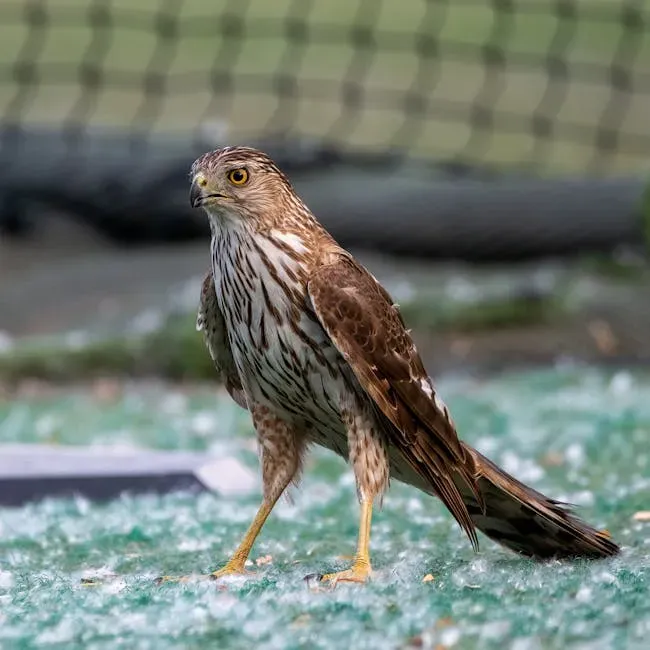
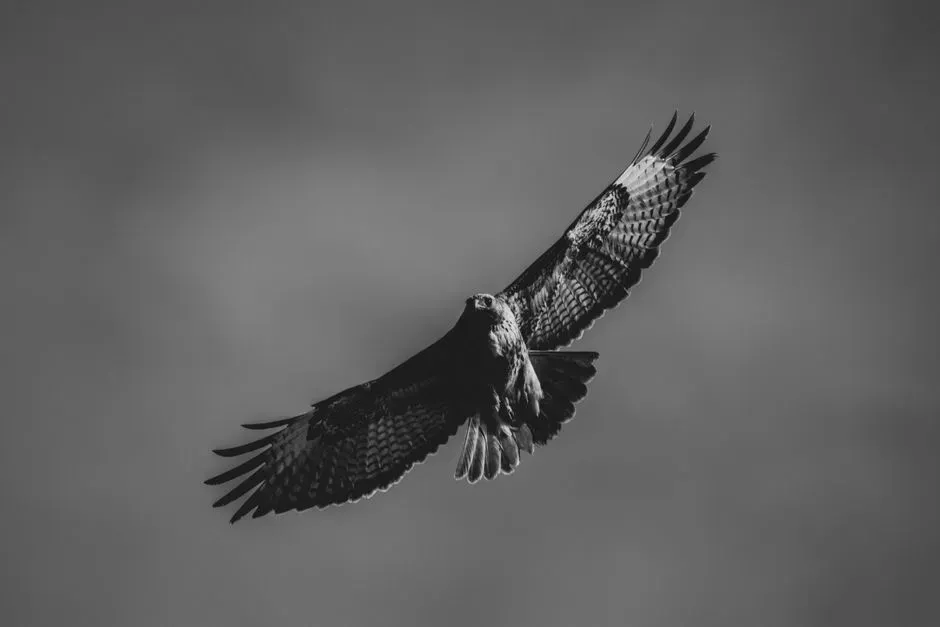
European rural traditions sometimes treated a hawk’s appearance as a prompt to pause and reconsider a plan. The bird’s presence could hint at hidden threats or simply urge greater watchfulness in daily affairs. Stories passed down in villages blended practical knowledge of the bird’s hunting habits with older beliefs about omens.
Celtic accounts occasionally connected hawks to the boundary between ordinary life and the otherworld. A circling bird might suggest that messages could cross that boundary more easily at that moment. These interpretations varied by region and by the specific circumstances of the sighting.
The Role of Perspective in Traditional Stories
🔥 Would you like to save this?
We'll email this post to you, so you can come back to it later!
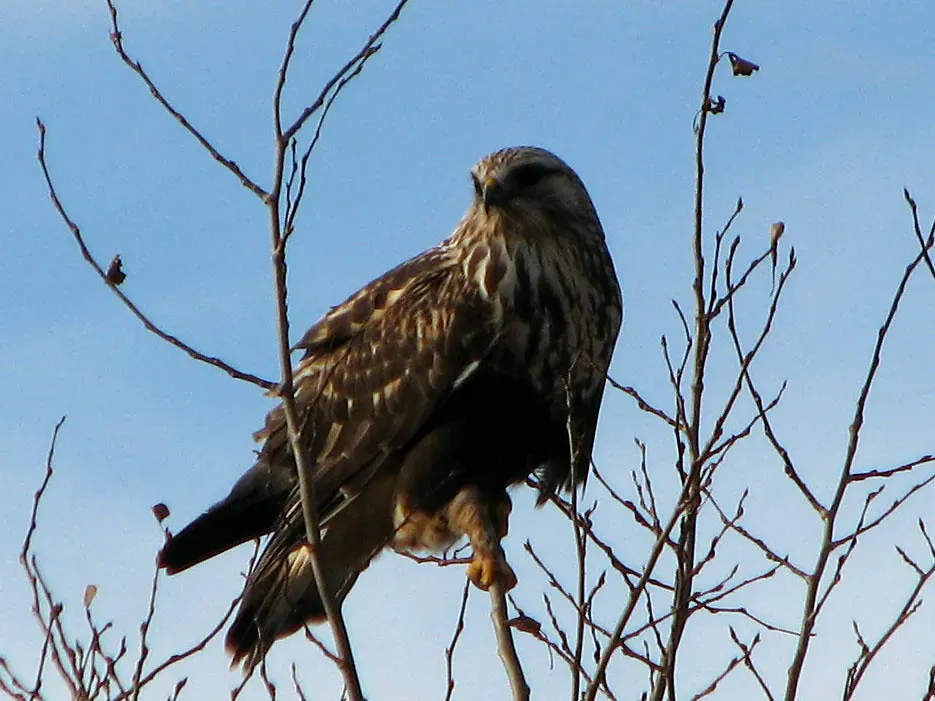
Folklore across continents returns again and again to the hawk’s height as a metaphor for stepping back from immediate worries. The circling flight lets the bird take in the whole landscape at once, an image that storytellers used to describe the value of wider awareness. People who noticed the bird were invited to apply the same habit of looking beyond the nearest obstacle.
This theme appears in accounts where the hawk arrives during moments of confusion or decision. The slow loops become a visual lesson in patience before action. Traditional tellers rarely claimed the bird delivered a personal script; instead they pointed to the chance for clearer thinking that the sighting offered.
Warnings and Protections Across Cultures
🔥 Would you like to save this?
We'll email this post to you, so you can come back to it later!
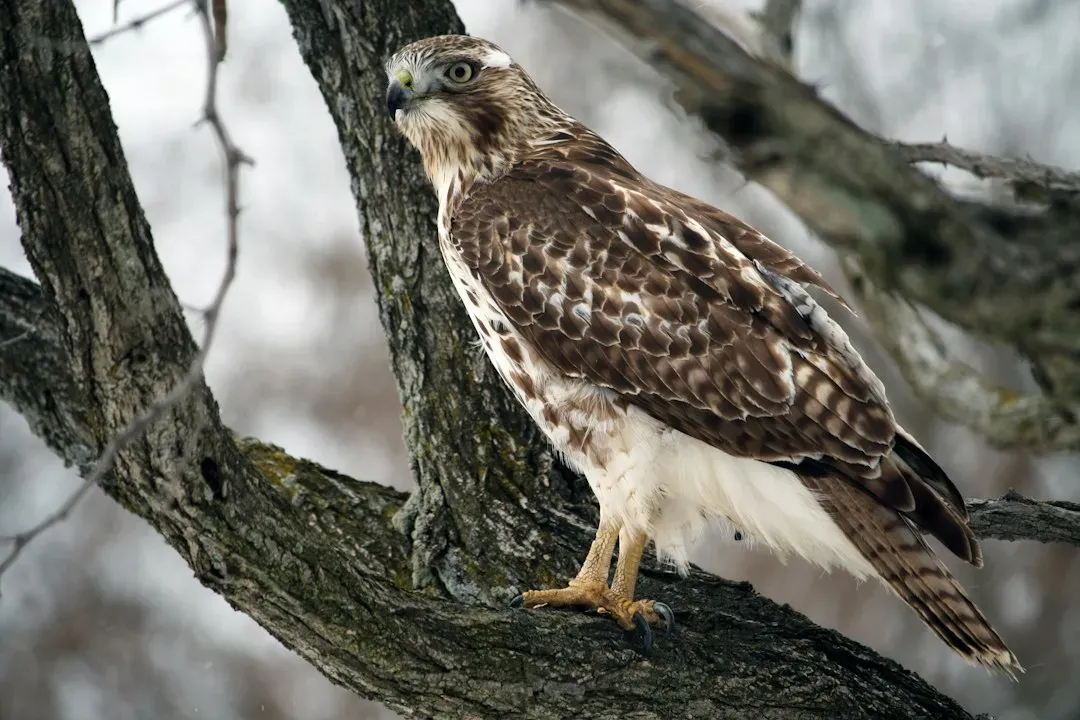
Some traditions treated a hawk overhead as a gentle caution rather than a promise of good fortune. In certain Cheyenne stories the bird could signal the need for extra care around enemies or uncertain paths. The same sighting might read as guardianship in another community, depending on the season or the person’s circumstances.
Protection often came with responsibility. The bird’s presence suggested that guidance was near, yet the observer still had to act on what they saw. These layered meanings kept the folklore flexible and tied to real life rather than rigid rules.

Glass Hummingbird Feeder for Outdoors Hanging, 16 oz Leak-Proof Nectar Feeder with Bee Guards & Ant Moat
Check Price on AmazonAs an Amazon Associate, we earn from qualifying purchases.
10/7/2026 1:22 pm GMTi

Hand Blown Glass Hummingbird Feeders for Outdoors Hanging, 24oz Wild Bird Nectar Feeder
Check Price on AmazonAs an Amazon Associate, we earn from qualifying purchases.
10/7/2026 1:23 pm GMTi

Air Purifiers for Home Pets Large Room Up to 3000 Ft²,HEPA Air Cleaner with Washable Double-Side Filter, PM2.5 Air Quality Monitor,15dB Sleep Mode for Bedroom Odor Dust Pollen,White
Check Price on AmazonAs an Amazon Associate, we earn from qualifying purchases.
10/8/2026 8:23 am GMTi

Halloween Cat Costume Cloak Witch Hat Pet Accessories
Check Price on AmazonAs an Amazon Associate, we earn from qualifying purchases.
10/9/2026 2:44 pm GMTi

Halloween Dog Collar with Bow, Orange Cute Ghost Collar,
Check Price on AmazonAs an Amazon Associate, we earn from qualifying purchases.
10/9/2026 2:43 pm GMTi
Why the Circling Motion Holds Special Weight
🔥 Would you like to save this?
We'll email this post to you, so you can come back to it later!
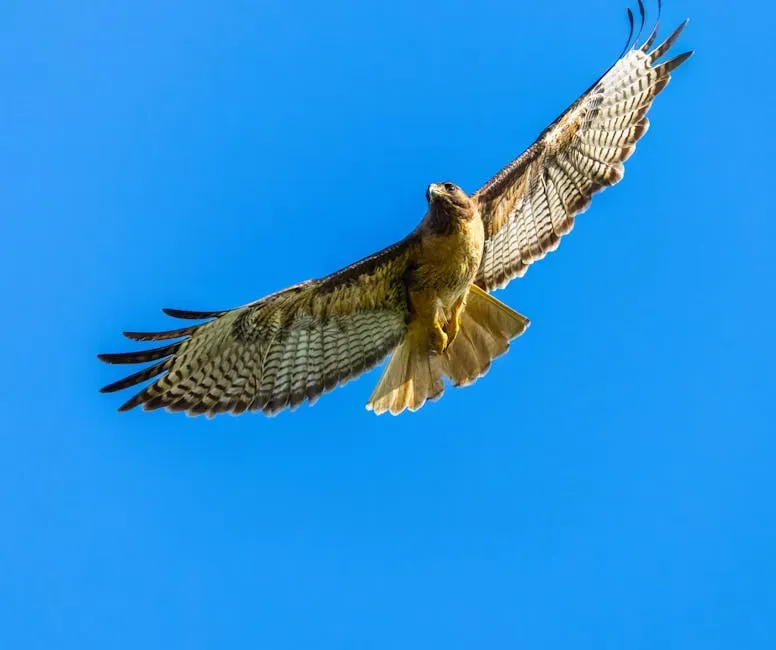
The circular path stands out in stories because it combines patience with readiness. The hawk does not rush; it waits for the right moment while maintaining a broad view. Folklore picked up on that balance as a model for human decisions that benefit from both observation and eventual commitment.
Across different regions the motion also echoed ideas of cycles and return. A bird that loops back over the same ground could remind listeners that some answers require revisiting a situation from a new angle. The visual repetition gave storytellers a simple way to talk about persistence and timing without needing elaborate explanation.

Smart Bird Feeder with Camera Solar Powered, 2K HD Live Video, 10,000+ Bird Species AI Identification
Check Price on AmazonAs an Amazon Associate, we earn from qualifying purchases.
10/7/2026 1:22 pm GMTi

Glass Hummingbird Feeder for Outdoors Hanging
Check Price on AmazonAs an Amazon Associate, we earn from qualifying purchases.
10/7/2026 1:21 pm GMTi

Earth Rated XL Dog & Puppy Pee Pads, Discreet Top, Max Absorbency
Check Price on AmazonAs an Amazon Associate, we earn from qualifying purchases.
10/7/2026 1:28 pm GMTi

Orthopedic Extra Large Dog Bed, Waterproof Washable XL Pet Bed 44"
Check Price on AmazonAs an Amazon Associate, we earn from qualifying purchases.
10/7/2026 1:32 pm GMTi
Reflections on Enduring Symbols
🔥 Would you like to save this?
We'll email this post to you, so you can come back to it later!
These old stories persist because they attach meaning to something people still notice every day. A hawk circling does not require belief in any single tradition to feel significant. The real value lies in the invitation to look up and consider what a wider view might reveal in one’s own life. That quiet prompt has traveled through generations because it asks something simple yet useful of anyone willing to pause.
