#1 Predators Have Found the Box
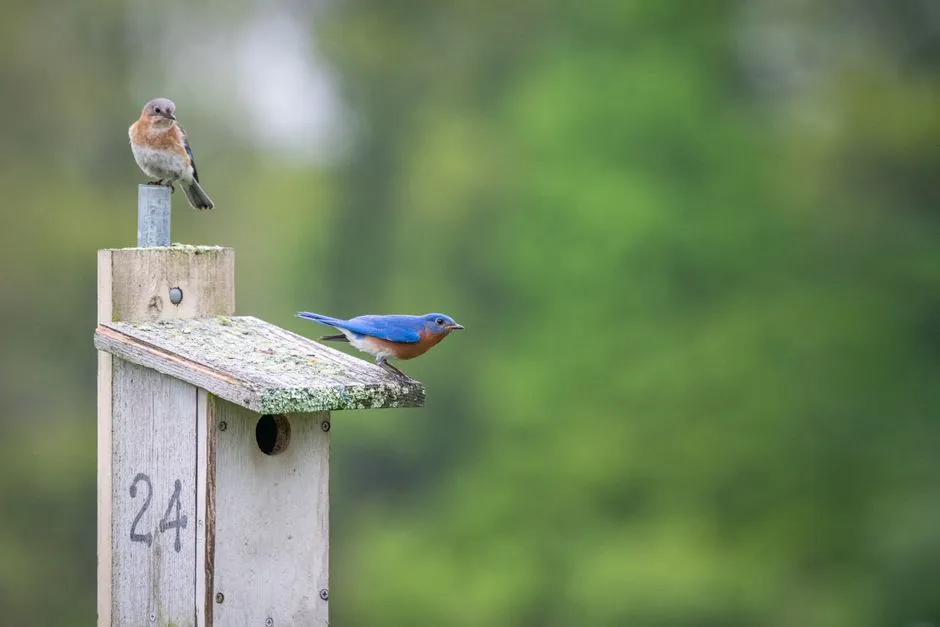
One of the most common reasons bluebirds abandon a nest box is predation, or even just the threat of it. Snakes, raccoons, and house cats are notorious for raiding boxes, and once a predator has successfully accessed a nest, the surviving adults often won’t return, even if the box itself is still intact. Bluebirds are highly attuned to danger signals near their nest site, and the scent or visible damage left behind by a predator can be enough to make them permanently relocate.
Sometimes the predation isn’t obvious at first glance. A raccoon might reach in and take eggs or nestlings without leaving much visible mess, leaving the human observer puzzled while the birds themselves clearly understood something the box owner missed. Installing a predator guard, such as a baffle on the mounting pole, is one of the most effective ways to prevent this from happening again, and many bluebird enthusiasts consider it a non-negotiable part of responsible box placement.
#2 House Sparrows or Wrens Have Taken Over
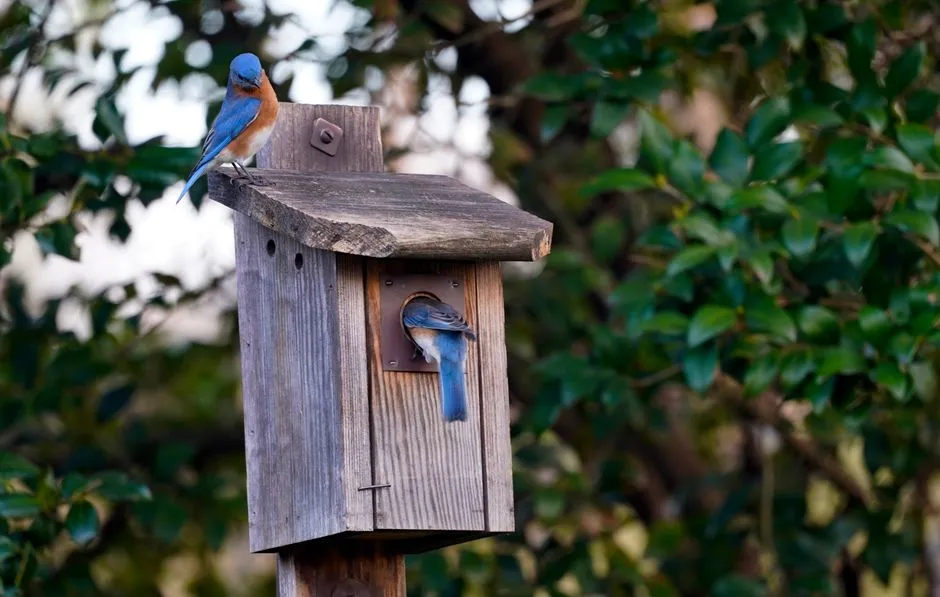
Competition from other cavity-nesting birds is a frequent and frustrating cause of sudden bluebird departures. House sparrows in particular are aggressive toward bluebirds and have been known to enter boxes, destroy eggs, kill nestlings, and even harm adult bluebirds sitting on the nest. If a box owner notices a house sparrow lingering near a previously active bluebird box, that’s often the missing piece of the puzzle.
House wrens present a gentler but still disruptive form of competition. Rather than attacking bluebirds directly, wrens are known for filling nearby boxes with sticks or even puncturing bluebird eggs to reduce competition for insects near their own nest. Because both of these species are common across much of North America, monitoring nest boxes regularly during the early nesting season gives owners a chance to intervene before competition turns fatal.
#3 The Nesting Attempt Simply Failed Naturally
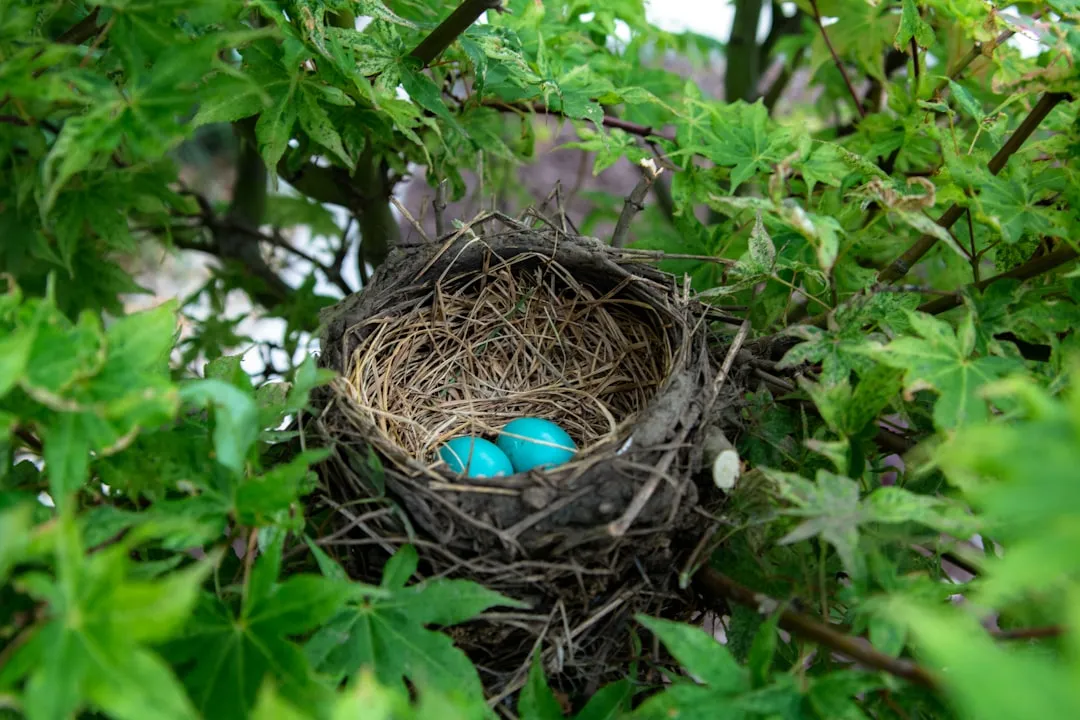
Not every abandoned box points to a dramatic event. Sometimes eggs fail to hatch due to fertility issues, sudden cold snaps, or extended rain that chills the eggs beyond recovery. When this happens, adult bluebirds will often abandon the nest attempt and, in many cases, leave the immediate area entirely rather than starting over in the same spot.
This kind of failure can be disappointing to witness, especially after weeks of watching a pair build and incubate. It’s worth remembering that wild bird reproduction has a natural failure rate built into it, and bluebirds are resilient enough to often attempt a second brood elsewhere in the same season. A box that goes quiet in late spring doesn’t necessarily mean the pair is gone from the property, just that they’ve moved their efforts to a different location.
#4 Human Disturbance Near the Box
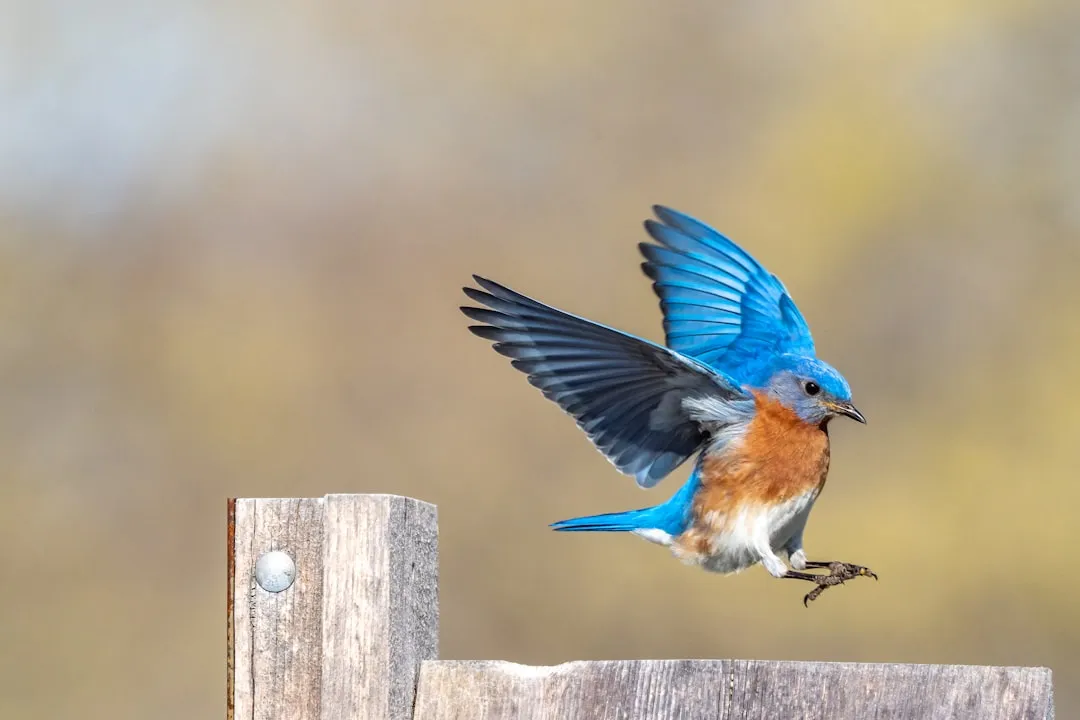
Bluebirds are more tolerant of humans than many wild birds, but there are limits. Frequent, close inspection of the box, especially during the egg-laying or early incubation stage, can sometimes cause a skittish pair to abandon the site altogether. Loud noises, new construction nearby, or even a change in mowing patterns close to the box can shift a pair’s sense of safety.
Pets are another underestimated factor. A dog that regularly patrols near the box, or a cat allowed to roam outdoors, can create enough perceived threat that the bluebirds decide the location is no longer worth the risk. Reducing the frequency of nest checks to roughly once a week, and keeping pets away from the immediate area during nesting season, tends to lower the chances of this kind of disturbance-driven departure.
#5 Parasites or Poor Box Conditions
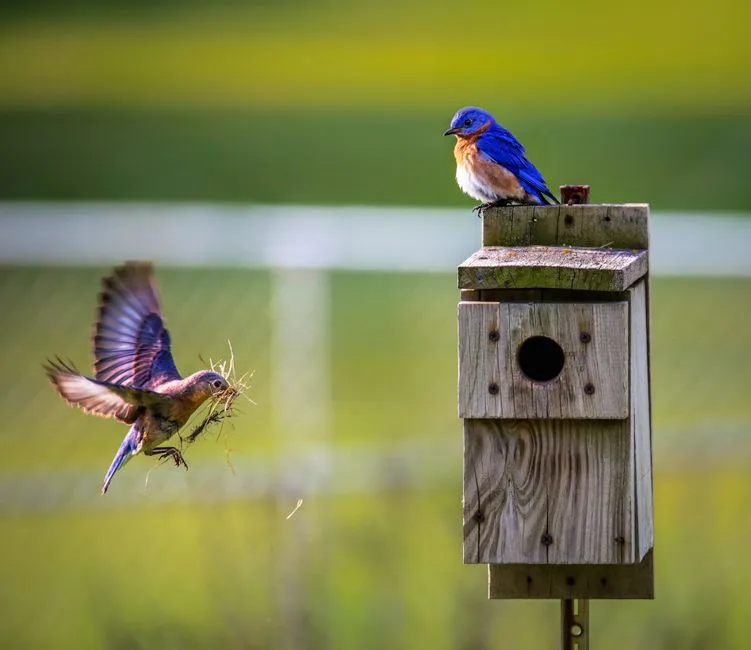
Blowfly larvae and mites are a lesser-known but genuinely significant reason bluebirds sometimes abandon an active nest. These parasites live in the nest material and feed on nestlings, and in severe infestations, adult birds may desert the nest even if eggs or young are still present. A box that smells unusually sour or shows small dark insects crawling near the nest cup is often dealing with exactly this problem.
Old, unclean boxes are more prone to this issue, which is part of why experienced bluebird landlords clean out boxes between broods and at the end of each season. A box left with old nesting material from a previous year can harbor mites that overwinter and reinfest a new nest almost as soon as it’s built. Simple maintenance, done at the right times, removes one of the more preventable causes of sudden abandonment.
#6 Seasonal Migration or Range Shifts
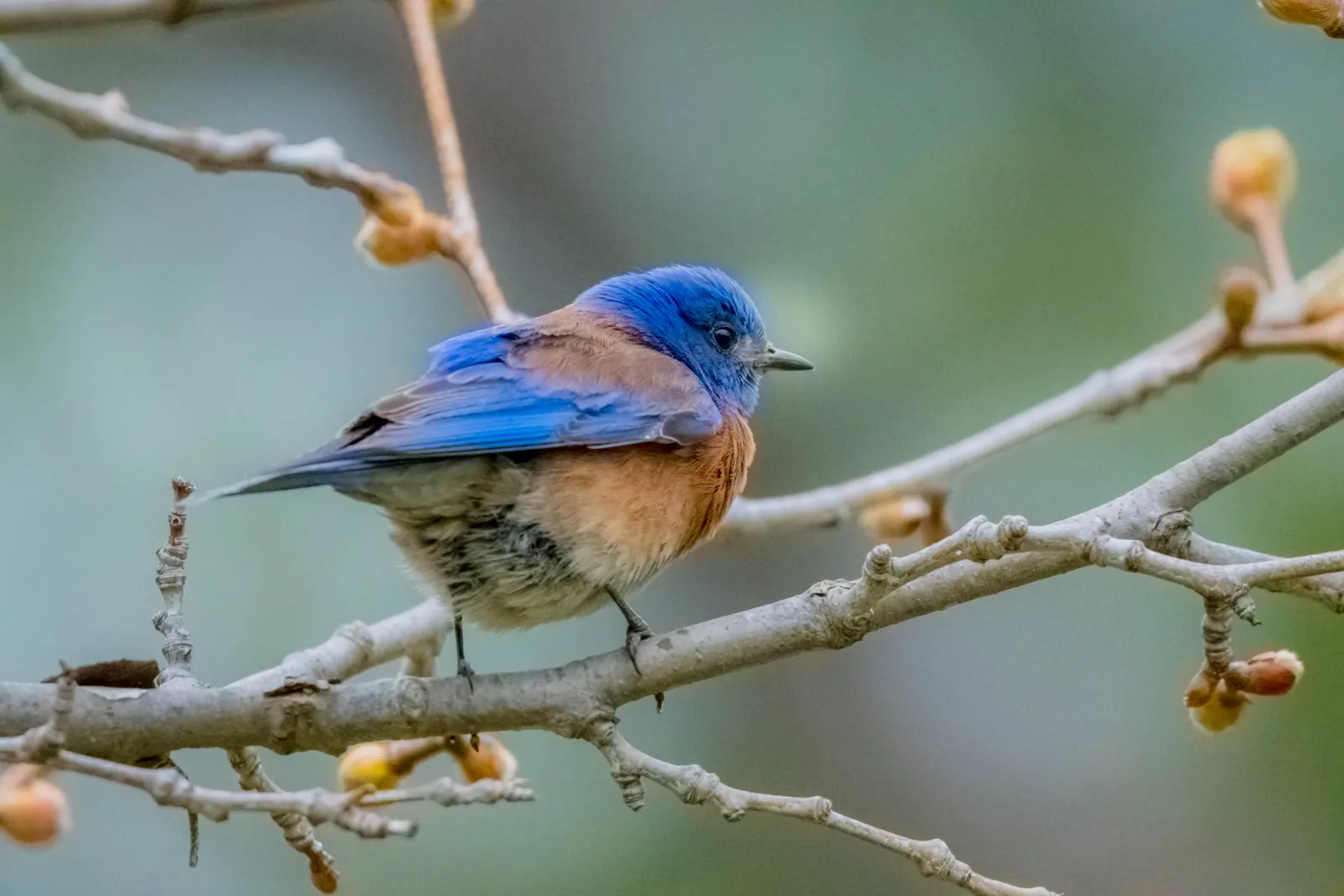
Not every disappearance is a crisis. Eastern and western bluebirds are only partially migratory, meaning some populations move south for the winter while others stay put if food and shelter remain available. If a box goes quiet in late summer or early fall, it may simply reflect the natural rhythm of bluebirds shifting away from breeding territories once the nesting season winds down.
This pattern varies quite a bit depending on region and local climate, so a sudden absence in October in a northern state carries a very different meaning than the same absence in July. Homeowners in milder climates sometimes see bluebirds year round, using boxes for shelter during cold nights even outside of breeding season. Understanding the seasonal calendar for a specific region helps separate a normal migratory pause from a genuine problem with the nest site.
#7 The Box Location Itself Has a Flaw
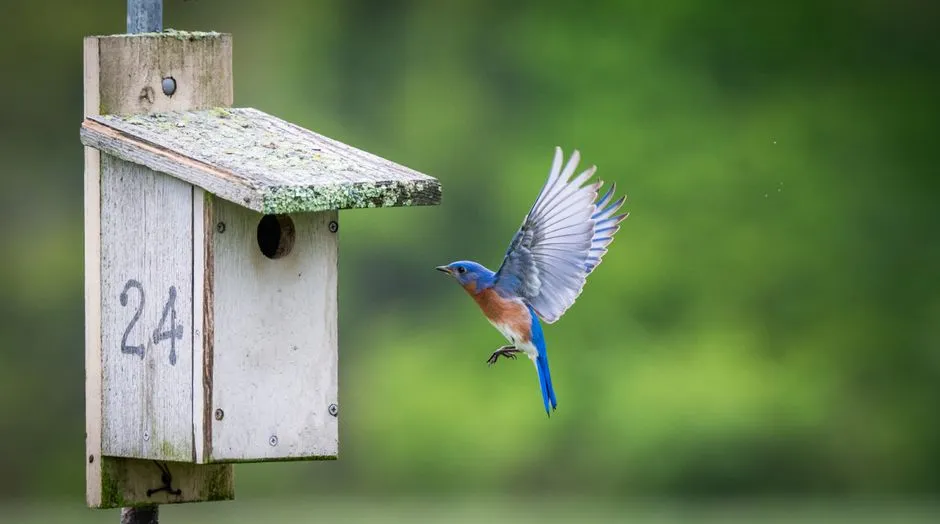
Sometimes the issue isn’t a predator, a competitor, or the weather, but the box placement itself. Bluebirds prefer open areas with short grass nearby for hunting insects, and a box that’s become shaded by growing trees or surrounded by taller vegetation than it once had may simply be less appealing than it used to be. Boxes placed too close together, or too near dense shrubs that give predators easy cover, can also become less attractive over time even if they were successful in previous years.
Orientation and mounting height matter too, though these are usually set correctly from the start rather than changing suddenly. Still, a fence line that’s been removed, a new structure built nearby, or even a change in nearby land use can alter how safe or suitable a box feels to a returning pair. Periodically reassessing the box’s surroundings, not just the box itself, is a detail many well-meaning box owners overlook.
Final Thoughts