
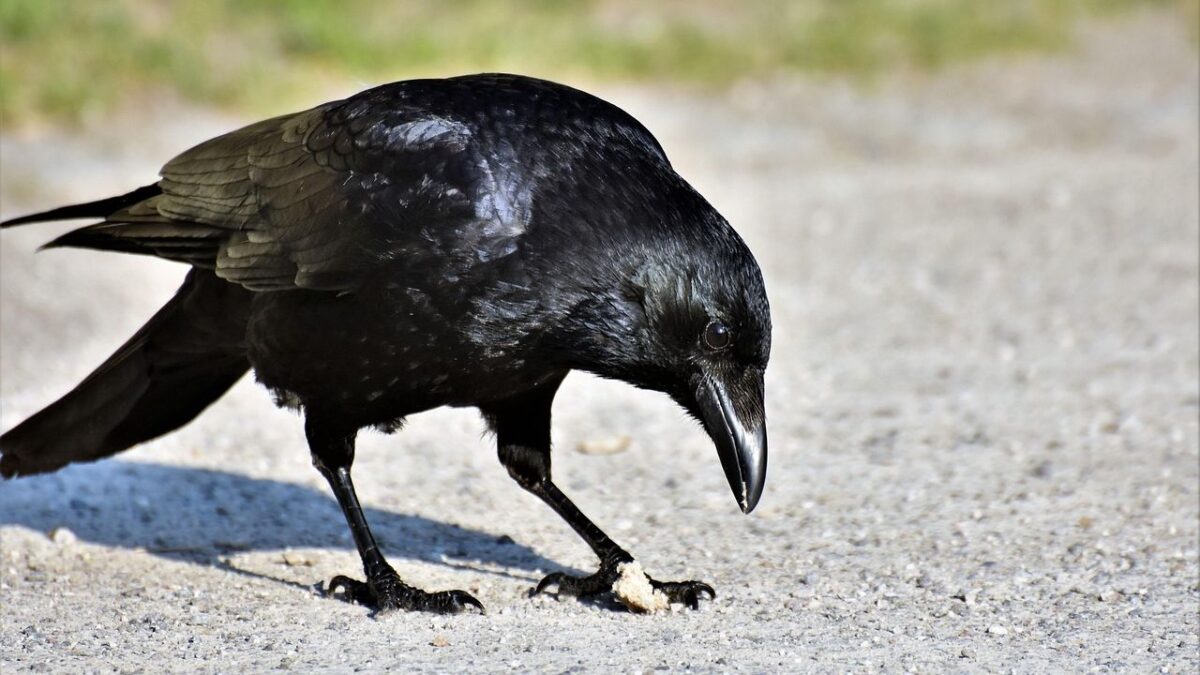
One morning you step outside and spot a small shiny object or a bit of food left neatly on the railing. At first it seems like random debris, yet something about the placement makes you pause and wonder if the crows that visit your yard had anything to do with it.
Stories like this surface often enough to spark real curiosity about what these clever birds might be up to when they interact with people who feed them regularly.
Recognizing the Signs of Crow Interaction
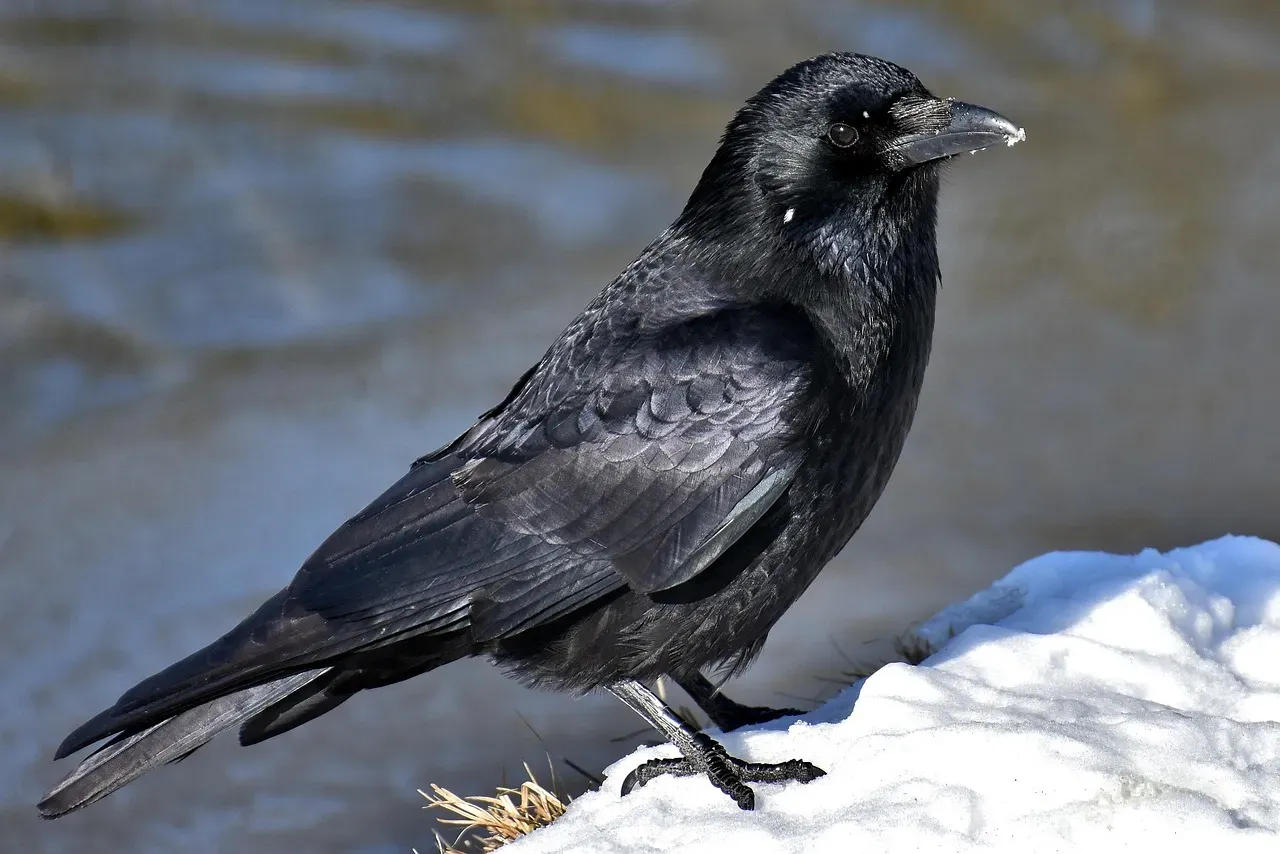
Crows are highly observant and often form routines around reliable food sources. When they start leaving items behind, it usually follows a period of consistent feeding and calm presence from the human side. People notice these tokens most often near feeders or on porches where the birds have grown accustomed to finding snacks.
The objects tend to appear in the same spots the crows frequent, suggesting a deliberate choice rather than pure chance. Over time the pattern becomes familiar enough that homeowners begin to expect the occasional surprise.
Common Items Crows Choose to Leave
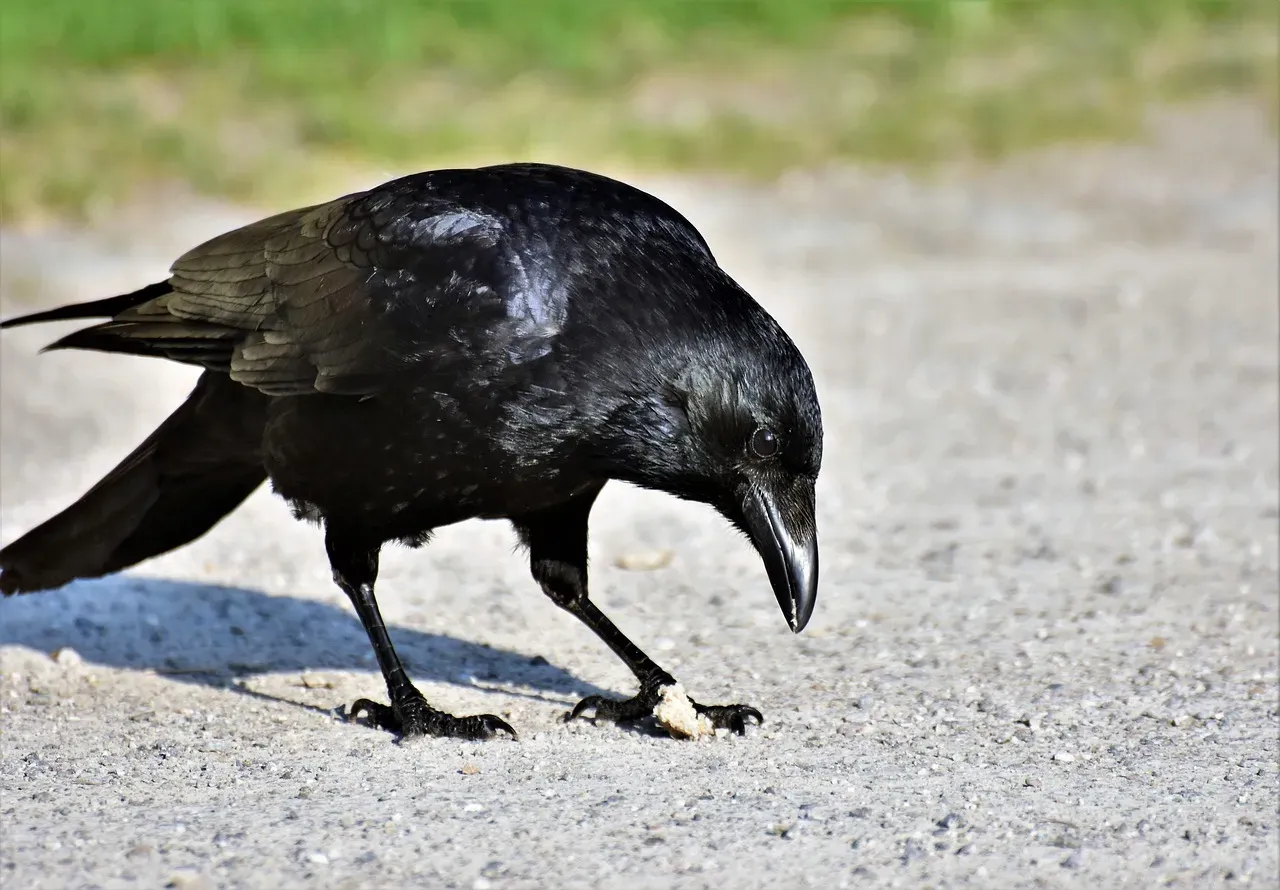
Reports describe a range of small objects such as buttons, bits of foil, pebbles, or even food scraps the birds themselves might value. These items often reflect what crows encounter in their daily scavenging or what they associate with positive exchanges. The variety shows how adaptable their choices can be depending on the local environment.
Shiny or colorful pieces stand out because crows are drawn to visual novelty. Yet the gifts are rarely elaborate, keeping the focus on simple tokens that fit their natural behaviors.
How Feeding Builds Familiarity
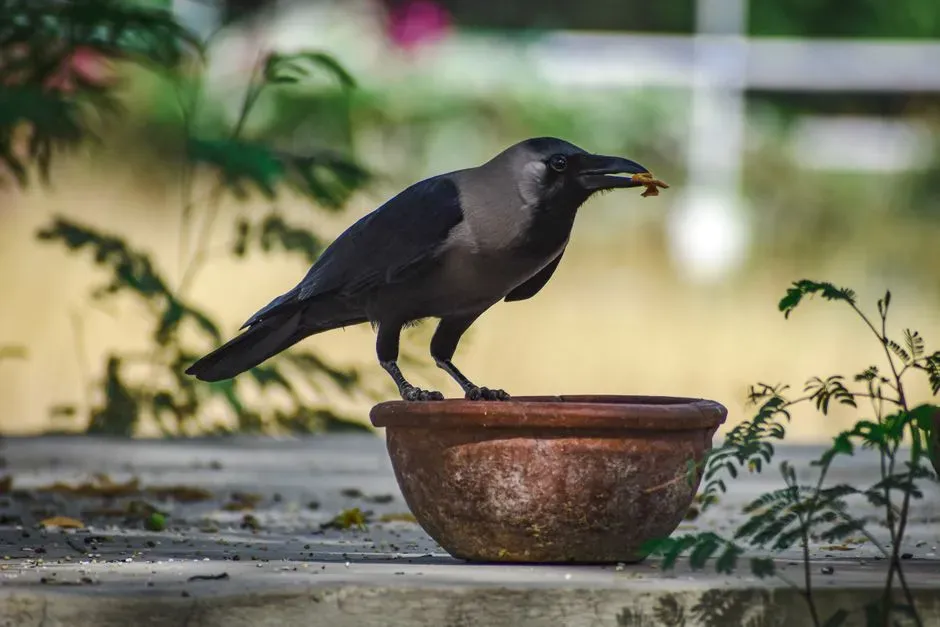
Regular offerings of nuts, seeds, or scraps create a reliable association for the birds. Crows learn to recognize individual people and adjust their comfort level accordingly. This familiarity appears to encourage closer approaches and occasional returns with something in their beak.
Consistency matters more than quantity. Birds that receive steady, low-pressure interactions seem more likely to linger and explore the space around a home. The relationship develops gradually through repeated, uneventful visits.
Possible Reasons Behind the Behavior
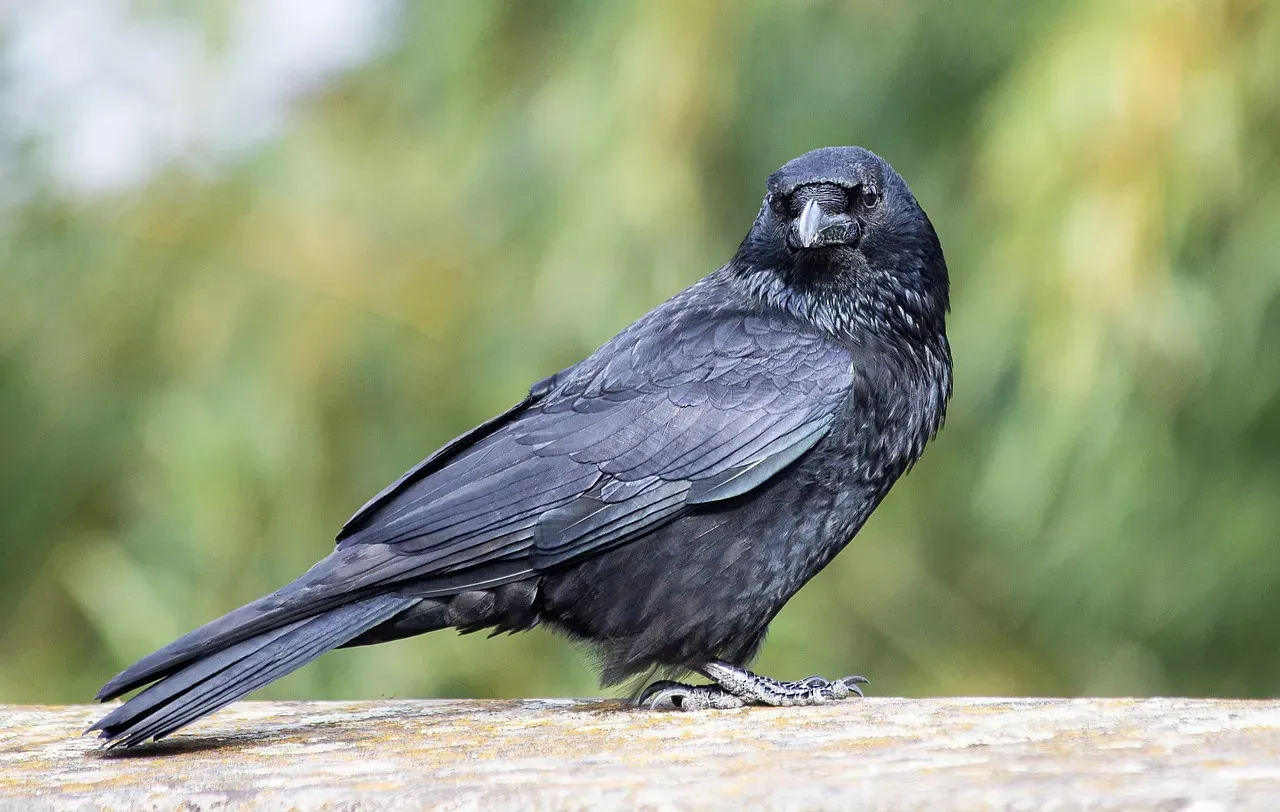
One explanation centers on social exchange, where crows treat trusted humans somewhat like they treat other members of their group. Leaving an object could represent an extension of their natural tendency to share resources within a flock. Another view suggests the items are simply dropped or cached near a safe spot and later noticed by the homeowner.
Researchers note that the behavior remains open to interpretation because direct observation of intent is difficult. Still, the repetition across different locations points to something more than random coincidence in many documented instances.
Distinguishing Real Patterns from Anecdotes
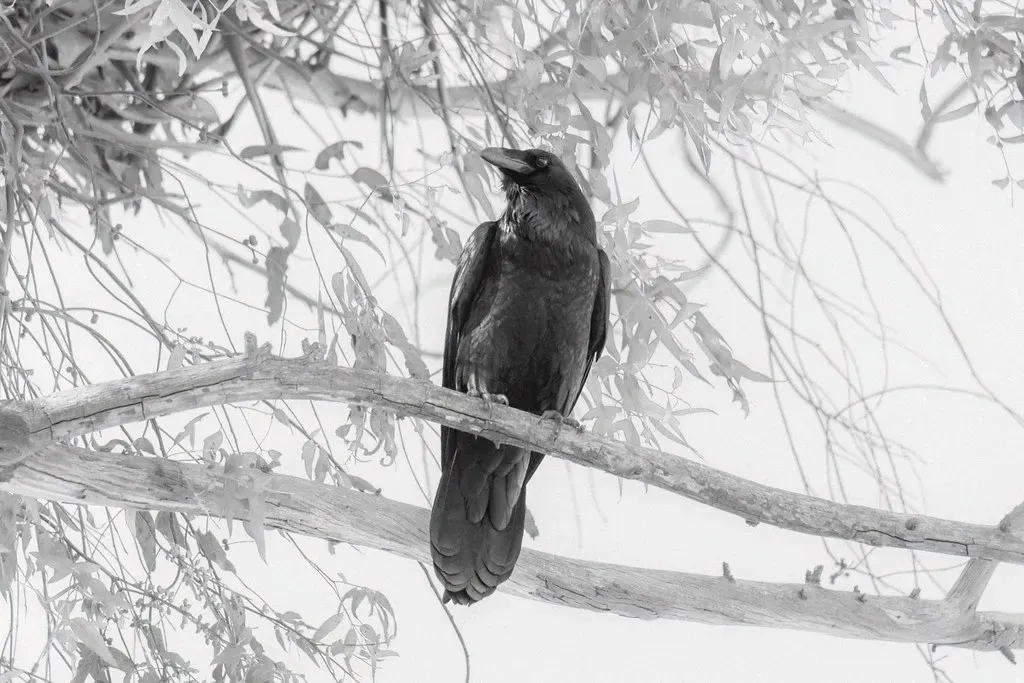
Observations collected over years show that gifting tends to occur with people who maintain steady feeding routines and avoid sudden movements or threats. The pattern holds across urban and suburban settings where crows have adapted well to human presence. Not every feeder receives gifts, which adds to the selective nature of the reports.
Tracking multiple accounts reveals that the birds often focus on a single reliable person rather than scattering items widely. This selectivity supports the idea that individual recognition plays a role in the exchanges.
What the Presence of Gifts Suggests About Local Crows
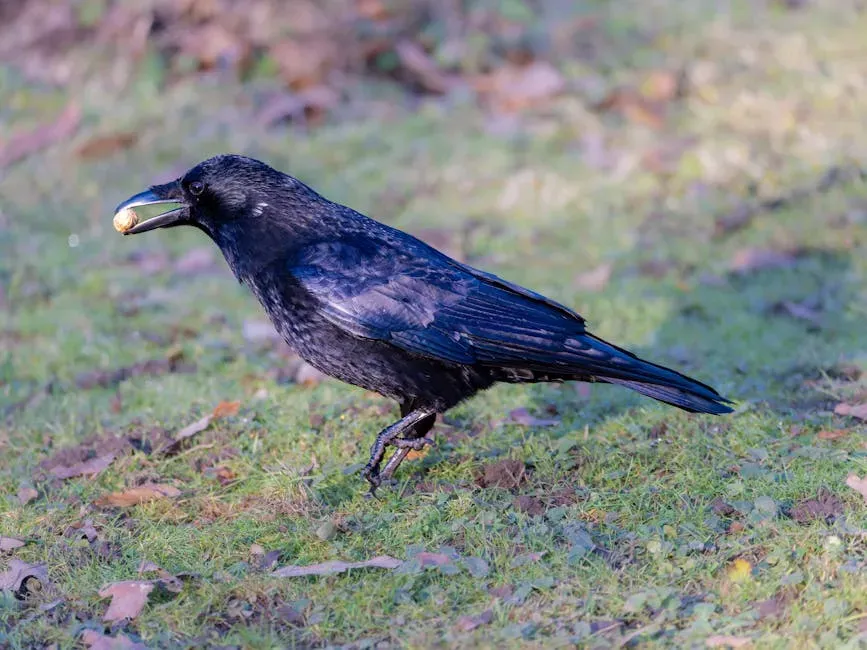
When crows begin leaving items, it often signals they view the area as a safe extension of their territory. The behavior can indicate growing trust that allows closer coexistence without alarm calls or avoidance. Homeowners sometimes notice the birds becoming more tolerant of daily activities around the porch or yard.
Such interactions highlight how adaptable these birds are when given space and predictable resources. The gifts serve as a visible marker of that established routine.
Appreciating the Quiet Connections Formed with Wildlife
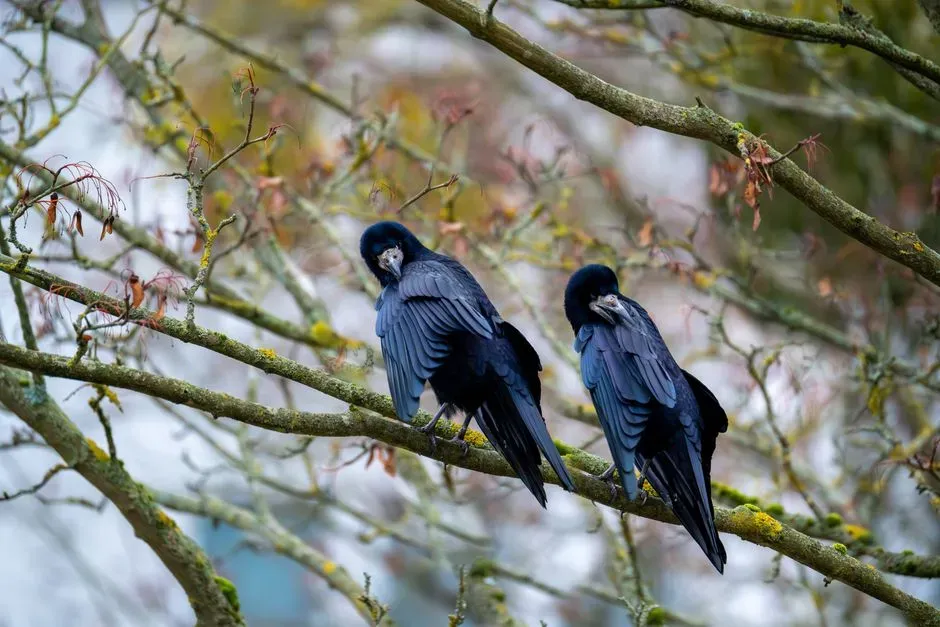
These small exchanges remind us that even common backyard birds operate with surprising awareness of their surroundings. Treating the visits with respect and consistency can turn a simple feeding habit into something more layered and ongoing. The occasional token left behind adds a layer of curiosity without requiring dramatic interpretation.
In the end, the real value lies in noticing the intelligence at work and allowing room for these moments to unfold naturally. Crows continue to show us that shared spaces can hold unexpected layers of interaction when we pay attention.
