
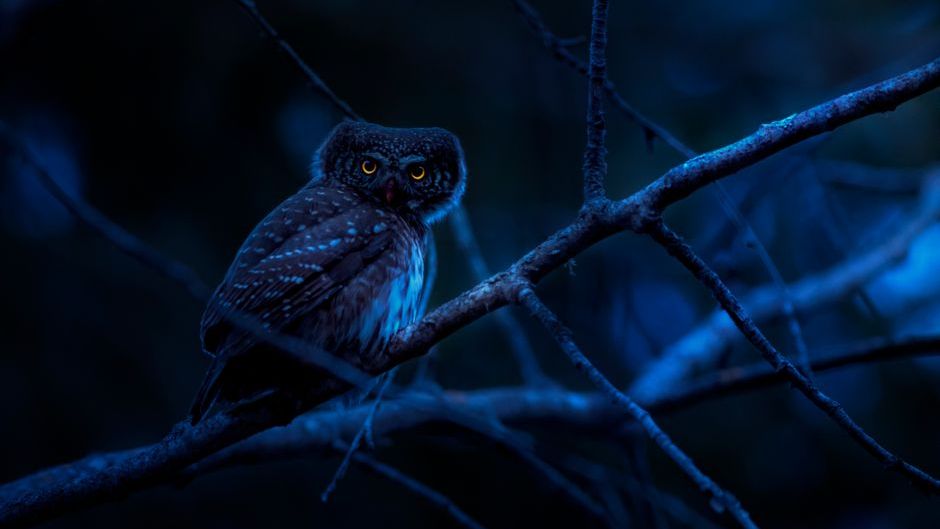
Imagine being jolted awake at 3 AM by the eerie hoot of an owl perched atop your roof. Is it a mere coincidence, or does this nocturnal visitor carry a deeper message? Across cultures and centuries, owls have been enveloped in a tapestry of symbolism and superstition. Let’s unravel the mystery behind these enigmatic birds and their unexpected rooftop visits.
The Owl’s Nocturnal Habits: A Biological Perspective
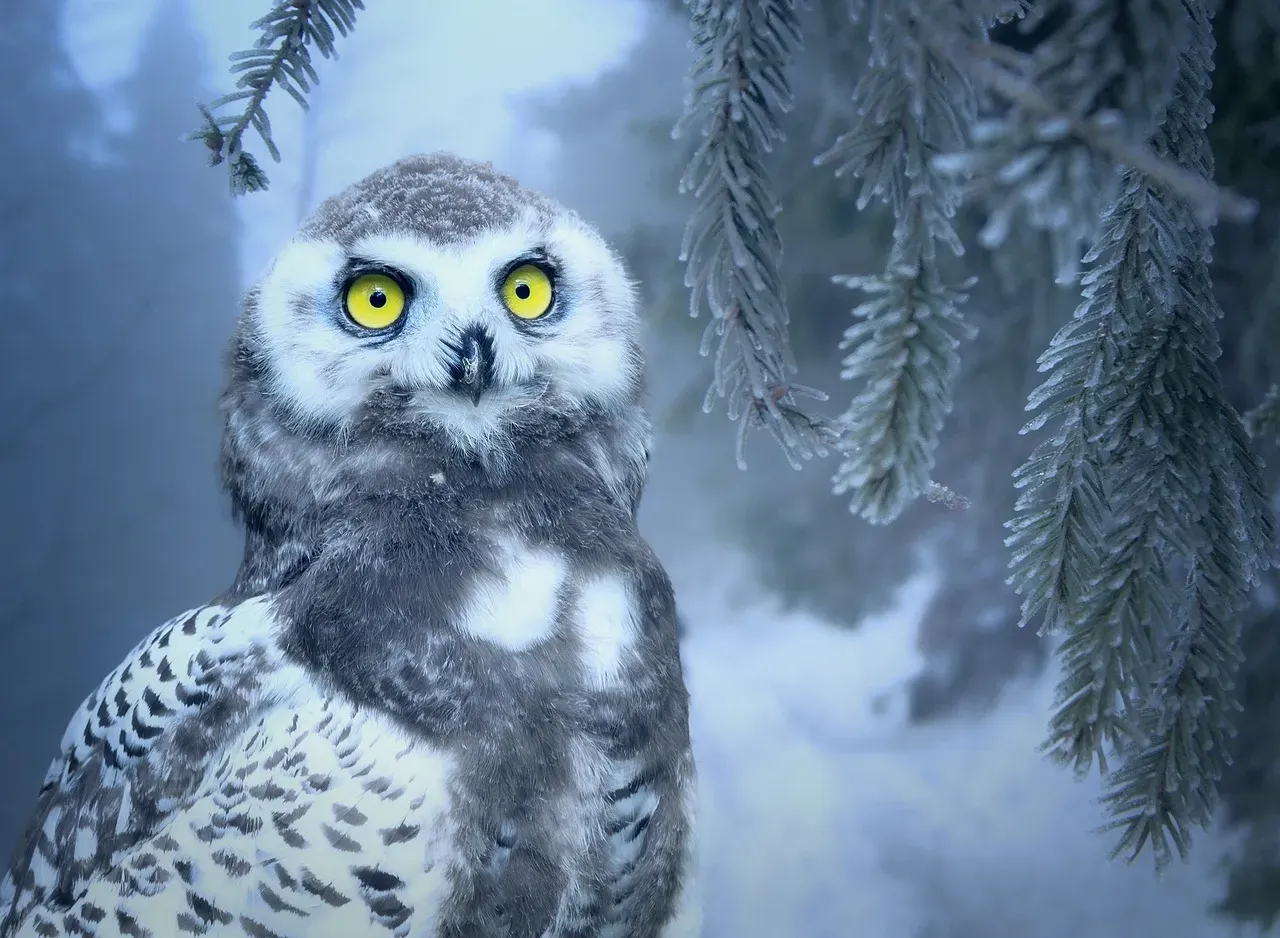
Owls are primarily nocturnal predators, equipped with exceptional night vision and acute hearing, allowing them to hunt efficiently in the dark. Their silent flight and specialized feathers enable them to swoop down on unsuspecting prey without a sound. This behavior is not random; it’s a survival strategy honed over millennia.
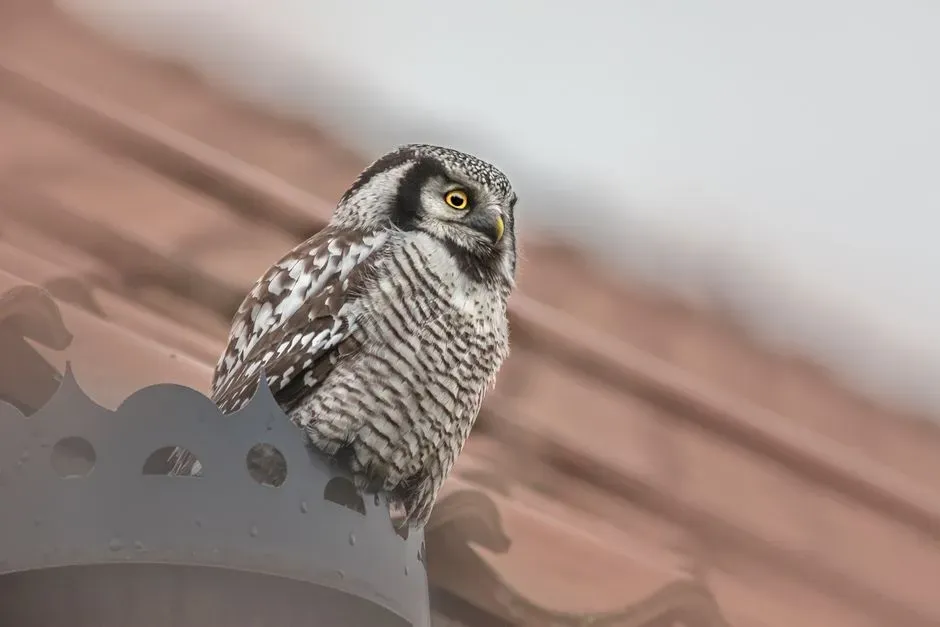
When an owl lands on your roof in the dead of night, it’s likely scouting for food. Roofs provide a vantage point to survey the surroundings for small mammals or insects. Additionally, urban environments have encroached upon natural habitats, making human structures convenient perches for these adaptable birds.
Owls in Folklore: Harbingers of Doom or Symbols of Wisdom?
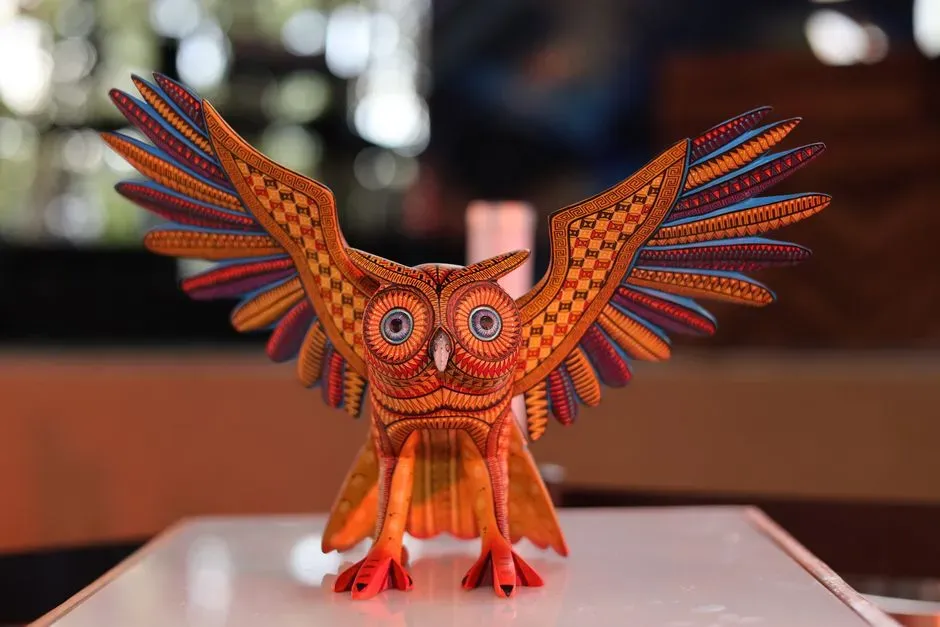
Throughout history, owls have been both revered and feared. In ancient Greece, the owl was associated with Athena, the goddess of wisdom, symbolizing knowledge and insight. Conversely, in some Native American traditions, owls are seen as omens of death or messengers from the spirit world.
In medieval Europe, an owl’s hoot was often considered a forewarning of misfortune or death. This duality in symbolism reflects humanity’s complex relationship with these mysterious creatures, oscillating between admiration and apprehension.
Interpreting an Owl’s Visit: Cultural Variations
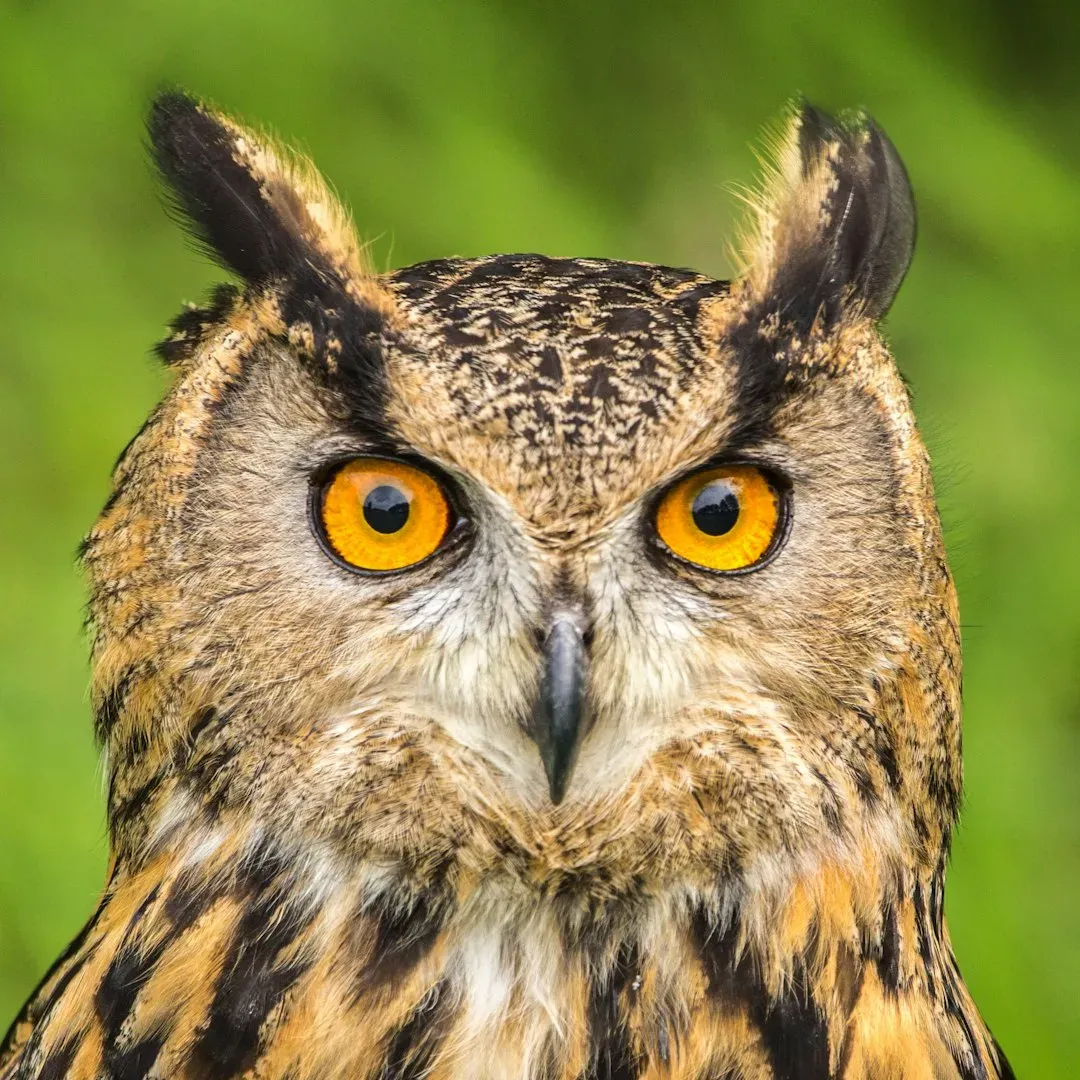
The meaning attributed to an owl landing on your roof varies across cultures. In Japanese folklore, owls are considered protective spirits, bringing good luck and warding off suffering. In contrast, some African traditions view owls as witches’ familiars, embodying malevolent forces.
These interpretations are deeply rooted in cultural narratives and personal beliefs. An owl’s presence can be seen as a sign to trust one’s intuition, embrace change, or heed a warning, depending on the cultural lens through which it’s viewed.
Scientific Insights: Understanding Owl Behavior
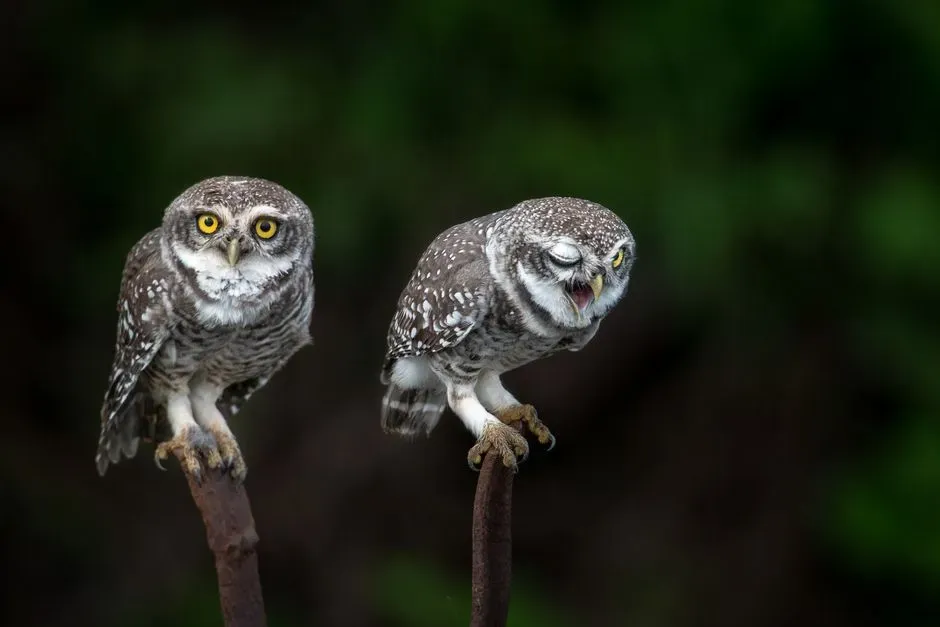
From a scientific standpoint, an owl’s behavior is driven by instinct and environmental factors. Owls are territorial creatures, and their presence on your roof could indicate a nearby nesting site or abundant food sources. Their calls serve as communication tools, signaling territory boundaries or attracting mates.
Understanding these behaviors demystifies the owl’s actions, highlighting the importance of coexistence and respect for wildlife. It’s a reminder that nature often intersects with human spaces, leading to encounters that are both ordinary and extraordinary.
Responding to an Owl’s Visit: Practical Considerations
If an owl frequently visits your roof, consider the following steps:
- Ensure that your property doesn’t inadvertently attract prey animals, such as rodents, which in turn attract owls.
- Maintain a respectful distance; avoid disturbing the owl, as they play a crucial role in controlling pest populations.
- Educate yourself and others about local wildlife to foster appreciation and reduce unfounded fears.
By taking these measures, you contribute to a harmonious relationship with the natural world, recognizing the value and beauty of these nocturnal visitors.
Embracing the Mystery: Personal Reflections
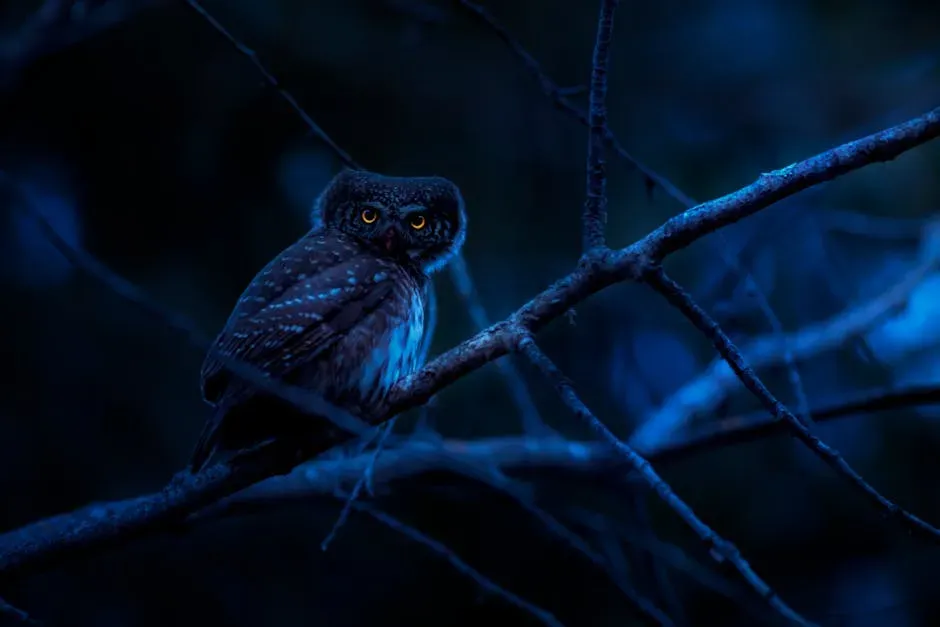
Encountering an owl at 3 AM can be a profound experience, stirring curiosity and introspection. Whether viewed through the lens of science or folklore, such moments invite us to reflect on our connection to nature and the myriad interpretations we assign to its phenomena.
Perhaps the true meaning lies not in the owl’s visit itself but in our response to it. Do we see it as a mere coincidence, a sign, or an opportunity to learn? The answer may reveal more about us than the owl perched silently above.
Conclusion: Deciphering the Owl’s Message
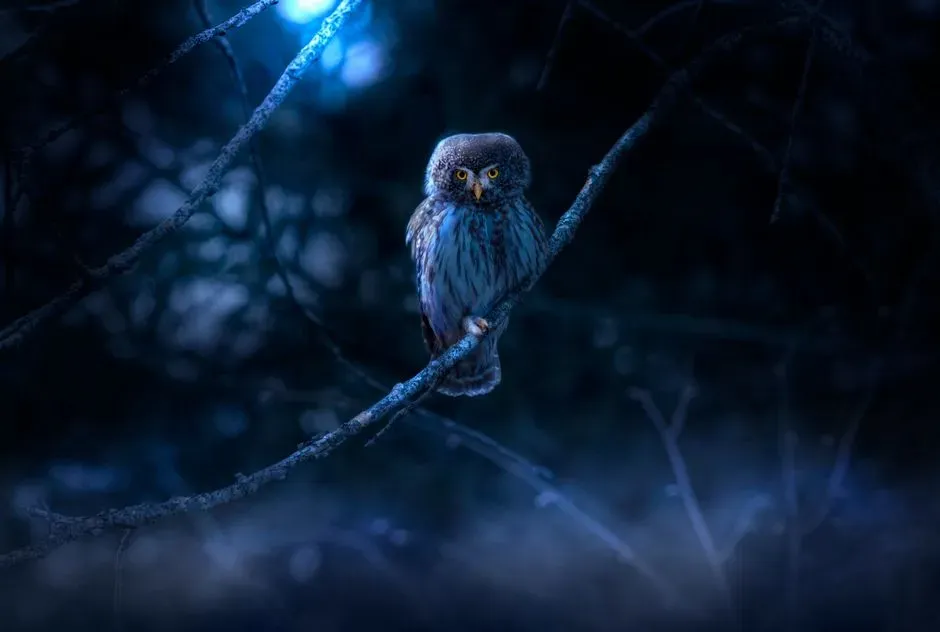
When an owl lands on your roof in the stillness of the night, it bridges the gap between the natural and human worlds, carrying with it centuries of symbolism and scientific intrigue. Whether as a harbinger of change, a guardian of wisdom, or simply a hunter in search of prey, the owl’s presence invites us to pause and ponder.
So, the next time you hear that haunting hoot at 3 AM, ask yourself: Is it a call to awaken not just from sleep, but to a deeper understanding of the world around you?

- According to Native American Tradition, Coyotes Were Clever Teachers Rather Than Villains - August 13, 2026
- Animal Science Says Blue Jays Remember Thousands of Acorn Hiding Places Each Autumn - August 13, 2026
- Animal Science Says River Otters Play More Where Fish Populations Are Stable - August 13, 2026