


In the heart of South America’s wetlands, there exists a creature so remarkably serene that it has earned the nickname “nature’s chillest animal.” The capybara, weighing up to 146 pounds and standing as the world’s largest rodent, possesses an almost supernatural ability to remain calm in situations that would send most animals into panic mode. From jaguars prowling nearby to caimans lurking in the water, these gentle giants maintain their composure with an almost zen-like tranquility that has fascinated scientists and animal lovers alike.
What’s even more astounding is how other animals seem drawn to their peaceful presence. Monkeys use them as living furniture, birds perch on their backs like they’re mobile rest stops, and even smaller predators appear to respect their calm demeanor. This remarkable phenomenon has sparked countless studies and theories about what makes these South American natives so uniquely peaceful.
The Evolutionary Advantage of Staying Cool

Evolution has shaped capybaras into masters of emotional regulation through millions of years of natural selection. In their native habitats across South America, panic and sudden movements often attract unwanted attention from predators, making calmness a literal survival strategy. Those capybaras that developed better stress management skills were more likely to survive and pass on their genes to future generations.
Research conducted by behavioral ecologists at the University of São Paulo reveals that capybaras possess significantly lower baseline cortisol levels compared to other rodents of similar size. This biological advantage allows them to assess threats more rationally rather than defaulting to fight-or-flight responses. Their evolutionary success story demonstrates how sometimes the best defense mechanism isn’t aggression or speed, but simply keeping your cool when danger approaches.
Brain Chemistry Behind the Zen
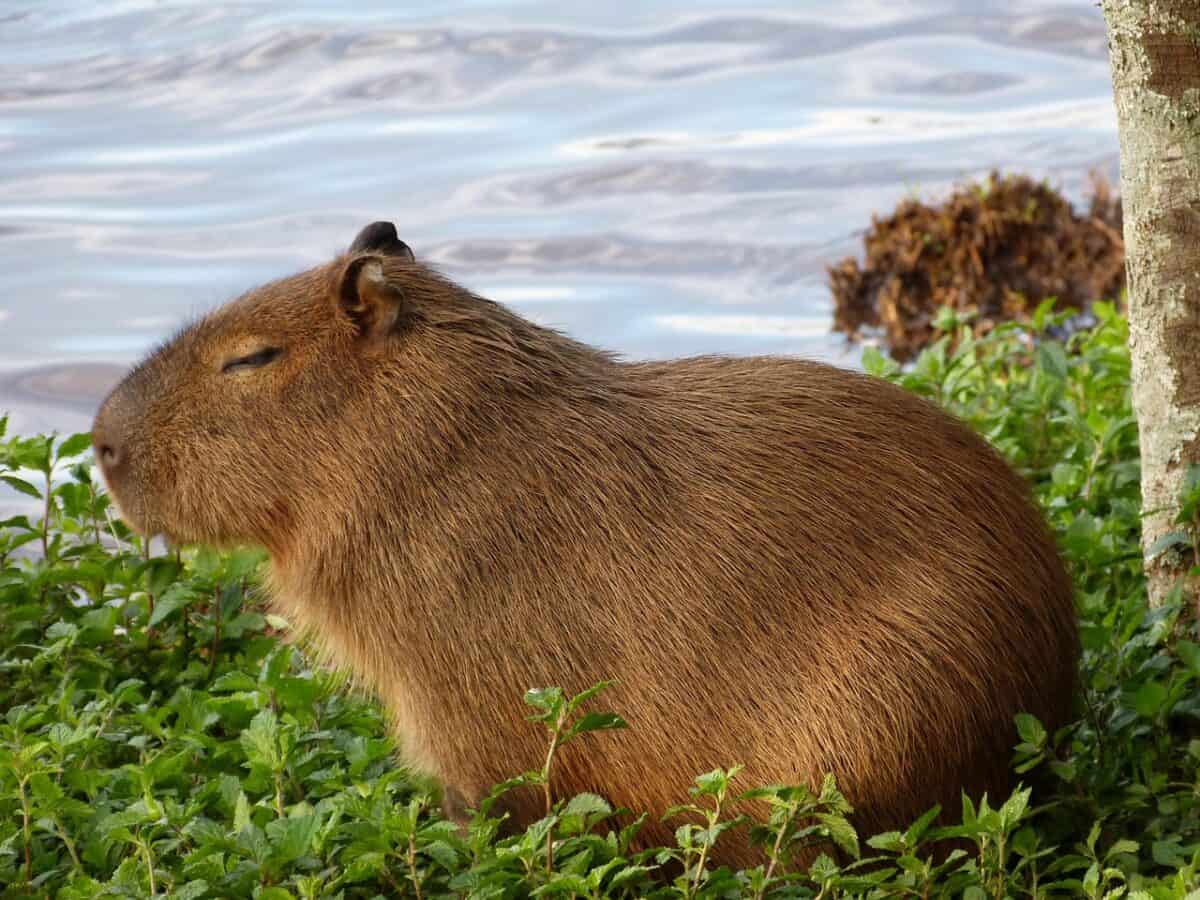
The capybara’s remarkable calmness stems from unique neurochemical processes that differ significantly from other mammals. Scientists have discovered that their brains produce higher levels of serotonin and dopamine, neurotransmitters associated with feelings of well-being and contentment. This natural chemical cocktail creates a baseline state of relaxation that would make even the most seasoned meditation practitioner envious.
Additionally, their limbic system—the brain region responsible for emotional responses—shows reduced activity in areas associated with fear and anxiety. Studies using brain imaging technology have revealed that capybaras process potential threats differently than most animals, taking more time to evaluate situations before reacting. This neurological wiring essentially makes them the Buddhist monks of the animal kingdom, approaching life with a naturally peaceful disposition.
The Power of Social Bonds
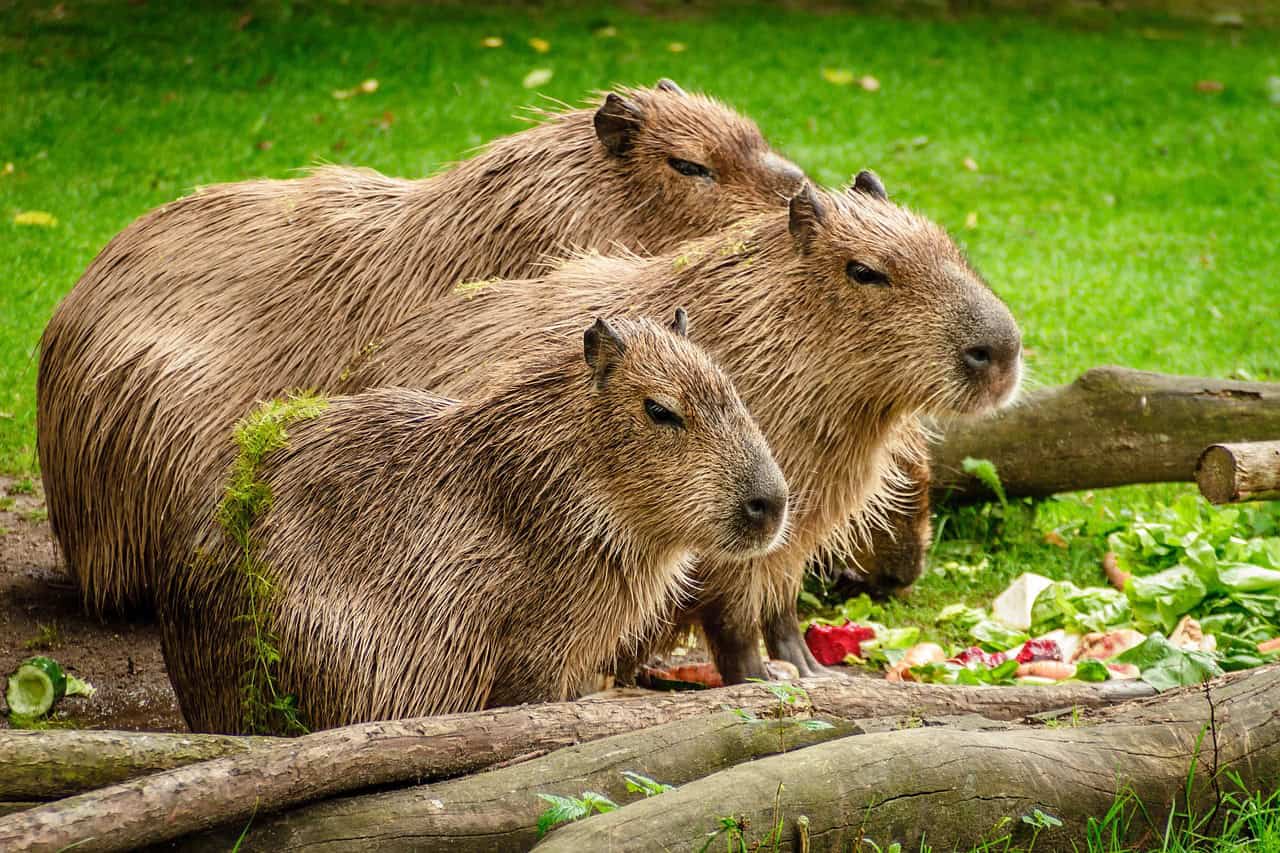
Capybaras are highly social creatures that live in groups ranging from 10 to 30 individuals, and these strong community bonds contribute significantly to their overall calmness. When surrounded by family members, capybaras exhibit even lower stress responses than when alone, suggesting that their social structure provides a natural anxiety-reducing mechanism. The constant presence of trusted companions creates a support system that reinforces their peaceful nature.
Their social hierarchy is remarkably non-aggressive, with disputes rarely escalating beyond gentle nudging or brief vocalizations. This harmonious group dynamic means that capybaras spend less energy on internal conflicts and more time maintaining their collective serenity. The group’s shared vigilance also allows individual members to relax more fully, knowing that others are watching for potential dangers.
Body Language That Speaks Volumes

The physical posture and movements of capybaras communicate their peaceful intentions to both predators and prey animals. Their slow, deliberate movements and relaxed body language signal to other animals that they pose no threat, often diffusing potentially dangerous situations before they escalate. Unlike many animals that display dominance through aggressive posturing, capybaras maintain a consistently non-threatening appearance.
Their facial expressions remain remarkably consistent regardless of the situation, with their eyes appearing calm and unfazed even during stressful encounters. This poker face effect may confuse predators who rely on reading fear signals to trigger their hunting instincts. When an animal shows no obvious signs of distress, predators sometimes lose interest, having evolved to prefer easier, more obviously vulnerable targets.
The Role of Habitat in Shaping Temperament

Capybaras’ natural habitat plays a crucial role in their development of calm behavior patterns. Living in and around water bodies provides them with both escape routes and a sense of security that reduces overall stress levels. The abundance of vegetation in their wetland homes ensures a steady food supply, eliminating the anxiety-inducing competition for resources that affects many other species.
Their semi-aquatic lifestyle also means they’re constantly surrounded by the naturally calming effects of water, which has been shown to reduce stress hormones in many mammals. The predictable rhythms of their wetland environment—from seasonal flooding to daily temperature cycles—create a stable backdrop that supports their peaceful disposition. This environmental stability allows capybaras to develop consistent behavioral patterns rather than constantly adapting to unpredictable circumstances.
Unique Digestive System and Energy Conservation

The capybara’s specialized digestive system contributes to their calm demeanor by requiring them to conserve energy for the demanding process of breaking down tough plant material. Their four-chambered stomach works similarly to that of ruminants, necessitating long periods of rest and digestion that naturally promote a sedentary, peaceful lifestyle. This biological requirement for frequent rest periods has shaped their entire approach to life.
Their low-energy lifestyle means they don’t experience the metabolic stress that affects many other animals, particularly those that must constantly hunt or forage for high-energy foods. The steady, predictable nature of their herbivorous diet eliminates the anxiety and aggression often associated with hunting or competing for scarce protein sources. This metabolic calm translates directly into behavioral tranquility, creating a self-reinforcing cycle of peacefulness.
Communication Through Subtle Signals

Capybaras have developed a sophisticated communication system that relies heavily on subtle cues rather than dramatic displays, contributing to their overall peaceful interactions. Their vocalizations are typically soft and gentle, including whistles, clicks, and purrs that convey information without alarming other animals in their environment. This quiet communication style helps maintain the calm atmosphere that characterizes their social groups.
Their scent-marking behavior is also notably non-aggressive, using pheromones to communicate territory boundaries and social status without the need for physical confrontation. Unlike many mammals that use aggressive scent marking to intimidate rivals, capybaras employ a more diplomatic approach that reduces conflict. This chemical communication system allows them to maintain social order while preserving their reputation as nature’s most peaceful creatures.
Temperature Regulation and Stress Reduction
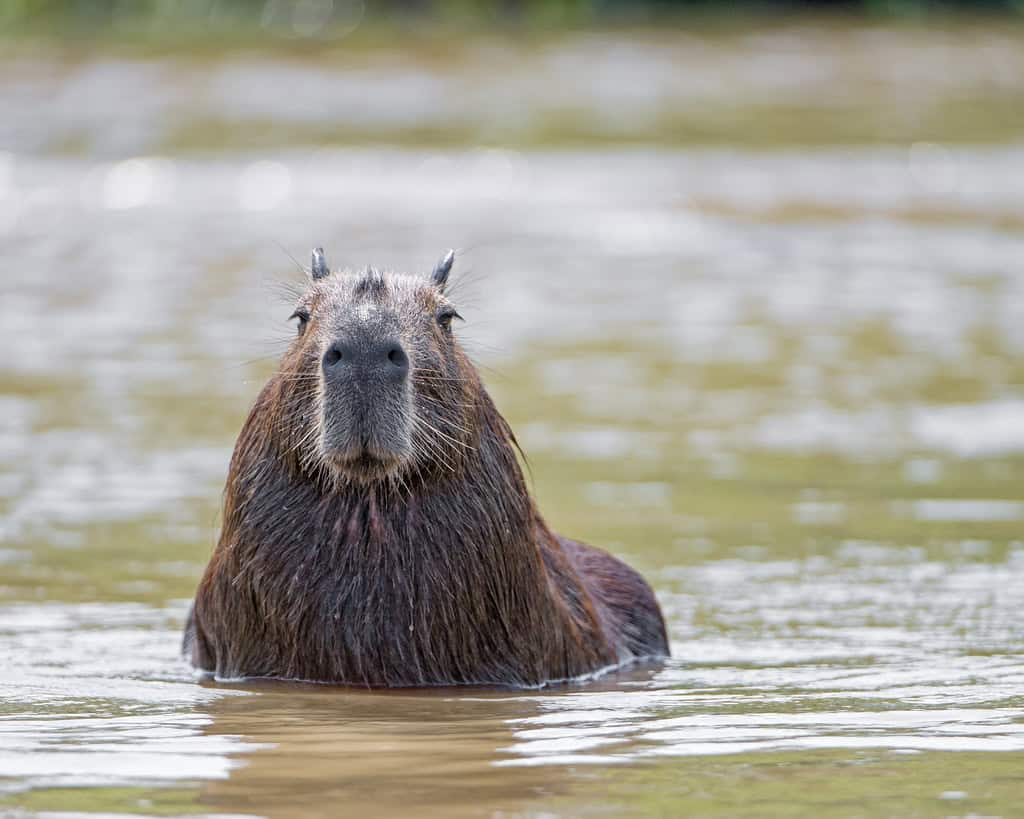
The capybara’s relationship with water extends beyond simple habitat preference to become a crucial stress-management tool. Their frequent bathing and wallowing behavior helps regulate both body temperature and stress hormones, creating a natural relaxation routine that many spa-goers would recognize. The cooling effect of water on their bodies triggers the release of endorphins, further enhancing their naturally calm disposition.
During hot weather, capybaras can often be found lounging in water for hours, entering what researchers describe as a meditative state. This thermoregulation behavior serves multiple purposes: cooling the body, reducing stress hormones, and providing a safe space where many predators are less likely to attack. The psychological association between water and safety creates a positive feedback loop that reinforces their peaceful nature.
Predator Recognition and Risk Assessment

Capybaras possess remarkable abilities to distinguish between actual threats and harmless encounters, allowing them to remain calm in situations that would panic other animals. Their excellent eyesight and hearing help them assess potential dangers from a distance, giving them time to evaluate whether a response is truly necessary. This measured approach to threat assessment prevents unnecessary stress and energy expenditure.
Research has shown that capybaras can differentiate between the approach patterns of different predators, responding appropriately to genuine threats while ignoring false alarms. For example, they recognize the difference between a jaguar’s hunting stalk and its casual movement through their territory. This sophisticated threat assessment system allows them to maintain their legendary calmness even in environments where dangerous predators are present.
The Symbiotic Relationship Effect
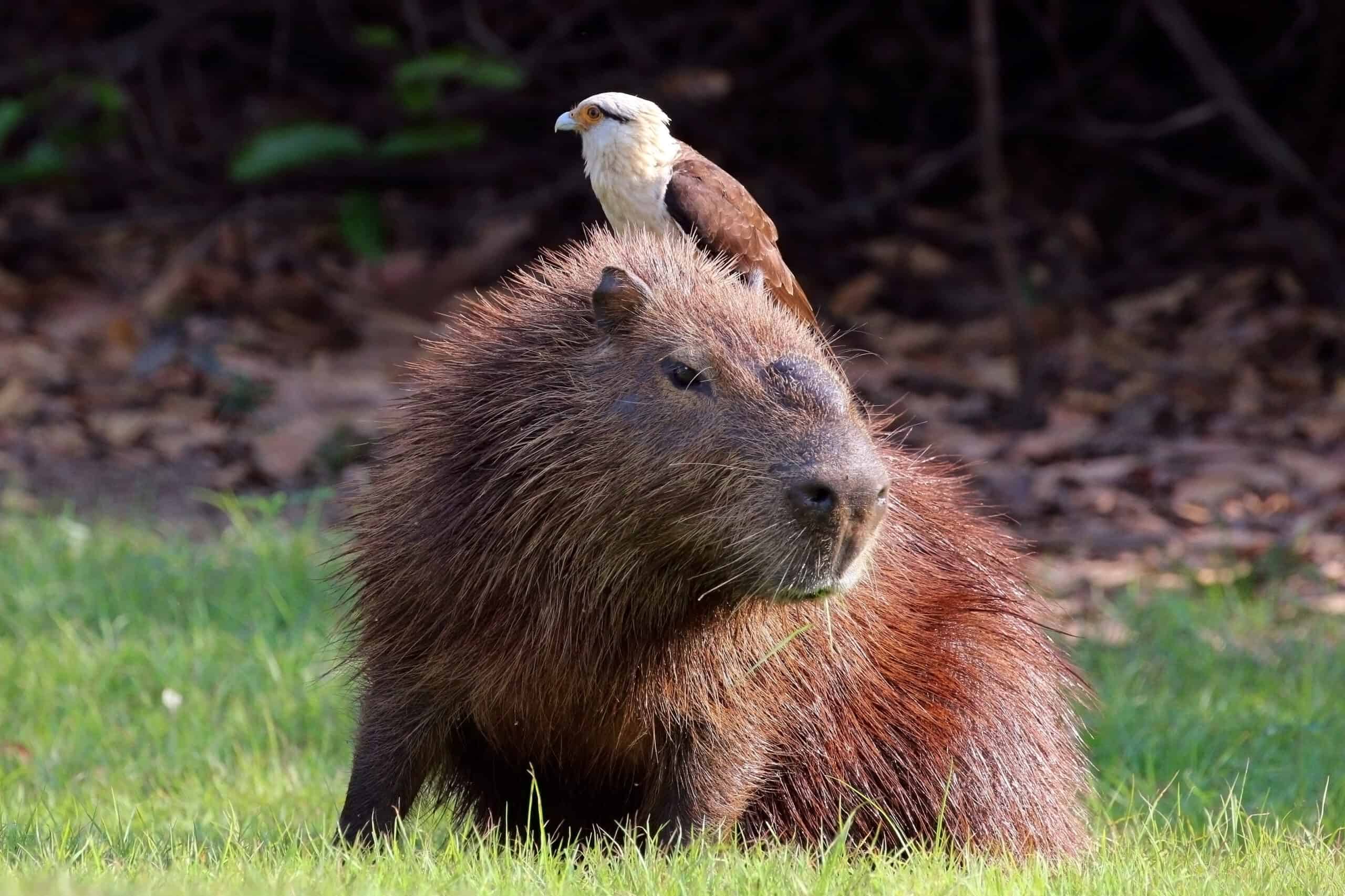
Many animals actively seek out capybaras as companions, creating mutually beneficial relationships that enhance the peaceful atmosphere around these gentle giants. Birds like cattle egrets and caiman birds use capybaras as mobile perches, feeding on insects disturbed by their movement while providing early warning systems for potential threats. This symbiotic arrangement creates a natural security network that allows capybaras to relax more fully.
Monkeys, small birds, and even some reptiles have been observed resting on or near capybaras, drawn by their calm energy and the safety their presence provides. These interspecies relationships demonstrate how the capybara’s peaceful nature creates a ripple effect throughout their ecosystem. The constant presence of these “bodyguards” and companions further reinforces their ability to remain calm in various situations.
Parental Behavior and Stress Management
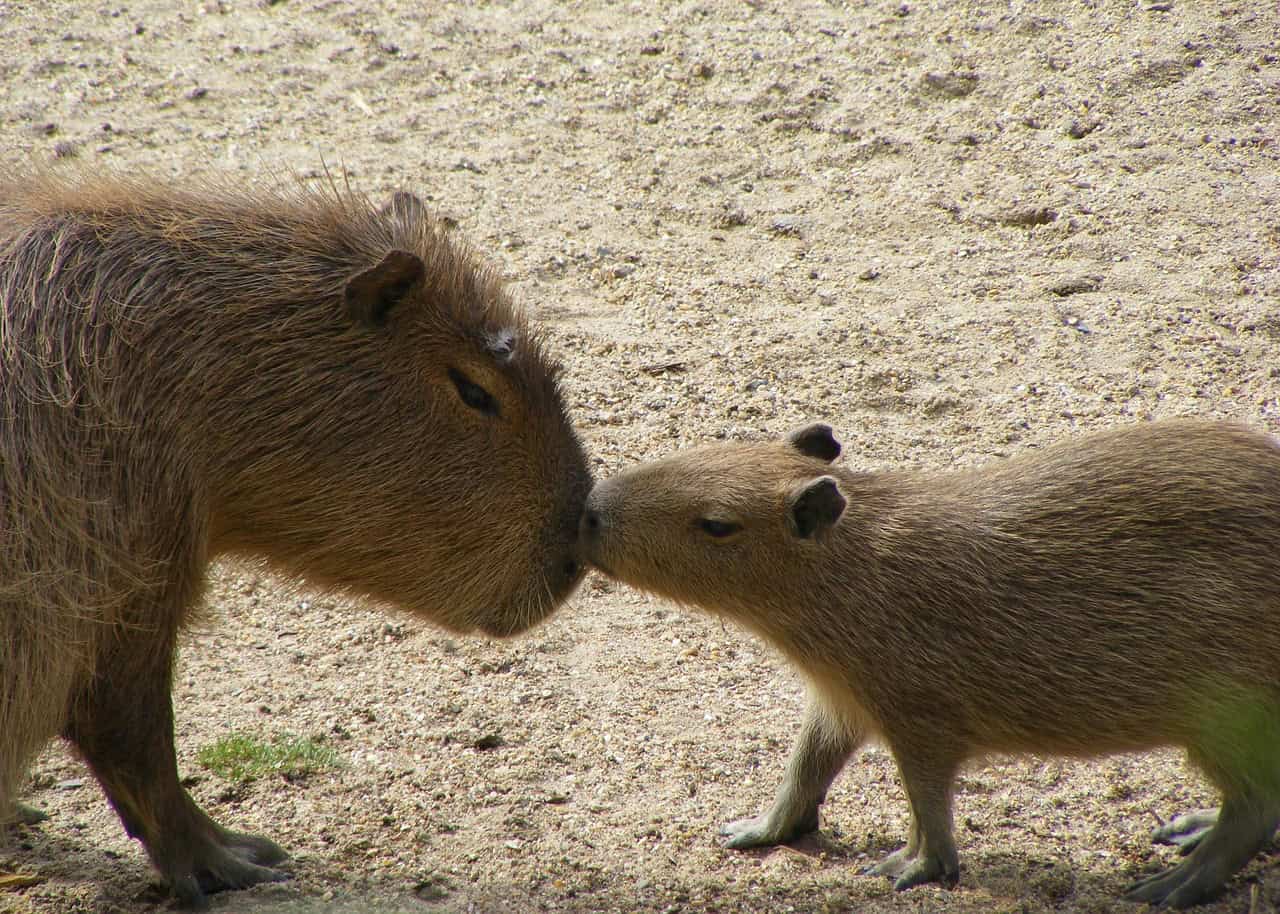
Capybara mothers exhibit remarkably calm parenting styles that contribute to the species’ overall peaceful reputation. Unlike many mammals that become highly aggressive when protecting their young, capybara mothers maintain their composure even in potentially dangerous situations. This calm parenting approach teaches young capybaras by example, passing down the peaceful behavioral patterns that define their species.
The communal child-rearing practices of capybara groups also reduce individual parental stress, with multiple adults sharing responsibility for protecting and nurturing the young. This cooperative parenting system means that mothers don’t bear the full burden of vigilance, allowing them to maintain their natural tranquility. The stable, low-stress environment created by this communal approach helps young capybaras develop their own calm dispositions from an early age.
Seasonal Adaptations and Behavioral Consistency
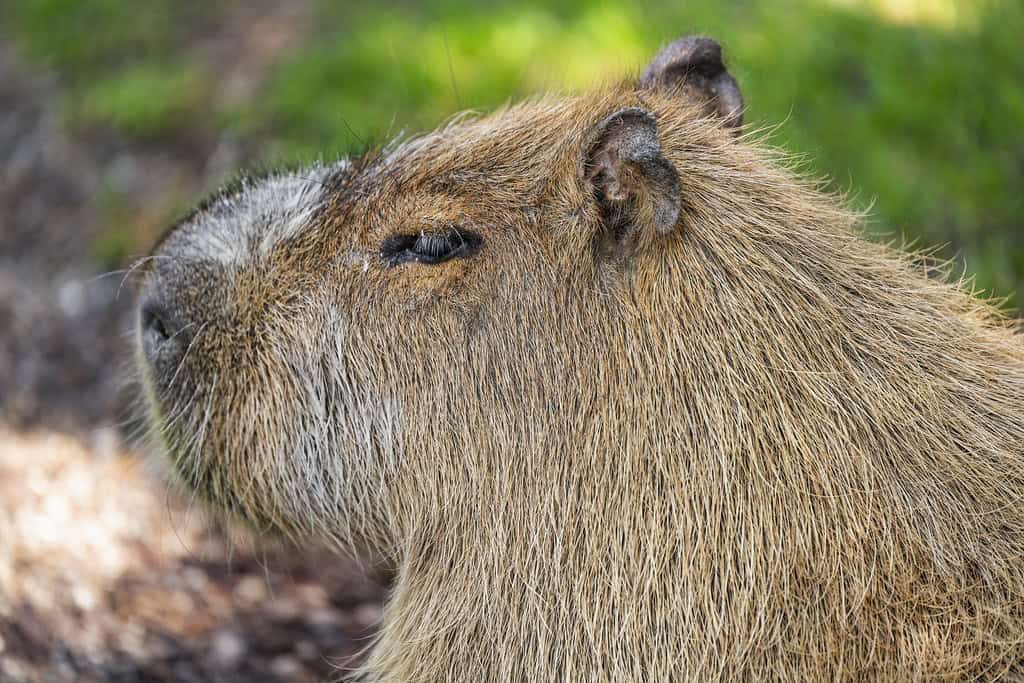
Throughout the year, capybaras maintain their peaceful demeanor despite seasonal changes that dramatically affect their environment and food availability. During dry seasons when resources become scarce, they adapt their behavior patterns without losing their fundamental calmness. Their ability to remain composed during environmental stress demonstrates the deep-rooted nature of their peaceful temperament.
Research conducted during both wet and dry seasons has shown that capybaras’ stress hormone levels remain remarkably stable compared to other animals in the same environment. This consistency suggests that their calm nature isn’t just a response to favorable conditions but rather an intrinsic characteristic that persists regardless of external circumstances. Their behavioral stability throughout seasonal changes has made them valuable subjects for studying stress resilience in wild animals.
The Influence of Group Dynamics

Within capybara groups, individual personality differences are minimized by the overall peaceful culture that dominates their social structure. More assertive individuals quickly learn to moderate their behavior to fit in with the group’s calm atmosphere, while naturally timid members gain confidence from the security of the collective. This social leveling effect creates groups where extreme behaviors are rare and tranquility is the norm.
The absence of strict dominance hierarchies in capybara societies means that individuals don’t experience the chronic stress associated with maintaining or challenging social rank. Instead, their social organization is based on cooperation and mutual respect, creating an environment where calmness is not just tolerated but actively promoted. This egalitarian approach to group living eliminates many of the stressors that create anxiety in other social mammals.
Grooming Behavior and Social Bonding
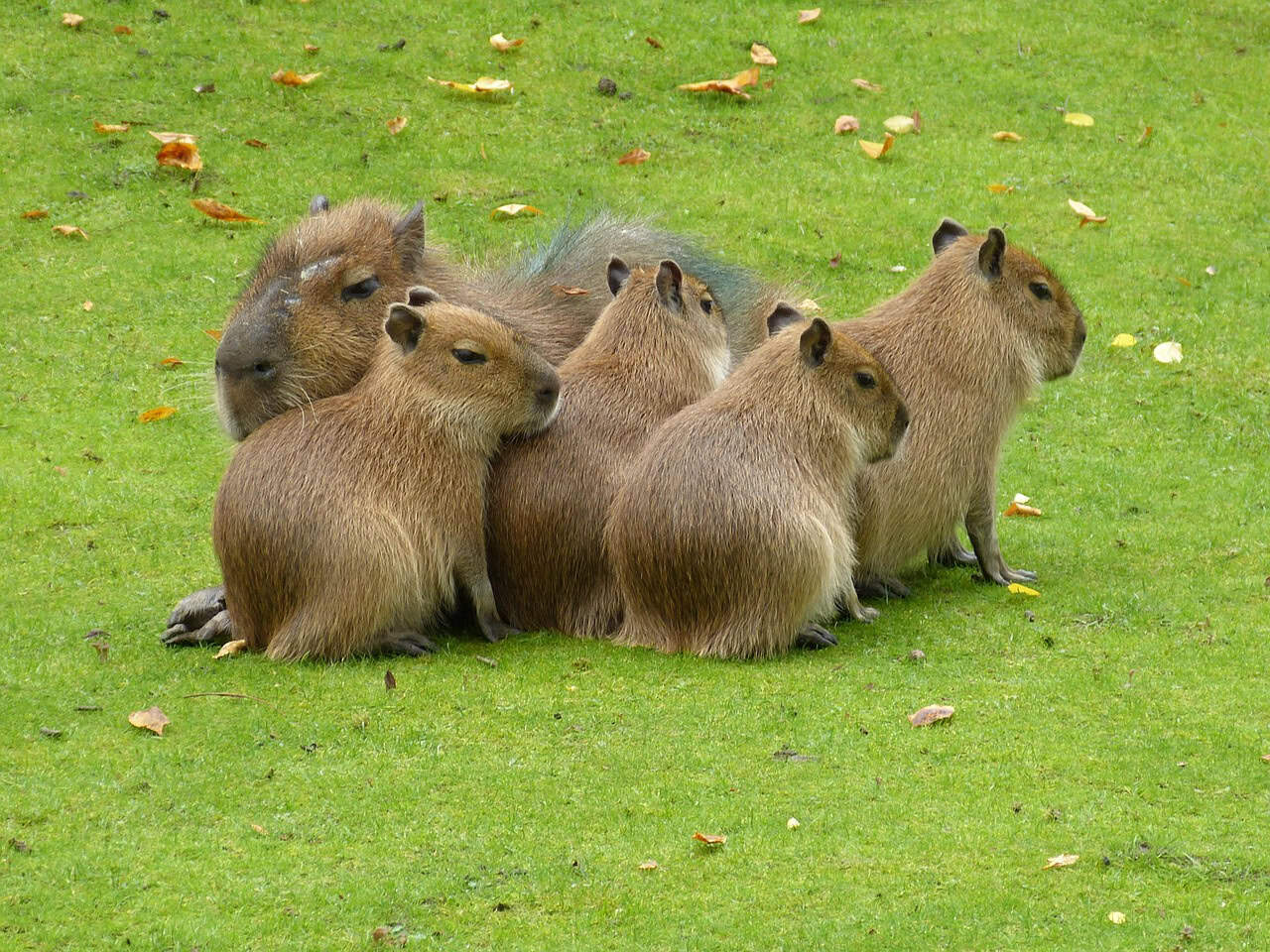
Capybaras engage in extensive mutual grooming behaviors that serve both practical and psychological functions in maintaining their peaceful nature. These grooming sessions release oxytocin, often called the “bonding hormone,” which promotes feelings of trust and relaxation within the group. The rhythmic, meditative nature of grooming activities creates a calming ritual that reinforces their peaceful social bonds.
The time invested in grooming also demonstrates the unhurried approach that characterizes capybara life, with individuals spending hours each day in these peaceful social interactions. This investment in relationship maintenance creates strong social bonds that provide emotional security and reduce individual stress levels. The communal grooming sessions often resemble spa treatments, with multiple individuals participating in relaxing social rituals.
Vocalizations and Emotional Expression

The vocal repertoire of capybaras reflects their peaceful nature, consisting primarily of gentle sounds that promote calm rather than aggression or alarm. Their contact calls are soft and melodious, helping group members stay connected without creating disturbance or attracting unwanted attention. These vocalizations serve as a constant reminder of the group’s peaceful presence, reinforcing their calm behavioral patterns.
Even their alarm calls are notably less frantic than those of most other animals, conveying necessary information without creating panic or chaos. This measured approach to vocal communication helps maintain the overall tranquility of their social environment. Young capybaras learn these gentle communication patterns from birth, ensuring that the peaceful vocal tradition continues across generations.
Physical Adaptations for Peaceful Living
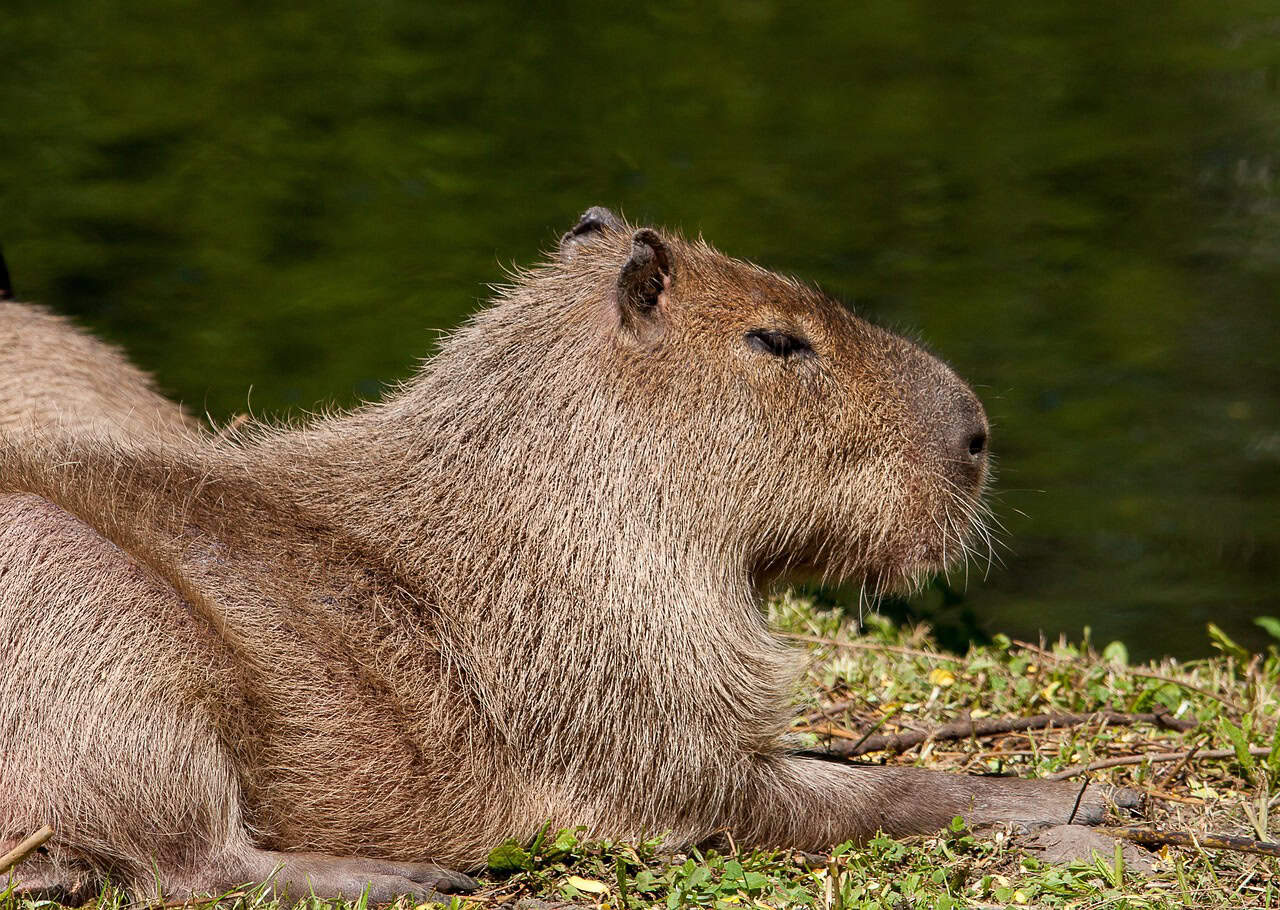
The capybara’s physical characteristics have evolved to support their peaceful lifestyle, with features that minimize conflict and promote calm interactions. Their rounded body shape and soft fur make them appear non-threatening to other animals, while their gentle facial features convey a naturally peaceful expression. These physical traits work together to create an appearance that rarely triggers aggressive responses from other creatures.
Their large size provides security without appearing predatory, striking a perfect balance that allows them to defend themselves if necessary while maintaining their peaceful reputation. The webbed feet that help them swim also contribute to their slow, deliberate movements on land, reinforcing their calm demeanor. These physical adaptations demonstrate how evolution has shaped every aspect of their being to support their remarkably peaceful nature.
Response to Human Interaction

Capybaras’ interactions with humans provide fascinating insights into their naturally calm disposition, as they often display the same peaceful behavior toward people that they show with other animals. In areas where humans and capybaras coexist, these gentle giants frequently allow close observation without showing signs of stress or aggression. Their tolerance for human presence has made them popular subjects for wildlife photography and research.
However, their calmness around humans shouldn’t be mistaken for domestication, as they maintain their wild instincts while simply expressing them through their characteristically peaceful approach. Their ability to remain composed in human environments demonstrates the robustness of their calm nature, which persists even when encountering species they didn’t evolve alongside. This adaptability suggests that their peaceful temperament is deeply ingrained rather than situation-specific.
The Role of Sleep Patterns

Capybaras’ sleep patterns contribute significantly to their calm demeanor, with these animals enjoying longer and more restful sleep cycles than most mammals of similar size. Their ability to sleep deeply while remaining alert to genuine threats allows them to maintain the energy balance necessary for their peaceful lifestyle. This high-quality rest helps regulate stress hormones and maintain the neurochemical balance that supports their calm nature.
Their sleeping arrangements within groups also promote peaceful interactions, with individuals often sleeping in close contact to share warmth and security. The communal sleeping behavior creates a sense of safety that allows for deeper, more restorative rest. This collective approach to sleep reinforces the social bonds that contribute to their overall group tranquility, creating a positive cycle of rest and peaceful interaction.
Impact of Environmental Enrichment

Studies of capybaras in various environments have revealed how environmental factors can either enhance or diminish their natural calmness. In enriched environments with varied terrain, multiple water sources, and abundant vegetation, capybaras display even greater levels of tranquility than in more restricted habitats. The availability of choices and environmental complexity seems to support their peaceful nature by reducing stress and providing mental stimulation.
The presence of other species in their environment also appears to contribute to their calm behavior, as the diverse ecosystem provides the kind of stimulation that keeps them engaged without creating stress. This environmental enrichment effect suggests that capybaras’ peaceful nature is partly maintained through their interaction with a complex, varied world. Their ability to remain calm in enriched environments demonstrates how their peaceful temperament is both innate and environmentally supported.
Conclusion
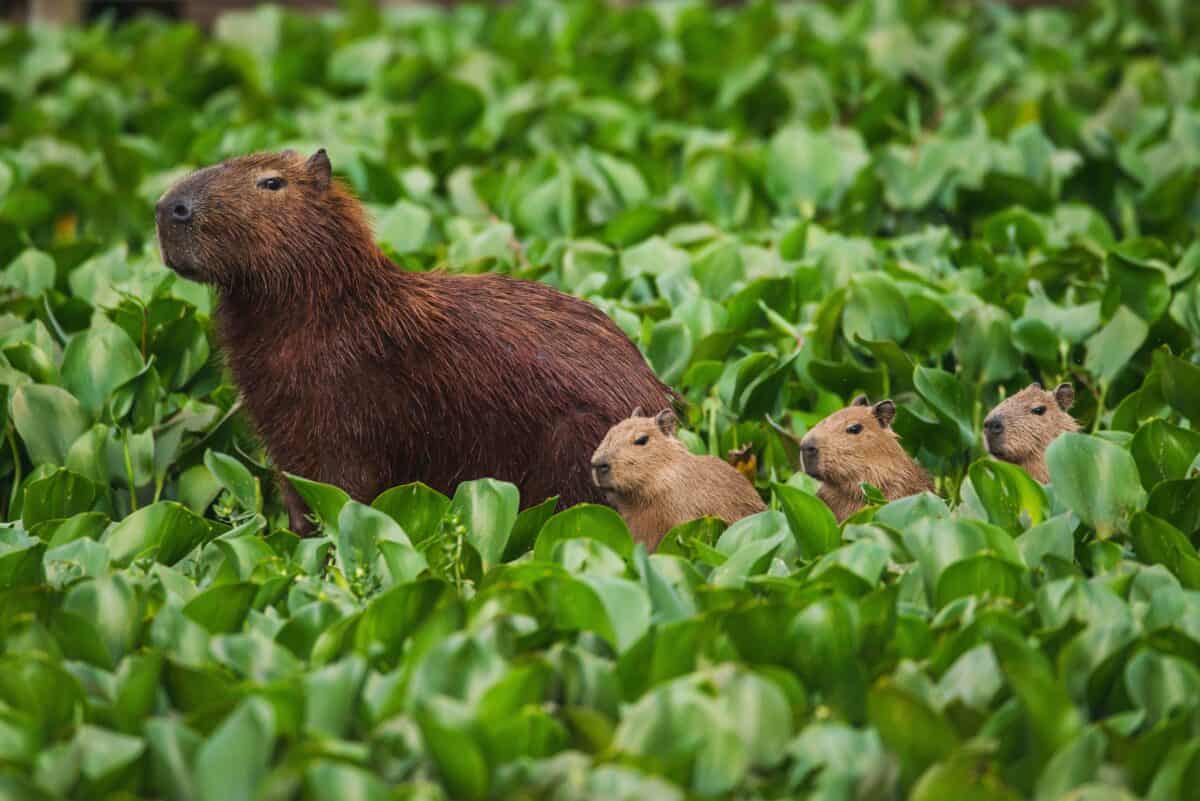
The capybara’s legendary calmness results from a perfect storm of evolutionary adaptations, brain chemistry, social structures, and environmental factors that work together to create nature’s most peaceful creature. From their unique neurochemical makeup to their sophisticated social systems, every aspect of capybara life supports and reinforces their tranquil approach to existence. Their ability to remain composed even in the face of predators demonstrates that sometimes the greatest strength lies not in aggression or speed, but in the profound power of staying calm.
Understanding what makes capybaras so remarkably peaceful offers valuable insights into stress management and social harmony that extend far beyond the animal kingdom. Their example reminds us that calmness isn’t weakness—it’s a sophisticated survival strategy that has allowed these gentle giants to thrive in some of South America’s most challenging environments. In a world that often seems chaotic and stressful, perhaps we could all learn something from the capybara’s zen-like approach to life.
Did you ever imagine that the secret to surviving in a world full of predators might simply be learning to chill out?

- How Accurate Is the Wolf Behavior in Twilight and Game of Thrones? - July 28, 2026
- Spiders of the Amazon Rainforest: Fierce and Fascinating - July 28, 2026
- From Babe to Babe 2: What’s Life Like for Real Farm Animals? - July 27, 2026