
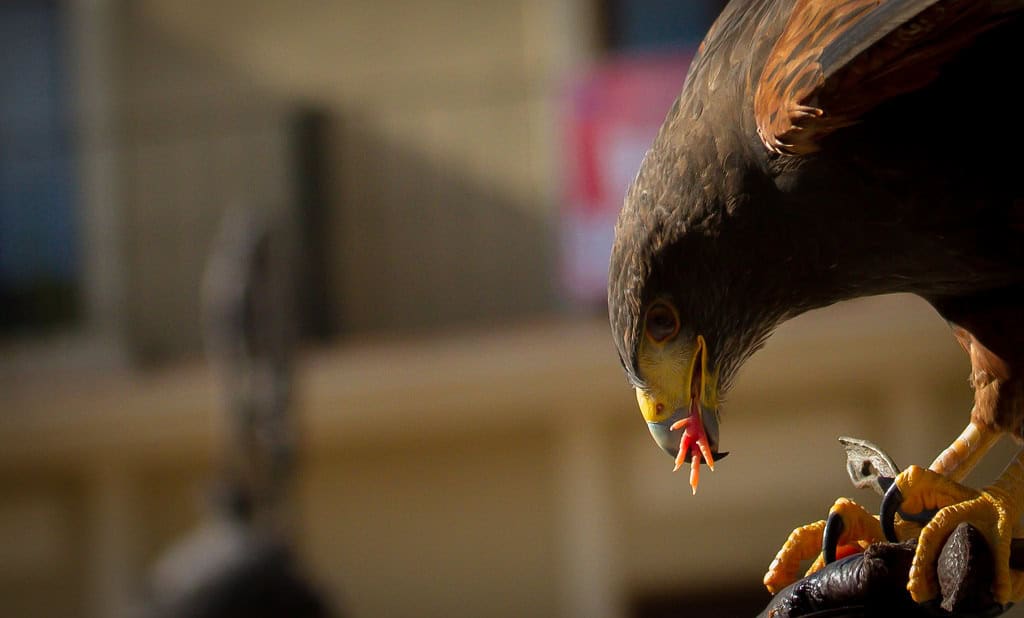
Soaring majestically against azure skies, raptors represent nature’s perfect aerial hunters. These birds of prey have dominated the airspace for millions of years, evolving specialized adaptations that make them unparalleled predators. From the mighty eagles and hawks to the swift falcons and mysterious owls, raptors have captured human imagination while simultaneously striking fear into the hearts of their prey. Their supremacy in aerial hunting isn’t coincidental but rather the result of millions of years of evolutionary refinement. This article explores the remarkable features that elevate raptors to their status as the undisputed apex predators of the sky.
The Evolution of Aerial Hunters
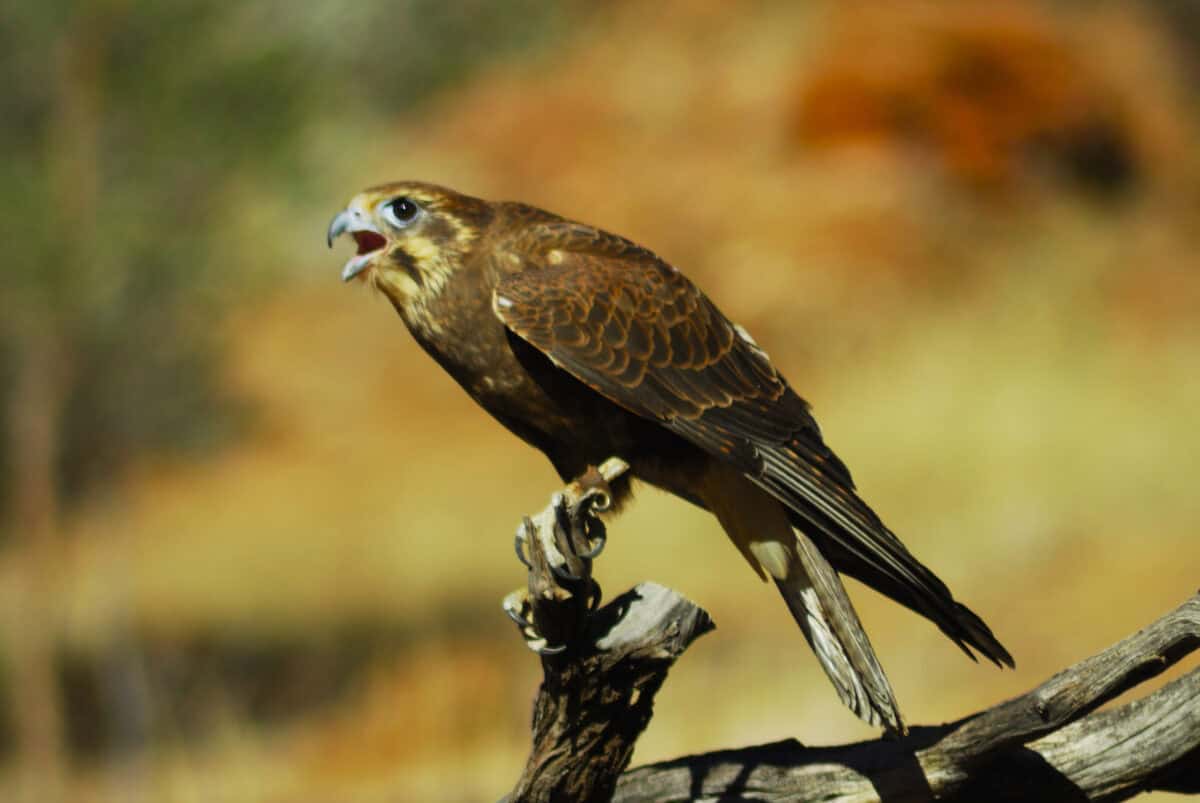
Raptors have an evolutionary history stretching back approximately 50-60 million years, with their ancestors appearing in the early Eocene epoch. Fossil records show that early raptorial birds already possessed many of the adaptations we see in modern species, though refined over millions of years of evolutionary pressure. The term “raptor” comes from the Latin word “rapere,” meaning to seize or take by force—a fitting description of their hunting style. These birds evolved in parallel across different continents, developing similar adaptations despite geographical separation, a classic example of convergent evolution. What makes them extraordinary is how they’ve maintained their position at the top of the aerial food chain despite dramatic environmental changes throughout Earth’s history.
Exceptional Vision: The Key to Aerial Dominance
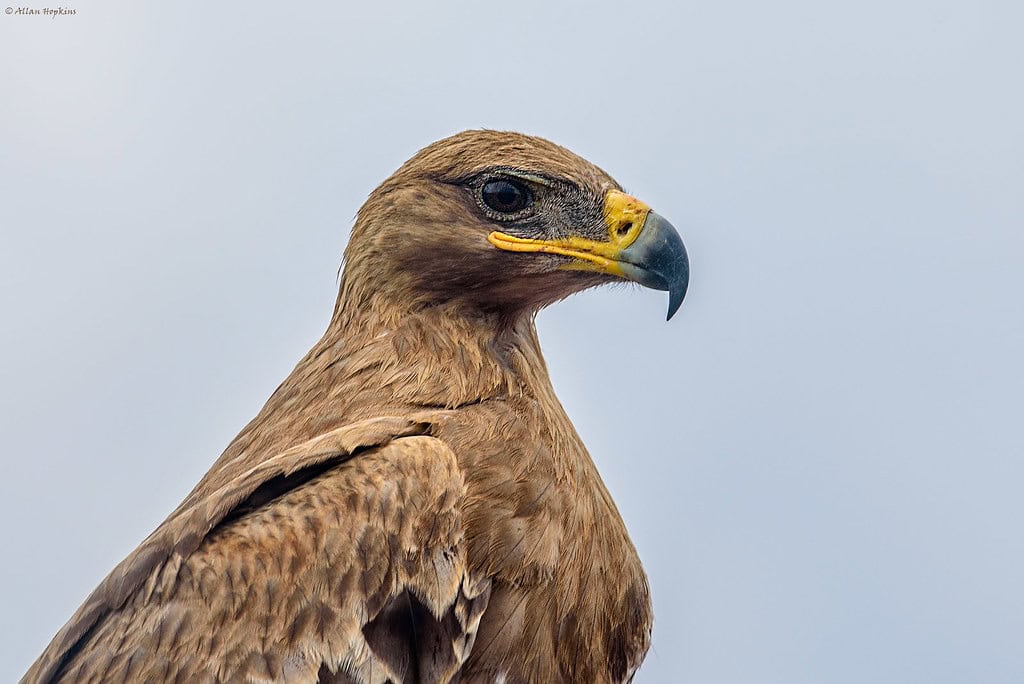
Perhaps the most remarkable feature of raptors is their extraordinary vision, which far surpasses that of most vertebrates, including humans. Eagles and hawks possess visual acuity that is 4-8 times sharper than human eyesight, allowing them to spot small prey from heights of over 1,000 feet. The peregrine falcon can detect movement from nearly two miles away. This exceptional vision comes from a higher density of photoreceptor cells in their retinas and a fovea (a pit in the retina that allows for sharp central vision) that contains up to one million cones per square millimeter—five times more than humans. Many species also have two foveae per eye (bifoveal vision), allowing simultaneous sharp forward and sideways vision. Additionally, raptors can see in the ultraviolet spectrum, helping them track prey through urine trails that reflect UV light, giving them a hunting advantage invisible to human eyes.
Specialized Beaks: Nature’s Perfect Weapons

The raptor’s beak is a marvel of evolutionary engineering, perfectly designed for tearing and consuming prey. Unlike the beaks of seed-eating birds, raptor beaks feature a sharp, downward-curving upper mandible that can deliver devastating killing blows. The hooked design allows raptors to tear flesh with precision, while the sharp edges act like serrated knives. Each raptor group has beak specializations suited to their hunting style: eagles possess powerful, deep beaks capable of breaking bones; falcons have a specialized “tomial tooth” (a notch in the upper beak) that allows them to sever prey’s spinal cords; vultures have longer, narrower beaks adapted to probe deep into carcasses; and owls have shorter, downward-facing beaks that maximize bite force in the dark. These specialized feeding tools allow raptors to process prey quickly, minimizing their vulnerability during feeding times.
Talons: The Ultimate Hunting Tools
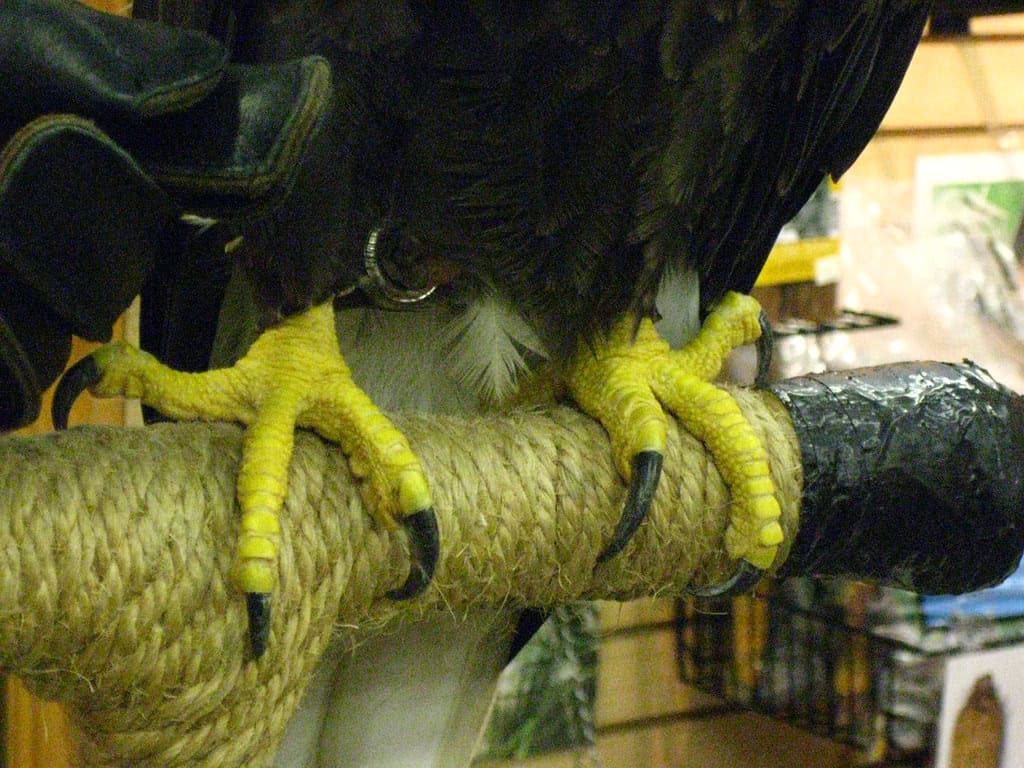
While the beak may be impressive, a raptor’s primary weapons are its powerful talons. These sharp, curved claws are the tools that make aerial predation possible. An eagle’s grip strength can exceed 400 pounds per square inch (PSI)—ten times stronger than the human hand—allowing them to crush prey instantly. Talon morphology varies based on hunting specialization: fish eagles have spicules (rough projections) for gripping slippery prey; forest hawks have shorter, curved talons for maneuvering through branches; and falcons have longer, slender talons for striking prey at high speeds. The arrangement of talons typically follows a zygodactyl pattern (two toes forward, two backward) or anisodactyl pattern (three forward, one backward), providing maximum versatility for capturing and holding prey. The harpy eagle, which hunts monkeys in South American rainforests, has talons larger than grizzly bear claws, measuring up to 5 inches in length—a testament to the evolutionary arms race between predator and prey.
Unparalleled Flight Capabilities

Raptors exhibit some of the most sophisticated flight capabilities in the animal kingdom, each species having evolved specific aerial talents to match their hunting strategy. Peregrine falcons, the fastest animals on Earth, can reach speeds exceeding 240 mph (386 km/h) during hunting dives called stoops. Golden eagles combine power and agility, capable of carrying prey weighing up to their own body weight while navigating complex terrain. Harriers have evolved specialized wing shapes allowing them to hover motionless over grasslands while scanning for prey. Beyond raw speed and power, raptors possess remarkable endurance—bald eagles can soar for hours using thermal updrafts with minimal energy expenditure, while migratory species like the Swainson’s hawk travel over 6,000 miles twice yearly between North and South America. Their wing shapes, lightweight hollow bones, and efficient respiratory systems with air sacs that provide continuous oxygen flow make them aerial marvels that have no equal in the vertebrate world.
Unique Respiratory and Cardiovascular Systems

Supporting their incredible aerial prowess are respiratory and cardiovascular systems far more efficient than those of mammals. Unlike mammals, which have bidirectional breathing (air moves in and out of the lungs through the same pathway), raptors possess a unidirectional flow-through respiratory system with air sacs that ensure oxygen-rich air constantly moves through their lungs. This system delivers oxygen to tissues more efficiently, allowing them to maintain high metabolic rates during intense hunting activities and at high altitudes where oxygen is scarce. Their cardiovascular systems include proportionally larger hearts than mammals of similar size, with specialized adaptations like thicker ventricular walls to handle the pressure changes experienced during high-speed dives. Peregrine falcons have evolved special blood cells that store extra oxygen and natural anticoagulants that prevent blood clotting during extreme acceleration and deceleration in their hunting stoops.
Specialized Hearing and Acoustic Adaptations

While vision dominates the hunting strategy of diurnal raptors, nocturnal species like owls have evolved extraordinary hearing capabilities that allow them to hunt effectively in complete darkness. Owls possess asymmetrically placed ear openings—one higher than the other—creating minute differences in sound arrival time that allow them to triangulate prey location with remarkable precision. The barn owl can locate a mouse under snow or vegetation based solely on the sound of its movement, with accuracy down to one degree of arc horizontally and vertically. Their specialized facial disc feathers act as parabolic sound collectors, directing noise to their ear openings. Additionally, owls have evolved specialized “silent flight” capabilities through comb-like structures on their primary feathers that break up turbulent air, allowing them to approach prey without making detectable sounds. These acoustic adaptations represent some of the most sophisticated hearing systems in the animal kingdom.
Cognitive Abilities and Hunting Intelligence

Raptors aren’t just physically adapted for hunting—they possess remarkable cognitive abilities that enhance their predatory success. Research has demonstrated that many raptor species can solve complex problems, use tools, and even engage in cooperative hunting strategies. Harris’s hawks in the southwestern United States hunt in family groups using sophisticated relay techniques to exhaust prey, behaviors requiring high levels of social intelligence. Golden eagles have been documented using strategic approaches like herding prey toward waiting pack members or dropping tortoises on rocks to break their shells. Corvids (ravens and crows), closely related to raptors, are renowned for their tool use, and similar cognitive flexibility has been observed in some raptor species. New Caledonian crows have been observed crafting hooks from twigs to extract prey from crevices. This combination of physical prowess and intelligence makes raptors doubly formidable as aerial predators.
Ecological Roles and Niche Specialization

Raptors occupy crucial positions in virtually every terrestrial ecosystem, each species filling specific ecological niches that prevent direct competition. This specialization is evident in their hunting behaviors and prey preferences: ospreys are fish specialists with reversible outer toes and water-repellent plumage; secretary birds patrol African savannas on long legs, specializing in snake hunting; vultures have evolved robust immune systems to consume carrion that would sicken other animals; and accipiters like Cooper’s hawks are forest specialists that navigate dense woodlands at high speed. This niche partitioning allows multiple raptor species to coexist in the same habitat, with each targeting different prey or hunting in different ways. As apex predators, they exert top-down pressure on prey populations, preventing overgrazing and maintaining ecosystem balance. Research has shown that the removal of raptors from ecosystems can trigger trophic cascades, demonstrating their importance as keystone species.
Breeding Biology and Parental Investment

Raptor breeding biology reflects their apex predator status, with most species exhibiting low reproductive rates but high parental investment. Unlike prey species that produce many offspring with minimal care, raptors typically lay small clutches of 1-4 eggs and invest heavily in each offspring’s development. This k-selected reproductive strategy produces fewer, higher-quality offspring better equipped to survive as apex predators. Parental care in raptors is extensive, with chick-rearing periods lasting from 4-12 weeks depending on species, followed by extended fledgling dependency periods that can last months as young birds perfect their hunting skills. Bald eagles build some of the largest nests of any bird species—structures weighing up to 2 tons that are used for decades and expanded each year. This reproductive strategy, while slower than that of prey species, ensures that young raptors receive the extensive training needed to master complex hunting techniques, maintaining their position at the top of the food chain.
Conservation Challenges in the Modern World

Despite their physical prowess, raptors face significant challenges in the Anthropocene era. As apex predators with naturally low reproductive rates, they are particularly vulnerable to environmental changes and human persecution. The mid-20th century saw catastrophic declines in many raptor populations due to DDT and other persistent pesticides that caused eggshell thinning, with species like the peregrine falcon and bald eagle nearly disappearing from parts of their range. While pesticide regulations have allowed some recovery, raptors continue to face threats including habitat loss, electrocution on power lines, lead poisoning from ammunition in carcasses, and direct persecution. Climate change presents new challenges, disrupting migration timing and prey availability. Conservation efforts focusing on habitat protection, artificial nest platforms, captive breeding programs, and public education have helped some species recover, but many remain vulnerable. The California condor’s population, once reduced to just 22 individuals, has been slowly rebuilt through intensive conservation efforts, highlighting both the fragility and resilience of these apex predators.
Conclusion: The Enduring Mastery of Aerial Predators

Raptors represent nature’s pinnacle of aerial predation, possessing a suite of adaptations unmatched in the animal kingdom. Their extraordinary vision, specialized beaks and talons, efficient physiological systems, and remarkable cognitive abilities have secured their position as apex predators for millions of years across diverse ecosystems worldwide. Despite facing modern conservation challenges, their evolutionary success story continues to unfold, demonstrating remarkable resilience when given adequate protection. As we continue to understand and appreciate these magnificent birds, we gain not only scientific knowledge but also a deeper connection to the wild forces that have shaped our natural world. The raptor’s mastery of the skies serves as both inspiration and reminder of nature’s extraordinary capacity for specialization and adaptation in the endless dance between predator and prey.

- The Forgotten Lake Where Flamingos Nest in the U.S. - July 10, 2026
- This U.S. Forest Is Home to the Largest Herd of Wild Elk - July 10, 2026
- The Most Dangerous Lake in the World—And Why It Can Kill Instantly - July 10, 2026