
Ever wonder how a tiny bird flies thousands of miles without getting lost, or how a sea turtle finds the exact beach where it was born decades earlier? The natural world is filled with navigational superpowers that make our GPS systems look downright primitive. Animals possess sensory abilities so extraordinary they border on the supernatural, detecting invisible forces and reading patterns in nature that we can barely comprehend.
These navigation secrets have baffled scientists for generations. From magnetic field detection operating at quantum levels to the ability to see polarized light patterns invisible to human eyes, the animal kingdom has developed an arsenal of navigational tools through millions of years of evolution. Let’s dive into the hidden senses that guide creatures across oceans, deserts, and skies.
The Quantum Compass Hidden in Bird Eyes
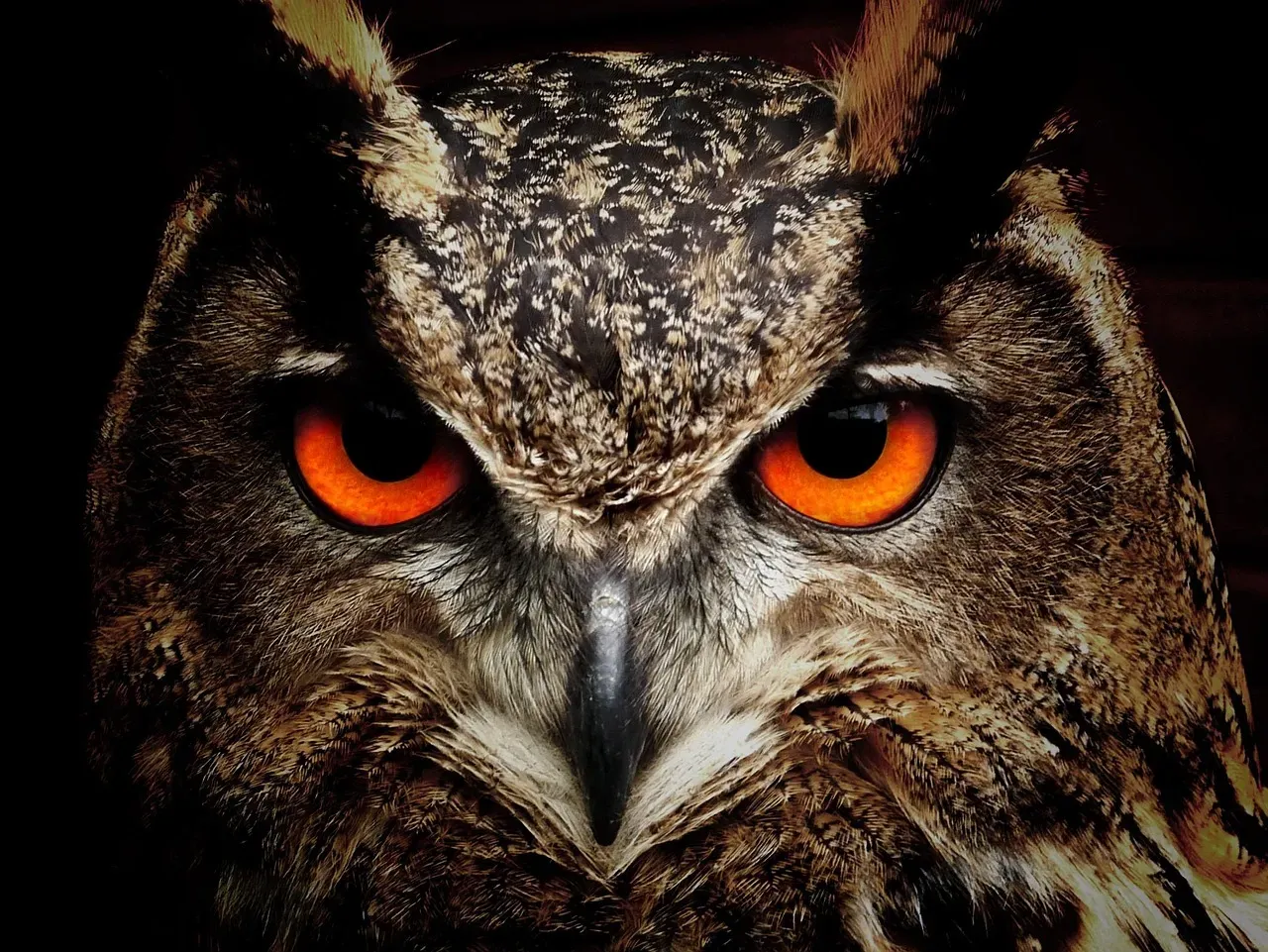
Biological magnetoreceptors in certain animals like birds operate at or near the quantum limit of magnetic field detection, using cryptochrome proteins in their eyes that rely on a quantum radical pair mechanism to perceive magnetic fields. This is not science fiction. This is happening right now in the eyeballs of migrating songbirds.
What makes this even more mind-blowing is how it works. The cryptochrome protein mechanism in bird eyes is extremely sensitive to weak magnetic fields yet readily disturbed by radio-frequency interference, unlike a conventional iron compass. Think of it as biological quantum computing that evolved naturally long before humans figured out the first transistor. Recent findings suggest these birds can essentially “see” magnetic fields as patterns overlaid on their normal vision, creating a sixth sense that helps them navigate during their incredible journeys.
The Mysterious Magnetic Maps Animals Create

Here’s something that sounds impossible: animals don’t just use magnetic fields as a compass to know which way is north. Earth’s magnetic field provides both directional compass information and positional map information that animals exploit to assess their location. They actually create mental magnetic maps of their environment.
Diverse animals ranging from lobsters to birds use magnetic positional information for staying on track along migratory pathways, adjusting food intake at appropriate points in migration, remaining within suitable oceanic regions, and navigating toward specific goals. Sea turtles, for instance, can detect subtle variations in both the intensity and inclination of magnetic fields across different locations. Sea turtles, salmon, and at least some birds imprint on the magnetic field of their natal area when young and use this information to facilitate return as adults, a process that helps explain how salmon find their birth streams after years at sea.
Following Polaris Like Ancient Sailors

Birds possess an almost poetic navigation technique. When researchers blacked out Polaris and everything within a 35-degree radius in a planetarium experiment, indigo buntings became completely disoriented, revealing they had been homing in on the one point in the sky that never moves. They identify the center of celestial rotation the same way humans have for millennia.
Many night-migrating birds take off with the setting sun to calibrate their magnetic compass, then use their star compass to maintain the established heading. Honestly, it’s hard to say for sure how they process all this simultaneously, but the redundancy is brilliant. If clouds block the stars, they switch to their magnetic sense. If radio interference disrupts magnetic detection, they look up.
Dung beetles can navigate when only the Milky Way or clusters of bright stars are visible, making them the only insects known to orient themselves by the galaxy.
The Invisible Light Patterns Only Some Can See

Imagine wearing special sunglasses that reveal secret patterns across the entire sky. The pattern of polarized light in the sky can be used by birds as a geographical reference to calibrate other cues in the compass mechanism, and the greater mouse-eared bat uses polarization cues at sunset to calibrate a magnetic compass. This makes bats the only known mammal with this ability.
Bees and ants find their way home by the polarization of the light of the sky. The detection system is remarkably sophisticated. Sunlight scatters when it enters the atmosphere, creating polarization patterns invisible to us but crystal clear to these animals. When sunlight reflects off water, it becomes horizontally polarized at a specific angle, and different flying insects use polarized reflections to identify water bodies.
Let’s be real, this is like having X-ray vision for navigation.
Echolocation Beyond Bats and Dolphins
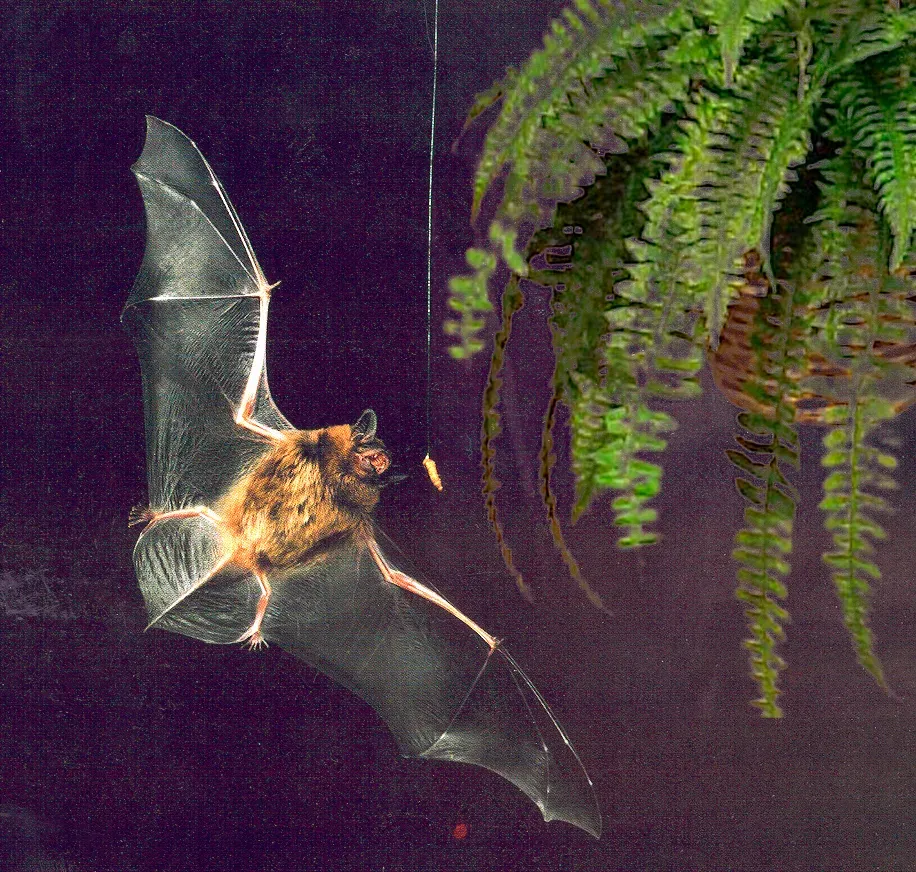
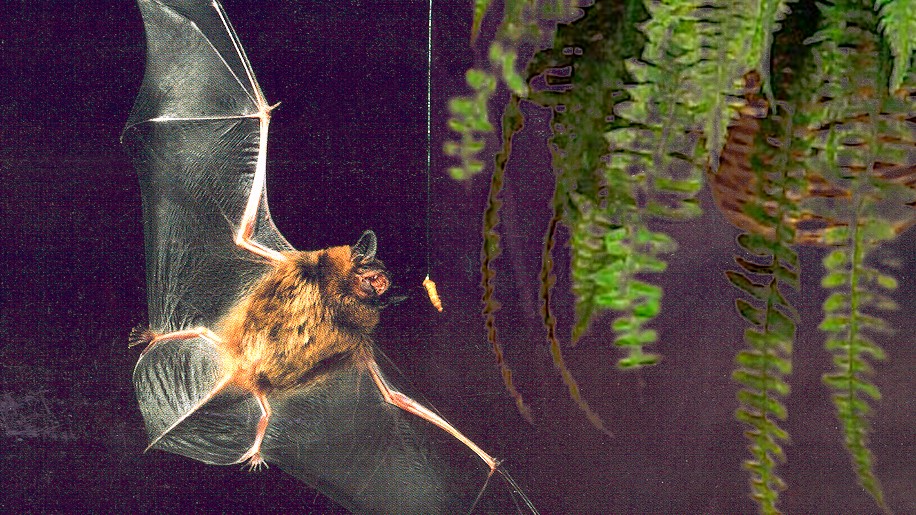
Most people know bats and dolphins use echolocation, but the sophistication is staggering. Echolocation occurs when an animal emits a sound wave that bounces off an object, returning an echo that provides information about the object’s distance and size. Over a thousand species echolocate, including most bats, all toothed whales, and small mammals.
Bats can detect an insect up to 5 meters away, determine its size and hardness, avoid wires as fine as human hairs, and as they close in for the kill, they crank up their calls to pinpoint prey while turning off their middle ear just before calling to avoid being deafened. That’s some serious biological engineering.
Using echolocation, dolphins can detect an object the size of a golfball about the length of a football pitch away, much further than they can see, and by moving its head to aim the sound beam at different parts of a fish, a dolphin can differentiate between species. They’re essentially creating sonic images of the underwater world.
The Olfactory Maps We Never Knew Existed

It might sound crazy, but birds can smell their way across hundreds of miles. One hypothesis proposed that seabirds spending time flying over featureless open water use their sense of smell to navigate, and recent experiments conclude they do indeed sniff their way around the ocean using a scent map.
Homing pigeons use familiar smells to navigate their way across hundreds of kilometers of unfamiliar territory. Here’s the thing: scientists discovered pigeons associate different odors with wind directions at their home location. Some compounds come from forested areas like monoterpenes or the sea like dimethyl sulfide, while others are emitted from cities and industrial complexes, spots that act like chemical lighthouses.
Scientists believe that salmon navigate by using the earth’s magnetic field like a compass, and when they find the river they came from, they start using smell to find their way back to their home stream. It’s a layered navigation system switching between different senses as needed.
The Sun Compass That Requires an Internal Clock

Monarch butterflies use the Sun as a compass to guide their southwesterly autumn migration from Canada to Mexico. Simple enough, right? Except the sun moves across the sky throughout the day. Karl von Frisch showed that honey bees can navigate by the Sun, by the polarization pattern of the blue sky, and by Earth’s magnetic field, and they rely on the Sun when possible.
The Sun compass requires the internal clock to interpret the position of the Sun, and both astronomical compass mechanisms are based on learning processes to adapt them to the geographic latitude where the animals live. This means animals need to know not just where the sun is, but also what time it is. Their circadian rhythms are navigation tools.
Some species demonstrate this so effectively that researchers can manipulate their direction by changing their internal clocks, essentially jet-lagging them into flying the wrong way.
Sound Waves That Map the Darkness
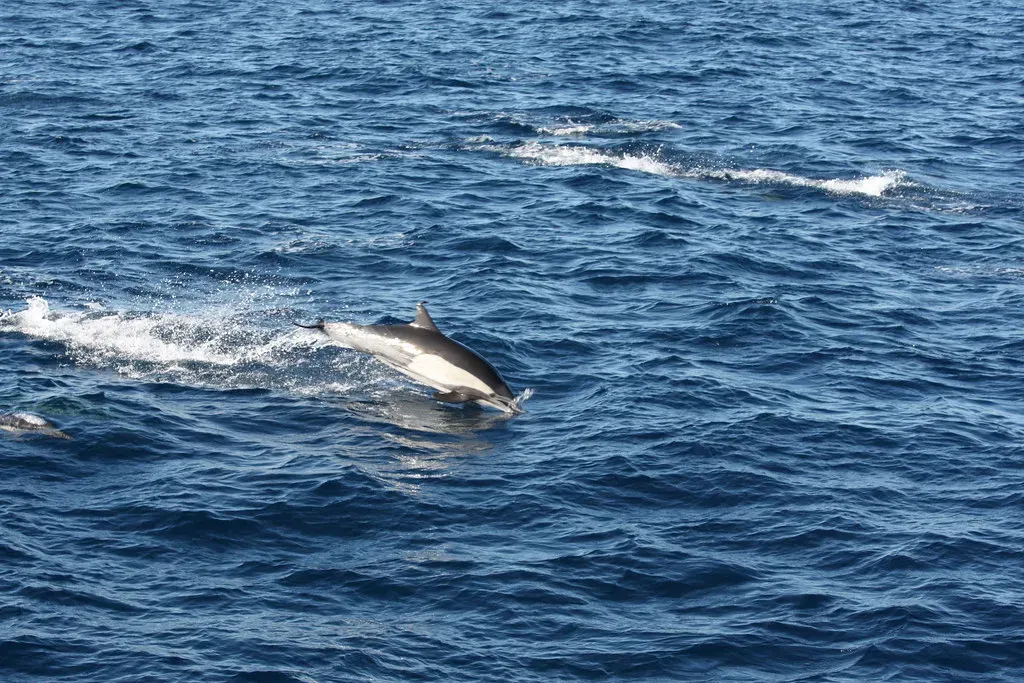
Echolocation is a logical strategy in the ocean, where sound travels five times faster than in air. This speed advantage makes underwater echolocation incredibly effective. When a dolphin echolocates on a person, they have the ability to see muscle tissue, bone tissue, scar tissue, metal pins or rods, artificial body parts, and many subtle differences from one human to the next. They’re seeing through us like living ultrasound machines.
Due to the nature of water, when a toothed whale echolocates, its signals pass through targets, telling the animal what the object looks like on the inside and the outside. Bats don’t have this superpower because sound behaves differently in air. Still, some bat species produce calls as loud as 140 decibels, louder than a jet engine.
The Chinese pygmy dormouse is nearly blind and uses soft squeaks too quiet for human ears to navigate tree branches, using soft rather than loud noises because the branches are very close to the animal. Even tiny rodents have adapted echolocation to their specific needs.
Conclusion: Nature’s Navigation Beats Our Technology
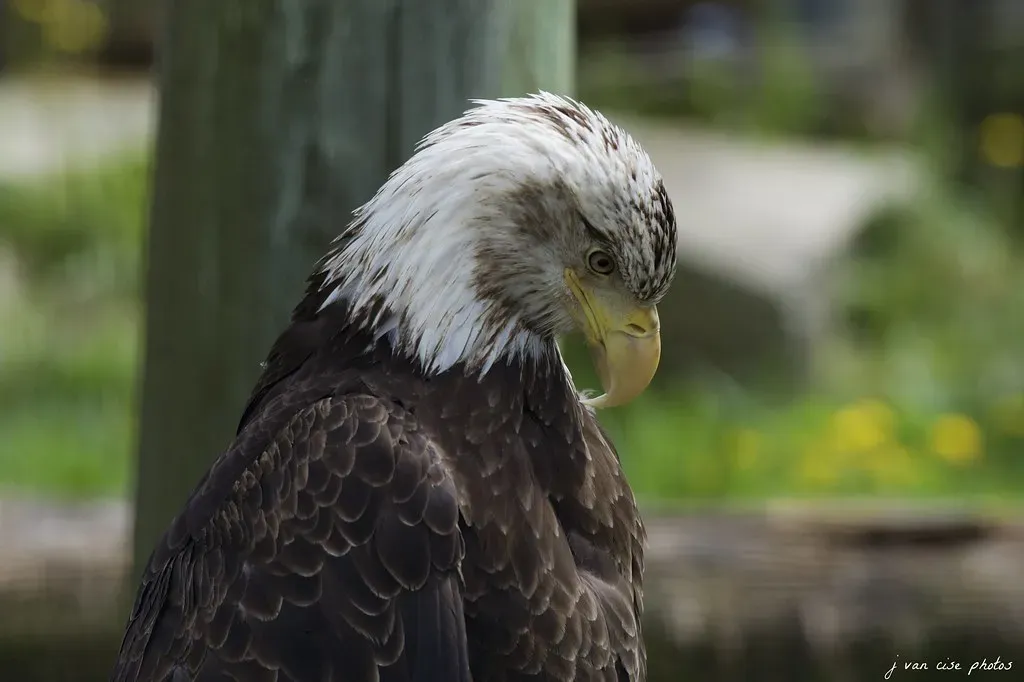
The animal kingdom has spent millions of years perfecting navigation systems that put our technology to shame. From quantum mechanics in bird eyes to olfactory maps in pigeon brains, from polarized light vision to magnetic field detection, these abilities represent evolutionary masterpieces we’re only beginning to understand.
What’s truly remarkable is how many animals combine multiple navigation systems simultaneously, switching seamlessly between them depending on conditions. They don’t rely on a single sense but weave together magnetic fields, celestial cues, smells, and sounds into a comprehensive understanding of their position on Earth.
Did you expect animals to be using quantum physics and chemical lighthouses to find their way home? What do you think is the most impressive navigational ability? Share your thoughts in the comments.

- 14 Signs a Dog Near the Rainbow Bridge Is at Peace With Its Person - July 21, 2026
- 15 Ways a Shelter Animal Tells You It Was Always Meant to Be Yours - July 21, 2026
- 14 Ways a Dog Shows You Are the Center of Its Whole World - July 21, 2026