
Ancient Greek Culture
🔥 Would you like to save this?
We'll email this post to you, so you can come back to it later!
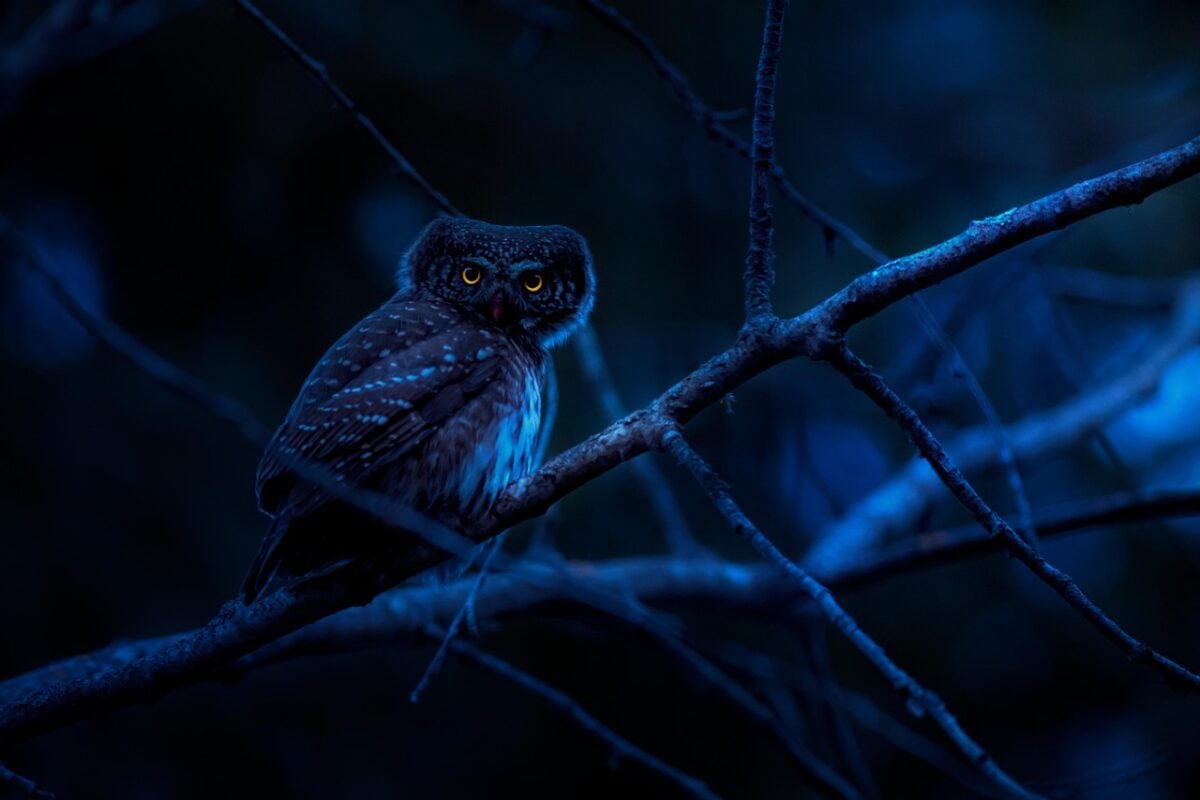
In ancient Greece the owl stood beside Athena, the goddess of wisdom and strategic warfare. Athenians placed the little owl on coins and watched it as a sign of divine approval during battles. Its large eyes and calm stare seemed to match the clear thinking the city prized above all else.
People believed the bird could see through darkness in ways that echoed human insight. When an owl appeared near soldiers or in the city at night, it often counted as reassurance rather than warning. This link between the bird and intellect later traveled into Western sayings that still call someone wise as an owl.
Ancient Roman Culture
🔥 Would you like to save this?
We'll email this post to you, so you can come back to it later!
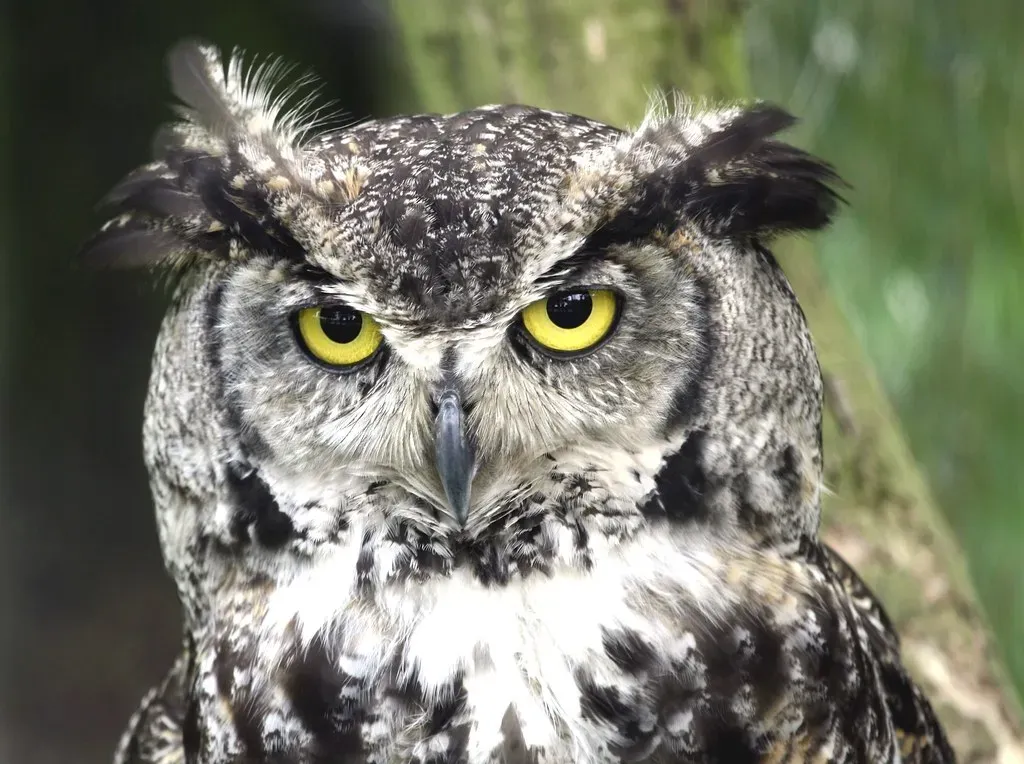
Romans took a cooler view of the same bird. Writers such as Pliny the Elder described the owl as a creature of ill omen whose call could foretell disaster or death. Its sudden appearance near a household sometimes prompted rituals meant to ward off trouble.
The contrast with Greek reverence shows how neighboring cultures can read the identical animal in opposite ways. Roman accounts tied the owl more to the unpredictable night than to any goddess of reason. Over time those stories fed later European fears that linked owls with witchcraft and misfortune.
Ancient Egyptian Culture
🔥 Would you like to save this?
We'll email this post to you, so you can come back to it later!
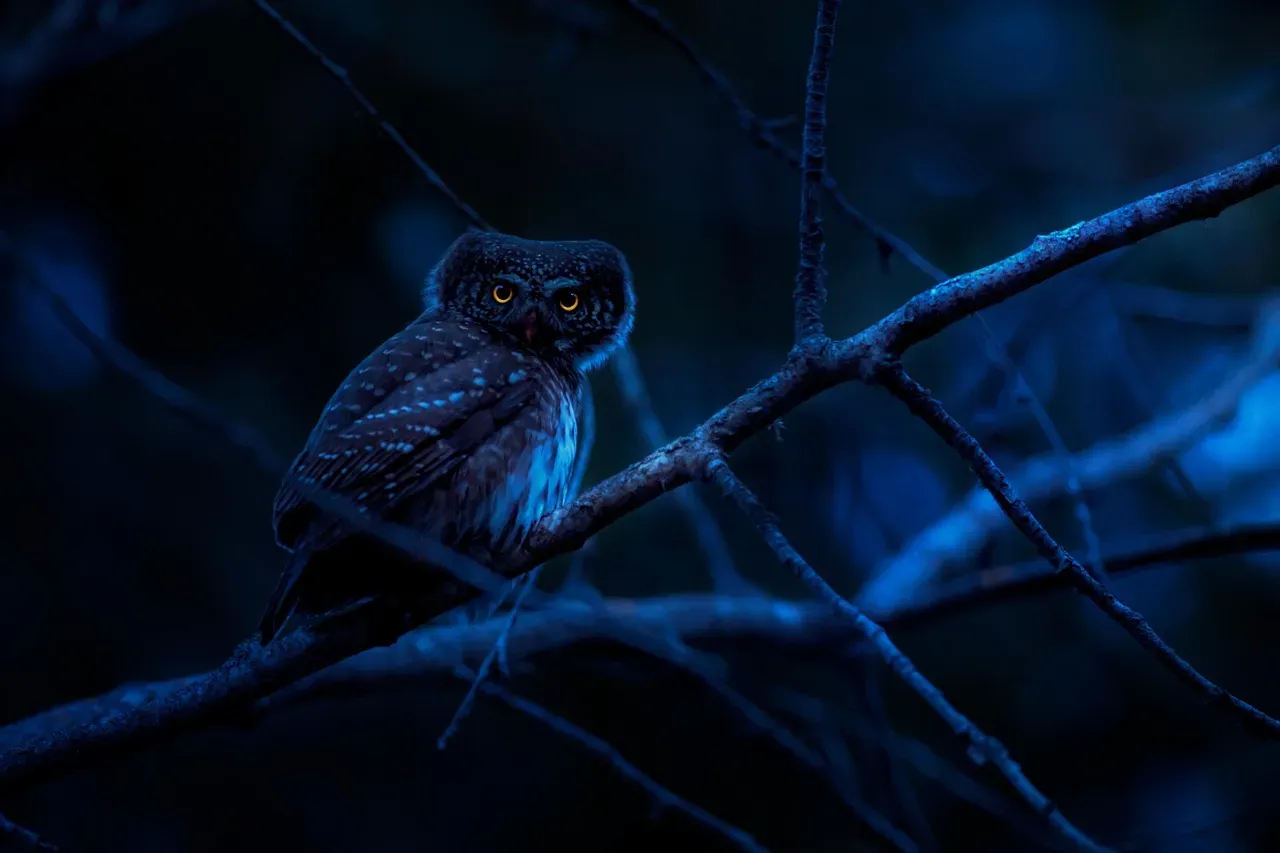
Egyptian records connect owls with the night and the passage between life and death. The hieroglyph for the bird sometimes appeared in words tied to the afterlife, suggesting it served as a guide rather than a simple threat. Amulets shaped like owls turned up in burial settings, hinting at a protective role during the soul’s journey.
Unlike the loud warnings found elsewhere, Egyptian sources treat the owl more as a quiet companion to transition. Its ability to move unseen at night aligned with ideas about hidden realms. The symbolism stayed practical and tied to funerary practice instead of broad moral lessons.
Hindu Traditions in India

🔥 Would you like to save this?
We'll email this post to you, so you can come back to it later!
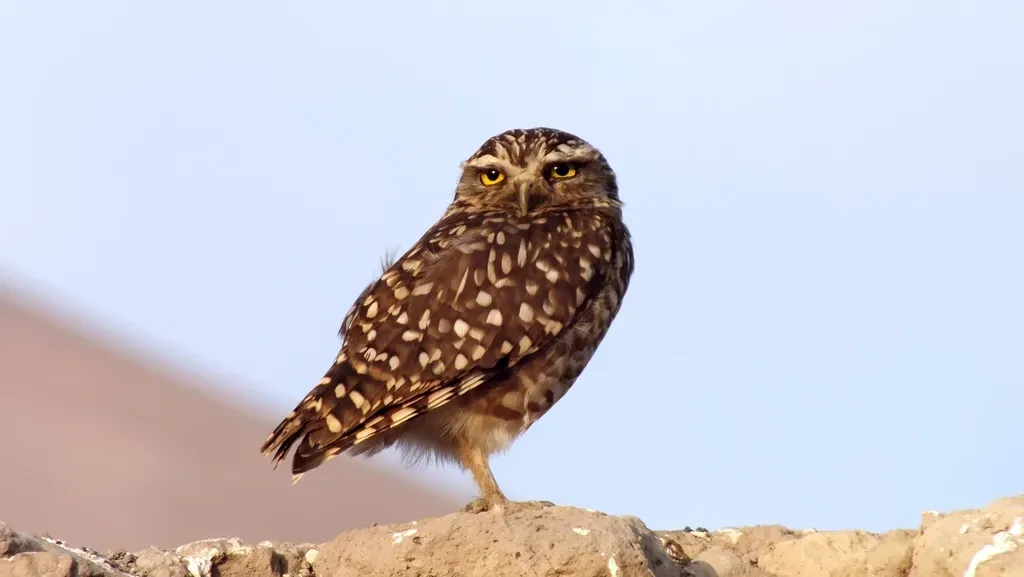
In Hindu imagery the owl rides with Lakshmi, the goddess of wealth and prosperity. The bird therefore carries associations with fortune and abundance, especially in eastern regions where the pairing appears often in art. At the same time, many households still treat an owl’s hoot as a possible sign of coming trouble.
This double reading creates practical effects. Construction projects have been delayed when owls nest nearby because the sound feels inauspicious to some. The tension between prosperity and warning keeps the owl present in both ritual and everyday caution across different communities.

Glass Hummingbird Feeder for Outdoors Hanging, 16 oz Leak-Proof Nectar Feeder with Bee Guards & Ant Moat
Check Price on AmazonAs an Amazon Associate, we earn from qualifying purchases.
10/7/2026 1:22 pm GMTi

Glass Hummingbird Feeder for Outdoors Hanging
Check Price on AmazonAs an Amazon Associate, we earn from qualifying purchases.
10/7/2026 1:21 pm GMTi

Professional 7 in 1 Dog Paw Cleaner for Dogs & Cats - Includes 1 Portable Paw Washer, 1 Bath Brush
Check Price on AmazonAs an Amazon Associate, we earn from qualifying purchases.
10/7/2026 1:26 pm GMTi

PetSafe Oasys Pet Fountain, 1/2 Gallon (64 oz), Small Dogs & Cats
Check Price on AmazonAs an Amazon Associate, we earn from qualifying purchases.
10/8/2026 8:14 am GMTi

2 Pcs Halloween Pet Hat Bandana Set, Witch Pumpkin Costumes for Dogs
Check Price on AmazonAs an Amazon Associate, we earn from qualifying purchases.
10/9/2026 2:45 pm GMTi
Traditional Chinese Culture
🔥 Would you like to save this?
We'll email this post to you, so you can come back to it later!
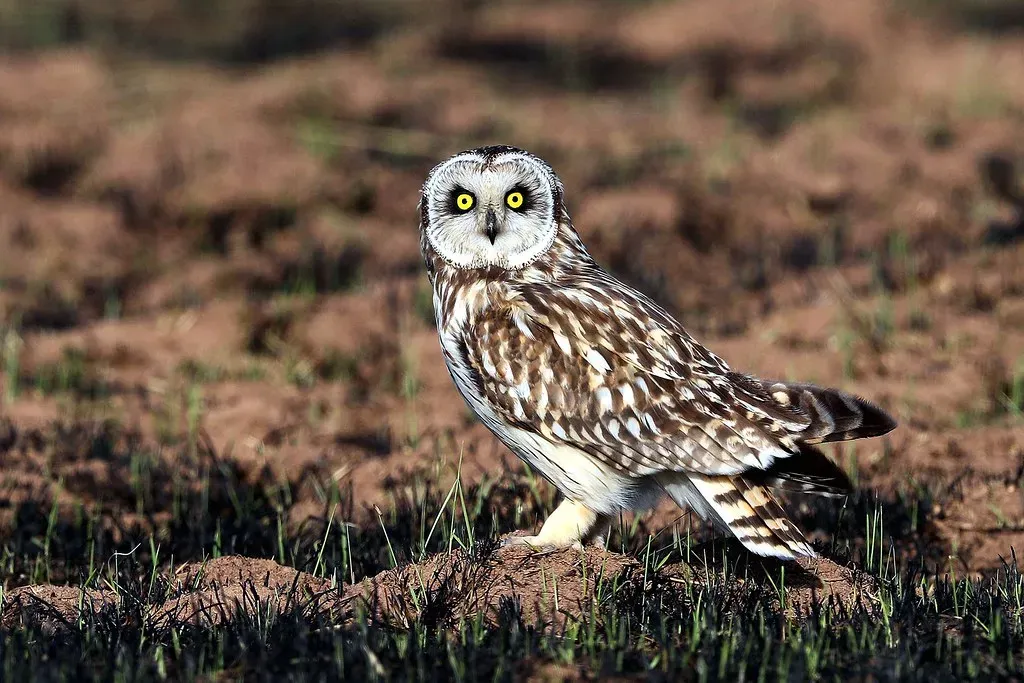
Chinese tradition often casts the owl as a bird of misfortune or unfilial behavior. Old texts claimed owls might even harm their own parents, turning the creature into a symbol of disorder. Yet the same sources sometimes credit it with protection during military campaigns or at funerals, where it could drive away harmful spirits.
The mixed signals reflect how practical observation and moral storytelling can pull in different directions. Owls that brighten the night with their calls were also linked to lightning or drums in older accounts. Over centuries the negative reading dominated daily life while the protective one survived in specific ceremonies.
Japanese Culture
🔥 Would you like to save this?
We'll email this post to you, so you can come back to it later!
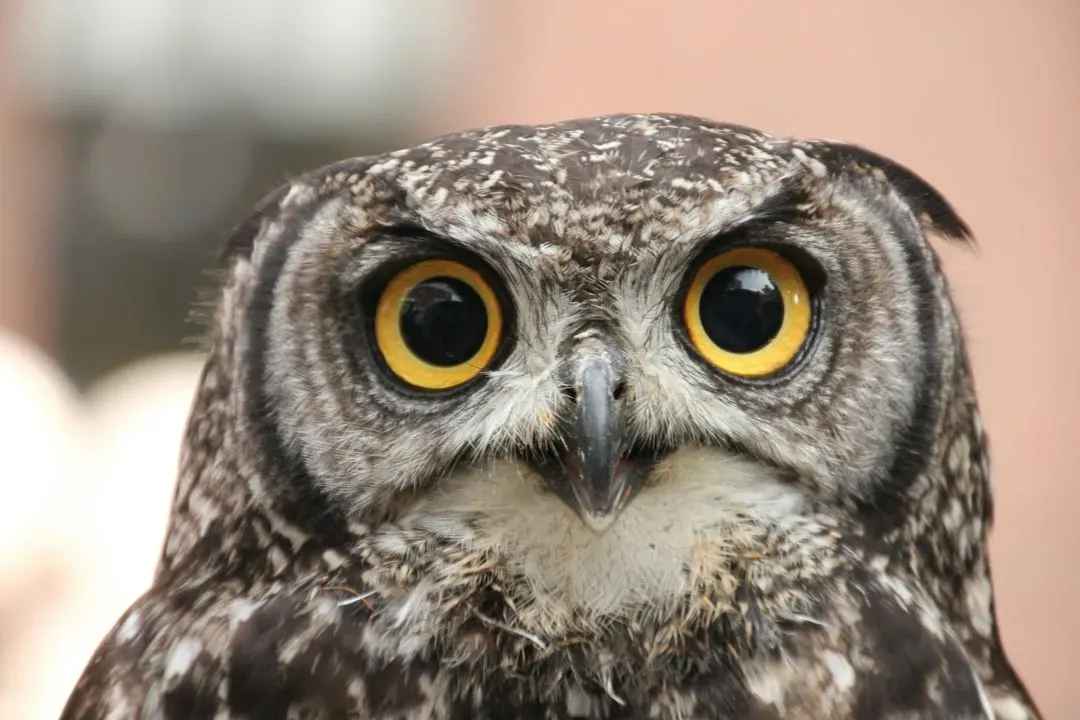
Japanese views turned the owl into a bringer of good luck. The word fukurō sounds close to phrases meaning “no hardship,” so figurines and images of owls became popular charms against trouble. People placed them in homes or gave them as gifts to wish others safety and steady fortune.
Earlier periods carried some association with death, yet the positive reading grew stronger and remains common today. The bird’s silent flight and steady gaze fit ideas of quiet protection. Modern souvenirs and temple offerings keep the lucky image alive without erasing older layers of meaning.
Celtic Traditions
🔥 Would you like to save this?
We'll email this post to you, so you can come back to it later!
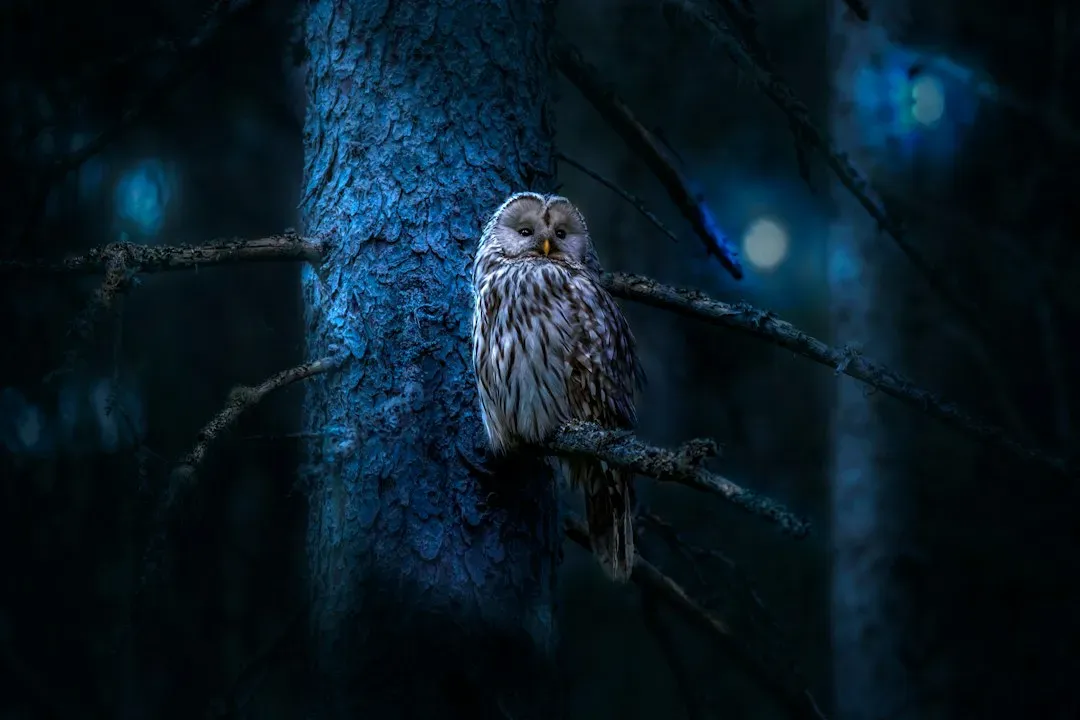
Celtic stories place the owl in the underworld and link it to themes of death and rebirth. Its presence in myths often signals a threshold between ordinary life and hidden realms. The bird’s nocturnal habits matched beliefs about spirits that move only after dark.
Welsh tales describe transformations involving owls as punishment or change, reinforcing the sense of the bird as a marker of transition. While some later interpretations add notes of wisdom or guardianship, the core connection stays with the darker side of the night. These threads appear across different Celtic regions with small local shifts.

Air Purifiers for Home Pets Large Room Up to 3000 Ft²,HEPA Air Cleaner with Washable Double-Side Filter, PM2.5 Air Quality Monitor,15dB Sleep Mode for Bedroom Odor Dust Pollen,White
Check Price on AmazonAs an Amazon Associate, we earn from qualifying purchases.
10/8/2026 8:23 am GMTi

Hand Blown Glass Hummingbird Feeders for Outdoors Hanging, 24oz Wild Bird Nectar Feeder
Check Price on AmazonAs an Amazon Associate, we earn from qualifying purchases.
10/7/2026 1:23 pm GMTi

Halloween Dog Collar with Bow, Orange Cute Ghost Collar,
Check Price on AmazonAs an Amazon Associate, we earn from qualifying purchases.
10/9/2026 2:43 pm GMTi

Smart Bird Feeder with Camera Solar Powered, 2K HD Live Video, 10,000+ Bird Species AI Identification
Check Price on AmazonAs an Amazon Associate, we earn from qualifying purchases.
10/7/2026 1:22 pm GMTi

Portable Dog Water Bottle Foldable Dog Travel Water Bottle
Check Price on AmazonAs an Amazon Associate, we earn from qualifying purchases.
10/7/2026 1:29 pm GMTi
African Cultures
🔥 Would you like to save this?
We'll email this post to you, so you can come back to it later!
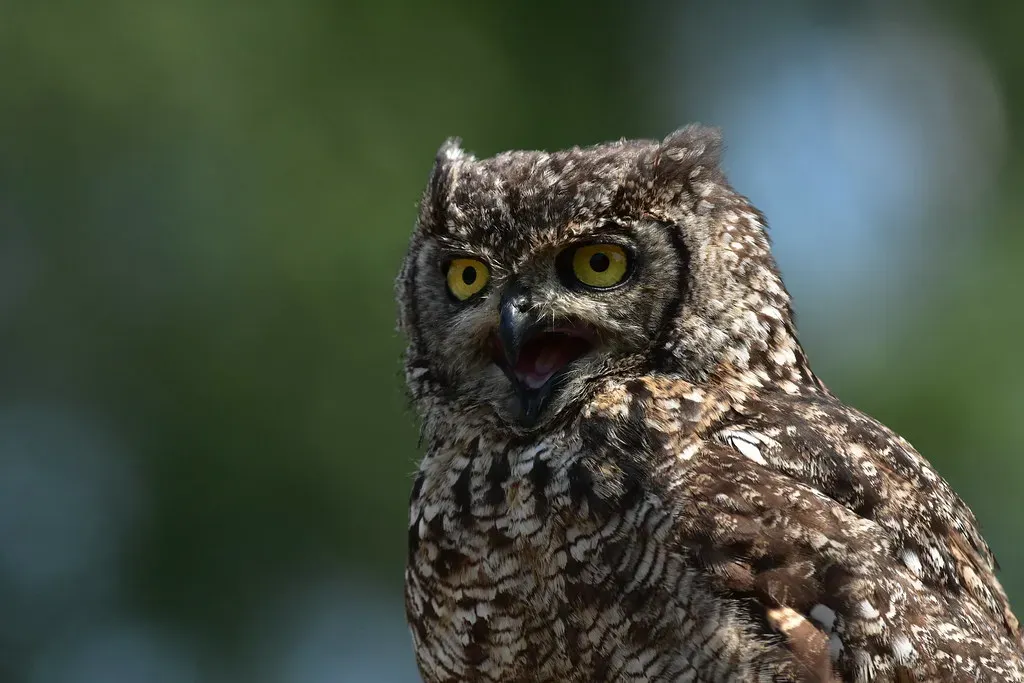
Across many African communities the owl carries warnings of illness, witchcraft, or death. Kikuyu people in Kenya, for example, read a sighting or call as a sign that someone nearby would soon die. Similar ideas appear among Bantu groups and in parts of East and West Africa where the bird is seen as a messenger for sorcerers.
The strength of these beliefs varies by region and group, yet the pattern of caution repeats. In some places owls are simply avoided; in others they prompt protective rituals. The shared thread is the sense that the bird crosses into human space carrying news best left undisturbed.
Reflecting on These Shifting Meanings
🔥 Would you like to save this?
We'll email this post to you, so you can come back to it later!
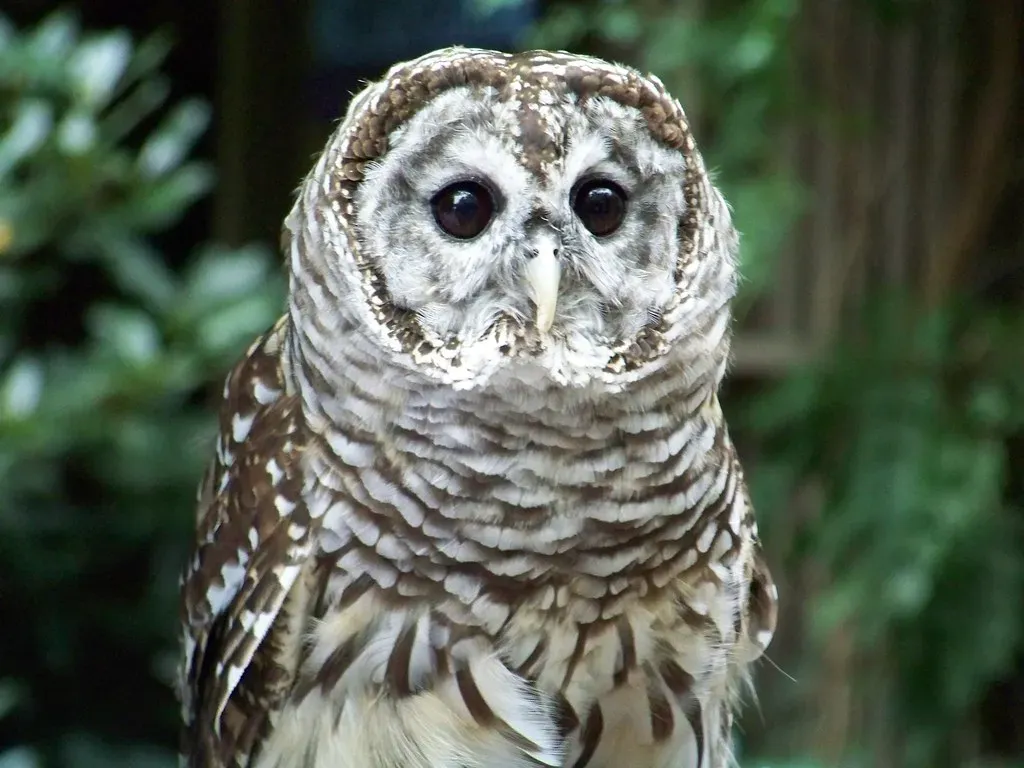
Looking across these eight traditions reveals how one animal can collect entirely different stories depending on what a culture already values or fears. The same silent flight that Greeks tied to wisdom became a Roman signal of doom and an African warning of witchcraft. No single reading wins out; each one fits the questions people were already asking about night, death, and knowledge.

Dog Stairs for Bed 18" H, 4-Step Dog Steps for High Bed
Check Price on AmazonAs an Amazon Associate, we earn from qualifying purchases.
10/9/2026 2:42 pm GMTi

Halloween Cat Costume Cloak Witch Hat Pet Accessories
Check Price on AmazonAs an Amazon Associate, we earn from qualifying purchases.
10/9/2026 2:44 pm GMTi

Orthopedic Extra Large Dog Bed, Waterproof Washable XL Pet Bed 44"
Check Price on AmazonAs an Amazon Associate, we earn from qualifying purchases.
10/7/2026 1:32 pm GMTi

Earth Rated XL Dog & Puppy Pee Pads, Discreet Top, Max Absorbency
Check Price on AmazonAs an Amazon Associate, we earn from qualifying purchases.
10/7/2026 1:28 pm GMTi
Modern encounters with owls still carry echoes of these older layers. A person might feel a quiet thrill at the sight of one because the bird continues to stand for whatever mystery feels closest at the moment. That flexibility keeps the symbolism alive long after the original myths were first told.

- What the Owl Means Across 8 Different Cultures - November 10, 2026
- What It Means When the Same Animal Keeps Appearing in Your Life According to Spiritual Symbolism - November 10, 2026
- 15 Happiest Cities in The USA - November 10, 2026