

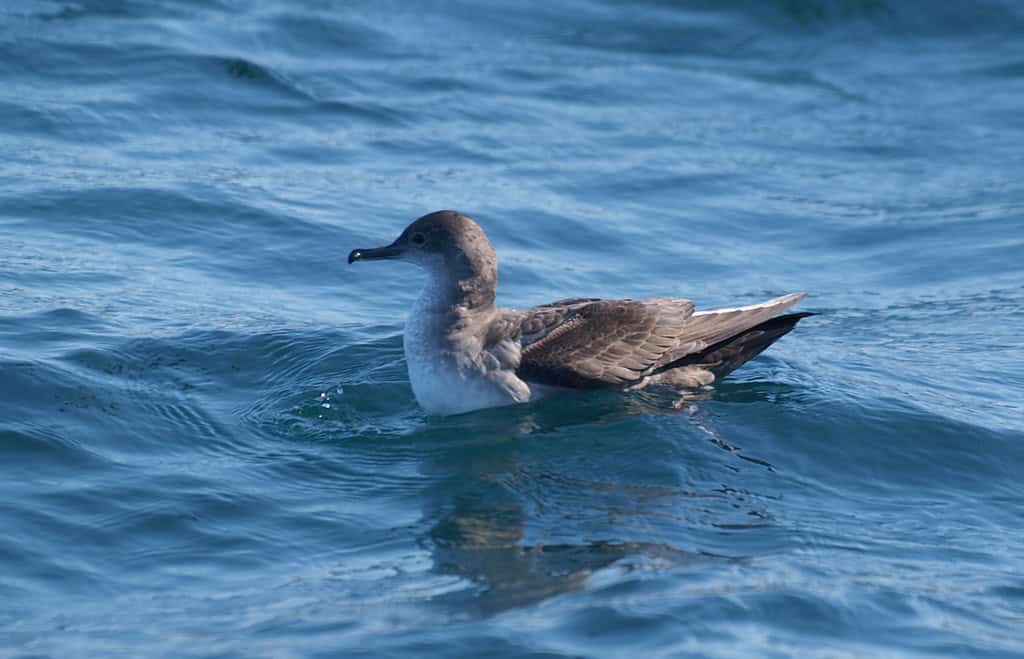
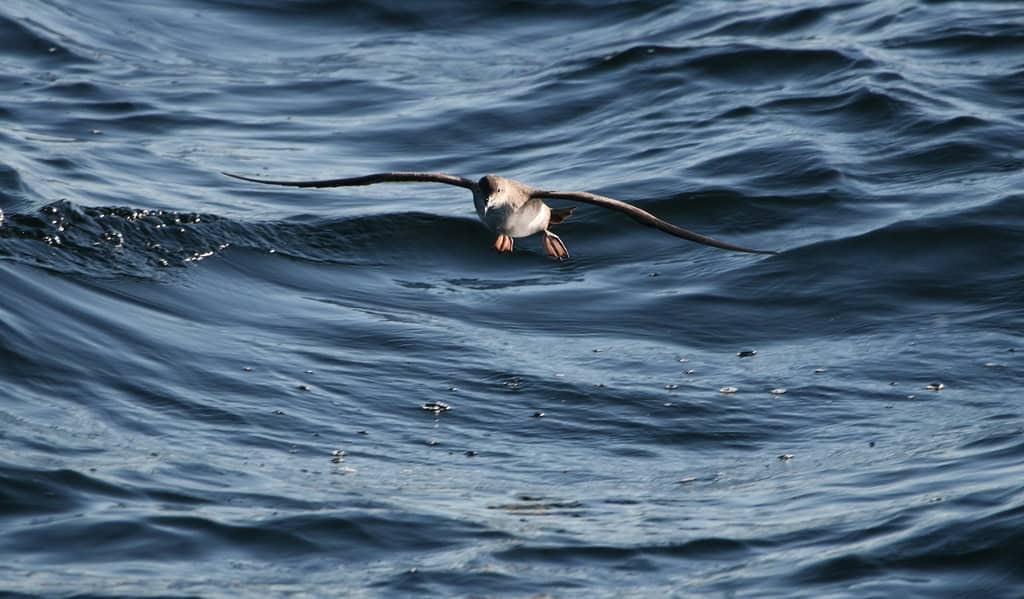
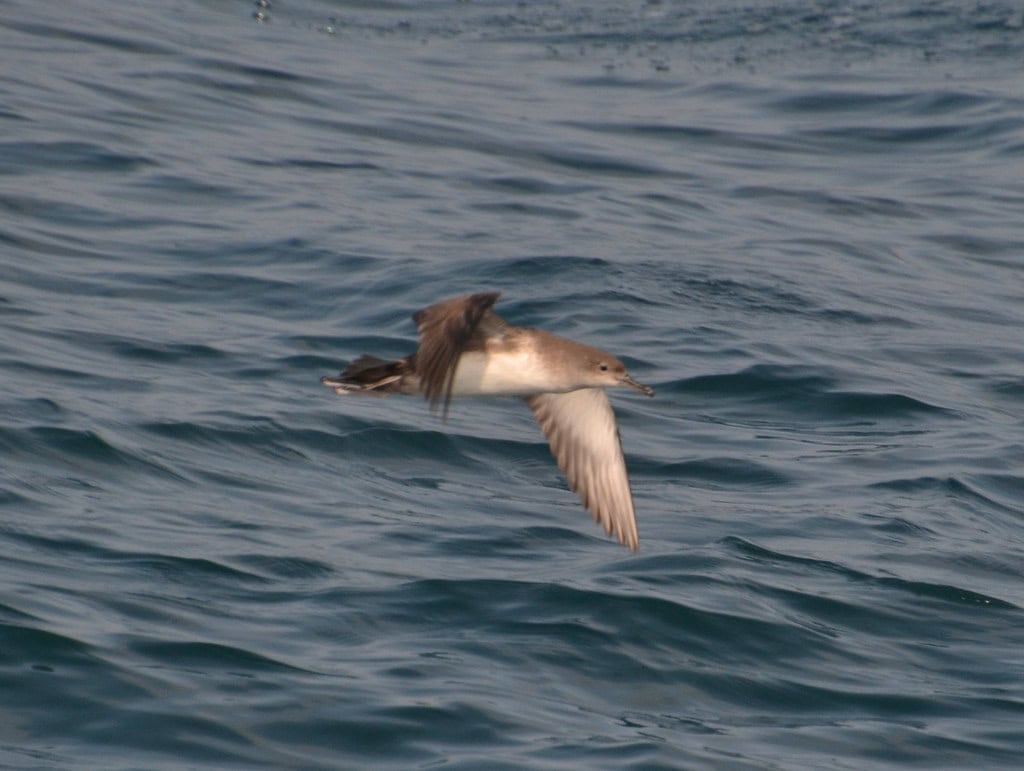
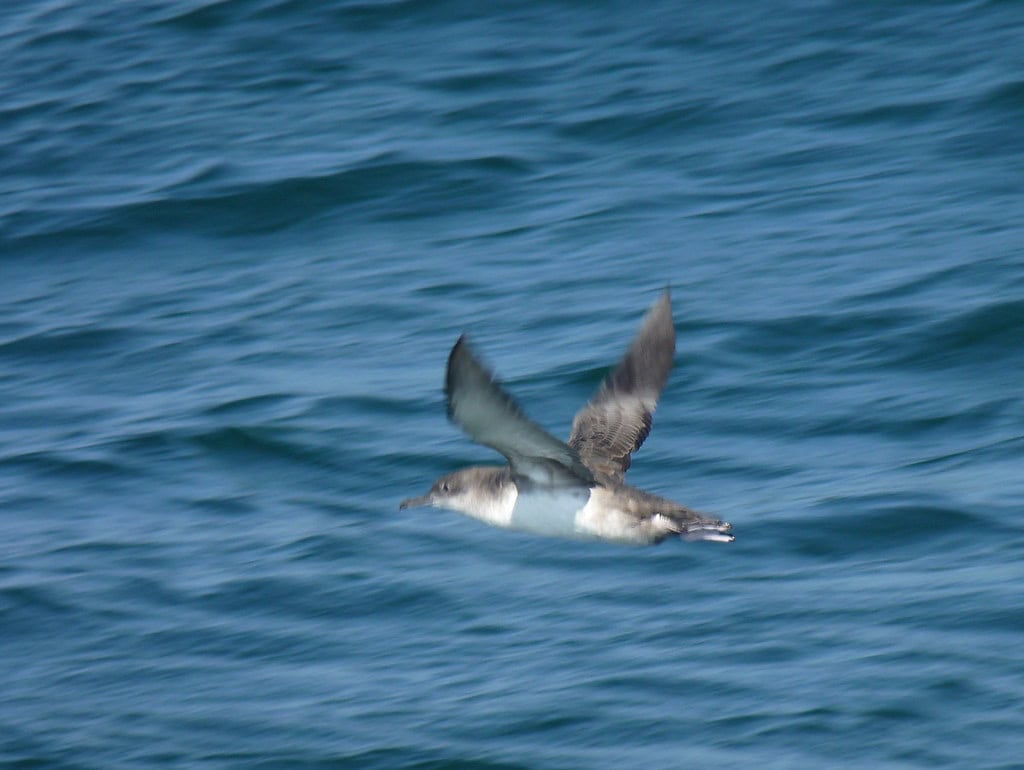
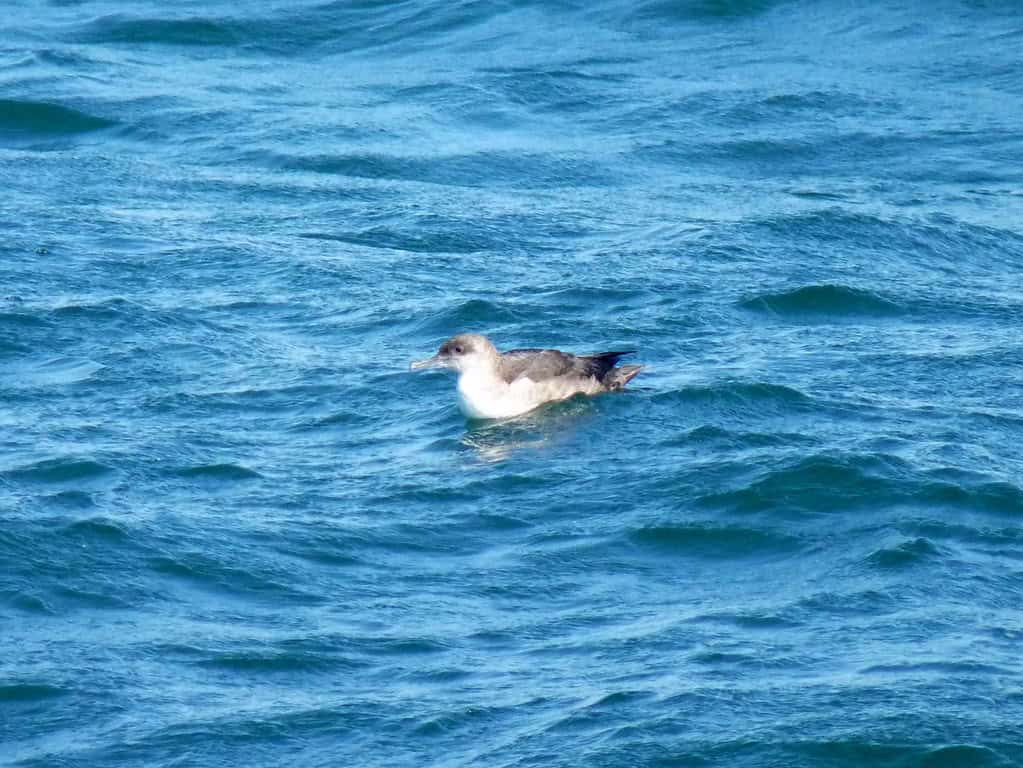
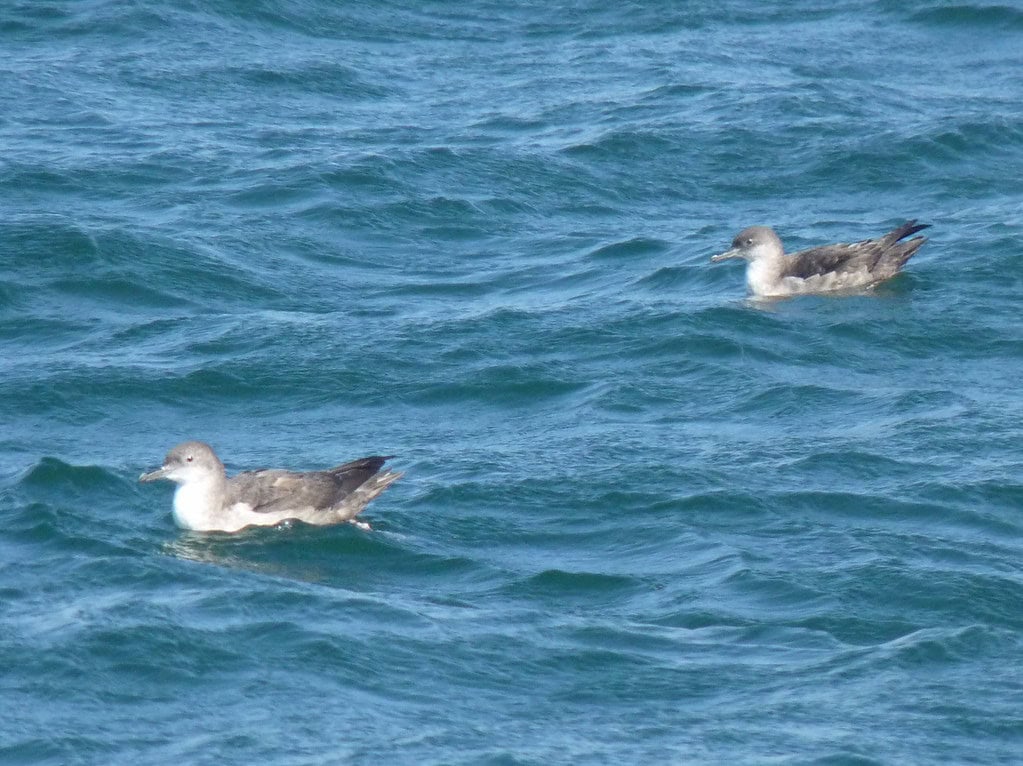
With fewer than 400 breeding pairs remaining in the wild, the Balearic Shearwater (Puffinus mauretanicus) currently holds the unfortunate distinction of being the world’s most critically endangered bird species. Native to the Mediterranean, specifically the Balearic Islands of Spain, this seabird faces an estimated 14% annual population decline—a catastrophic rate that could lead to its extinction within the next 60 years without immediate intervention.
Like the vaquita porpoise in the mammal world, the Balearic Shearwater stands at the precipice of oblivion, representing not just the loss of a species but an entire evolutionary lineage. This medium-sized seabird with its brownish-gray plumage and distinctive flight pattern faces multiple existential threats that require coordinated international action to address. Understanding what this bird needs to survive requires examining the complex web of factors threatening its existence and the comprehensive solutions needed to reverse its decline.
A Safe Breeding Ground Free from Predators
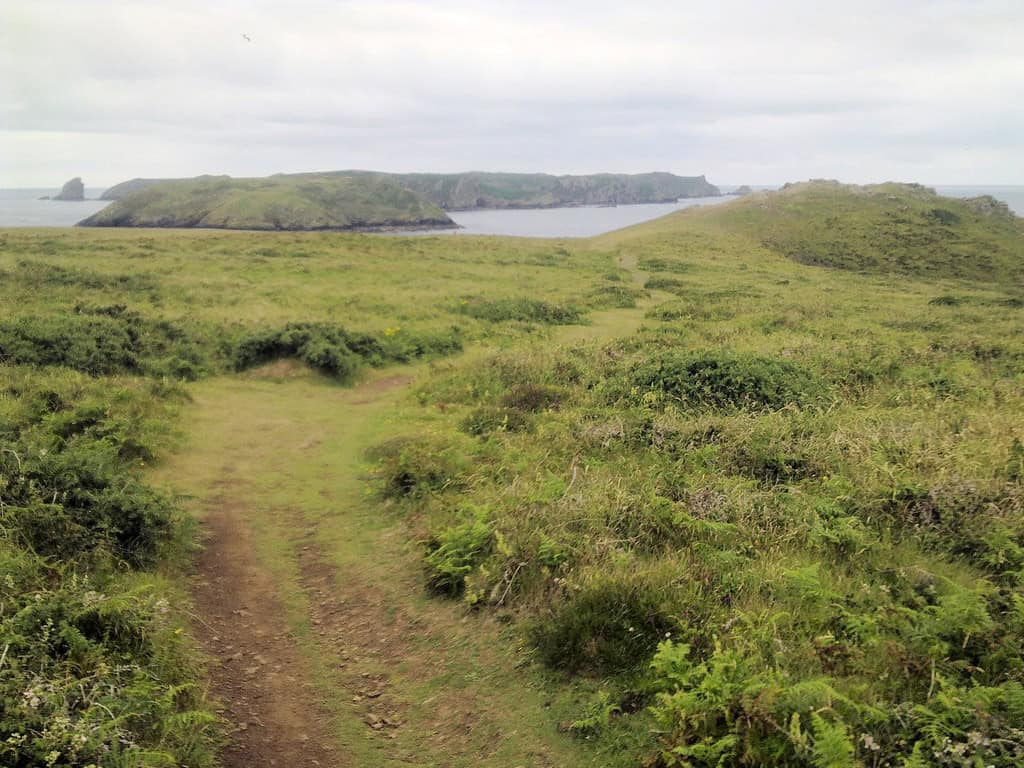
Perhaps the most immediate need for the Balearic Shearwater is secure, predator-free nesting habitat. These birds breed exclusively on steep cliffs and in caves on the Balearic Islands, particularly Mallorca, Menorca, Ibiza, and Formentera. Introduced predators, especially feral cats, rats, and martens, have devastated breeding colonies by preying on eggs, chicks, and even adult birds. A single rat can destroy multiple nests in one night.
Conservation measures must include comprehensive predator control programs on breeding islands, particularly during the critical nesting season from March to June. Some successful conservation projects have already demonstrated the effectiveness of creating predator-free breeding zones through fencing, trapping, and continuous monitoring. The establishment of artificial nest boxes in predator-controlled areas has also shown promise in providing safe breeding habitat. Any effective conservation strategy must prioritize the protection and expansion of these critical breeding grounds.
Freedom from Bycatch in Fishing Operations
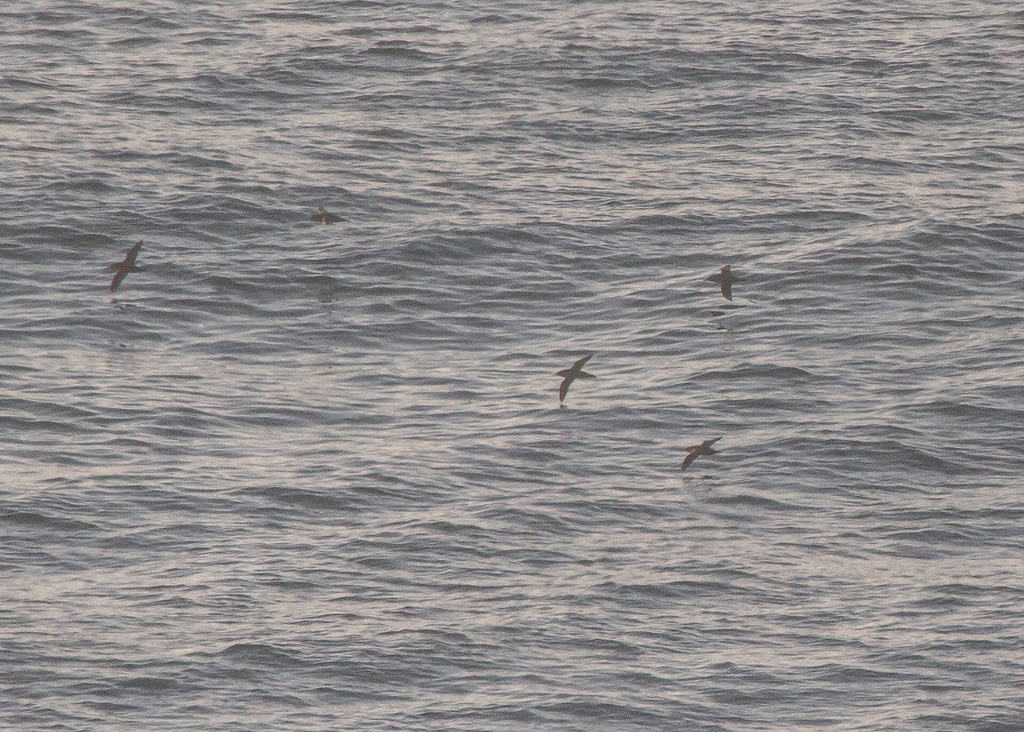
At sea, fishing-related mortality represents the greatest threat to adult Balearic Shearwaters. These birds frequently become entangled in longline fishing gear when diving for bait, or in gillnets when pursuing fish. Studies estimate that over a thousand Balearic Shearwaters perish annually as bycatch—an unsustainable loss for such a small population. To survive, the species requires the widespread implementation of bycatch mitigation measures throughout its range.
These include night setting of fishing gear when birds are less active, weighted lines that sink quickly below diving depth, bird-scaring lines (also called tori lines) that deter birds from approaching baited hooks, and seasonal or area closures in critical feeding zones. The Spanish government has initiated programs working with fisheries to implement and test these measures, but more comprehensive adoption across Mediterranean fishing fleets is essential. Collaborative efforts between conservation organizations, governments, and the fishing industry must be strengthened to minimize this significant source of mortality.
Clean, Productive Marine Habitats
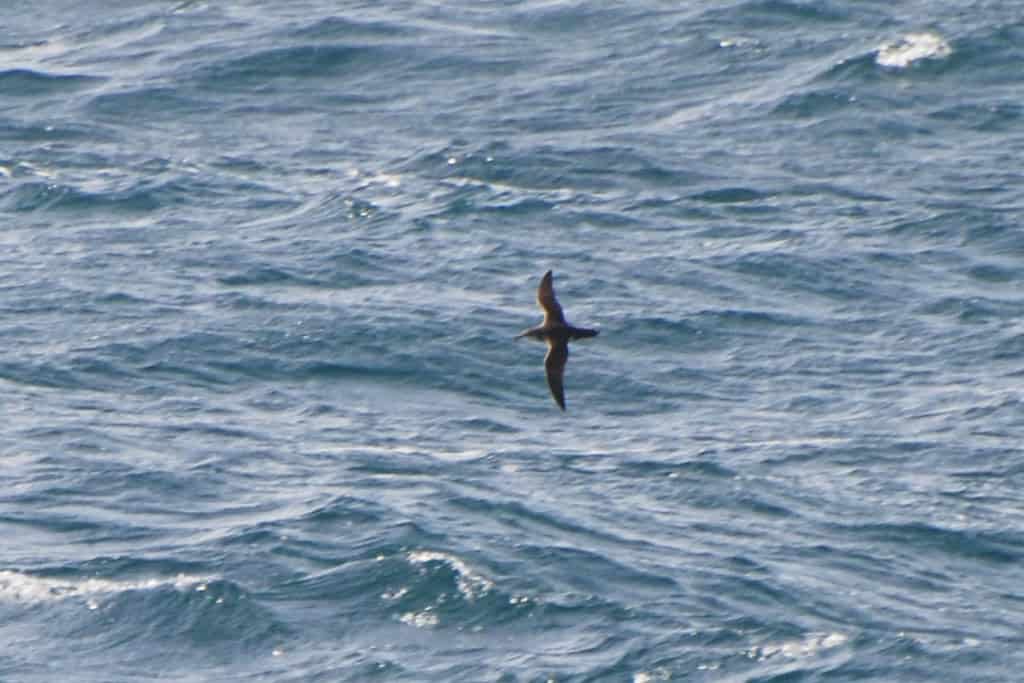
Balearic Shearwaters depend entirely on healthy marine ecosystems for their food supply, primarily small pelagic fish like sardines and anchovies. Marine pollution, particularly plastic debris and chemical contaminants, directly threatens these birds through ingestion, entanglement, and bioaccumulation of toxins. Additionally, overfishing of their prey species reduces food availability, forcing birds to travel farther in search of nourishment and potentially affecting breeding success. Climate change compounds these challenges by altering the distribution and abundance of prey species.
The birds need comprehensive marine protected areas that safeguard their key feeding grounds, particularly in productive upwelling areas off eastern Spain, Portugal, and northwest Africa. Effective management of fisheries resources to maintain sustainable populations of small pelagic fish is equally crucial. Broader oceanic health initiatives that address pollution, particularly plastic waste reduction, are essential components of any conservation strategy aimed at securing the Balearic Shearwater’s future.
Protection from Coastal Development
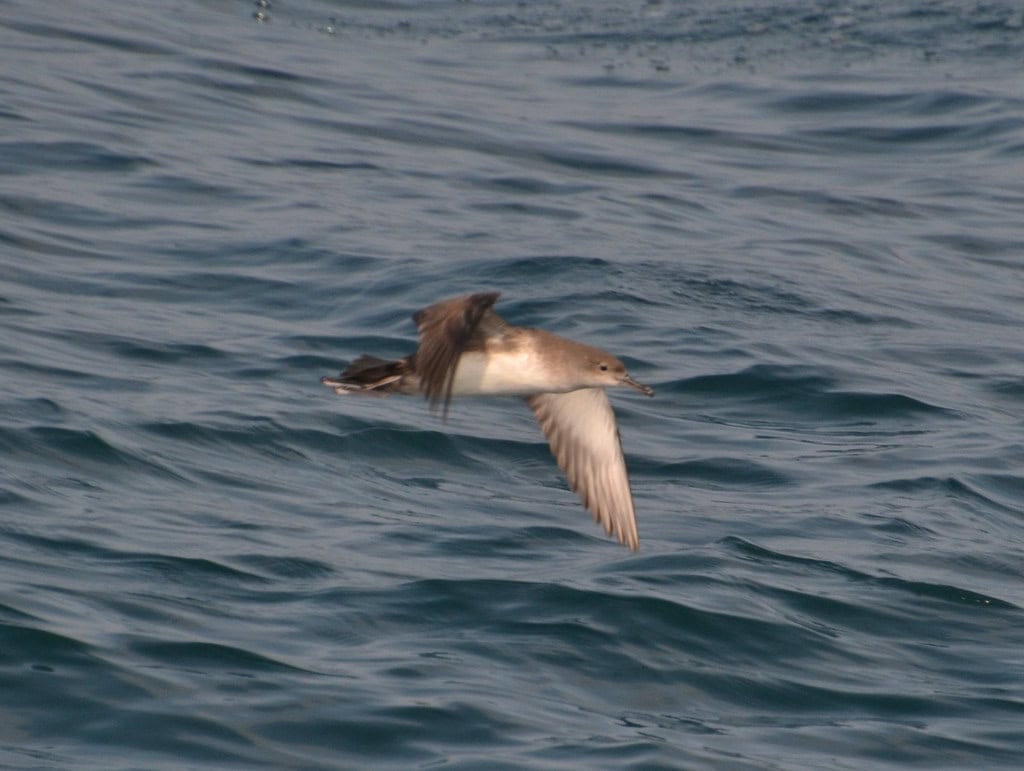
The Balearic Islands face intense pressure from tourism and coastal development, which directly impact shearwater breeding colonies. Urbanization near breeding areas brings increased light pollution, which disorients fledgling shearwaters. Many young birds become stranded in towns and cities each year after being attracted to artificial lighting during their first flights from nesting colonies to the sea. Additionally, construction activities and human disturbance near colonies can cause adults to abandon nests.
For the species to survive, strict coastal planning regulations must be enforced to prevent development near breeding colonies, particularly by establishing buffer zones around known breeding sites. Light pollution mitigation strategies, including dark-sky compliance for coastal developments and temporary light reduction during fledging periods, are essential. Several conservation programs now conduct “rescue patrols” during fledging season to recover disoriented young birds, but preventing the problem through development controls presents a more sustainable solution. The Balearic government has established some protected areas around key colonies, but stronger enforcement and expansion of these zones is necessary.
International Protection Across Its Range
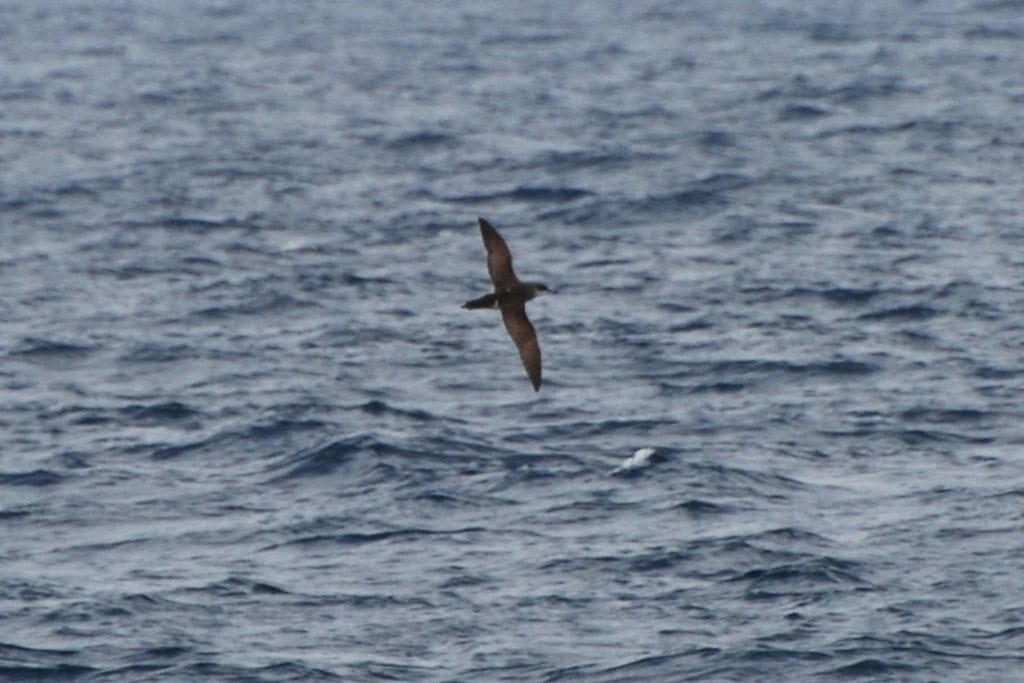
The Balearic Shearwater migrates widely throughout the Mediterranean and into the Atlantic as far north as the United Kingdom, meaning that effective conservation requires coordinated international action. During their annual cycle, these birds cross numerous national jurisdictions, each with different marine management policies and conservation priorities. The species needs comprehensive legal protection throughout its range, including enforcement of existing protections under agreements like the European Union Birds Directive, the Barcelona Convention, and the Agreement on the Conservation of Albatrosses and Petrels (ACAP).
While Spain bears primary responsibility for protecting breeding colonies, countries like Portugal, France, the UK, Morocco, and Algeria must participate in conservation efforts by protecting feeding areas and migratory corridors. Coordinated monitoring programs across its range are essential for tracking population trends and identifying emerging threats. Currently, international coordination remains insufficient, with conservation efforts fragmented across different countries and agencies. A dedicated international working group focused specifically on Balearic Shearwater conservation would significantly enhance coordination and effectiveness of protection measures.
Robust Scientific Research and Monitoring
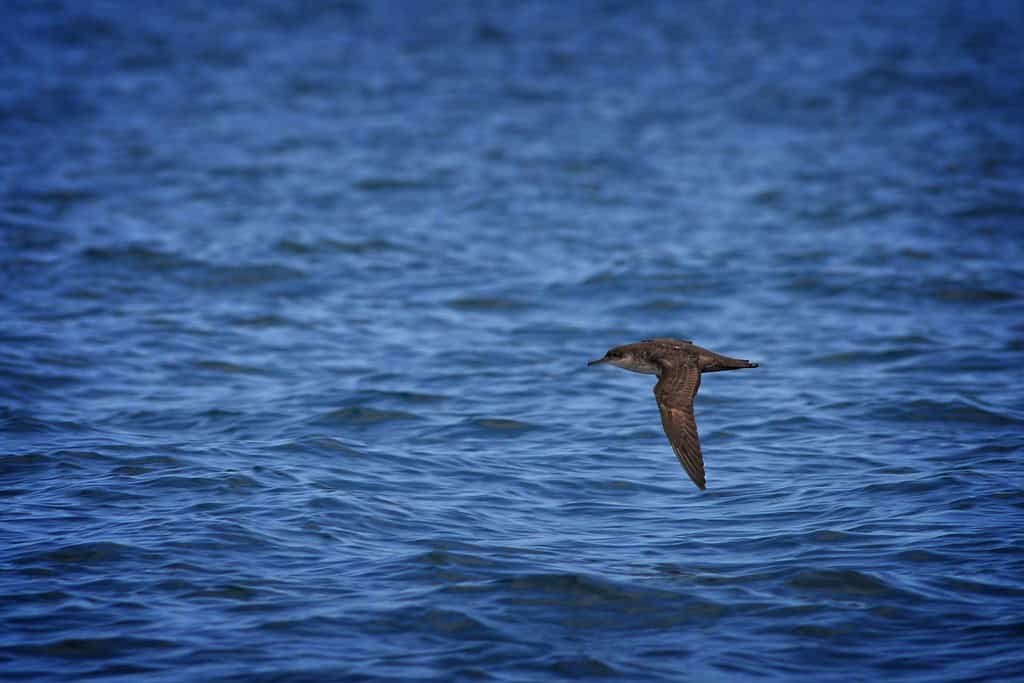
Conservation efforts for the Balearic Shearwater must be guided by sound scientific understanding, which requires ongoing research and population monitoring. Current knowledge gaps include the precise locations of some breeding colonies, key at-sea feeding areas throughout the annual cycle, and the relative impact of different threats. Continued research using GPS tracking, stable isotope analysis, and genetic studies is helping conservationists better understand the species’ movements, diet, and population structure. Regular monitoring of known colonies is essential for tracking population trends and breeding success, while at-sea surveys help identify important marine areas and monitor changes in distribution.
Research into the effectiveness of conservation interventions, particularly bycatch reduction measures and predator control techniques, guides refinement of management strategies. Several research institutions, including the Spanish National Research Council (CSIC) and conservation organizations like SEO/BirdLife, are actively studying the species, but additional funding and coordination of research efforts across international boundaries would maximize effectiveness. The establishment of a comprehensive, standardized monitoring protocol across all known colonies would provide crucial data for conservation planning.
Public Awareness and Support
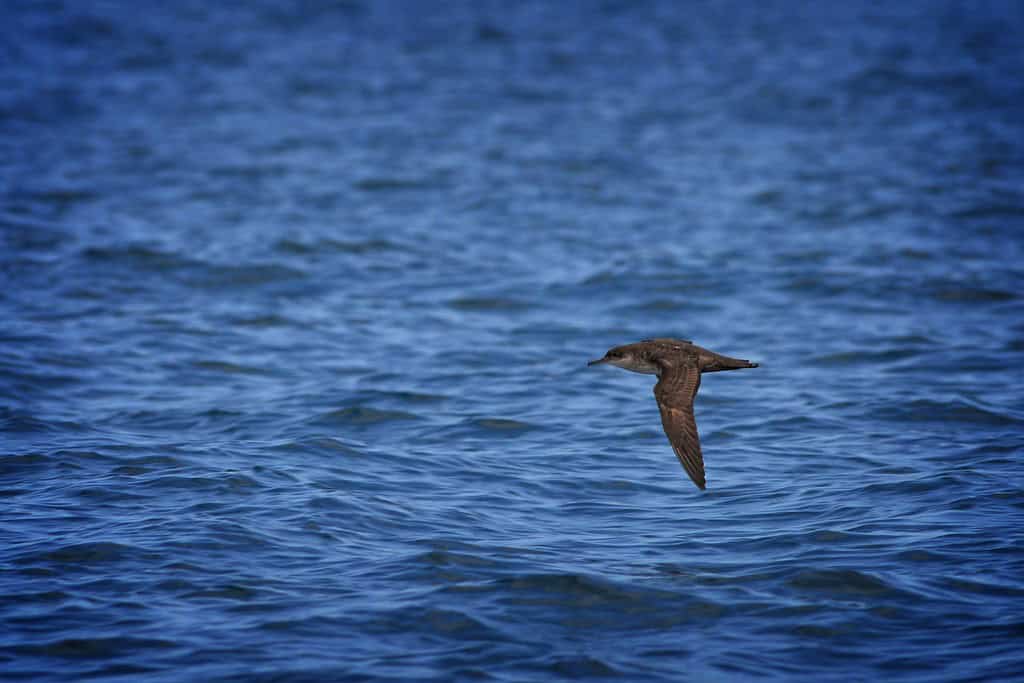
Recovery of the Balearic Shearwater depends not just on direct conservation actions but also on building public awareness and support. Many people, even those living in the Balearic Islands, remain unaware of this critically endangered neighbor. Public education campaigns highlighting the species’ cultural significance, ecological role, and precarious status can help generate support for conservation measures that may involve economic tradeoffs, such as fishing restrictions or development limitations. Local engagement in conservation efforts, particularly involving fishing communities and tourism operators, increases the likelihood of success and sustainability of conservation programs.
Educational initiatives in schools throughout the Balearic Islands help build long-term conservation awareness among future decision-makers. Several innovative programs have emerged, including “shearwater-friendly” certifications for responsible tourism operators and fisheries, creating economic incentives for businesses to support conservation efforts. Expanding these initiatives and developing a comprehensive communication strategy would strengthen the social foundation necessary for successful conservation.
Funding for Long-term Conservation Efforts
Effective conservation requires sustained financial support for monitoring, research, habitat protection, and threat mitigation measures. Current funding for Balearic Shearwater conservation comes from various sources, including European Union LIFE program grants, Spanish government allocations, and contributions from conservation organizations. However, these funding streams are often project-based and time-limited, creating challenges for maintaining long-term conservation efforts. The species needs dedicated, sustainable funding mechanisms, potentially including conservation trust funds, biodiversity offsetting programs, or dedicated portions of tourism taxes in the Balearic Islands.
Innovative financing approaches, such as blue carbon credits for marine conservation or partnership with corporations seeking to support biodiversity conservation, could provide additional resources. A comprehensive funding strategy that coordinates existing resources and develops new, stable funding sources would help ensure that conservation efforts can be maintained over the decades required to recover the population. The establishment of a dedicated foundation focused specifically on saving the Balearic Shearwater could serve as an effective vehicle for fundraising and financial management.
Adaptation Strategies for Climate Change
Climate change presents a growing threat to the Balearic Shearwater, affecting both terrestrial breeding habitat and marine feeding areas. Rising sea levels and increasing storm frequency and intensity threaten to erode nesting sites and flood breeding colonies, while warming ocean temperatures alter the distribution and abundance of prey species. The birds need conservation planning that anticipates and addresses these changes, including identification and protection of breeding sites that will remain viable under future climate scenarios.
Marine protected areas should be designed with sufficient flexibility to accommodate shifting prey distributions due to changing oceanographic conditions. Additionally, enhancing the resilience of populations by addressing current threats like predation and bycatch becomes even more crucial in the face of climate change. Collaborative research between climate scientists and conservation biologists is needed to develop accurate predictive models of how climate change will affect the species and to identify effective adaptation strategies. While some work is underway to understand climate impacts on Mediterranean marine ecosystems, more focused research on implications for the Balearic Shearwater specifically would strengthen conservation planning.
Advanced Technological Solutions
Emerging technologies offer promising new tools for Balearic Shearwater conservation. Miniaturized GPS tracking devices now allow researchers to follow individual birds throughout their annual cycle, revealing previously unknown migration routes and feeding areas that require protection. Environmental DNA (eDNA) analysis enables detection of the species’ presence in marine areas from water samples, potentially allowing more efficient monitoring of distribution changes. Artificial intelligence and machine learning applications are enhancing the analysis of camera trap footage at breeding colonies, automating the identification of predators and assessment of breeding success.
Drone technology facilitates surveys of inaccessible cliff nesting sites without causing disturbance. New fishing gear technologies, including LED lights on nets that reduce seabird bycatch while maintaining target fish catch rates, show promise for addressing fishing-related mortality. Accelerating the development, testing, and implementation of these technological solutions requires dedicated funding for applied conservation technology and partnerships between technology developers, researchers, and conservation practitioners. Several pilot projects have demonstrated the potential of these approaches, but broader implementation would significantly enhance conservation effectiveness.
Captive Breeding as a Last Resort
While in-situ conservation efforts represent the primary hope for the Balearic Shearwater’s survival, the development of captive breeding expertise serves as a crucial insurance policy against extinction. Currently, no captive breeding program exists specifically for this species, though related shearwaters have been successfully bred in captivity. Establishing a captive population would require careful collection of eggs or young birds, development of appropriate husbandry protocols, and creation of facilities that can accommodate the species’ specific requirements.
Any captive breeding initiative should be developed in parallel with, not as a replacement for, wild population conservation efforts. The species’ low reproductive rate—laying just one egg per year—means that captive breeding alone could not produce sufficient individuals for meaningful population restoration. However, the techniques developed through a captive program could support targeted interventions such as head-starting (raising chicks in protective captivity before release) or translocation to predator-free islands. While controversial, developing captive breeding capabilities represents a prudent precautionary measure given the species’ extreme endangerment and the complex challenges facing wild populations.
Conclusion: A Coordinated Global Effort
The Balearic Shearwater stands at a critical juncture where coordinated, science-based conservation action could prevent its extinction, but continued fragmented approaches virtually guarantee its loss. Saving this species requires addressing multiple threats simultaneously across its entire range, necessitating unprecedented collaboration between governments, scientists, conservation organizations, fishing industries, and local communities.
The bird’s plight exemplifies the interconnected nature of modern conservation challenges, where factors from introduced predators to climate change converge to threaten biodiversity. Success in conserving the Balearic Shearwater would not only save this unique species but would establish valuable models for addressing similar complex conservation challenges worldwide. While the task is daunting, recent conservation successes with other seabirds, including the recovery of several albatross species through coordinated international action, provide reason for cautious optimism that with sufficient commitment and resources, even the world’s most endangered bird can be pulled back from the brink of extinction.

From exploring the marine wonders in the Azores and witnessing the vast savannas of Kenya, to delving deep into the rich biodiversity of South Africa and traversing iconic landscapes in Australia and the US like Yellowstone, Chris's experiences are vast.
With a penchant for diving alongside sharks, the ocean holds a special place in his heart.
Through his academic insights, he champions wildlife conservation, striving with 'Animals Around The Globe' to cultivate a profound connection between humans and animals, enhancing our mutual appreciation.
Connect with him at Feedback@animalsaroundtheglobe.com.
- A Bear Journey Through The USA: 18 Best Bear Photos from 18 US States - July 19, 2026
- Elephant Matriarchs Know Every Waterhole for Miles - July 19, 2026
- Top 10 Dinosaur Relatives Still Roaming Earth Today - July 19, 2026