

Camping in bear country offers a thrilling wilderness experience, but it comes with the responsibility of knowing how to safely coexist with these powerful animals. Each year, thousands of campers venture into North America’s wilderness areas where bears roam, and while bear attacks are extremely rare (fewer than 20 attacks annually across the continent), understanding proper bear safety protocols is essential. This comprehensive guide will walk you through everything you need to know about bear encounters while camping—from prevention strategies to specific response techniques for different bear species and situations. Whether you’re a seasoned backcountry enthusiast or planning your first wilderness camping trip, this knowledge could make a critical difference in ensuring both your safety and the welfare of these magnificent animals.
Understanding Bear Behavior and Biology

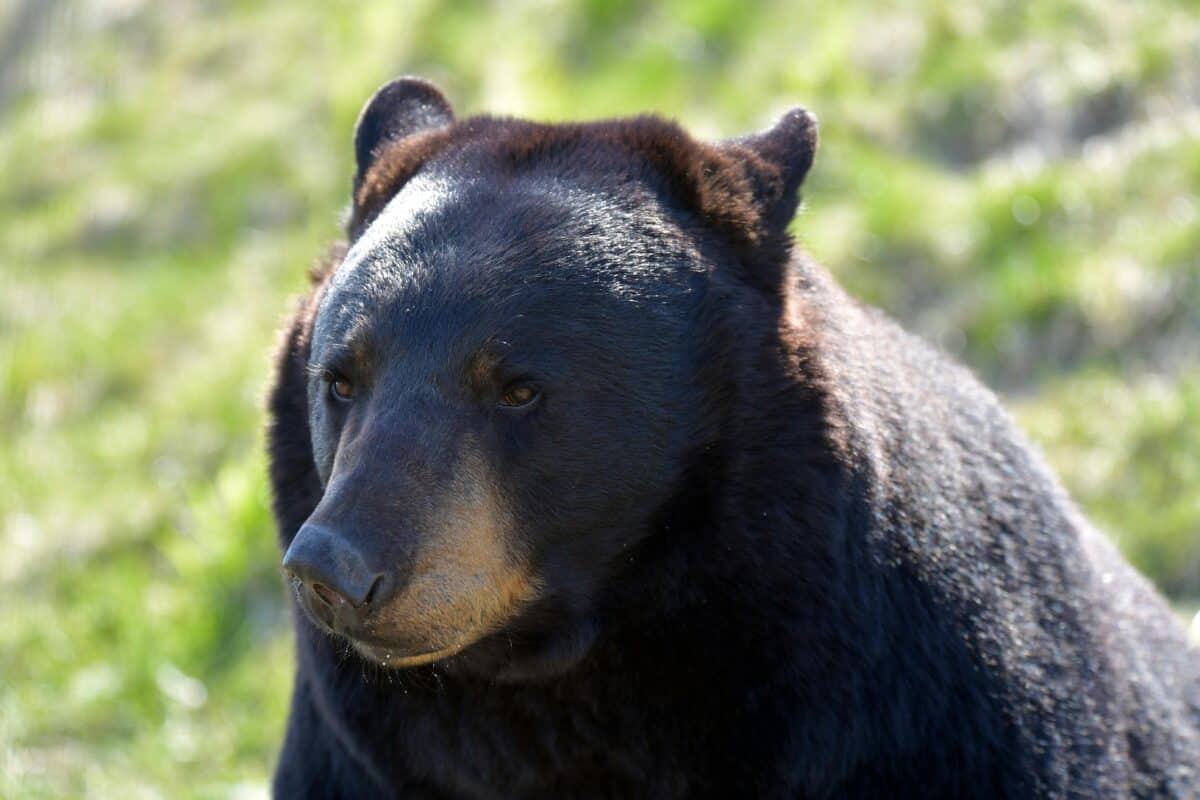
Before discussing encounter protocols, it’s important to understand the animals you might encounter. North America is home to three bear species: the black bear (Ursus americanus), the brown/grizzly bear (Ursus arctos), and the polar bear (Ursus maritimus). Black bears, despite their name, can range in color from jet black to cinnamon brown and even blonde. They’re generally smaller than grizzlies, weighing between 150-600 pounds, and have straight facial profiles with no shoulder hump. Brown bears, including grizzlies, typically weigh 400-1,500 pounds, have distinctive shoulder humps, dish-shaped faces, and longer front claws. Each species exhibits different behaviors when threatened—black bears are more likely to retreat or climb trees when frightened, while grizzlies may be more aggressive in defending territory or cubs. Understanding these differences is crucial as the appropriate response varies by species.
Prevention: The Best Strategy

The most effective bear management strategy is prevention. When camping in bear country, store all food, garbage, toiletries, and scented items (including toothpaste, deodorant, and scented lotions) in bear-resistant containers or hang them at least 10-15 feet off the ground and 4 feet from any tree trunk. Prepare and consume meals at least 100 yards from your sleeping area. Always clean cooking utensils thoroughly and dispose of dishwater at least 100 yards from your campsite. Wear clean clothes to bed that haven’t been worn while cooking. These preventative measures dramatically reduce the likelihood of a bear investigating your campsite, as approximately 80% of problematic bear encounters involve animals attracted by food or garbage, according to National Park Service data.
Making Your Presence Known

Bears typically avoid human contact and will often retreat if they know humans are present. When hiking to or around your campsite, make noise consistently—talk loudly, sing, or carry bear bells. This is especially important in dense forest, near running water, or in windy conditions where a bear might not otherwise hear your approach. Some campers carry compressed air horns for additional noise-making capability. Travel in groups when possible, as bears are less likely to approach multiple people. Statistics show that 91% of bear attacks involve lone hikers or pairs, while attacks on groups of three or more are extremely rare. By alerting bears to your presence well in advance, you give them the opportunity to avoid an encounter altogether.
Carrying and Using Bear Spray

Bear spray has proven to be the most effective deterrent in bear encounters, with a success rate of over 90% according to a study published in the Journal of Wildlife Management. This specialized pepper spray contains capsaicin, which temporarily affects a bear’s respiratory system and mucous membranes. Always carry bear spray in an easily accessible location (not inside your backpack), know how to use it before you need it, and check its expiration date before your trip. Bear spray typically has a range of 12-30 feet depending on the brand. When using it, aim slightly downward toward the front of the approaching bear, creating a cloud the animal will run into. Remember that wind direction affects spray dispersal. Some camping areas require visitors to carry bear spray, so check local regulations before your trip.
If You Spot a Bear at a Distance

Spotting a bear from a safe distance can be the highlight of a wilderness experience if handled properly. If you see a bear that hasn’t noticed you and is at least 100 yards away, quietly back away while keeping your eyes on the animal. Do not approach for a better look or photograph—wildlife management experts recommend maintaining a minimum distance of 100 yards from bears in the wild. If the bear spots you, identify yourself as human by talking in a calm, assertive voice. Wave your arms slowly overhead to help the bear recognize you as human. Most bears will move away once they identify you as a person, especially if you provide them with space and an escape route. Never run, as this may trigger a chase response—bears can run at speeds up to 35 miles per hour, far faster than any human.
Responding to a Curious Bear Approach

Sometimes bears approach humans out of curiosity rather than aggression. In these cases, the bear typically moves slowly, may stop and stand on its hind legs to get a better look or smell, and shows no signs of stress such as huffing, jaw-popping, or swatting the ground. This behavior is more common with black bears that have become habituated to human presence. If a bear approaches in this manner, group together if you’re with others, make yourself look as large as possible, and speak loudly but calmly to the bear. Back away slowly while facing the bear, but avoid direct eye contact which can be perceived as threatening. Have your bear spray ready but don’t deploy it unless the bear’s behavior escalates. Often, curious bears will lose interest and move on if they don’t perceive you as a threat or food source.
Black Bear vs. Grizzly Bear Encounters

The appropriate response to a bear encounter varies significantly depending on whether you’re facing a black bear or a grizzly bear. With black bears showing signs of aggression, experts recommend standing your ground, making loud noises, and fighting back aggressively if attacked, targeting the bear’s face and muzzle. Research shows that playing dead is not effective with black bears. Conversely, with brown/grizzly bears, if the bear charges and contact appears imminent, play dead by lying flat on your stomach with your hands clasped behind your neck and legs spread to make it harder for the bear to flip you over. Remain still until the bear leaves the area. This different approach is based on the distinct reasons these species typically attack—black bears are more likely to be predatory, while grizzlies often attack because they feel threatened. Understanding these differences could save your life in an encounter.
When a Bear Charges

A charging bear is an intimidating sight, but it’s important to know that many charges are bluffs designed to test your reaction. Studies suggest that up to 80% of grizzly charges are bluff charges that stop short of contact. If a bear charges, stand your ground and prepare to use your bear spray. Deploy the spray when the bear is within 30-60 feet. Even after spraying, continue facing the bear—don’t turn your back. If the bear makes contact despite the spray, the appropriate response depends on the species. With grizzlies, play dead as described earlier. If you’re certain it’s a black bear and it makes contact, fight back with everything you have, focusing on striking the bear’s face and muzzle with any available objects. Remember that bear behavior is complex and individual bears may not always follow typical species patterns.
Bear Encounters While in Your Tent

Being inside a tent when a bear approaches creates a particularly vulnerable situation. If you hear a bear outside your tent, remain quiet initially and assess the situation. If the bear hasn’t detected you, it may move on without incident. If the bear begins to investigate your tent, speak in a firm, calm voice to identify yourself as human. Have your bear spray ready and accessible, even keeping it in your sleeping bag at night in bear country. If a bear begins to attack your tent, exit quickly with your spray ready, as the thin fabric offers no protection. This scenario underscores the importance of proper food storage and campsite selection—camping away from game trails, berry patches, and fresh bear sign significantly reduces the risk of nighttime encounters. Statistics show that less than 5% of bear attacks occur inside or near tents when proper food storage techniques are used.
Special Considerations for Families Camping with Children
Camping with children in bear country requires additional precautions. Children should be continuously supervised and never allowed to wander alone. Teach children about bear safety in age-appropriate ways before your trip, emphasizing the importance of staying close to adults, not running if they see a bear, and making noise on trails. Children’s high-pitched voices and unpredictable movements can sometimes agitate bears, so practice having them speak in lower, calmer tones if a bear is sighted. Keep children in the center of your group when hiking, and establish clear rules about food handling. Have a predetermined plan for who will carry smaller children if quick movement becomes necessary. While these precautions may sound alarming, remember that with proper preparation, thousands of families safely enjoy bear country each year.
After an Encounter: Reporting and Next Steps

Following any significant bear encounter, especially one involving a charge or physical contact, report the incident to local wildlife authorities or park rangers as soon as possible. This reporting serves multiple purposes: it alerts officials to potentially problematic bear behavior, helps them manage bear-human conflicts more effectively, and creates data that informs future bear management policies. After an encounter, carefully evaluate your campsite and food storage practices to identify any improvements you could make. If bear spray was deployed, it should be replaced before continuing your trip. For your own well-being, take time to process the emotional impact of the encounter—even non-contact encounters can be traumatic. Finally, share your experience (accurately, without embellishment) with other campers in the area to increase communal awareness.
Regional Differences in Bear Behavior and Regulations
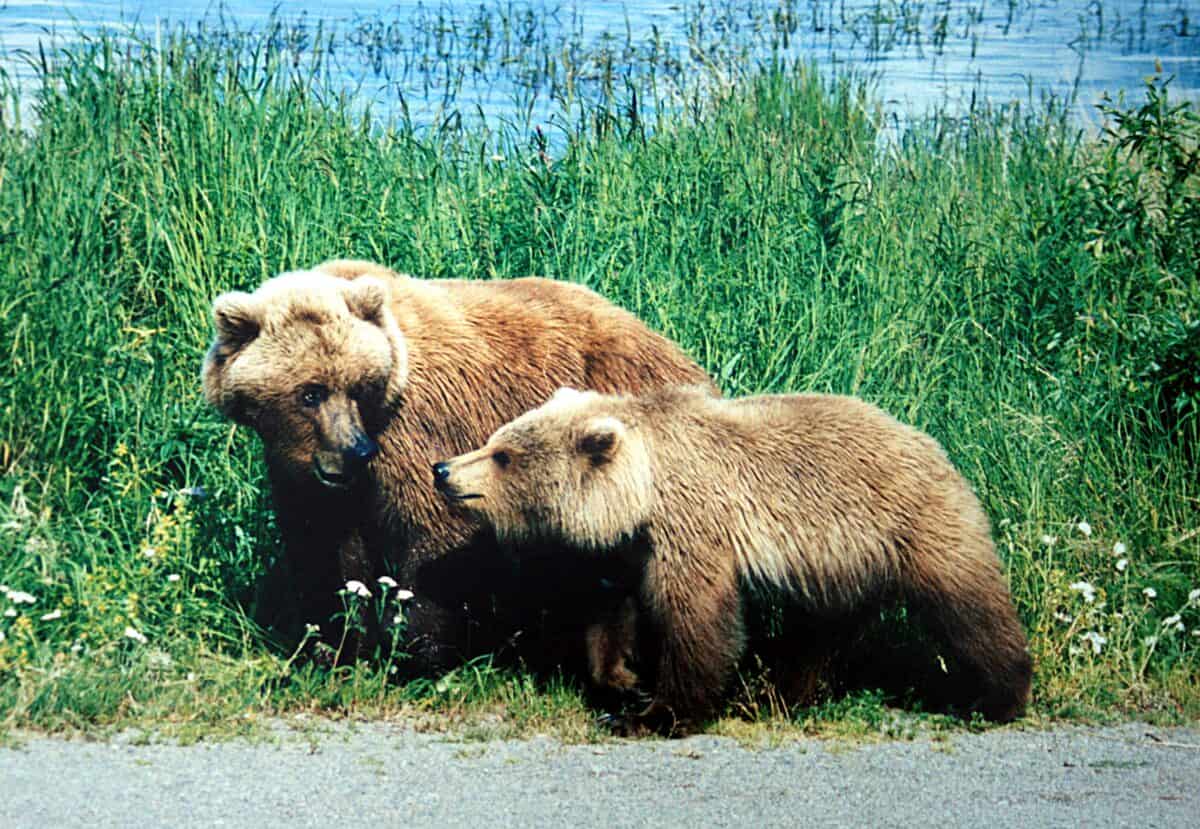
Bear behavior and management practices vary significantly across North America. In highly visited national parks like Yellowstone and Glacier, bears may be more habituated to human presence than in remote wilderness areas. In coastal areas of Alaska and British Columbia, bears accustomed to fishing for salmon may be more tolerant of humans at a distance but more defensive of fishing spots. Local regulations reflect these differences—some areas require bear canisters, while others permit food hanging; some regions mandate carrying bear spray, while others make it optional. Before camping in any bear country, research location-specific guidelines and speak with local rangers or wildlife officials about recent bear activity. Understanding these regional nuances allows you to adapt your bear safety strategies appropriately and camp more confidently in different ecosystems.
Conclusion: Respect, Preparation, and Coexistence

Encountering a bear in the wild can be one of the most memorable experiences of a camping trip, provided you’re prepared to handle the situation safely. The key to successful bear encounters lies in a combination of respect for these powerful animals, thorough preparation before your trip, and knowledge of appropriate responses. Remember that in North America, fewer than 1 in 2 million visitors to bear country will experience an aggressive encounter, making bears a very low statistical risk compared to other outdoor hazards like severe weather or water accidents. By following the guidelines outlined in this article—proper food storage, making your presence known, carrying bear spray, and knowing how to respond to different scenarios—you’re not just protecting yourself, but also contributing to healthy bear-human coexistence that will preserve these magnificent animals for future generations to appreciate safely in their natural habitat.

- The Secret Language of Dolphins Decoded by Researchers - July 20, 2026
- 7 Animals That Can Survive Extreme Environments You Couldn’t - July 20, 2026
- The Longest Snake Ever Found in the U.S. - July 20, 2026