

Coyotes are no longer just a wilderness animal. They’ve moved in, and honestly, they’ve been your neighbors for longer than you might think. Spotted trotting across a suburban lawn at dusk, pausing under a streetlight, or boldly crossing a park path in broad daylight – these adaptable wild dogs have quietly settled into cities and neighborhoods across North America, and their numbers are anything but shrinking.
Most people’s first reaction to a coyote encounter is pure panic. Heart rate spikes, brain goes blank, and suddenly you have no idea what to do. The good news is that if you know exactly how to respond, both you and the coyote can walk away just fine. Here’s everything you need to know. Let’s dive in.
Tip 1: Stay Calm and Never, Ever Run
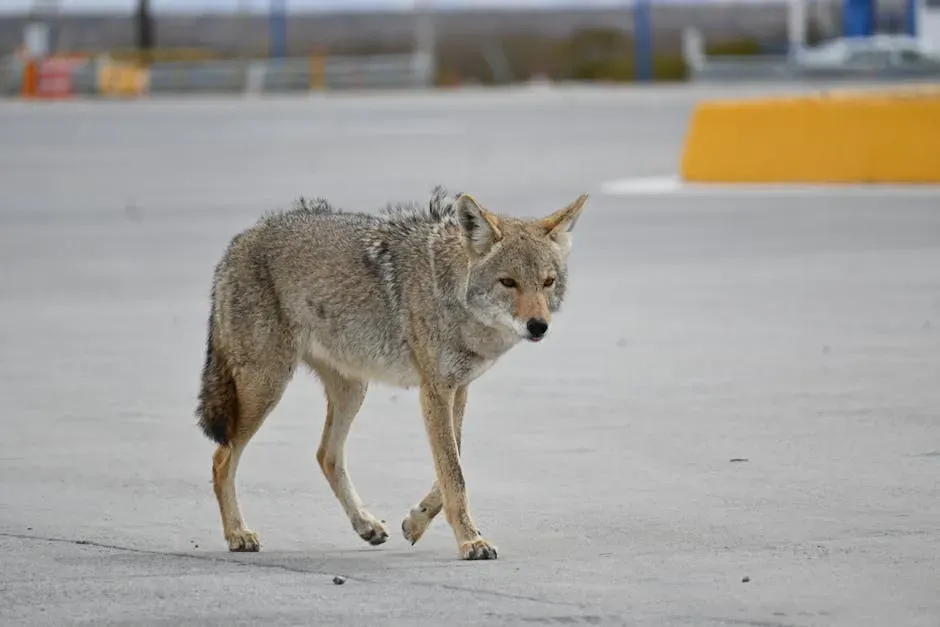
This is the single most important thing to remember. The moment you see a coyote coming your way, your instinct might scream “run!” – but doing so could be the worst possible move you make. Never run away from a coyote, as this can trigger their instinct to chase.
Think about it like this: running away from any predator sends one clear signal – prey. You instantly go from being a tall, intimidating human to a fleeing target. Stay calm and never run. Make yourself look larger by raising your arms and standing tall.
Your composure in those first few seconds sets the tone for the entire encounter. Take a breath. Plant your feet. You’ve got this.
Tip 2: Make Yourself Big, Loud, and Intimidating
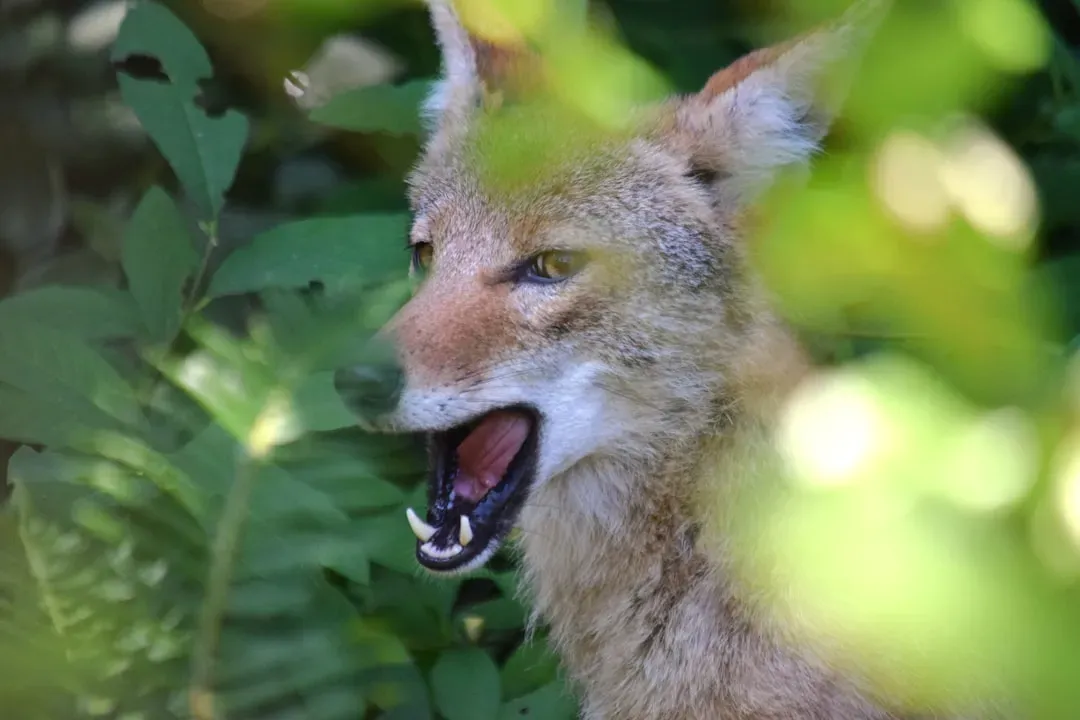
Here’s the thing – coyotes are actually more scared of you than you are of them, most of the time. The trick is reminding them of that fact. If you see a coyote and its behavior is concerning, take action by hazing it. This means making yourself as big as possible, waving your arms, and shouting at it. You can also use a whistle or other noisemaker, throw objects in its direction, or squirt it with a hose.
This technique even has a name: coyote hazing. Hazing helps reinforce a natural fear of humans and discourages coyotes from returning to populated areas. Wave those arms like you mean it, stomp your feet loudly, yell in a firm, authoritative voice.
Using a variety of different hazing tools is critical so that coyotes don’t get used to redundant or single stimulus devices, sounds, and actions. Mix it up. Different noises, different movements, every time.
Tip 3: Protect Your Pets Immediately

If your dog or cat is with you during an encounter, your priorities shift fast. If you see a coyote and have a small dog, pick it up immediately. Leaving it on the ground can trigger a chase response. This is not a drill – that split-second decision can genuinely matter.
Free-roaming pets, especially cats and sometimes small dogs, may attract coyotes into certain neighborhoods. The best way to minimize risk to your pets is to not leave them outside unattended.
Other domestic animals kept outside, such as chickens and rabbits, may also be viewed as prey by coyotes. If you have backyard animals, make sure they are properly enclosed every single evening without exception.
Tip 4: Never Feed Coyotes – Not Even Accidentally
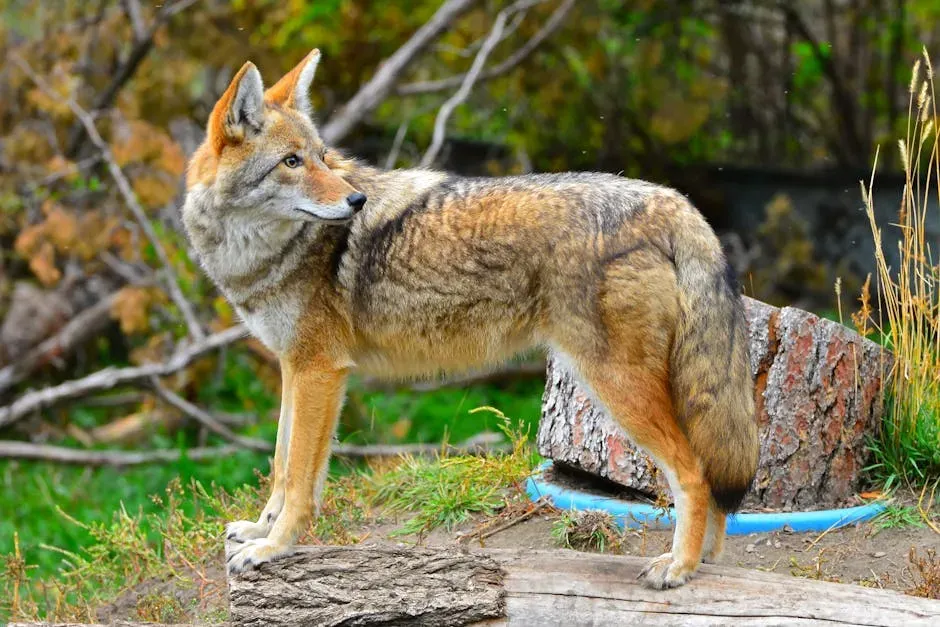
This one trips a lot of well-meaning people up. You don’t have to be deliberately tossing food to a coyote to be feeding it. The number one most effective way to prevent coyote attacks in your neighborhood is to eliminate wildlife feeding. Coyotes that are fed in residential neighborhoods can lose their fear of people and may eventually test humans and pets as possible prey.
The accidental feeding problem is surprisingly common. Many people unintentionally feed coyotes by leaving pet food or garbage out at night or having large bird feeders. Coyotes are usually not interested in bird food, but bird feeders often attract rodents, especially squirrels, which then attract coyotes.
Easily obtained food common in many backyards, such as pet food, bird seed attracting rodents, fallen fruit, and meat or fish scraps in garbage cans or composts, can be the source of many conflicts, luring coyotes into human settlements and teaching them to associate backyards with quick meals. That’s a sobering thought for anyone with a backyard bird feeder.
Tip 5: Understand When a Coyote Is Being Concerning vs. Normal
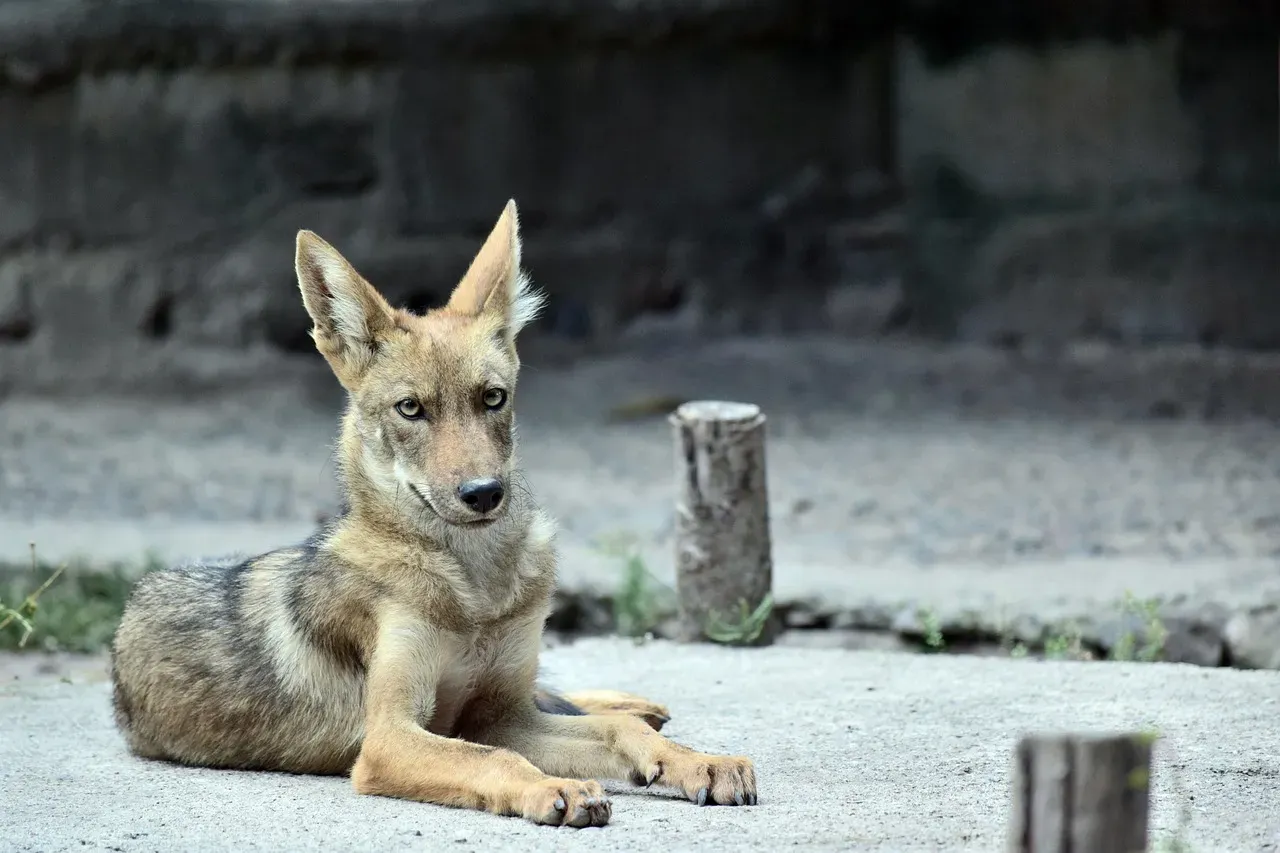
An encounter with a coyote in the urban and suburban landscape is a rare event, even where coyotes are found in large numbers. These animals are generally nocturnal and seldom seen. So just spotting one crossing your yard at night is not automatically a cause for alarm. They may simply be passing through.
However, you do need to recognize the warning signs. While they normally avoid humans, there are situations where coyotes may start showing concerning behavior, like appearing regularly during daylight hours and not moving away from humans. They may be acting aggressively towards humans and domestic pets.
Coyotes can act aggressive by growling, snapping their jaws, or coming straight toward you. Some will stare hard without blinking, hold their tail stiff, or just act way too bold. If you see this, the coyote might be warning you or feels threatened. These signals demand immediate hazing or a swift, calm retreat.
Tip 6: Secure Your Yard and Remove Food Attractants
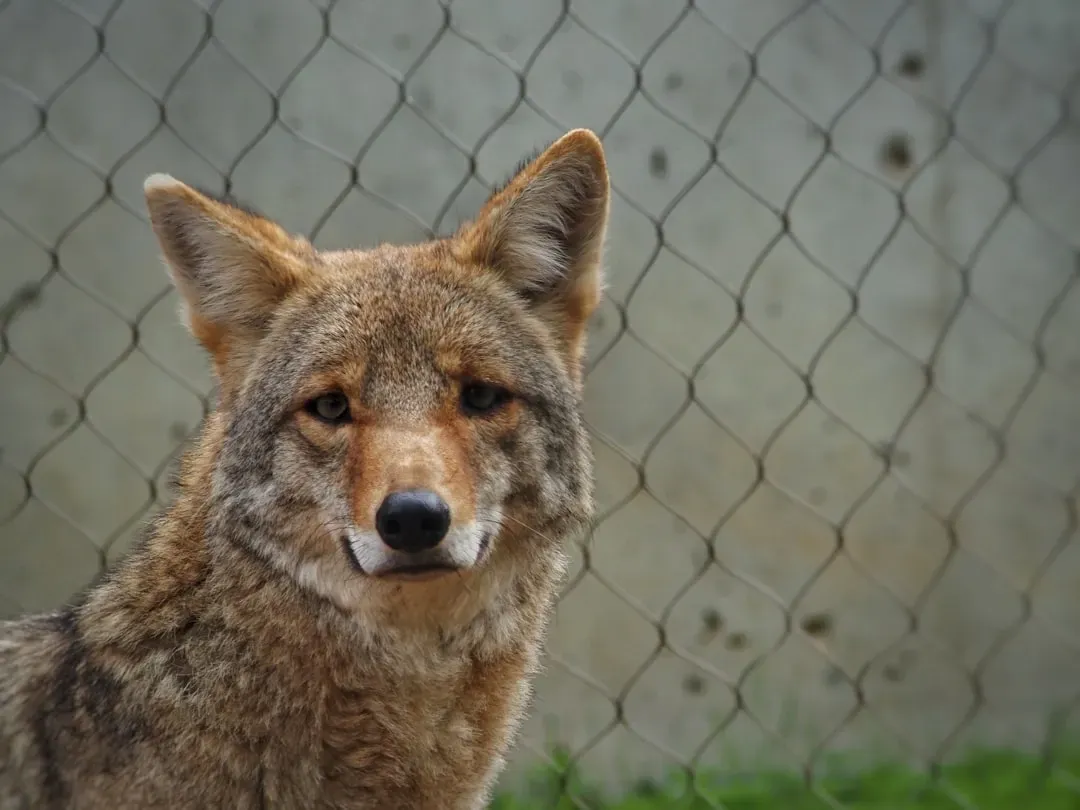
Prevention is honestly your most powerful tool. Coyotes often roam into neighborhoods because of things that attract them. This can include leaving pet food or water outside, unsecured trash cans, or fallen fruit from trees. Removing these food sources can significantly reduce visits from wildlife.
Your fence matters too, but it needs to be done right. Fencing can be used to keep coyotes out of residential yards, but it must be at least six feet tall and should extend underground at least six inches or be parallel to the ground at least 12 inches and secured with landscaping staples.
I think the most underrated tip here is the coyote roller. It’s a metal tube that you put on top of your fence; when the coyote tries to climb over the fence the tube will spin and prevent any traction. It’s an easy and humane way to keep coyotes out. Simple, effective, and surprisingly affordable – it’s one of those solutions that makes you wonder why everyone doesn’t already have one.
Tip 7: Know the Seasonal Patterns and Adjust Accordingly
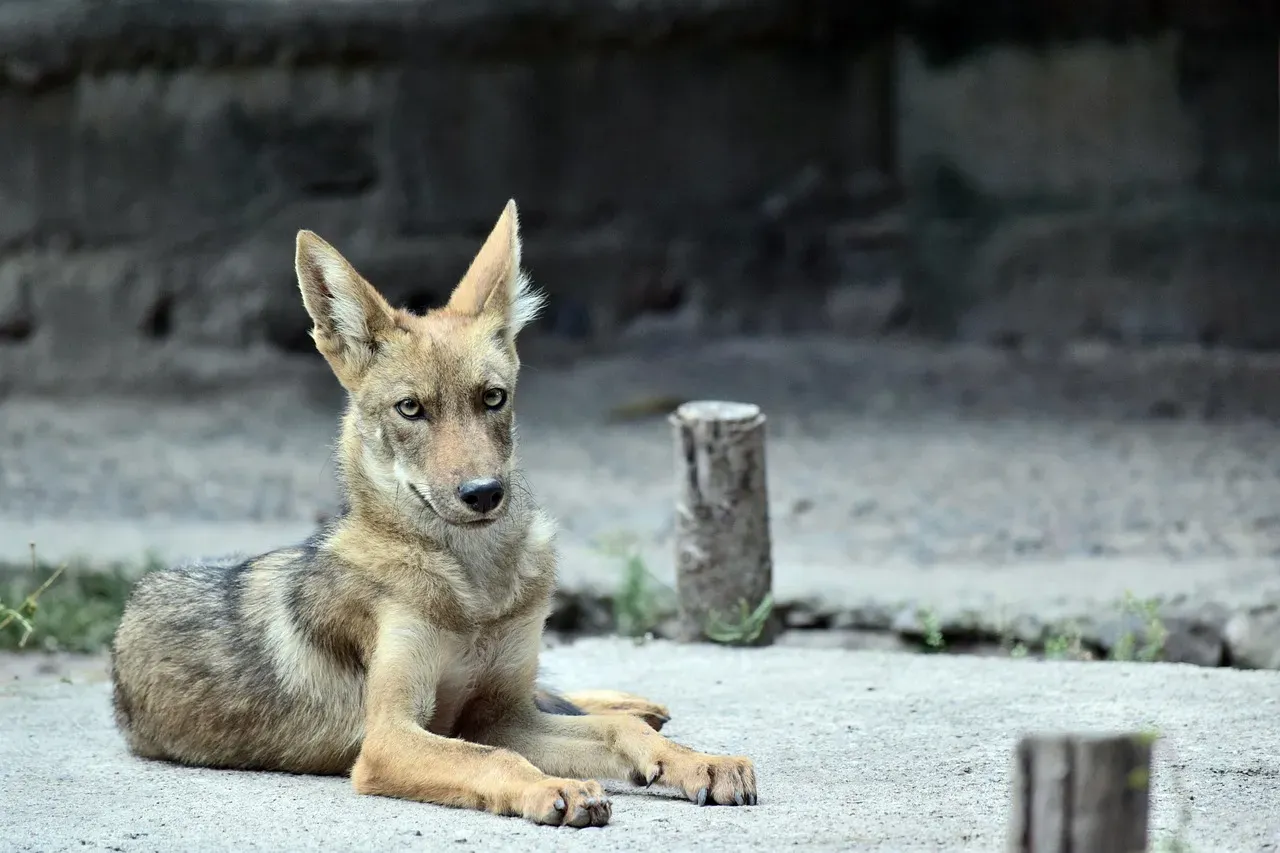
Coyote behavior is not the same year-round. Coyotes are most frequently seen and heard during mating season, from January through March, and when juveniles start leaving the family pack, from September through November. These are the times when encounters are more likely and tensions can run higher.
Spring is another particularly sensitive period. If a coyote seems intent on defending a certain area, particularly around pupping season in May, your best bet may be to alter your route to avoid conflict with a normally calm animal. A coyote protecting its young is a very different animal from one casually passing through.
You may notice coyotes acting more defensive in the spring, especially when you’re walking your dog near a den site. Pay attention to your surroundings. If you keep seeing the same coyote in the same location at the same time of year, it’s probably not a coincidence.
Tip 8: Know When and How to Report a Coyote
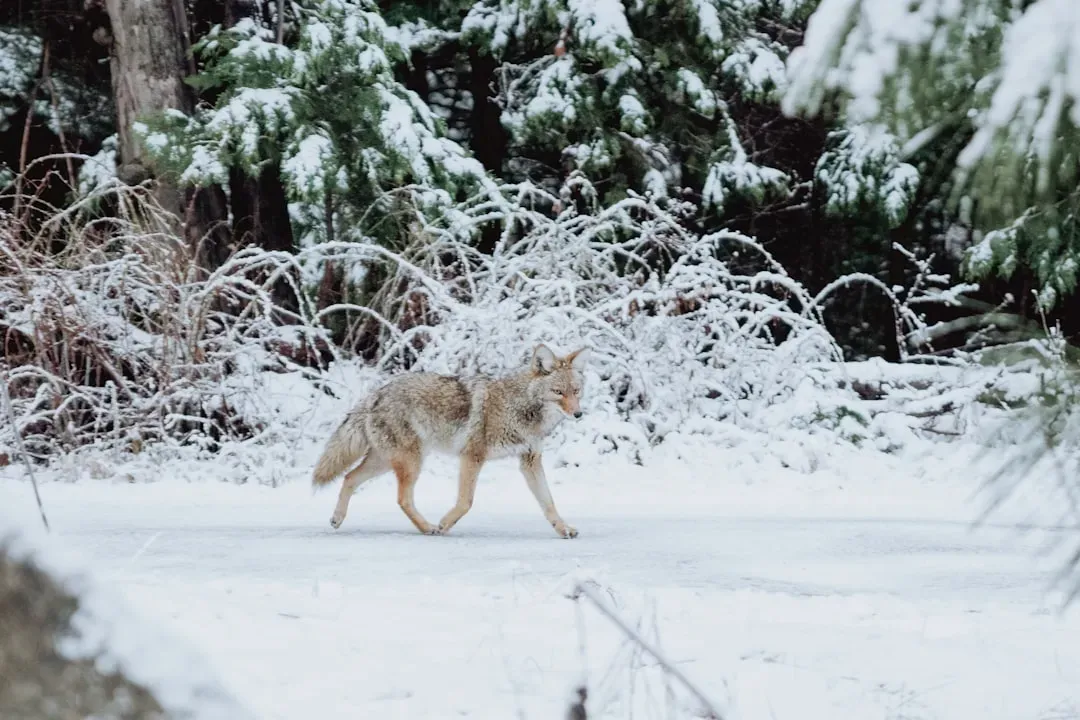
Not every coyote sighting requires a phone call. Most don’t. In general, coyotes will keep to themselves, and you should just let them go about their business. You may even want to enjoy watching the coyote from a safe distance. Honestly, it can be a genuinely fascinating experience if you stay calm and keep your distance.
Still, there are clear situations that do require action. When a coyote fails to exhibit fear of humans or acts aggressively, the animal should be reported as soon as possible to the appropriate officials. Your local animal control agency is your first call in most cases.
The effects of hazing may not last unless all food attractants are permanently removed. This information should be shared with neighbors, friends, and homeowner’s associations since hazing is most effective when the entire neighborhood is working together. Think of it as a community project. One household doing everything right won’t matter much if the neighbors are leaving food out every night.
Conclusion: Coexistence Is Possible – If We’re Smart About It
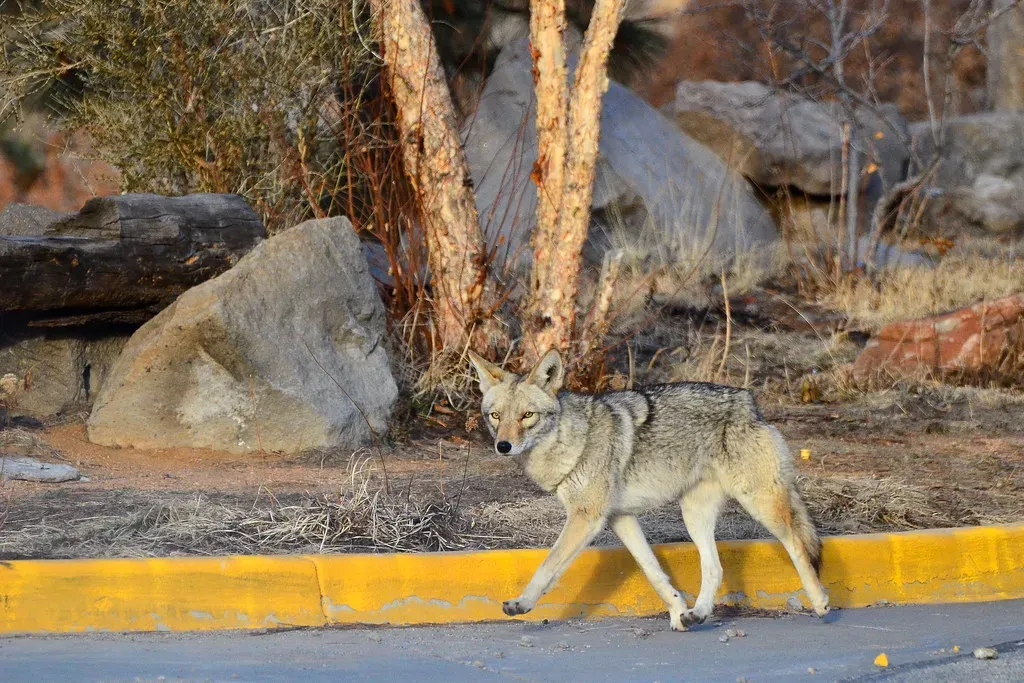
Here’s the bigger picture: coyotes are not going away. Coyotes have become a natural part of our urban and suburban landscape, often thriving because our neighborhoods provide an abundance of food, water, and shelter. While seeing a coyote near your home can be startling, these smart and adaptable creatures play an integral role in our ecosystem. They provide free rodent control by hunting mice and rats and help maintain species diversity.
The truth is that most conflicts between humans and coyotes are entirely preventable. Coyote attacks on people are very rare. More people are killed by errant golf balls and flying champagne corks each year than are bitten by coyotes. Often, coyote attacks are preventable by modifying human behavior and educating people about ways to prevent habituation.
Respect, awareness, and a few sensible precautions go a long way. The coyote trotting through your neighborhood isn’t a monster – it’s a wild animal doing what wild animals do. Our job is to make sure it stays wild. What would you do if you came face to face with one tonight? Tell us in the comments.
