

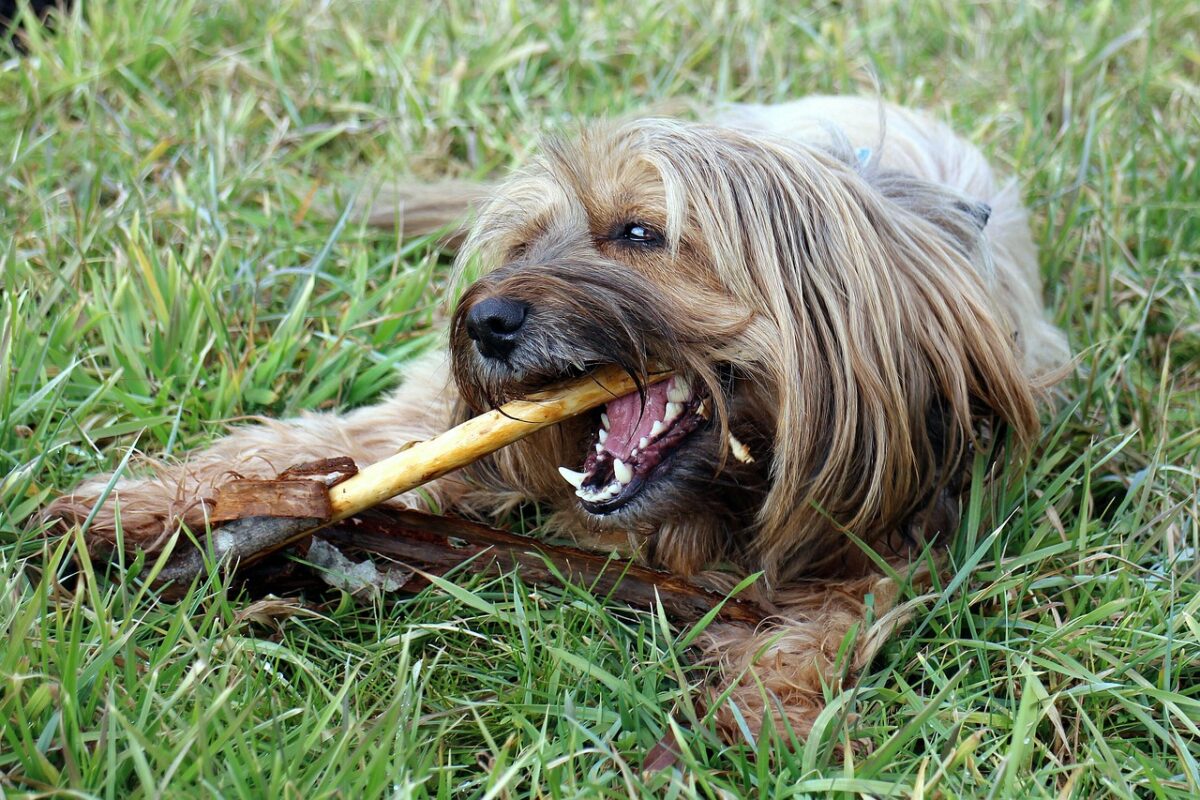
Over 80% of Dogs Face Oral Disease by Age Three (Image Credits: Pixabay)
Bad breath from pets often hints at deeper dental troubles that threaten their long-term vitality.
Over 80% of Dogs Face Oral Disease by Age Three
Periodontal disease strikes most dogs and cats early in life, with the American Veterinary Medical Association reporting that 80% of dogs and 70% of cats show signs by age three. Bacteria in plaque release foul odors and infiltrate the bloodstream, risking damage to the heart, liver, and kidneys. Owners frequently overlook these issues because pets mask pain masterfully, continuing to eat despite discomfort.
Chronic inflammation from untreated tartar weakens the entire body. Regular monitoring prevents this cascade, preserving organ function and extending lifespan. Simple habits transform potential crises into manageable routines.
Key Signs of Trouble in Teeth and Gums
Yellow or brown tartar clings near the gumline, especially on back molars, signaling plaque hardening into a destructive layer. Red, swollen gums that bleed during chewing indicate gingivitis, the precursor to severe periodontitis. Loose teeth or excessive drooling point to advanced damage, where infection erodes supporting bone.
Behavioral shifts reveal hidden agony: pets may paw at their mouths, drop food, or shun toys. Persistent halitosis rarely stems from diet alone; it demands inspection. Early vigilance halts progression, sparing pets needless suffering.
- Tartar buildup on molars and premolars
- Bleeding or inflamed gums
- Bad breath lasting beyond meals
- Reluctance to chew or eat
- Visible loose or missing teeth
- Excessive drooling or pawing
Mastering Safe At-Home Brushing Techniques
Daily brushing stands as the cornerstone of prevention, targeting plaque before it calcifies. Pet-specific toothpastes harness enzymes to dissolve buildup safely, unlike toxic human varieties containing fluoride or xylitol. Soft pet brushes or finger wraps reach awkward angles without irritation.
Introduce the routine gradually: rub flavored paste on gums first, pairing with treats to build trust. Use circular motions at a 45-degree angle along the gumline for two minutes, rewarding compliance. Focus on outer surfaces; the tongue handles the rest. Patience yields results, even for resistant pets.
Boosting Care with Chews, Diets, and Additives
Dental chews scrape tartar mechanically when textured for gentle abrasion, but select sizes matching breed to avoid fractures or choking. Water additives with antimicrobials like zinc freshen breath and curb bacteria between brushes. Specialized kibble promotes chewing that naturally polishes teeth.
| Product Type | Benefits | Cautions |
|---|---|---|
| Dental Chews | Mechanical cleaning, enzyme action | Supervise; avoid hard items |
| Water Additives | Daily plaque control, easy use | Supplement, not replace brushing |
| Dental Diets | Larger kibble for scraping | Check for allergies |
Combine these for layered defense, consulting vets for breed-specific picks like small dogs prone to crowding.
Professional Interventions and Senior Adjustments
Veterinary cleanings under anesthesia probe below gums, removing hidden tartar via scaling, polishing, and X-rays that uncover root fractures or bone loss. Annual exams catch issues invisible at home, especially vital for seniors facing drier mouths and frailty. Softer tools and diets ease routines for aging pets.
Pain lingers silently in elders, demanding prompt extractions or meds. Frequent checkups tailor plans, countering breed risks and comorbidities like kidney woes.
Key Takeaways
- Brush daily with pet-safe tools to halt plaque early.
- Watch for tartar, bleeding, and behavior changes.
- Pair home efforts with yearly vet cleanings.
Consistent dental vigilance equips pets for longer, pain-free lives, turning overlooked odors into badges of proactive care. What dental habits work best for your pet? Share in the comments.

- Urban Coyotes Show Remarkable Adaptability, Learning to Thrive in City Environments - July 22, 2026
- Beavers Are Nature’s Engineers, Creating Vital Habitats for Other Wildlife Species - July 21, 2026
- The Recovery of the California Condor Offers Hope for Other Critically Endangered Birds - July 21, 2026