


The age of dinosaurs wasn’t just about mighty predators stalking their prey or colossal herbivores munching on ancient ferns. It was forged in fire, death, and the planet’s most dramatic attempts at self-destruction. While we celebrate these magnificent beasts for their incredible size and evolutionary success, we often forget that their rise to dominance came at an unimaginable cost.
Picture this: Earth, roughly 252 million years ago, wasn’t the blue marble we know today. Instead, it was a planet choking on its own breath, its oceans turned toxic, and its skies darkened by ash. This was the backdrop for the most catastrophic event in our planet’s history, setting the stage for what would become the age of giants. The story of how dinosaurs came to rule the world is really a story about how our planet fought back against itself – and what survived the battle.
The Great Dying: When Earth Almost Gave Up
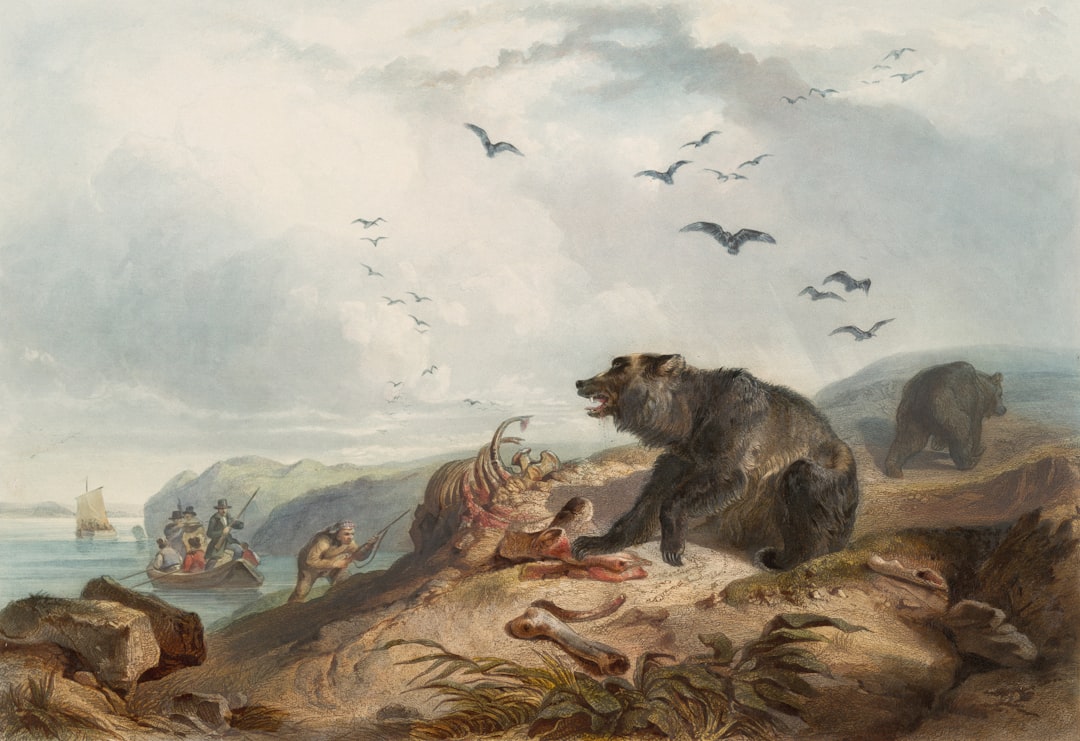
The Permian-Triassic extinction event, colloquially known as the Great Dying, occurred approximately 251.9 million years ago and is Earth’s most severe known extinction event, with the extinction of 57% of biological families, 62% of genera, 81% of marine species, and 70% of terrestrial vertebrate species. Imagine if nine out of every ten species you knew simply vanished overnight – that’s essentially what happened during this catastrophic period.
The Siberian Traps are believed to be the primary cause of the Permian–Triassic extinction event, the most severe extinction event in the geologic record. These weren’t just ordinary volcanic eruptions. The total volume of eruptions and intrusions was enough to cover a region the size of the United States in kilometer-deep magma. For nearly two million years, the Earth bled lava across what is now Siberia, poisoning the atmosphere with toxic gases.
When Volcanoes Became Earth’s Worst Enemy
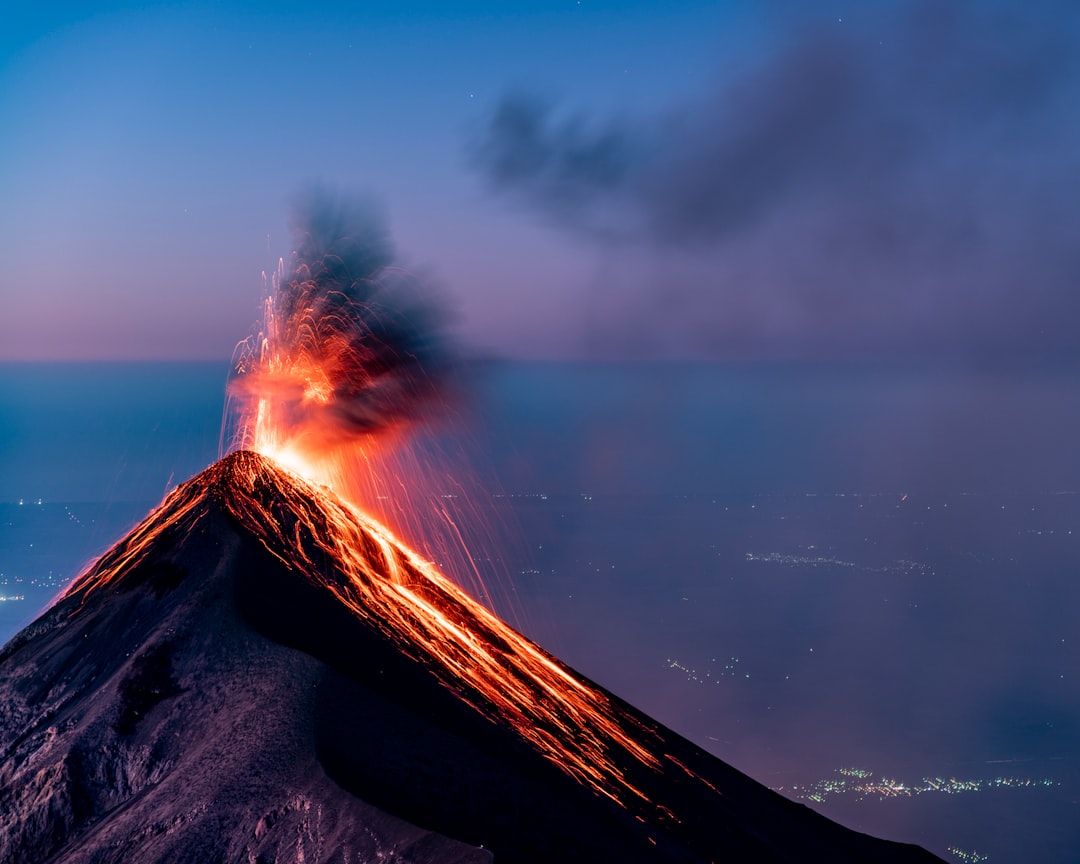
The mass extinction that ended the Permian geological epoch, 252 million years ago, wiped out most animals living on Earth. Huge volcanoes erupted, releasing 100,000 billion metric tons of carbon dioxide into the atmosphere. Think about that staggering number for a moment – one hundred thousand billion tons of CO2. It’s almost impossible to comprehend such devastation.
The scientific consensus is that the main cause of the extinction was the flood basalt volcanic eruptions that created the Siberian Traps, which released sulfur dioxide and carbon dioxide, resulting in euxinia (oxygen-starved, sulfurous oceans), elevated global temperatures, and acidified oceans. Carbon dioxide and methane releases triggered by the Siberian Traps caused runaway global warming, driving ocean temperatures to exceed 40C (104F) and killing nearly 95% of life on Earth. The oceans literally became too hot and toxic for most marine life to survive.
Mercury Poisoning on a Global Scale
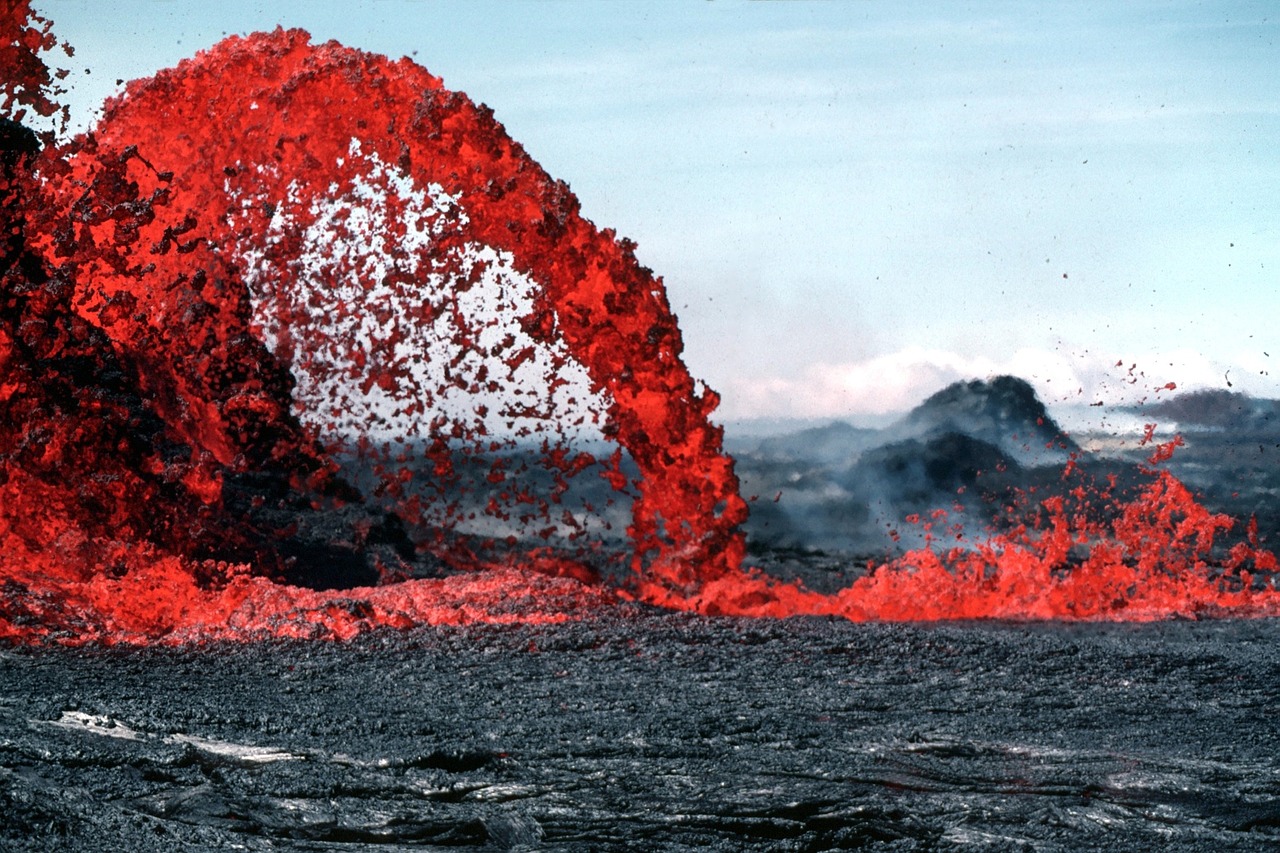
Mercury anomalies corresponding to the time of Siberian Traps activity have been found in many geographically disparate sites, indicating that these volcanic eruptions released significant quantities of toxic mercury into the atmosphere and ocean, causing even larger terrestrial and marine die-offs. A series of surges raised terrestrial and marine environmental mercury concentrations by orders of magnitude above normal background levels and caused mercury poisoning over periods of a thousand years each.
This wasn’t just about heat and acid rain. The Siberian Traps turned Earth into a toxic wasteland, pumping heavy metals into the biosphere. Immense volumes of nickel aerosols and cobalt and arsenic emissions, were also released, further contributing to metal poisoning. Life on Earth was essentially being poisoned from multiple directions simultaneously – a perfect storm of environmental destruction.
Survivors in a Poisoned World
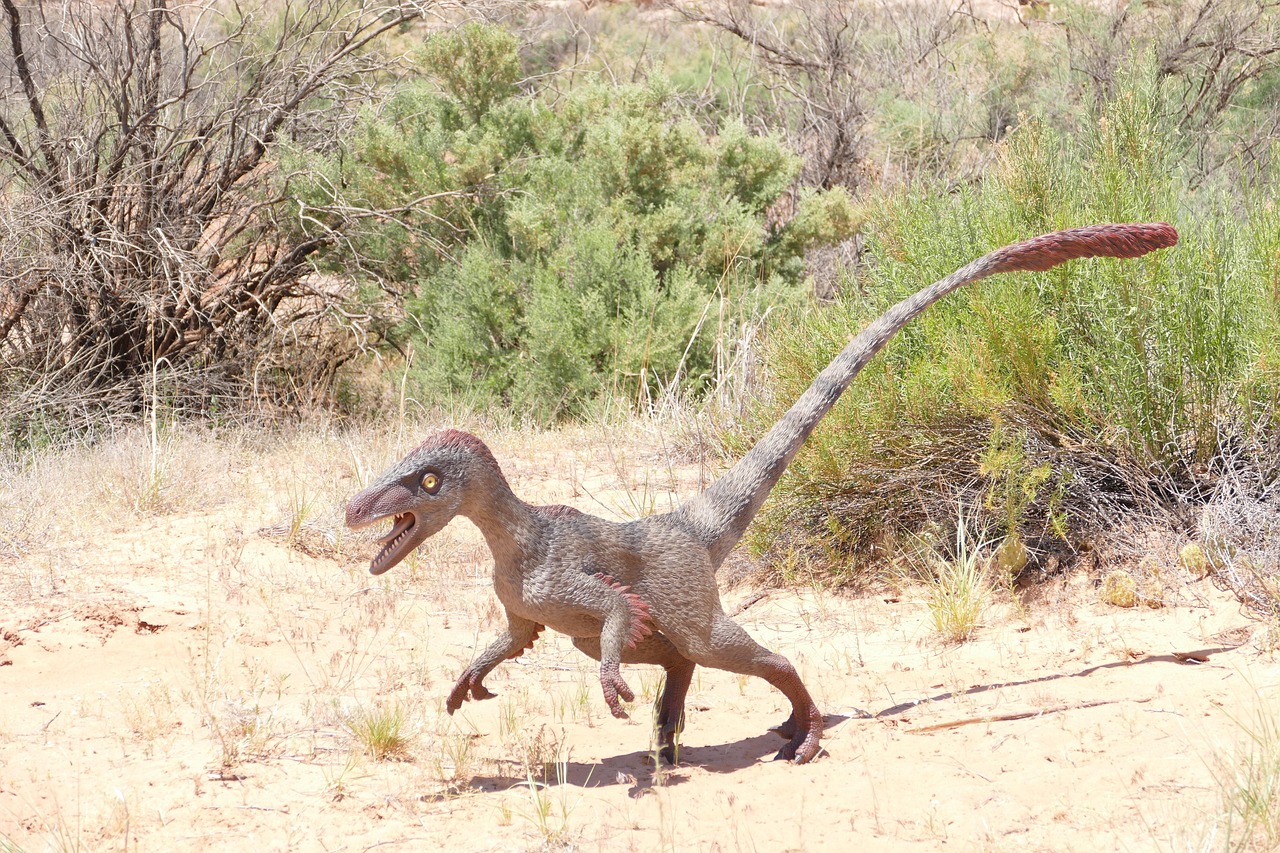
Yet life, as it always does, found a way. The Permian-Triassic mass extinction killed off most animals, except for a few lineages – including the animals that would evolve, in the Late Triassic, into the earliest dinosaurs. Recovery took several million years. Among the debris of the most catastrophic extinction event in Earth’s history, small, resilient creatures managed to cling to existence.
The later Triassic, however, was much hotter. The following periods – the Olenekian and Anisian – stabilized at temperatures 10 degrees higher than previously. This fundamentally changed world, with its dramatically elevated temperatures and altered ecosystems, became the crucible in which the ancestors of dinosaurs would eventually flourish. The survivors weren’t necessarily the strongest – they were the most adaptable.
The Second Strike: Triassic Volcanoes Clear the Path
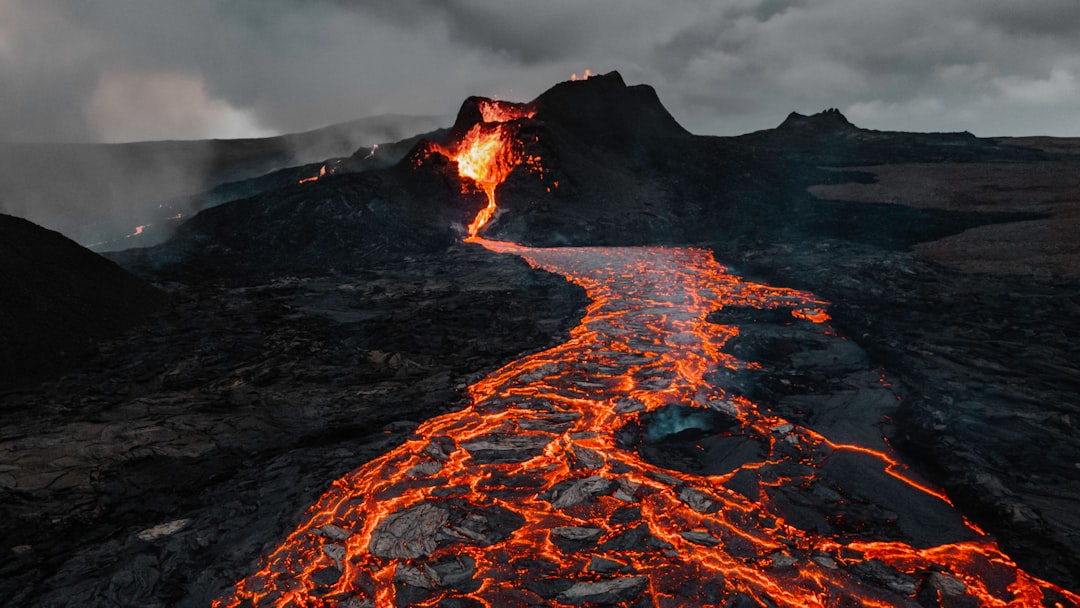
Just as life was getting comfortable again, Earth decided it wasn’t done reshaping itself. More than 200 million years ago, a massive extinction decimated 76 percent of marine and terrestrial species, marking the end of the Triassic period and the onset of the Jurassic. This devastating event cleared the way for dinosaurs to dominate Earth for the next 135 million years, taking over ecological niches formerly occupied by other marine and terrestrial species.
The leading and best evidenced explanation for the TJME is massive volcanic eruptions, specifically from the Central Atlantic Magmatic Province (CAMP), the largest known large igneous province by area, and one of the most voluminous. The CAMP volcanic eruptions occurred about 201 million years ago and split into four pulses lasting for over ~600,000 years. The resulting large igneous province is, in area covered, the most extensive on Earth. Once again, volcanism was reshaping the biological landscape.
Ice and Fire: The Volcanic Winter Theory
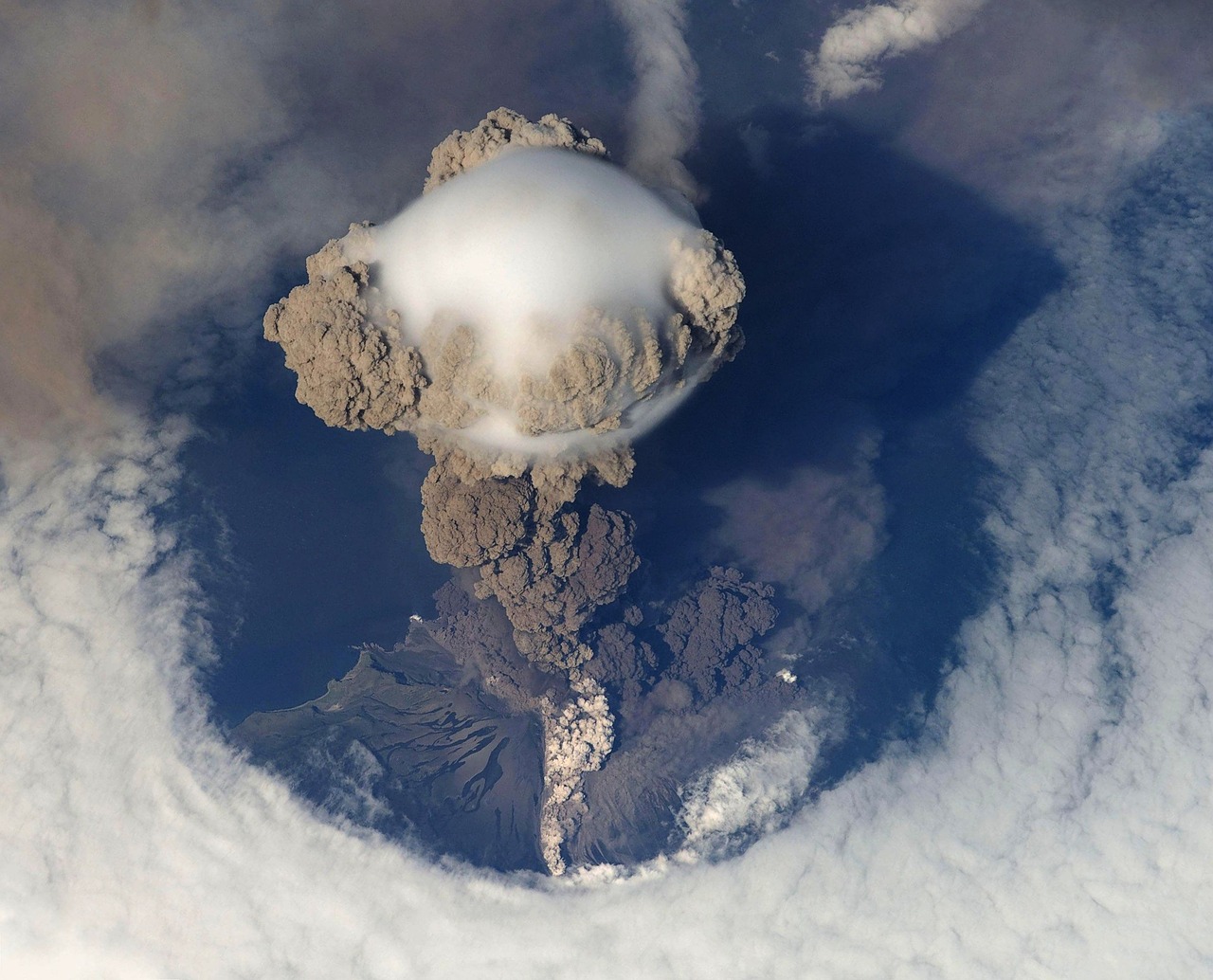
What the researchers found was five successive initial CAMP lava pulses spread over about 40,000 years. They say that these huge eruptions released so many sulfates so quickly that the sun was largely blocked out, causing temperatures to plunge. This presents a fascinating paradox – while we often think of volcanic eruptions causing global warming, they can also trigger devastating cooling periods.
Unlike carbon dioxide, which hangs around for centuries, volcanic sulfate aerosols tend to rain out of the atmosphere within years, so resulting cold spells don’t last very long. But due to the rapidity and size of the eruptions, these volcanic winters were devastating. The researchers compared the CAMP series to sulfates from the 1783 eruption of Iceland’s Laki volcano, which caused widespread crop failures; just the initial CAMP pulses were hundreds of times greater. Imagine the 1783 eruption, which caused crop failures across Europe, multiplied by several hundred times.
The Winners and Losers of Mass Extinction
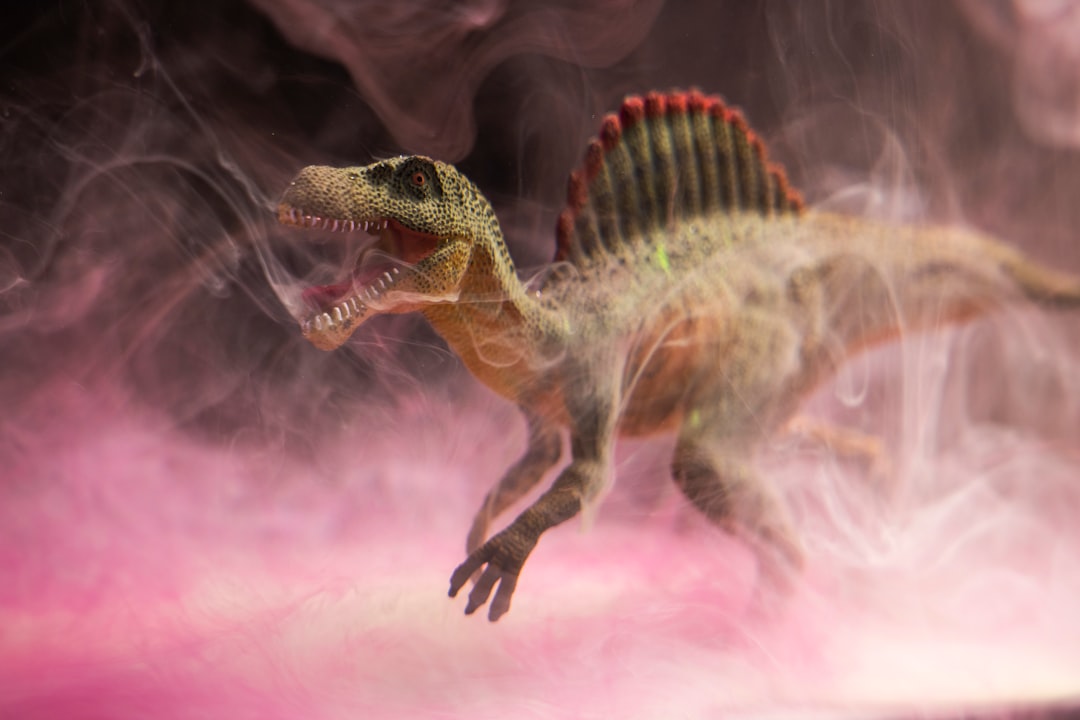
There are winners and losers in every mass extinction. Some groups disappear, while others, which might have seemed rare or in the background, seem to become more abundant after an extinction. In sediments just below the CAMP layers lie Triassic fossils: large terrestrial and semiaquatic relatives of crocodiles, strange tree lizards, giant, flat-headed amphibians, and many tropical plants. Then they disappear with the CAMP eruptions. Small feathered dinosaurs had been around for tens of millions of years before this, and survived, eventually to thrive and get much larger, along with turtles, true lizards, and mammals, possibly because they were small and could survive in burrows.
Among the most significant mysteries of the end-Triassic extinction, however, is why dinosaurs and pterosaurs fared so much better than so many of their reptilian neighbors. This remains one of paleontology’s great puzzles. Why did some groups thrive while others perished? Size, it seems, played a crucial role – smaller creatures had better chances of survival, possibly because they required less food and could shelter more effectively.
The Final Curtain: When Space Met Earth
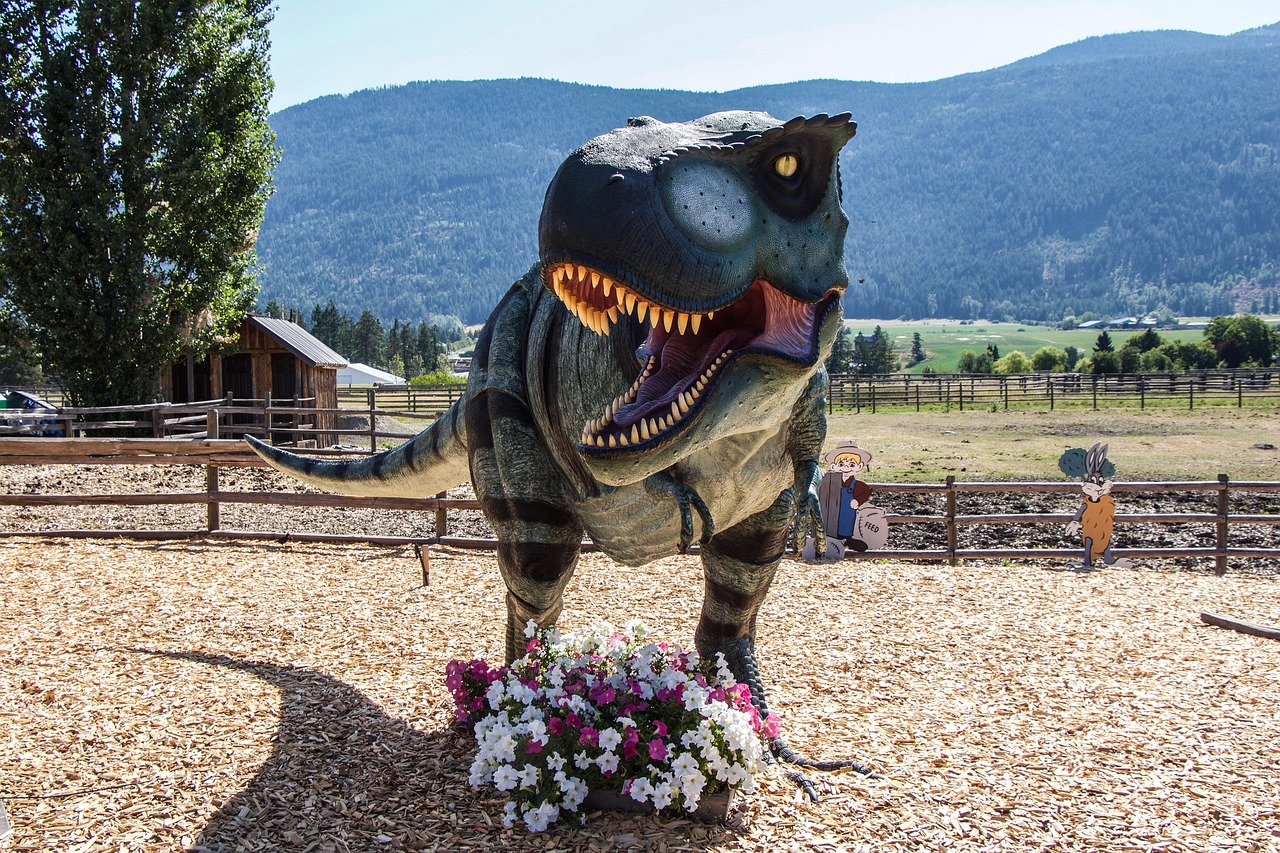
The Cretaceous–Paleogene (K–Pg) extinction event was a major mass extinction of three-quarters of the plant and animal species on Earth approximately 66 million years ago. The event caused the extinction of all non-avian dinosaurs. After surviving multiple volcanic catastrophes and thriving for about 135 million years, the dinosaurs finally met their match – not from within the Earth, but from the cosmos itself.
The theory gained even more steam when scientists were able to link the extinction event to a huge impact crater along the coast of Mexico’s Yucatán Peninsula. Measuring between 112 and 186 miles wide, the Chicxulub crater seems to be the right size and age to account for the dino die-off. The dinosaur-killing crash threw huge amounts of debris into the air and caused massive tidal waves to wash over parts of the American continents. There’s also evidence of substantial fires from that point in history. This time, it wasn’t Earth fighting back – it was the universe reminding our planet that it wasn’t alone.
Conclusion
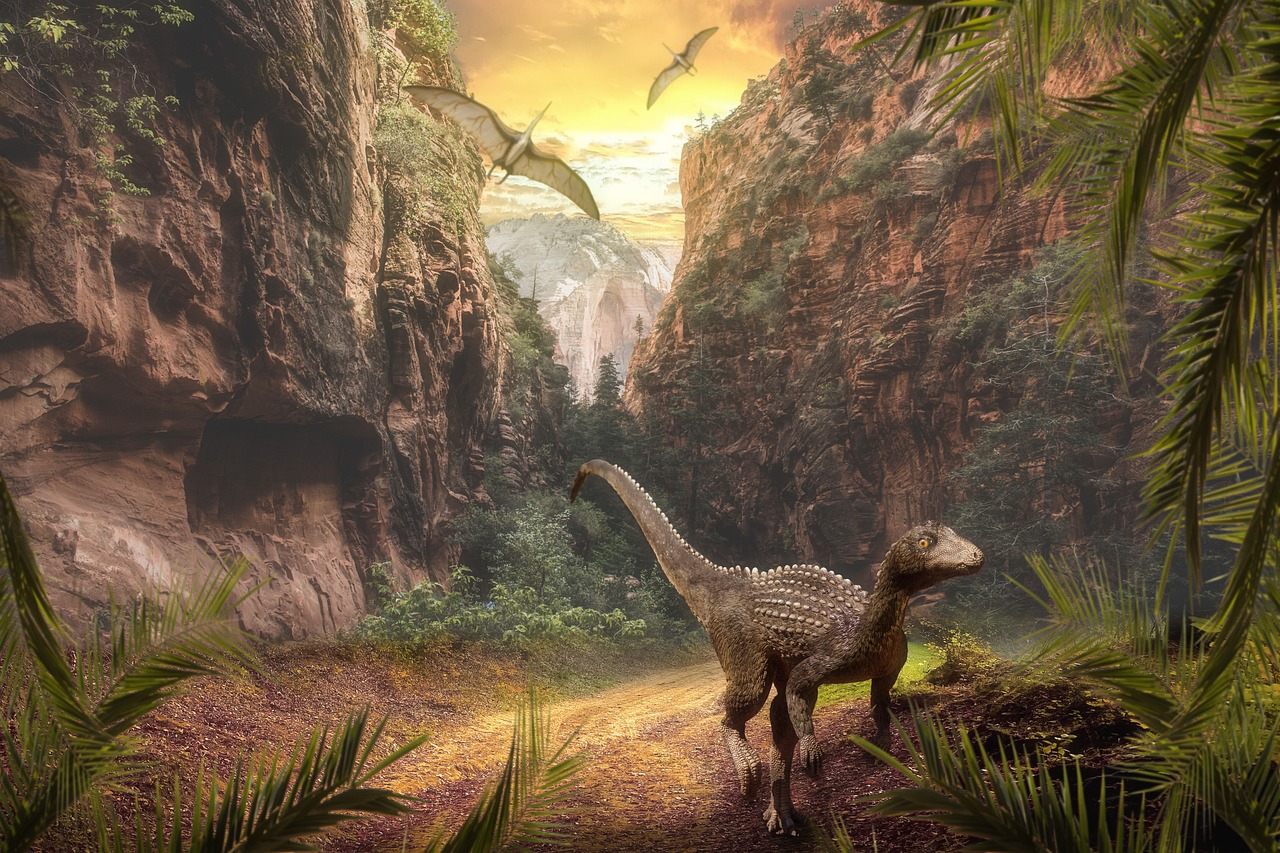
The story of dinosaurs is really the story of survival against impossible odds. From the poisoned world of the Great Dying to the volcanic winters of the Triassic, these magnificent creatures rose from the ashes of repeated global catastrophes. Each extinction event didn’t just destroy – it reshaped, reorganized, and ultimately created new opportunities for life to flourish in unexpected ways.
Today, as we face our own environmental challenges, there’s something both humbling and hopeful about understanding how life has persevered through Earth’s most dramatic tantrums. The planet has fought back before, and life has always found a way to adapt, evolve, and ultimately thrive. What lessons do you think we can learn from these ancient disasters? Share your thoughts in the comments.

- 10 Signs That Reveal Your Spirit Animal Is a Snake - July 18, 2026
- 10 Common Dog Training Mistakes That Actually Harm Your Bond - July 18, 2026
- The #1 Reason Vets Say Hummingbirds Are Avoiding Your Garden - July 17, 2026